
How Neurotransmitters Shape Your Personality and Behavior: A Chemical Blueprint?

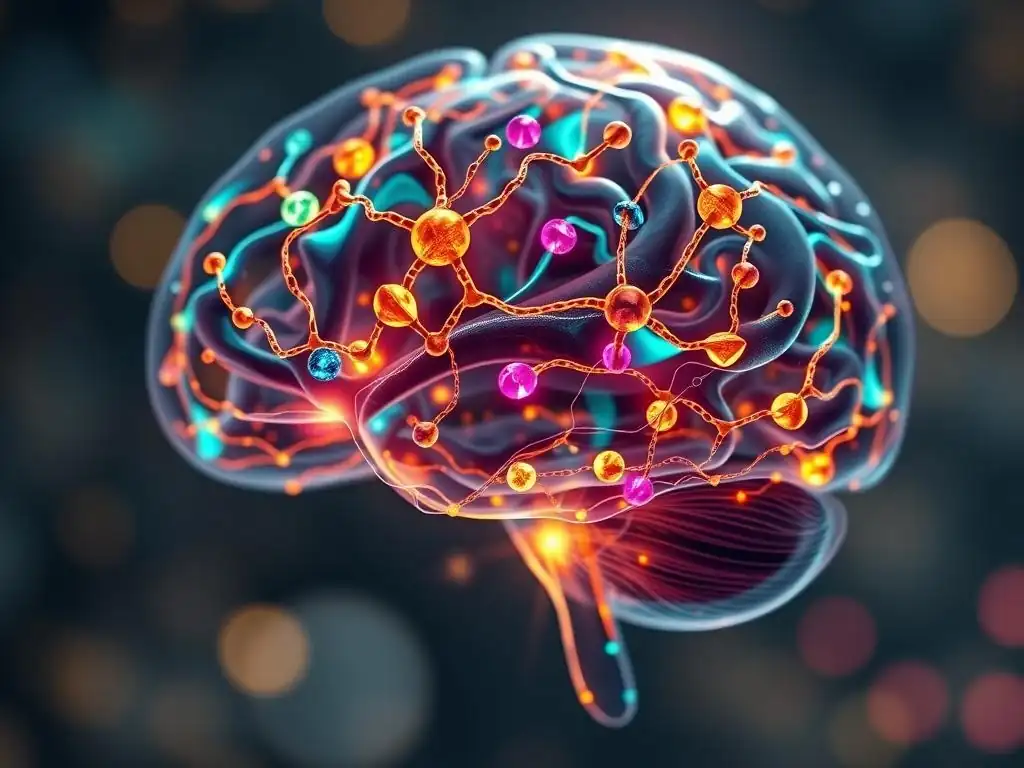
Welcome to Mind Care Guide, your trusted companion on the journey to mental well-being.
Ever wondered if your personality is simply a matter of chance, or if there's something deeper at play? We all experience the world uniquely, but what if the key to understanding ourselves lies within the intricate dance of chemicals in our brains? This is the question we'll explore in our main article, "How Neurotransmitters Shape Your Personality and Behavior: A Chemical Blueprint?". Prepare to delve into the fascinating world of neuroscience and uncover how these tiny messengers profoundly impact who you are. Intrigued? Let's unravel the mysteries together...
How Neurotransmitters Shape Your Personality and Behavior: A Chemical Blueprint?
- Introduction: Unveiling the Neurochemical Basis of Personality
- Decoding Neurotransmitters: The Brain's Chemical Messengers
- The Influence of Neurotransmitters on Core Personality Traits
- How Neurotransmitters Drive Specific Behaviors
- Factors Influencing Neurotransmitter Activity and Levels
- Neurotransmitter Dysregulation and Mental Health Disorders
-
Strategies for Optimizing Neurotransmitter Function for Enhanced Well-being
- Dietary Interventions to Boost Neurotransmitter Production
- Exercise and its Positive Effects on Neurotransmitter Balance
- Stress Management Techniques to Regulate Neurotransmitter Activity
- The Role of Mindfulness and Meditation in Neurotransmitter Modulation
- Pharmaceutical Interventions: Medications Targeting Neurotransmitter Systems
- The Future of Neurotransmitter Research and Personality Understanding
- Conclusion: Embracing the Chemical Blueprint for a Healthier Mind
-
Frequently Asked Questions
- How do neurotransmitters influence personality and behavior?
- What role do specific neurotransmitters play in shaping personality?
- Can neurotransmitter imbalances affect personality and behavior?
- How can I improve my neurotransmitter balance for better mental well-being?
- Is our personality solely determined by neurotransmitters, or are there other factors involved?
- Final Reflection: Decoding the Self: Neurotransmitters and the Human Experience
- Unlock Your Inner Potential: Discover the Power of Neurotransmitters!
Introduction: Unveiling the Neurochemical Basis of Personality
The Link Between Neurotransmitters and Individual Behaviors
Our unique personalities and the ways we behave are not solely determined by our experiences or environment; they are deeply intertwined with the intricate chemical processes occurring within our brains. At the core of these processes are neurotransmitters, powerful chemical messengers that transmit signals between nerve cells, or neurons. These signals influence everything from our mood and motivation to our cognitive abilities and emotional responses.
The specific balance, activity levels, and receptor sensitivity of various neurotransmitters contribute significantly to the fundamental building blocks of who we are, effectively acting as a neurochemical foundation that helps shape our enduring personality traits and moment-to-moment behaviors. Understanding this link is crucial for comprehending the biological underpinnings of human individuality.
This intricate chemical communication network dictates how we perceive the world, how we react to stress, our capacity for pleasure, and our inclination towards social interaction or solitude. For instance, variations in dopamine pathways can influence our drive for seeking rewards and novelty, potentially manifesting as traits like extraversion or impulsivity.
Similarly, differences in serotonin signaling are strongly associated with mood stability, anxiety levels, and emotional regulation, playing a key role in traits related to neuroticism or agreeableness. The collective activity of these and other neurotransmitters provides a biological blueprint that, in concert with genetic predispositions and environmental influences, results in the vast spectrum of human personality and behavioral patterns we observe.
Mind Care Guide's Perspective on Neurotransmitters and Mental Well-being
At Mind Care Guide, we recognize that mental well-being is a holistic concept, encompassing psychological, emotional, and social factors. However, we also understand the fundamental biological underpinnings that contribute to our mental state. Viewing how neurotransmitters shape personality and behavior is essential because imbalances or dysregulations in these chemical systems are often implicated in various mental health challenges.
By exploring the role of neurotransmitters, we aim to provide our readers with a deeper understanding of the biological factors that can influence their thoughts, feelings, and actions. This knowledge is empowering, helping individuals to see that many struggles may have roots in neurochemical processes that can potentially be influenced or supported.
Our goal is to demystify the complex world of brain chemistry and connect it to practical aspects of mental health. We believe that understanding the 'why' behind certain feelings or behaviors – even at a chemical level – can reduce stigma and provide pathways for support and intervention.
Whether discussing the impact of stress on norepinephrine or the role of serotonin in anxiety, our perspective emphasizes that these are not character flaws but biological processes. By shedding light on the neurochemical landscape, Mind Care Guide seeks to equip individuals with the information needed to engage in informed conversations with healthcare providers and explore strategies, both lifestyle-based and potentially pharmacological, that can help optimize neurotransmitter function for improved mental well-being.
Decoding Neurotransmitters: The Brain's Chemical Messengers
What are Neurotransmitters and How Do They Function?
Neurotransmitters are endogenous chemicals that enable communication between neurons throughout the nervous system. They are synthesized within the neuron, typically in the cell body or axon terminal, and stored in tiny sacs called vesicles. When an electrical signal (action potential) reaches the axon terminal, it triggers the release of these neurotransmitters into the synaptic cleft – the small gap between two neurons.
Once released, they diffuse across the cleft and bind to specific receptor proteins on the surface of the receiving (postsynaptic) neuron. This binding action acts like a key fitting into a lock, initiating a response in the postsynaptic neuron, which can be either excitatory (making the neuron more likely to fire an electrical signal) or inhibitory (making it less likely to fire).
The effect of a neurotransmitter is determined not just by the chemical itself, but also by the type of receptor it binds to. After binding and transmitting the signal, neurotransmitters are rapidly removed from the synaptic cleft. This removal happens through several mechanisms: reuptake into the presynaptic neuron (e.g., serotonin and dopamine transporters), enzymatic degradation in the cleft (e.g., acetylcholine), or diffusion away from the synapse.
This rapid clearance is crucial for allowing the synapse to reset and prepare for the next signal transmission, ensuring precise and timely communication within the brain. The entire process – synthesis, storage, release, receptor binding, and deactivation – is a tightly regulated system vital for normal brain function and, consequently, for shaping our personality and behavior.
Key Neurotransmitters Involved in Personality and Behavior
Dopamine: Reward, Motivation, and Personality Traits
Dopamine is often dubbed the "reward" or "pleasure" neurotransmitter, but its role is far more complex, extending significantly into motivation, learning, attention, and movement. It is central to the brain's reward pathway, a circuit that reinforces behaviors necessary for survival, such as eating and social interaction. When we engage in rewarding activities, dopamine is released, creating a feeling of pleasure and motivating us to repeat those actions.
This system heavily influences our drive, goal-directed behavior, and capacity for experiencing satisfaction. Variations in dopamine system activity are linked to personality traits like novelty-seeking (a tendency to pursue new experiences) and reward dependence (a tendency to be motivated by anticipation of reward). Individuals with more active dopamine pathways might be predisposed to be more outgoing, adventurous, and driven.
Beyond reward, dopamine plays a critical role in executive functions like planning and decision-making, primarily in the prefrontal cortex. It also modulates attention and working memory.
Dysregulation of dopamine signaling is implicated in various conditions that profoundly affect behavior and personality, including addiction (where drugs hijack the reward pathway), Parkinson's disease (affecting movement), and attention deficit hyperactivity disorder (ADHD), which involves deficits in attention and impulse control. Research suggests that genetic variations affecting dopamine receptors or transporters can subtly influence personality dimensions, contributing to the unique ways individuals approach motivation, risk-taking, and social engagement, thereby contributing to neurotransmitter personality shaping behavior.
Serotonin: Mood Regulation and Behavioral Control
Serotonin, or 5-hydroxytryptamine (5-HT), is a neurotransmitter widely known for its profound impact on mood, emotions, sleep, appetite, and social behavior. It acts as a crucial modulator across many brain regions, helping to regulate emotional states and behavioral inhibition. Optimal serotonin levels are associated with feelings of well-being, calmness, and emotional resilience. Conversely, dysregulation in serotonin pathways is strongly linked to mood disorders, including depression and anxiety disorders. Low serotonin activity is often observed in individuals experiencing persistent sadness, irritability, and difficulties with emotional regulation.
Serotonin also plays a key role in impulse control and social behavior. It appears to influence traits related to agreeableness and neuroticism. Higher serotonin activity is often associated with greater emotional stability, reduced anxiety, and a tendency towards cooperative and trusting behavior.
Studies, for example, have shown that manipulating serotonin levels can affect prosocial behavior in humans. The widespread distribution of serotonin receptors throughout the brain highlights its pervasive influence on various aspects of personality, from our general disposition and outlook on life to our capacity for managing stress and interacting effectively with others. Understanding serotonin's role is vital when considering the neurochemical basis of personality and mental health.
Norepinephrine: Arousal, Alertness, and Emotional Reactivity
Norepinephrine (also known as noradrenaline) is both a neurotransmitter and a hormone, integral to the body's "fight or flight" response as part of the sympathetic nervous system. In the brain, it plays a critical role in arousal, alertness, attention, and the stress response. Norepinephrine neurons project from the locus coeruleus in the brainstem to widespread areas of the brain, influencing our level of vigilance and readiness to respond to stimuli.
It helps us focus, stay alert, and form memories, particularly those associated with emotional events. The activity of the norepinephrine system is directly linked to our baseline anxiety levels and our emotional reactivity – how intensely we experience and respond to emotional triggers.
Individuals with a highly reactive norepinephrine system might be more prone to anxiety, heightened stress responses, and vigilance, contributing to traits associated with neuroticism or a cautious personality. Conversely, a less reactive system might be associated with calmness under pressure. Norepinephrine is also involved in regulating sleep-wake cycles and attention, influencing traits related to conscientiousness and focus.
Medications targeting norepinephrine are used to treat conditions like depression and ADHD, highlighting its significant impact on mood, energy levels, and the ability to concentrate. Its role in modulating arousal and stress responses makes it a critical component in the neurochemical profile that contributes to an individual's personality and behavioral tendencies.
GABA: Inhibition and Anxiety Regulation's Impact on Personality
Gamma-aminobutyric acid (GABA) is the primary inhibitory neurotransmitter in the central nervous system. Its main function is to reduce neuronal excitability, essentially acting as the brain's brake pedal. By inhibiting the firing of neurons, GABA helps to promote relaxation, reduce anxiety, and maintain a state of calm. It counteracts the excitatory effects of neurotransmitters like glutamate, helping to balance brain activity. The widespread influence of GABA receptors means that disruptions in GABA signaling can have broad effects on brain function and, consequently, on personality and behavior.
Adequate GABA activity is associated with feelings of tranquility and stability. Low levels of GABA or reduced GABA receptor function are strongly linked to increased anxiety, nervousness, restlessness, and even seizure disorders. This makes GABA a key player in traits related to emotional stability versus anxiety.
Personality dimensions like neuroticism are significantly influenced by the efficiency of the GABAergic system in dampening excessive neuronal firing associated with stress and fear responses. Medications like benzodiazepines, which enhance GABA activity, are prescribed to reduce anxiety, illustrating the direct link between this neurotransmitter and the regulation of anxious states that can profoundly impact an individual's behavioral patterns and overall personality expression.
Glutamate: Excitation and Learning's Role in Behavioral Patterns
Glutamate is the main excitatory neurotransmitter in the central nervous system, involved in over 90% of the synapses in the human brain. Its primary role is to increase the likelihood that a neuron will fire an electrical signal, facilitating rapid communication between neurons. Glutamate is absolutely essential for crucial brain functions like learning and memory.
It is involved in synaptic plasticity, the process by which synapses strengthen or weaken over time, which is the cellular basis of learning. This fundamental role in cognitive processes means glutamate significantly influences aspects of personality related to cognitive function, adaptability, and the formation of complex behavioral patterns.
While not as directly linked to specific emotional traits as serotonin or dopamine, glutamate's role in learning and memory formation underpins our ability to acquire new skills, adapt to changing environments, and build complex behavioral repertoires. Dysregulation of glutamate signaling has been implicated in various neurological and psychiatric disorders, including schizophrenia, where it may contribute to cognitive deficits and altered perceptions.
The balance between glutamate and GABA activity is critical for maintaining overall brain homeostasis. Understanding glutamate's excitatory function provides insight into the brain's computational power and how the foundational processes of learning and memory contribute to the development and expression of our unique personalities and behaviors.
The Influence of Neurotransmitters on Core Personality Traits
Neurotransmitter Imbalances and their Effects on Personality Dimensions
The concept of "imbalance" in neurotransmitters is complex and rarely means a simple deficiency or excess of a single chemical. More accurately, it refers to dysregulation in the synthesis, release, receptor sensitivity, or reuptake of neurotransmitters within specific brain circuits. These disruptions can alter the delicate balance of excitatory and inhibitory signals, leading to changes in mood, cognition, and behavior that manifest as shifts in personality dimensions.
For example, altered serotonin signaling in the limbic system might increase emotional reactivity, while changes in dopamine pathways in the prefrontal cortex could affect decision-making and motivation. These subtle or significant variations in neurochemical function contribute to the differences we see in how individuals consistently feel, think, and act, forming the basis of personality traits.
These neurochemical differences are not static; they can be influenced by genetics, environment, stress, diet, and other factors. However, relatively stable individual differences in neurotransmitter system function contribute to the enduring patterns of personality. For instance, some individuals may be genetically predisposed to have fewer dopamine receptors in certain brain areas, potentially influencing their drive and reward sensitivity throughout life.
Others might have genetic variations affecting serotonin transporter efficiency, impacting their baseline mood and anxiety levels. These neurochemical profiles, while not solely determining personality, provide a biological substrate that biases individuals towards certain ways of experiencing the world and behaving within it, highlighting the intricate link between neurochemistry and personality dimensions.
Neurotransmitter Levels and Extraversion/Introversion
Extraversion and introversion, core dimensions of personality, are thought to be significantly influenced by the brain's reward and arousal systems, where dopamine and norepinephrine play key roles. Extraverts tend to be more outgoing, sociable, and stimulation-seeking, often deriving energy from social interaction and novel experiences. Research suggests that extraverts may have a more active or sensitive dopamine reward pathway, leading them to seek out rewarding stimuli, including social ones, more vigorously than introverts. The anticipation of reward, rather than the reward itself, is strongly linked to dopamine release, potentially driving extraverts' proactive engagement with the environment.
Introverts, on the other hand, tend to be more reserved, reflective, and may find excessive social stimulation draining. While not necessarily having lower baseline dopamine, their threshold for optimal arousal might be lower, or their response to stimulation might be different. Norepinephrine, involved in arousal and alertness, may also play a role.
Introverts might function optimally at lower levels of arousal compared to extraverts, making highly stimulating environments less appealing or even overwhelming. Thus, individual differences in the sensitivity and activity of the dopamine and norepinephrine systems contribute to the varying degrees to which individuals seek external stimulation and social interaction, significantly shaping the extraversion-introversion spectrum.
Neurotransmitters and Agreeableness: Fostering Social Bonds
Agreeableness, a personality trait characterized by being compassionate, cooperative, trustworthy, and empathetic, is closely linked to our capacity for prosocial behavior and the regulation of social interactions. While multiple factors contribute, serotonin is considered a key neurotransmitter influencing this dimension. Serotonin plays a crucial role in regulating mood, reducing aggression and impulsivity, and promoting feelings of well-being, all of which facilitate smoother and more positive social engagements. Higher levels or more efficient serotonin signaling are often associated with lower levels of hostility and greater tendencies towards altruism and cooperation.
Research using pharmacological challenges has shown that manipulating serotonin levels can influence how individuals behave in social dilemmas or trust games, often increasing cooperative behavior. Beyond serotonin, other neurochemicals involved in social bonding, such as oxytocin and vasopressin, also interact with classical neurotransmitter systems like dopamine and serotonin, further influencing our capacity for empathy, trust, and forming social attachments. While the link is complex, it's clear that the neurochemical environment, particularly involving serotonin, provides a biological foundation that supports the development and expression of agreeable traits, impacting how individuals navigate and build relationships within their social world.
Conscientiousness and the Role of Neurochemical Balance
Conscientiousness, defined by traits such as being organized, responsible, diligent, and goal-oriented, involves executive functions like planning, attention, and impulse control. These cognitive processes are heavily reliant on the precise balance and activity of several neurotransmitter systems, particularly dopamine and norepinephrine, within the prefrontal cortex. Dopamine is crucial for motivation, working memory, and the ability to sustain effort towards a goal. Efficient dopamine signaling in prefrontal circuits helps individuals maintain focus, resist distractions, and experience satisfaction from completing tasks.
Norepinephrine contributes to alertness and sustained attention, aiding in the ability to concentrate on details and persist with tasks. The regulation of impulse control, a key component of conscientiousness (e.g., resisting procrastination), also involves dopamine and serotonin pathways. Dysregulation in these systems, such as the attention deficits seen in ADHD linked to altered dopamine and norepinephrine signaling, can make conscientious behaviors challenging. Therefore, the effective functioning and interplay of dopamine, norepinephrine, and serotonin systems provide the neurochemical support necessary for the cognitive control and motivational drive that underpin conscientiousness, illustrating another facet of neurotransmitter personality shaping behavior.
Neuroticism: Understanding the Neurotransmitter Connection
Neuroticism is characterized by a propensity to experience negative emotions such as anxiety, worry, fear, anger, and sadness. Individuals high in neuroticism tend to be emotionally reactive and vulnerable to stress. This personality dimension is strongly associated with dysregulation in several neurotransmitter systems, most notably serotonin, norepinephrine, and GABA. Serotonin plays a key role in regulating mood and dampening emotional reactivity; lower levels or impaired signaling are consistently linked to increased anxiety and depressive symptoms, core components of neuroticism.
The norepinephrine system, central to the body's stress response and arousal, is often hyperactive in individuals prone to anxiety and heightened stress reactivity, further contributing to neurotic tendencies. GABA, the brain's primary inhibitory neurotransmitter, is crucial for promoting calmness and reducing neuronal excitability.
Deficits in GABAergic function or reduced GABA receptor sensitivity are associated with increased anxiety and fearfulness. The interplay between these neurotransmitters, particularly the balance between excitatory signals (influenced by norepinephrine) and inhibitory signals (mediated by GABA, modulated by serotonin), significantly determines an individual's baseline emotional state and their vulnerability to stress, forming a major neurochemical basis for the trait of neuroticism.
Openness to Experience: Exploring the Neurochemical Landscape
Openness to Experience is a personality trait encompassing curiosity, imagination, intellectual broadmindedness, and a willingness to try new things. While less directly studied in terms of specific neurotransmitters compared to other traits, it is thought to involve complex interactions within brain networks associated with exploration, learning, and cognitive flexibility. Dopamine, with its role in novelty-seeking and reward anticipation, is a plausible candidate influencing the exploratory aspect of Openness. Individuals with a more active dopamine system might be more inclined to seek out new experiences and information.
Glutamate, the primary excitatory neurotransmitter crucial for learning, memory, and synaptic plasticity, is also likely involved. The ability to form new associations, adapt cognitive frameworks, and engage in abstract thinking, all aspects of Openness, rely heavily on efficient glutamatergic signaling.
The prefrontal cortex, a region heavily involved in complex cognitive functions and modulated by dopamine and glutamate, is particularly active in individuals high in Openness. While the neurochemical basis of Openness is perhaps the least understood among the "Big Five" traits, the interplay of systems supporting curiosity, learning, and cognitive flexibility, driven by neurotransmitters like dopamine and glutamate, provides a potential neurochemical backdrop for this dimension of personality.
How Neurotransmitters Drive Specific Behaviors
The Neurochemical Basis of Motivation and Drive
Motivation, the force that propels us towards goals, is fundamentally rooted in the brain's reward system, where dopamine plays a central role. The mesolimbic pathway, often called the "reward pathway," originates in the ventral tegmental area (VTA) and projects to the nucleus accumbens and prefrontal cortex. When we anticipate or receive a reward, dopamine neurons in the VTA fire, releasing dopamine in these target areas.
This surge in dopamine signals that an experience was rewarding and should be repeated, reinforcing the associated behaviors. It's not just about pleasure; dopamine is crucial for the desire or wanting component of reward, driving us to seek out the reward in the first place.
This dopamine-driven motivation system influences a vast array of behaviors, from basic drives like hunger and thirst to complex human pursuits like career goals, artistic creation, and social achievement. Individual differences in the sensitivity or activity of this pathway can significantly impact a person's overall drive level, persistence in pursuing goals, and susceptibility to procrastination.
For example, research suggests that individuals with lower dopamine receptor availability in certain brain regions may exhibit reduced motivation or anhedonia (inability to experience pleasure). Understanding this neurochemical basis of motivation is key to comprehending why some individuals are relentlessly driven while others struggle with initiation and persistence.
Neurotransmitters and Emotional Responses: Fear, Joy, and Sadness
Emotional experiences are complex states involving multiple brain regions and neurotransmitter systems working in concert. Fear, for instance, is heavily mediated by the amygdala, a brain structure involved in processing threats. The amygdala's activity is strongly influenced by norepinephrine, which triggers the physiological arousal associated with fear (increased heart rate, vigilance) and strengthens memory formation of fearful events. Serotonin also plays a modulatory role; adequate serotonin helps regulate the amygdala's response, preventing excessive fear or anxiety.
Joy and pleasure are closely tied to the dopamine reward pathway, as discussed earlier. Activities that bring us joy, whether social connection, achieving a goal, or experiencing sensory pleasures, activate dopamine release. Sadness, particularly in the context of depression, is associated with dysregulation of serotonin, norepinephrine, and dopamine systems.
While the exact mechanisms are complex, reduced activity or availability of these neurotransmitters in specific brain areas is linked to pervasive low mood, loss of interest (anhedonia), and reduced energy levels that characterize depressive states. These examples illustrate how specific neurotransmitters are integral to the generation and experience of core human emotions, influencing our reactions to the world and contributing to our emotional landscape.
Social behavior, from empathy and trust to aggression and cooperation, is profoundly influenced by neurochemical signaling. Serotonin is a major player, known to modulate social hierarchy, reduce aggression, and promote prosocial behaviors. Studies in both humans and animals have shown that altered serotonin levels can impact social dominance and affiliative behaviors. For example, low serotonin is sometimes associated with increased impulsivity and aggression.
Beyond serotonin, the neuropeptides oxytocin and vasopressin are critical for social bonding, trust, and empathy, and they interact extensively with classical neurotransmitter systems like dopamine and serotonin. Dopamine is involved in the rewarding aspects of social interaction, motivating us to seek connection and social approval. The complex interplay between these chemicals shapes our capacity for social cognition, our willingness to cooperate, our responses to social rejection, and ultimately, the quality of our social relationships. This neurochemical foundation highlights how deeply our social nature is embedded in the brain's chemical architecture, another way neurotransmitter personality shaping behavior unfolds.
Understanding Addictive Behaviors Through Neurotransmitter Pathways
Addiction is a chronic, relapsing brain disease characterized by compulsive drug seeking and use, despite harmful consequences. It is fundamentally a disorder of the brain's reward system, heavily involving dopamine. Drugs of abuse, such as cocaine, methamphetamine, nicotine, and alcohol, hijack the dopamine pathway, causing a massive surge in dopamine release in the nucleus accumbens far exceeding what natural rewards produce. This creates an intensely pleasurable "high" and powerfully reinforces the drug-taking behavior.
With repeated drug exposure, the brain adapts to these unnaturally high dopamine levels by reducing the number of dopamine receptors or decreasing dopamine synthesis. This leads to tolerance, where more of the drug is needed to achieve the same effect, and a state of anhedonia when the drug is absent, making natural rewards less appealing.
Other neurotransmitter systems, including glutamate (involved in learning and conditioning, associating cues with drug use), GABA (involved in anxiety and withdrawal), and opioid peptides (involved in pleasure and pain), also play significant roles in the complex cycle of addiction, withdrawal, and craving. Understanding these hijacked neurochemical pathways is crucial for developing effective addiction treatments.
Factors Influencing Neurotransmitter Activity and Levels
Genetics and Predisposition: The Inherited Neurochemical Profile
Our genetic makeup provides a blueprint that influences the structure and function of our neurotransmitter systems. Genes code for the enzymes that synthesize and break down neurotransmitters, the transporter proteins that reabsorb them from the synapse, and the receptors that bind to them on receiving neurons. Variations (polymorphisms) in these genes can lead to individual differences in neurotransmitter activity and levels.
For example, a common variation in the gene for the serotonin transporter (SERT) is associated with differences in anxiety levels and susceptibility to mood disorders. Individuals with certain variants might have fewer transporters, leading to higher serotonin levels in the synapse, while others might have more efficient transporters, leading to lower synaptic serotonin.
Similarly, variations in genes affecting dopamine receptors (like DRD4, linked to novelty-seeking) or the COMT enzyme (which breaks down dopamine, norepinephrine, and epinephrine) can influence executive function, stress response, and reward processing. While genetics do not rigidly determine personality or behavior, they can create predispositions or vulnerabilities by subtly biasing the efficiency and responsiveness of specific neurochemical pathways. This inherited neurochemical profile forms a foundational layer upon which environmental experiences interact to shape the developed personality and behavioral patterns.
Lifestyle Choices: Diet, Exercise, and Sleep's Impact on Neurotransmitters
Lifestyle factors have a profound impact on neurotransmitter function. Diet, for instance, provides the essential building blocks for neurotransmitter synthesis. Tryptophan, an amino acid found in foods like poultry, nuts, and dairy, is a precursor for serotonin. Tyrosine, found in protein-rich foods, is a precursor for dopamine and norepinephrine. Adequate intake of vitamins (like B vitamins and Vitamin D) and minerals (like magnesium and zinc) is also crucial for enzyme activity involved in neurotransmitter production and function. A diet rich in processed foods and lacking essential nutrients can impair neurochemical balance.
Regular physical exercise is a powerful modulator of neurotransmitter systems. Aerobic exercise, in particular, has been shown to increase the synthesis and release of dopamine, serotonin, and norepinephrine, contributing to improved mood, reduced anxiety, and enhanced cognitive function. Exercise can also increase the number of receptors in certain brain areas.
Sleep is equally critical; neurotransmitter systems are actively regulated during sleep cycles. Chronic sleep deprivation disrupts the balance of multiple neurotransmitters, including serotonin, dopamine, and norepinephrine, negatively impacting mood, attention, and emotional regulation. Prioritizing a balanced diet, regular exercise, and sufficient sleep are fundamental strategies for supporting healthy neurotransmitter function and overall mental well-being.
Environmental Factors and Neurotransmitter Modulation
The environment we inhabit and the experiences we have significantly modulate our neurotransmitter systems throughout life. Chronic stress, for example, leads to the prolonged release of stress hormones like cortisol, which can disrupt the delicate balance of neurotransmitters, particularly affecting serotonin, dopamine, and norepinephrine pathways in areas like the hippocampus and prefrontal cortex. Early life adversity, such as trauma or neglect, can have long-lasting effects on the development and regulation of these systems, potentially increasing vulnerability to mental health issues later in life by altering stress reactivity and emotional regulation circuits.
Exposure to environmental toxins, certain chemicals, or even pollutants can also interfere with neurotransmitter synthesis, release, or receptor function. Social interactions themselves modulate neurochemistry; positive social support can buffer the effects of stress and promote the release of neurochemicals associated with well-being, while social isolation can have detrimental effects. Our environment constantly interacts with our genetic predispositions, fine-tuning or sometimes disrupting the neurochemical processes that underlie our personality and behavior. This highlights that while genetics provide a template, environmental factors play a crucial role in how that template is expressed over time.
The Gut-Brain Axis: How Gut Health Affects Neurotransmitter Production
Emerging research highlights the critical link between the gut and the brain, often referred to as the gut-brain axis. This bidirectional communication system involves neural pathways, hormones, and the immune system, but also includes the significant role of the gut microbiome – the trillions of bacteria living in our digestive tract.
These microbes can produce a wide range of neuroactive compounds, including some neurotransmitters or their precursors. For instance, a significant portion of the body's serotonin (estimated at around 90%) is produced in the gut by enterochromaffin cells, and while this gut-derived serotonin primarily functions locally within the gut, it can influence brain function indirectly via the vagus nerve and other pathways.
Gut microbes also produce short-chain fatty acids (SCFAs) and other metabolites that can influence brain health and function, including modulating levels of neurotransmitters like GABA. An unhealthy gut microbiome, characterized by an imbalance of beneficial and harmful bacteria (dysbiosis), has been linked to various mental health conditions, including anxiety and depression, potentially through its impact on neuroinflammation and neurotransmitter signaling. Maintaining a healthy gut through diet (rich in fiber, fermented foods) and lifestyle can therefore be a supportive strategy for optimizing neurochemical balance and overall mental well-being.
Neurotransmitter Dysregulation and Mental Health Disorders
The Connection Between Neurotransmitter Imbalances and Depression
Depression is a complex mood disorder associated with significant alterations in brain chemistry. Historically, the "monoamine hypothesis" proposed that depression was caused by a simple deficiency of monoamine neurotransmitters – serotonin, norepinephrine, and dopamine. While this is now considered an oversimplification, dysregulation in these systems is undeniably linked to the disorder. Research shows that individuals with depression often have altered activity or availability of serotonin, norepinephrine, and dopamine in key brain circuits involved in mood, motivation, and pleasure. For example, studies using PET scans have sometimes shown reduced serotonin transporter binding in the brains of depressed individuals.
Antidepressant medications like SSRIs (Selective Serotonin Reuptake Inhibitors) work by increasing the availability of serotonin in the synapse, while SNRIs (Serotonin-Norepinephrine Reuptake Inhibitors) affect both serotonin and norepinephrine. While these medications are effective for many, their delayed therapeutic effects and the fact that they don't work for everyone indicate that neurotransmitter imbalances are part of a larger, more complex picture involving neural circuits, inflammation, and genetic/environmental factors. Nevertheless, understanding the role of serotonin, norepinephrine, and dopamine dysregulation remains central to both the theory and treatment of depression, highlighting the impact of altered neurochemistry on mood and behavior.
Anxiety Disorders: Exploring the Neurochemical Roots
Anxiety disorders, including generalized anxiety disorder, panic disorder, and social anxiety disorder, are characterized by excessive worry, fear, and nervousness. These conditions are strongly associated with dysregulation in neurotransmitter systems involved in regulating fear and stress responses, primarily GABA, norepinephrine, and serotonin. As the brain's main inhibitory neurotransmitter, GABA plays a crucial role in calming neuronal activity. Reduced GABAergic function or fewer GABA receptors, particularly in areas like the amygdala and prefrontal cortex, can lead to heightened neuronal excitability and increased anxiety. Studies have indicated reduced GABA binding sites in the brains of individuals with panic disorder, for instance.
Norepinephrine, central to the body's fight-or-flight response, is often hyperactive in anxiety disorders, leading to symptoms like racing heart, sweating, and hypervigilance. The locus coeruleus, the primary source of norepinephrine in the brain, shows increased firing rates in response to stress in anxious individuals. Serotonin also plays a modulatory role; proper serotonin signaling helps regulate the amygdala's response to threats and influences worry and rumination. Medications targeting these systems, such as benzodiazepines (enhancing GABA), SSRIs, and SNRIs, are common treatments for anxiety disorders, underscoring the significant neurochemical basis of these conditions and how they impact personality and behavior.
Schizophrenia: Dopamine and Glutamate's Role in Psychotic Symptoms
Schizophrenia is a severe mental disorder characterized by disturbances in thought processes, perceptions, emotional responsiveness, and social interactions, including symptoms like hallucinations, delusions, disorganized thinking, and reduced motivation. The neurochemical basis of schizophrenia is complex and involves multiple neurotransmitter systems, but dopamine and glutamate are considered central. The "dopamine hypothesis," in its revised form, suggests that positive symptoms (hallucinations, delusions) are linked to excessive dopamine activity, particularly in the mesolimbic pathway, possibly due to increased dopamine release or hypersensitive dopamine D2 receptors. Antipsychotic medications effectively reduce positive symptoms by blocking dopamine D2 receptors.
However, the dopamine hypothesis doesn't fully explain all symptoms, particularly negative symptoms (like apathy, social withdrawal) and cognitive deficits. The "glutamate hypothesis" proposes that hypofunction of NMDA receptors, a type of glutamate receptor, contributes significantly to schizophrenia, potentially affecting dopamine regulation and leading to cognitive and negative symptoms. Glutamate dysregulation may also contribute to altered connectivity in brain circuits involved in perception and thought. The current understanding is that schizophrenia involves a complex interplay between dopamine and glutamate systems, along with other neurotransmitters, leading to widespread disruptions in brain function that profoundly impact personality and behavior.
ADHD: Understanding the Neurotransmitter Deficits
Attention Deficit Hyperactivity Disorder (ADHD) is a neurodevelopmental disorder characterized by persistent patterns of inattention, hyperactivity, and impulsivity that interfere with functioning or development. The neurochemical basis of ADHD is primarily linked to dysregulation in the dopamine and norepinephrine systems, particularly in brain regions responsible for executive functions, attention, motivation, and impulse control, such as the prefrontal cortex, basal ganglia, and striatum. Research suggests that individuals with ADHD may have reduced dopamine and norepinephrine activity in these areas.
This reduced activity can impair the brain's ability to regulate attention, inhibit impulsive responses, and sustain effort towards goals. For instance, studies using neuroimaging have sometimes shown reduced dopamine transporter density or altered dopamine receptor sensitivity in individuals with ADHD. Stimulant medications, commonly prescribed for ADHD, work by increasing the availability of dopamine and norepinephrine in the synapse, thereby improving attention, focus, and impulse control. This direct link between dopamine and norepinephrine deficits and the core symptoms of ADHD clearly illustrates how specific neurotransmitter dysregulations can profoundly shape an individual's behavior and cognitive profile from an early age.
Strategies for Optimizing Neurotransmitter Function for Enhanced Well-being

Dietary Interventions to Boost Neurotransmitter Production
Optimizing neurotransmitter function can be supported through targeted dietary choices that provide the necessary precursors and cofactors for synthesis. For example, consuming adequate amounts of protein ensures the availability of amino acids like tryptophan (for serotonin) and tyrosine (for dopamine and norepinephrine). While eating tryptophan-rich foods doesn't guarantee a direct increase in brain serotonin (due to competition with other amino acids for transport across the blood-brain barrier), a protein-sufficient diet is foundational. Carbohydrates can indirectly help tryptophan cross the blood-brain barrier by stimulating insulin release, which helps shuttle other amino acids into muscles.
Furthermore, essential fatty acids, particularly omega-3s found in fatty fish, flaxseeds, and walnuts, are crucial for the structure and function of neuronal membranes and neurotransmitter receptors. Deficiencies in B vitamins (B6, B12, folate) and minerals like magnesium, zinc, and iron can impair the enzymatic processes required for neurotransmitter synthesis. Ensuring a balanced diet rich in whole foods, lean proteins, healthy fats, and plenty of fruits and vegetables provides the broad spectrum of nutrients needed to support healthy neurotransmitter production and overall brain function, contributing to improved mood, cognition, and energy levels.
Exercise and its Positive Effects on Neurotransmitter Balance
Regular physical exercise is one of the most potent non-pharmacological interventions for improving mood and cognitive function, largely due to its positive impact on neurotransmitter systems. Aerobic exercise, such as running, swimming, or cycling, has been shown to consistently increase the synthesis, release, and metabolism of dopamine, serotonin, and norepinephrine in various brain regions. This increase in monoamine activity contributes to the "runner's high," improved mood, reduced stress and anxiety, and enhanced focus and attention often experienced after exercise.
Exercise also promotes the release of endorphins, opioid peptides that interact with the reward system and contribute to feelings of pleasure and pain relief. Furthermore, chronic exercise can lead to structural changes in the brain, such as increased neurogenesis (the birth of new neurons) and synaptogenesis (the formation of new synapses), particularly in areas like the hippocampus, which is crucial for learning and memory and is impacted by stress and depression.
By enhancing the function and balance of key neurotransmitters, regular exercise is a powerful tool for supporting mental well-being and positively influencing the neurochemical basis of personality and behavior.
Stress Management Techniques to Regulate Neurotransmitter Activity
Chronic stress can significantly disrupt neurotransmitter balance, particularly affecting the delicate interplay between stress hormones like cortisol and neurotransmitters like serotonin, dopamine, and norepinephrine. Elevated cortisol levels can impair the function of monoamine systems and even lead to neuronal damage in vulnerable brain areas. Implementing effective stress management techniques is therefore crucial for regulating neurotransmitter activity and protecting mental health.
Practices such as deep breathing exercises, progressive muscle relaxation, yoga, and spending time in nature have been shown to activate the parasympathetic nervous system, counteracting the fight-or-flight response mediated by norepinephrine. These techniques can help lower cortisol levels and promote a more balanced neurochemical state. Regular engagement in enjoyable hobbies, maintaining strong social connections, and ensuring adequate downtime also contribute to stress reduction and support healthy neurotransmitter function. By consciously managing stress, individuals can help prevent the detrimental neurochemical shifts that contribute to anxiety, depression, and other stress-related conditions.
The Role of Mindfulness and Meditation in Neurotransmitter Modulation
Mindfulness and meditation practices, which involve focusing attention on the present moment without judgment, have gained significant recognition for their benefits in reducing stress, improving emotional regulation, and enhancing overall well-being. Research suggests that these practices can influence neurotransmitter systems. Regular meditation has been associated with increased levels of GABA, the primary inhibitory neurotransmitter, which helps reduce neuronal excitability and promote feelings of calmness and relaxation, counteracting anxiety.
Mindfulness and meditation can also modulate serotonin and dopamine pathways, potentially improving mood and increasing feelings of contentment. By promoting a state of relaxed awareness and reducing the reactivity of the amygdala (the brain's fear center), these practices help regulate the stress response system, including the release of norepinephrine and cortisol.
While the exact mechanisms are still being explored, the ability of mindfulness and meditation to foster a sense of calm, improve emotional resilience, and positively impact mood appears to be mediated, at least in part, through the beneficial modulation of key neurotransmitter systems, offering a path to better mental balance.
Pharmaceutical Interventions: Medications Targeting Neurotransmitter Systems
For individuals experiencing significant mental health challenges, pharmaceutical interventions that target neurotransmitter systems are often a necessary component of treatment. Medications like Selective Serotonin Reuptake Inhibitors (SSRIs) are widely prescribed for depression and anxiety disorders. They work by blocking the reuptake of serotonin into the presynaptic neuron, increasing its concentration in the synaptic cleft and enhancing signaling. Similarly, Serotonin-Norepinephrine Reuptake Inhibitors (SNRIs) affect both serotonin and norepinephrine reuptake.
Other classes of medications target different neurotransmitters. Benzodiazepines, used for acute anxiety relief, enhance the effect of GABA, increasing inhibition and reducing neuronal excitability. Stimulant medications used for ADHD, such as methylphenidate and amphetamines, increase the release and block the reuptake of dopamine and norepinephrine, improving attention and impulse control.
Antipsychotic medications, used to treat conditions like schizophrenia and bipolar disorder, often block dopamine receptors, particularly D2 receptors, to reduce psychotic symptoms. It is crucial to remember that these medications are powerful tools that should only be used under the guidance of a qualified healthcare professional, as they can have significant side effects and require careful monitoring.
The Future of Neurotransmitter Research and Personality Understanding
Personalized Medicine: Tailoring Treatments to Individual Neurochemical Profiles
The future of understanding and treating mental health conditions, and potentially gaining deeper insights into neurotransmitter personality shaping behavior, lies increasingly in the realm of personalized medicine. Recognizing that individuals respond differently to treatments, researchers are exploring ways to tailor interventions based on an individual's unique neurochemical profile. This involves using genetic testing (pharmacogenomics) to identify variations in genes that influence how the body processes medications that target neurotransmitters or how neurotransmitter systems function inherently. For example, testing for variations in serotonin transporter genes might help predict response to SSRIs.
Beyond genetics, advances in neuroimaging and other biomarkers are aiming to provide more direct measures of neurotransmitter activity, receptor availability, or metabolic profiles in living individuals. The goal is to move away from a trial-and-error approach to prescribing medications and instead use biological data to select the most likely effective treatment at the outset. This personalized approach holds the promise of more effective treatments with fewer side effects, leading to better outcomes for individuals struggling with mental health challenges and offering a more nuanced understanding of the biological underpinnings of individual differences in personality and behavior.
Advances in Neuroimaging: Mapping Neurotransmitter Activity in the Brain
Neuroimaging techniques are revolutionizing our ability to study neurotransmitters in the living human brain, moving beyond inferences from animal studies or post-mortem tissue. Techniques like Positron Emission Tomography (PET) allow researchers to visualize and quantify the distribution and binding of specific neurotransmitter receptors, transporters, and enzymes by using radioactive tracers that bind to these molecules.
This provides invaluable data on the density and availability of components of neurotransmitter systems in different brain regions, offering insights into how these systems might differ between individuals or in various psychiatric conditions. For example, PET studies have mapped dopamine receptor availability in the striatum and its correlation with personality traits like novelty-seeking.
Functional Magnetic Resonance Imaging (fMRI), while not directly measuring neurotransmitter levels, can assess brain activity patterns associated with specific tasks or emotional states, and this activity is a downstream effect of neurotransmitter signaling. Combining fMRI with pharmacological challenges (administering a drug that affects a specific neurotransmitter system) allows researchers to study how manipulating neurochemistry impacts brain network activity. These advanced neuroimaging tools are providing increasingly detailed maps of how neurotransmitter systems are organized and function in the brain, offering unprecedented opportunities to link specific neurochemical patterns to personality traits and behavioral tendencies, refining our understanding of the chemical blueprint.
Ethical Considerations in Manipulating Neurotransmitter Systems
As our understanding of how neurotransmitters shape personality and behavior grows, so do the ethical considerations surrounding interventions that manipulate these systems. Pharmaceutical treatments for mental illness are widely accepted, but the potential to use neurochemical interventions for "enhancement" – improving mood, focus, or social ease in individuals without a diagnosed disorder – raises complex questions. Is it ethical to use medications or other methods to alter personality traits like shyness or low motivation if they are not causing significant distress or impairment? Who decides what constitutes a desirable personality trait or a 'normal' neurochemical profile?
There are concerns about potential side effects, long-term consequences of altering brain chemistry, issues of coercion, and the potential for creating societal pressure to conform to certain neurochemical norms. Ensuring informed consent when discussing treatments that affect brain chemistry is paramount. As research progresses and new technologies emerge, open dialogue about the ethical implications of manipulating neurotransmitter systems is essential to navigate the potential benefits and risks responsibly, ensuring that interventions are used to alleviate suffering and promote well-being rather than simply engineer personality.
Conclusion: Embracing the Chemical Blueprint for a Healthier Mind
Neurotransmitter personality shaping behavior: A Summary of Key Takeaways
The journey through the brain's chemical landscape reveals a fundamental truth: neurotransmitters are not just involved in basic brain functions; they are integral to shaping our unique personalities and influencing our behavioral patterns. From the drive fueled by dopamine and the emotional stability modulated by serotonin to the anxiety regulated by GABA and the cognitive flexibility supported by glutamate, these chemical messengers provide a biological blueprint that contributes significantly to who we are.
Variations and dysregulations in these systems, influenced by genetics, lifestyle, and environment, are linked to the spectrum of personality traits and are often at the heart of mental health challenges.
Understanding how neurotransmitters shape personality and behavior offers valuable insights into the biological underpinnings of human individuality and vulnerability. It underscores that many aspects of our temperament, emotional reactivity, and behavioral tendencies have roots in complex neurochemical processes. While not the sole determinants, these chemical signals provide a crucial layer of understanding that complements psychological, social, and environmental perspectives. Recognizing this intricate interplay empowers us to appreciate the biological diversity among individuals and informs strategies for supporting mental well-being.
Empowering Yourself with Knowledge of Neurochemistry
Gaining knowledge about how neurotransmitters influence personality and behavior can be incredibly empowering. It provides a framework for understanding why we might feel or act in certain ways, reducing self-blame or stigma associated with difficult emotions or behaviors. It highlights that our internal experiences are not purely abstract but are tied to tangible biological processes that can potentially be influenced. This understanding encourages a proactive approach to mental well-being, emphasizing the impact of modifiable factors like diet, exercise, sleep, and stress management on brain chemistry.
Armed with this knowledge, individuals can make more informed choices about their lifestyle, seek appropriate support when needed, and engage in more productive conversations with healthcare providers about treatment options. It fosters empathy for ourselves and others, recognizing that differences in behavior or struggles with mental health may have roots in complex biological variations. By embracing the concept of the chemical blueprint, we can cultivate a deeper appreciation for the intricate workings of the mind and take meaningful steps towards optimizing our neurochemical health for enhanced resilience and well-being.
Frequently Asked Questions
How do neurotransmitters influence personality and behavior?
Neurotransmitters act as chemical messengers in the brain. They directly impact mood, emotions, and cognitive functions, thus shaping personality and behavior patterns.
What role do specific neurotransmitters play in shaping personality?
Different neurotransmitters are linked to specific personality traits. For example, dopamine is associated with motivation and reward, while serotonin is linked to mood regulation and impulsivity.
Can neurotransmitter imbalances affect personality and behavior?
Yes, imbalances can lead to significant changes. Deficiencies or excesses can contribute to conditions like anxiety, depression, and personality disorders, affecting behavior.
How can I improve my neurotransmitter balance for better mental well-being?
Lifestyle choices such as diet, exercise, and sleep play a crucial role. Addressing stress and potentially working with a healthcare professional for medication or therapy can also help.
Is our personality solely determined by neurotransmitters, or are there other factors involved?
While neurotransmitters are significant contributors, personality is complex. Genetics, environment, and life experiences also interact to shape an individual's unique characteristics.
Final Reflection: Decoding the Self: Neurotransmitters and the Human Experience
Understanding the intricate dance of neurotransmitters is not merely an academic pursuit; it's a crucial step towards unlocking a deeper understanding of ourselves and others. The impact of these chemical messengers on our personalities and behaviors is profound, shaping our responses to the world in ways we are only beginning to fully comprehend. This knowledge empowers us to approach ourselves and our interactions with greater empathy and self-awareness.
The exploration of neurotransmitter influence on personality and behavior has profoundly shifted how we view mental health and human interaction. It moves beyond simple labels and diagnoses, offering a glimpse into the complex biochemical processes underlying our thoughts, feelings, and actions. This understanding challenges us to move beyond simplistic explanations of human behavior and embrace the nuanced reality of our internal chemistry. The brain is the most complex organ in the body, and understanding its intricate workings is a journey of a lifetime.
This journey, fueled by ongoing research into neurotransmitters, promises to revolutionize our approach to mental wellness and interpersonal relationships.
Now, consider your own experiences. Think about moments of intense joy, crippling anxiety, or unwavering focus. These are not just abstract emotions; they are the tangible results of neurochemical processes within your brain.
By understanding the role of neurotransmitters, you can begin to identify patterns in your own behavior and develop strategies for managing your emotional responses. Take this knowledge and use it to cultivate self-compassion, to approach challenges with a deeper understanding of your internal landscape, and to build stronger, more meaningful connections with those around you. The future of mental wellness lies in this very understanding – a future where we can harness the power of our own neurochemistry to live more fulfilling and balanced lives.
Unlock Your Inner Potential: Discover the Power of Neurotransmitters!
Thanks for diving deep into the fascinating world of neurotransmitters and how they shape you! We hope you gained valuable insights into your own unique chemical blueprint. Now it's time to put that knowledge into action.
Here's how to keep exploring and sharing your newfound understanding:
- Start a Neurotransmitter Journal: Track your mood, energy levels, and activities throughout the day, noting potential correlations with your neurotransmitter balance. This is your personal experiment!
- Share Your Discoveries: Discuss this article with friends or family; perhaps they'll find it just as enlightening. Spark a conversation about mental wellness and the fascinating science behind it.
- Research Neurotransmitter-Supporting Foods: Explore the foods and supplements that might support your neurotransmitter function. Are there any changes you can incorporate into your diet?
So, what simple step will you take today to better understand and optimize your neurochemical balance?