
The Science of Feeling Good: Latest Research on the GutBrain Connection

Welcome to Mind Care Guide, a sanctuary for your mental well-being.
Ever wonder if that uneasy feeling in your stomach is more than just indigestion? Dive into the groundbreaking world of Gut Brain Connection Research Benefits and discover how the secrets of your microbiome might be the key to unlocking a happier, healthier you. We'll explore the latest findings and what they mean for your mental health, sparking a journey of self-discovery and empowerment. Are you ready to learn how your gut whispers to your mind?
The Science of Feeling Good: Latest Research on the Gut-Brain Connection
- Introduction: Understanding the Gut-Brain Axis and Mental Well-being
- The Gut-Brain Connection Research Benefits: Exploring the Latest Findings
- The Role of Neurotransmitters in the Gut-Brain Relationship
- Diet and the Gut-Brain Connection: Foods that Promote Mental Wellness
- Gut Health Interventions and Their Impact on Mental Health
- The Gut-Brain Connection and Specific Mental Health Conditions
- Practical Steps to Improve Your Gut Health for Mental Well-being
- Future Directions in Gut-Brain Connection Research
- Conclusion: Harnessing the Power of the Gut-Brain Connection for a Healthier Mind
-
Frequently Asked Questions
- How does the gut influence mental well-being, according to the latest research?
- What are some key benefits of understanding the gut-brain connection for mental health?
- What specific types of bacteria in the gut are linked to positive mental health outcomes?
- What dietary changes can individuals make to improve their gut health and, subsequently, their mental well-being?
- What are the limitations of current gut-brain connection research, and what future research is needed?
- Final Reflection: Unlocking the Power Within: Your Gut's Influence on Wellbeing
- Unlock Your Inner Well-being: Nurture Your Gut-Brain Connection
Introduction: Understanding the Gut-Brain Axis and Mental Well-being
The Gut-Brain Connection: A Two-Way Street for Mental Health
The concept of the gut-brain connection describes a complex bidirectional communication system linking the central nervous system (brain and spinal cord) and the enteric nervous system (ENS), which governs the gastrointestinal tract. This intricate axis allows signals to travel from the gut to the brain and vice versa, influencing everything from digestion and immune responses to mood and cognitive function.
Research into this connection has revealed that the state of one system profoundly impacts the other, suggesting that understanding and supporting gut health is a vital, often overlooked, component of comprehensive mental well-being. Studies utilizing techniques like functional magnetic resonance imaging (fMRI) have demonstrated how signals originating in the gut can alter brain activity in regions associated with emotion and decision-making.
This constant dialogue between the gut and the brain occurs through various pathways, including the vagus nerve, the endocrine system via hormones, the immune system through inflammatory molecules, and importantly, the metabolic activities of the gut microbiome. The vagus nerve, a major nerve highway, transmits signals rapidly in both directions, providing a direct link.
Hormones produced in the gut, such as ghrelin and leptin, influence appetite and mood, while immune cells in the gut lining can release cytokines that affect brain function and inflammation, which is increasingly linked to mental health conditions. Exploring the gut brain connection research benefits helps us understand how these complex interactions offer new avenues for supporting mental health.
Why the Gut Microbiome Matters for Your Brain
The gut microbiome, the trillions of microorganisms residing in our digestive tract, plays a pivotal role in the gut-brain axis. Far from being mere passengers, these microbes are active participants in our physiology, influencing digestion, nutrient absorption, immune system development, and even the production of neuroactive compounds. The composition and diversity of the gut microbiome are dynamic and influenced by diet, lifestyle, stress, and medications. An imbalance, known as dysbiosis, where harmful microbes outnumber beneficial ones, has been associated with various health issues, including those affecting mental health.
The gut microbiome influences brain function and mental well-being through several mechanisms. Microbes produce short-chain fatty acids (SCFAs) like butyrate, propionate, and acetate from the fermentation of dietary fibers. These SCFAs serve as energy sources for gut cells, strengthen the gut barrier, and can even cross the blood-brain barrier to influence brain function. Furthermore, gut microbes can produce or influence the production of neurotransmitters and other signaling molecules that directly or indirectly affect the brain. Understanding these mechanisms is key to appreciating the gut brain connection research benefits for mental health interventions.
The Gut-Brain Connection Research Benefits: Exploring the Latest Findings
Impact of Gut Health on Mood Regulation: Scientific Evidence
Mounting scientific evidence highlights the significant impact of gut health on mood regulation. Research has consistently shown correlations between the composition of the gut microbiome and mood states. For example, studies comparing individuals with depression or anxiety to healthy controls often reveal differences in microbial diversity and specific bacterial species. One notable finding from studies involving human participants and animal models is the link between reduced levels of beneficial bacteria, such as Lactobacillus and Bifidobacterium species, and increased symptoms of low mood or anhedonia (loss of pleasure).
Further research delves into the mechanisms behind these observations. Studies have demonstrated that certain gut bacteria can influence the production of neurotransmitters like gamma-aminobutyric acid (GABA), which has calming effects, and serotonin, a key regulator of mood. Animal studies have provided compelling evidence; for instance, germ-free mice (raised without microbes) exhibit altered stress responses and brain development compared to conventionally raised mice.
Introducing specific microbial communities or even single bacterial species can sometimes normalize these effects, illustrating the direct influence of the gut microbiome on brain function and mood. These findings underscore the potential gut brain connection research benefits for developing novel strategies to support emotional balance.
How the Gut Microbiome Influences Anxiety and Depression
The gut microbiome's influence on anxiety and depression is a rapidly expanding area of research, revealing intricate pathways through which microbes can modulate stress responses and emotional states. One primary mechanism involves the hypothalamic-pituitary-adrenal (HPA) axis, the body's main stress response system. Studies have shown that the gut microbiome can influence the activity of the HPA axis, affecting the release of stress hormones like cortisol. For instance, some research indicates that certain microbial profiles are associated with exaggerated cortisol responses to stressors, potentially contributing to anxiety.
Another critical pathway is neuroinflammation. The gut microbiome plays a crucial role in regulating the immune system, and dysbiosis can lead to increased gut permeability (often called "leaky gut") and systemic inflammation. Chronic low-grade inflammation is increasingly implicated in the pathophysiology of depression and anxiety disorders.
Studies in both animals and humans have observed elevated levels of inflammatory markers, such as C-reactive protein (CRP) and pro-inflammatory cytokines, in individuals with these conditions, often alongside alterations in their gut microbiome. This suggests that targeting gut health to reduce inflammation could be a valuable therapeutic approach, highlighting significant gut brain connection research benefits for mental health interventions.
The Role of Neurotransmitters in the Gut-Brain Relationship
Serotonin Production in the Gut: Its Significance for Mental Health
Serotonin (5-hydroxytryptamine, 5-HT) is a neurotransmitter widely known for its role in regulating mood, sleep, appetite, and social behavior. While the brain utilizes serotonin for these functions, a significant portion, often cited around 90% or more, of the body's total serotonin is produced in the gut. Specifically, it is synthesized by enterochromaffin cells in the gut lining. This gut-derived serotonin primarily functions locally within the digestive system, regulating gut motility and secretion. However, it also influences the enteric nervous system and can signal to the brain via the vagus nerve.
Furthermore, the gut microbiome plays a role in modulating serotonin levels. Certain gut bacteria can influence the synthesis, metabolism, and transport of serotonin. For example, some species can produce metabolites that stimulate enterochromaffin cells to release more serotonin, while others might affect its breakdown or reuptake.
While gut-derived serotonin doesn't directly cross the blood-brain barrier in large quantities, its local effects and signaling through the vagus nerve can impact brain function and mood. Understanding this complex interplay is a key aspect of gut brain connection research benefits, offering insights into how gut health might be leveraged to support mental well-being by influencing this crucial neurotransmitter system.
Other Key Neurotransmitters Influenced by the Gut Microbiome
Beyond serotonin, the gut microbiome influences several other neurotransmitters and neuroactive compounds that are vital for brain function and mental health. Gamma-aminobutyric acid (GABA), the primary inhibitory neurotransmitter in the brain, helps regulate anxiety and stress. Certain gut bacteria, including species of Lactobacillus and Bifidobacterium, are known to produce GABA. Research suggests that increasing the abundance of these bacteria in the gut could potentially influence GABA levels or signaling, offering a calming effect.
Another neurotransmitter influenced by the gut is dopamine, associated with motivation, reward, and pleasure. While the primary site of dopamine synthesis is the brain, gut microbes can produce precursor molecules or metabolites that might affect dopamine synthesis or signaling indirectly. Similarly, gut microbes can influence the production of norepinephrine, involved in the stress response and alertness.
Studies in animal models have shown that altering the gut microbiome can change brain levels of these neurotransmitters and influence behaviors related to anxiety, depression, and stress. These findings highlight the broad spectrum of gut brain connection research benefits in understanding the neurochemical basis of mental health and identifying potential therapeutic targets.
Diet and the Gut-Brain Connection: Foods that Promote Mental Wellness
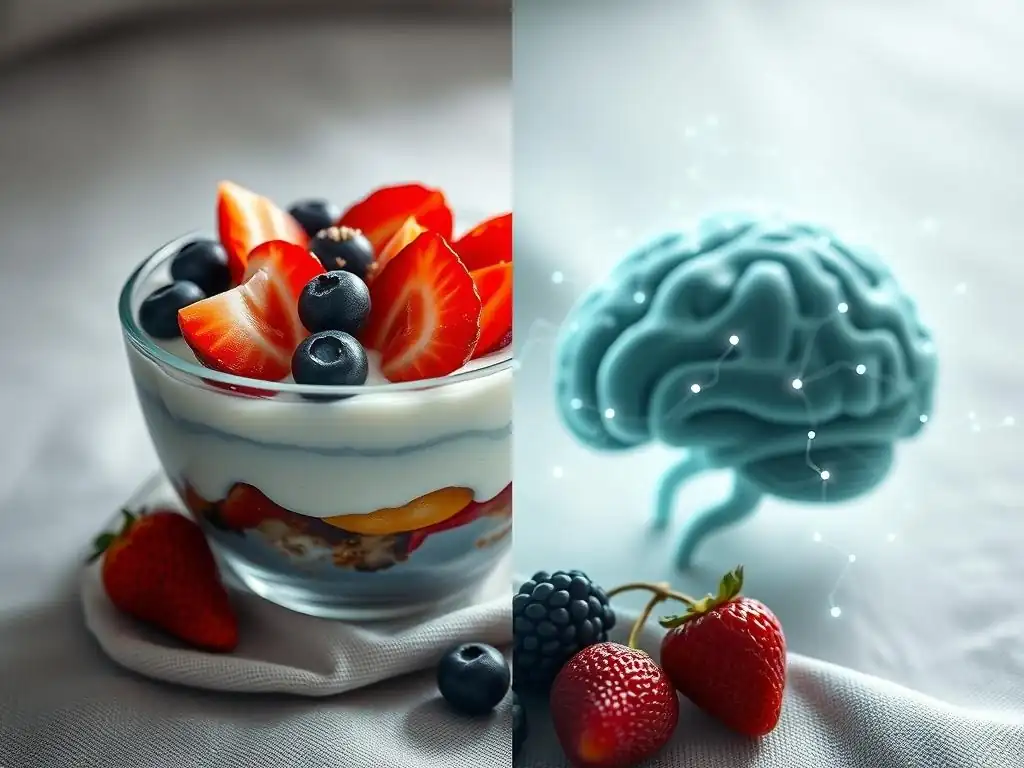
Prebiotics and Probiotics: Fueling a Healthy Gut for a Healthy Mind
Diet is a primary modulator of the gut microbiome, making it a critical lever for influencing the gut-brain axis and, consequently, mental well-being. Two key dietary components are prebiotics and probiotics. Prebiotics are non-digestible fibers that selectively stimulate the growth and activity of beneficial bacteria in the gut. Think of them as food for your healthy microbes. Excellent sources include garlic, onions, leeks, asparagus, bananas, oats, and chicory root. By nourishing beneficial species like Bifidobacterium and Lactobacillus, prebiotics help create a more balanced microbial community, which research suggests can have positive effects on mood and stress resilience.
Probiotics, on the other hand, are live beneficial bacteria or yeasts that, when consumed in adequate amounts, confer a health benefit to the host. They can be found in fermented foods like yogurt (with live active cultures), kefir, sauerkraut, kimchi, and tempeh, or taken as supplements.
Introducing beneficial microbes directly can help restore balance in cases of dysbiosis, compete with harmful bacteria, and produce beneficial metabolites like SCFAs. While research on specific strains and their effects on mental health is ongoing, some studies have indicated that regular consumption of certain probiotics can reduce symptoms of anxiety and depression, adding to the growing evidence of gut brain connection research benefits derived from dietary interventions.
Foods to Avoid for Optimal Gut-Brain Function
Just as certain foods can nourish a healthy gut and support the gut-brain axis, others can negatively impact the microbiome and potentially disrupt this connection. Diets high in processed foods, refined sugars, unhealthy fats (like trans fats and excessive saturated fats), and artificial sweeteners have been associated with reduced microbial diversity and an increase in pro-inflammatory bacteria. For example, a diet high in sugar can feed opportunistic pathogens, leading to an imbalance.
Excessive consumption of these detrimental foods can contribute to gut dysbiosis, increased gut permeability, and chronic low-grade inflammation, all of which have been linked to negative effects on mood and cognitive function. While occasional indulgence is unlikely to cause significant harm, a consistent diet dominated by processed items can compromise the integrity of the gut lining and alter microbial metabolism in ways that may negatively impact the brain. Limiting these foods while prioritizing whole, nutrient-dense options is a practical step individuals can take to leverage the gut brain connection research benefits for their mental wellness journey.
Gut Health Interventions and Their Impact on Mental Health
Probiotic Supplementation: Benefits and Considerations
Probiotic supplementation is one of the most accessible interventions aimed at modulating the gut microbiome to influence the gut-brain axis. Research into probiotic use for mental health, sometimes referred to as "psychobiotics," has yielded promising results, particularly for mild to moderate symptoms of anxiety and depression.
Studies have shown that supplementation with specific single strains or multi-strain blends can lead to improvements in mood scores, reduced perceived stress, and even changes in brain activity patterns observed via neuroimaging. For instance, a meta-analysis published in 2019 reviewing multiple studies found that probiotic supplementation significantly reduced symptoms of depression and anxiety compared to placebo in participants with clinical conditions.
However, it's crucial to note that the effects of probiotics are highly strain-specific, and not all probiotics impact mental health. The optimal dose, duration, and specific strains for different mental health conditions are still areas of active research. Factors like the individual's baseline microbiome composition, diet, and overall health status can also influence the effectiveness of supplementation. While the gut brain connection research benefits regarding probiotics are encouraging, they should be viewed as complementary approaches and not replacements for conventional mental health treatments. Consulting with a healthcare professional before starting supplementation is advisable.
Dietary Changes for Improved Gut-Brain Communication
Implementing broad dietary changes is a fundamental and often highly effective strategy for improving gut health and supporting the gut-brain connection. Shifting towards a diet rich in diverse plant-based foods, particularly those high in fiber, is paramount. Fiber acts as a prebiotic, feeding beneficial gut bacteria. Aiming for a wide variety of fruits, vegetables, legumes, nuts, and whole grains helps cultivate a more diverse and resilient microbiome. For example, consuming approximately 30 grams of fiber per day, a target often recommended by health organizations, has been associated with positive changes in microbial composition and improved markers of gut health.
Incorporating fermented foods naturally containing probiotics, such as yogurt, kefir, sauerkraut, and kimchi, can also introduce beneficial microbes into the gut. Limiting intake of processed foods, added sugars, and unhealthy fats reduces the substrate for potentially harmful bacteria and minimizes inflammatory triggers originating from the diet. These comprehensive dietary shifts, supported by gut brain connection research benefits, can lead to increased production of beneficial SCFAs, reduced gut inflammation, and improved gut barrier function, all of which are hypothesized to positively influence mood, stress levels, and cognitive function.
Fecal Microbiota Transplantation (FMT): Emerging Research and Potential Applications [Mention limitations and ethical considerations]
Fecal Microbiata Transplantation (FMT) is a procedure involving the transfer of fecal matter, containing a diverse community of gut microbes, from a healthy donor into the gastrointestinal tract of a recipient. While primarily established as a highly effective treatment for recurrent Clostridioides difficile infection, emerging research is exploring its potential applications for other conditions, including those related to the gut-brain axis and mental health.
Early studies and case reports in animal models and a limited number of human trials have suggested that FMT might influence mood, anxiety, and even symptoms in conditions like depression. For instance, some preliminary studies have observed improvements in depressive symptoms following FMT, possibly linked to changes in microbial composition and associated metabolites.
However, the application of FMT for mental health conditions is still highly experimental and comes with significant limitations and ethical considerations. The long-term effects are largely unknown, and there are potential risks, including the transmission of pathogens or unintended alterations to the recipient's physiology.
Ethical concerns revolve around donor screening, consent, and the potential for altering recipient identity or psychological state through microbial transfer. Currently, FMT should only be considered within controlled clinical trial settings for mental health conditions, highlighting that while it represents a fascinating area of gut brain connection research benefits, it is not a standard or widely recommended treatment outside of specific approved indications like recurrent C. difficile.
The Gut-Brain Connection and Specific Mental Health Conditions
Gut Microbiome Dysbiosis in Anxiety Disorders: Research Insights
Research into anxiety disorders has increasingly focused on the role of gut microbiome dysbiosis. Studies comparing the gut microbial profiles of individuals with anxiety to healthy controls often find differences in diversity and the relative abundance of certain bacterial groups. For example, some research indicates reduced levels of certain beneficial bacteria, such as Lactobacillus and Bifidobacterium species, and an increase in potentially pro-inflammatory bacteria in anxious individuals. These microbial alterations are thought to influence anxiety through various pathways, including modulating the HPA axis, influencing neurotransmitter production, and contributing to neuroinflammation.
Animal models have provided causal evidence. Transplanting gut microbes from anxious human donors into germ-free mice can induce anxiety-like behaviors in the recipient animals. Conversely, supplementing anxious animals with specific probiotic strains has been shown to reduce anxiety behaviors and normalize stress hormone levels. These findings strongly suggest that the gut microbiome is not merely associated with anxiety but may play a causal role, opening up exciting possibilities for therapeutic interventions based on modulating the gut. The gut brain connection research benefits here lie in identifying specific microbial targets or metabolites that contribute to anxiety states.
The Gut-Brain Axis in Depression: Identifying Potential Therapeutic Targets
The gut-brain axis is a key area of investigation in understanding and treating depression. Similar to anxiety, studies consistently report alterations in the gut microbiome composition of individuals with major depressive disorder (MDD) compared to non-depressed individuals. These alterations often include reduced microbial diversity and distinct patterns in the abundance of certain bacterial genera.
For instance, some studies have identified specific microbial signatures associated with depression severity. The mechanisms proposed for the gut's influence on depression include the production of neuroactive metabolites by gut bacteria, modulation of the immune system and inflammation, and influence on the HPA axis stress response.
Identifying potential therapeutic targets within the gut-brain axis for depression is a major focus of current research. This includes exploring the use of psychobiotics (probiotics with specific mental health benefits), prebiotics to nourish beneficial bacteria, and dietary interventions aimed at restoring microbial balance. For example, trials investigating specific probiotic strains have shown promise in reducing depressive symptoms in some individuals.
Furthermore, understanding how microbial metabolites, such as SCFAs or specific amino acid derivatives, influence brain function is crucial for developing targeted therapies. These efforts highlight the significant gut brain connection research benefits for developing novel and potentially more personalized treatments for depression.
The Role of the Gut in Autism Spectrum Disorder (ASD) and ADHD [Brief Overview]
Emerging research also explores the potential role of the gut-brain connection in neurodevelopmental conditions such as Autism Spectrum Disorder (ASD) and Attention-Deficit/Hyperactivity Disorder (ADHD). Many individuals with ASD experience significant gastrointestinal issues, and studies have frequently reported differences in the composition and diversity of their gut microbiome compared to neurotypical individuals. While the relationship is complex and likely bidirectional, some theories suggest that gut dysbiosis, inflammation, and altered microbial metabolites could contribute to neurological symptoms observed in ASD, potentially influencing social behavior, communication, and repetitive behaviors.
Similarly, preliminary research is investigating the gut microbiome's potential involvement in ADHD. Some studies have noted differences in the gut microbial profiles of children with ADHD, and there is interest in whether gut-derived factors might influence neurotransmitter systems or inflammatory pathways relevant to ADHD symptoms like inattention and impulsivity. However, research in this area is still in its early stages, and definitive causal links are yet to be established.
While promising, further rigorous research is needed to fully understand the gut's role in these conditions and explore potential gut-targeted interventions. This area represents a frontier in exploring the gut brain connection research benefits for a broader range of neurological and psychiatric conditions.
Practical Steps to Improve Your Gut Health for Mental Well-being
Stress Management Techniques to Support Gut Health
Stress has a profound and immediate impact on the gut-brain axis. Chronic stress can alter gut motility, increase gut permeability ("leaky gut"), change the composition of the gut microbiome, and increase inflammation. These changes can, in turn, negatively influence mood and contribute to symptoms of anxiety and depression, creating a vicious cycle. Therefore, implementing effective stress management techniques is not only beneficial for mental health directly but also indirectly by supporting a healthy gut.
Techniques such as mindfulness meditation, deep breathing exercises, yoga, spending time in nature, and engaging in hobbies can help regulate the body's stress response. By reducing the release of stress hormones like cortisol, these practices can help maintain the integrity of the gut barrier, reduce stress-induced inflammation, and potentially support a more balanced microbial community. Prioritizing stress reduction is a practical application of understanding the gut brain connection research benefits, recognizing that managing the mind is integral to managing the gut.
The Importance of Sleep for a Balanced Gut Microbiome
Adequate and quality sleep is another crucial, yet often overlooked, factor influencing both mental health and gut health. The relationship between sleep and the gut microbiome is bidirectional; sleep deprivation can negatively alter the gut microbiome, and conversely, the gut microbiome can influence sleep patterns through the production of neurotransmitters and other signaling molecules. Studies have shown that even short periods of sleep restriction can lead to unfavorable changes in gut bacterial diversity and composition, potentially increasing inflammation.
Maintaining a consistent sleep schedule, aiming for 7-9 hours of quality sleep per night, and practicing good sleep hygiene can help support a healthy gut microbiome. A well-rested state contributes to better regulation of the stress response and inflammatory pathways, which in turn benefits gut integrity and microbial balance. Recognizing the interconnectedness of sleep, gut health, and mental well-being is essential for a holistic approach to health, underscoring the multifaceted nature of gut brain connection research benefits.
Exercise and Its Positive Effects on the Gut-Brain Connection
Regular physical activity is widely recognized for its benefits on both physical and mental health, and research suggests it also positively influences the gut microbiome and the gut-brain axis. Studies have shown that exercise can increase the diversity of the gut microbiome and promote the growth of beneficial bacteria, such as those that produce SCFAs. For example, research comparing athletes to sedentary individuals often finds greater microbial diversity and higher levels of SCFA-producing bacteria in the athletes.
The mechanisms behind exercise's effects on the gut-brain connection are thought to include improved gut motility, reduced gut transit time (potentially limiting the growth of harmful bacteria), reduced inflammation, and increased production of SCFAs, which can have systemic benefits, including positive effects on brain function and mood. Incorporating regular exercise into your routine is a powerful way to support your gut health, leveraging the physical activity aspects of gut brain connection research benefits for improved mental well-being.
Future Directions in Gut-Brain Connection Research
Personalized Nutrition Approaches for Mental Health
One exciting future direction in gut-brain connection research is the development of personalized nutrition approaches for mental health. Recognizing that each individual's gut microbiome is unique, the "one-size-fits-all" approach to dietary recommendations may not be optimal. Future strategies may involve analyzing an individual's specific gut microbiome composition, metabolic profile, and genetic predispositions to provide tailored dietary advice aimed at optimizing their gut health for mental well-being.
This could involve recommending specific types and amounts of prebiotic fibers, identifying which fermented foods or probiotic strains are most likely to be beneficial for that individual, or advising on the elimination of specific foods that may be causing dysbiosis or inflammation based on their unique profile. While still largely in the research phase, the potential for personalized nutrition to maximize gut brain connection research benefits for mental health outcomes is significant, moving towards more precise and effective interventions.
Advanced Microbiome Profiling for Targeted Interventions
Advancements in sequencing technologies and bioinformatics are enabling increasingly detailed profiling of the gut microbiome. Future research will likely utilize these advanced techniques to gain a deeper understanding of the specific functions and interactions of microbial communities, not just their composition. This could involve analyzing microbial gene expression, metabolic pathways, and the production of specific neuroactive compounds.
Such detailed profiling could help identify specific microbial signatures or functional deficits associated with different mental health conditions. This knowledge could then pave the way for highly targeted interventions, such as developing next-generation probiotics consisting of specific consortia of bacteria, designing novel prebiotics that selectively feed desired microbes, or creating postbiotic therapies based on beneficial microbial metabolites. The ability to precisely identify and target microbial factors influencing the brain represents a major frontier in harnessing gut brain connection research benefits for mental health treatment.
The Potential of Psychobiotics: Probiotics for Mental Health
The concept of "psychobiotics" – probiotics or prebiotics that, when ingested in adequate amounts, produce a positive mental health benefit – is a rapidly evolving area. While current research shows promise with some probiotic strains for conditions like anxiety and depression, future research aims to identify and develop even more potent and specific psychobiotics. This involves screening large numbers of microbial strains to identify those with the most robust effects on neurotransmitter production, inflammation modulation, or stress response regulation.
Future psychobiotic interventions might involve single strains with powerful effects, carefully designed multi-strain formulations targeting specific pathways, or even genetically engineered microbes designed to deliver therapeutic compounds directly to the gut-brain axis. While significant research and regulatory hurdles remain, the potential for psychobiotics to offer novel, safe, and effective complementary treatments for a range of mental health conditions is considerable. This area embodies the direct application of gut brain connection research benefits towards developing innovative therapeutic tools.
Conclusion: Harnessing the Power of the Gut-Brain Connection for a Healthier Mind
Key Takeaways: Gut Brain Connection Research Benefits for Mental Health
The journey through the latest gut-brain connection research reveals a powerful link between the health of our digestive system and our mental well-being. Key takeaways include recognizing the bidirectional nature of the gut-brain axis, understanding the profound influence of the gut microbiome on mood, anxiety, and stress through various pathways including neurotransmitter production and inflammation, and appreciating the significant role of diet and lifestyle in shaping this connection. The emerging gut brain connection research benefits highlight potential new avenues for preventing and managing mental health challenges.
From the production of serotonin in the gut to the impact of dietary fiber on microbial metabolites like SCFAs, the science underscores that caring for our gut is a fundamental component of caring for our mind. Research into interventions like probiotics, prebiotics, and dietary changes demonstrates practical ways individuals can influence this axis. While areas like FMT and personalized approaches are still evolving, the foundational understanding provides actionable insights for improving well-being today.
The Future of Mental Healthcare: Integrating Gut Health Strategies
As our understanding of the gut-brain connection deepens, it is becoming increasingly clear that integrating gut health strategies into conventional mental healthcare approaches holds immense promise. Moving forward, mental health professionals may consider assessing aspects of gut health alongside traditional psychological and pharmacological interventions. Dietary counseling, recommendations for specific lifestyle changes targeting gut health, and potentially prescribing targeted psychobiotics could become more routine components of treatment plans for conditions like anxiety and depression.
The future of mental healthcare is likely to be more holistic, recognizing the intricate interplay between the brain, body, and the microbial inhabitants of the gut. By harnessing the power of the gut-brain connection, informed by ongoing research into gut brain connection research benefits, we can unlock new possibilities for promoting resilience, supporting emotional balance, and achieving a healthier mind through a healthier gut. This integrated approach offers hope for more effective and personalized mental health support.
Frequently Asked Questions
How does the gut influence mental well-being, according to the latest research?
Recent studies highlight the gut-brain axis, a bidirectional communication system. This axis allows the gut microbiome to influence brain function and mental health through various pathways like the vagus nerve and neurotransmitter production.
What are some key benefits of understanding the gut-brain connection for mental health?
Understanding this connection can lead to more targeted interventions for mental health conditions. Benefits include improved mood, reduced anxiety, and potentially even better management of neurodegenerative diseases.
What specific types of bacteria in the gut are linked to positive mental health outcomes?
Research suggests that certain strains of bacteria, like Lactobacillus and Bifidobacterium, are associated with reduced symptoms of depression and anxiety. These probiotics can influence neurotransmitter levels and reduce inflammation.
What dietary changes can individuals make to improve their gut health and, subsequently, their mental well-being?
A diet rich in fiber, prebiotics, and probiotics is crucial. This means consuming plenty of fruits, vegetables, whole grains, and fermented foods like yogurt and kimchi to support a healthy gut microbiome and boost mental health.
What are the limitations of current gut-brain connection research, and what future research is needed?
Current research is still relatively new and requires larger, more diverse studies. Future research should focus on identifying specific bacterial strains and dietary interventions that can reliably improve mental health outcomes and establish causality rather than just correlation.
Final Reflection: Unlocking the Power Within: Your Gut's Influence on Wellbeing
The intricate relationship between our gut and brain is no longer a fringe theory; it's a burgeoning field of research revealing profound implications for our mental and physical health. Understanding this gut-brain axis is not just scientifically fascinating, it's crucial for unlocking a deeper understanding of wellbeing and paving the way for innovative treatments for a range of conditions. The potential benefits are transformative, offering a holistic approach to health that moves beyond traditional models.
The more I delved into the research surrounding the gut-brain connection, the more I realized its pervasive influence on our daily lives. From mood regulation to cognitive function, the health of our gut microbiome significantly impacts our overall experience. The gut is the second brain.
This simple statement encapsulates the profound impact of gut health on our mental and emotional states, highlighting the interconnectedness of body and mind in ways we are only beginning to grasp. The ongoing research into probiotics, prebiotics, and the role of diet in shaping our gut microbiome is truly revolutionary, offering tangible pathways to improve our mental and physical health.
Now, consider your own relationship with your gut health. What steps can you take today to nurture this vital connection? Are you incorporating gut-friendly foods into your diet? Are you prioritizing stress management techniques that positively impact your microbiome? This isn't just about feeling better; it's about unlocking your full potential, fostering resilience, and cultivating a deeper understanding of your own inner landscape. Take the time to listen to your body, nourish your gut, and discover the transformative power of this remarkable connection.
Unlock Your Inner Well-being: Nurture Your Gut-Brain Connection
Thanks for taking the time to explore the fascinating world of the gut-brain connection! You've now unlocked valuable insights into how your gut health impacts your overall well-being. Ready to put this knowledge into action?
- Prioritize prebiotic and probiotic-rich foods: Start incorporating more fermented foods and fiber into your diet this week. This is the most direct way to support a thriving gut microbiome.
- Journal your food and mood: Track how different foods make you feel. This surprising step can reveal powerful connections between your diet and your emotional state.
- Share your learnings: Discuss this article with friends and family – spread the word about the importance of gut health!
What small step will you take today to nurture your gut-brain connection and unlock a happier, healthier you?