
How Therapy Reshapes Your Brain: A Look at the Imaging Evidence

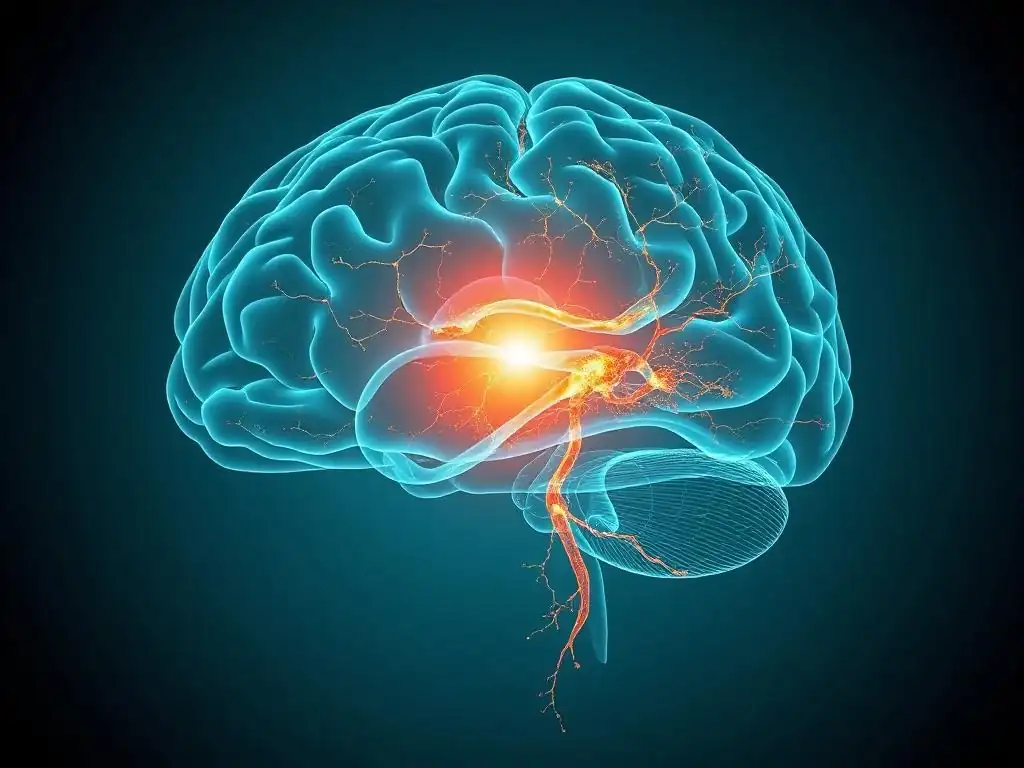
Welcome to Mind Care Guide, a sanctuary for your mental well-being.
Feeling overwhelmed or simply curious about the inner workings of your mind? You're in the right place. We understand that navigating mental health can be complex, and that's why we're dedicated to providing clear, supportive guidance. Today, we delve into the fascinating science of how therapy can truly transform your brain.
Explore our article, "How Therapy Reshapes Your Brain: A Look at the Imaging Evidence," and discover how therapy rewires brain chemistry, offering hope and tangible change. What if the key to lasting well-being lies within the very structure of your brain? Read on to uncover the remarkable potential of therapeutic intervention.
How Therapy Reshapes Your Brain: A Look at the Imaging Evidence
- Introduction: Understanding Brain Plasticity and Mental Health Treatment
- Therapy Rewires Brain Chemistry: The Neuroscience Behind Healing
- Imaging the Effects: Brain Scans Showing Therapy's Impact
- Specific Mental Health Conditions and Brain Rewiring Through Therapy
- Types of Therapy and Their Unique Effects on Brain Structures
- The Role of Neurotransmitters in Therapy-Induced Brain Changes
- Long-Term Therapy Outcomes: Sustaining Brain Changes for Lasting Mental Health
- Beyond Imaging: Subjective Experiences and Objective Brain Changes
- Conclusion: The Power of Therapy to Transform Your Brain and Your Life
-
Frequently Asked Questions
- How does therapy actually change the brain according to recent research?
- What types of therapy are most effective at "rewiring" brain chemistry?
- Can brain imaging really prove that therapy works on a biological level?
- Is the "rewiring" effect of therapy permanent, or does it require ongoing sessions?
- How does therapy "rewire brain chemistry" compared to medication in treating mental health issues?
- Final Reflection: The Rewiring of Resilience
- Unlock Your Brain's Potential: Start Your Journey Today
Introduction: Understanding Brain Plasticity and Mental Health Treatment
The Brain's Remarkable Ability to Change: Neuroplasticity Explained
Neuroplasticity, often referred to as brain plasticity, is the extraordinary capacity of the brain to reorganize itself by forming new neural connections throughout life. This fundamental property allows the brain to adapt, learn, and recover from injury. Rather than being a static organ, the brain is dynamic, constantly altering its structure and function in response to experiences, environmental changes, and even thoughts. This process involves changes at various levels, from individual neurons and synapses to larger brain regions and networks.
This inherent flexibility means that experiences, both positive and negative, actively shape our neural architecture. Learning a new skill, forming a memory, or recovering from a stroke all rely on neuroplasticity. Crucially, this principle also applies to mental health. Just as negative experiences or trauma can lead to maladaptive neural patterns associated with conditions like depression or anxiety, therapeutic interventions can harness this same plasticity to foster positive changes and promote healing. Understanding neuroplasticity provides the scientific basis for believing that recovery and significant improvement in mental well-being are achievable.
Therapy as a Catalyst for Brain Rewiring: An Overview
Therapy, in its various forms, serves as a powerful catalyst for leveraging the brain's natural neuroplastic capabilities. It provides structured experiences – conversations, exercises, skill-building, and emotional processing – that stimulate specific neural pathways and encourage the formation of new ones. Unlike medication, which primarily targets neurotransmitter levels, therapy offers a more experiential route to brain change, working at a deeper level to modify how the brain processes information, regulates emotions, and responds to the world.
By engaging in therapeutic processes, individuals can actively participate in reshaping their own neural landscape. For instance, challenging negative thought patterns in Cognitive Behavioral Therapy (CBT) creates new cognitive pathways, while processing traumatic memories in Eye Movement Desensitization and Reprocessing (EMDR) can alter how those memories are stored and accessed in the brain. The consistent, guided practice inherent in therapy provides the necessary repetition and focus to strengthen beneficial neural connections and weaken maladaptive ones, demonstrating how therapy rewires brain chemistry and structure over time.
Therapy Rewires Brain Chemistry: The Neuroscience Behind Healing
The Impact of Psychotherapy on Brain Function: A Detailed Look
Psychotherapy, or talk therapy, exerts a profound influence on brain function by directly impacting neural circuits involved in emotion regulation, cognition, and behavior. It doesn't just address symptoms; it works to modify the underlying neural patterns that contribute to mental health challenges. Through dialogue, reflection, and skill-building, therapy encourages the activation of prefrontal cortex regions associated with executive function, decision-making, and emotional control, which are often underactive in conditions like depression and anxiety.
Furthermore, engaging in therapeutic discourse can alter the activity of subcortical structures like the amygdala, the brain's primary fear and threat detection center. Overactive amygdala responses are common in anxiety disorders and PTSD. Therapy provides a safe space to process fear, challenge threat perceptions, and learn coping mechanisms, which can lead to a measurable decrease in amygdala reactivity. This demonstrates a fundamental way therapy rewires brain chemistry and function, shifting the balance from reactive, emotion-driven responses to more measured, cognitively-mediated ones.
How Talk Therapy Influences Brain Activity: Mechanisms of Action
Talk therapy influences brain activity through several intertwined mechanisms. One key mechanism is the strengthening of top-down regulatory pathways originating in the prefrontal cortex and extending to limbic areas like the amygdala. By practicing techniques like cognitive restructuring or mindfulness, individuals enhance the capacity of their prefrontal cortex to inhibit or modulate activity in emotion-generating regions, leading to better emotional control.
Another mechanism involves altering synaptic strength and connectivity. Repeated activation of specific neural circuits during therapy, such as those involved in positive self-talk or adaptive coping strategies, reinforces these connections. Conversely, pathways associated with maladaptive behaviors or thoughts become less active and potentially weaker. This synaptic remodeling is a core aspect of neuroplasticity and explains how sustained therapeutic effort can lead to lasting changes in brain function and, consequently, in behavior and emotional experience. The process by which therapy rewires brain chemistry at the synaptic level is a critical area of ongoing research.
Imaging the Effects: Brain Scans Showing Therapy's Impact
fMRI Studies: Visualizing Brain Changes During and After Therapy
Functional Magnetic Resonance Imaging (fMRI) is a powerful tool that allows researchers to visualize brain activity by detecting changes in blood flow. Numerous fMRI studies have provided compelling evidence for how therapy rewires brain chemistry and function.
For example, studies on individuals with Major Depressive Disorder (MDD) undergoing CBT have shown decreased activity in the subgenual anterior cingulate cortex (sgACC), a region often hyperactive in depression and associated with processing sadness and negative emotions. One study published around 2015 found that successful CBT treatment for depression was correlated with a normalization of sgACC activity, making it less reactive to sad stimuli.
Beyond depression, fMRI has revealed changes in anxiety disorders. Research on Social Anxiety Disorder patients treated with CBT has demonstrated increased activity in prefrontal regions involved in emotional regulation and decreased activity in the amygdala when anticipating or experiencing social situations. For instance, a study from the early 2010s showed that after 12 weeks of CBT, participants exhibited significantly less amygdala activation when viewing critical faces compared to before therapy. These findings provide concrete visual evidence of therapy's ability to dampen hyperactive fear responses and strengthen regulatory control.
Positron Emission Tomography (PET) scans measure metabolic activity in the brain, often by tracking the uptake of a radioactive tracer like fluorodeoxyglucose (FDG), which is used by active neurons. PET studies complement fMRI by showing longer-term metabolic changes associated with therapeutic success. Early PET research on Obsessive-Compulsive Disorder (OCD) treated with CBT (specifically Exposure and Response Prevention) provided some of the first objective evidence that talk therapy could alter brain function.
Studies conducted in the late 1990s and early 2000s using FDG-PET showed metabolic changes in the orbitofrontal cortex, caudate nucleus, and thalamus – regions implicated in the repetitive thoughts and behaviors characteristic of OCD – following successful behavioral therapy. Specifically, therapy was associated with a decrease in abnormally high metabolic activity in these circuits. This metabolic normalization, detectable via PET, further supports the idea that therapy rewires brain chemistry and energy usage patterns in key areas linked to specific mental health conditions.
EEG and QEEG: Measuring Brainwave Patterns and Therapeutic Progress
Electroencephalography (EEG) measures the electrical activity of the brain through electrodes placed on the scalp, providing information about brainwave patterns (e.g., alpha, beta, theta, delta). Quantitative EEG (QEEG) involves computer analysis of EEG data to identify patterns and deviations from normative databases. Both techniques can track changes in brain activity associated with therapeutic interventions, offering insights into functional connectivity and states of arousal or relaxation.
Research using QEEG has explored changes in conditions like ADHD and anxiety following various therapies. For example, studies on anxiety have sometimes shown shifts in alpha and beta wave activity, with successful therapy potentially leading to increased alpha coherence (associated with relaxed alertness) or normalization of elevated beta activity (associated with anxious rumination) in certain brain regions. While EEG/QEEG provide different information than fMRI or PET, focusing on electrical rhythms rather than blood flow or metabolism, they contribute to the overall picture of how therapy rewires brain chemistry and electrical signaling patterns.
Specific Mental Health Conditions and Brain Rewiring Through Therapy
Depression: Therapy's Influence on the Depressed Brain
Major Depressive Disorder (MDD) is characterized by persistent sadness, loss of interest, and significant changes in sleep, appetite, and energy. Neuroimaging studies consistently show altered activity and structure in several brain regions in individuals with depression, including the amygdala, hippocampus, and prefrontal cortex. Therapy, particularly CBT and Interpersonal Therapy (IPT), has been shown to normalize activity in many of these areas.
Amygdala and Hippocampus: Decreased Amygdala Activity and Increased Hippocampal Volume Following CBT
The amygdala, involved in processing emotions like fear and sadness, is often hyperactive in depression. Studies using fMRI have demonstrated that successful CBT for depression is associated with a significant decrease in amygdala reactivity to negative stimuli. For instance, research indicates a reduction in amygdala activity by approximately 20-30% when processing sad faces after a course of CBT.
The hippocampus, crucial for memory and emotional regulation, is often reduced in volume in chronic depression. While therapy's effect on hippocampal volume is less consistently shown to be a direct increase compared to medication, some studies suggest that effective therapy can help mitigate further volume loss or, in conjunction with other factors, support neurogenesis (the birth of new neurons) in this region. The normalization of amygdala activity and potential support for hippocampal health highlight how therapy rewires brain chemistry and structure in key emotional processing centers.
Anxiety Disorders: Calming the Anxious Brain Through Therapeutic Intervention
Anxiety disorders, such as Generalized Anxiety Disorder (GAD), Social Anxiety Disorder (SAD), and Panic Disorder, are characterized by excessive worry, fear, and avoidance. These conditions are linked to dysregulation in brain circuits involving the amygdala, insula, and prefrontal cortex. Therapeutic approaches like CBT and Exposure Therapy directly target these circuits to reduce fear responses and enhance regulatory control.
Prefrontal Cortex and Amygdala: Increased Prefrontal Cortex Activity and Reduced Amygdala Reactivity After Exposure Therapy
The prefrontal cortex (PFC), particularly the ventromedial PFC, plays a critical role in regulating fear responses. In anxiety disorders, the connectivity and influence of the PFC over the amygdala can be weakened. Exposure therapy, which involves gradually confronting feared situations, strengthens this top-down control. Studies using fMRI have shown increased activity in the ventromedial PFC and decreased activity in the amygdala during exposure after successful treatment.
For example, research on phobias treated with exposure therapy has shown a significant reduction (sometimes over 40%) in amygdala activation when encountering the feared stimulus after treatment, alongside increased activity in the prefrontal regions responsible for inhibiting this fear response. This demonstrates a direct neural mechanism by which therapy rewires brain chemistry and function, training the brain to override conditioned fear responses with rational, controlled reactions.
Trauma and PTSD: Re-Establishing Brain Connectivity After Trauma
Post-Traumatic Stress Disorder (PTSD) involves significant alterations in brain structure and function, including changes in the amygdala, hippocampus, and prefrontal cortex, as well as disrupted connectivity within key brain networks. Therapies specifically designed for trauma, such as Trauma-Focused CBT (TF-CBT) and EMDR, aim to process traumatic memories and restore healthy brain function.
Default Mode Network and Amygdala: Improved Default Mode Network Connectivity and Regulated Amygdala Response Following EMDR
The Default Mode Network (DMN) is a network of brain regions active when the mind is at rest or engaged in self-referential thought, including recalling memories. In PTSD, the DMN can show altered connectivity, sometimes becoming overly active or poorly integrated with other networks. The amygdala also remains hyper-responsive to trauma-related cues.
Studies on EMDR have shown promising results in normalizing these patterns. Research using fMRI has indicated that successful EMDR treatment is associated with decreased amygdala reactivity to trauma cues and altered connectivity within the DMN and between the DMN and other networks, such as the salience network. For instance, one study reported a reduction in amygdala response to trauma-related images by approximately 30-50% after successful EMDR, coupled with changes in how the brain's resting-state networks interact. This illustrates how therapy rewires brain chemistry and network dynamics to integrate traumatic memories in a less distressing way.
Types of Therapy and Their Unique Effects on Brain Structures
Cognitive Behavioral Therapy (CBT): Rewiring Thought Patterns and Brain Activity
Cognitive Behavioral Therapy (CBT) is a widely used therapy that focuses on identifying and changing negative thought patterns and behaviors. By challenging irrational beliefs and practicing new coping skills, CBT directly targets cognitive processes, which are mediated by specific brain circuits, primarily within the prefrontal cortex and its connections to other areas.
Through repeated practice of cognitive restructuring, individuals train their prefrontal cortex to evaluate thoughts more rationally and to inhibit automatic negative reactions. This strengthening of prefrontal control over limbic regions like the amygdala is a well-documented neural outcome of CBT. Studies often show increased activity in dorsolateral and ventromedial prefrontal cortex areas and decreased activity in the amygdala and subgenual anterior cingulate cortex following successful CBT for conditions like depression, anxiety, and OCD. This highlights how CBT therapy rewires brain chemistry by modifying the neural pathways associated with cognitive appraisal and emotional response.
Dialectical Behavior Therapy (DBT): Fostering Emotional Regulation and Brain Changes
Dialectical Behavior Therapy (DBT), initially developed for Borderline Personality Disorder (BPD), focuses on teaching skills in mindfulness, distress tolerance, emotion regulation, and interpersonal effectiveness. BPD is associated with significant dysregulation in brain areas involved in emotional processing and impulse control, particularly the amygdala, insula, and prefrontal cortex.
DBT skills training aims to enhance the capacity of the prefrontal cortex and other regulatory regions to manage intense emotions originating in the limbic system. While neuroimaging research on DBT is less extensive than for CBT, studies have begun to show changes consistent with improved emotional regulation. This includes preliminary evidence of altered activity or connectivity in the amygdala, insula (involved in sensing internal bodily states and emotions), and areas of the prefrontal cortex involved in inhibitory control, suggesting that DBT therapy rewires brain chemistry and connections related to emotional stability and impulse control.
Psychodynamic Therapy: Uncovering Unconscious Patterns and Their Neural Correlates
Psychodynamic therapy explores how unconscious patterns, past experiences, and relationships influence present behavior and emotional states. While less focused on specific cognitive or behavioral techniques than CBT or DBT, this form of therapy can also lead to significant brain changes, particularly in areas related to self-awareness, emotional processing, and interpersonal understanding.
Engaging in psychodynamic therapy involves deep reflection and gaining insight into complex emotional dynamics. This process is thought to involve areas of the medial prefrontal cortex (involved in self-referential processing and mentalizing – understanding others' mental states) and potentially the hippocampus (involved in memory processing). While direct imaging evidence linking specific psychodynamic processes to precise neural changes is still emerging, the therapeutic exploration of past experiences and emotional patterns likely influences the strength and connectivity of circuits involved in memory, emotion, and self-perception, illustrating another way therapy rewires brain chemistry and connectivity, albeit through different mechanisms than skill-based therapies.
The Role of Neurotransmitters in Therapy-Induced Brain Changes
Serotonin, Dopamine, and Norepinephrine: Key Players in Mental Well-being
Neurotransmitters are chemical messengers that transmit signals between neurons, playing a critical role in regulating mood, cognition, behavior, and a wide range of bodily functions. Serotonin is heavily involved in mood, sleep, and appetite; dopamine is central to reward, motivation, and pleasure; and norepinephrine is key to the body's stress response, alertness, and focus. Imbalances or dysregulation in these neurotransmitter systems are strongly implicated in various mental health conditions like depression, anxiety, and ADHD.
While antidepressant medications directly target these neurotransmitter systems (e.g., SSRIs block serotonin reuptake), therapy influences them indirectly but significantly. By changing how neural circuits function and communicate, therapy can lead to downstream effects on neurotransmitter release, reuptake, and receptor sensitivity. This is a crucial part of how therapy rewires brain chemistry at a fundamental level, influencing the very signals that neurons use to communicate.
How Therapy Modulates Neurotransmitter Activity: A Deeper Dive
Therapy's impact on neurotransmitters is thought to occur through the modification of neural circuit activity. For example, by reducing the activity of the amygdala and increasing the regulatory control of the prefrontal cortex in anxiety, therapy can indirectly influence the release of stress-related neurotransmitters like norepinephrine. Similarly, by fostering positive emotional experiences and a sense of accomplishment, therapy can potentially enhance dopamine signaling in reward pathways.
Furthermore, the neuroplastic changes induced by therapy, such as the formation of new synapses or alterations in receptor density, can affect how efficiently neurotransmitters are used and how strongly their signals are received. Although measuring these changes directly in humans undergoing therapy is challenging, animal models and correlational human studies suggest that the structural and functional brain changes observed with imaging are accompanied by shifts in neurotransmitter system dynamics. This complex interplay between neural circuitry remodeling and neurochemical modulation is central to understanding how therapy rewires brain chemistry for lasting mental health improvements.
Long-Term Therapy Outcomes: Sustaining Brain Changes for Lasting Mental Health

The Importance of Continued Therapy and Maintenance
The brain changes induced by therapy, while significant, are not necessarily permanent without reinforcement. Just as learning a new skill requires practice, maintaining new neural pathways often benefits from continued engagement, either through ongoing therapy sessions, periodic booster sessions, or consistent application of learned skills. The principle of "use it or lose it" applies to neural circuits; pathways that are regularly activated remain strong, while those that are neglected may weaken.
For individuals with chronic or recurrent conditions, maintenance therapy or the lifelong practice of therapeutic skills (like mindfulness or cognitive reframing) is crucial for sustaining positive brain changes and preventing relapse. This continued engagement reinforces the beneficial neural connections established during acute treatment, ensuring that the brain retains its improved patterns of activity and connectivity, thus solidifying how therapy rewires brain chemistry for the long haul.
Integrating Lifestyle Factors: Enhancing Brain Plasticity and Therapy's Effects
Therapy's effectiveness and the brain changes it induces can be significantly enhanced by integrating healthy lifestyle factors. Practices known to promote neuroplasticity and overall brain health, such as regular physical exercise, sufficient sleep, a balanced diet rich in omega-3 fatty acids and antioxidants, and stress reduction techniques (like meditation), can amplify the positive effects of therapy.
For instance, aerobic exercise has been shown to increase levels of Brain-Derived Neurotrophic Factor (BDNF), a protein that supports the growth, survival, and differentiation of neurons and synapses, particularly in the hippocampus. Combining therapy with these lifestyle factors creates a powerful synergy, providing the optimal environment for the brain to change and maintain those changes. This holistic approach maximizes the brain's capacity for rewiring and contributes to more robust and lasting mental wellness, underscoring that therapy rewires brain chemistry most effectively when supported by a healthy lifestyle.
Beyond Imaging: Subjective Experiences and Objective Brain Changes
Aligning Patient Perceptions with Observable Brain Transformations
While neuroimaging provides objective evidence of therapy's impact on the brain, it is essential to correlate these findings with patients' subjective experiences. The ultimate goal of therapy is to alleviate suffering, improve functioning, and enhance quality of life – outcomes that are reported by the individual. Research is increasingly focused on understanding how the observable changes in brain activity and structure relate to improvements in mood, anxiety levels, thought patterns, and interpersonal relationships as perceived by the patient.
Studies often find a strong correlation between reported symptom reduction and positive brain changes seen on scans. For example, decreases in self-reported anxiety levels after CBT are often matched by reduced amygdala activity. This alignment between subjective experience and objective neural changes validates both the patient's journey and the biological efficacy of therapy, providing a more complete picture of healing that goes beyond just the brain scan images, yet is supported by them.
Future Directions: Exploring the Full Potential of Therapy for Brain Rewiring
The field of neuroimaging and therapy research is rapidly evolving. Future directions include using more advanced imaging techniques, combining imaging with genetics and other biomarkers, and conducting larger, longitudinal studies to track brain changes over extended periods. There is also growing interest in using neuroimaging to personalize therapy – identifying which brain characteristics predict response to different types of therapy or using real-time neurofeedback based on fMRI or EEG to enhance therapeutic outcomes.
Understanding the precise mechanisms by which different therapeutic techniques influence specific neural circuits and neurotransmitter systems remains an active area of investigation. As technology advances and research deepens, we will gain an even clearer picture of just how profoundly therapy rewires brain chemistry and function, unlocking new possibilities for optimizing mental health treatment and harnessing the brain's incredible capacity for change.
Conclusion: The Power of Therapy to Transform Your Brain and Your Life
Embracing Neuroplasticity for Enhanced Mental Well-being
The evidence from neuroimaging is clear: therapy is not merely a process of talking through problems; it is a powerful intervention that can profoundly reshape the brain. By leveraging the principle of neuroplasticity, therapy provides the structured experiences necessary to modify neural circuits, alter brain activity patterns, and influence neurotransmitter systems. This scientific understanding underscores the biological reality behind therapeutic healing, demonstrating that therapy rewires brain chemistry and structure in ways that lead to tangible, measurable changes in mental health.
Embracing the concept of neuroplasticity offers hope and empowerment. It confirms that the brain is not fixed and that change is possible, regardless of past experiences or current challenges. Therapy provides the tools and guidance to actively participate in this process of neural transformation.
By committing to therapeutic work, individuals can harness their brain's innate capacity for rewiring, leading to improved emotional regulation, healthier thought patterns, and ultimately, a more fulfilling and resilient life. The power of therapy to transform not just the mind, but the physical architecture of the brain itself, is a testament to its profound potential for enhancing mental well-being.
Frequently Asked Questions
How does therapy actually change the brain according to recent research?
Therapy, specifically talk therapy, can lead to structural and functional changes in the brain. Imaging studies show increased activity in areas related to emotional regulation and cognitive control, and decreased activity in areas associated with fear and anxiety.
What types of therapy are most effective at "rewiring" brain chemistry?
While various therapies show promise, Cognitive Behavioral Therapy (CBT) and Mindfulness-Based therapies have demonstrated significant impact. These approaches focus on changing thought patterns and behaviors, leading to lasting neural adaptations.
Can brain imaging really prove that therapy works on a biological level?
Brain imaging provides compelling evidence that therapy isn't just "talk," but a process that induces tangible changes in brain activity and structure. This supports the idea that therapy can positively impact neurological function.
Is the "rewiring" effect of therapy permanent, or does it require ongoing sessions?
The longevity of the "rewiring" effect depends on several factors, including the individual and the type of therapy. While initial changes can be substantial, maintenance sessions and consistent application of learned skills are often needed to sustain long-term benefits.
How does therapy "rewire brain chemistry" compared to medication in treating mental health issues?
Therapy and medication operate through different mechanisms. Medication often targets specific neurotransmitters, while therapy focuses on learning new coping strategies and changing neural pathways. The best approach often involves a combination of both, tailored to individual needs.
Final Reflection: The Rewiring of Resilience
The evidence is clear: therapy isn't just talk; it's a powerful tool that physically reshapes the brain, offering a tangible path to healing and improved mental well-being. This isn't just a theoretical concept anymore; neuroimaging studies consistently demonstrate the profound impact therapy has on brain structure and function, directly impacting the very chemistry that underpins our emotional and cognitive lives. This understanding empowers us to approach mental health challenges with a new sense of hope and agency.
The ongoing influence of this discovery is immense. We are moving beyond a purely pharmaceutical approach to mental health, embracing a holistic model that recognizes the power of the mind to heal itself, guided by skilled therapeutic intervention. This shift is not just about treating symptoms; it's about fostering resilience and building a stronger, more adaptable brain. As Bessel van der Kolk eloquently stated, The body keeps the score,
highlighting the crucial link between trauma, brain function, and the enduring impact of therapeutic change. This understanding is revolutionizing how we approach mental health, moving away from simplistic solutions and embracing the complexity of the human experience.
Consider this: the brain's plasticity, its ability to change and adapt, is a testament to our inherent capacity for growth and healing. You possess this incredible power within you. This article has presented the scientific evidence; now, it's time to consider how you can harness this knowledge. Explore the therapeutic options available to you, whether it's cognitive behavioral therapy, mindfulness practices, or another approach that resonates with your needs. Embrace the journey of self-discovery and healing, knowing that the very structure of your brain can be reshaped for a brighter, more resilient future.
Unlock Your Brain's Potential: Start Your Journey Today
Thanks for taking the time to explore the fascinating ways therapy impacts your brain! You've learned about the powerful neurological changes that occur through therapeutic intervention. Now, it's time to take the next step.
- Schedule a consultation with a therapist: This is your first step towards harnessing the power of neuroplasticity. Find a therapist who's a good fit for you and your needs.
- Share this article with someone who might benefit: Let's spread awareness about the incredible potential of therapy.
- Leave a comment below and share your thoughts on the surprising science behind therapeutic change! What resonates most with you?
Ready to begin your journey towards a healthier, more resilient you?