
Ventromedial PFC Dysfunction: Linking Depression, Emotion, and DecisionMaking

Welcome to Mind Care Guide.
Feeling disconnected from your emotions or struggling with indecision? We understand. The link between our brains and our mental well-being is profound, and understanding this connection is key to unlocking lasting relief. In this article, we delve into a fascinating area of research – the ventromedial prefrontal cortex (vmPFC) and its role in depression. Are you curious about PFC dysfunction depression treatment options? Let's explore how this vital brain region impacts your emotional landscape and decision-making process, and discover potential pathways toward healing. Read on to learn more and begin your journey to a healthier mind.
Ventromedial PFC Dysfunction: Linking Depression, Emotion, and Decision-Making
- Introduction: Understanding Ventromedial Prefrontal Cortex (vmPFC) Function and its Role in Mental Health
- The Interplay of Emotion, Decision-Making, and the vmPFC in Depression
- Ventromedial PFC Dysfunction and Specific Depressive Symptoms
- Diagnosing Ventromedial PFC Dysfunction in Depression
-
Treatment Options Targeting vmPFC Dysfunction in Depression
- Pharmaceutical Interventions: SSRIs, SNRIs, and Their Impact on vmPFC Activity
- Cognitive Behavioral Therapy (CBT) and the vmPFC: Retraining Emotional Regulation and Decision-Making
- Neuromodulation Techniques: Transcranial Magnetic Stimulation (TMS) and Deep Brain Stimulation (DBS) for vmPFC Modulation
- Lifestyle Interventions: Diet, Exercise, and Sleep for Supporting Optimal vmPFC Function
- The Future of vmPFC Research and Depression Treatment
- Conclusion: Improving Outcomes for Depression by Targeting Ventromedial PFC Dysfunction
-
Frequently Asked Questions
- What is the ventromedial prefrontal cortex (vmPFC) and what is its role in mental health?
- How does vmPFC dysfunction contribute to depression?
- What are some common symptoms associated with vmPFC dysfunction in individuals with depression?
- What are some current PFC dysfunction depression treatment options targeting vmPFC activity?
- Can lifestyle changes help improve vmPFC function and alleviate depressive symptoms?
- Final Reflection: Reclaiming Agency in the Face of PFC Dysfunction
- Unlock Your Emotional Resilience: Take Charge of Your Wellbeing
Introduction: Understanding Ventromedial Prefrontal Cortex (vmPFC) Function and its Role in Mental Health
The Ventromedial PFC: An Overview of Structure and Function
The ventromedial prefrontal cortex (vmPFC) is a critical area of the brain located in the frontal lobe, specifically in the lower, inner part. It is a complex region involved in a wide array of cognitive and emotional processes. Structurally, it has strong connections to other key brain areas, including the amygdala (involved in processing emotions, particularly fear), the hippocampus (memory formation), the insula (awareness of bodily states and feelings), and the orbitofrontal cortex (involved in decision-making based on reward and punishment). These extensive connections highlight its central role in integrating emotional signals with higher-level cognitive functions.
Functionally, the vmPFC is particularly important for processing risk and fear, inhibiting emotional responses, and playing a significant role in decision-making, especially when these decisions involve uncertainty or potential rewards and punishments. It is also heavily implicated in processing self-referential information and evaluating the emotional valence of experiences.
For example, studies using fMRI have shown increased vmPFC activity when individuals are evaluating personal beliefs or processing emotionally charged information, suggesting its role in assigning subjective value and meaning to stimuli. This area helps us assess the potential outcomes of our choices, particularly in social and emotional contexts, guiding us toward decisions that are likely to result in positive emotional states or avoid negative ones.
vmPFC Dysfunction: A Key Factor in Depression?
Research increasingly points to dysfunction within the vmPFC as a significant contributor to the complex symptoms observed in major depressive disorder (MDD). Studies employing neuroimaging techniques consistently report structural and functional abnormalities in the vmPFC of depressed individuals compared to healthy controls. For instance, some studies have found reduced gray matter volume in the vmPFC in patients with MDD, suggesting potential structural changes that could impair its function. Functionally, the picture is more nuanced, with some studies showing decreased activity (hypoactivity) during certain tasks, while others report increased activity (hyperactivity) in response to specific emotional stimuli, particularly negative ones.
This observed vmPFC dysfunction is thought to disrupt the brain's ability to regulate mood, process emotions appropriately, and make effective decisions. For example, altered connectivity between the vmPFC and the amygdala is a common finding in depression research. Normally, the vmPFC helps to dampen excessive amygdala responses to negative stimuli. In depression, this regulatory pathway appears impaired, leading to heightened emotional reactivity and difficulty recovering from negative emotional states. Addressing this underlying neurobiological issue is a key focus for developing effective PFC dysfunction depression treatment options.
The Interplay of Emotion, Decision-Making, and the vmPFC in Depression
Emotional Regulation and the vmPFC: How Dysfunction Contributes to Depressive Symptoms
Emotional dysregulation is a hallmark symptom of depression, manifesting as persistent sadness, irritability, and difficulty managing emotional responses. The vmPFC is a central player in the brain's emotional regulation network. It receives input from areas like the amygdala and helps to evaluate the emotional significance of a stimulus and modulate the response. In healthy individuals, the vmPFC can help reduce the intensity of negative emotions and promote resilience. For example, when presented with a negative image, vmPFC activity typically increases as individuals reappraise the situation, leading to decreased amygdala activity and reduced negative feeling.
In individuals with vmPPC dysfunction associated with depression, this regulatory capacity is often impaired. Studies using fMRI during emotional tasks have shown that the vmPFC may fail to adequately inhibit the amygdala's response to negative stimuli. This can result in an amplified and prolonged negative emotional experience, contributing to the pervasive low mood and difficulty finding pleasure characteristic of depression. Furthermore, some research suggests that vmPFC hypoactivity might hinder the ability to generate positive emotional states or appreciate positive experiences, further entrenching depressive symptoms. Understanding these neural circuits is crucial for designing effective PFC dysfunction depression treatment options.
Decision-Making Deficits in Depression: A Consequence of Impaired vmPFC Activity
Depression is often accompanied by significant impairments in decision-making, ranging from difficulty making simple choices to poor judgment in complex situations. The vmPFC plays a crucial role in value-based decision-making, helping individuals weigh potential outcomes, assess risks, and choose options that are likely to lead to positive results. It integrates emotional information with cognitive processing to guide choices, particularly in uncertain or socially relevant contexts.
VmPFC dysfunction can severely disrupt this process. Depressed individuals often exhibit a bias towards negative outcomes and difficulty accurately assessing potential rewards. For instance, performance on tasks like the Iowa Gambling Task, which measures decision-making under uncertainty involving rewards and punishments, is often impaired in depression.
Patients tend to choose from decks that yield high immediate rewards but higher long-term losses, mimicking real-life difficulties with risky or disadvantageous choices. This deficit is thought to stem, in part, from impaired vmPFC processing of anticipated rewards and losses, making it harder to make choices that are truly beneficial in the long run. Exploring PFC dysfunction depression treatment options includes addressing these cognitive deficits.
The Neurobiological Connection: vmPFC's Role in Processing Rewards and Aversion in Depressed Individuals
The vmPFC is heavily involved in the brain's reward system, processing the subjective value of potential rewards and contributing to motivated behavior. It interacts closely with areas like the striatum and nucleus accumbens, which are central to pleasure and reward processing. In a healthy brain, anticipating a reward activates these circuits, including the vmPFC, driving goal-directed behavior. The vmPFC also plays a role in processing aversion and punishment, helping individuals learn to avoid negative outcomes.
In depression, this reward processing system is often dysfunctional, contributing to symptoms like anhedonia (inability to experience pleasure). Research suggests that vmPFC activity in response to anticipating or receiving rewards is often blunted in depressed individuals. For example, fMRI studies might show reduced vmPFC activation when depressed patients are expecting a monetary reward compared to healthy controls.
Conversely, some studies indicate heightened vmPFC response to negative or aversive stimuli. This imbalance – diminished response to positive cues and potentially exaggerated response to negative ones – is a key neurobiological signature linked to vmPFC dysfunction in depression, profoundly impacting motivation, mood, and the ability to engage with the world. Effective PFC dysfunction depression treatment options aim to rebalance these processes.
Ventromedial PFC Dysfunction and Specific Depressive Symptoms
Anhedonia and vmPFC Impairment: Diminished Reward Processing
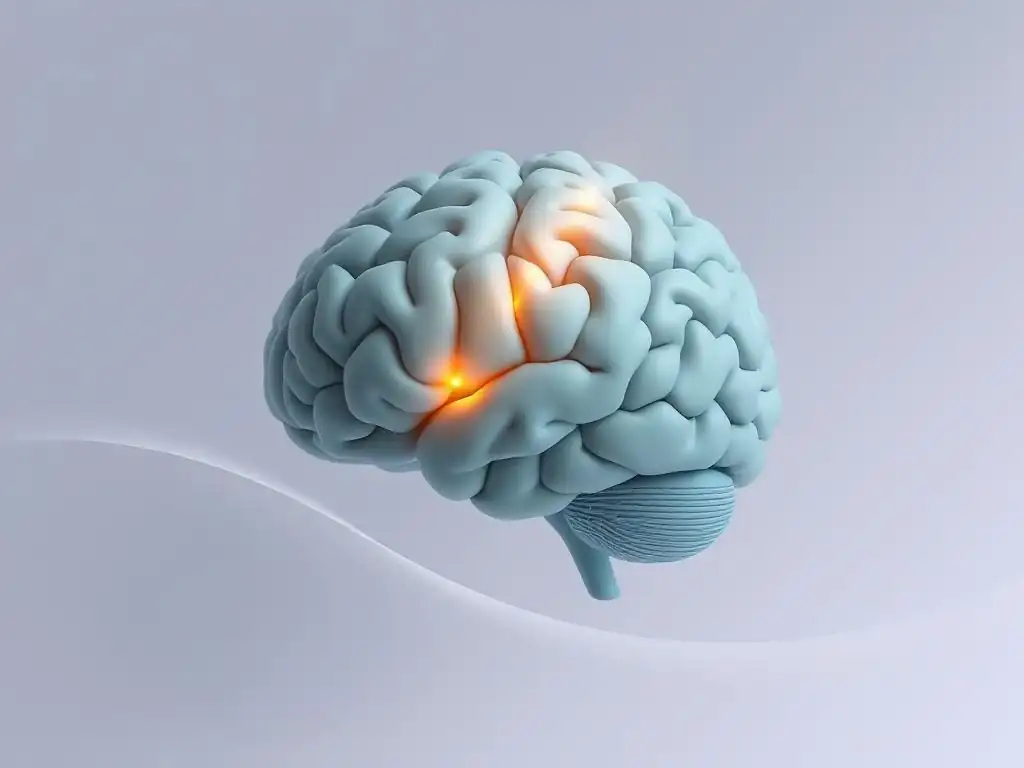
Anhedonia, the reduced ability to experience pleasure, is a core symptom of depression and is strongly linked to dysfunctions in the brain's reward circuitry, including the vmPFC. The vmPFC is critical for assigning subjective value to potential rewards and predicting positive outcomes. When this area is impaired, the anticipated pleasure from activities or experiences may be significantly reduced or absent. Studies have shown that individuals with higher levels of anhedonia often exhibit lower vmPFC activity when presented with rewarding stimuli, such as pleasant images or anticipation of financial gain.
This diminished responsiveness isn't solely about the lack of pleasure during an activity but also about the anticipation of pleasure, which drives motivation. If the vmPFC isn't properly signaling the potential reward, individuals may lose motivation to pursue activities they once enjoyed, further contributing to withdrawal and isolation.
For instance, research using fMRI in depressed patients has shown reduced vmPFC activation during tasks involving the anticipation of winning money, correlating with self-reported levels of anhedonia. This specific deficit in reward anticipation processing highlights the vmPFC as a key target for understanding and treating anhedonia, guiding the development of vmPFC-focused PFC dysfunction depression treatment options.
Increased Negative Bias: The vmPFC's Role in Processing Negative Stimuli in Depression
Depressed individuals often exhibit a negative bias, meaning they tend to focus more on negative information, interpret ambiguous situations negatively, and have difficulty disengaging from negative thoughts or stimuli. The vmPFC is involved in evaluating emotional information and regulating responses, particularly to negative cues. While its exact role in the negative bias of depression is complex and debated, some models suggest that impaired vmPFC function contributes by failing to adequately dampen responses in areas like the amygdala or by improperly assigning excessive salience to negative information.
For example, some studies indicate that depressed individuals show altered patterns of vmPFC activity when processing negative words or images compared to healthy controls. This could manifest as either hypoactivity, suggesting a failure to regulate the negative emotional response, or sometimes hyperactivity in specific subregions, potentially reflecting an over-processing or rumination on negative information. This persistent focus on negativity, supported by altered vmPFC processing, can maintain low mood, fuel worry, and make it difficult to shift attention to positive aspects of life, necessitating interventions that target this neural imbalance as part of comprehensive PFC dysfunction depression treatment options.
Cognitive Impairment: How vmPFC Dysfunction Affects Executive Function in Depressed Patients
Beyond emotional and decision-making deficits, vmPFC dysfunction also contributes to the cognitive impairments frequently observed in depression, including problems with attention, memory, planning, and problem-solving – aspects of executive function. While other prefrontal areas, particularly the dorsolateral prefrontal cortex (dlPFC), are more traditionally associated with executive functions, the vmPFC's extensive connections mean its dysfunction can have cascading effects on these abilities. For instance, the vmPFC's role in processing emotional valence and guiding value-based decisions is inherently linked to cognitive processes like working memory and planning, as these are needed to evaluate options and anticipate consequences.
Impaired vmPFC activity can interfere with the ability to prioritize tasks based on their emotional or personal significance, leading to apathy or difficulty initiating goal-directed behavior. Furthermore, the vmPFC's connection to memory systems means its dysfunction can influence how emotional memories are retrieved and processed, potentially contributing to rumination on negative past events. While not the sole cause of cognitive deficits in depression, vmPFC impairment plays a significant, often underestimated, role by disrupting the integration of emotional and motivational information with higher-level cognitive control processes, impacting overall executive function and daily functioning.
Diagnosing Ventromedial PFC Dysfunction in Depression
Neuroimaging Techniques for Assessing vmPFC Activity: fMRI, PET Scans, and EEG
Neuroimaging techniques are invaluable tools for investigating vmPFC function and dysfunction in depression. Functional magnetic resonance imaging (fMRI) is widely used to measure brain activity by detecting changes in blood flow. During fMRI scans, researchers can observe vmPFC activation patterns while individuals perform tasks involving emotional processing, decision-making, or reward anticipation. Studies using fMRI have consistently shown altered vmPFC responses in depressed patients, such as reduced activity during reward tasks or altered connectivity with the amygdala.
Positron emission tomography (PET) scans can measure metabolic activity, neurotransmitter levels, or receptor binding in the brain. PET studies have provided insights into glucose metabolism rates in the vmPFC of depressed individuals, often finding reduced metabolic activity in this region, which can correlate with symptom severity. PET can also be used to study neurotransmitter systems, like serotonin or dopamine, that are known to influence vmPFC function and are implicated in depression.
Electroencephalography (EEG) measures electrical activity in the brain and, while having lower spatial resolution than fMRI or PET for deep structures like the vmPFC, can provide valuable information about connectivity and oscillatory patterns, offering insights into the dynamic interplay between the vmPFC and other brain regions, particularly during emotional or cognitive tasks. These techniques are crucial for advancing our understanding and guiding the development of targeted PFC dysfunction depression treatment options.
Neuropsychological Assessments: Evaluating Decision-Making and Emotional Processing
Beyond neuroimaging, neuropsychological assessments provide behavioral evidence of vmPFC dysfunction by evaluating cognitive functions that rely on this brain region. Tests designed to assess decision-making under uncertainty, such as the Iowa Gambling Task (IGT), are particularly relevant. As mentioned earlier, performance on the IGT, which requires learning from rewards and punishments to choose advantageous options, is often impaired in depression, reflecting deficits in vmPFC-dependent value-based decision-making.
Other neuropsychological tests can assess emotional processing biases, risk assessment, and social cognition, all of which involve the vmPFC. For example, tasks that measure the ability to recognize and interpret emotional facial expressions, or those that assess risk-taking behavior, can reveal patterns consistent with vmPFC impairment. While these tests don't directly measure brain activity, they provide crucial behavioral correlates of the underlying neural dysfunction, offering a functional profile of the individual's deficits. Combining these behavioral measures with neuroimaging data provides a more comprehensive picture of how vmPFC dysfunction manifests in the symptoms of depression.
Integrating Clinical Observations with Neuroimaging and Neuropsychological Data
A holistic understanding and effective treatment approach for depression linked to vmPFC dysfunction require integrating clinical observations with findings from neuroimaging and neuropsychological assessments. Clinical interviews provide detailed information about the patient's subjective experience of symptoms, including the severity of anhedonia, decision-making difficulties, negative rumination, and emotional dysregulation. These reports offer the crucial context for interpreting objective data from scans and tests.
For instance, a patient reporting significant indecisiveness and an inability to feel pleasure might show reduced vmPFC activity during fMRI reward tasks and impaired performance on the Iowa Gambling Task. This convergence of clinical symptoms with objective data strengthens the evidence for vmPFC involvement in their specific presentation of depression. This integrated approach is vital for tailoring effective PFC dysfunction depression treatment options, allowing clinicians to choose interventions that are most likely to address the specific nature of the vmPFC impairment observed in an individual patient, whether it primarily affects reward processing, emotional regulation, or decision-making.
Treatment Options Targeting vmPFC Dysfunction in Depression

Finding effective PFC dysfunction depression treatment options is a primary goal of research. Treatments are evolving to specifically address the neural circuits implicated, including the vmPFC.
Pharmaceutical Interventions: SSRIs, SNRIs, and Their Impact on vmPFC Activity
Standard pharmaceutical treatments for depression, such as Selective Serotonin Reuptake Inhibitors (SSRIs) and Serotonin-Norepinephrine Reuptake Inhibitors (SNRIs), are believed to exert their therapeutic effects, in part, by modulating activity in brain regions like the vmPFC. While their primary mechanism involves increasing neurotransmitter availability, these changes can lead to downstream effects on neural circuit function. Studies using neuroimaging have shown that successful treatment with SSRIs can normalize vmPFC activity and its connectivity with other limbic areas, such as the amygdala.
For example, some research indicates that after several weeks of SSRI treatment, previously blunted vmPFC responses to positive stimuli may increase, and hyperactive responses to negative stimuli may decrease. Similarly, connectivity patterns between the vmPFC and amygdala that were altered in the depressed state may begin to normalize, suggesting improved emotional regulation. While not directly targeting the vmPFC structure, these medications can influence its function through neurochemical changes, making them a fundamental component of many PFC dysfunction depression treatment options, though individual responses vary significantly.
Cognitive Behavioral Therapy (CBT) and the vmPFC: Retraining Emotional Regulation and Decision-Making
Psychological therapies, particularly Cognitive Behavioral Therapy (CBT), are also considered effective PFC dysfunction depression treatment options and are thought to work, in part, by engaging and modifying vmPFC activity. CBT helps individuals identify and challenge negative thought patterns and develop healthier coping mechanisms for managing emotions and making decisions. These cognitive and behavioral changes are mediated by the brain.
Studies using fMRI have demonstrated that successful CBT treatment in depressed patients is associated with changes in vmPFC activity and connectivity. For instance, some research shows increased vmPFC activation during tasks requiring emotional regulation after a course of CBT. This suggests that CBT may help patients learn to better recruit the vmPFC to reappraise negative situations and inhibit maladaptive emotional responses. By teaching skills related to evaluating thoughts and potential outcomes, CBT may also strengthen vmPFC-dependent decision-making processes, offering a behavioral pathway to improve vmPFC function.
Neuromodulation Techniques: Transcranial Magnetic Stimulation (TMS) and Deep Brain Stimulation (DBS) for vmPFC Modulation
Neuromodulation techniques offer more direct ways to influence brain activity and are emerging as promising PFC dysfunction depression treatment options, particularly for treatment-resistant cases. These methods involve applying electrical or magnetic stimulation to specific brain areas.
TMS Therapy for Depression and vmPFC Activation
Transcranial Magnetic Stimulation (TMS) is a non-invasive procedure that uses magnetic pulses to stimulate nerve cells in the brain. While standard TMS for depression often targets the dorsolateral prefrontal cortex (dlPFC), research is exploring protocols that specifically target or influence the vmPFC, given its role in the disorder. Repetitive TMS (rTMS) applied to specific frontal areas is thought to modulate activity in interconnected regions, including the vmPFC.
Studies are investigating whether targeting areas functionally connected to the vmPFC, or using specific TMS protocols, can normalize vmPFC activity patterns. Early findings suggest that TMS can alter vmPFC metabolism and connectivity, potentially improving mood, emotional regulation, and reward processing. TMS is a valuable tool among PFC dysfunction depression treatment options, particularly for patients who haven't responded to medication.
DBS and its Potential in Severe, Treatment-Resistant Depression with vmPFC Dysfunction
Deep Brain Stimulation (DBS) is a surgical procedure involving implanting electrodes in specific brain areas to deliver continuous electrical impulses. DBS is typically reserved for severe, treatment-resistant depression. While early DBS targets for depression focused on areas like the subgenual cingulate cortex (sgACC), which is strongly connected to the vmPFC and often shows hyperactivity in depression, some research is exploring direct or indirect modulation of the vmPFC circuit.
Stimulation of areas connected to the vmPFC, like the sgACC or ventral capsule/ventral striatum, has shown promise in some patients, with observed changes in vmPFC activity correlating with symptom improvement. The goal is to reset abnormal activity patterns within the mood-regulating circuits involving the vmPFC. DBS represents a significant intervention among PFC dysfunction depression treatment options for the most challenging cases, highlighting the critical role of this brain region in severe depression.
Lifestyle Interventions: Diet, Exercise, and Sleep for Supporting Optimal vmPFC Function
Beyond clinical treatments, lifestyle factors play a crucial role in supporting overall brain health, including optimal vmPFC function, and should be considered part of comprehensive PFC dysfunction depression treatment options. Regular physical exercise has been shown to have significant positive effects on brain structure and function, including increasing gray matter volume and improving connectivity in prefrontal areas. Aerobic exercise, for instance, can enhance neurogenesis and synaptic plasticity, processes that support healthy vmPFC function and resilience.
Adequate sleep is also essential for cognitive and emotional regulation, processes heavily reliant on the vmPFC. Chronic sleep deprivation negatively impacts prefrontal function, impairing decision-making, emotional control, and attention. Prioritizing 7-9 hours of quality sleep per night can help restore optimal vmPFC activity.
Nutrition also plays a role; a diet rich in omega-3 fatty acids, antioxidants, and vitamins supports brain health. While less directly studied for vmPFC specifically than exercise or sleep, overall nutritional status impacts neurotransmitter synthesis and neuronal health, indirectly supporting vmPFC function. These lifestyle adjustments are foundational elements in managing depression and supporting the effectiveness of other PFC dysfunction depression treatment options.
The Future of vmPFC Research and Depression Treatment
Research into the vmPFC's role in depression is rapidly evolving, promising more targeted and effective PFC dysfunction depression treatment options in the future.
Personalized Medicine: Tailoring Treatments Based on Individual vmPFC Function
A key direction in research is the development of personalized medicine approaches for depression. Given the heterogeneity of depression and the varied ways vmPFC dysfunction can manifest (e.g., hypoactivity in reward processing vs. altered connectivity in emotional regulation), future treatment decisions may be guided by an individual's specific neurobiological profile. Neuroimaging and neuropsychological data could help identify the precise nature of vmPFC impairment in a patient.
For example, a patient showing significant anhedonia and blunted vmPFC reward response might benefit more from interventions targeting reward circuits, while a patient with prominent emotional lability and altered vmPFC-amygdala connectivity might respond better to therapies focused on emotional regulation. Tailoring PFC dysfunction depression treatment options based on these individual neurobiological signatures could significantly improve success rates and reduce trial-and-error in finding the right therapy.
Developing Targeted Therapies: Focus on Specific vmPFC Circuits and Neurotransmitters
Future therapies are likely to move beyond broad-acting medications to target specific neural circuits and neurotransmitter systems within the vmPFC and its connections. Research is identifying specific pathways (e.g., glutamatergic or GABAergic circuits within the vmPFC) and specific connections (e.g., vmPFC-amygdala, vmPFC-striatum) that are most critically disrupted in depression.
This understanding can lead to the development of novel pharmacological agents or neuromodulation protocols designed to specifically enhance or dampen activity in these precise circuits. For example, medications targeting specific receptors abundant in the vmPFC, or highly focused TMS or DBS approaches guided by individual connectivity maps, could offer more potent and precise interventions than current methods. These highly targeted approaches represent the cutting edge of PFC dysfunction depression treatment options.
The Importance of Early Intervention: Preventing vmPFC Dysfunction from Contributing to Chronic Depression
Understanding vmPFC development and its vulnerability in early life or at the onset of depressive symptoms highlights the importance of early intervention. vmPFC circuits mature throughout adolescence and early adulthood, periods when the risk for developing depression increases. Adverse experiences during these critical periods might disrupt vmPFC development or function, increasing vulnerability to chronic depression.
Early identification of risk factors or prodromal symptoms, coupled with interventions aimed at supporting healthy vmPFC development and function, could potentially prevent the escalation to chronic, treatment-resistant depression. This might involve targeted therapies, lifestyle interventions, or even environmental modifications aimed at bolstering emotional resilience and cognitive control, emphasizing prevention as a vital, albeit challenging, component of future PFC dysfunction depression treatment options.
Conclusion: Improving Outcomes for Depression by Targeting Ventromedial PFC Dysfunction
Understanding the intricate role of the ventromedial prefrontal cortex (vmPFC) in emotion, decision-making, and reward processing has profoundly changed our view of depression. It is clear that vmPFC dysfunction is not merely a symptom but a significant contributing factor to the core features of the disorder, including persistent low mood, anhedonia, impaired decision-making, and emotional dysregulation. By identifying the specific ways the vmPFC is impaired in individuals with depression, we can move towards more precise and effective treatment strategies.
The development of PFC dysfunction depression treatment options that specifically target this brain region and its connected circuits holds immense promise. This includes not only refining existing therapies but also developing novel interventions that can restore optimal vmPFC function.
A Holistic Approach to Depression Treatment: Integrating Psychological, Pharmaceutical, and Lifestyle Strategies
Effective treatment for depression, particularly when vmPFC dysfunction is suspected, often requires a holistic approach that integrates multiple strategies. Pharmaceutical interventions, such as SSRIs and SNRIs, continue to be foundational, with growing evidence that they can positively influence vmPFC activity over time. Psychological therapies like CBT offer a powerful means to retrain cognitive and emotional processes that rely on the vmPFC, empowering individuals with skills to manage symptoms and improve decision-making.
Furthermore, lifestyle interventions, including regular exercise, adequate sleep, and a healthy diet, provide essential support for overall brain health and can optimize the conditions for vmPFC recovery and function. Combining these elements allows for a comprehensive attack on the various facets of depression linked to vmPFC impairment, addressing both the neurobiological underpinnings and the behavioral manifestations of the disorder. This integrated approach maximizes the chances of achieving lasting recovery.
The Promise of Neuromodulation Techniques in Restoring vmPFC Function and Alleviating Depressive Symptoms
For individuals with treatment-resistant depression where traditional approaches have failed, neuromodulation techniques offer exciting new possibilities among PFC dysfunction depression treatment options. Techniques like Transcranial Magnetic Stimulation (TMS) and Deep Brain Stimulation (DBS), by directly or indirectly modulating vmPFC activity and connectivity, have the potential to reset dysfunctional brain circuits implicated in severe depression.
While still evolving, research into targeting vmPFC-related pathways with neuromodulation shows encouraging results in some patients, offering hope for those who have not responded to other treatments. As our understanding of the precise neural circuitry improves, these techniques can become even more refined and targeted, offering personalized interventions based on an individual's specific vmPFC dysfunction profile. The continued exploration and refinement of these vmPFC-focused PFC dysfunction depression treatment options represent a significant step forward in our ability to combat this challenging illness.
Frequently Asked Questions
What is the ventromedial prefrontal cortex (vmPFC) and what is its role in mental health?
The vmPFC is a brain region crucial for emotional regulation, decision-making, and social behavior. Dysfunction in this area is strongly linked to various mental health conditions, particularly depression.
How does vmPFC dysfunction contribute to depression?
Dysfunction in the vmPFC can lead to impaired emotional processing, difficulty experiencing pleasure (anhedonia), and problems with goal-directed behavior, all of which are core symptoms of depression.
What are some common symptoms associated with vmPFC dysfunction in individuals with depression?
Individuals may exhibit difficulty regulating emotions, impaired decision-making skills, increased negative self-focus, and a reduced ability to experience positive emotions.
What are some current PFC dysfunction depression treatment options targeting vmPFC activity?
Treatment options include cognitive behavioral therapy (CBT) which aims to rewire thought patterns, medications like antidepressants that can modulate brain activity, and brain stimulation techniques like TMS.
Can lifestyle changes help improve vmPFC function and alleviate depressive symptoms?
Yes, lifestyle changes such as regular exercise, a healthy diet, and mindfulness practices can positively impact brain function, including the vmPFC, and contribute to improved mental well-being and reduced depressive symptoms.
Final Reflection: Reclaiming Agency in the Face of PFC Dysfunction
The intricate link between ventromedial prefrontal cortex (vmPFC) dysfunction, depression, and impaired decision-making is not merely an academic curiosity; it's a crucial understanding for navigating the complexities of mental health today. Millions grapple with the debilitating effects of depression, often experiencing a profound sense of helplessness and a diminished capacity for effective decision-making – symptoms directly tied to vmPFC impairment. This understanding empowers us to move beyond simply treating the symptoms and towards a more holistic approach.
The ongoing exploration of vmPFC dysfunction's impact on our emotional lives and choices is profoundly significant. It sheds light on the very core of what it means to experience depression, moving beyond simplistic narratives of "chemical imbalances" to acknowledge the intricate interplay between brain structure, emotional regulation, and conscious agency. The mind is its own place, and in itself can make a Heaven of Hell, a Hell of Heaven.
– John Milton, Paradise Lost. This quote underscores the power of our internal landscape, shaped significantly by the health of our vmPFC, to influence our experience of the world. Understanding this connection allows for a more compassionate and nuanced approach to both understanding and treating depression.
Now, consider your own life. Have you ever felt overwhelmed by decisions, paralyzed by indecision, or struggled to regulate your emotions? This article has explored the potential neurological underpinnings of these experiences. I invite you to reflect on the role your emotional landscape plays in your decision-making process.
Seek out resources and support if you are struggling with depression or suspect vmPFC dysfunction might be contributing to your challenges. Remember, understanding is the first step towards reclaiming your agency and building a more fulfilling life. The journey towards mental well-being is a personal one, but armed with knowledge, you are better equipped to navigate its complexities.
Unlock Your Emotional Resilience: Take Charge of Your Wellbeing
Thanks for taking the time to explore the fascinating connection between the ventromedial prefrontal cortex (vmPFC), emotions, and decision-making! We hope you gained valuable insights into how this crucial brain region impacts your mental health. Now it's time to put that knowledge into action.
- Prioritize Self-Care Practices: Identify one small, achievable self-care activity you can incorporate into your daily routine this week (e.g., mindful breathing, a short walk, listening to calming music). Make it a non-negotiable part of your day.
- Engage in Mindful Decision-Making: Challenge yourself to pause before making significant decisions this week. Consider how your emotions might be influencing your choices.
- Share Your Insights: Share this article with someone who might benefit from understanding the link between brain function and emotional wellbeing. Let's spread the knowledge!
So, what small step will you take today to strengthen your emotional resilience and improve your decision-making?