
The Vagus Nerve Explained: Your Body's Information Superhighway Connecting Gut and Brain

Welcome to Mind Care Guide, your sanctuary for nurturing mental well-being.
Ever felt that inexplicable connection between your gut feeling and your emotional state? We're diving deep into the fascinating world of the vagus nerve, your body's hidden information superhighway. Discover how understanding this crucial nerve can unlock new pathways to managing stress, anxiety, and overall mental health. Curious to learn more about the profound link between your gut and your brain? Let's explore together.
The Vagus Nerve Explained: Your Body's Information Superhighway Connecting Gut and Brain
- Introduction: Understanding the Vagus Nerve and Mental Well-being
- The Anatomy and Function of the Vagus Nerve
- The Vagus Nerve and Mental Health: A Deep Dive
- The Gut-Brain Connection: The Vagus Nerve as a Primary Communicator
-
Activating Your Vagus Nerve: Natural Ways to Improve Mental Health
- Vagus Nerve Stimulation Techniques: A Practical Guide
- Breathing Exercises for Vagus Nerve Activation: (e.g., Diaphragmatic Breathing, Box Breathing)
- Cold Exposure and the Vagus Nerve: Benefits and Precautions
- Meditation and Mindfulness: Enhancing Vagal Tone for Mental Well-being
- Dietary Strategies to Support the Vagus Nerve and Gut Health: (e.g., Consuming Fermented Foods, Limiting Processed Foods)
- Lifestyle Factors and the Vagus Nerve
- Optimizing Vagal Tone for Improved Mental Health: A Comprehensive Approach
- Conclusion: Harnessing the Power of the Vagus Nerve for Mental Wellness
-
Frequently Asked Questions
- What is the Vagus Nerve and why is it important for mental health?
- How does the Vagus Nerve connect the gut and the brain?
- What mental health conditions can benefit from Vagus Nerve stimulation?
- What are some practical ways to stimulate the Vagus Nerve to improve mental well-being?
- How can I learn more about the Vagus Nerve and its impact on mental health?
- Final Reflection: Unraveling the Mind-Gut Connection
- Unlock Your Inner Calm: Activate Your Vagus Nerve Today!
Introduction: Understanding the Vagus Nerve and Mental Well-being
The Vagus Nerve: A Key Player in the Gut-Brain Axis
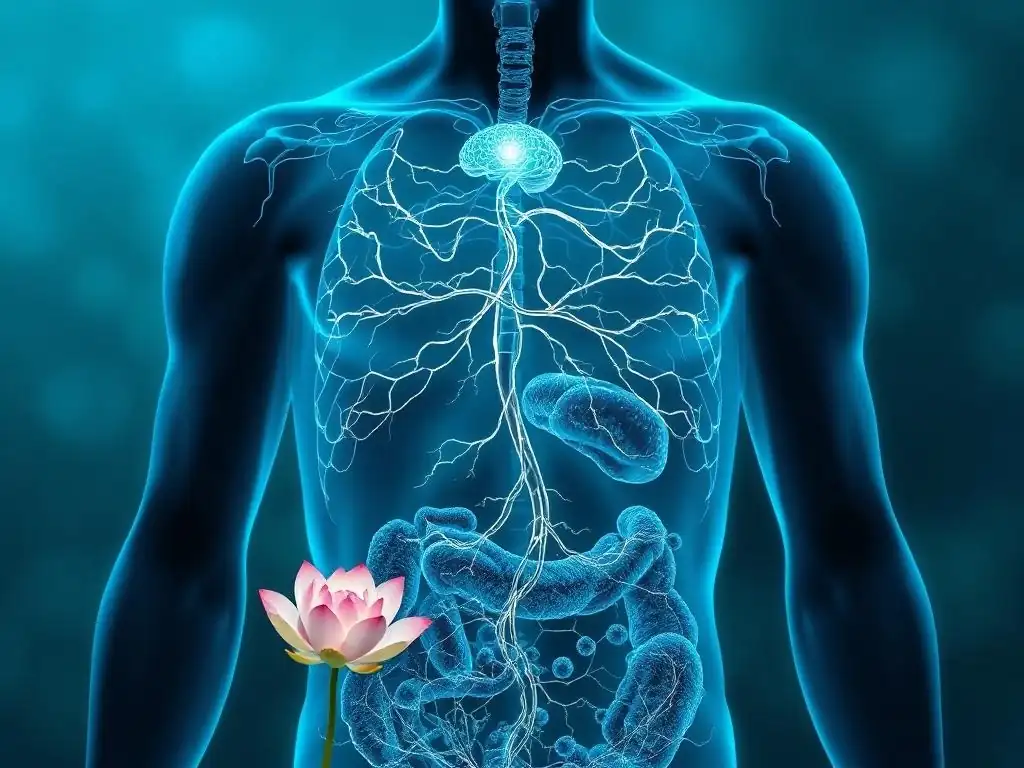
The vagus nerve, often referred to as the "wandering nerve" due to its extensive reach throughout the body, is the longest cranial nerve. It originates in the brainstem and branches out, connecting the brain to many vital organs, including the heart, lungs, and most importantly for the context of mental health, the digestive system. This nerve serves as a critical two-way communication pathway, transmitting signals from the brain to the body and, crucially, from the body back to the brain.
This intricate network forms a significant part of the autonomic nervous system, which controls involuntary bodily functions. Understanding the vagus nerve is fundamental to appreciating the complex interplay between our physical state and our mental and emotional well-being, particularly concerning the gut-brain axis.
This nerve is composed of approximately 80% afferent fibers, meaning they carry signals from the body to the brain, and about 20% efferent fibers, carrying signals from the brain to the body. This dominant flow of information from the periphery to the central nervous system highlights the profound influence that the state of our organs, especially the gut, can have on our mood, cognition, and overall mental state.
The signals sent via the vagus nerve include information about inflammation levels, nutrient availability, and the presence of beneficial or harmful microbes in the gut. This constant feedback loop plays a pivotal role in modulating physiological responses that directly impact our psychological experience, making the vagus nerve a central focus in the emerging field of Vagus nerve mental health research.
Why the Vagus Nerve Matters for Mental Health: An Overview
The connection between the vagus nerve and mental health is increasingly recognized as a vital area of study. This nerve acts as a primary conduit in the gut-brain axis, linking the activity and health of the digestive system directly to brain function and emotional states.
For example, signals transmitted via the vagus nerve from the gut can influence the production and regulation of neurotransmitters like serotonin, often dubbed the "feel-good" chemical, a significant portion of which is produced in the gut. Disruptions in this communication pathway, potentially caused by poor gut health or chronic stress, can manifest as various mental health challenges.
Research indicates that the health and activity level of the vagus nerve, often measured as "vagal tone," are significantly correlated with psychological resilience and emotional regulation. Individuals with higher vagal tone tend to exhibit better stress management capabilities, greater emotional flexibility, and a reduced propensity for anxiety and depression. Conversely, lower vagal tone is frequently observed in individuals experiencing chronic stress, mood disorders, and inflammatory conditions. This makes understanding and potentially enhancing vagal tone a promising avenue for improving overall mental wellness and exploring non-pharmacological approaches to support Vagus nerve mental health.
The Anatomy and Function of the Vagus Nerve
What is the Vagus Nerve? A Detailed Look at Its Structure
The vagus nerve, cranial nerve X, is a mixed nerve containing both sensory (afferent) and motor (efferent) fibers. Its journey begins in the medulla oblongata, a part of the brainstem. From there, it descends through the neck and thorax into the abdomen, innervating a vast array of organs.
Structurally, it is a complex bundle of nerve fibers, encased in a protective sheath, much like an electrical cable carrying numerous distinct wires. These fibers are myelinated and unmyelinated, allowing for both rapid and slower transmission of signals. The nerve's extensive branching means it influences everything from swallowing and speech (via branches in the neck) to heart rate regulation (in the chest) and digestive processes (in the abdomen).
Its sensory branches collect information from the pharynx, larynx, esophagus, lungs, heart, and most abdominal organs. This sensory input provides the brain with crucial data about the physiological state of these systems. The motor branches, on the other hand, control muscles in the pharynx and larynx (involved in swallowing and speech), and regulate the activity of smooth muscles and glands in the heart, lungs, and digestive tract.
For instance, vagal stimulation typically slows heart rate and increases digestive activity. The sheer anatomical reach underscores the nerve's role as a central integrator of bodily functions and its potential impact on systemic health, including aspects relevant to Vagus nerve mental health.
The Vagus Nerve's Multifaceted Roles in the Body: Digestion, Heart Rate, and More
The vagus nerve is a primary regulator of the parasympathetic nervous system, often called the "rest and digest" system. This system counterbalances the sympathetic "fight or flight" response. In the digestive system, the vagus nerve stimulates gut motility (the movement of food through the intestines), increases the production of digestive enzymes and stomach acid, and plays a role in signaling satiety after eating. For example, studies have shown that severing the vagus nerve (a procedure historically performed for severe ulcer treatment) can significantly impact digestion and nutrient absorption, sometimes leading to weight changes and digestive distress.
Beyond digestion, the vagus nerve exerts profound control over the cardiovascular system. It slows heart rate and reduces blood pressure, promoting a state of calm and recovery after stress. In the respiratory system, it influences breathing rate and bronchial constriction.
It also plays a role in inflammatory responses throughout the body. For instance, it can inhibit the release of pro-inflammatory cytokines, acting as a natural anti-inflammatory pathway. This widespread influence means the vagus nerve is not just a connection between the gut and brain but a central regulator of many bodily functions essential for overall health and resilience, which directly impacts Vagus nerve mental health.
Vagal Tone: Measuring the Health and Activity of Your Vagus Nerve
Vagal tone refers to the activity level and health of the vagus nerve. It is essentially a measure of how well the parasympathetic nervous system is functioning via the vagus nerve. A common way to estimate vagal tone non-invasively is by measuring heart rate variability (HRV). HRV is the variation in the time interval between consecutive heartbeats. A higher HRV generally indicates higher vagal tone, suggesting the vagus nerve is actively modulating heart rate in response to physiological signals. This variability is a sign of a flexible and resilient nervous system, capable of adapting quickly to different demands.
Individuals with high vagal tone are often characterized by a calm demeanor, good emotional regulation, and resilience to stress. Research consistently links higher HRV (and thus presumed higher vagal tone) to lower levels of anxiety, depression, and inflammation. For example, a study involving hundreds of participants might show that those in the top quartile of HRV scores report significantly lower incidence rates of generalized anxiety disorder compared to those in the bottom quartile.
Conversely, lower vagal tone is associated with increased risk for anxiety, depression, chronic inflammation, and poor stress response. While HRV is a valuable metric, it's an indirect measure, and vagal tone is a complex concept influenced by genetics, lifestyle, and environmental factors, all of which can impact Vagus nerve mental health.
The Vagus Nerve and Mental Health: A Deep Dive
How the Vagus Nerve Influences Mood and Emotional Regulation
The vagus nerve plays a significant role in modulating mood and emotional regulation, acting as a direct line of communication between the body's physiological state and the brain's emotional centers. Signals transmitted from the gut and other organs via the vagus nerve provide the brain with crucial information about the internal environment.
This information influences the activity of brain regions involved in processing emotions, such as the amygdala (involved in fear and anxiety) and the prefrontal cortex (involved in decision-making and emotional control). For instance, signals indicating inflammation in the gut, conveyed by the vagus nerve, can trigger a stress response in the brain and contribute to feelings of anxiety or low mood.
Furthermore, the vagus nerve impacts the production and release of neurotransmitters that are vital for mood stability. While serotonin is often highlighted for its production in the gut influenced by vagal signals, other neurotransmitters like norepinephrine and GABA are also affected. GABA, an inhibitory neurotransmitter, helps calm nervous activity.
Vagal stimulation can increase GABAergic activity in the brain, promoting a sense of calm and reducing feelings of anxiety. The bidirectional nature of the vagus nerve means that the brain's emotional state can also influence gut function, potentially leading to symptoms like irritable bowel syndrome (IBS) during periods of stress. Understanding this intricate connection is key to appreciating the physical roots of certain mental health challenges and the potential for addressing Vagus nerve mental health through bodily interventions.
Vagus Nerve Stimulation and Its Impact on Anxiety and Depression
Vagus Nerve Stimulation (VNS) is a therapeutic technique that involves sending electrical impulses to the vagus nerve. It is a well-established treatment for certain conditions like epilepsy and treatment-resistant depression. Implantable VNS devices, similar to pacemakers, are surgically placed under the skin, with a wire wrapped around the vagus nerve in the neck.
These devices deliver regular electrical pulses, which travel up the nerve to the brain, influencing mood-regulating circuits. Clinical trials have shown that VNS can lead to significant reductions in depressive symptoms in a subset of patients who have not responded to other treatments. For example, one long-term study tracking patients with treatment-resistant depression for five years found that a substantial percentage achieved remission or significant improvement with adjunctive VNS therapy.
Beyond implantable devices, non-invasive Vagus Nerve Stimulation (nVNS) methods are also being explored and used. These devices are typically held against the skin over the vagus nerve pathway (often near the ear or neck) and deliver electrical pulses externally. While research is ongoing, nVNS shows promise for acute treatment of cluster headaches and has been investigated for its potential benefits in anxiety disorders and depression.
The mechanism is thought to involve modulating brain activity in areas like the limbic system and prefrontal cortex, influencing neurotransmitter release and reducing hyperactive stress responses. These approaches highlight the direct therapeutic potential of targeting the vagus nerve for improving Vagus nerve mental health.
The Vagus Nerve's Role in the Stress Response and Resilience
The vagus nerve is intimately involved in the body's stress response system and plays a crucial role in resilience. When faced with a stressor, the sympathetic nervous system activates the "fight or flight" response, increasing heart rate, blood pressure, and diverting energy away from non-essential functions like digestion. The vagus nerve, as the primary component of the parasympathetic system, acts as the brake pedal, helping to calm the body down after the threat has passed.
A healthy, well-functioning vagus nerve can quickly reduce heart rate and inflammation, and restore the body to a state of equilibrium. This rapid recovery is a key component of physiological and psychological resilience.
Individuals with lower vagal tone tend to stay in a sympathetic dominant state for longer periods after stress exposure. This prolonged activation can contribute to chronic stress, inflammation, and increased vulnerability to anxiety and depression. For instance, after a stressful event like public speaking, someone with high vagal tone might see their heart rate return to baseline within minutes, while someone with low vagal tone might take much longer.
The vagus nerve helps regulate the hypothalamic-pituitary-adrenal (HPA) axis, the body's central stress response system, by inhibiting the release of cortisol, the primary stress hormone. By promoting a faster recovery from stress and modulating the HPA axis, the vagus nerve is a critical factor in building resilience and protecting Vagus nerve mental health.
Vagus Nerve Dysfunction: Potential Links to Mental Health Disorders (e.g., Anxiety Disorders, Depression, PTSD)
Dysfunction of the vagus nerve, often indicated by low vagal tone, has been implicated in the development and maintenance of various mental health disorders. In anxiety disorders, including generalized anxiety disorder and panic disorder, a poorly functioning vagus nerve may contribute to a hypersensitive stress response and difficulty calming down from states of heightened arousal.
For example, individuals with panic disorder often exhibit lower HRV compared to healthy controls, suggesting impaired vagal regulation of the cardiovascular system during anxiety episodes. This can lead to distressing physical symptoms like rapid heart rate and shortness of breath, which further fuel the panic.
Depression is also strongly linked to vagal nerve dysfunction. Chronic low vagal tone is frequently observed in individuals with major depressive disorder. This can manifest as impaired emotional regulation, a reduced capacity for pleasure (anhedonia), and increased inflammatory markers, which are often elevated in depression.
Post-Traumatic Stress Disorder (PTSD) is another condition where vagal function is often impaired. Individuals with PTSD may exhibit disrupted vagal responses, sometimes showing exaggerated sympathetic responses or, conversely, a 'freeze' response associated with extreme parasympathetic activation (vasovagal syncope). Addressing vagus nerve health is therefore becoming an important consideration in the holistic treatment and prevention strategies for improving Vagus nerve mental health across these conditions.
The Gut-Brain Connection: The Vagus Nerve as a Primary Communicator
The Gut Microbiome and the Vagus Nerve: A Two-Way Street
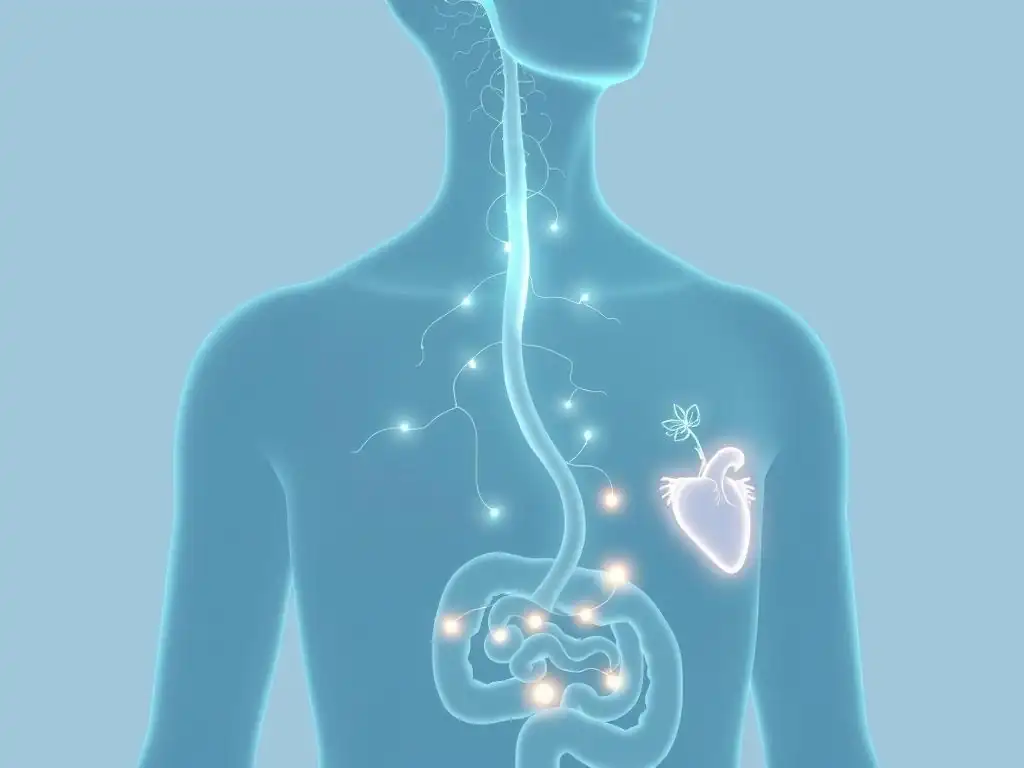
The gut microbiome, the vast community of bacteria, viruses, fungi, and other microorganisms residing in the digestive tract, profoundly influences health, including mental well-being. The vagus nerve serves as a critical communication channel between this microbial ecosystem and the brain, facilitating a constant dialogue. Gut microbes produce various metabolites, including short-chain fatty acids (SCFAs) like butyrate, propionate, and acetate, which can directly or indirectly influence vagal nerve activity. For instance, certain SCFAs can stimulate receptors on specialized cells in the gut lining (enteroendocrine cells) that then signal to vagal afferent fibers.
Conversely, the brain, via the vagus nerve, can influence the gut environment and even the composition and behavior of the microbiome. Stress signals from the brain, transmitted through the vagus nerve, can alter gut motility, permeability, and the production of mucus, all of which can impact the microbial community. This bidirectional communication creates a complex feedback loop where the health and balance of the gut microbiome directly affect vagal tone and brain function, and vice versa. This intricate relationship underscores why focusing on gut health is increasingly seen as a viable strategy for supporting Vagus nerve mental health.
How Gut Health Affects Vagal Tone and, Consequently, Mental Well-being
The state of our gut health has a direct impact on the activity level of the vagus nerve, which in turn influences mental well-being. A healthy gut, characterized by a diverse and balanced microbiome and a strong gut barrier, tends to promote higher vagal tone.
Beneficial gut bacteria can produce neuroactive compounds and SCFAs that stimulate vagal afferent fibers, sending positive signals to the brain that can enhance mood and reduce anxiety. For example, some probiotic strains have been shown in studies to influence neurotransmitter levels and improve mood scores, a mechanism thought to be mediated, at least in part, by the vagus nerve.
Conversely, poor gut health, including dysbiosis (an imbalance in the gut microbiome), inflammation, and increased gut permeability (leaky gut), can negatively impact vagal tone. Inflammatory molecules and bacterial products from a compromised gut can activate vagal afferent fibers in a way that sends distress signals to the brain, potentially contributing to low mood, anxiety, and even cognitive issues.
Chronic inflammation in the gut, for instance, can lead to sustained activation of stress pathways and reduced vagal inhibitory signals, lowering overall vagal tone. Improving gut health through diet and lifestyle interventions is therefore a promising strategy for enhancing vagal tone and supporting Vagus nerve mental health.
The Vagus Nerve's Role in Inflammatory Responses and Mental Health
Chronic inflammation is increasingly recognized as a significant contributor to various mental health disorders, including depression and anxiety. The vagus nerve plays a crucial role in regulating inflammation through a mechanism known as the "cholinergic anti-inflammatory pathway." Vagal efferent fibers release acetylcholine in peripheral organs, which interacts with receptors on immune cells (like macrophages) and inhibits the production and release of pro-inflammatory cytokines such as TNF-alpha, IL-1beta, and IL-6. This inhibitory effect helps to dampen excessive inflammatory responses throughout the body.
When vagal tone is low or the vagus nerve is dysfunctional, this anti-inflammatory brake is less effective. This can lead to chronic low-grade inflammation, which sends persistent inflammatory signals via afferent vagal fibers to the brain. These inflammatory signals can disrupt neurotransmitter systems, impair neurogenesis (the creation of new neurons), and alter brain circuitry involved in mood and motivation, thereby contributing to symptoms of depression and anxiety.
For example, individuals with inflammatory bowel disease (IBD), who often experience gut inflammation, have a higher prevalence of anxiety and depression, a connection partly mediated by the vagus nerve's role in both inflammation and the gut-brain axis. Strengthening vagal tone can thus be seen as a strategy to enhance the body's natural anti-inflammatory capacity and support Vagus nerve mental health.
Activating Your Vagus Nerve: Natural Ways to Improve Mental Health
Vagus Nerve Stimulation Techniques: A Practical Guide
While medical Vagus Nerve Stimulation (VNS) involves electrical devices, there are numerous natural, behavioral techniques that can help stimulate the vagus nerve and potentially improve vagal tone. These methods leverage the nerve's sensitivity to various physiological inputs. The goal is to activate the parasympathetic nervous system response mediated by the vagus nerve, promoting relaxation, reducing heart rate, and influencing the gut-brain axis positively. Consistency is key with these techniques, as regular practice is believed to gradually enhance vagal tone over time.
Here are some natural stimulation techniques:
- Deep, slow breathing: Especially diaphragmatic breathing.
- Cold exposure: Splashing cold water on the face or taking cold showers.
- Meditation and mindfulness: Practices that promote relaxation and focus.
- Singing, humming, or gargling: These actions stimulate muscles in the throat innervated by the vagus nerve.
- Yoga and Tai Chi: Combine movement, breathwork, and mindfulness.
- Certain dietary approaches: Focusing on gut-supportive foods.
Incorporating one or more of these practices into a daily or weekly routine can be a proactive step towards supporting Vagus nerve mental health.
Breathing Exercises for Vagus Nerve Activation: (e.g., Diaphragmatic Breathing, Box Breathing)
Breathing exercises are among the simplest yet most effective ways to activate the vagus nerve and shift the nervous system towards a more relaxed state. Slow, deep breathing, particularly diaphragmatic or "belly" breathing, directly stimulates the vagus nerve. When you inhale deeply into your abdomen, your diaphragm descends, which sends a signal via the vagus nerve to the brain that you are safe and relaxed, triggering a parasympathetic response.
A typical pattern involves inhaling slowly for a count of 4-6, holding briefly, and exhaling even more slowly for a count of 6-8. The longer exhale is particularly effective at engaging the vagus nerve and slowing heart rate.
Box breathing is another highly effective technique. It involves inhaling for a count of four, holding the breath for a count of four, exhaling for a count of four, and holding the breath again for a count of four, repeating the cycle. This rhythmic pattern helps to regulate the breath and calm the nervous system.
Practicing these types of breathing exercises for just a few minutes daily can have a noticeable impact on stress levels, heart rate variability, and overall sense of calm, contributing positively to Vagus nerve mental health. For instance, research has shown that regular slow breathing practice can increase HRV over time.
Cold Exposure and the Vagus Nerve: Benefits and Precautions
Exposure to cold, particularly acute cold exposure, is another method known to stimulate the vagus nerve. The "mammalian dive reflex," triggered by immersing the face in cold water, is a classic example that causes an immediate slowing of the heart rate via the vagus nerve. More sustained cold exposure, such as taking a cold shower or even finishing a warm shower with 30-60 seconds of cold water, can also stimulate the vagus nerve and increase vagal tone over time. While initially uncomfortable, regular cold exposure can lead to adaptations in the nervous system, making it more resilient.
The mechanism involves the vagus nerve's role in regulating the body's response to stress, including temperature changes. Cold exposure presents a mild stressor, and the vagus nerve helps the body adapt and recover. Studies suggest that regular cold exposure can increase HRV and reduce markers of inflammation. For example, participants in studies incorporating cold showers often report improved mood and reduced symptoms of depression.
However, it's important to approach cold exposure gradually and safely, especially for individuals with cardiovascular conditions. Starting with short durations and cooler, rather than icy, temperatures is advisable. Consult a healthcare professional before starting any new cold therapy regimen, particularly if you have underlying health issues, to ensure it's a safe practice for supporting your Vagus nerve mental health.
Meditation and Mindfulness: Enhancing Vagal Tone for Mental Well-being
Meditation and mindfulness practices, which focus on present-moment awareness and non-judgmental observation, have been shown to positively influence the vagus nerve and enhance vagal tone. These practices help to calm the nervous system, reduce the activity of the sympathetic "fight or flight" response, and promote the parasympathetic "rest and digest" state mediated by the vagus nerve. During meditation, the slow, conscious breathing often employed naturally stimulates the vagus nerve, as discussed earlier. Furthermore, the mental focus and reduction in rumination that mindfulness encourages can lower stress hormones like cortisol, which in turn can improve vagal function.
Research using HRV as a proxy for vagal tone consistently shows that regular meditation practitioners tend to have higher HRV compared to non-meditators. For example, a study on long-term meditators found significantly higher baseline HRV values. Mindfulness-Based Stress Reduction (MBSR) programs, which integrate mindfulness meditation, yoga, and body scan techniques, have demonstrated effectiveness in reducing anxiety and depression symptoms, with improvements often correlated with increases in HRV. By cultivating a state of calm and reducing reactivity to stressors, meditation and mindfulness offer powerful, non-pharmacological tools for improving Vagus nerve mental health by strengthening vagal tone.
Dietary Strategies to Support the Vagus Nerve and Gut Health: (e.g., Consuming Fermented Foods, Limiting Processed Foods)
Diet plays a significant role in gut health, and since the gut and vagus nerve are intimately connected, dietary choices can indirectly support vagal tone and Vagus nerve mental health. A diet rich in fiber, whole foods, and fermented foods helps cultivate a diverse and healthy gut microbiome. Beneficial gut bacteria thrive on dietary fiber, producing SCFAs like butyrate, which nourish gut cells and can stimulate vagal pathways.
Consuming fermented foods such as yogurt, kefir, sauerkraut, and kimchi introduces beneficial probiotics to the gut, further supporting microbial balance. Studies suggest that diets high in fiber and fermented foods are associated with improved mood and reduced inflammation, potentially mediated by the gut-vagus nerve axis.
Conversely, a diet high in processed foods, sugar, and unhealthy fats can negatively impact gut health, leading to dysbiosis and inflammation. This can send detrimental signals via the vagus nerve to the brain, potentially contributing to low mood and anxiety. Limiting processed foods, sugary drinks, and excessive saturated fats is crucial for maintaining a healthy gut environment that supports optimal vagal function. Focusing on a nutrient-dense diet rich in fruits, vegetables, whole grains, lean proteins, and healthy fats provides the foundation for a healthy gut-brain connection and supports Vagus nerve mental health.
Lifestyle Factors and the Vagus Nerve

The Impact of Sleep on Vagal Tone and Mental Health
Adequate and restful sleep is fundamental for overall health, including the health of the vagus nerve and mental well-being. Sleep is a period when the parasympathetic nervous system, largely controlled by the vagus nerve, is dominant, allowing the body to repair and restore itself. Chronic sleep deprivation or poor sleep quality disrupts the balance between the sympathetic and parasympathetic nervous systems, often leading to increased sympathetic activity and reduced vagal tone. This imbalance can manifest as increased stress, irritability, and vulnerability to anxiety and depression.
Studies have shown a clear link between sleep patterns and HRV, a proxy for vagal tone. Individuals who consistently get sufficient, high-quality sleep tend to exhibit higher HRV compared to those who are sleep-deprived. For example, just one night of significant sleep restriction (e.g., sleeping only 4 hours) can lead to a measurable decrease in HRV the following day. Prioritizing 7-9 hours of quality sleep per night supports the body's natural restorative processes, helps maintain healthy vagal tone, and is an essential component of supporting Vagus nerve mental health.
The Role of Exercise in Stimulating the Vagus Nerve
Regular physical exercise is a powerful tool for enhancing vagal tone and improving mental health. While intense exercise initially activates the sympathetic nervous system, regular, moderate exercise promotes adaptations that strengthen the parasympathetic system, particularly the vagus nerve. Endurance activities like running, swimming, or cycling are particularly effective at increasing HRV over time. The mechanism involves the body's need to recover efficiently after physical exertion, a process largely mediated by increased vagal activity.
Beyond its direct impact on vagal tone, exercise reduces inflammation, improves circulation, and promotes the release of endorphins, all of which contribute to improved mood and reduced stress. For example, studies consistently show that regular aerobic exercise can be as effective as medication for mild to moderate depression. The combination of physiological benefits, including enhanced vagal function and reduced inflammation, makes exercise a cornerstone strategy for both physical and Vagus nerve mental health. Even moderate activities like brisk walking or yoga practiced consistently can contribute positively to vagal tone.
Humans are social creatures, and meaningful social connection has a surprising link to the vagus nerve and emotional resilience. The "social engagement system," a concept developed by Dr. Stephen Porges in his Polyvagal Theory, highlights the role of specific branches of the vagus nerve (the myelinated ventral vagus) in regulating social behavior and emotional states. When we feel safe and connected with others, this part of the vagus nerve is activated, promoting feelings of calm, safety, and connection. This state facilitates positive social interactions and helps us recover from stress.
Conversely, social isolation or feeling unsafe in social situations can inhibit the ventral vagus, leading to increased sympathetic "fight or flight" responses or even dorsal vagal "freeze" responses. Building and maintaining strong social bonds, engaging in compassionate interactions, and feeling a sense of belonging can actively stimulate the vagus nerve pathway associated with safety and connection. This not only improves mood in the moment but can also contribute to higher baseline vagal tone and greater resilience over time. Nurturing supportive relationships is therefore a vital, often overlooked, aspect of supporting Vagus nerve mental health.
Optimizing Vagal Tone for Improved Mental Health: A Comprehensive Approach
Creating a Personalized Vagus Nerve Stimulation Plan
Optimizing vagal tone for improved mental health requires a personalized and consistent approach. There is no single magic bullet; rather, it involves integrating various techniques and lifestyle changes that resonate with you and fit into your daily life. Start by identifying the techniques that you find enjoyable or manageable, such as specific breathing exercises, types of exercise, or dietary changes. Consider your current stressors and mental health challenges and choose strategies that feel most relevant. For example, if anxiety is a primary concern, focusing on daily breathing practices and mindfulness might be a good starting point.
A personalized plan might include:
- Morning: 5-10 minutes of diaphragmatic breathing.
- Midday: A brisk walk during lunch break.
- Evening: A meal rich in fiber and fermented foods.
- Before bed: A few minutes of meditation or a short cold shower finisher (if appropriate).
Consistency is more important than intensity. Even small, regular practices can gradually strengthen vagal tone over time. Tailor the plan to your schedule, preferences, and needs, and be prepared to adjust it as you go.
Tracking Your Progress: Monitoring Vagal Tone and Mental Well-being
Tracking progress is a valuable step in understanding the effectiveness of your efforts to optimize vagal tone and improve Vagus nerve mental health. While direct measurement of vagal tone requires specialized equipment, monitoring heart rate variability (HRV) using wearable devices (like smartwatches or fitness trackers with HRV capabilities) or dedicated apps can provide a useful, albeit indirect, indicator. Tracking HRV over time can help you see how your practices are influencing your nervous system balance. A trend towards increasing HRV might suggest improved vagal tone.
Beyond objective measures like HRV, subjective tracking of your mental well-being is equally important. Keep a journal to note your mood, anxiety levels, stress resilience, sleep quality, and energy levels. Observe how you feel after implementing specific vagus nerve stimulation techniques. Do you feel calmer after breathing exercises? Does regular exercise seem to reduce your overall stress? Connecting your practices with changes in how you feel can provide powerful motivation and help you refine your personalized plan.
- [ ] Track daily HRV (if possible)
- [ ] Keep a daily mood/stress journal
- [ ] Note effects of specific vagus nerve practices
- [ ] Review progress weekly or monthly
When to Seek Professional Help: Consulting with a Healthcare Provider
While natural vagus nerve stimulation techniques can be beneficial for supporting mental wellness, they are not a substitute for professional medical or psychological care, especially for moderate to severe mental health conditions. If you are experiencing persistent symptoms of anxiety, depression, PTSD, or other mental health disorders, it is crucial to consult with a healthcare provider. This could be a primary care physician, a psychiatrist, a psychologist, or a licensed therapist.
A healthcare professional can provide an accurate diagnosis, discuss appropriate treatment options which may include therapy, medication, or other interventions, and help you integrate natural vagus nerve strategies into a comprehensive treatment plan. They can also assess whether there are any underlying medical conditions contributing to your symptoms or that might affect the safety of certain techniques like cold exposure. Discussing your interest in the vagus nerve and gut-brain connection with your doctor can open up conversations about holistic approaches to supporting your Vagus nerve mental health journey.
Conclusion: Harnessing the Power of the Vagus Nerve for Mental Wellness
The Future of Vagus Nerve Research and Mental Health Treatment
Research into the vagus nerve and its role in mental health is a rapidly expanding field. Scientists are continually uncovering more about the complex mechanisms through which the vagus nerve influences brain function, emotional regulation, and the gut-brain axis. Future research is likely to refine our understanding of vagal tone measurement, identify specific vagal pathways involved in different mental health conditions, and develop more targeted and effective non-invasive vagus nerve stimulation technologies. The potential for personalized VNS therapies, tailored to individual needs and conditions, is a particularly exciting area of exploration.
Furthermore, research is delving deeper into the intricate interactions between the gut microbiome, its metabolites, and vagal signaling, potentially leading to novel probiotic or dietary interventions specifically designed to enhance vagal tone and improve Vagus nerve mental health. As our understanding grows, the vagus nerve is poised to become an even more central target in the development of innovative strategies for both preventing and treating a wide range of mental health challenges, moving beyond traditional pharmacological approaches.
The Vagus Nerve: A Pathway to Improved Mental and Emotional Well-being
The vagus nerve is far more than just a cranial nerve; it is a vital information superhighway connecting our brain to our body's most essential systems, playing a profound role in regulating our physiological state and, consequently, our mental and emotional well-being. From influencing our digestion and heart rate to modulating our stress response and connecting with our gut microbiome, the vagus nerve is a key player in the complex landscape of Vagus nerve mental health. Understanding its function provides valuable insight into the interconnectedness of our physical and psychological states.
Fortunately, the vagus nerve is not static; its tone can be influenced and potentially strengthened through conscious effort and lifestyle changes. By incorporating practices like deep breathing, exercise, mindfulness, cold exposure (with caution), and gut-supportive nutrition into our lives, we can actively work to enhance vagal tone. This can lead to improved stress resilience, better emotional regulation, and a stronger connection to our body's innate capacity for healing and balance. Embracing strategies to support vagal health offers a powerful, accessible pathway towards cultivating greater mental and emotional wellness.
Frequently Asked Questions
What is the Vagus Nerve and why is it important for mental health?
The Vagus Nerve is the longest cranial nerve in the body, acting as a major communication pathway between the brain and organs like the gut. It's vital for mental health because it influences mood, stress response, and overall well-being by impacting neurotransmitter production and inflammation.
How does the Vagus Nerve connect the gut and the brain?
The Vagus Nerve acts as a two-way street, sending signals from the gut to the brain and vice-versa. This connection, called the gut-brain axis, significantly affects mental state as gut health impacts neurotransmitter production and influences brain function.
What mental health conditions can benefit from Vagus Nerve stimulation?
Conditions like anxiety, depression, and PTSD can potentially benefit from Vagus Nerve stimulation. By activating the nerve, it can help regulate the nervous system, reduce stress responses, and improve overall mood.
What are some practical ways to stimulate the Vagus Nerve to improve mental well-being?
Simple techniques like deep breathing exercises, meditation, and cold exposure can stimulate the Vagus Nerve. These practices help to activate the parasympathetic nervous system, promoting relaxation and reducing feelings of anxiety.
How can I learn more about the Vagus Nerve and its impact on mental health?
Resources like the Mind Care Guide website offer comprehensive information and support. You can also consult with mental health professionals or explore scientific research on the Vagus Nerve and its role in mental well-being.
Final Reflection: Unraveling the Mind-Gut Connection
The intricate relationship between the vagus nerve and mental well-being is no longer a niche scientific concept; it's a crucial understanding for navigating the complexities of modern life. Understanding this vital connection empowers us to take proactive steps towards better mental health, moving beyond simplistic solutions and embracing a holistic approach to wellness. The implications are profound, impacting everything from stress management to the treatment of anxiety and depression.
The exploration of the vagus nerve's influence on our mental landscape has been a journey of discovery, revealing the profound interconnectedness of our physical and emotional selves. This understanding challenges the traditional mind-body dualism, highlighting the crucial role of our gut health in influencing our mental state. As Dr. Emeran Mayer eloquently stated, The gut-brain connection is not just a metaphor; it's a physiological reality.
This reality underscores the importance of nurturing both our physical and mental health simultaneously, recognizing that they are inextricably linked.
Now, consider your own relationship with stress, anxiety, or even digestive discomfort. How might a deeper understanding of your vagus nerve—this remarkable communication pathway—inform your self-care practices? I invite you to explore techniques that stimulate vagal activity, such as deep breathing exercises, mindful eating, and spending time in nature.
By nurturing this vital connection, you can cultivate a greater sense of inner peace and resilience, empowering yourself to navigate life's challenges with greater ease and well-being. The journey towards better mental health begins with understanding the intricate pathways within, and the vagus nerve is a crucial key to unlocking that potential.
Unlock Your Inner Calm: Activate Your Vagus Nerve Today!
Thanks for exploring the fascinating world of your vagus nerve with Mind Care Guide! We hope you gained valuable insights into this incredible connection between your gut and brain. Now, it's time to put this knowledge into action.
Here's how you can start harnessing the power of your vagus nerve:
- Prioritize deep, diaphragmatic breathing: This simple yet profound practice directly stimulates your vagus nerve, calming your nervous system. Aim for 5-10 minutes daily.
- Incorporate mindful activities into your routine: Try yoga, meditation, or even a mindful walk in nature – anything that promotes relaxation and reduces stress.
- Share your newfound knowledge!: Discuss what you learned with friends and family – help spread awareness about the importance of vagal tone!
Ready to experience the transformative effects of a balanced vagus nerve? What simple step will you take today to nurture your mind-body connection?