
How Stress Disrupts Neurogenesis: Halting New Brain Cell Growth

Welcome to Mind Care Guide, a safe space dedicated to your mental well-being.
Have you ever wondered why managing stress feels like an uphill battle? What if we told you that stress inhibits new brain cells? In this article, we delve into the fascinating neuroscience behind how chronic stress can actually halt the growth of new brain cells, impacting everything from your mood to your memory. Discover the intricate connection between stress and neurogenesis, and more importantly, what you can do to protect your brain and foster a healthier mind. Let's explore the science and reclaim your cognitive well-being together...
How Chronic Stress Disrupts Hippocampal Neurogenesis: Impairing Cognitive Function
- Introduction: The Crucial Role of Adult Hippocampal Neurogenesis
- Chronic Stress Suppresses Hippocampal Neurogenesis: A Central Issue
- Neurobiological Mechanisms: Mediators of Stress-Induced Neurogenesis Suppression
- Specific Effects on Hippocampal Subregions
- Consequences of Suppressed Hippocampal Neurogenesis
-
Strategies to Promote Hippocampal Neurogenesis Under Stress
- Aerobic Exercise: Enhancing BDNF Levels and Hippocampal Plasticity
- Mindfulness Meditation: Reducing Cortisol Levels and Promoting Relaxation
- Enriched Environment: Stimulating Cognitive Function and Neurogenesis
- Dietary Interventions: Omega-3 Fatty Acids and Polyphenols
- Social Support: Buffering the Effects of Stress
- A Holistic Approach to Restoring Neurogenesis and Cognitive Health
- Conclusion: Protecting Hippocampal Health and Cognitive Function
-
Frequently Asked Questions
- How does stress specifically inhibit neurogenesis?
- What types of stress are most detrimental to neurogenesis?
- Which areas of the brain are most affected by stress-induced neurogenesis inhibition?
- Can lifestyle changes reverse the effects of stress on neurogenesis?
- How does the "Mind Care Guide" assist individuals struggling with stress-induced neurogenesis inhibition?
- Final Reflection: The Untapped Power of Resilience in a Stressful World
- Unlock Your Brain's Potential: Boost Neurogenesis Today!
Introduction: The Crucial Role of Adult Hippocampal Neurogenesis
Understanding Adult Hippocampal Neurogenesis: Lifelong Generation of New Neurons
For decades, the prevailing scientific belief held that the adult mammalian brain was a static structure, incapable of generating new neurons. However, groundbreaking research in the late 20th century overturned this dogma, revealing that neurogenesis, the process of creating new neurons, continues throughout life in specific brain regions. The primary site of this remarkable phenomenon in adults is the dentate gyrus, a subregion of the hippocampus.
Here, neural stem cells reside and proliferate, giving rise to neuronal precursor cells that mature, migrate, and integrate into the existing neural circuitry. This discovery fundamentally changed our understanding of brain plasticity and the potential for lifelong adaptation and repair.
These newly generated neurons undergo a complex process of differentiation and maturation. Initially, they are highly plastic and responsive to their environment. Over weeks and months, they develop dendrites and axons, form synaptic connections with other neurons, and become functionally integrated into the hippocampal network. This continuous supply of new neurons contributes to the dynamic nature of the hippocampus, enabling it to adapt to new experiences and information. The rate of neurogenesis can be influenced by various factors, including age, lifestyle, and environmental stimuli, highlighting its sensitivity to both internal and external conditions.
Significance of Neurogenesis: Memory, Learning, and Emotional Regulation
Adult hippocampal neurogenesis plays a vital role in several critical brain functions, particularly those associated with the hippocampus itself. One of the most well-established roles is its contribution to certain types of learning and memory. Specifically, new neurons are thought to be crucial for pattern separation, the ability to distinguish between similar experiences or contexts, preventing interference between similar memories. For example, this allows you to remember where you parked your car today versus yesterday, even if you parked in similar spots.
Beyond memory, neurogenesis is also implicated in mood regulation and the brain's response to stress. Studies suggest that impaired neurogenesis is associated with increased vulnerability to mood disorders like depression and anxiety. Conversely, treatments that alleviate symptoms of depression often correlate with increased neurogenesis. This bidirectional relationship underscores the importance of maintaining healthy rates of neurogenesis for emotional well-being and cognitive flexibility. The ability of the brain to generate new neurons is not just about adding cells; it's about maintaining the functional integrity and adaptability of key neural circuits.
Chronic Stress and the Hippocampus: A Detrimental Relationship
The hippocampus is particularly vulnerable to the effects of stress, especially chronic stress. Unlike acute stress, which can sometimes enhance certain cognitive functions, chronic stress involves prolonged exposure to stressors, leading to sustained activation of the body's stress response systems. The hippocampus contains a high density of receptors for stress hormones, particularly glucocorticoids like cortisol. This makes it a prime target for the detrimental effects of chronic stress signaling.
Persistent elevation of stress hormones and other stress-related mediators can lead to significant structural and functional changes within the hippocampus. These changes include dendritic remodeling (altering the branches of neurons), synaptic loss, and, crucially, a marked reduction in the rate of adult hippocampal neurogenesis. This impact is a significant concern because, as established, these new neurons are essential for healthy memory function, learning, and emotional balance. Understanding how chronic stress disrupts this process is key to addressing stress-related cognitive and mood disorders.
Chronic Stress Suppresses Hippocampal Neurogenesis: A Central Issue
Defining Chronic Stress: Prolonged Exposure and Its Pervasive Effects
Chronic stress is characterized by the persistent or recurrent activation of the physiological stress response system over an extended period. Unlike the short-lived "fight or flight" response to an immediate threat, chronic stress results from ongoing challenges such as demanding jobs, difficult relationships, financial worries, or prolonged illness. This sustained activation prevents the body and brain from returning to a baseline state of calm, leading to cumulative wear and tear on various systems, including the brain. The continuous presence of stressors keeps stress hormones elevated, creating a toxic environment for vulnerable brain regions like the hippocampus.
The pervasive effects of chronic stress extend beyond subjective feelings of being overwhelmed or anxious. Physiologically, it can disrupt sleep patterns, impair immune function, increase inflammation, and alter metabolic processes. In the brain, chronic stress can lead to structural changes, such as reduced gray matter volume in certain areas, and functional impairments, affecting cognitive processes like attention, memory, and decision-making. Crucially, this persistent state is a primary driver of how stress inhibits new brain cells, directly interfering with the brain's capacity for repair and adaptation in the hippocampus.
Impact on Hippocampal Structure and Function: Volume Reduction and Impaired Plasticity
One of the most consistently observed consequences of chronic stress in humans and animal models is a reduction in hippocampal volume. Studies using MRI have shown that individuals experiencing chronic stress conditions, such as major depressive disorder, post-traumatic stress disorder (PTSD), or Cushing's disease (characterized by high cortisol levels), often exhibit smaller hippocampal volumes compared to healthy controls.
While the exact mechanisms are complex, this volume reduction is thought to result from a combination of factors, including dendritic atrophy, loss of glial cells, and the significant suppression of neurogenesis. For instance, some studies have reported hippocampal volume reductions of 5-10% in individuals with severe, chronic stress-related conditions.
Beyond structural changes, chronic stress also impairs hippocampal plasticity, the brain's ability to reorganize itself by forming new neural connections throughout life. Synaptic plasticity, essential for learning and memory consolidation, is diminished under conditions of high stress. The ability of neurons to strengthen or weaken their connections in response to activity is compromised. This impaired plasticity, combined with the reduced supply of new neurons due to the fact that stress inhibits new brain cells, severely hampers the hippocampus's capacity for encoding new information, retrieving memories effectively, and adapting to novel situations.
Direct Correlation: Elevated Stress Hormones and Reduced Neurogenesis
The link between elevated stress hormones, particularly glucocorticoids like cortisol (the primary stress hormone in humans), and suppressed neurogenesis is well-established. When stress is chronic, the hypothalamic-pituitary-adrenal (HPA) axis remains overactive, leading to persistently high levels of cortisol circulating in the bloodstream and brain. Hippocampal neurons, including the neural stem cells in the dentate gyrus, possess a high density of glucocorticoid receptors. Binding of cortisol to these receptors initiates intracellular signaling cascades that directly inhibit the proliferation, survival, and differentiation of neural stem cells and progenitors.
Research using animal models has provided clear evidence of this direct correlation. For example, studies in rodents subjected to chronic unpredictable stress show a significant decrease (often 30-60%) in the number of newly generated neurons in the dentate gyrus compared to control animals. Administering glucocorticoids directly can mimic this effect, while blocking glucocorticoid receptors can prevent the stress-induced decline in neurogenesis. This direct hormonal pathway is a key mechanism explaining precisely how stress inhibits new brain cells, demonstrating a clear biological link between chronic stress exposure and reduced neuronal regeneration in the hippocampus.
Neurobiological Mechanisms: Mediators of Stress-Induced Neurogenesis Suppression
Glucocorticoid Signaling: Cortisol's Role in Inhibiting Neurogenesis
As mentioned, glucocorticoids are central players in the stress response, and their elevated levels under chronic stress directly impact neurogenesis. Cortisol acts through two main types of receptors in the hippocampus: mineralocorticoid receptors (MRs) and glucocorticoid receptors (GRs). While MRs are often involved in the initial, rapid response to stress and maintaining baseline HPA axis activity, GRs mediate the slower, more prolonged effects associated with chronic stress. The hippocampus has a particularly high concentration of GRs, making it highly sensitive to sustained cortisol exposure.
Upon binding to GRs within neural stem cells and their progeny in the dentate gyrus, cortisol triggers a cascade of molecular events. These events can involve altering gene expression, leading to reduced production of factors necessary for cell proliferation and survival, or increasing the expression of genes that promote cell death (apoptosis).
For instance, cortisol can suppress the expression of transcription factors vital for neuronal differentiation. This interference at multiple stages of the neurogenic process—from the division of stem cells to the maturation and survival of new neurons—is a primary way that chronic stress signaling mediated by glucocorticoids suppresses neurogenesis.
Inflammatory Cytokines: Mediating Stress-Induced Inflammation and Neurogenesis
Chronic stress is often associated with a state of low-grade systemic and neuroinflammation. Stress hormones, particularly through their effects on immune cells, can increase the production and release of pro-inflammatory cytokines such as interleukin-1 beta (IL-1β), tumor necrosis factor-alpha (TNF-α), and interleukin-6 (IL-6). These inflammatory mediators can cross the blood-brain barrier or be produced by glial cells (like microglia and astrocytes) within the brain itself. Once in the brain environment, these cytokines can directly influence the neurogenic niche in the dentate gyrus.
Pro-inflammatory cytokines have been shown to inhibit neurogenesis through several mechanisms. They can suppress the proliferation of neural stem cells, reduce the survival rate of newly born neurons, and impair their differentiation into mature neurons. For example, studies have demonstrated that elevated levels of IL-1β can significantly reduce the number of dividing cells in the dentate gyrus. This inflammatory pathway acts synergistically with glucocorticoid signaling, creating a hostile microenvironment that further contributes to how stress inhibits new brain cells, adding another layer of complexity to the detrimental effects of chronic stress on brain regeneration.
BDNF Reduction: Impact on Neuronal Survival and Differentiation
Brain-Derived Neurotrophic Factor (BDNF) is a crucial protein that supports the survival, growth, and differentiation of neurons and synapses. It is often referred to as "fertilizer for the brain" due to its critical role in neuronal health and plasticity. BDNF is highly expressed in the hippocampus and is a key regulator of adult neurogenesis, promoting the proliferation of neural stem cells and the survival and maturation of newly born neurons. Higher levels of BDNF are generally associated with enhanced neurogenesis and improved cognitive function.
Chronic stress is known to significantly reduce BDNF levels in the hippocampus. Elevated glucocorticoids and pro-inflammatory cytokines, common under chronic stress, can suppress the expression of the BDNF gene. With reduced BDNF availability, the neurogenic niche lacks a critical growth factor necessary for new neuron production and integration. This reduction directly hinders the survival of newly dividing cells and impairs their ability to mature and form functional connections, representing a significant mechanism by which stress inhibits new brain cells and compromises hippocampal health.
HPA Axis Dysregulation: Feedback Loop Disruption and Sustained Stress Response
The Hypothalamic-Pituitary-Adrenal (HPA) axis is the body's central stress response system. Normally, it operates under a tight negative feedback loop. When stress is perceived, the hypothalamus releases corticotropin-releasing hormone (CRH), which signals the pituitary gland to release adrenocorticotropic hormone (ACTH). ACTH then travels to the adrenal glands, stimulating the release of cortisol. Cortisol, in turn, acts back on the hypothalamus and pituitary (and hippocampus) to suppress CRH and ACTH release, thus shutting down the response once the stressor is gone.
Under chronic stress, this negative feedback loop often becomes dysregulated. The hippocampus, which is sensitive to cortisol and plays a role in inhibiting the HPA axis, can become less effective due to stress-induced damage, including suppressed neurogenesis. This impaired feedback means the HPA axis remains chronically active, leading to persistently high cortisol levels. This sustained hormonal elevation further perpetuates the suppression of neurogenesis and contributes to ongoing hippocampal dysfunction, creating a vicious cycle where chronic stress leads to HPA axis dysregulation, which in turn enhances the mechanisms by which stress inhibits new brain cells.
Specific Effects on Hippocampal Subregions
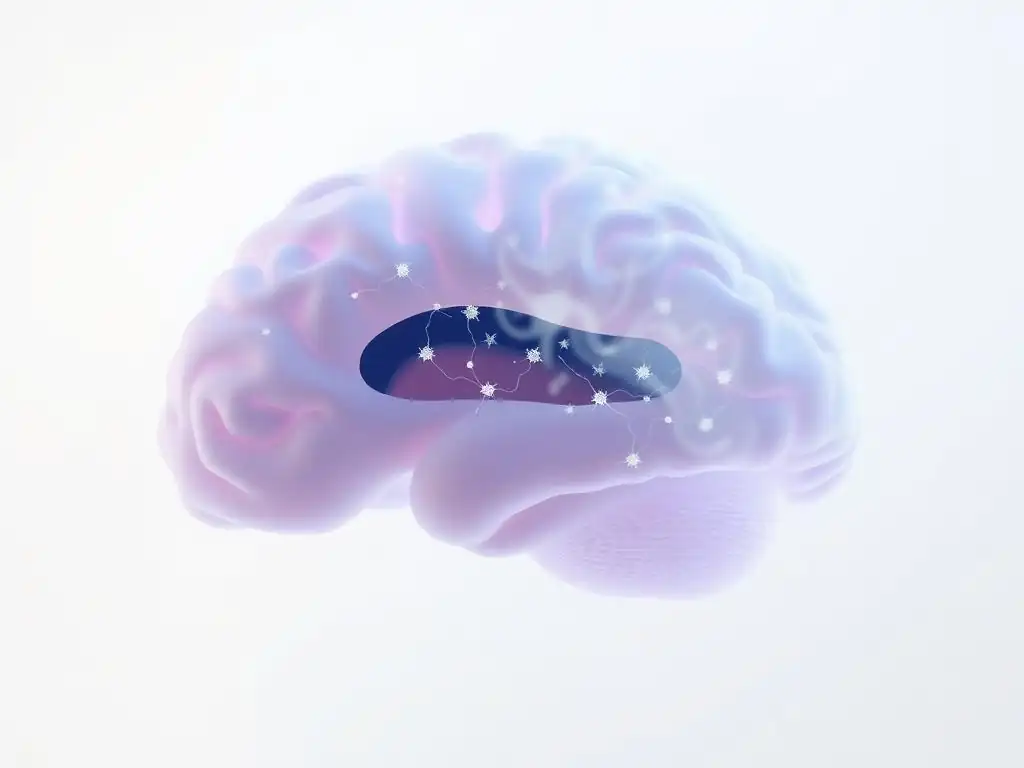
Dentate Gyrus: The Primary Site of Adult Neurogenesis
The dentate gyrus (DG) is the gateway to the hippocampus and the main region where adult neurogenesis occurs. Neural stem cells residing in the subgranular zone (SGZ) of the DG continuously divide and produce neuroblasts, which then migrate into the granular cell layer and differentiate into mature granule neurons. This ongoing process is crucial for incorporating new information and distinguishing similar memories, a function known as pattern separation. The DG is highly sensitive to environmental influences, both positive (like exercise) and negative (like stress).
Chronic stress exerts its most pronounced inhibitory effect on neurogenesis directly within the dentate gyrus. Elevated glucocorticoids, inflammation, and reduced BDNF converge in this region to suppress the proliferation of neural stem cells and decrease the survival rate of the new neurons.
For instance, studies in rodents exposed to chronic stress often show a dramatic reduction (e.g., a 50-70% drop) in the number of proliferating cells and surviving new neurons in the DG compared to unstressed controls. This direct impact on the production line of new neurons in the DG is the core mechanism by which stress inhibits new brain cells in the hippocampus.
CA3 Region: Dendritic Remodeling and Synaptic Plasticity
The CA3 region of the hippocampus receives input from the dentate gyrus and plays a critical role in pattern completion – the ability to retrieve an entire memory from a partial cue. CA3 neurons are characterized by extensive dendritic trees and recurrent connections (connections between CA3 neurons themselves), forming autoassociative networks important for this function. These neurons are also highly plastic and sensitive to stress.
Chronic stress leads to significant structural changes in CA3 neurons, particularly dendritic atrophy (shrinkage of dendrites) and loss of dendritic spines (small protrusions that receive synaptic input). This "remodeling" of CA3 neurons reduces their connectivity and computational capacity. While CA3 is not a primary site of adult neurogenesis, the health and connectivity of CA3 neurons are crucial for the functional integration of the new neurons generated in the DG. Impaired plasticity and structural changes in CA3, alongside the fact that stress inhibits new brain cells in the DG, contribute to overall hippocampal dysfunction under chronic stress.
CA1 Region: Excitatory Synaptic Transmission and Long-Term Potentiation
The CA1 region receives input from CA3 and is the primary output region of the hippocampus, projecting information to other brain areas. CA1 is critical for memory consolidation and spatial navigation. Synaptic plasticity in CA1, particularly long-term potentiation (LTP), a persistent strengthening of synapses based on recent activity, is considered a cellular mechanism underlying learning and memory.
Chronic stress can impair synaptic plasticity in the CA1 region, reducing the ability of synapses to undergo LTP. This effect is mediated by similar mechanisms as in other regions, including elevated glucocorticoids and inflammatory cytokines. While adult neurogenesis does not occur in CA1, the functional integrity of this region is essential for the hippocampus to perform its cognitive functions. The disruption of excitatory synaptic transmission and plasticity in CA1, coupled with the suppressed neurogenesis in the DG and changes in CA3, collectively contributes to the significant cognitive deficits observed in individuals experiencing chronic stress.
Consequences of Suppressed Hippocampal Neurogenesis
Spatial memory, the ability to navigate and remember locations, is heavily reliant on the hippocampus. Both pattern separation (DG) and pattern completion (CA3) are essential for building and retrieving detailed spatial maps. When chronic stress inhibits new brain cells in the dentate gyrus, this directly impairs the pattern separation capabilities needed to distinguish between similar spatial environments or routes. For example, someone might struggle to remember exactly where they left their car in a large, familiar parking lot if the subtle cues aren't easily separated in memory.
Studies in both animals and humans demonstrate that chronic stress leads to deficits in spatial learning and memory tasks. Rodents exposed to chronic stress perform poorly on mazes that require distinguishing between similar locations. In humans, chronic stress is associated with difficulties in tasks requiring spatial navigation and the encoding of new spatial information. This cognitive impairment is a direct consequence of the structural and functional changes in the hippocampus, including the reduced supply of new neurons that are critical for processing spatial information effectively.
Pattern Separation Deficits: Difficulty Distinguishing Similar Experiences
As highlighted earlier, pattern separation is a key function attributed to the dentate gyrus and its newly generated neurons. It allows the brain to create distinct representations of experiences or stimuli that are highly similar, preventing interference between them. For instance, recalling a specific conversation you had last week without confusing it with a very similar conversation you had today relies on effective pattern separation.
When stress inhibits new brain cells in the dentate gyrus, this capacity for pattern separation is significantly diminished. The brain struggles to form unique neural codes for similar inputs, leading to confusion and difficulty recalling specifics. Individuals experiencing chronic stress may find it harder to recall details of recent events if they are similar to previous ones, or they might confuse elements from different, but related, memories. This specific cognitive deficit is a direct manifestation of the impaired neurogenesis in the DG, highlighting the functional importance of these new neurons.
Increased Susceptibility to Depression and Anxiety: Emotional Dysregulation
The hippocampus is intimately involved in regulating mood and the stress response, and its dysfunction is strongly linked to mood disorders. Impaired hippocampal neurogenesis is considered a significant factor contributing to the development and maintenance of depression and anxiety. Research suggests that the reduced number of new neurons impairs the hippocampus's ability to properly process emotional information and regulate the HPA axis, leading to heightened emotional reactivity and sustained stress responses.
Furthermore, many effective antidepressant treatments, such as selective serotonin reuptake inhibitors (SSRIs), have been shown to promote hippocampal neurogenesis in animal models, and this effect is thought to contribute to their therapeutic benefits. The observation that treatments promoting neurogenesis can alleviate depressive and anxious symptoms supports the hypothesis that suppressed neurogenesis plays a causal role in these disorders. Therefore, understanding how stress inhibits new brain cells provides crucial insight into the biological underpinnings of stress-related mental health challenges.
Strategies to Promote Hippocampal Neurogenesis Under Stress
Aerobic Exercise: Enhancing BDNF Levels and Hippocampal Plasticity
One of the most robust and accessible ways to counteract the negative effects of stress and promote hippocampal neurogenesis is regular aerobic exercise. Physical activity has been shown to significantly increase levels of Brain-Derived Neurotrophic Factor (BDNF) in the hippocampus, a key growth factor essential for neurogenesis and synaptic plasticity. Exercise not only boosts the production of new neurons but also enhances their survival and integration into existing circuits.
Studies in both rodents and humans have demonstrated the neurogenic benefits of exercise. For example, running wheel access in rodents leads to a substantial increase in dentate gyrus neurogenesis (sometimes doubling the rate). In humans, regular aerobic exercise (like brisk walking, jogging, or cycling for 30-60 minutes several times a week) has been associated with increased hippocampal volume and improved performance on memory tasks, effects thought to be mediated, in part, by enhanced neurogenesis. This makes exercise a powerful tool to help mitigate the ways stress inhibits new brain cells.
Mindfulness Meditation: Reducing Cortisol Levels and Promoting Relaxation
Mindfulness meditation and other stress-reduction techniques can help buffer the impact of chronic stress on the brain. These practices are effective in reducing subjective stress levels and have been shown to lower physiological markers of stress, including circulating cortisol levels. By calming the HPA axis and reducing the sustained release of stress hormones, meditation can create a more favorable environment for neurogenesis.
Research suggests that long-term meditation practitioners exhibit structural differences in brain regions associated with stress regulation and attention, including potentially larger hippocampal volumes. While direct evidence linking meditation specifically to increased neurogenesis in humans is still emerging and often inferred from structural changes, the reduction in key neurogenic inhibitors like cortisol strongly suggests a supportive role. Engaging in regular mindfulness practice can directly address one of the primary mechanisms by which stress inhibits new brain cells, offering a non-pharmacological path to brain health.
Enriched Environment: Stimulating Cognitive Function and Neurogenesis
Exposure to an enriched environment, characterized by novel stimuli, opportunities for learning, social interaction, and physical activity, is a powerful driver of adult hippocampal neurogenesis. Such environments provide continuous cognitive challenge and engagement, which stimulates neural circuits and promotes the survival and integration of new neurons. Think of it as giving your brain a stimulating playground.
For humans, an enriched environment translates to engaging in mentally stimulating activities, learning new skills (like a language or musical instrument), exploring new places, and maintaining active social connections. These activities not only provide cognitive benefits but also indirectly counter the effects of stress by promoting overall brain health and resilience. While we can't precisely measure the number of new neurons generated by learning a new dance, the cognitive engagement fostered by an enriched environment creates conditions that are conducive to neurogenesis and help offset the detrimental effects when stress inhibits new brain cells.
Dietary Interventions: Omega-3 Fatty Acids and Polyphenols
Nutrition plays a significant role in brain health and can influence neurogenesis. Certain dietary components have been identified as potentially beneficial. Omega-3 fatty acids, found in fatty fish, flaxseeds, and walnuts, are essential for neuronal membrane structure and function and have anti-inflammatory properties. Studies suggest that omega-3s can promote neurogenesis and protect against stress-induced deficits, potentially by reducing inflammation and influencing BDNF levels.
Polyphenols, antioxidants found in fruits, vegetables, tea, and dark chocolate, also show promise. Compounds like curcumin (found in turmeric) and resveratrol (found in grapes and red wine) have been shown in animal studies to cross the blood-brain barrier and possess neuroprotective and neurogenic properties. While dietary interventions alone may not fully reverse the effects of severe chronic stress, incorporating nutrient-rich foods can support brain health and resilience, creating a more supportive environment for neurogenesis when stress inhibits new brain cells.
Strong social connections and supportive relationships can act as powerful buffers against the negative effects of stress. Feeling connected and supported reduces the physiological stress response, lowering cortisol levels and promoting a sense of well-being. Social interaction itself can be mentally stimulating and provide opportunities for positive emotional experiences, both of which are beneficial for brain health.
Research indicates that social isolation and lack of social support are risk factors for both chronic stress and mental health disorders. Conversely, individuals with strong social networks tend to cope better with stress and have a lower incidence of depression and anxiety. While social support's direct impact on neurogenesis is still being actively researched, its well-established role in reducing stress hormones and promoting emotional resilience suggests it creates a more favorable internal environment that indirectly supports neurogenesis, helping to counter the biological impact when stress inhibits new brain cells.
A Holistic Approach to Restoring Neurogenesis and Cognitive Health
Synergistic Effects of Combined Interventions
Addressing the impact of chronic stress on neurogenesis and cognitive health is best achieved through a holistic approach that combines multiple strategies. While individual interventions like exercise or meditation offer significant benefits, their combined effects are often synergistic. For example, combining regular exercise with mindfulness practice can lead to greater reductions in cortisol and potentially larger increases in BDNF and neurogenesis than either intervention alone.
Think of these strategies not as isolated treatments but as complementary pillars supporting brain health. A lifestyle that incorporates regular physical activity, stress management techniques, a nutrient-rich diet, adequate sleep, and strong social connections provides a comprehensive defense against the detrimental effects of chronic stress. This multi-faceted approach tackles the issue from various angles, simultaneously reducing the factors that suppress neurogenesis while enhancing those that promote it.
Creating a Supportive and Nurturing Environment
Beyond individual lifestyle choices, the environment in which a person lives and works significantly impacts their stress levels and, consequently, their brain health. Creating or seeking out supportive and nurturing environments is crucial for long-term well-being and promoting neurogenesis. This includes minimizing exposure to chronic stressors where possible, fostering positive relationships, and engaging in activities that bring joy and a sense of purpose.
A supportive environment can buffer the impact of unavoidable stressors and provide opportunities for cognitive stimulation and physical activity. For example, access to green spaces, safe neighborhoods for exercise, and supportive communities all contribute to a brain-healthy lifestyle. Recognizing the impact of environment underscores the fact that addressing how stress inhibits new brain cells requires looking beyond individual choices to systemic factors influencing chronic stress exposure.
Long-Term Strategies for Resilience and Neuroplasticity
Building resilience is key to navigating the inevitable challenges of life without succumbing to the debilitating effects of chronic stress. Resilience involves developing coping mechanisms, maintaining a positive outlook, and nurturing the capacity to bounce back from adversity. These psychological traits are intertwined with brain function and neuroplasticity.
Long-term strategies for resilience include cultivating emotional intelligence, practicing self-compassion, setting realistic goals, and seeking help when needed. By managing stress effectively and promoting a positive emotional state, individuals can create a biological environment that favors neuroplasticity and neurogenesis. This proactive approach not only helps counteract the ways stress inhibits new brain cells but also enhances the brain's natural capacity for adaptation, learning, and emotional well-being over the lifespan.
Conclusion: Protecting Hippocampal Health and Cognitive Function
Summarizing the Effects of Chronic Stress on Neurogenesis
Chronic stress poses a significant threat to the health and function of the hippocampus, a brain region critical for memory, learning, and emotional regulation. One of the most concerning effects is the suppression of adult hippocampal neurogenesis, the process by which new neurons are generated throughout life.
Elevated stress hormones like cortisol, along with increased inflammation and reduced levels of crucial growth factors like BDNF, directly interfere with the proliferation, survival, and maturation of neural stem cells in the dentate gyrus. This biological mechanism explains precisely how stress inhibits new brain cells, leading to a reduced supply of new neurons.
The consequences of this suppressed neurogenesis are substantial, contributing to cognitive deficits such as impaired spatial memory and difficulty with pattern separation. Furthermore, the reduction in new neurons is strongly implicated in the increased susceptibility to and severity of mood disorders like depression and anxiety associated with chronic stress. Understanding this intricate relationship between chronic stress and neurogenesis is fundamental to appreciating the biological impact of prolonged stress on mental and cognitive health.
Empowering Individuals to Take Proactive Steps
While the effects of chronic stress on the brain can seem daunting, the good news is that the brain retains a remarkable capacity for plasticity and regeneration. By understanding how stress inhibits new brain cells, individuals are empowered to take proactive steps to mitigate these effects and promote brain health. Lifestyle interventions such as regular aerobic exercise, stress-reduction techniques like mindfulness meditation, maintaining a nutrient-rich diet, engaging in mentally stimulating activities, and nurturing strong social connections have all been shown to support hippocampal neurogenesis and enhance cognitive function.
These strategies offer practical, accessible ways to counteract the biological damage caused by chronic stress. They provide a pathway not only to protect existing brain function but also to enhance the brain's capacity to generate new cells and build resilience against future stressors. Taking control of lifestyle factors is a powerful form of self-care for the brain.
Future Directions: Novel Therapeutic Targets for Neurogenesis Enhancement
Research into adult hippocampal neurogenesis is a rapidly evolving field, and understanding how stress inhibits new brain cells is opening doors for novel therapeutic approaches. Scientists are exploring various targets to stimulate neurogenesis in individuals affected by chronic stress-related conditions like depression, anxiety, and cognitive decline. These potential therapies include pharmacological agents designed to mimic the effects of BDNF, reduce neuroinflammation, or modulate glucocorticoid signaling without the side effects of current stress hormone interventions.
Other avenues of research involve non-pharmacological interventions, such as specific types of cognitive training or targeted brain stimulation techniques, aimed at specifically enhancing neurogenesis or improving the integration of new neurons. As our understanding of the complex interplay between stress, neurogenesis, and brain function deepens, the potential for developing more effective treatments for stress-related mental and neurological disorders continues to grow, offering hope for restoring brain health and cognitive function.
Frequently Asked Questions
How does stress specifically inhibit neurogenesis?
Stress elevates levels of cortisol, which disrupts the delicate process of neurogenesis. This hormonal imbalance directly impacts the hippocampus, the brain region responsible for new cell growth. Ultimately, chronic stress leads to a significant reduction in new brain cells.
What types of stress are most detrimental to neurogenesis?
While acute stress can sometimes be beneficial, chronic and prolonged stress are the most damaging. Unmanaged anxiety and constant exposure to stressors significantly hamper the creation of new neurons. Therefore, long-term emotional distress poses the greatest threat.
Which areas of the brain are most affected by stress-induced neurogenesis inhibition?
The hippocampus is the primary area affected, as it's the hub for adult neurogenesis. However, other regions like the prefrontal cortex can also experience impaired functionality due to indirect effects of stress. This impact on the hippocampus is particularly crucial for memory and learning.
Can lifestyle changes reverse the effects of stress on neurogenesis?
Yes, lifestyle changes can positively influence neurogenesis. Regular exercise, mindfulness meditation, and a healthy diet can promote new brain cell growth, even after periods of stress. These interventions help regulate cortisol levels and create a conducive environment for neurogenesis.
How does the "Mind Care Guide" assist individuals struggling with stress-induced neurogenesis inhibition?
The Mind Care Guide offers information and resources about stress management techniques. We provide practical strategies for reducing stress and promoting mental well-being, including links to support groups. Our goal is to help individuals mitigate the negative effects of stress on their brain health.
Final Reflection: The Untapped Power of Resilience in a Stressful World
The pervasive nature of stress in modern life is undeniable, and its impact on our brains—specifically, its ability to disrupt neurogenesis—is a critical concern. This article has explored the intricate mechanisms by which stress hormones interfere with the delicate process of creating new brain cells, highlighting the far-reaching consequences for cognitive function, mood regulation, and overall well-being. Understanding this connection is not merely an academic exercise; it's a crucial step towards building a healthier and more resilient future.
The ongoing influence of chronic stress on our society is deeply troubling. We see its effects manifested in rising rates of mental health disorders, decreased cognitive performance, and a general decline in quality of life. Stress is the tax we pay for the privilege of living.
This quote, while seemingly simple, encapsulates the profound truth that stress, while unavoidable, doesn't have to define us. By understanding its impact on neurogenesis, we gain a powerful tool to mitigate its negative effects and cultivate a more positive relationship with our own minds.
You now possess a deeper understanding of the intricate relationship between stress and brain health. This knowledge is not just information; it's a call to action. Consider how you manage stress in your daily life. Are there practices you can incorporate—mindfulness, exercise, sufficient sleep, healthy social connections—to promote neurogenesis and foster resilience? Take the time to prioritize your mental well-being; your brain, and your future self, will thank you for it.
Unlock Your Brain's Potential: Boost Neurogenesis Today!
Thanks for exploring the fascinating world of neurogenesis with us! You now understand how stress impacts your brain's ability to grow new cells – a crucial aspect of cognitive health and wellbeing. Let's turn this knowledge into action.
- Prioritize stress-reducing activities: Identify your top three stressors and dedicate 15 minutes each day to actively reducing their impact. This could be through meditation, exercise, spending time in nature, or engaging in a hobby you love.
- Share your insights: Discuss this article with friends or family. Starting a conversation can be a powerful way to collectively improve brain health and reduce stress levels within your support network.
- Explore additional resources: Dive deeper into our Mind Care Guide library for more information on mindfulness practices and stress management techniques.
What small step will you take today to nurture your brain's ability to grow and thrive?