
The Amygdala on Alert: How Stress Rewires Your Brain's Fear Center

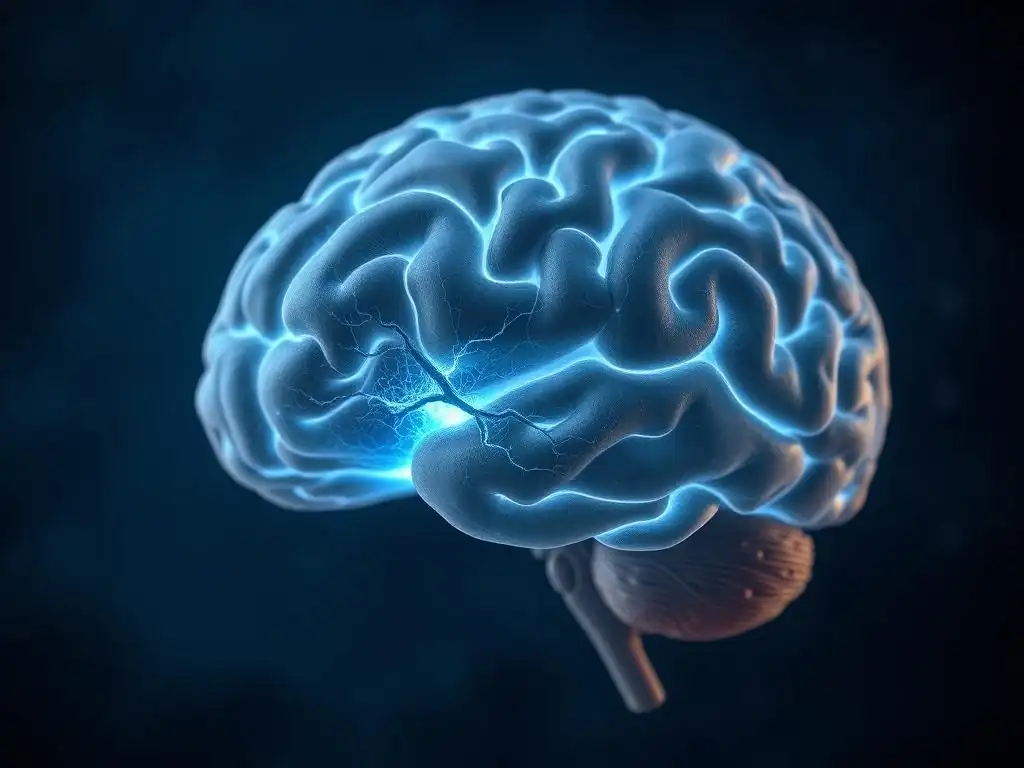
Welcome to Mind Care Guide, your sanctuary for understanding and nurturing your mental well-being.
Ever feel like stress is changing you from the inside out? Our exploration into how " Stress rewires amygdala fear" sheds light on the very real neurological impact of chronic stress. Discover how your brain's fear center is affected and, more importantly, what you can do to reclaim your peace. Intrigued? Let's delve into the science and find pathways to resilience...
The Amygdala on Alert: How Stress Rewires Your Brain's Fear Center
- Introduction: Understanding the Amygdala's Role in Stress and Fear
- How Chronic Stress Impacts the Amygdala: Rewiring for Fear
- The Consequences of a Rewired Amygdala: Anxiety and Beyond
- Reversing the Effects: Strategies for Calming the Amygdala
- Conclusion: Taking Control of Your Brain's Fear Response
- Frequently Asked Questions
- Final Reflection: Rewiring Our Response to Stress
- Unleash Your Brain's Resilience: Take Control of Stress
Introduction: Understanding the Amygdala's Role in Stress and Fear
The Amygdala: Your Brain's Fear Processing Center Explained
Deep within the temporal lobe of your brain lies a small, almond-shaped structure known as the amygdala. Often referred to as the brain's "fear center," the amygdala is a critical component of the limbic system, a network involved in emotion, motivation, and memory. Its primary function is to process emotions, particularly fear and anxiety, and to help us detect potential threats in our environment. When faced with a perceived danger, the amygdala triggers the body's "fight or flight" response, preparing us to either confront or escape the threat. This rapid, automatic reaction is essential for survival.
The amygdala receives sensory information directly from the thalamus, allowing it to react to potential threats even before the information is fully processed by the conscious parts of the brain, like the cerebral cortex. It also receives input from cortical areas, which provide more detailed and contextual information about a stimulus. Based on this input, the amygdala assesses the emotional significance of the situation and initiates appropriate physiological and behavioral responses, such as increased heart rate, sweating, and heightened vigilance. This intricate processing makes the amygdala a central player in how we experience and respond to fear.
Stress and the Amygdala: A Complex Relationship
Stress, whether acute or chronic, has a profound and dynamic relationship with the amygdala. In the short term, acute stress activates the amygdala, sharpening our focus on potential threats and boosting our readiness to respond. This is part of a healthy stress response designed to help us navigate challenging situations. However, when stress becomes chronic and prolonged, the relationship shifts from a helpful alert system to a potentially detrimental cycle.
Persistent stress exposure can lead to significant alterations in the amygdala's structure and function. Instead of returning to a baseline state after a threat passes, the amygdala can become stuck in a state of heightened alert. This persistent activation and the resulting changes are key to understanding how stress rewires the amygdala, leading to a state where the brain's fear center is perpetually on guard, even in the absence of real danger. This complex interplay is central to many stress-related mental health conditions.
Why Focus on the Amygdala? Its Importance in Mental Well-being
Focusing on the amygdala is crucial for understanding mental well-being because its dysfunction is implicated in a wide range of psychological disorders. Conditions like anxiety disorders, panic disorder, phobias, post-traumatic stress disorder (PTSD), and even depression have strong links to abnormal amygdala activity and structure. When the amygdala is overactive or improperly regulated, it can lead to excessive fear, hypervigilance, and difficulty processing emotional information, significantly impacting a person's quality of life.
Understanding how stress rewires the amygdala provides valuable insights into the biological underpinnings of these conditions. It highlights that the impact of chronic stress isn't just psychological; it involves tangible changes in brain circuitry. By targeting the amygdala and the pathways that regulate it, researchers and clinicians can develop more effective strategies for prevention and treatment, aiming to restore balance to the brain's fear response system and improve overall mental health outcomes.
How Chronic Stress Impacts the Amygdala: Rewiring for Fear
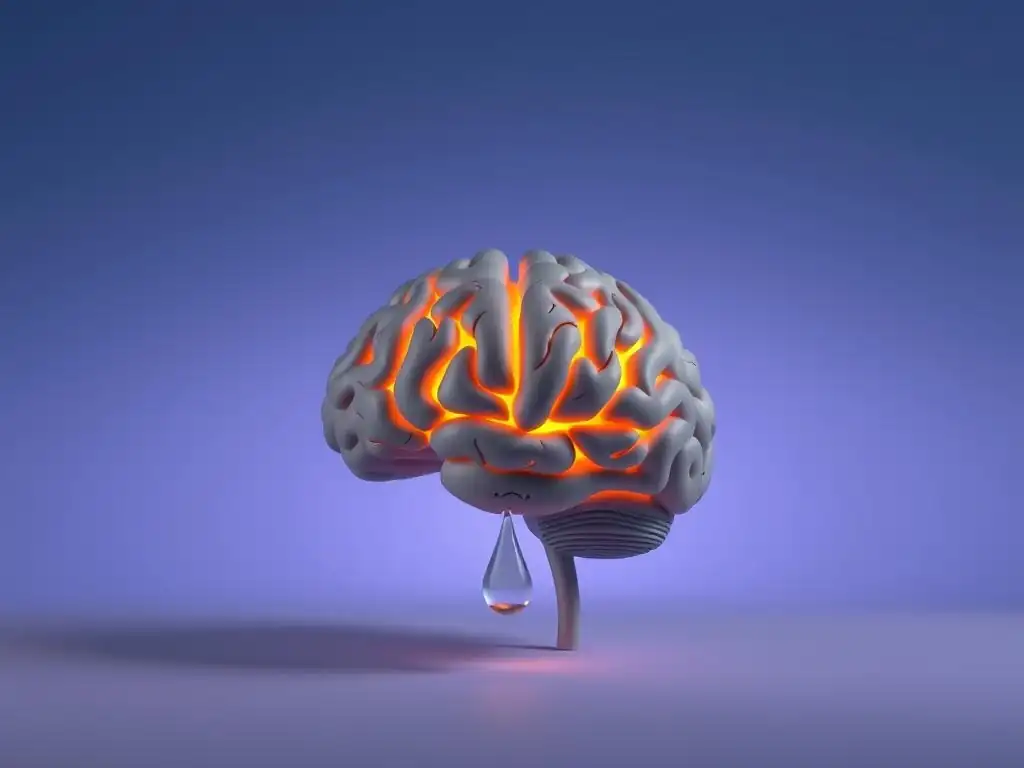
The Neuroscience of Fear: Amygdala's Response to Stressful Stimuli
The neuroscience of fear processing centers heavily on the amygdala. When a stressful stimulus is perceived, whether it's a sudden loud noise or an ongoing difficult situation at work, the amygdala is rapidly engaged. It receives sensory information and quickly evaluates it for potential threat. This initial, rapid processing bypasses the conscious thought centers, allowing for an immediate, instinctual reaction. Simultaneously, the amygdala signals the hypothalamus, initiating the hypothalamic-pituitary-adrenal (HPA) axis, which releases stress hormones like cortisol.
This rapid activation prepares the body for action and also strengthens the neural pathways associated with the stressful event within the amygdala itself. Under acute stress, this system is adaptive. However, chronic stress leads to repeated and prolonged activation, causing the amygdala to become hypersensitive. The thresholds for detecting threat lower, meaning the amygdala starts reacting intensely to stimuli that are not genuinely dangerous. This chronic over-activation is a primary mechanism by which stress rewires the amygdala fear response, making individuals more prone to experiencing fear and anxiety.
Structural Changes in the Amygdala Due to Prolonged Stress Exposure
Prolonged exposure to chronic stress doesn't just alter the activity of the amygdala; it also leads to measurable structural changes. Research using neuroimaging techniques like fMRI and structural MRI has provided compelling evidence of these alterations in humans and animal models. These structural changes can explain the persistent shifts in emotional processing seen in individuals experiencing chronic stress or stress-related disorders.
One of the most consistently observed structural changes is an increase in the volume of the amygdala, particularly in certain subregions. This growth is often accompanied by increased dendritic branching and synapse formation within the amygdala neurons, essentially building more connections and pathways within the fear center. These physical changes contribute to the amygdala's enhanced reactivity and its tendency to dominate emotional processing under chronic stress conditions.
Increased Amygdala Volume and Activity: What It Means
An increase in amygdala volume and activity in response to chronic stress signifies a brain that is becoming biologically primed for fear and anxiety. Imagine the amygdala as a muscle; under chronic stress, it's constantly being "worked out," leading to hypertrophy (growth) and increased strength in its connections related to fear processing. This means that the brain dedicates more neural resources to detecting and responding to potential threats.
This heightened state manifests as increased vigilance, exaggerated startle responses, and a tendency to perceive ambiguous situations as dangerous. For example, someone with a stress-rewired amygdala might interpret a neutral facial expression as hostile or react with intense fear to a minor unexpected noise. This constant state of alert is exhausting and is a core feature of anxiety disorders and PTSD, illustrating how stress rewires the amygdala fear circuitry to be hyper-responsive.
Reduced Prefrontal Cortex Control: Impaired Emotional Regulation
Critically, chronic stress often simultaneously impairs the function of the prefrontal cortex (PFC), particularly the medial and orbital prefrontal regions. The PFC is the brain's executive control center, responsible for higher-level cognitive functions including rational decision-making, impulse control, and, importantly, regulating emotional responses originating from the amygdala. The PFC acts like a brake on the amygdala, helping us to contextualize threats and modulate our fear response when it's not warranted.
When stress reduces PFC function and structure (sometimes showing decreased volume or activity), this inhibitory control over the amygdala weakens. It's like the brake pedal on the amygdala's fear response becomes less effective. This imbalance – an overactive amygdala with reduced top-down control from the PFC – makes it incredibly difficult to regulate emotions, leading to persistent feelings of fear, anxiety, and an inability to switch off the stress response, further cementing how stress rewires the amygdala and its control mechanisms.
The Role of Cortisol: Stress Hormone's Influence on Amygdala Plasticity
Cortisol, the primary stress hormone released by the HPA axis in response to stress, plays a significant role in mediating the structural and functional changes observed in the amygdala. While acute, transient exposure to cortisol can enhance memory consolidation (including fear memories, which can be adaptive), chronic high levels of cortisol have more complex and often detrimental effects on brain plasticity, particularly within the limbic system.
High, sustained levels of cortisol can directly influence the neurons in the amygdala, promoting changes that increase its excitability and connectivity related to fear. Unlike the hippocampus, which high cortisol levels can damage, the amygdala appears more resilient and even stimulated by cortisol, leading to structural changes like increased dendritic branching in basolateral amygdala neurons. This differential impact contributes to the shift in brain dominance from cognitive, context-dependent processing (hippocampus/PFC) towards automatic, fear-driven responses (amygdala) under chronic stress.
Cortisol's Impact on Amygdala Neuron Connections
Cortisol influences the neuroplasticity of the amygdala, affecting how neurons connect and communicate. Specifically, chronic cortisol exposure has been shown to promote the growth of dendrites (the branches of neurons that receive signals) and increase the density of dendritic spines (small protrusions on dendrites where synapses are formed) in certain parts of the amygdala, such as the basolateral nucleus. This increased branching and synapse formation effectively builds a more robust network within the amygdala dedicated to processing and reacting to fearful stimuli.
This enhanced connectivity makes the amygdala more efficient at detecting and reacting to potential threats, but also more prone to false alarms and excessive fear responses. The neurons become more excitable and more strongly interconnected in pathways related to fear memory and response. This structural enhancement by cortisol is a key mechanism underlying how stress rewires the amygdala, making it a more dominant and reactive force in the brain's emotional landscape.
Long-Term Potentiation (LTP) and Fear Memory Formation
Chronic stress and elevated cortisol levels also influence a process called Long-Term Potentiation (LTP) in the amygdala. LTP is a persistent strengthening of synapses based on recent patterns of activity, considered a primary cellular mechanism for learning and memory. In the amygdala, LTP is critical for forming and consolidating fear memories – learning to associate specific cues or contexts with danger.
High cortisol levels, particularly when combined with stress, can facilitate LTP in the amygdala. This means that stressful or fearful experiences under high stress are more likely to create strong, lasting fear memories. These memories can be easily triggered later, leading to exaggerated fear responses even when the original threat is absent. This enhanced fear memory consolidation through LTP, driven by stress and cortisol, is another fundamental way that stress rewires the amygdala, embedding fear more deeply into the brain's circuitry.
The Consequences of a Rewired Amygdala: Anxiety and Beyond
Increased Anxiety and Hypervigilance: Symptoms of Amygdala Dysregulation
A key consequence of a stress-rewired amygdala is a significant increase in baseline anxiety and a state of hypervigilance. When the amygdala is chronically overactive and less inhibited by the prefrontal cortex, the brain is constantly scanning the environment for threats. This leads to a persistent feeling of unease or worry, even in safe situations. Individuals may feel jumpy, easily startled, or find it difficult to relax.
Hypervigilance means being excessively watchful and alert to potential dangers. This can manifest as constantly scanning a room for exits, overthinking social interactions for signs of rejection, or being overly sensitive to physical sensations, interpreting benign bodily cues as signs of serious illness. These symptoms directly reflect the amygdala's heightened state of alert, illustrating the pervasive impact when stress rewires the amygdala fear response.
PTSD and Trauma: The Amygdala's Role in Fear Memory Consolidation
The amygdala plays a central, though complex, role in Post-Traumatic Stress Disorder (PTSD). Following a traumatic event, the amygdala is highly activated, and this activation, combined with stress hormones, facilitates the strong consolidation of fear memories associated with the trauma. In PTSD, the amygdala remains hyper-responsive to trauma-related cues, leading to flashbacks, nightmares, and intense psychological distress when triggered.
Research often shows increased amygdala activity in individuals with PTSD when they are exposed to reminders of their trauma. This suggests that the traumatic stress has profoundly altered the amygdala's structure and function, essentially creating a persistent "fear imprint" that is easily reactivated. The difficulty in extinguishing these fear memories in PTSD is also linked to impaired function in areas that normally inhibit the amygdala, such as the ventromedial prefrontal cortex, highlighting the interconnected nature of how stress rewires the amygdala and its regulatory circuits after trauma.
Depression and Mood Disorders: Links to Amygdala Function
While the amygdala is most often associated with fear and anxiety, its dysregulation is also implicated in depression and other mood disorders. Studies using neuroimaging often find altered amygdala activity in individuals with depression, although the findings can be more variable than in anxiety disorders. Some research indicates increased resting amygdala activity in depressed individuals, particularly in response to negative stimuli.
The link might involve the amygdala's broader role in processing emotional salience – how important or attention-grabbing an emotional stimulus is. In depression, the amygdala might be biased towards processing negative information, contributing to pervasive negative mood, rumination, and a reduced ability to experience pleasure. Furthermore, the chronic stress that often precedes or accompanies depression can certainly contribute to amygdala changes, suggesting that the process by which stress rewires the amygdala may be a contributing factor to the development or maintenance of depressive symptoms in some individuals.
Reversing the Effects: Strategies for Calming the Amygdala

Fortunately, the brain possesses neuroplasticity – the ability to change and adapt throughout life. This means that the effects of stress on the amygdala are not necessarily permanent. Various therapeutic approaches and lifestyle changes can help calm an overactive amygdala, strengthen its regulatory pathways, and effectively begin to reverse how stress rewires the amygdala fear circuitry.
These strategies often involve engaging the prefrontal cortex and other brain regions that can exert inhibitory control over the amygdala, or directly influencing amygdala activity through learned techniques. While reversing changes from chronic stress takes time and effort, the brain's capacity for healing offers significant hope for recovery and improved emotional well-being.
Mindfulness and Meditation: Reducing Amygdala Activity
Mindfulness and meditation practices are powerful tools for stress reduction and have been shown to impact brain structures involved in emotional regulation, including the amygdala. Regular practice involves focusing attention on the present moment without judgment, which helps to detach from anxious thoughts and reduce the automatic reactivity triggered by the amygdala.
Neuroscience research supports the benefits of mindfulness, showing that it can lead to decreased amygdala reactivity when exposed to emotional stimuli. Some studies have even observed structural changes, such as decreased gray matter density in the amygdala, in individuals who engage in long-term meditation. This suggests that consistent mindfulness practice can physically alter the amygdala, helping to calm the fear response that occurs when stress rewires the amygdala for hyper-alertness.
How Mindfulness Changes Brain Structure and Function
Mindfulness meditation appears to influence brain plasticity in several key areas. While it may decrease amygdala size or activity, it often correlates with increased gray matter thickness in areas of the prefrontal cortex and hippocampus – regions involved in attention, self-awareness, and emotional regulation. This dual effect strengthens the brain's capacity for top-down control over emotional responses.
Functionally, mindfulness training can improve the connectivity between the prefrontal cortex and the amygdala, enhancing the PFC's ability to inhibit the amygdala's fear signals. This improved communication helps individuals respond to potential stressors with greater calm and less automatic reactivity. By fostering these changes, mindfulness actively works against the process by which stress rewires the amygdala towards a state of perpetual alert.
Practical Mindfulness Exercises for Stress Reduction
Implementing simple mindfulness exercises into your daily routine can help manage stress and calm the amygdala. A basic practice is mindful breathing: finding a quiet place, sitting comfortably, and focusing your attention solely on the sensation of your breath entering and leaving your body. When your mind wanders (which it will), gently guide your attention back to your breath without judgment. Even just 5-10 minutes daily can be beneficial.
Another helpful exercise is a body scan, where you systematically bring your attention to different parts of your body, noticing sensations without trying to change them. Walking meditation involves paying attention to the physical sensations of walking. These practices train your brain to stay present and observe thoughts and feelings without getting swept away by them, gradually reducing the grip of an overactive, stress-rewired amygdala.
Cognitive Behavioral Therapy (CBT): Reprocessing Fearful Thoughts
Cognitive Behavioral Therapy (CBT) is a widely used and evidence-based psychotherapy that is highly effective for anxiety disorders and PTSD. CBT works by helping individuals identify and challenge negative thought patterns and behaviors that contribute to distress. It focuses on the interconnectedness of thoughts, feelings, and behaviors.
For an amygdala that has been rewired by stress to perceive excessive threat, CBT helps by targeting the cognitive appraisals that trigger the fear response. By learning to identify distorted or catastrophic thinking (e.g., "That anxious feeling means I'm having a heart attack"), individuals can challenge these thoughts and replace them with more realistic and balanced perspectives. This cognitive restructuring directly impacts the signals sent to the amygdala from higher brain centers.
CBT Techniques for Managing Anxiety and Fear
CBT employs various techniques to help manage anxiety and fear driven by an overactive amygdala. Exposure therapy, a core CBT technique, involves gradually and safely exposing an individual to feared situations or stimuli (e.g., social situations, specific objects, trauma reminders) in a controlled environment. This allows the brain to learn that the feared outcome does not occur, helping to extinguish the learned fear response in the amygdala.
Another technique is interoceptive exposure, used for panic disorder, which involves intentionally bringing on physical sensations associated with anxiety (like increased heart rate by running in place) to learn that these sensations are not dangerous. Skill-building techniques like relaxation exercises (deep breathing, progressive muscle relaxation) also provide tools to calm the nervous system and reduce amygdala activation when anxiety spikes.
Cognitive Restructuring: Challenging Negative Thoughts
Cognitive restructuring is a central component of CBT aimed at modifying distorted or unhelpful thinking patterns. It involves several steps: first, identifying the specific thought that occurs in a stressful or anxiety-provoking situation (e.g., "I'm going to fail this presentation, and everyone will laugh"). Second, evaluating the evidence for and against this thought (e.g., "Evidence for: I feel nervous. Evidence against: I've prepared thoroughly, I've given presentations before and done well, people are usually supportive").
Third, developing a more balanced or realistic thought (e.g., "I feel nervous, but I'm well-prepared, and I can handle this. It's okay to feel nervous"). By repeatedly practicing this process, individuals can weaken the neural pathways associated with the negative, fear-provoking thought patterns and strengthen pathways associated with more rational thinking. This process directly influences how the prefrontal cortex interacts with the amygdala, helping to regain control over the fear response that occurs when stress rewires the amygdala.
Neurofeedback: Directly Training Amygdala Function
Neurofeedback is a type of biofeedback that uses real-time displays of brain activity (often via EEG or fMRI) to teach individuals how to self-regulate their brain function. While less widely available than CBT or mindfulness, fMRI-based neurofeedback has shown promise in directly targeting and training the amygdala.
During fMRI neurofeedback, an individual is shown their real-time amygdala activity (e.g., represented by a bar or a dial) while they are asked to engage in strategies to either increase or decrease its activity. For someone with an overactive, stress-rewired amygdala, the goal is often to learn to voluntarily decrease its activation, for example, while viewing fearful stimuli or recalling stressful memories.
How Neurofeedback Works to Regulate Brain Activity
Neurofeedback operates on the principles of operant conditioning. By providing immediate feedback on brain activity, it allows individuals to learn which mental strategies (e.g., relaxation techniques, shifting attention, specific thoughts) are effective in modifying the targeted brain region's activity. With repeated training sessions, the brain learns to maintain the desired activity state even without the feedback.
For amygdala dysregulation, neurofeedback aims to help individuals gain conscious control over this typically automatic fear center. By learning to lower amygdala activation, individuals can reduce their overall reactivity to stressors and fear triggers. This direct training method represents a cutting-edge approach to counteracting the effects of how stress rewires the amygdala.
Alpha-Theta Training: A Neurofeedback Protocol for Anxiety Reduction
While fMRI neurofeedback can specifically target the amygdala, traditional EEG neurofeedback protocols like Alpha-Theta training are also used for conditions involving emotional dysregulation, including anxiety and trauma. This protocol focuses on increasing alpha brainwaves (associated with relaxed states) and theta brainwaves (associated with deep relaxation, meditation, and the hypnagogic state between wakefulness and sleep) while decreasing beta waves (associated with alert, active thinking).
Alpha-Theta training is often used to help individuals access deeper states of consciousness where traumatic memories can be processed and integrated in a less emotionally overwhelming way. While it doesn't directly target the amygdala by name, promoting these relaxed brain states helps to downregulate the sympathetic nervous system and indirectly calm the limbic system, including the amygdala. This can help the brain move past the hyper-aroused state that results when stress rewires the amygdala fear response.
Lifestyle Changes: Supporting Amygdala Health
Beyond therapeutic interventions, fundamental lifestyle changes play a crucial role in managing stress and supporting the health and plasticity of the brain, including the amygdala. These changes can help to reduce the overall stress burden on the brain and body, creating an environment conducive to recovery and emotional regulation.
Prioritizing sleep, adopting a nutritious diet, and engaging in regular physical exercise are not just general health recommendations; they have specific, positive impacts on brain function, stress hormone levels, and neuroplasticity. Implementing these changes provides a foundation for rebuilding resilience against stress and helping to normalize amygdala function.
The Importance of Sleep for Brain Plasticity
Sleep is vital for brain health and plays a critical role in emotional regulation and memory consolidation. During sleep, the brain processes experiences from the day, including emotional ones. Research suggests that sleep helps to reduce the emotional intensity of memories, a process that involves interaction between the hippocampus and the prefrontal cortex, which then exerts inhibitory control over the amygdala.
Sleep deprivation, conversely, impairs prefrontal cortex function and can increase amygdala reactivity to negative stimuli. Chronic poor sleep essentially weakens the brain's ability to regulate fear and stress responses, making the amygdala more prone to overactivity. Ensuring sufficient, quality sleep (typically 7-9 hours per night for adults) is therefore essential for supporting the brain's natural ability to recover from stress and preventing or reversing the effects of how stress rewires the amygdala.
Diet and Nutrition: Fueling a Healthy Amygdala
Nutrition significantly impacts brain structure and function, including the amygdala. A diet rich in whole foods, omega-3 fatty acids, antioxidants, vitamins, and minerals provides the necessary building blocks and support for neuronal health, neurotransmitter production, and reducing inflammation, which can negatively affect brain function.
Conversely, a diet high in processed foods, sugar, and unhealthy fats can contribute to inflammation and oxidative stress, potentially impairing brain areas involved in emotional regulation. For example, omega-3 fatty acids, found in fatty fish, nuts, and seeds, are crucial components of brain cell membranes and have been linked to reduced symptoms of anxiety and depression, potentially by influencing areas like the amygdala and PFC. Fueling your body with nutrient-dense foods supports overall brain resilience and helps counteract the detrimental effects of chronic stress on the amygdala.
Exercise: Reducing Stress Hormones and Boosting Mood
Regular physical activity is a powerful stress reliever and has numerous positive effects on the brain. Exercise reduces levels of stress hormones like cortisol and adrenaline, which directly impacts the stress response system and the amygdala. It also promotes the release of endorphins, which have mood-boosting effects, and neurotrophic factors like BDNF (Brain-Derived Neurotrophic Factor), which supports the growth and survival of brain cells, including in areas like the hippocampus and prefrontal cortex.
Engaging in aerobic exercise, strength training, or even gentle activities like yoga can help regulate the nervous system, shifting it away from the "fight or flight" state driven by an overactive amygdala towards a more relaxed state. This regular practice helps to build resilience to stress over time and can contribute to reversing the pattern where stress rewires the amygdala for constant fear.
Conclusion: Taking Control of Your Brain's Fear Response
The Power of Neuroplasticity: Your Brain's Ability to Heal
Understanding how stress rewires the amygdala might initially seem discouraging, highlighting the deep biological impact of chronic stress. However, the concept of neuroplasticity offers a powerful counterpoint. It is a fundamental principle of the brain that demonstrates its remarkable ability to reorganize itself throughout life by forming new neural connections. This means that the changes induced by stress are not set in stone.
Through targeted interventions, consistent practice of calming techniques, and healthy lifestyle choices, you can actively participate in rewiring your brain back towards a state of balance. You can strengthen the prefrontal cortex's ability to regulate the amygdala, reduce the amygdala's hypersensitivity, and build new, more adaptive responses to stress. This inherent capacity for change empowers individuals to take an active role in their mental well-being journey.
Seeking Professional Help: When to Consult a Mental Health Expert
While lifestyle changes and self-help techniques like mindfulness are invaluable, it's important to recognize when the impact of stress and a potentially rewired amygdala requires professional support. If you are experiencing persistent, overwhelming anxiety or fear, flashbacks, difficulty functioning in daily life, or symptoms of depression, consulting a mental health professional is a crucial step.
Therapists, counselors, psychologists, and psychiatrists can provide accurate diagnosis, evidence-based treatments like CBT or trauma-informed therapies, and potentially medication if needed. They can offer personalized strategies to address the specific ways stress has impacted your brain and emotional responses, guiding you through the process of healing and recovery. Seeking help is a sign of strength and a vital part of reclaiming control over your brain's fear response.
Ongoing Research: Future Directions in Amygdala Modulation and Stress Management
Research into the neuroscience of stress, fear, and the amygdala is continually evolving, opening up exciting possibilities for future interventions. Scientists are exploring more precise ways to understand and modulate amygdala activity, including advanced neurofeedback techniques, targeted pharmacological agents that influence specific receptors in the amygdala, and even non-invasive brain stimulation methods like TMS (Transcranial Magnetic Stimulation).
Further understanding how stress rewires the amygdala at the molecular and cellular level could lead to novel therapeutic targets. The ongoing work in this field offers hope for more effective and personalized treatments for stress-related disorders, providing new avenues for helping individuals calm their brain's fear center and live fuller, less fear-driven lives.
Frequently Asked Questions
How does stress affect the amygdala?
Stress can lead to structural and functional changes in the amygdala, the brain's fear center. This can result in an increased sensitivity to threats and heightened anxiety.
What does it mean that stress rewires the amygdala?
"Rewiring" refers to neuroplasticity, where chronic stress alters the amygdala's neural pathways. This can lead to a permanently heightened fear response and potential development of anxiety disorders.
How does the amygdala's response to fear change under chronic stress?
Under chronic stress, the amygdala becomes hyperactive and more easily triggered. This means it responds more intensely to perceived threats, even when they are not actually dangerous.
Can the effects of stress on the amygdala be reversed?
Yes, through techniques like mindfulness, therapy, and lifestyle changes, the brain's neuroplasticity can be harnessed to promote healthier amygdala function and reduce fear responses.
What are some practical steps I can take to manage stress and protect my amygdala?
Engage in regular exercise, practice relaxation techniques, and prioritize sleep. Seeking professional help from a therapist can also provide valuable strategies to manage stress and regulate emotional responses.
Final Reflection: Rewiring Our Response to Stress
The impact of chronic stress on the amygdala is not merely a scientific curiosity; it's a fundamental factor shaping our mental and physical well-being in the 21st century. Our fast-paced, hyper-connected world bombards us with stressors, leaving many of us with an amygdala perpetually on high alert. Understanding this neurological reality is the first step towards reclaiming our emotional equilibrium and building resilience.
The pervasive influence of stress on our lives is undeniable, shaping not only our individual experiences but also the broader cultural landscape. We see it reflected in rising rates of anxiety and depression, in the increasing prevalence of burnout, and in the subtle ways stress subtly erodes our capacity for joy and connection. The price of anxiety is high, but the price of not facing it is higher.
This quote resonates deeply, highlighting the importance of confronting the neurological realities of stress rather than ignoring its insidious effects. We must acknowledge the power of the amygdala's influence to truly begin the process of healing and growth.
You now possess a deeper understanding of how stress physically alters your brain. This knowledge is not meant to induce fear, but to empower you. Take this opportunity to reflect on your own stress responses. Are there patterns you can identify?
What coping mechanisms do you currently employ? Consider incorporating mindfulness practices, cultivating supportive relationships, and prioritizing self-care. By actively working to rewire your response to stress, you can cultivate a more peaceful and resilient mind, one that is less reactive and more capable of navigating the challenges of modern life. Begin today, and witness the transformative power of understanding your own brain.
Unleash Your Brain's Resilience: Take Control of Stress
Thanks for taking the time to explore how stress impacts your amygdala! Understanding this crucial brain region is the first step towards building greater resilience. Now, let's put that knowledge into action.
- Prioritize one stress-reducing activity this week. This could be anything from a short meditation session to a brisk walk in nature – choose something enjoyable and sustainable.
- Share this article with someone who might benefit. Helping others understand the science of stress can create a powerful ripple effect.
- Consider journaling about your stress triggers for a week. Identifying patterns can illuminate pathways to proactive management.
What small step will you take today to nurture your brain's ability to handle stress more effectively?