
The Vagus Nerve: A Key Biological Player in Stress Regulation


Welcome to Mind Care Guide, a safe space to explore the intricacies of your mental well-being.
Feeling overwhelmed by stress? You're not alone. Delve into the fascinating world of neuroscience with us as we uncover the crucial role of the vagus nerve stress regulation. Could this biological pathway hold the key to unlocking a calmer, more resilient you? Let's find out...
- The Vagus Nerve: A Key Biological Player in Stress Regulation
- Understanding the Vagus Nerve and Its Role in Stress Response
- The Vagus Nerve's Impact on Mental Health and Well-being
- Vagus Nerve Dysfunction: Contributing Factors to Chronic Stress
- Activating the Vagus Nerve for Stress Reduction: Practical Techniques
- Measuring Vagal Tone: Understanding Heart Rate Variability (HRV)
- The Vagus Nerve and the Future of Stress Management: Emerging Research
- Conclusion: Harnessing the Power of the Vagus Nerve for Optimal Well-being
-
Frequently Asked Questions
- What is the vagus nerve, and why is it important for stress regulation?
- How does the vagus nerve influence our stress response?
- What are some practical ways to stimulate the vagus nerve for better stress management?
- Can poor vagal tone contribute to mental health issues?
- How can I assess my own vagal tone and track its improvement?
- Final Reflection: Unlocking the Power of the Vagus Nerve
- Unlock Your Inner Calm: Activate Your Vagus Nerve Today!
The Vagus Nerve: A Key Biological Player in Stress Regulation
Stress is an inevitable part of modern life, but chronic stress can significantly impact both physical and mental health. While we often focus on external stressors and psychological coping mechanisms, there's a fundamental biological pathway within our bodies that plays a critical role in how we process and recover from stress: the vagus nerve. Understanding this intricate nerve and its function is key to unlocking more effective strategies for stress regulation and promoting overall well-being.
This article delves into the fascinating world of the vagus nerve, exploring its anatomy, its connection to our stress response system, and its profound influence on our mental and emotional states. We will examine how dysfunction in this nerve can contribute to chronic stress and anxiety, and importantly, explore practical, evidence-informed techniques to stimulate and strengthen the vagus nerve, thereby enhancing our natural capacity for stress resilience. Harnessing the power of the vagus nerve offers a promising path toward better mental health and a more balanced life.
Understanding the Vagus Nerve and Its Role in Stress Response
The vagus nerve, often called the "wandering nerve," is the longest cranial nerve in the body, extending from the brainstem down through the neck, chest, and abdomen. It forms a critical part of the parasympathetic nervous system, the branch responsible for the body's "rest and digest" functions, counteracting the "fight or flight" response of the sympathetic nervous system. Its extensive reach allows it to act as a major communication highway between the brain and many vital organs, profoundly influencing heart rate, digestion, breathing, and immune function.
This nerve's primary role in stress regulation lies in its ability to modulate the body's response to perceived threats. When the sympathetic nervous system activates during stress, preparing the body for action, the vagus nerve works to dampen this response once the threat has passed. It signals the body to calm down, lowering heart rate and blood pressure, restoring normal digestive function, and reducing the release of stress hormones like cortisol. A well-functioning vagus nerve ensures a swift and efficient return to a state of calm, preventing the damaging effects of prolonged stress activation.
What is the Vagus Nerve? Anatomy and Functionality
The vagus nerve originates in the medulla oblongata, a part of the brainstem. From there, it branches extensively, innervating the larynx, pharynx, esophagus, trachea, bronchi, lungs, heart, stomach, intestines, liver, gallbladder, pancreas, and even parts of the ear.
It's a mixed nerve, meaning it contains both afferent (sensory) fibers that transmit information from the body to the brain and efferent (motor) fibers that transmit signals from the brain to the body. Approximately 80% of vagal fibers are afferent, sending vital information about the state of our internal organs back to the brain, including signals related to inflammation, fullness, and discomfort.
The efferent fibers of the vagus nerve primarily exert their influence through the release of neurotransmitters, notably acetylcholine. Acetylcholine has a calming effect, slowing heart rate and promoting smooth muscle contractions in the digestive tract. This constant two-way communication loop between the brain and the body via the vagus nerve is essential for maintaining homeostasis – the body's internal balance. Disruptions in this communication can lead to a range of physical and psychological symptoms, highlighting the importance of the vagus nerve in overall health and effective vagus nerve stress regulation.
The Vagus Nerve's Connection to the Brain-Gut Axis and Stress
The vagus nerve is a primary component of the bidirectional communication pathway known as the brain-gut axis. This complex network links the central nervous system (brain and spinal cord) with the enteric nervous system (the "second brain" located in the gut lining). Information flows constantly between these two systems, influencing everything from mood and cognition to digestive function and immune response. Stress significantly impacts this axis, and the vagus nerve acts as a crucial intermediary.
When stressed, the brain sends signals down the vagus nerve to the gut, which can alter gut motility, increase gut permeability ("leaky gut"), and influence the composition of the gut microbiome. Conversely, signals originating from the gut, such as those related to inflammation or the presence of certain microbes, travel up the vagus nerve to the brain, influencing mood and stress perception.
For instance, studies suggest that imbalances in gut bacteria can send signals via the vagus nerve that contribute to anxiety and depression symptoms. This intricate connection underscores why chronic stress often manifests as digestive issues and why addressing gut health can sometimes support mental well-being and improve vagus nerve stress regulation.
How the Vagus Nerve Influences the Body's Stress Response System
The vagus nerve exerts its influence on the stress response system primarily by modulating the activity of the hypothalamic-pituitary-adrenal (HPA) axis. The HPA axis is the body's central stress response system, responsible for releasing cortisol and other stress hormones. When a stressor is perceived, the hypothalamus signals the pituitary gland, which signals the adrenal glands to release cortisol. Cortisol mobilizes energy resources and prepares the body for action.
While the HPA axis initiates the stress response, the vagus nerve helps to terminate it. By increasing parasympathetic activity, the vagus nerve counteracts the sympathetic drive, leading to a decrease in heart rate, blood pressure, and respiration. Crucially, vagal nerve activity can also inhibit the release of cortisol from the adrenal glands and reduce the sensitivity of the brain to stress hormones, effectively helping to "turn off" the stress response.
Individuals with higher vagal tone (a measure of vagus nerve activity) tend to have a more resilient HPA axis, meaning they can activate the stress response effectively when needed but can also return to baseline more quickly. This capacity for efficient recovery is fundamental to effective vagus nerve stress regulation.
The Vagus Nerve's Impact on Mental Health and Well-being
The extensive connections of the vagus nerve throughout the body and its central role in the parasympathetic nervous system make it a significant player in mental health. Its ability to regulate the stress response, influence neurotransmitter release, and communicate with the gut all contribute to its impact on mood, anxiety, and emotional stability. A well-functioning vagus nerve is often associated with greater emotional resilience and a reduced susceptibility to certain mental health challenges.
Conversely, impaired vagal activity, often referred to as low vagal tone, has been linked to a range of psychological conditions. This suggests that interventions aimed at enhancing vagal function could be valuable complementary approaches in the management of various mental health concerns. Understanding these connections empowers individuals to explore biological pathways for improving their mental well-being, complementing traditional therapeutic strategies.
The Vagus Nerve and Anxiety: A Direct Correlation
Research has established a clear link between vagus nerve activity and anxiety levels. Individuals with lower vagal tone tend to exhibit heightened physiological reactivity to stress, including a faster heart rate and increased muscle tension, and are often more prone to experiencing anxiety disorders. The vagus nerve's role in dampening the sympathetic nervous system's "fight or flight" response is critical here; if this dampening mechanism is weak, the body and mind remain in a state of hyperarousal, contributing to feelings of worry, nervousness, and panic.
Studies using measures like Heart Rate Variability (HRV), a common proxy for vagal tone, consistently show that lower HRV correlates with higher reported anxiety levels and increased activity in brain regions associated with fear, such as the amygdala. For example, one study found that individuals with panic disorder often display significantly lower baseline HRV compared to healthy controls.
Conversely, interventions that increase vagal tone, such as deep breathing exercises or mindfulness, have been shown to reduce anxiety symptoms, likely by strengthening the vagus nerve's ability to signal calm and reduce activity in the brain's fear centers, thereby improving vagus nerve stress regulation specific to anxiety.
Vagus Nerve Stimulation and its Effects on Depression
The vagus nerve also plays a significant role in the complex landscape of depression. Its influence on neurotransmitter systems, particularly those involving serotonin and norepinephrine (which are often implicated in mood disorders), contributes to this connection. Furthermore, the vagus nerve's anti-inflammatory properties are relevant, as chronic inflammation is increasingly recognized as a potential contributor to depression.
Clinical trials using Vagus Nerve Stimulation (VNS) as a treatment for severe, treatment-resistant depression have shown promising results. While typically involving an implanted device that sends electrical pulses to the vagus nerve in the neck, VNS has demonstrated a significant reduction in depressive symptoms in a substantial percentage of patients who had not responded to other therapies.
For instance, studies tracking patients over several years have reported remission rates sometimes exceeding 30% in this difficult-to-treat population. This demonstrates the powerful impact the vagus nerve can have on mood regulation and offers hope for novel therapeutic approaches targeting vagal function in the context of depression and improving overall vagus nerve stress regulation capacity.
The Role of the Vagus Nerve in Emotional Regulation
Emotional regulation, the ability to manage and respond to an emotional experience, is heavily influenced by the vagus nerve. The vagus nerve is a key pathway for interoception – our sense of the physiological condition of the body. This internal awareness is fundamental to understanding and labeling our emotions. For example, the vagus nerve transmits signals about heart rate changes, gut sensations, and breathing patterns, which are integral components of emotional experiences.
Individuals with higher vagal tone tend to exhibit better emotional regulation skills. They are often better able to recover from challenging emotional experiences, display greater empathy, and possess a higher capacity for social connection. This is partly because the vagus nerve helps mediate the "social engagement system," which allows us to feel safe and connected in social interactions.
When the vagus nerve is well-tuned, it facilitates a state of calm and openness, making it easier to navigate social situations and regulate emotions effectively. Conversely, low vagal tone can contribute to emotional reactivity, difficulty recovering from upsetting events, and challenges in social interactions, further highlighting the critical role of the vagus nerve in effective vagus nerve stress regulation and emotional well-being.
Vagus Nerve Dysfunction: Contributing Factors to Chronic Stress
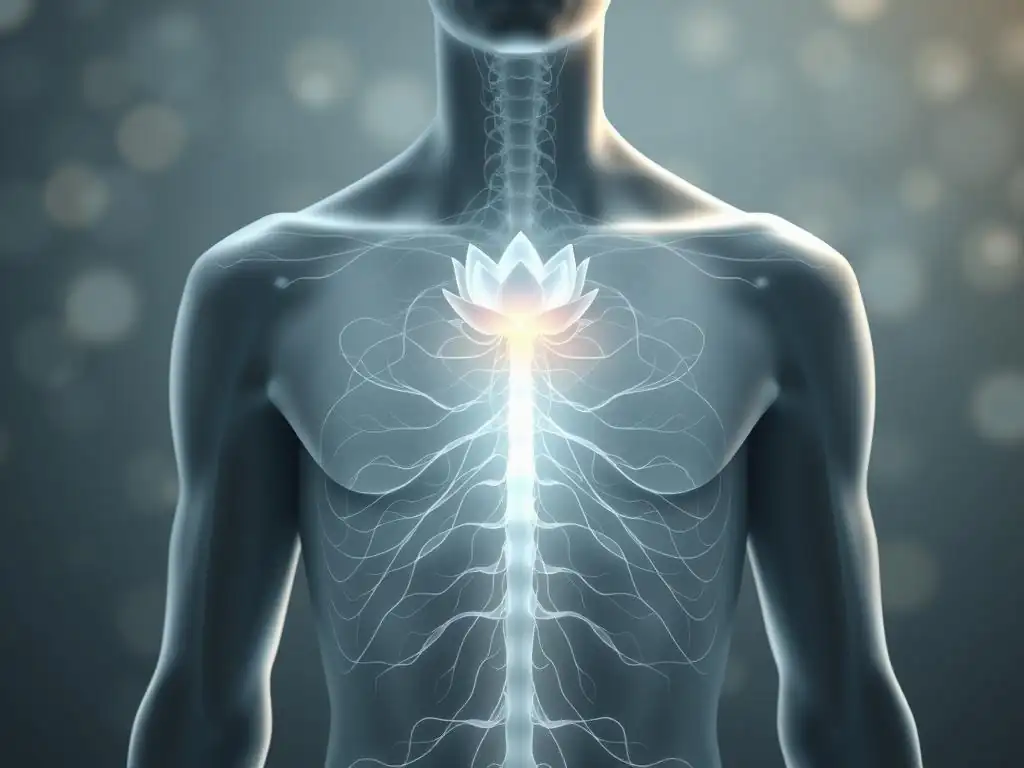
When the vagus nerve is not functioning optimally, its ability to signal the body to calm down after stress is impaired. This state, often referred to as having low vagal tone, means the parasympathetic nervous system struggles to counterbalance the sympathetic "fight or flight" response. The body can remain in a state of heightened arousal for longer periods, leading to chronic stress and contributing to a cascade of negative health outcomes, both physical and mental.
Understanding the signs of vagus nerve dysfunction and the factors that can contribute to it is the first step towards improving vagal tone and enhancing resilience to stress. While genetic predisposition can play a role, lifestyle factors and certain medical conditions are significant contributors to reduced vagal activity. Identifying these factors allows for targeted interventions aimed at restoring healthy vagal function and improving overall vagus nerve stress regulation.
Identifying Vagus Nerve Dysfunction: Symptoms and Signs
Identifying vagus nerve dysfunction can be challenging as its symptoms often overlap with those of various other conditions. However, persistent patterns of certain physiological and psychological issues can point towards impaired vagal activity. Common signs include chronic digestive problems such as Irritable Bowel Syndrome (IBS), bloating, or constipation, which relate to the nerve's control over gut motility and sensation.
Other potential indicators include a persistently high resting heart rate that doesn't decrease significantly during relaxation, low heart rate variability (HRV), difficulty swallowing or a sensation of a lump in the throat, dizziness or fainting spells (syncope), chronic fatigue, anxiety, depression, and difficulty recovering physically and emotionally after stressful events. While none of these symptoms in isolation definitively proves vagus nerve dysfunction, experiencing several of them chronically warrants consideration of vagal tone as a potential underlying factor contributing to impaired vagus nerve stress regulation.
Lifestyle Factors that Negatively Impact Vagal Tone
Modern lifestyle choices can significantly impact the health and function of the vagus nerve. Chronic, unmanaged stress is perhaps the most prominent factor; constant activation of the sympathetic nervous system suppresses parasympathetic activity, leading to a vicious cycle where low vagal tone makes it harder to recover from stress, which further lowers vagal tone. Lack of regular physical activity also contributes, as exercise is known to stimulate vagal activity.
Poor sleep quality or insufficient sleep is another major detriment to vagal tone. Sleep is a critical period for parasympathetic dominance and bodily repair; disrupting this process weakens the vagus nerve's regulatory capacity. A diet high in processed foods, sugar, and unhealthy fats, coupled with a lack of essential nutrients and fiber, can negatively impact gut health, which in turn affects vagal signaling via the brain-gut axis. Additionally, social isolation and lack of meaningful social connection have been linked to lower vagal tone, highlighting the importance of community for physiological well-being and effective vagus nerve stress regulation.
Medical Conditions Associated with Reduced Vagal Activity
Several medical conditions are associated with or can contribute to reduced vagal nerve activity. Chronic inflammatory conditions, such as inflammatory bowel disease (Crohn's disease, Ulcerative Colitis), rheumatoid arthritis, and autoimmune disorders, can suppress vagal tone. The vagus nerve has anti-inflammatory properties, and chronic inflammation can overwhelm this mechanism and impair nerve function.
Conditions affecting the cardiovascular system, such as heart failure and hypertension, are often correlated with reduced HRV and impaired vagal regulation of heart rate. Metabolic disorders like type 2 diabetes and obesity can also negatively impact vagus nerve function through pathways involving inflammation and insulin resistance. Neurological conditions or injuries affecting the brainstem or nerve pathways can directly impair vagal signaling. Furthermore, certain medications can have side effects that reduce vagal activity. Addressing these underlying medical conditions is often a crucial step in improving vagal tone and supporting overall vagus nerve stress regulation.
Activating the Vagus Nerve for Stress Reduction: Practical Techniques
Fortunately, the vagus nerve is not static; its tone can be improved through conscious effort and lifestyle interventions. Engaging in activities that stimulate the parasympathetic nervous system can strengthen vagal activity over time, enhancing the body's ability to move from a stressed state back to a state of calm. These techniques offer practical, accessible ways for individuals to take an active role in their own vagus nerve stress regulation.
Incorporating these practices into a daily routine can build resilience, reduce the physiological impact of stress, and support overall mental and physical health. While the effects may not be immediate, consistent application of these techniques can lead to measurable improvements in vagal tone and a greater sense of calm and control in the face of stressors.
Breathing Exercises for Vagus Nerve Stimulation
Breathing is one of the most direct and powerful ways to influence the autonomic nervous system and stimulate the vagus nerve. Slow, deep, and rhythmic breathing signals safety to the brain and body, activating the parasympathetic response. Unlike shallow, rapid breathing which is associated with stress, controlled breathing patterns directly increase vagal output.
Practicing intentional breathing exercises for just a few minutes each day can have a cumulative effect on vagal tone. These techniques are simple, require no special equipment, and can be done anywhere, making them highly accessible tools for immediate stress relief and long-term improvement in vagus nerve stress regulation.
Diaphragmatic Breathing and its Benefits
Diaphragmatic breathing, also known as belly breathing, involves engaging the diaphragm muscle located beneath the lungs. When you inhale, the diaphragm contracts and pulls downwards, allowing the lungs to fill with air and causing the abdomen to expand. On exhale, the diaphragm relaxes, and the abdomen falls. This deep breathing pattern is characteristic of the parasympathetic state.
The physical movement of the diaphragm during this type of breathing gently massages the vagus nerve as it passes through the abdomen, directly stimulating it. Regular practice has been shown to lower heart rate, decrease blood pressure, and reduce cortisol levels. A simple practice involves inhaling slowly through the nose, letting the belly expand, for a count of 4-6, and exhaling slowly through the mouth, letting the belly fall, for a count of 6-8. Aim for longer exhales than inhales, as this particularly activates the parasympathetic system and supports vagus nerve stress regulation.
Box Breathing Technique
Box breathing, also known as square breathing, is a simple yet effective technique used by everyone from Navy SEALs to yoga practitioners. It involves breathing in a square pattern: inhale for a count of four, hold the breath for a count of four, exhale for a count of four, and hold the breath again for a count of four. Each side of the "box" represents one phase of the breath cycle, lasting the same duration.
This rhythmic pattern helps to regulate the nervous system and increase vagal tone by imposing a controlled pace on respiration. The holds, particularly after the exhale, promote a brief period of carbon dioxide buildup, which can enhance the body's relaxation response. Practicing box breathing for 3-5 minutes can help calm the nervous system, reduce anxiety, and improve focus, making it an excellent tool for immediate vagus nerve stress regulation in moments of tension.
Cold Exposure Therapy for Vagal Tone Improvement
Exposing the body to cold temperatures, particularly the face and neck where the vagus nerve is more superficial, can trigger a reflex known as the diving reflex. This reflex is a physiological response that includes slowing the heart rate, constricting peripheral blood vessels, and shunting blood towards the vital organs – all mediated by the vagus nerve and the parasympathetic nervous system.
While jumping into icy water is one form of cold therapy, more accessible methods like cold showers or simply immersing the face in cold water can also stimulate the vagus nerve. The initial shock of cold can be stressful, but the body's subsequent adaptation and the activation of the parasympathetic nervous system can lead to improved vagal tone over time. Consistent, brief exposure seems to be key for building resilience and supporting vagus nerve stress regulation.
Cold Showers and their Impact on the Vagus Nerve
Taking a cold shower, or even ending a warm shower with a blast of cold water (around 20°C or lower) for 30 seconds to a few minutes, can significantly stimulate the vagus nerve. The sudden drop in temperature triggers the diving reflex and activates the parasympathetic nervous system as the body attempts to conserve energy and regulate temperature.
While initially uncomfortable, regular cold showers can lead to increased vagal tone over time. Participants in studies incorporating cold exposure often report feeling more alert, less stressed, and experiencing improvements in mood. The body becomes more adept at handling the initial stressor of the cold, and this improved regulatory capacity translates to better handling of other stressors, enhancing overall vagus nerve stress regulation. Start gradually with just a few seconds and work your way up.
Cold Water Face Immersion
Submerging your face in a bowl of ice-cold water, especially holding your breath while doing so, is a very effective way to trigger the diving reflex directly and rapidly stimulate the vagus nerve. This technique is often used to quickly calm the nervous system during panic attacks or intense anxiety.
Fill a bowl with cold water and ice cubes. Take a deep breath and hold it, then plunge your face (at least up to your eyes) into the water for 15-30 seconds or as long as comfortable while holding your breath. The cold water on the face, particularly around the eyes and temples, directly stimulates branches of the vagus nerve. This immediate surge of vagal activity slows the heart rate and calms the body, providing rapid relief and demonstrating the power of acute vagus nerve stress regulation.
Meditation and Mindfulness Practices for Vagus Nerve Regulation
Meditation and mindfulness practices cultivate present moment awareness and non-judgmental acceptance, which have profound effects on the nervous system. By shifting attention away from stressful thoughts and towards sensory experiences like breath or bodily sensations, these practices reduce sympathetic activation and promote a state of parasympathetic dominance, thereby stimulating the vagus nerve.
Regular meditation and mindfulness have been consistently linked to increased vagal tone and improved emotional regulation. They help train the brain to respond to stress with greater calm and less reactivity. Incorporating even short periods of mindfulness into your day can contribute significantly to building resilience and enhancing your capacity for vagus nerve stress regulation.
Loving-Kindness Meditation Techniques
Loving-kindness meditation (Metta) is a practice that involves cultivating feelings of warmth, compassion, and kindness towards oneself and others. It typically involves silently repeating phrases such as "May I be happy, May I be healthy, May I be safe, May I live with ease" and then extending these wishes outwards to loved ones, neutral parties, difficult people, and eventually all beings.
Studies have shown that practicing loving-kindness meditation can lead to increased positive emotions, reduced negative emotions, and significantly higher vagal tone over time. The practice promotes feelings of safety, connection, and empathy, states that are strongly associated with increased parasympathetic activity and a healthier vagus nerve. Engaging in Metta meditation for 10-20 minutes daily can be a powerful tool for improving mood and supporting vagus nerve stress regulation.
Progressive Muscle Relaxation
Progressive Muscle Relaxation (PMR) is a technique that involves tensing and then releasing different muscle groups in the body, one by one. This practice helps individuals become more aware of physical tension and learn how to release it, promoting a state of deep relaxation. The process typically starts with the feet and moves upwards through the legs, abdomen, chest, arms, shoulders, neck, and face.
By systematically releasing muscle tension, PMR signals to the nervous system that it is safe to relax, shifting the balance towards parasympathetic activity. This reduction in physical tension is accompanied by a decrease in physiological arousal, including a slowing of heart rate and respiration, mediated by the vagus nerve. Regular practice of PMR can improve body awareness, reduce chronic tension, and contribute to better vagal tone and improved vagus nerve stress regulation.
Humans are social beings, and meaningful social connection is fundamental to our well-being. The polyvagal theory, developed by Dr. Stephen Porges, highlights the role of the vagus nerve, particularly its more recently evolved myelinated pathway, in mediating social engagement. Feeling safe and connected in social interactions activates this social engagement system, which is directly linked to increased vagal tone.
Positive social interactions, feeling supported by others, and engaging in acts of kindness can all stimulate the vagus nerve. Conversely, social isolation, conflict, and feelings of unsafety in social settings can suppress vagal activity and increase sympathetic arousal. Prioritizing healthy relationships, spending time with loved ones, and participating in community activities are not just emotionally beneficial; they are also powerful ways to support vagal nerve health and enhance vagus nerve stress regulation.
Dietary Considerations for Supporting Vagal Tone
The gut-brain axis connection means that what we eat can directly influence the vagus nerve. A diet that supports a healthy gut microbiome and reduces inflammation can positively impact vagal signaling. Conversely, a diet that promotes inflammation and dysbiosis (an imbalance in gut bacteria) can impair vagal function.
Consuming a diverse diet rich in fiber from fruits, vegetables, and whole grains nourishes beneficial gut bacteria, which produce short-chain fatty acids (SCFAs) like butyrate. SCFAs have anti-inflammatory effects and can directly stimulate vagal nerve endings in the gut. Fermented foods like yogurt, kefir, sauerkraut, and kimchi, which contain probiotics, can also support a healthy microbiome. Conversely, reducing intake of processed foods, high sugar content, and unhealthy fats can decrease inflammation and protect vagal health. A nutrient-dense diet is a foundational element in supporting overall health, including effective vagus nerve stress regulation via the gut-brain connection.
Measuring Vagal Tone: Understanding Heart Rate Variability (HRV)
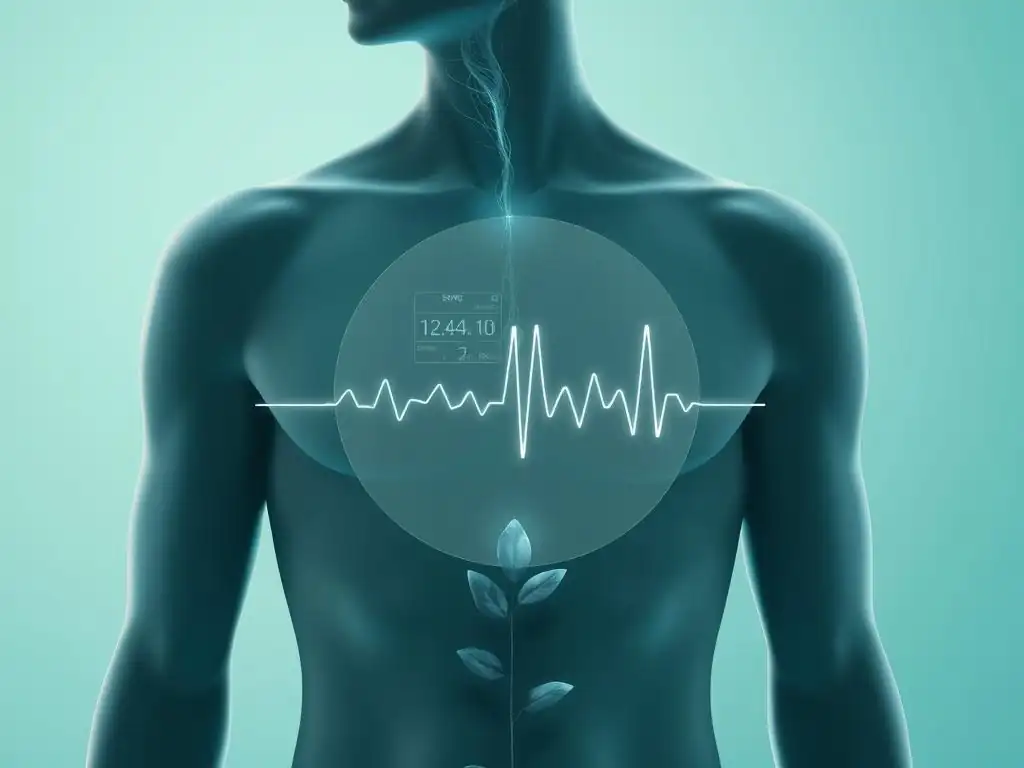
While the vagus nerve itself cannot be directly measured non-invasively, its activity can be estimated through a physiological metric called Heart Rate Variability (HRV). HRV is a measure of the variation in time between consecutive heartbeats. It's not about how fast or slow your heart is beating, but how much the interval between beats fluctuates. A higher HRV is generally considered an indicator of greater vagal tone and a more flexible, resilient nervous system.
Monitoring HRV can provide valuable insights into your autonomic nervous system balance and your capacity for vagus nerve stress regulation. It can help you understand how stress, sleep, exercise, and diet are impacting your nervous system and track the effectiveness of interventions aimed at improving vagal tone. While not a perfect measure, HRV is currently the most accessible way for individuals to get a quantitative estimate of their vagal activity.
What is Heart Rate Variability (HRV) and How Does it Relate to the Vagus Nerve?
Heart rate variability reflects the dynamic interplay between the sympathetic and parasympathetic branches of the autonomic nervous system (ANS). The sympathetic nervous system tends to speed up the heart and make the beat intervals more regular, while the parasympathetic nervous system, primarily through the vagus nerve, slows the heart down and introduces variability in the timing of the beats.
When the vagus nerve is highly active (high vagal tone), it exerts a strong braking effect on the heart, causing the time between beats to fluctuate more significantly, especially in response to breathing (inhale slightly speeds up, exhale significantly slows down). This results in high HRV. Conversely, when the sympathetic system is dominant (e.g., during stress), the vagus nerve's influence is suppressed, leading to less variation in heart beat intervals and thus low HRV. Therefore, HRV serves as a proxy measure for vagal tone; higher HRV indicates stronger vagal influence and better vagus nerve stress regulation capacity.
Using HRV Biofeedback to Improve Vagal Tone and Stress Resilience
HRV biofeedback is a technique that teaches individuals how to voluntarily increase their HRV, and by extension, their vagal tone. It involves using a sensor (often clipped to a finger or earlobe) to measure heart rate and display HRV in real-time on a screen. Guided breathing exercises are then used, often with visual or auditory cues, to help the individual find a breathing rate (typically around 5-7 breaths per minute) that maximizes the variability between heartbeats.
By practicing HRV biofeedback regularly, individuals learn to consciously regulate their breathing and, through it, influence their autonomic nervous system balance. This training helps to strengthen the vagal brake on the heart and improve the body's ability to shift into a relaxed state more readily. Studies have shown that HRV biofeedback can lead to significant reductions in anxiety, depression, and stress-related symptoms, demonstrating its effectiveness in enhancing vagal tone and promoting vagus nerve stress regulation.
Interpreting Your HRV Data: What Does it Mean for Your Health?
Interpreting HRV data requires nuance, as "normal" HRV varies widely based on age, fitness level, genetics, and even time of day. However, general trends and relative changes are informative. A consistently higher HRV compared to your personal baseline is generally associated with better cardiovascular health, greater stress resilience, improved emotional regulation, and overall well-being. It suggests a nervous system that can adapt flexibly to demands.
Conversely, a consistently low HRV relative to your baseline, especially if it drops significantly during periods of stress or illness, can indicate that your nervous system is under strain and your capacity for vagus nerve stress regulation may be compromised. Factors like poor sleep, overtraining, illness, or chronic psychological stress will typically cause a decrease in HRV. Monitoring HRV over time can help you identify patterns, understand the impact of lifestyle choices, and gauge your body's recovery status and overall readiness to handle stress. It's a tool for self-awareness and guiding lifestyle adjustments aimed at improving vagal health.
The Vagus Nerve and the Future of Stress Management: Emerging Research
The growing understanding of the vagus nerve's central role in the mind-body connection and stress regulation is fueling exciting research into novel therapeutic approaches. Beyond traditional lifestyle interventions and psychotherapy, researchers are exploring ways to directly modulate vagal activity using technological and pharmacological methods. This frontier of research holds significant promise for individuals struggling with chronic stress, anxiety disorders, depression, and other conditions linked to autonomic nervous system dysregulation.
Emerging therapies often focus on non-invasive methods to stimulate the vagus nerve, aiming to replicate some of the benefits seen with implanted VNS devices but with greater accessibility and fewer risks. The potential for the vagus nerve to serve as a biomarker for predicting or monitoring the course of mental health conditions is also under investigation. These developments underscore the vagus nerve's importance as a target for future interventions aimed at optimizing mental well-being and enhancing vagus nerve stress regulation.
Non-Invasive Vagus Nerve Stimulation (nVNS) Therapies
Non-invasive Vagus Nerve Stimulation (nVNS) therapies involve delivering electrical stimulation to the vagus nerve without surgical implantation. Devices are typically placed on the skin's surface, often targeting areas like the neck (cervical nVNS) or the ear (transcutaneous auricular Vagus Nerve Stimulation or taVNS), where branches of the vagus nerve are accessible.
Several nVNS devices have received regulatory approval for conditions like cluster headaches and migraine, and research is actively exploring their potential for psychiatric disorders. Studies suggest that nVNS can modulate brain activity in areas involved in mood and stress response, reduce inflammation, and influence neurotransmitter release. While still an evolving field, nVNS offers a promising, less intrusive avenue for directly stimulating the vagus nerve and potentially improving vagus nerve stress regulation and symptoms of various conditions.
The Vagus Nerve as a Biomarker for Mental Health Conditions
Research is increasingly focused on the potential of vagal activity, particularly measured through HRV, to serve as a biomarker for predicting susceptibility to, or monitoring the severity and treatment response of, various mental health conditions. Lower baseline HRV has been associated with an increased risk of developing anxiety and depression following stressful life events.
Furthermore, changes in HRV over the course of treatment for depression or anxiety have been shown to correlate with clinical improvement. For example, an increase in HRV during therapy or medication treatment often predicts a better outcome. While HRV is not a diagnostic tool on its own, its potential as a measurable physiological indicator of nervous system health and resilience makes it a valuable area of research for understanding the biological underpinnings of mental health and tailoring interventions for better vagus nerve stress regulation.
Transcutaneous Auricular Vagus Nerve Stimulation (taVNS)
Transcutaneous auricular Vagus Nerve Stimulation (taVNS) is a specific form of nVNS that involves delivering electrical stimulation to the auricular branch of the vagus nerve, which is located in specific areas of the outer ear, particularly the tragus or cymba conchae. This method is appealing because the auricular branch is relatively accessible and provides a direct pathway to the brainstem and other brain regions via the vagus nerve.
Studies on taVNS have explored its effects on a range of conditions, including depression, anxiety, PTSD, and cognitive function. Preliminary findings suggest that taVNS can influence brain network connectivity, modulate neurotransmitter levels, and reduce physiological stress markers. While more large-scale, rigorous studies are needed, taVNS represents a promising, non-invasive technique for stimulating the vagus nerve with the potential to offer therapeutic benefits for mental health and enhance vagus nerve stress regulation.
Conclusion: Harnessing the Power of the Vagus Nerve for Optimal Well-being
The vagus nerve is far more than just a passive conduit; it is a dynamic, essential player in our body's intricate system of stress regulation and emotional well-being. Its extensive reach, bidirectional communication with the brain and organs, and central role in the parasympathetic nervous system make it a powerful lever for influencing how we experience and recover from stress. Understanding the vagus nerve empowers us to look beyond psychological strategies alone and consider the biological foundation of our resilience.
By recognizing the signs of vagus nerve dysfunction and actively engaging in practices that stimulate and strengthen this vital nerve, we can significantly enhance our capacity to navigate life's challenges with greater ease and calm. The science is clear: nurturing your vagus nerve is a tangible way to invest in your mental and physical health, building a more robust and responsive nervous system capable of effective vagus nerve stress regulation.
The Vagus Nerve: A Foundation for Stress Resilience
A healthy, well-toned vagus nerve provides a crucial biological foundation for stress resilience. It enables the nervous system to flexibly adapt to stressors, activating the necessary "fight or flight" response when needed but quickly returning to a state of calm and equilibrium once the threat has passed. This efficient recovery process prevents the cumulative damage associated with chronic stress and supports the body's natural healing and restorative functions.
High vagal tone is associated with a range of positive outcomes, including improved mood, reduced anxiety, better digestion, stronger immune function, and enhanced social connection. By focusing on activities that nourish the vagus nerve, individuals can build a stronger internal capacity to withstand stress, reducing their vulnerability to stress-related physical and mental health issues. Cultivating vagal tone is not just about managing stress; it's about building a more resilient and balanced nervous system for life.
Integrating Vagus Nerve Stimulation Techniques into Daily Life
Incorporating vagus nerve stimulation techniques into your daily routine doesn't require drastic changes; even small, consistent practices can make a significant difference over time. Start by experimenting with a few techniques that resonate with you. Perhaps commit to 5-10 minutes of diaphragmatic breathing each morning, end your shower with 30 seconds of cold water, or practice loving-kindness meditation for a few minutes before bed.
- [ ] Try diaphragmatic breathing for 5 minutes today.
- [ ] Take a 30-second cold shower or splash cold water on your face.
- [ ] Listen to calming music or hum/sing aloud for a few minutes.
- [ ] Spend time connecting with a loved one or pet.
- [ ] Go for a brisk walk outdoors.
Consistency is key. Like strengthening a muscle, improving vagal tone requires regular exercise. Over time, these simple practices can retrain your nervous system, enhance your vagal tone, and significantly improve your capacity for vagus nerve stress regulation, leading to a calmer mind and a more resilient body. Embrace the power of your vagus nerve and take active steps towards greater well-being.
Frequently Asked Questions
What is the vagus nerve, and why is it important for stress regulation?
The vagus nerve is the longest cranial nerve in the body. It plays a crucial role in regulating bodily functions, including heart rate, digestion, and, importantly, the stress response.
How does the vagus nerve influence our stress response?
The vagus nerve activates the parasympathetic nervous system, often referred to as the "rest and digest" system. This helps to counteract the "fight or flight" response activated during stress, promoting relaxation and calmness.
What are some practical ways to stimulate the vagus nerve for better stress management?
Several techniques, like deep breathing exercises, cold water exposure, and mindfulness meditation, can stimulate the vagus nerve. These practices enhance its function and promote resilience to stress.
Can poor vagal tone contribute to mental health issues?
Yes, research suggests that low vagal tone is linked to an increased risk of anxiety, depression, and other mental health challenges. Improving vagal tone can be a beneficial strategy for mental well-being.
How can I assess my own vagal tone and track its improvement?
While direct measurement requires specialized equipment, you can monitor indicators such as heart rate variability (HRV) using wearable devices. Consistent practice of vagus nerve stimulation techniques can lead to measurable improvements in HRV and overall well-being.
Final Reflection: Unlocking the Power of the Vagus Nerve
The intricate connection between the vagus nerve and stress regulation is not merely a scientific curiosity; it's a vital key to understanding and improving our overall well-being in today's relentlessly demanding world. The overwhelming prevalence of stress-related illnesses underscores the urgent need to explore and harness the therapeutic potential of this often-overlooked biological pathway. Understanding how we can actively nurture our vagal tone is no longer a niche interest, but a crucial step towards a healthier, more resilient future.
The exploration of the vagus nerve's role in stress response has profoundly shifted my understanding of holistic health. It's not just about managing symptoms; it's about cultivating a deep, intrinsic connection with our own physiological responses. This journey of understanding has highlighted the interconnectedness of mind and body, a concept beautifully captured by the quote: The body keeps the score,
reminding us that our experiences leave a lasting imprint on our physical selves. This understanding empowers us to move beyond simply treating the symptoms of stress and instead focus on fostering a healthier relationship with our nervous system.
Now, consider your own relationship with stress. What practices nourish your vagal tone? Are you incorporating techniques like deep breathing, mindful movement, or social connection into your daily routine? I invite you to explore the simple yet powerful strategies discussed in this article and begin cultivating a stronger, more resilient connection with your vagus nerve. This is not just about reducing stress; it's about unlocking a deeper sense of calm, self-awareness, and overall well-being. Embrace the power within, and embark on this journey towards a healthier, more balanced you.
Unlock Your Inner Calm: Activate Your Vagus Nerve Today!
Thanks for diving into the world of vagus nerve regulation! We hope you gained valuable insights into how this incredible nerve impacts your stress response. Now it's time to put that knowledge into action. Ready to feel calmer and more resilient?
- Prioritize deep, diaphragmatic breathing: This simple exercise is a powerful way to stimulate your vagus nerve and reduce stress. Try 5 minutes twice daily.
- Explore mindful practices: Consider adding meditation or yoga to your routine – these activities can further enhance vagus nerve activity.
- Share your experience: Tell a friend about the surprising power of your vagus nerve! Let's spread the word about natural stress-reduction techniques.
What simple step will you take today to nurture your vagus nerve and improve your well-being?