
Why Your Amygdala Triggers Anxiety: Decoding the Fear Response

Welcome to Mind Care Guide, a safe space to explore your mental well-being. Feeling overwhelmed by anxiety? You're not alone.
Ever wondered why certain situations trigger such intense fear responses? Our insightful guide, " Why Your Amygdala Triggers Anxiety: Decoding the Fear Response," delves into the neuroscience behind it all. Understand how your brain's amygdala, that tiny but powerful fear center, works and begin your journey toward managing anxiety. Let's unlock the secrets together and pave the way for a calmer, more centered you. Read on to begin decoding your fear.
Why Your Amygdala Triggers Anxiety: Decoding the Fear Response
- Introduction: Understanding the Amygdala's Role in Anxiety
- How the Amygdala Works: A Simplified Explanation
- Amygdala Anxiety Triggers: Identifying What Sets Off the Fear Response
- Decoding the Fear Response: Understanding the Physiological and Psychological Effects
- The Amygdala-Prefrontal Cortex Connection: Regulation and Control
- Managing Amygdala-Driven Anxiety: Practical Strategies
- When to Seek Professional Help for Amygdala-Related Anxiety
- Conclusion: Empowering Yourself to Manage Amygdala-Triggered Anxiety
-
Frequently Asked Questions
- ### What is the amygdala and what role does it play in anxiety?
- ### How does the amygdala trigger anxiety?
- ### What are some common triggers that can activate the amygdala and lead to anxiety?
- ### Can I learn to control my amygdala's response to anxiety triggers?
- ### Where can I find resources and support for managing anxiety related to amygdala activity?
- Final Reflection: Unraveling the Amygdala's Grip on Anxiety
- Unleash Your Inner Calm: Take Control of Your Anxiety
Introduction: Understanding the Amygdala's Role in Anxiety
The Amygdala: Your Brain's Fear Center Explained
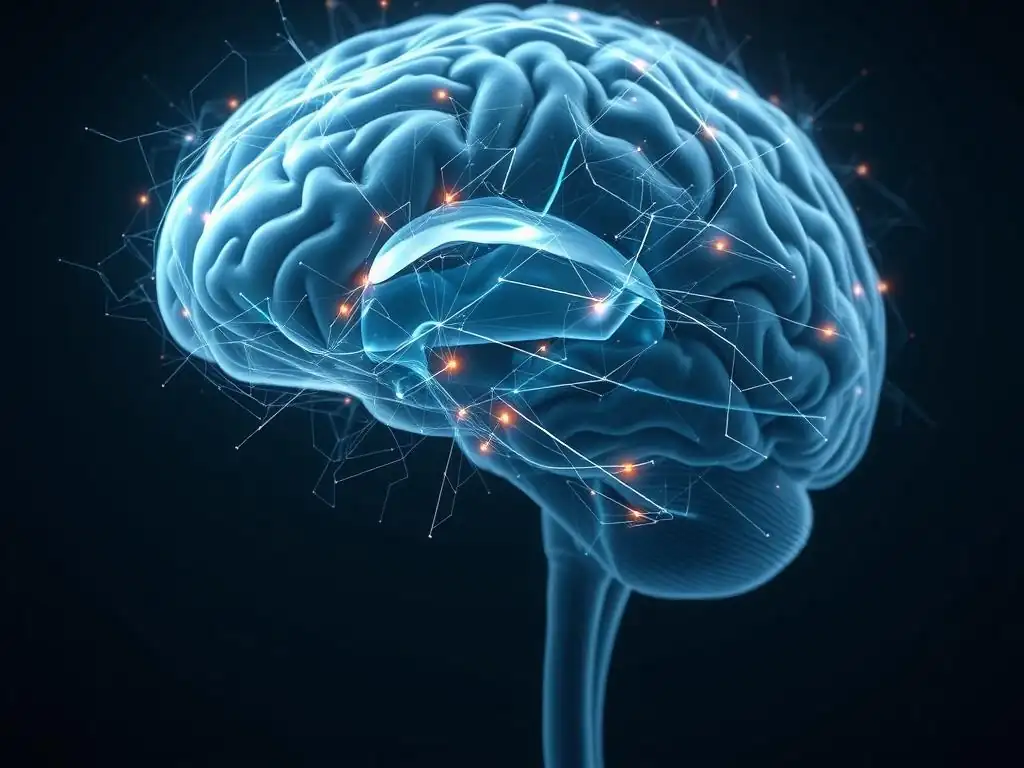
Deep within the temporal lobe, nestled like an almond, lies a crucial structure known as the amygdala. This small but mighty region is a cornerstone of our emotional processing system, particularly renowned for its central role in detecting and responding to threats. It acts as a rapid alarm system, constantly scanning our environment for potential dangers, whether they are physical, social, or psychological.
The amygdala is not a single entity but a complex network of nuclei, with the basolateral nuclei responsible for associating stimuli with emotional outcomes and the centromedial nuclei driving the expression of fear responses. Studies using fMRI have consistently shown heightened amygdala activity when individuals are presented with fearful faces or threatening scenarios compared to neutral stimuli, underscoring its primary function in threat detection.
This intricate structure is essential for survival, enabling us to react quickly to danger. For instance, encountering a sudden loud noise or a rapidly approaching object triggers almost instantaneous activation of the amygdala, prompting us to freeze or recoil before our conscious mind has fully processed the information.
While this rapid response is vital for escaping immediate harm, an overactive or dysregulated amygdala can become problematic, contributing significantly to the experience of anxiety. Research indicates that the volume or connectivity of the amygdala may differ in individuals with anxiety disorders, suggesting a biological basis for its role in excessive fear responses.
Anxiety and the Amygdala: A Deep Dive into the Connection
Anxiety, in essence, can be understood as a state where the brain's fear response system is frequently or inappropriately activated. At the heart of this lies the amygdala. While designed to protect us from real threats, in anxiety disorders, the amygdala can become hypersensitive, perceiving danger where little or none exists. This heightened reactivity means that everyday situations or even internal thoughts can trigger the full cascade of fear responses typically reserved for life-threatening events. It's as if the amygdala's volume knob is turned up too high, causing the alarm to sound constantly.
This dysregulation is supported by neuroimaging studies showing exaggerated amygdala responses in individuals diagnosed with conditions like Generalized Anxiety Disorder (GAD), Social Anxiety Disorder, and Post-Traumatic Stress Disorder (PTSD). For example, some studies suggest that individuals with social anxiety might exhibit up to a 20-25% greater amygdala response when anticipating social interaction compared to those without the disorder. This overactivation contributes directly to the persistent worry, physical symptoms, and avoidance behaviors characteristic of anxiety, demonstrating how a well-meaning survival mechanism can become a source of significant distress when its function becomes impaired.
How the Amygdala Works: A Simplified Explanation
Sensory Input and the Amygdala's Rapid Response
The amygdala receives sensory information about the world through two main pathways, often described as the "low road" and the "high road." The low road is a direct, super-fast pathway from the thalamus (the brain's sensory relay station) straight to the amygdala. This route bypasses the cortex, allowing for an immediate, albeit crude, assessment of potential danger. It's responsible for those gut reactions – jumping back from a perceived threat before you even know what it is. This rapid processing allows for near-instantaneous activation of defensive responses, crucial in evolutionary terms for avoiding predators or other immediate perils.
The high road, in contrast, is a slower but more accurate pathway. Sensory information travels from the thalamus to the sensory cortex, where it is processed in more detail and context is added. This refined information is then sent to the amygdala.
This pathway allows the brain to make a more informed decision about whether a perceived threat is real or benign. For example, the low road might trigger a fear response to a coiled shape on the ground, while the high road, after cortical processing, confirms it's just a garden hose, allowing the amygdala to dampen its response. In anxiety, the low road may be overly dominant or the high road's inhibitory signals may be weak, leading to frequent false alarms.
The Amygdala's Memory Storage: Linking Experiences to Fear
One of the critical functions of the amygdala is its role in emotional memory, particularly the formation and storage of fear memories. It works closely with the hippocampus, the brain structure responsible for forming explicit memories (memories of facts and events). While the hippocampus stores the details of an event (where you were, who was there), the amygdala stores the emotional intensity and valence associated with that event, especially if it was fearful or traumatic. This process, known as fear conditioning, is how we learn to associate neutral stimuli or situations with negative outcomes.
Once a fear memory is consolidated, the amygdala can trigger a fear response simply by encountering the previously neutral stimulus that was paired with danger. For instance, if a child is bitten by a dog (aversive experience), the sight, sound, or even smell of dogs (previously neutral stimuli) can become powerful amygdala anxiety triggers. The amygdala stores this association, and encountering a dog in the future can instantly activate the fear circuit, leading to physical symptoms and feelings of dread. This learned fear response can be incredibly persistent and contribute significantly to conditions like phobias and PTSD.
The Amygdala's Influence on Other Brain Regions During Anxiety
When the amygdala is activated, it doesn't act in isolation; it sends signals cascading throughout the brain and body, orchestrating the full anxiety response. It has extensive connections to various brain regions, each playing a role in the experience of fear and anxiety. A major output is to the hypothalamus, initiating the activation of the hypothalamic-pituitary-adrenal (HPA) axis, our primary stress response system, leading to the release of stress hormones like cortisol. The amygdala also signals brainstem nuclei, which control vital functions like heart rate, breathing, and blood pressure, leading to the physical symptoms of anxiety.
Furthermore, the amygdala influences areas involved in attention and perception, making individuals hypervigilant and focused on potential threats. It can also impact the prefrontal cortex, the area responsible for executive functions, potentially impairing decision-making and rational thought under duress. This widespread influence explains why anxiety affects so many different aspects of our being – from pounding hearts and sweaty palms to racing thoughts and difficulty concentrating. Understanding these connections is key to amygdala anxiety triggers decoding fear in its entirety.
Amygdala Anxiety Triggers: Identifying What Sets Off the Fear Response
Learned Fear Responses: How Past Experiences Shape Amygdala Activity
Our personal history plays a profound role in shaping what our amygdala perceives as threatening. As discussed, fear conditioning allows the amygdala to link specific stimuli or situations to past negative experiences. This isn't limited to single traumatic events; repeated exposure to stressful or unpredictable environments can also sensitize the amygdala, making it more reactive to a wider range of cues. Once these associations are formed, encountering a trigger can instantly bring back the feeling of the original threat, even if the current situation is objectively safe.
Moreover, learned fear responses can generalize. If someone develops a fear of dogs after a bite, their amygdala might initially react strongly only to dogs that look like the one that bit them. However, this fear can generalize to all dogs, then perhaps even to other animals, or situations where animals might be present. This generalization means that a single negative experience can create numerous amygdala anxiety triggers, expanding the range of situations that provoke fear and anxiety. This learned component highlights why addressing past experiences is often crucial in managing anxiety disorders.
Threat Perception: How the Amygdala Assesses Danger (Real and Perceived)
The amygdala's primary job is threat assessment, but it's not always accurate, especially in the context of anxiety. It operates on a "better safe than sorry" principle, designed to err on the side of caution. This means it can quickly flag something as potentially dangerous based on limited information (the low road) and often struggles to distinguish between a truly life-threatening situation and a perceived social threat, like public speaking or meeting new people. For the amygdala, the feeling of potential danger can be enough to initiate the fear response.
In individuals with anxiety, this threat assessment system is often skewed. They may exhibit a bias towards interpreting ambiguous stimuli as threatening. For example, an anxious person might interpret a neutral facial expression as critical or a minor physical sensation as a sign of serious illness. The amygdala reacts to this biased interpretation as if it were a real threat, triggering anxiety symptoms. This disconnect between real and perceived danger is a core feature of many anxiety disorders and explains why amygdala anxiety triggers decoding fear requires addressing not just external cues but also internal interpretations.
Specific Anxiety Triggers and the Amygdala: Examples and Scenarios
Specific situations, objects, or even thoughts can act as potent amygdala anxiety triggers, initiating the fear response. For someone with social anxiety, simply receiving an invitation to a party can trigger the amygdala, leading to anticipatory dread and physical symptoms like a churning stomach. The amygdala perceives the social interaction as a potential threat of judgment or rejection.
Consider phobias: someone with arachnophobia sees a spider. Their amygdala is instantly activated, bypassing rational thought, and triggering intense fear and panic. The spider, though likely harmless, is hardwired in the amygdala as a significant threat.
For someone with GAD, uncertainty about the future or minor daily hassles can constantly activate the amygdala, leading to persistent worry and hypervigilance. In PTSD, reminders of the trauma – a certain sound, smell, or image – act as powerful triggers, causing the amygdala to react as if the traumatic event is happening again. These examples illustrate how diverse amygdala anxiety triggers decoding fear manifest depending on the individual's history and specific anxiety disorder.
Decoding the Fear Response: Understanding the Physiological and Psychological Effects
The Fight-or-Flight Response: Initiated by the Amygdala
When the amygdala detects a significant threat, it triggers the fight-or-flight response, also known as the acute stress response. This is a fundamental survival mechanism designed to prepare the body to either confront the danger or flee from it. The amygdala sends signals to the hypothalamus, which in turn activates the sympathetic nervous system and the HPA axis. This complex cascade of physiological changes floods the body with hormones like adrenaline (epinephrine) and cortisol, putting it on high alert.
The purpose of these changes is to maximize physical performance in a dangerous situation. Heart rate and breathing speed up to deliver more oxygen to muscles. Blood is diverted from non-essential functions like digestion to major muscle groups. Senses become heightened, and pain perception may decrease. While incredibly effective in a genuine crisis – like running from a predator – this response is highly uncomfortable and exhausting when triggered by non-life-threatening amygdala anxiety triggers, leading to the distressing symptoms of anxiety.
Physical Symptoms of Anxiety Triggered by the Amygdala: Accelerated Heart Rate, Excessive Sweating
The activation of the sympathetic nervous system by the amygdala leads directly to a host of physical symptoms experienced during anxiety or panic. These are the body's preparations for fight or flight. An accelerated heart rate (tachycardia), sometimes feeling like palpitations or pounding, is common as the heart pumps faster to circulate blood. Breathing becomes rapid and shallow, often leading to hyperventilation or a feeling of breathlessness. Muscles tense up, ready for action, which can cause aches, stiffness, or trembling.
Other common physical manifestations include excessive sweating, cold or clammy hands, digestive issues like nausea or stomach cramps, dizziness, and a dry mouth. For instance, during a panic attack, the heart rate might surge to 150 beats per minute or more, and breathing can become extremely rapid. These symptoms, while uncomfortable, are a direct result of the amygdala-driven physiological cascade. Understanding that these are bodily responses to a perceived threat, rather than signs of physical illness, is a crucial step in amygdala anxiety triggers decoding fear and managing the anxiety response.
Psychological Effects of Amygdala Activation: Racing Thoughts, Feelings of Dread
Beyond the physical, amygdala activation profoundly impacts our psychological state. When the amygdala sounds the alarm, the brain shifts into threat-assessment mode, often leading to a cascade of anxious thoughts. Racing thoughts, catastrophic thinking (imagining the worst possible outcome), and incessant worry are common. Concentration can become difficult as the mind is preoccupied with scanning for and analyzing perceived threats.
Emotionally, individuals may experience intense feelings of fear, dread, panic, or impending doom. They might feel detached from reality or themselves (depersonalization/derealization). Irritability and restlessness are also frequent companions of prolonged amygdala activation. This mental turmoil is the brain's way of processing the amygdala's urgent signal. It highlights how the amygdala anxiety triggers decoding fear process involves both the primitive alarm system and the higher-level cognitive functions attempting to make sense of the perceived danger, often in an unhelpful and distressing way.
The Amygdala-Prefrontal Cortex Connection: Regulation and Control
The Prefrontal Cortex: Your Brain's Rational Thinker
While the amygdala acts as the rapid alarm system, the prefrontal cortex (PFC), particularly the ventromedial prefrontal cortex (vmPFC) and dorsolateral prefrontal cortex (dlPFC), serves as the brain's executive control center and rational evaluator. Located at the front of the brain, the PFC is involved in complex cognitive behaviors such as planning, decision-making, working memory, and inhibiting impulses. Crucially, it plays a vital role in evaluating context, understanding nuances, and regulating emotional responses initiated by subcortical structures like the amygdala.
Unlike the amygdala's automatic and fast reaction, the PFC's processing is slower and more deliberate. It takes in the detailed information from the high road pathway and assesses the situation based on current context, past experiences, and rational thought. For example, seeing a snake-like shape might trigger an initial amygdala response, but the PFC analyzes the visual details and recognizes it as a harmless stick, sending inhibitory signals back to the amygdala. A well-functioning PFC is essential for determining whether a perceived threat is real or if the amygdala's alarm is a false one.
How the Prefrontal Cortex Can Help Calm the Amygdala
The prefrontal cortex has direct inhibitory connections to the amygdala. This means it can send signals that dampen or reduce the amygdala's activity and its output to other brain regions. When the PFC determines that a situation is safe, despite the amygdala's initial alarm, it can essentially tell the amygdala to stand down. This top-down regulation is fundamental to emotional control and preventing the fear response from escalating unnecessarily.
A key function of the PFC in calming the amygdala is its role in extinction learning. Extinction is not forgetting a fear memory, but rather learning that a previously feared stimulus is no longer associated with danger. The PFC helps form a new inhibitory memory that suppresses the original fear response triggered by the amygdala. For instance, if someone with a fear of public speaking gradually practices in safe environments, the PFC helps override the amygdala's learned fear response by recognizing the lack of actual threat, thereby reducing the intensity of the fear over time.
Strengthening the Amygdala-Prefrontal Cortex Connection for Anxiety Management
Given the crucial role of the PFC in regulating the amygdala, strengthening this connection is a primary goal in managing anxiety. A robust PFC can exert better control over a hyperactive amygdala, reducing the frequency and intensity of anxiety responses triggered by non-threatening stimuli. This involves enhancing the PFC's ability to accurately assess situations, regulate emotions, and inhibit automatic fear responses.
Strategies aimed at improving emotional regulation and cognitive control can bolster the PFC-amygdala pathway. These include therapies that teach cognitive reappraisal (changing how you think about a situation), mindfulness practices that increase awareness and reduce reactivity, and techniques that promote relaxation. By actively engaging the PFC in evaluating and responding to potential amygdala anxiety triggers decoding fear, individuals can gradually retrain their brain to respond more calmly and rationally, reducing the impact of the amygdala's alarms on their daily lives.
Managing Amygdala-Driven Anxiety: Practical Strategies

Cognitive Behavioral Therapy (CBT) and Amygdala Retraining
Cognitive Behavioral Therapy (CBT) is one of the most effective psychotherapies for anxiety disorders, and its success is partly attributed to its ability to retrain the amygdala and strengthen prefrontal control. CBT focuses on identifying and challenging negative thought patterns and beliefs that contribute to anxiety, as well as changing behaviors that maintain it (like avoidance). By learning to identify distorted thinking and replace it with more realistic and balanced perspectives, individuals engage their prefrontal cortex to reappraise perceived threats.
A core component of CBT for anxiety is exposure therapy. This involves gradually and safely exposing individuals to their feared situations or stimuli. For example, someone with social anxiety might start by simply imagining a social event, then progress to observing one, participating briefly, and eventually engaging fully.
This process allows the amygdala to repeatedly encounter the trigger without the expected negative outcome, facilitating extinction learning and reducing the intensity of the fear response. Studies show that exposure therapy can lead to significant reductions in amygdala activity and increased PFC control over time, effectively helping to recalibrate the brain's response to amygdala anxiety triggers decoding fear.
Mindfulness and Meditation: Calming the Amygdala's Activity
Mindfulness practices, including meditation, offer another powerful approach to managing amygdala-driven anxiety. Mindfulness involves paying attention to the present moment without judgment, observing thoughts, feelings, and bodily sensations as they arise. Regular mindfulness practice has been shown in numerous studies to impact brain structure and function, particularly reducing the size and reactivity of the amygdala while increasing activity in the prefrontal cortex.
By cultivating present-moment awareness, mindfulness helps individuals detach from anxious thought spirals (which can act as internal amygdala anxiety triggers) and observe their fear responses without getting swept away by them. This non-reactive observation allows the PFC to gain better control over the amygdala's alarm signals. Research, such as studies involving 8-week mindfulness-based stress reduction programs, has demonstrated measurable decreases in amygdala response to negative stimuli and improved emotional regulation, highlighting the potential of these practices in calming a hyperactive fear center.
Relaxation Techniques for Reducing Amygdala Hyperactivity: Deep Breathing Exercises, Progressive Muscle Relaxation
Simple relaxation techniques can provide immediate relief from the physical symptoms triggered by amygdala activation and, with regular practice, help reduce overall amygdala hyperactivity. These techniques work by activating the parasympathetic nervous system, which is the counterpart to the sympathetic (fight-or-flight) system. The parasympathetic system promotes rest, digestion, and calm, effectively counteracting the effects of adrenaline and cortisol released under amygdala command.
Deep breathing exercises, such as diaphragmatic breathing, involve slow, deep inhalations that expand the belly, followed by slow exhalations. This controlled breathing signals safety to the brain and body, slowing heart rate and reducing muscle tension. Progressive Muscle Relaxation (PMR) involves systematically tensing and then releasing different muscle groups in the body.
This process helps release accumulated physical tension and promotes a state of deep relaxation. Practicing these techniques regularly can train the body and brain to enter a calmer state more readily, offering tools to manage the acute physical discomfort when amygdala anxiety triggers decoding fear leads to overwhelming symptoms.
Recognizing the Signs of Problematic Anxiety
While everyone experiences anxiety occasionally, it becomes problematic when it is persistent, excessive, and significantly interferes with daily life, work, relationships, or physical health. Signs that your anxiety might warrant professional attention include:
- Excessive worry that is difficult to control and present on most days for at least six months.
- Significant distress or impairment in social, occupational, or other important areas of functioning.
- Frequent physical symptoms like restlessness, fatigue, difficulty concentrating, irritability, muscle tension, or sleep disturbances.
- Experiencing panic attacks (sudden episodes of intense fear accompanied by severe physical symptoms).
- Avoiding situations or activities because of fear or anxiety.
- Worrying about having anxiety itself.
If you recognize these patterns and find that your anxiety is significantly impacting your well-being and ability to function, it's a strong indicator that seeking professional help would be beneficial.
The Role of Therapy in Addressing Amygdala Dysregulation
Therapy, particularly types like CBT, Exposure Therapy, and Acceptance and Commitment Therapy (ACT), plays a crucial role in addressing the underlying mechanisms of amygdala-driven anxiety. Therapists can help you:
- Identify your specific amygdala anxiety triggers and understand how they relate to past experiences and learned responses.
- Develop cognitive skills to challenge anxious thoughts and reappraise perceived threats, strengthening prefrontal control.
- Learn behavioral strategies, such as gradual exposure, to help retrain the amygdala and promote extinction learning.
- Develop coping skills and relaxation techniques to manage acute anxiety symptoms.
- Address any co-occurring issues, such as depression or trauma.
A therapist provides a safe and structured environment to work through these challenges, offering personalized strategies tailored to your specific needs and the unique ways your amygdala anxiety triggers decoding fear manifest.
Medication and the Amygdala: Potential Effects and Considerations (Consult a Healthcare Professional)
In some cases, medication may be considered as part of a comprehensive treatment plan for anxiety disorders, often in conjunction with therapy. Certain classes of medications, such as Selective Serotonin Reuptake Inhibitors (SSRIs) and Serotonin-Norepinephrine Reuptake Inhibitors (SNRIs), work by affecting neurotransmitter levels in the brain, including those that modulate amygdala activity and the wider fear circuit. These medications can help reduce the overall intensity and frequency of anxiety symptoms, making it easier for individuals to engage in therapy and practice coping strategies.
However, medication is not a one-size-fits-all solution, and decisions about its use should always be made in consultation with a qualified healthcare professional, such as a psychiatrist or primary care physician. They can assess your specific situation, discuss potential benefits and side effects, and determine if medication is an appropriate option for you. It is important to understand that medication primarily helps manage symptoms and does not replace the need for therapeutic approaches that address the learned components and cognitive aspects of amygdala anxiety triggers decoding fear.
Conclusion: Empowering Yourself to Manage Amygdala-Triggered Anxiety
The Amygdala and Anxiety: A Recap of Key Takeaways
Understanding the amygdala's role is a powerful first step in managing anxiety. We've explored how this brain region acts as a rapid, albeit sometimes overzealous, fear detector, constantly scanning for threats. We've seen how past experiences can hardwire specific amygdala anxiety triggers and how the amygdala's activation leads to the cascade of physical and psychological symptoms we recognize as the fear response. Crucially, we've highlighted the vital role of the prefrontal cortex in regulating the amygdala and how strengthening this connection is key to gaining control over anxiety.
Recognizing that anxiety is rooted in a biological system that can become dysregulated offers a perspective shift. It's not a character flaw or a sign of weakness, but rather a malfunction of a primitive survival mechanism. By understanding the amygdala anxiety triggers decoding fear process, you gain insight into why you feel the way you do, which is empowering in itself.
Building Resilience and Managing Your Fear Response for Mental Well-being
While the amygdala is a powerful part of our brain, it does not have to dictate our lives. The brain is remarkably plastic, meaning it can change and adapt throughout life. Through targeted strategies like therapy, mindfulness, and relaxation techniques, you can actively work to retrain your amygdala, strengthen your prefrontal cortex's ability to regulate fear, and build resilience against future anxiety triggers. Managing amygdala anxiety triggers decoding fear is an ongoing process, but one that is absolutely achievable.
Taking steps to understand your own triggers, practicing coping strategies regularly, and seeking professional support when needed are investments in your mental well-being. By learning to navigate your fear response and reduce the impact of amygdala hyperactivity, you can reclaim control from anxiety and live a fuller, more empowered life. Remember, you have the capacity to influence your brain's fear system and build a stronger, more balanced foundation for emotional health.
Frequently Asked Questions
### What is the amygdala and what role does it play in anxiety?
The amygdala is a brain structure responsible for processing emotions, especially fear. It plays a crucial role in triggering the anxiety response by associating stimuli with danger.
### How does the amygdala trigger anxiety?
The amygdala triggers anxiety by perceiving a threat (real or perceived) and initiating the fight-or-flight response. This leads to physiological symptoms like increased heart rate and rapid breathing, resulting in anxiety feelings.
### What are some common triggers that can activate the amygdala and lead to anxiety?
Triggers can vary greatly but often include past traumatic experiences, specific phobias (e.g., spiders, heights), and social situations. These trigger memories are stored in the amygdala.
### Can I learn to control my amygdala's response to anxiety triggers?
Yes, techniques like cognitive behavioral therapy (CBT) and mindfulness can help you re-train your amygdala and reduce its reactivity to triggers. This involves changing thought patterns and practicing relaxation techniques.
Mind Care Guide provides a comprehensive resource offering information, support, and guidance for mental well-being, including anxiety management strategies.
Final Reflection: Unraveling the Amygdala's Grip on Anxiety
Understanding the amygdala's role in anxiety is not just an academic exercise; it's a crucial step towards reclaiming control over our emotional lives. The fear response, often triggered by seemingly insignificant stimuli, can significantly impact our daily well-being, relationships, and overall mental health. This article has explored the intricate mechanisms behind this response, offering a pathway towards understanding and potentially mitigating its effects.
The exploration of the amygdala's influence has been profoundly personal for me. Witnessing the debilitating effects of anxiety on loved ones underscored the urgent need to demystify this often misunderstood process. Anxiety is like a rocking chair. It gives you something to do, but it doesn't get you anywhere.
- Jodi Picoult. This quote highlights the unproductive cycle of anxiety, a cycle we can begin to break by understanding its neurological roots. The more we understand the amygdala's role, the more empowered we become to challenge its influence and cultivate healthier coping mechanisms.
Now, consider your own experiences with anxiety. What triggers your amygdala? What strategies have you found helpful in managing those triggers? This article provides a framework, but the journey towards emotional well-being is deeply personal. I encourage you to continue exploring resources, practicing self-compassion, and seeking professional help when needed. Remember, understanding your amygdala is the first step towards a calmer, more fulfilling life. Take that step today.
Unleash Your Inner Calm: Take Control of Your Anxiety
Thanks for diving deep into the fascinating world of the amygdala and its role in anxiety! You've now gained valuable insights into understanding your fear response. Ready to put this knowledge into action?
- Prioritize one small step today to manage your anxiety. This could be deep breathing exercises for 5 minutes, journaling about a stressful situation, or simply stepping away from a trigger for a short break. This is your primary action; focus on making it happen.
- Share this article with someone who might benefit from understanding their anxiety better. A little knowledge can go a long way!
- Explore our website for additional resources on managing anxiety – we have many tools and techniques to help you on your journey.
Ready to begin your journey towards a calmer you? What small step will you take today to manage your anxiety?