
The Biological Cost of Constant Vigilance: Brain Changes from Hyperarousal


Welcome to Mind Care Guide, a space dedicated to nurturing your mental well-being. Are you grappling with the feeling of being constantly on edge? Perhaps you've noticed unsettling shifts in your daily life that you can't quite explain. In this article, we delve into the neuroscience behind these experiences, exploring the profound impact of chronic stress and vigilance on your brain. Prepare to understand the intricacies of " Hyperarousal brain changes symptoms" and discover pathways to healing and resilience. Your journey towards a calmer, more balanced mind starts here...
The Biological Cost of Constant Vigilance: Brain Changes from Hyperarousal
- Understanding Hyperarousal and Its Impact on Mental Well-being
- The Neuroscience of Hyperarousal: How Vigilance Alters the Brain
- Recognizing the Signs of Hyperarousal: Symptoms and Manifestations
- The Biological Cost of Constant Vigilance: Long-Term Neurological Effects
- Hyperarousal and the Brain: Exploring the Connection to Trauma
- Diagnosing Hyperarousal-Related Brain Changes
- Managing Hyperarousal and Promoting Brain Health: Strategies for Recovery
- Lifestyle Modifications to Mitigate Hyperarousal's Impact
- Prevention and Early Intervention
- Conclusion: Understanding and Addressing the Biological Cost of Hyperarousal.
-
Frequently Asked Questions
- What are the primary brain changes associated with chronic hyperarousal?
- How does hyperarousal affect the amygdala?
- What role does the prefrontal cortex play in mitigating hyperarousal?
- What are some common symptoms of hyperarousal related to brain changes?
- How can individuals address the brain changes caused by hyperarousal?
- Final Reflection: The Enduring Toll of Hyperarousal
- Unlock Your Brain's Restorative Power
Understanding Hyperarousal and Its Impact on Mental Well-being
Defining Hyperarousal: Beyond Simple Anxiety
Hyperarousal is a state of increased psychological and physiological tension, characterized by an exaggerated startle response, difficulty sleeping, irritability, and hypervigilance. While often associated with anxiety, it goes beyond the occasional worry or nervousness. It represents a persistent activation of the body's stress response system, keeping an individual in a constant state of alert, as if anticipating danger. This differs from acute anxiety, which is typically tied to a specific stressor and subsides once the threat is gone. Hyperarousal is a chronic condition where the system remains "on," even in safe environments.
This persistent state of alert is deeply rooted in our evolutionary biology, designed for survival in dangerous situations. However, when this system is constantly activated, it becomes maladaptive, leading to significant distress and impairment. The individual might feel keyed up or on edge most of the time, struggling to relax or feel safe. Understanding this distinction is crucial because the biological mechanisms and the resulting hyperarousal brain changes symptoms are more profound and long-lasting than those associated with transient anxiety.
Hyperarousal in the Context of Mental Health: A Perspective
Hyperarousal is a core symptom cluster in several mental health conditions, most notably Post-Traumatic Stress Disorder (PTSD). However, it also features prominently in generalized anxiety disorder, panic disorder, and even some mood disorders. In the context of mental health, hyperarousal isn't just a feeling; it's a manifestation of underlying neurological and physiological dysregulation. It reflects a nervous system that has become hypersensitive to potential threats, real or perceived.
From a clinical perspective, identifying hyperarousal brain changes symptoms is vital for accurate diagnosis and effective treatment. These symptoms, such as persistent insomnia, difficulty concentrating, and heightened reactivity, significantly impact daily functioning and quality of life. For example, someone with PTSD might experience intense hyperarousal, leading to explosive anger or reckless behavior, alongside flashbacks and avoidance. Recognizing hyperarousal within the broader context of mental health helps health professionals tailor interventions that address the root causes of this chronic state of vigilance.
The Neuroscience of Hyperarousal: How Vigilance Alters the Brain
The Amygdala's Role in Hyperarousal: Triggering the Fear Response
The amygdala, a small almond-shaped structure deep within the brain's temporal lobe, is a key player in processing emotions, particularly fear and threat detection. In a state of hyperarousal, the amygdala becomes overactive and hypersensitive. It acts like a faulty smoke detector, signaling danger even when there is none, or exaggerating the threat level of minor stimuli. This heightened activity drives the initial "fight or flight" response, flooding the body with stress hormones.
Research using fMRI (functional Magnetic Resonance Imaging) has consistently shown increased amygdala activity in individuals with conditions characterized by hyperarousal, such as PTSD. For instance, studies comparing veterans with and without combat-related PTSD have demonstrated significantly higher amygdala responses when exposed to stimuli reminiscent of trauma. This persistent over-activation contributes directly to the feeling of being constantly on edge and the exaggerated startle response, which are hallmark hyperarousal brain changes symptoms.
The Hypothalamic-Pituitary-Adrenal (HPA) Axis and Chronic Stress Response
The HPA axis is the body's central stress response system, involving a complex interaction between the hypothalamus, pituitary gland, and adrenal glands. When a threat is perceived (often signaled by the amygdala), the HPA axis is activated, leading to the release of stress hormones like cortisol. In a healthy stress response, cortisol levels rise to mobilize energy and prepare the body to cope, then return to baseline once the threat passes. However, chronic hyperarousal leads to chronic HPA axis activation.
Persistent activation of the HPA axis can result in dysregulation, manifesting in various ways depending on the individual and the duration of stress. Some individuals may show elevated baseline cortisol levels, while others might exhibit a blunted response to stress or an altered diurnal rhythm of cortisol. This chronic exposure to stress hormones has widespread effects on the body and brain, contributing to many physical and hyperarousal brain changes symptoms, including immune system dysfunction, digestive issues, and significant alterations in brain structure and function.
Prefrontal Cortex Dysfunction: Impaired Cognitive Control in Hyperarousal
The prefrontal cortex (PFC), located at the front of the brain, is responsible for executive functions such as decision-making, working memory, attention, and regulating emotions. It acts as the "rational" part of the brain, helping to inhibit impulsive reactions driven by the amygdala. In chronic hyperarousal, the communication between the amygdala and the PFC can become impaired. The overactive amygdala essentially overwhelms the PFC's ability to exert top-down control.
This dysfunction in the PFC contributes significantly to the cognitive hyperarousal brain changes symptoms. Individuals may struggle with concentration, find it difficult to make decisions, or experience problems with short-term memory. For example, someone experiencing chronic hyperarousal might have trouble focusing on tasks at work or school, or feel overwhelmed by simple planning. Neuroimaging studies often reveal decreased activity or reduced volume in certain areas of the PFC in individuals with conditions linked to chronic stress and hyperarousal, highlighting the biological cost of this persistent state.
Recognizing the Signs of Hyperarousal: Symptoms and Manifestations
Cognitive Symptoms of Hyperarousal: Difficulty Concentrating and Memory Problems
Hyperarousal significantly impacts cognitive function, making it challenging for individuals to think clearly and focus. The constant state of alert diverts mental resources towards threat detection, leaving fewer resources available for tasks requiring sustained attention or complex thought. This manifests as notable difficulty concentrating, often described as feeling "scattered" or unable to stay on task.
Memory problems are also common hyperarousal brain changes symptoms. Both encoding new memories and retrieving existing ones can be impaired. This isn't necessarily amnesia, but rather a difficulty forming coherent memories during stressful periods or accessing information efficiently. For instance, someone might struggle to recall details of recent conversations or appointments due to their mind being preoccupied with perceived threats. Studies have shown that chronic stress associated with hyperarousal can impact brain areas critical for memory, contributing to these cognitive difficulties.
Emotional Symptoms of Hyperarousal: Irritability, Anxiety, and Fear
The emotional landscape of someone experiencing hyperarousal is often turbulent and marked by heightened reactivity. Irritability is a very common symptom, as the individual is easily frustrated or angered by minor inconveniences, a direct result of their nervous system being on high alert. This can strain relationships and make social interactions challenging.
Underlying the irritability are pervasive feelings of anxiety and fear. While anxiety is a general state of worry, in hyperarousal, it's often accompanied by a feeling of impending doom or a sense that something bad is about to happen. Fear might be disproportionate to the actual situation, triggered by cues that would not bother someone without hyperarousal. These intense emotional hyperarousal brain changes symptoms can be exhausting and isolating, making it difficult for individuals to feel safe or calm in everyday situations.
Physical Symptoms of Hyperarousal: Sleep Disturbances and Muscle Tension
Hyperarousal takes a significant toll on the body, leading to a range of physical symptoms. Sleep disturbances are almost universal, including difficulty falling asleep, staying asleep, or experiencing restless, non-restorative sleep. Nightmares are also common, particularly in trauma-related hyperarousal. This chronic lack of quality sleep further exacerbates cognitive and emotional symptoms.
Another prominent physical symptom is persistent muscle tension. The body is physically primed for action (fight or flight), leading to chronic tightness, especially in the neck, shoulders, and jaw. This can result in headaches, body aches, and fatigue. Other physical manifestations of hyperarousal brain changes symptoms include a racing heart, rapid breathing, sweating, and digestive issues, all reflecting the overactive sympathetic nervous system and the biological cost of constant vigilance.
The Biological Cost of Constant Vigilance: Long-Term Neurological Effects
Neuroplasticity and Hyperarousal: Maladaptive Brain Changes
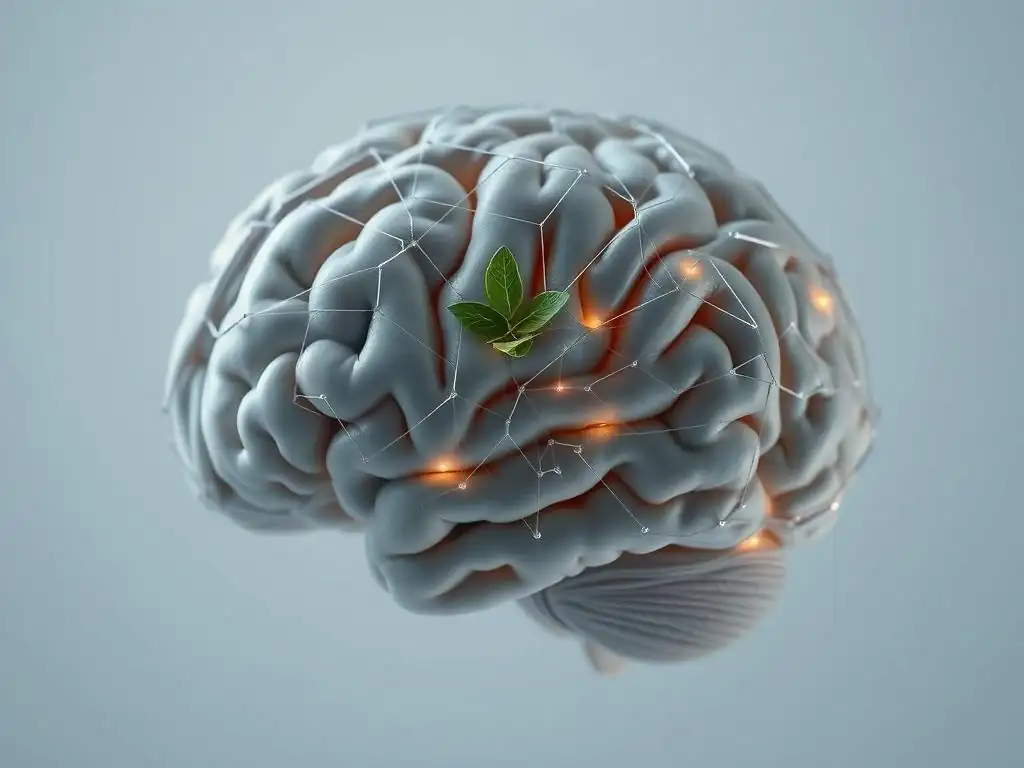
Neuroplasticity refers to the brain's ability to change and adapt in response to experience. While this is often beneficial, chronic hyperarousal can drive maladaptive neuroplasticity, meaning the brain changes in ways that perpetuate the state of vigilance rather than restoring balance. The constant bombardment of stress hormones and altered neural activity patterns physically rewires the brain.
This includes strengthening connections between the amygdala and other areas involved in fear processing, while weakening connections to regulatory regions like the prefrontal cortex. It's like paving a superhighway for fear signals while putting roadblocks on the paths that would normally calm the system down. These structural and functional hyperarousal brain changes symptoms make it harder for the individual to respond appropriately to non-threatening stimuli and contribute to the persistence of hyperarousal symptoms over time.
The Impact on Hippocampal Volume: Memory and Learning Impairments
The hippocampus is a critical brain structure involved in learning and memory, particularly the formation of new declarative memories (facts and events) and spatial navigation. It also plays a role in regulating the HPA axis by signaling the brain to turn off the stress response. Unfortunately, the hippocampus is highly vulnerable to the effects of chronic stress hormones like cortisol.
Numerous studies, including meta-analyses, have reported reduced hippocampal volume in individuals with conditions associated with chronic hyperarousal, such as PTSD and chronic depression. While the exact percentage varies between studies (some reporting reductions ranging from 5-10% or more), the finding is consistent. This decrease in volume is linked to the difficulties with memory and learning often experienced as hyperarousal brain changes symptoms, and it also impairs the hippocampus's ability to dampen the stress response, creating a vicious cycle.
Increased Risk of Mental Health Disorders: PTSD, Anxiety, and Depression
The long-term biological cost of constant vigilance significantly increases an individual's vulnerability to developing or worsening several mental health disorders. Chronic hyperarousal and the associated brain changes symptoms are not just consequences of conditions like PTSD or anxiety; they are also factors that can precipitate or maintain them.
Individuals with persistent hyperarousal are at a higher risk of developing PTSD following trauma, experiencing recurrent panic attacks, or developing generalized anxiety disorder. The constant state of stress and the resulting fatigue and hopelessness can also be significant risk factors for developing major depressive disorder. Research suggests that the neurobiological alterations, particularly in the amygdala, PFC, and hippocampus, create a brain environment that is more susceptible to these conditions, illustrating the profound impact of hyperarousal on long-term mental health.
Hyperarousal and the Brain: Exploring the Connection to Trauma
Trauma-Induced Hyperarousal: A Common Neurological Pathway
Trauma is a powerful trigger for hyperarousal, and it often initiates a specific neurological pathway that can lead to chronic vigilance. When someone experiences a traumatic event, the brain's threat detection system (amygdala) goes into overdrive, and the HPA axis is intensely activated. In healthy recovery, this system eventually returns to baseline. However, in trauma-induced hyperarousal, this system gets stuck in the "on" position.
The intense emotional and physiological response during the trauma, combined with subsequent reminders of the event, can lead to maladaptive learning. The brain becomes conditioned to perceive threat in situations that are now safe, leading to persistent hypervigilance and an exaggerated startle response. This is a central feature of PTSD, where the hyperarousal brain changes symptoms are a direct result of the trauma's impact on brain structures like the amygdala, hippocampus, and prefrontal cortex.
The Role of Early Life Stress in Shaping Hyperarousal Sensitivity
Exposure to stress and trauma, particularly during critical periods of brain development in early childhood, can have profound and lasting effects on the stress response system. Early life stress can "program" the HPA axis to be more reactive and less able to shut down, leading to a lifelong predisposition towards hyperarousal.
Studies involving individuals exposed to childhood adversity have shown altered cortisol profiles and structural differences in the amygdala and hippocampus compared to those without such exposure. For example, research on children who experienced neglect or abuse has revealed changes in brain connectivity and volume that make them more susceptible to developing anxiety disorders and PTSD later in life. This suggests that early experiences can literally shape the brain's sensitivity to stress, influencing the likelihood and severity of future hyperarousal brain changes symptoms.
Hyperarousal in Veterans with PTSD
Veterans who have experienced combat or other forms of trauma during service frequently exhibit significant hyperarousal, which is a core diagnostic criterion for PTSD in this population. The unique stressors of military life and combat exposure can profoundly impact the nervous system, leading to persistent vigilance long after returning to civilian life.
Symptoms among veterans often include being easily startled by loud noises (like car backfires), difficulty relaxing in crowds or unfamiliar places, irritability, and severe sleep disturbances. These hyperarousal brain changes symptoms are directly linked to the neurobiological alterations discussed earlier – an overactive amygdala, HPA axis dysregulation, and changes in the PFC and hippocampus. Understanding these specific manifestations in veterans is crucial for providing effective, trauma-informed care that addresses the biological underpinnings of their symptoms.
Clinical Assessment for Hyperarousal: Assessment Scales and Interviews
Diagnosing hyperarousal and its potential impact involves a thorough clinical assessment. Clinicians use structured interviews to gather detailed information about the individual's experiences, symptom history, and potential exposure to trauma or chronic stress. They specifically inquire about classic hyperarousal brain changes symptoms such as sleep difficulties, irritability, concentration problems, hypervigilance, and exaggerated startle response.
Standardized assessment scales are also frequently employed to quantify the severity of hyperarousal. Examples include specific sections of the Clinician-Administered PTSD Scale (CAPS) or self-report questionnaires like the PTSD Checklist (PCL). These tools help clinicians determine if the reported symptoms meet diagnostic criteria for conditions where hyperarousal is central and provide a baseline for monitoring treatment progress. While these assessments identify the symptoms of hyperarousal, they indirectly point to the likelihood of underlying brain changes.
Neuroimaging Techniques for Evaluating Brain Changes: MRI and fMRI
While clinical diagnosis relies on symptoms, neuroimaging techniques can provide insights into the structural and functional hyperarousal brain changes themselves. Magnetic Resonance Imaging (MRI) can be used to assess brain structure, allowing researchers and clinicians (in specialized settings) to look for differences in volume in areas like the hippocampus or amygdala. As mentioned, studies frequently report reduced hippocampal volume in chronic hyperarousal conditions.
Functional MRI (fMRI) measures brain activity by detecting changes in blood flow. This technique can reveal altered patterns of connectivity and activation in brain networks involved in stress and emotion processing, such as the fear network involving the amygdala and PFC. For example, fMRI can show heightened amygdala reactivity to threat cues or diminished PFC activity during tasks requiring emotional regulation. While not yet routine for typical clinical diagnosis, these neuroimaging techniques are invaluable research tools that confirm the biological reality of hyperarousal brain changes symptoms and inform our understanding of these conditions.
Managing Hyperarousal and Promoting Brain Health: Strategies for Recovery
Therapeutic Interventions for Hyperarousal: Cognitive Behavioral Therapy (CBT) and EMDR
Effective management of hyperarousal often involves targeted therapeutic interventions aimed at regulating the nervous system and processing underlying causes like trauma. Cognitive Behavioral Therapy (CBT) is a widely used approach that helps individuals identify and challenge the negative thought patterns and beliefs that contribute to anxiety and vigilance. Techniques like exposure therapy within a CBT framework can help individuals gradually confront feared situations in a safe environment, reducing the brain's threat response.
Eye Movement Desensitization and Reprocessing (EMDR) is another evidence-based therapy particularly effective for trauma-related hyperarousal. EMDR helps individuals reprocess traumatic memories, reducing their emotional intensity and the associated physiological arousal. Both CBT and EMDR work by promoting adaptive changes in brain function, helping to recalibrate the stress response system and alleviate hyperarousal brain changes symptoms over time.
Mindfulness and Relaxation Techniques for Calming the Nervous System
Mindfulness and relaxation techniques are powerful tools for directly counteracting the physiological state of hyperarousal. Practices such as deep breathing exercises, progressive muscle relaxation, and meditation help activate the parasympathetic nervous system, which is responsible for the "rest and digest" state, counteracting the sympathetic nervous system's "fight or flight" response.
Regular practice of these techniques can help individuals become more aware of their internal state and develop the ability to self-regulate their arousal levels. For instance, practicing mindful breathing for just a few minutes several times a day can help lower heart rate and reduce muscle tension. Over time, consistent use of these strategies can help retrain the brain and body to feel safe and calm, mitigating the impact of hyperarousal brain changes symptoms on daily life.
The Importance of Sleep Hygiene in Regulating Arousal Levels
Given that sleep disturbances are a major hyperarousal brain changes symptom, prioritizing sleep hygiene is crucial for recovery. Chronic sleep deprivation exacerbates hyperarousal and impairs the brain's ability to regulate mood and stress. Establishing a consistent sleep schedule, creating a relaxing bedtime routine, ensuring a dark and quiet sleep environment, and avoiding stimulants like caffeine and alcohol before bed can significantly improve sleep quality.
Improving sleep doesn't just alleviate one symptom; it has a ripple effect on overall brain health. Restorative sleep is essential for memory consolidation, emotional regulation, and allowing the brain to clear metabolic waste products. By supporting healthy sleep patterns, individuals can help their brains recover from the effects of chronic hyperarousal and enhance the effectiveness of other therapeutic interventions.
Lifestyle Modifications to Mitigate Hyperarousal's Impact
Nutrition and Brain Health: Foods to Support Nervous System Regulation
Nutrition plays a significant role in brain health and the regulation of the nervous system. While no single diet is a cure for hyperarousal, focusing on nutrient-dense foods can support brain function and reduce inflammation, which is often elevated in chronic stress states. A diet rich in omega-3 fatty acids (found in fatty fish, flaxseeds), antioxidants (berries, leafy greens), and B vitamins (whole grains, legumes) can help support neurotransmitter balance and protect brain cells.
Limiting processed foods, excessive sugar, and caffeine is also important, as these can contribute to blood sugar instability and increased anxiety, potentially worsening hyperarousal brain changes symptoms. Staying well-hydrated is also essential for optimal brain function. Making conscious dietary choices can provide the building blocks the brain needs to repair and regulate itself.
Exercise and Physical Activity: Reducing Stress and Promoting Neurogenesis
Regular physical activity is a powerful antidote to stress and a promoter of brain health. Exercise helps reduce levels of stress hormones like cortisol and adrenaline while releasing endorphins, which have mood-boosting effects. It also helps regulate the nervous system, providing a healthy outlet for the excess energy associated with hyperarousal.
Furthermore, exercise has been shown to promote neurogenesis, the creation of new neurons, particularly in the hippocampus, which is often negatively impacted by chronic hyperarousal. Aiming for regular aerobic exercise, such as brisk walking, jogging, or swimming, for at least 30 minutes most days of the week can have significant benefits. Even moderate activity can help alleviate physical and emotional hyperarousal brain changes symptoms.
Humans are social creatures, and strong social connections provide a buffer against stress and promote resilience. Feeling connected to others reduces feelings of isolation and can provide a sense of safety and belonging, which is particularly important for individuals struggling with hyperarousal and its associated fear.
Engaging with supportive friends, family, or support groups can help regulate the stress response and provide emotional comfort. Talking about experiences and feelings can also be therapeutic. Research indicates that social interaction can influence brain chemistry, including the release of oxytocin, a hormone associated with bonding and stress reduction. Nurturing these connections is a vital part of managing hyperarousal brain changes symptoms and supporting recovery.
Prevention and Early Intervention
Identifying Risk Factors for Hyperarousal: Genetic Predisposition and Environmental Influences
Understanding the factors that increase susceptibility to hyperarousal is key to prevention and early intervention. Risk factors can include a genetic predisposition, meaning some individuals may inherit a nervous system that is more reactive to stress. However, environmental influences, particularly exposure to adverse experiences early in life, play a significant role in shaping this vulnerability.
Chronic stress, repeated trauma, or living in an unstable or unpredictable environment can all contribute to the development of persistent hyperarousal. Recognizing these risk factors in individuals, especially children and adolescents, allows for targeted support and interventions before chronic hyperarousal brain changes symptoms become deeply entrenched.
Early Intervention Strategies: Promoting Resilience in Children and Adolescents
Intervening early is critical, especially for young people whose brains are still developing. Promoting resilience in children and adolescents exposed to stress or trauma can help buffer the impact and prevent the development of chronic hyperarousal. This involves ensuring access to safe and stable environments, providing consistent and nurturing relationships with caregivers, and teaching coping skills.
School-based programs that teach emotional regulation and stress management can also be beneficial. For children who have experienced trauma, trauma-informed care that addresses their experiences in a supportive way is essential. By building a strong foundation of resilience, early interventions can help shape healthier brain development and reduce the likelihood of persistent hyperarousal and its long-term neurological consequences.
Support Resources for Individuals Experiencing Hyperarousal
For individuals currently experiencing hyperarousal brain changes symptoms, accessing appropriate support is paramount. This includes seeking help from mental health professionals experienced in treating anxiety disorders, PTSD, and stress-related conditions. Therapists can provide tailored interventions like CBT, EMDR, or relaxation training.
Support groups, either in-person or online, can offer a sense of community and shared experience, reducing feelings of isolation. Educational resources, like articles on websites such as Mind Care Guide, can empower individuals with knowledge about their condition and strategies for managing symptoms. Reaching out for help is a sign of strength and a crucial step towards recovery and mitigating the biological cost of constant vigilance.
Conclusion: Understanding and Addressing the Biological Cost of Hyperarousal.
Frequently Asked Questions
What are the primary brain changes associated with chronic hyperarousal?
The brain undergoes significant changes, including increased amygdala activity, responsible for fear responses, and decreased prefrontal cortex function, impacting decision-making and impulse control. These changes contribute to heightened reactivity and difficulty regulating emotions.
How does hyperarousal affect the amygdala?
Hyperarousal often leads to amygdala sensitization, causing it to become overly reactive to perceived threats. This results in an increased feeling of anxiety and fear, even in relatively safe situations.
What role does the prefrontal cortex play in mitigating hyperarousal?
The prefrontal cortex normally helps to regulate emotional responses originating from the amygdala. However, chronic hyperarousal can impair prefrontal cortex function, reducing its ability to control fear and anxiety.
Common symptoms include difficulty concentrating, sleep disturbances, irritability, and a constant feeling of being on edge. These stem from the brain's persistent state of heightened alert.
How can individuals address the brain changes caused by hyperarousal?
Therapies like cognitive behavioral therapy (CBT) and mindfulness-based interventions can help retrain the brain and regulate emotional responses. Medication may also be considered under the guidance of a mental health professional.
Final Reflection: The Enduring Toll of Hyperarousal
The pervasive nature of stress in modern life is inextricably linked to the biological cost of constant vigilance, manifesting in significant and often debilitating hyperarousal brain changes. We've explored the intricate ways in which chronic stress alters brain structure and function, impacting everything from memory and attention to emotional regulation and sleep. This isn't simply a matter of feeling overwhelmed; it's a tangible, measurable impact on our physical well-being, demanding our attention and proactive response.
The ongoing influence of hyperarousal on our society is profound, shaping not only individual experiences but also the collective cultural landscape. We see it reflected in rising rates of anxiety and depression, burnout in the workplace, and the increasing prevalence of sleep disorders. The constant pressure to perform, to achieve, and to stay connected takes a significant toll. As the poet Mary Oliver wisely observed, What is it you plan to do with your one wild and precious life?
This question becomes even more poignant when we consider the detrimental effects of unchecked hyperarousal on our ability to fully engage with and appreciate that life.
You, the reader, now possess a deeper understanding of the biological mechanisms underlying hyperarousal and its far-reaching consequences. Consider your own life: Are you prioritizing self-care and stress management? Are you allowing yourself moments of genuine rest and rejuvenation? Take this knowledge as a call to action.
Prioritize practices that promote calm and resilience – mindfulness, exercise, healthy sleep habits, and strong social connections. Remember, your well-being is not a luxury; it's the foundation upon which a fulfilling and meaningful life is built. Invest in it, protect it, and nurture it. Your brain, and your life, will thank you for it.
Unlock Your Brain's Restorative Power
Thanks for taking the time to explore the impact of constant vigilance on your brain! We hope you gained valuable insights into hyperarousal and its effects. Now, let's shift from understanding to action. Ready to cultivate a calmer, more resilient you?
- Prioritize a daily mindfulness practice: Even 5-10 minutes of focused breathing can significantly reduce stress and promote brain health. Consider trying a guided meditation to deepen your practice.
- Identify and gently challenge your negative thought patterns: Start small – acknowledge those racing thoughts, then consciously redirect your focus to something positive.
- Share this article with someone who might benefit: Helping others is a powerful way to reduce your own stress and build a supportive community.
What small step will you take today to nurture your brain's ability to rest and recover?