
The Power of Practice: Maximizing Anxiety Relief with Consistent Biofeedback Use

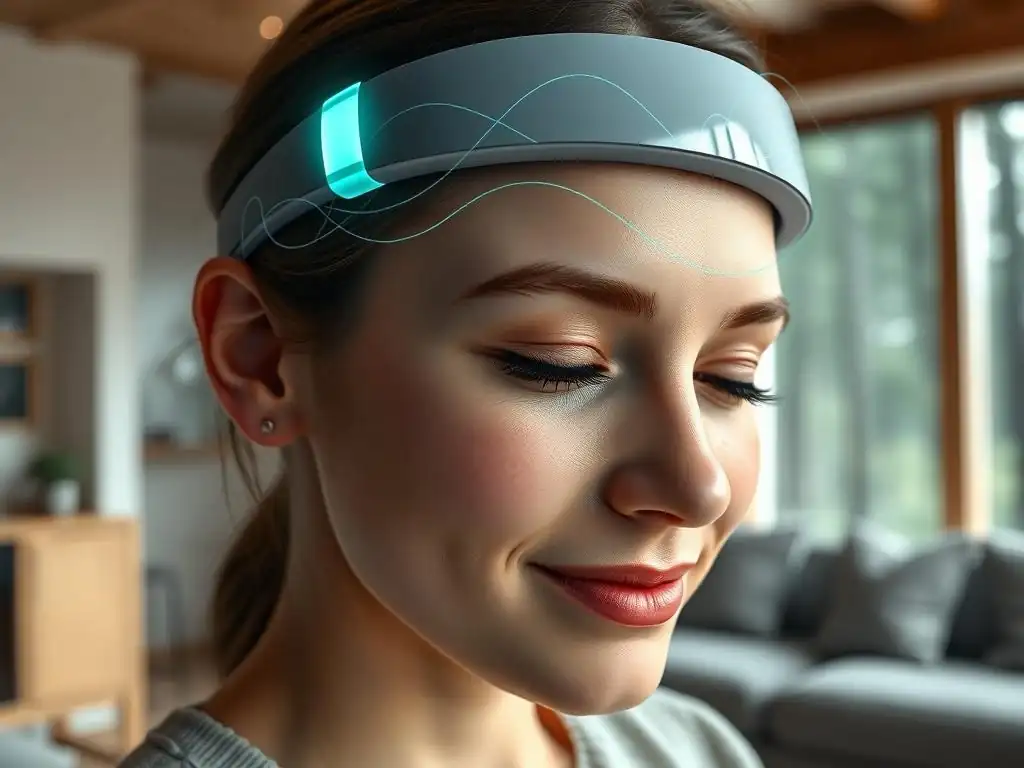
Welcome to Mind Care Guide, your sanctuary for navigating the complexities of mental well-being.
Are you searching for lasting relief from anxiety? In this article, we'll delve into a powerful, often overlooked aspect of biofeedback anxiety relief techniques: consistency. Discover how embracing the power of practice can unlock the full potential of biofeedback and empower you to take control of your mental health. Curious to learn how? Let's explore...
The Power of Practice: Maximizing Anxiety Relief with Consistent Biofeedback Use
- Understanding Biofeedback for Anxiety Management
- Step 1: Choosing the Right Biofeedback Device for Anxiety
- Step 2: Mastering the Fundamentals of Biofeedback Practice
- Step 3: Tracking Progress and Adjusting Your Biofeedback Strategy
- Step 4: Integrating Biofeedback into Your Daily Life for Lasting Anxiety Relief
- Real-Life Success Stories: Biofeedback for Anxiety Relief
- Maintaining and Troubleshooting Your Biofeedback Device
- Conclusion: Embracing Biofeedback for a Calmer, More Balanced Life
-
Frequently Asked Questions
- What is biofeedback and how does it relate to anxiety relief?
- How does biofeedback help to provide anxiety relief?
- How often should I practice biofeedback techniques for optimal anxiety relief?
- What are some common biofeedback techniques used for anxiety relief?
- Where can I find resources or professionals to guide me in using biofeedback for anxiety relief?
- Final Reflection: The Enduring Power of Self-Mastery Through Biofeedback
- Unlock Your Calm: Start Your Biofeedback Journey Today!
Understanding Biofeedback for Anxiety Management
What is Biofeedback and How Does it Work for Anxiety?
Biofeedback is a mind-body technique that involves using electronic sensors to measure and provide feedback on physiological states, such as heart rate, breathing patterns, muscle tension, and skin temperature. This feedback is typically displayed visually or audibly on a monitor or through a device, allowing individuals to become more aware of their body's responses in real-time.
The core principle is that by gaining conscious awareness and control over these involuntary bodily processes, individuals can learn to regulate them, particularly in response to stress and anxiety. For instance, someone experiencing anxiety might notice their heart rate is elevated and their breathing is shallow; biofeedback provides the data to see this, empowering them to practice techniques like deep breathing to actively lower their heart rate.
The effectiveness of biofeedback for anxiety relief stems from its ability to help train the body's relaxation response. When faced with anxiety, the sympathetic nervous system often triggers the "fight or flight" response, leading to physiological changes like increased heart rate, rapid breathing, and tense muscles. Biofeedback acts as a mirror, showing these responses.
By practicing relaxation techniques like diaphragmatic breathing, progressive muscle relaxation, or guided imagery while monitoring their physiological signals via biofeedback, individuals learn to consciously shift their body towards a calmer, parasympathetic state. Over time, this practice helps them develop the skill to evoke this relaxation response more readily, even without the device, effectively reducing the intensity and frequency of anxiety symptoms. Studies have indicated that consistent biofeedback practice can lead to significant reductions in self-reported anxiety levels, sometimes by as much as 40-60% in individuals with generalized anxiety disorder after several weeks of training.
Biofeedback Anxiety Relief Techniques: A Step-by-Step Guide
Implementing biofeedback for anxiety relief involves a structured approach that combines technology with learned skills. The process typically begins with an assessment to identify the specific physiological responses linked to an individual's anxiety, such as heart rate variability (HRV), skin conductance (related to sweating), or muscle tension (EMG). Based on this, a biofeedback protocol is designed.
A common technique involves using a device that measures HRV, guiding the user through paced breathing exercises. As the user inhales and exhales at a specific rhythm (often between 4.5 and 6.5 breaths per minute), the device shows how this affects the variability between heartbeats, aiming to increase coherence, a state associated with calmness and emotional regulation.
Another prevalent biofeedback anxiety relief technique utilizes thermal biofeedback, often targeting individuals who experience cold hands or feet due to anxiety-induced vasoconstriction. A sensor measures skin temperature, usually on a finger. The user then practices relaxation techniques, like guided imagery focusing on warmth spreading through their body, while observing the temperature reading.
The goal is to consciously increase peripheral blood flow, causing skin temperature to rise, indicating a relaxation response. Similarly, EMG biofeedback measures muscle tension, commonly in the forehead or shoulders, providing real-time feedback as the user practices relaxation exercises to release muscle tightness. These techniques, when practiced consistently, help individuals build a stronger mind-body connection and develop self-regulation skills to manage their anxiety responses.
Step 1: Choosing the Right Biofeedback Device for Anxiety
Selecting a Biofeedback Device: Key Features to Consider
When selecting a biofeedback device for anxiety relief, several key features should guide your decision to ensure it meets your specific needs and is conducive to consistent practice. First and foremost, consider the type of physiological signal the device measures. Common options include Heart Rate Variability (HRV), skin conductance (GSR/EDA), skin temperature (Thermal), muscle tension (EMG), or brainwave activity (EEG).
If your anxiety manifests primarily through physical tension, an EMG device might be suitable. If you experience panic attacks or rapid heart rate, an HRV device focused on breathing coherence could be more beneficial. Some devices offer multiple modalities, providing a more comprehensive picture of your physiological state.
Beyond the specific biofeedback modality, consider usability and form factor. For home use and integrating biofeedback into daily life, wearable tech or small, portable devices are often preferred. Look for devices with user-friendly interfaces, clear displays or accompanying mobile apps, and easy setup.
Data tracking and reporting capabilities are also crucial; a good device will allow you to monitor your progress over time, seeing how your physiological metrics change with practice. Features like guided exercises, customizable training programs, and compatibility with your existing devices (smartphone, tablet) can significantly enhance the user experience and support consistent engagement with biofeedback anxiety relief techniques. Finally, consider battery life, durability, and customer support when making your choice.
Setting Up Your Biofeedback Device for First Use
Setting up your biofeedback device correctly for the first use is a critical step in ensuring accurate readings and a positive initial experience with biofeedback anxiety relief techniques. While specific instructions vary by device, the general process involves attaching sensors to the designated body part (e.g., fingers, earlobe, forehead), connecting the device to its display unit or paired smartphone/tablet via Bluetooth or USB, and launching the accompanying software or app.
It's important to follow the manufacturer's instructions meticulously regarding sensor placement, as improper placement can lead to noisy or inaccurate data, hindering effective training. For instance, a thermal sensor needs good skin contact, and an HRV sensor typically requires being placed on a fingertip or earlobe, away from excessive movement.
Once the device is physically set up, the next step involves calibration and understanding the software interface. Most biofeedback apps will guide you through an initial calibration process to establish baseline readings for your physiological metrics in a relaxed state. Take this time to familiarize yourself with how your data is displayed – typically graphs, numbers, or visual cues like changing colors or shapes.
Understand what the numbers mean (e.g., higher HRV coherence scores are generally better for relaxation, lower skin conductance indicates less arousal). Many apps include tutorials or introductory sessions to help you grasp the basics of how the feedback works and how to begin practicing simple biofeedback anxiety relief techniques, such as guided breathing exercises synchronized with your heart rate feedback.
Step 2: Mastering the Fundamentals of Biofeedback Practice
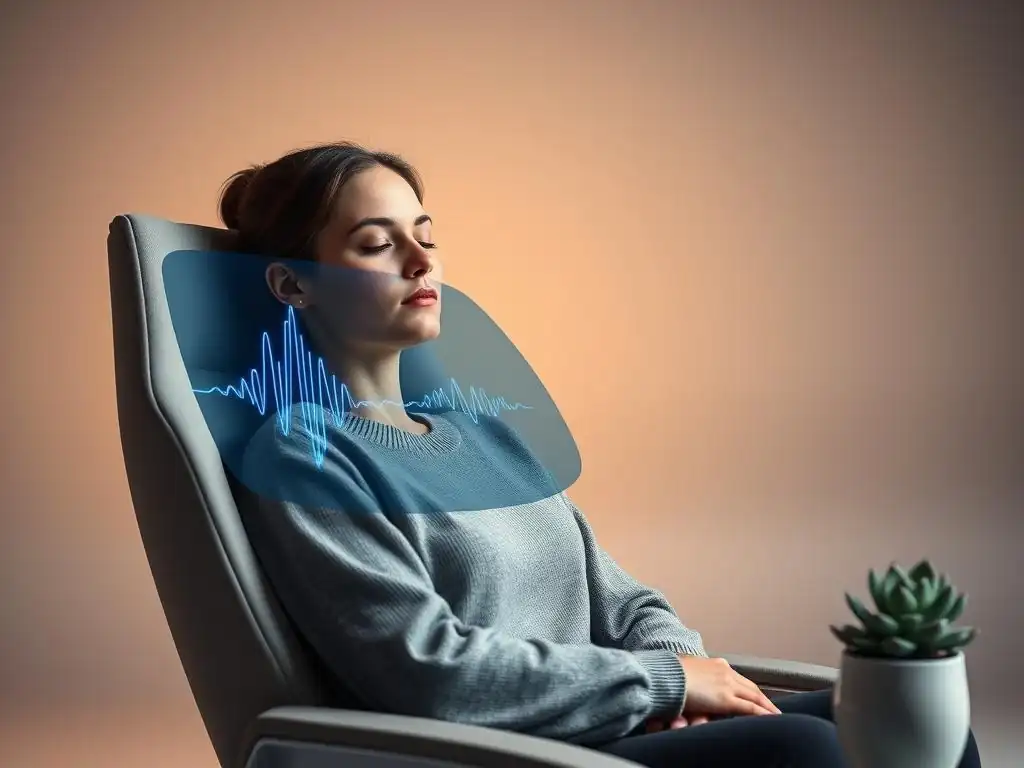
Establishing a Consistent Biofeedback Routine for Anxiety
Consistency is paramount when using biofeedback for anxiety relief. Just like learning any new skill, regular practice is necessary to develop conscious control over physiological responses and integrate these skills into your daily life. Aim to establish a routine that fits realistically into your schedule.
Many find that dedicating 10-20 minutes per day, perhaps in the morning to set a calm tone for the day or in the evening to unwind, is effective. Finding a quiet, comfortable space where you won't be interrupted is also crucial for focused practice sessions. Treat your biofeedback sessions as dedicated self-care time, free from distractions like phones (unless the phone is the display unit) or other tasks.
Varying the timing or duration slightly as needed is acceptable, but the key is regularity. Practicing biofeedback anxiety relief techniques daily, or at least several times a week, helps reinforce the learned responses and makes it easier to access a state of calm when anxiety strikes spontaneously. Think of it as training a muscle; infrequent workouts yield minimal results, but consistent effort builds strength and endurance.
Tracking your practice sessions, either through the device's app or a simple log, can help maintain accountability and visualize your commitment to the process. Building this routine makes biofeedback a supportive tool rather than an occasional experiment.
Techniques for Effective Biofeedback Practice
Effective biofeedback practice involves actively engaging with the feedback provided by the device while employing specific relaxation techniques. The biofeedback itself isn't the treatment; it's the tool that helps you learn to do the treatment (relaxation). For instance, if using an HRV biofeedback device, focus on paced breathing.
Inhale slowly, watching your HRV graph or coherence score change, and exhale slowly, observing the feedback again. The goal is to find a breathing rhythm that maximizes your coherence score, typically around 5-6 breaths per minute. Actively notice the physical sensations associated with the desired physiological change – the feeling of your chest and belly expanding with deep breath, the warmth spreading through your hands, or the release of tension in your shoulders.
Combine the biofeedback with other established relaxation methods. This could include progressive muscle relaxation, where you tense and release different muscle groups while observing EMG feedback, or guided imagery, where you visualize a peaceful scene while monitoring your heart rate or skin temperature. The biofeedback provides immediate validation that your relaxation efforts are having the desired physiological effect.
This positive reinforcement helps strengthen the mind-body connection and makes it easier to replicate the relaxed state. Experiment with different techniques while using the biofeedback device to discover which methods are most effective for you in producing the desired changes in your specific physiological metrics, thereby enhancing your biofeedback anxiety relief techniques.
Step 3: Tracking Progress and Adjusting Your Biofeedback Strategy
Monitoring Your Anxiety Levels and Biofeedback Metrics
Tracking your progress is a vital component of maximizing biofeedback for anxiety relief. Most modern biofeedback devices and their accompanying apps offer robust data logging and reporting features. Pay attention to the trends in your physiological metrics over time. Are your average heart rate or skin conductance levels decreasing during practice sessions?
Is your HRV coherence score improving? Are you able to reach your target physiological state more quickly than when you started? These objective metrics provide concrete evidence of the physiological changes you are achieving through your practice. For example, seeing your average skin temperature during a relaxation session increase from 85°F to 90°F over several weeks indicates improved peripheral blood flow and a deeper relaxation response.
Alongside the physiological data, it's incredibly helpful to subjectively track your anxiety levels. This can be done using a simple journal or an anxiety rating scale (e.g., rating your anxiety from 1 to 10) before and after biofeedback sessions, and also tracking your general anxiety levels throughout the day or week. Note down when and where anxiety occurs and how intense it feels.
Compare your subjective anxiety reports with your physiological data. Are you noticing a correlation between days with lower anxiety and sessions where you achieved better biofeedback metrics? This integrated approach – combining objective physiological data with subjective experience – provides a comprehensive view of your progress and helps you understand the real-world impact of your biofeedback anxiety relief techniques.
Adjusting Your Biofeedback Protocol Based on Results
Based on the data you collect from tracking both your physiological metrics and subjective anxiety levels, you may need to adjust your biofeedback strategy. If you find that a particular technique, like paced breathing, consistently yields better results in improving your HRV coherence compared to, say, guided imagery, focus more on paced breathing during your sessions.
Similarly, if your data shows that your muscle tension (EMG) remains high despite practicing relaxation, you might need to explore different muscle relaxation techniques or adjust the sensor placement to ensure accurate readings. The biofeedback feedback loop is not just within a single session but also across your entire training period.
Furthermore, consider adjusting the duration or frequency of your sessions. If daily 10-minute sessions aren't yielding the desired results after several weeks, try increasing the duration to 15 or 20 minutes, or add a second shorter session during the day. If your anxiety peaks at a specific time of day, try scheduling your biofeedback session just before that time as a preventative measure.
The data you gather provides insights into what is working and what isn't, allowing you to personalize your approach to biofeedback anxiety relief techniques. Don't be afraid to experiment slightly with different settings or techniques, always observing the feedback to see the effect, and consult with a biofeedback therapist if you encounter significant challenges or plateaus in your progress.
Step 4: Integrating Biofeedback into Your Daily Life for Lasting Anxiety Relief
Applying Biofeedback Skills in Real-World Situations
The ultimate goal of practicing biofeedback for anxiety relief is to be able to apply the learned self-regulation skills without the device, in the moments when you need them most. Once you have developed a proficiency in consciously influencing your physiological state during guided sessions, begin practicing short, unassisted exercises in real-world situations that typically trigger your anxiety. For example, if public speaking causes your heart rate to race, practice a few rounds of paced breathing just before stepping up to the podium, focusing on the feeling of calm you learned to generate during biofeedback sessions.
Start with low-stakes situations and gradually work your way up to more challenging ones. If commuting in traffic makes you tense, practice releasing muscle tension in your shoulders and jaw, recalling the feeling of relaxation you achieved during EMG biofeedback practice. The key is to connect the physical sensations of anxiety (e.g., rapid heart, tense muscles) with the learned techniques for inducing calm. By repeatedly activating the relaxation response in these contexts, you build new associations and reduce the automaticity of the anxiety reaction. This proactive application of biofeedback anxiety relief techniques is what translates practice into lasting change.
Maintaining Long-Term Anxiety Relief with Biofeedback
Achieving significant anxiety relief with biofeedback is often a journey that requires ongoing commitment. While you may reach a point where you feel confident in your ability to manage anxiety without daily device use, maintaining your skills is important. Consider incorporating periodic "booster" sessions with your biofeedback device, perhaps once or twice a week, or whenever you feel your anxiety levels starting to creep up. These sessions help reinforce the learned physiological control and serve as a check-in on your ability to reach a calm state.
Furthermore, continue to integrate relaxation practices learned through biofeedback into your daily routine, even without the device. Simple practices like mindful breathing breaks throughout the day, short body scans to check for tension, or moments of focusing on pleasant sensations can keep your self-regulation skills sharp.
Think of biofeedback as a powerful training tool that teaches you how to relax effectively; maintaining that skill involves consistent, even if less frequent, application. By viewing biofeedback as a long-term tool for self-management and incorporating its principles into your lifestyle, you can sustain the benefits of biofeedback anxiety relief techniques and enjoy a calmer life.
Real-Life Success Stories: Biofeedback for Anxiety Relief
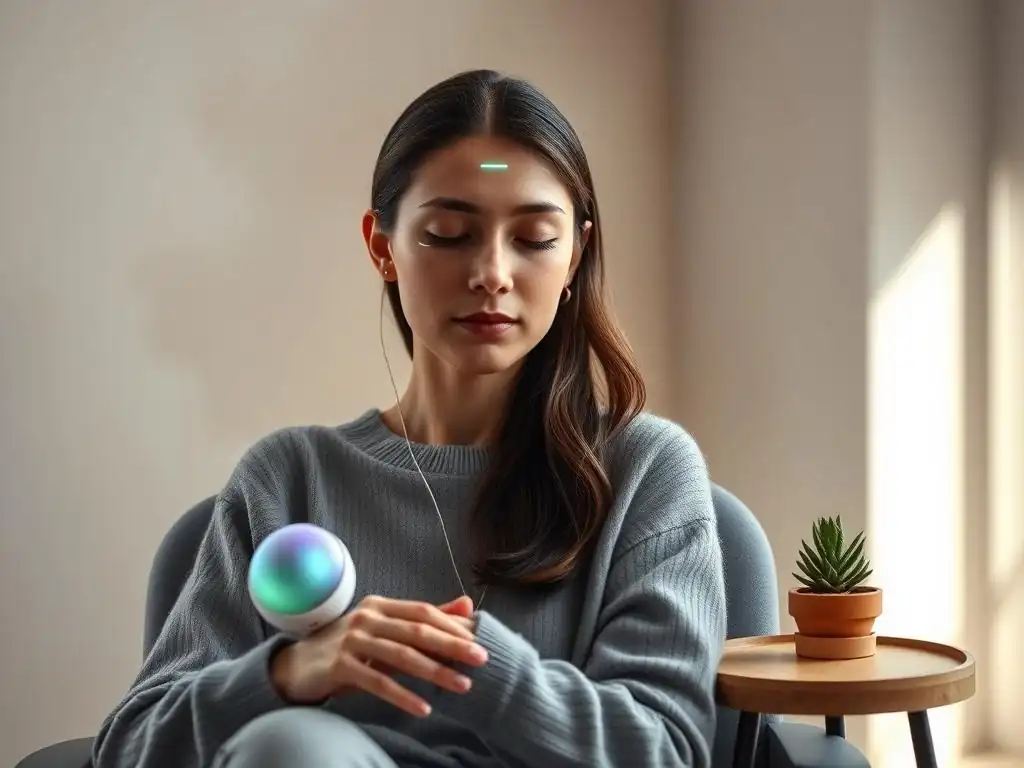
Many individuals struggling with social anxiety find Heart Rate Variability (HRV) biofeedback to be a valuable tool. Socially anxious individuals often experience physiological symptoms like rapid heartbeat, shortness of breath, and excessive sweating in social situations, which can intensify their discomfort and avoidance behaviors. One common scenario involves someone preparing for a social gathering. Using an HRV biofeedback device beforehand, they might see their heart rate elevated and their HRV coherence score low, reflecting their anxious state. By practicing paced breathing exercises guided by the device's feedback, they learn to consciously lower their heart rate and increase coherence.
Through consistent practice over several weeks, perhaps 15 minutes daily, they develop the ability to evoke this calmer state more readily. They start to notice that even thinking about a social event doesn't trigger such an intense physiological response.
When they are actually in a social situation and feel their anxiety rising, they can discreetly employ the paced breathing technique they mastered with the biofeedback device, noticing their heart rate slow down and feeling a sense of calm return. This ability to self-regulate their physiological response reduces the physical discomfort associated with social anxiety, making social interactions less daunting and increasing their confidence in using biofeedback anxiety relief techniques effectively.
Improving Focus and Reducing Test Anxiety with EEG Biofeedback
Test anxiety is another area where biofeedback, particularly EEG (brainwave) biofeedback, has shown promise. Students experiencing test anxiety often report difficulty concentrating, racing thoughts, and feelings of being overwhelmed, which can significantly impair their performance despite adequate preparation. EEG biofeedback measures brainwave activity (such as alpha, beta, theta waves) and provides feedback, often through sounds or visuals, that changes based on the user's brain state. Protocols for test anxiety often focus on increasing alpha waves (associated with a relaxed, focused state) and decreasing high beta waves (associated with stress and racing thoughts).
A student preparing for exams might use an EEG biofeedback device for 20-30 minutes daily. The feedback might be a calm soundscape that only plays clearly when their brain is producing the desired alpha/theta waves, or a visual display that becomes clearer as they achieve a more focused, relaxed state.
Through practice, they learn strategies – like deep breathing, mindfulness, or specific mental exercises – that help them shift their brainwave patterns towards a state conducive to calm focus. When sitting for the actual test, they can recall the feeling of that focused, calm state and use the techniques they practiced with the biofeedback device to manage distracting thoughts and maintain concentration, effectively utilizing biofeedback anxiety relief techniques to improve their performance under pressure.
Maintaining and Troubleshooting Your Biofeedback Device
Ensuring Longevity and Optimal Performance
Proper maintenance of your biofeedback device is essential to ensure accurate readings, optimal performance, and longevity. Always follow the manufacturer's cleaning instructions for sensors and device components. Most sensors, especially those that come into direct contact with skin, require gentle cleaning after each use to remove oils, sweat, or debris that could interfere with conductivity and accuracy. Use only approved cleaning agents, often a mild soap and water or alcohol wipes, depending on the material. Ensure the device and sensors are completely dry before storage.
Store your biofeedback device in a clean, dry place away from extreme temperatures, direct sunlight, and potential physical damage. Handle sensors and cables with care, avoiding sharp bends or excessive pulling that could damage the wiring. Keep the device's software or app updated to benefit from the latest features, bug fixes, and calibration improvements.
Pay attention to battery health; charge the device according to manufacturer recommendations and avoid letting the battery drain completely too often, as this can reduce its overall lifespan. By taking these simple steps, you ensure your tool for biofeedback anxiety relief remains reliable and effective for consistent practice.
Conclusion: Embracing Biofeedback for a Calmer, More Balanced Life
The Power of Consistent Practice and Personalized Strategies
Embracing biofeedback offers a powerful pathway towards gaining greater control over anxiety and fostering a calmer, more balanced life. It shifts the focus from simply managing symptoms to actively learning to regulate the physiological responses that underpin anxiety. The journey involves understanding how your body reacts to stress, choosing the right tools to monitor those reactions, and dedicating time to consistent practice. Through regular engagement with biofeedback anxiety relief techniques, individuals can develop a heightened sense of body awareness and acquire tangible skills to consciously influence their heart rate, breathing, muscle tension, and other stress-related responses.
The key to unlocking the full potential of biofeedback lies in consistent practice and the willingness to personalize your approach. It's not a passive therapy but an active skill-building process. By diligently tracking your progress, observing how different techniques impact your physiological metrics, and adapting your strategy based on what works best for you, you create a highly effective, tailored method for managing your anxiety.
Integrating these learned skills into your daily life, even without the device, reinforces the positive changes and builds resilience. Biofeedback provides the feedback loop needed to train your body and mind, empowering you to navigate stressful situations with greater ease and confidence, ultimately leading to sustainable biofeedback anxiety relief and an improved sense of well-being.
Frequently Asked Questions
What is biofeedback and how does it relate to anxiety relief?
Biofeedback is a technique that teaches you to control bodily functions normally considered involuntary, such as heart rate and muscle tension. It helps with anxiety by giving you real-time information about your body's responses to stress, allowing you to learn techniques to manage them.
How does biofeedback help to provide anxiety relief?
Biofeedback provides anxiety relief by empowering individuals to become aware of and consciously influence their physiological responses to stress. This allows for the development of coping mechanisms and a sense of control.
How often should I practice biofeedback techniques for optimal anxiety relief?
Consistent practice is key. Aim for regular sessions, ideally a few times per week, to build your skills. The more you practice, the more effectively you'll be able to manage anxiety symptoms.
What are some common biofeedback techniques used for anxiety relief?
Common techniques include heart rate variability (HRV) biofeedback, which focuses on regulating heart rhythms, and electromyography (EMG) biofeedback, which measures muscle tension. Diaphragmatic breathing is often incorporated.
Where can I find resources or professionals to guide me in using biofeedback for anxiety relief?
Mind Care Guide offers information and resources. You can also seek out qualified biofeedback therapists or mental health professionals experienced in using biofeedback for anxiety management.
Final Reflection: The Enduring Power of Self-Mastery Through Biofeedback
The consistent application of biofeedback techniques offers a powerful, accessible pathway to managing anxiety, a pervasive challenge in our increasingly demanding world. This isn't just a fleeting trend; it's a testament to the body's inherent capacity for self-regulation, a capacity we can cultivate and strengthen through dedicated practice. The ability to consciously influence physiological responses, to literally calm your racing heart and quiet your anxious mind, is a skill worth mastering.
The impact of biofeedback extends far beyond individual relief; it represents a shift in our understanding of anxiety itself. It moves us away from viewing anxiety as a purely chemical or psychological problem, and towards a more holistic perspective that acknowledges the intricate interplay between mind and body. This empowers individuals to become active participants in their own healing, rather than passive recipients of treatment. The mind is everything. What you think you become.
– Buddha. This ancient wisdom finds a powerful modern expression in the tangible results achievable through consistent biofeedback training.
You now hold the key to unlocking your body's innate ability to manage anxiety. Don't just read about the benefits of biofeedback – experience them. Start small, be patient with yourself, and celebrate every milestone. The journey to mastering your anxiety is a personal one, but the rewards – a life lived with greater calm, clarity, and control – are immeasurable. Embrace the power of practice, and discover the transformative potential within you.
Unlock Your Calm: Start Your Biofeedback Journey Today!
Thanks for taking the time to explore the power of biofeedback for anxiety relief! You've just discovered a valuable tool to manage your stress and well-being. Now it's time to put that knowledge into action.
Here's how to get started:
- Begin your daily biofeedback practice: Even 15 minutes a day can make a significant difference. Start small and build consistency for optimal results.
- Explore different biofeedback techniques: Experiment to find what resonates best with you—whether it's heart rate variability exercises or muscle tension monitoring.
- Share your experience: Tell a friend or family member about your biofeedback journey and encourage them to explore this path to better mental health.
What small step will you take today to cultivate a calmer, more focused you?