
Stress Hormones vs. Neurotransmitters: Understanding Their Interconnectedness

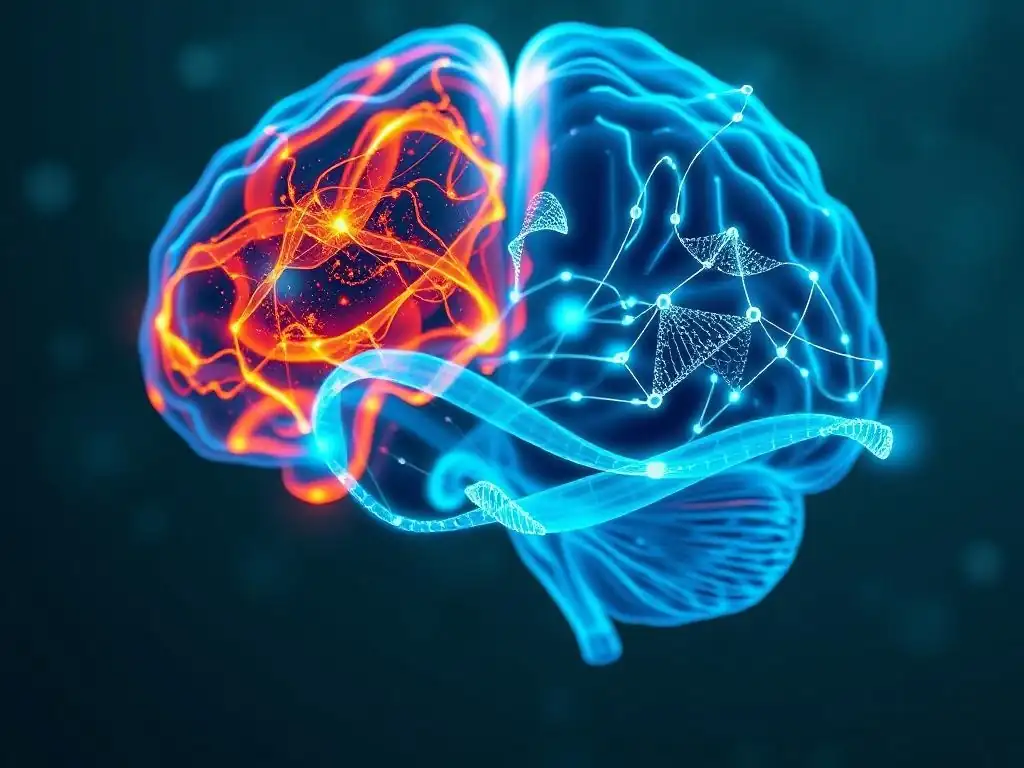
Welcome to Mind Care Guide, a safe space dedicated to nurturing your mental well-being. Are you feeling overwhelmed and wondering how your body is reacting? Dive into our insightful exploration of "Stress Hormones vs. Neurotransmitters: Understanding Their Interconnectedness" and begin to unravel the complex relationship between these crucial players in your mental health. Could achieving neurotransmitter balance be the key to managing stress? Let's find out together...
Stress Hormones vs. Neurotransmitters: Understanding Their Interconnectedness
- Introduction: The Delicate Dance of Stress Hormones and Neurotransmitters in Mental Well-being
- Defining Stress Hormones and Neurotransmitters: Key Differences and Overlaps
- The Interplay Between Stress Hormones and Neurotransmitters: How They Influence Each Other
- Imbalances in Stress Hormones and Neurotransmitters: Contributing to Mental Health Challenges
- Achieving Stress Hormones Neurotransmitter Balance: Strategies for Mental Well-being
- The Future of Research: Exploring the Complex Relationship Between Stress and Neurotransmitters
- Conclusion: Nurturing the Brain's Chemical Harmony for Optimal Mental Health
-
Frequently Asked Questions
- What are stress hormones and how do they relate to mental well-being?
- How do neurotransmitters contribute to mental well-being?
- What is the connection between stress hormones and neurotransmitter imbalance?
- What are some ways to promote a healthy neurotransmitter balance and manage stress hormones?
- Where can I find more information about managing stress hormones and achieving neurotransmitter balance?
- Final Reflection: Finding Balance in the Storm
- Unlock Your Inner Calm: Mastering the Stress-Neurotransmitter Connection
Introduction: The Delicate Dance of Stress Hormones and Neurotransmitters in Mental Well-being
The Crucial Role of Chemical Messengers in Brain Function
The human brain is an incredibly complex organ, orchestrating everything from our thoughts and emotions to our physical movements and responses to the environment. At the heart of this intricate system lies a network of chemical messengers, primarily consisting of neurotransmitters and hormones. These substances act as vital communicators, relaying signals between nerve cells (neurons) and other cells throughout the body.
Neurotransmitters typically operate within the nervous system, facilitating rapid communication across synapses, while hormones, including stress hormones, travel through the bloodstream to exert more widespread and often slower-acting effects on target tissues, including the brain itself. Understanding the distinction and, more importantly, the profound interaction between these two classes of chemical signals is fundamental to grasping the biological underpinnings of mental health.
This intricate chemical communication network is responsible for regulating mood, cognition, behavior, and physiological responses. When this system is in harmony, the brain functions optimally, supporting mental well-being. However, disruptions in the production, release, or reception of these messengers can lead to significant challenges.
The balance between excitatory and inhibitory signals mediated by neurotransmitters, for instance, is critical for processes like learning and memory. Similarly, the appropriate release and clearance of hormones ensure the body responds effectively to internal and external cues without causing undue strain. A healthy stress hormones neurotransmitter balance is therefore paramount for maintaining psychological resilience and preventing the onset of various mental health conditions.
Stress Hormones, Neurotransmitters, and Mental Health
The relationship between stress hormones and neurotransmitters is not one-sided; they constantly influence each other in a dynamic feedback loop. Stress, whether acute or chronic, triggers the release of specific hormones designed to help the body cope with perceived threats. These stress hormones, in turn, can significantly alter the levels and activity of various neurotransmitters in critical brain regions involved in mood, anxiety, and cognitive function.
Prolonged exposure to elevated stress hormones can disrupt the delicate stress hormones neurotransmitter balance, potentially leading to maladaptive changes in neural circuits. This disruption is strongly implicated in the development and exacerbation of several mental health disorders, including depression, anxiety disorders, and post-traumatic stress disorder (PTSD).
Conversely, the state of the neurotransmitter system can also influence how an individual perceives and responds to stress. For example, adequate levels of certain neurotransmitters like serotonin and GABA are associated with greater emotional regulation and reduced susceptibility to stress's negative impacts. Imbalances in these or other neurotransmitters can heighten vulnerability to stress-induced mental health issues. Therefore, exploring the interconnectedness of stress hormones and neurotransmitters provides a crucial perspective on the biological roots of mental health challenges and highlights potential targets for therapeutic interventions aimed at restoring a healthy stress hormones neurotransmitter balance.
Defining Stress Hormones and Neurotransmitters: Key Differences and Overlaps
What are Stress Hormones? Understanding the Body's Response to Stress
Stress hormones are a group of chemical substances produced by the endocrine system that play a central role in the body's "fight or flight" or stress response. When the brain perceives a threat or challenge, it initiates a complex cascade of events that results in the release of these hormones.
Their primary function is to mobilize energy resources, increase alertness, and suppress non-essential functions like digestion and immune responses, preparing the body to either confront or escape the stressor. While essential for survival in acute situations, chronic or excessive release of stress hormones can have detrimental effects on physical and mental health, contributing to issues like cardiovascular problems, metabolic disorders, and significant disruptions to the stress hormones neurotransmitter balance.
These hormones act on various organs and tissues throughout the body, including the brain itself, where they can influence mood, memory, and cognitive function. Unlike neurotransmitters, which act locally across synapses, hormones travel via the bloodstream and can affect distant target cells. The effects of stress hormones are often slower to onset but can be longer-lasting than those of neurotransmitters. Understanding their production pathways and specific roles is key to comprehending how the body reacts to stress and how this reaction can impact brain chemistry and mental well-being.
The Hypothalamic-Pituitary-Adrenal (HPA) Axis and Stress Hormone Production
The primary system responsible for the body's long-term stress response and the production of key stress hormones is the Hypothalamic-Pituitary-Adrenal (HPA) axis. This is a complex neuroendocrine pathway involving three major glands: the hypothalamus in the brain, the pituitary gland (also in the brain), and the adrenal glands located atop the kidneys. When a stressor is detected, the hypothalamus releases corticotropin-releasing hormone (CRH), which signals the pituitary gland to release adrenocorticotropic hormone (ACTH).
ACTH then travels through the bloodstream to the adrenal glands, prompting them to release glucocorticoids, the most prominent of which is cortisol. This axis operates via a negative feedback loop, where high levels of cortisol eventually signal the hypothalamus and pituitary to reduce the release of CRH and ACTH, thereby dampening the stress response.
Disruption of the HPA axis function is a common feature in many stress-related mental health disorders. Chronic stress can lead to persistent overactivation of the HPA axis, resulting in chronically elevated cortisol levels. This sustained elevation can impair the negative feedback loop, making it harder for the body to switch off the stress response.
For instance, studies have shown that individuals with major depressive disorder often exhibit a dysregulated HPA axis, with blunted cortisol responses to stress tests or elevated baseline cortisol levels, sometimes up to 20-30% higher than healthy individuals. This chronic exposure to high cortisol significantly impacts brain structures like the hippocampus and prefrontal cortex, which are crucial for memory, learning, and emotional regulation, further disrupting the stress hormones neurotransmitter balance.
Key Stress Hormones: Cortisol, Adrenaline, and Noradrenaline
While the HPA axis primarily releases cortisol, the initial, rapid stress response involves the sympathetic nervous system and the adrenal medulla, leading to the release of adrenaline (epinephrine) and noradrenaline (norepinephrine). Adrenaline and noradrenaline are often referred to as catecholamines and are responsible for the immediate physiological changes associated with the "fight or flight" response: increased heart rate, elevated blood pressure, dilated pupils, and increased respiration.
Noradrenaline also functions as a neurotransmitter in the brain, particularly in the locus coeruleus, a region involved in alertness and attention. The interplay between these rapid-acting catecholamines and the slower, more sustained effects of cortisol is crucial for a comprehensive stress response.
Cortisol, a glucocorticoid, has more widespread effects, influencing metabolism (increasing blood glucose), suppressing the immune system, and altering brain function. Chronic elevation of cortisol is particularly detrimental to mental health. For example, sustained high levels of cortisol have been linked to reduced brain volume in areas like the hippocampus, which is vital for memory formation and stress regulation.
This structural change can impair cognitive function and increase vulnerability to mood disorders. The continuous presence of these stress hormones, especially cortisol, significantly impacts the synthesis, release, and reuptake of various neurotransmitters, directly affecting the stress hormones neurotransmitter balance and contributing to psychological distress.
What are Neurotransmitters? Chemical Messengers of the Brain
Neurotransmitters are chemical substances that transmit signals across a synapse from one neuron (nerve cell) to another target cell, which can be another neuron, a muscle cell, or a gland cell. They are synthesized within neurons and stored in small sacs called vesicles in the axon terminal. When an electrical signal (action potential) reaches the axon terminal, it triggers the release of neurotransmitters into the synaptic cleft, the tiny gap between neurons.
These molecules then bind to specific receptors on the surface of the receiving neuron, either exciting or inhibiting its activity. This rapid, point-to-point communication is the basis of virtually all brain functions, from processing sensory information to generating thoughts and emotions.
Unlike hormones, which travel systemically, neurotransmitters primarily act locally within the nervous system, although some, like norepinephrine, can also function as hormones. The effects of neurotransmitters are typically rapid and short-lived, as they are quickly removed from the synaptic cleft through processes like reuptake (being transported back into the releasing neuron), enzymatic degradation, or diffusion. A proper stress hormones neurotransmitter balance relies heavily on the efficient and timely action of these chemical messengers. Imbalances in neurotransmitter systems are widely recognized as significant contributors to a range of neurological and psychiatric disorders.
Major Neurotransmitters and Their Functions: Serotonin, Dopamine, GABA, Glutamate, and Norepinephrine
Several dozen substances are known or suspected neurotransmitters, each with specific roles. Some of the most well-known and extensively studied, particularly in relation to mental health and the stress hormones neurotransmitter balance, include:
- Serotonin: Often associated with mood regulation, sleep, appetite, and social behavior. Low levels are frequently linked to depression and anxiety.
- Dopamine: Plays a crucial role in reward, motivation, pleasure, motor control, and executive functions. Dysregulation is implicated in addiction, Parkinson's disease, and schizophrenia.
- GABA (Gamma-aminobutyric acid): The primary inhibitory neurotransmitter in the brain. It reduces neuronal excitability and is important for calming nervous activity. Low GABA activity is linked to anxiety and seizures.
- Glutamate: The primary excitatory neurotransmitter, involved in learning, memory, and synaptic plasticity. Excessive glutamate activity can be toxic to neurons.
- Norepinephrine: Involved in alertness, arousal, attention, and the stress response (as both a neurotransmitter and a hormone). Along with adrenaline, it mediates the immediate "fight or flight" response.
Each of these neurotransmitters operates within complex circuits, and their functions are interconnected. For example, serotonin can influence dopamine release, and GABA can modulate the activity of glutamate neurons. Maintaining optimal levels and activity for each of these messengers is essential for overall brain health and contributes significantly to a stable stress hormones neurotransmitter balance. Disruptions in any of these systems can have cascading effects on others, contributing to the complexity of mental health conditions.
Neurotransmitter Synthesis, Release, and Reuptake: A Simplified Overview
The life cycle of a neurotransmitter involves several key steps: synthesis, storage, release, binding to receptors, and inactivation/removal. Neurotransmitters are synthesized within the neuron, often from precursor molecules obtained from the diet (like amino acids). They are then stored in synaptic vesicles within the axon terminal. When an action potential arrives, it triggers the fusion of these vesicles with the neuron's membrane, releasing the neurotransmitters into the synaptic cleft. These molecules then diffuse across the cleft and bind to specific receptor proteins on the membrane of the post-synaptic neuron, initiating a response (either excitation or inhibition).
To terminate the signal and prepare the synapse for the next transmission, neurotransmitters are rapidly cleared from the synaptic cleft. The primary mechanisms for this are reuptake, where specialized transporter proteins on the pre-synaptic neuron (or sometimes glial cells) pump the neurotransmitter back into the terminal; enzymatic degradation, where enzymes break down the neurotransmitter in the cleft; and diffusion away from the synapse.
Many psychiatric medications target these processes, such as selective serotonin reuptake inhibitors (SSRIs), which block the reuptake of serotonin, increasing its concentration in the synaptic cleft. The efficiency of these processes is critical for proper neural signaling and maintaining the delicate stress hormones neurotransmitter balance.
The Interplay Between Stress Hormones and Neurotransmitters: How They Influence Each Other
How Stress Affects Neurotransmitter Levels and Function
Stress, particularly chronic stress, can profoundly alter the delicate balance of neurotransmitters in the brain. The elevated levels of stress hormones like cortisol and adrenaline can directly influence the synthesis, release, reuptake, and degradation of various neurotransmitters. For instance, cortisol can affect the expression of genes that code for neurotransmitter synthesis enzymes or transporter proteins. This intricate interaction means that prolonged exposure to stressors can lead to persistent changes in neurotransmitter signaling pathways, disrupting normal brain function and contributing to mental health issues.
The impact of stress is not uniform across all neurotransmitter systems; some are more vulnerable or react differently than others. Regions of the brain rich in stress hormone receptors, such as the hippocampus, amygdala, and prefrontal cortex, are particularly susceptible to these changes. These areas are critical for processing emotions, forming memories, and making decisions, explaining why stress so often affects mood, cognition, and emotional regulation. Understanding these specific interactions is key to developing effective strategies for restoring a healthy stress hormones neurotransmitter balance.
Chronic Stress and Serotonin: Implications for Mood Disorders
Chronic stress is well-documented to impact the serotonin system, a key player in mood regulation. Elevated cortisol levels can influence serotonin synthesis and metabolism. Some research suggests that chronic stress can lead to a decrease in serotonin levels or impaired serotonin signaling in certain brain regions. For example, animal studies have shown that prolonged stress can reduce the number of serotonin receptors or alter the function of serotonin transporter proteins in areas like the hippocampus and prefrontal cortex. This disruption in serotonin availability and function is strongly implicated in the pathophysiology of depression and anxiety disorders.
The link between chronic stress, reduced serotonin activity, and mood disorders is a cornerstone of many theories about the biological basis of depression. It's estimated that a significant percentage of individuals who develop depression have a history of chronic stress or trauma. The mechanism is complex, involving not just reduced serotonin but also changes in the sensitivity of serotonin receptors and alterations in downstream signaling pathways. Restoring healthy serotonin function is a primary goal of many antidepressant medications, highlighting the importance of addressing stress-induced disruptions to the stress hormones neurotransmitter balance.
The Impact of Stress on Dopamine: Reward, Motivation, and Addiction
The dopamine system, crucial for reward, motivation, and pleasure, is also highly sensitive to stress. Acute stress can initially increase dopamine release, contributing to heightened alertness and focus. However, chronic stress can lead to complex and often detrimental changes in dopamine signaling.
Some studies suggest that prolonged exposure to stress hormones can impair the function of dopamine pathways, particularly those involved in the brain's reward circuit. This can lead to anhedonia (the inability to experience pleasure), a core symptom of depression, and can also contribute to increased vulnerability to substance abuse as individuals may seek artificial ways to activate the impaired reward system.
Furthermore, stress can alter dopamine's role in executive functions mediated by the prefrontal cortex, potentially impairing decision-making and cognitive flexibility. For instance, chronic stress has been associated with reduced dopamine levels in the prefrontal cortex in some studies, which could contribute to difficulties with attention, planning, and problem-solving. The intricate relationship between stress, dopamine dysregulation, and conditions like addiction and depression underscores the need to consider the stress hormones neurotransmitter balance when addressing these challenges.
Stress and GABA: Anxiety and Inhibitory Control
GABA, the brain's main inhibitory neurotransmitter, plays a critical role in calming neural activity and preventing excessive excitation. The GABAergic system is significantly affected by stress hormones. Cortisol and other stress-related factors can alter GABA synthesis, release, and receptor function. For example, acute stress can initially enhance GABAergic inhibition, which might help to dampen the stress response. However, chronic stress can lead to a decrease in GABAergic tone, meaning the brain's primary inhibitory system becomes less effective.
Reduced GABAergic activity is strongly associated with increased anxiety and panic disorders. If the inhibitory signals from GABA are weakened, excitatory signals from neurotransmitters like glutamate can become dominant, leading to heightened states of arousal, worry, and fear. This disruption in the balance between excitation and inhibition is a key factor in many anxiety-related conditions. Strategies aimed at enhancing GABAergic function, such as certain medications or stress-reduction techniques, can help restore the stress hormones neurotransmitter balance and alleviate anxiety symptoms.
How Neurotransmitters Influence the Stress Response
The relationship between stress hormones and neurotransmitters is bidirectional. Just as stress hormones impact neurotransmitter systems, neurotransmitters also play a crucial role in regulating the stress response, particularly the activity of the HPA axis. Neurotransmitters in brain regions like the hypothalamus, amygdala, and prefrontal cortex can either stimulate or inhibit the release of CRH, the initial trigger for the HPA axis cascade. This means that the overall state of the neurotransmitter system can determine how sensitive an individual is to stressors and how effectively their body can manage the stress response.
A healthy neurotransmitter profile can buffer the negative effects of stress, promoting resilience. Conversely, pre-existing neurotransmitter imbalances can make an individual more vulnerable to developing stress-related disorders. For instance, individuals with lower baseline levels or impaired signaling of certain neurotransmitters might exhibit a more exaggerated or prolonged stress hormone response when faced with a challenge. Understanding how neurotransmitters modulate the HPA axis provides further insight into maintaining a robust stress hormones neurotransmitter balance.
Serotonin's Role in Regulating the HPA Axis
Serotonin plays a complex role in regulating the HPA axis. While some studies suggest serotonin can stimulate CRH release under certain conditions, particularly acute stress, chronic changes in serotonin signaling often have a more inhibitory effect on the HPA axis. Serotonin pathways projecting to the hypothalamus can influence the release of CRH. Moreover, serotonin receptors are present in the pituitary and adrenal glands, suggesting direct modulation of stress hormone production.
Maintaining healthy serotonin levels and function is thought to help regulate the negative feedback loop of the HPA axis, ensuring that cortisol levels return to baseline after a stressor has passed. Dysfunctional serotonin signaling, as seen in depression, may contribute to the HPA axis hyperactivity often observed in these individuals, where the negative feedback is impaired, leading to chronically elevated cortisol. Supporting the serotonin system is therefore a vital aspect of restoring a healthy stress hormones neurotransmitter balance and improving stress resilience.
Dopamine and the Modulation of Stress Hormone Release
The dopamine system also interacts with the HPA axis, although its role is multifaceted and depends on the specific dopamine receptors and brain regions involved. Dopamine neurons project to the hypothalamus and can influence CRH release. Some research indicates that dopamine can inhibit CRH release, thereby dampening the HPA axis response. However, dopamine's involvement in reward and motivation means it can also influence the perception of stressors and coping behaviors, indirectly impacting the stress response.
Dysregulation of dopamine signaling can affect an individual's ability to cope with stress, potentially leading to either an exaggerated or blunted stress hormone response. For example, changes in dopamine function in the prefrontal cortex might impair the executive control needed to manage stress effectively. Restoring appropriate dopamine function could therefore play a role in modulating the HPA axis and contributing to a more adaptive stress hormones neurotransmitter balance.
GABA's Influence on Anxiety and the Stress Response
GABA, as the primary inhibitory neurotransmitter, plays a critical role in modulating the HPA axis and the overall stress response. GABAergic neurons in various brain regions, including the amygdala (a key area for processing fear and anxiety) and the hypothalamus, can inhibit the activity of neurons that trigger the HPA axis. By increasing inhibitory tone, GABA effectively puts the brakes on the stress response cascade.
Adequate GABAergic function helps to reduce anxiety and prevents the HPA axis from becoming overactivated in response to mild or moderate stressors. Conversely, reduced GABA activity can lead to heightened anxiety and an exaggerated stress hormone release. Medications that enhance GABAergic signaling, such as benzodiazepines, are effective in reducing anxiety but can also have side effects and potential for dependence. Supporting the natural GABA system through lifestyle or other therapeutic approaches is crucial for maintaining a calm state and promoting a healthy stress hormones neurotransmitter balance.
Imbalances in Stress Hormones and Neurotransmitters: Contributing to Mental Health Challenges
Stress Hormone Imbalance: The Cascade Effect on Mental Health
When the delicate balance of stress hormones is disrupted, particularly through chronic elevation of cortisol, it can trigger a cascade of negative effects throughout the body and brain, significantly impacting mental health. Prolonged exposure to high levels of cortisol can cause structural and functional changes in brain regions critical for mood, memory, and executive function, such as the hippocampus and prefrontal cortex. These changes can impair cognitive abilities, reduce emotional regulation, and increase vulnerability to psychiatric disorders.
Moreover, chronic stress hormone elevation directly interferes with neurotransmitter systems, further destabilizing the stress hormones neurotransmitter balance. This can lead to a vicious cycle where stress hormone imbalance contributes to neurotransmitter dysfunction, which in turn impairs the brain's ability to regulate the stress response effectively. Addressing stress hormone imbalances is therefore a critical step in treating many mental health conditions and restoring overall brain health.
Elevated Cortisol Levels and Depression
A substantial body of research indicates a strong link between elevated cortisol levels and major depressive disorder. Approximately 50-70% of individuals with severe depression exhibit some form of HPA axis dysfunction, often characterized by hypercortisolism (chronically high cortisol). This can manifest as elevated baseline cortisol levels, a flattened diurnal rhythm (cortisol should be highest in the morning and lowest at night), or a blunted response to tests designed to suppress cortisol release (like the dexamethasone suppression test).
Chronically high cortisol can damage neurons in the hippocampus, a brain area vital for memory and mood regulation. Reduced hippocampal volume, sometimes observed in individuals with chronic stress and depression, is thought to be partly mediated by cortisol toxicity. Furthermore, high cortisol can impair neurogenesis (the birth of new neurons) and reduce the production of brain-derived neurotrophic factor (BDNF), a protein essential for neuronal health and plasticity. These effects contribute to the cognitive deficits and low mood characteristic of depression, highlighting how stress hormone imbalance directly impairs the stress hormones neurotransmitter balance and brain function.
The Link Between Chronic Stress and Anxiety Disorders
Chronic stress and the resulting imbalance in stress hormones are also major risk factors for developing anxiety disorders, including generalized anxiety disorder (GAD), panic disorder, and social anxiety disorder. Prolonged exposure to elevated adrenaline and noradrenaline keeps the body in a state of heightened alert, contributing to symptoms like restlessness, irritability, and difficulty concentrating. Chronic cortisol elevation further exacerbates this by affecting brain regions involved in fear processing, such as the amygdala.
The amygdala becomes more reactive to potential threats under conditions of chronic stress and high cortisol, leading to an exaggerated fear response even to non-threatening stimuli. This heightened amygdala activity, coupled with impaired regulation from the prefrontal cortex (which can also be affected by high cortisol), creates a state of persistent worry and hypervigilance characteristic of anxiety disorders. Restoring a healthy stress hormones neurotransmitter balance is crucial for calming the overactive fear circuitry and reducing anxiety symptoms.
Neurotransmitter Imbalance: The Chemical Foundation of Mental Illness
Imbalances in neurotransmitter systems are widely considered a fundamental aspect of many mental health conditions. While the idea of a simple "chemical imbalance" has been refined over time, it remains true that disruptions in the synthesis, release, receptor binding, or reuptake of neurotransmitters can significantly alter brain circuit function and lead to psychiatric symptoms. These imbalances can be primary (due to genetic predisposition or developmental factors) or secondary (resulting from stress hormone imbalance, inflammation, or other factors).
Understanding specific neurotransmitter dysfunctions associated with different disorders is key to developing targeted treatments. For example, while depression is often linked to serotonin, dopamine, and norepinephrine imbalances, schizophrenia is more strongly associated with dopamine and glutamate dysregulation. Anxiety involves GABA, serotonin, and norepinephrine. Restoring a functional stress hormones neurotransmitter balance is a central goal in treating these conditions, often achieved through medications or therapies that modulate neurotransmitter activity.
Serotonin Deficiency and Depression/Anxiety
Dysfunction in the serotonin system is one of the most well-established neurotransmitter imbalances linked to depression and anxiety. While not simply a "deficiency" in all cases, impaired serotonin signaling, reduced serotonin levels in certain brain areas, or altered receptor sensitivity are commonly observed in individuals with these conditions. Serotonin influences mood, sleep, appetite, and social behavior, all of which are disrupted in depression and anxiety.
Antidepressant medications like SSRIs work by increasing the availability of serotonin in the synaptic cleft, aiming to improve signaling in serotonin-deficient circuits. While effective for many, responses vary, suggesting that other neurotransmitters and the complex interplay with stress hormones are also involved. The bidirectional relationship means that stress can deplete serotonin over time, while low serotonin can make individuals more susceptible to stress's effects, highlighting the importance of the stress hormones neurotransmitter balance.
Dopamine Dysregulation and Schizophrenia/ADHD/Parkinson's Disease
Dopamine system dysregulation is implicated in a range of neurological and psychiatric disorders, demonstrating the diverse roles of this neurotransmitter. In schizophrenia, there is evidence of excessive dopamine activity in certain brain pathways (particularly those involved in processing reality), contributing to positive symptoms like hallucinations and delusions. Conversely, reduced dopamine activity in other pathways (like the prefrontal cortex) may contribute to negative symptoms and cognitive deficits. Antipsychotic medications primarily work by blocking dopamine receptors.
In Attention-Deficit/Hyperactivity Disorder (ADHD), dysfunction in dopamine and norepinephrine pathways in the prefrontal cortex is thought to impair executive functions, attention, and impulse control. Medications for ADHD often target these neurotransmitter systems to improve signaling. Parkinson's disease, a neurological disorder, is characterized by the degeneration of dopamine-producing neurons in the substantia nigra, leading to motor symptoms. These examples underscore how specific patterns of dopamine imbalance contribute to distinct clinical syndromes and emphasize the need for a finely tuned stress hormones neurotransmitter balance.
GABA Imbalance and Anxiety/Seizures
Imbalances in the GABAergic system, particularly reduced inhibitory tone, are strongly associated with anxiety disorders and seizure disorders. GABA's primary function is to inhibit neuronal firing, acting as the brain's main calming signal. If GABAergic activity is insufficient, neurons become overly excitable, leading to states of heightened anxiety, nervousness, and in severe cases, seizures.
Conditions like generalized anxiety disorder (GAD) and panic disorder are often linked to reduced GABA levels or impaired function of GABA receptors. Medications like benzodiazepines enhance the effects of GABA, providing rapid relief from anxiety symptoms. However, addressing the root causes of GABA imbalance, which can include chronic stress and its impact on the stress hormones neurotransmitter balance, is crucial for long-term management. Supporting the GABA system through lifestyle changes or other therapies can help restore inhibitory control and reduce neuronal hyperexcitability.
Achieving Stress Hormones Neurotransmitter Balance: Strategies for Mental Well-being

Restoring and maintaining a healthy stress hormones neurotransmitter balance is a key goal in promoting mental well-being and recovering from stress-related or mood disorders. This involves addressing both the factors that contribute to stress hormone dysregulation and those that impact neurotransmitter function. A holistic approach that combines lifestyle modifications, nutritional support, and potentially therapeutic interventions is often the most effective path towards achieving this delicate chemical harmony in the brain.
Strategies aimed at managing stress directly can reduce the burden on the HPA axis and sympathetic nervous system, preventing the excessive release of cortisol and adrenaline. Simultaneously, approaches that support neurotransmitter synthesis, release, and receptor sensitivity can help correct existing imbalances and improve the brain's resilience to future stressors. Focusing on the interconnectedness of these systems is vital for comprehensive mental health care.
Lifestyle Modifications for Stress Management and Neurotransmitter Support
Lifestyle choices have a profound impact on both stress hormone levels and neurotransmitter activity. Simple, consistent habits can significantly contribute to maintaining a healthy stress hormones neurotransmitter balance. Integrating these practices into daily life can build resilience against stress and support optimal brain function.
These modifications work by directly influencing the physiological stress response and providing the brain with the resources it needs to synthesize and utilize neurotransmitters effectively. They offer accessible and empowering ways for individuals to take an active role in managing their mental health.
The Importance of Exercise, Diet, and Sleep
Regular physical exercise is a powerful tool for managing stress and supporting neurotransmitter function. Exercise can help regulate the HPA axis, reducing overall cortisol levels. It also promotes the release of endorphins, which have mood-boosting effects, and can increase the production of neurotransmitters like dopamine and serotonin. Aiming for at least 150 minutes of moderate-intensity aerobic activity per week, as recommended by many health guidelines, can make a significant difference.
A balanced and nutrient-rich diet is essential for neurotransmitter synthesis. Neurotransmitters are built from precursors, often amino acids, vitamins, and minerals obtained from food. For example, tryptophan, an amino acid found in foods like turkey and nuts, is a precursor for serotonin. B vitamins, magnesium, and omega-3 fatty acids are also crucial for brain health and neurotransmitter function. Limiting processed foods, sugar, and excessive caffeine can help prevent blood sugar swings that can exacerbate stress and mood instability.
Adequate and quality sleep is non-negotiable for maintaining a healthy stress hormones neurotransmitter balance. Sleep deprivation increases cortisol levels and negatively impacts the function of neurotransmitters involved in mood regulation, learning, and memory, such as serotonin and dopamine. Adults typically need 7-9 hours of sleep per night. Establishing a regular sleep schedule, creating a relaxing bedtime routine, and ensuring a dark, quiet sleep environment can significantly improve sleep quality and support brain chemistry.
Stress-Reducing Techniques: Mindfulness, Meditation, and Yoga
Engaging in stress-reducing practices can directly lower stress hormone levels and promote a sense of calm, positively influencing neurotransmitter activity. Techniques like mindfulness, meditation, and yoga activate the body's relaxation response, counteracting the physiological effects of stress.
- Mindfulness and Meditation: Regular practice of mindfulness and meditation has been shown to reduce cortisol levels and alter brain activity in areas associated with stress and anxiety, such as the amygdala. These practices can increase activity in the prefrontal cortex, improving emotional regulation. They may also influence neurotransmitter systems, potentially increasing levels of serotonin and GABA, contributing to a more stable stress hormones neurotransmitter balance. Even short, daily sessions (e.g., 10-20 minutes) can yield benefits.
- Yoga: Yoga combines physical postures, breathing exercises, and meditation, offering multiple avenues for stress reduction. Studies have shown that regular yoga practice can decrease cortisol levels and improve mood. The combination of physical movement and mindful breathing can help regulate the nervous system, shifting it away from the "fight or flight" state and promoting relaxation. Yoga's impact on stress hormones indirectly supports a healthier stress hormones neurotransmitter balance.
These techniques empower individuals to actively manage their stress levels, providing tools to navigate challenges without triggering a chronic stress response that disrupts brain chemistry.
Nutritional Support for Neurotransmitter Production
Beyond a general healthy diet, specific nutrients are particularly important for the synthesis and function of neurotransmitters. Ensuring adequate intake of these building blocks can directly support the brain's ability to maintain a healthy stress hormones neurotransmitter balance. While a balanced diet should be the primary source, identifying potential deficiencies and considering targeted nutritional support can be beneficial.
It's important to note that while nutrition is foundational, it's often one piece of the puzzle in restoring balance, especially in the face of significant stress or clinical conditions. However, optimizing nutritional intake provides the necessary raw materials for the brain's complex chemical processes.
Key Nutrients and Their Role in Brain Health
Several vitamins, minerals, and other compounds are critical cofactors or precursors for neurotransmitter synthesis and function:
- Amino Acids: Tryptophan (serotonin precursor), Tyrosine and Phenylalanine (dopamine and norepinephrine precursors), Glutamine (GABA and glutamate precursor).
- B Vitamins (B6, B9 - Folate, B12): Essential cofactors for the synthesis of many neurotransmitters, including serotonin, dopamine, and GABA. Deficiencies can impair neurotransmitter production.
- Omega-3 Fatty Acids: Crucial components of cell membranes, including neurons. They are important for synaptic function and have anti-inflammatory properties, which can indirectly support brain health and stress resilience. Found in fatty fish, flaxseeds, and walnuts.
- Magnesium: Involved in hundreds of enzymatic reactions in the body, including those related to neurotransmitter function and stress response regulation. Magnesium deficiency has been linked to increased anxiety and stress vulnerability.
- Zinc: Plays a role in neurotransmitter signaling and has antioxidant properties. Zinc deficiency can impact mood and cognitive function.
Ensuring sufficient intake of these nutrients through a diverse diet rich in fruits, vegetables, lean proteins, and healthy fats provides the brain with the resources it needs to function optimally and maintain a healthy stress hormones neurotransmitter balance.
Supplements and Considerations
While a food-first approach is generally recommended, dietary supplements may be considered under the guidance of a healthcare professional, especially if dietary intake is insufficient or specific deficiencies are identified. Supplements that might be relevant for supporting neurotransmitter function and managing stress include:
- Omega-3 fatty acids (EPA and DHA): Can support mood and reduce inflammation.
- B-complex vitamins: To ensure adequate cofactors for synthesis.
- Magnesium: May help reduce anxiety and improve sleep.
- Probiotics: Emerging research suggests a link between gut health and brain chemistry (the gut-brain axis), influencing neurotransmitter production and stress response.
It is crucial to consult with a doctor or registered dietitian before starting any supplement regimen, as supplements can interact with medications and are not appropriate for everyone. High doses of some nutrients can be harmful. Supplements should complement, not replace, a healthy diet and other lifestyle strategies aimed at restoring stress hormones neurotransmitter balance.
Therapeutic Interventions: Restoring Chemical Harmony in the Brain
For individuals experiencing significant mental health challenges related to stress hormone and neurotransmitter imbalances, therapeutic interventions are often necessary. These approaches, guided by qualified mental health professionals, can target the underlying chemical dysregulation and help individuals develop coping strategies.
Therapies can work through various mechanisms, including directly influencing brain chemistry, changing thought patterns and behaviors that perpetuate stress, and helping individuals process traumatic experiences that have disrupted their stress hormones neurotransmitter balance.
Psychotherapy and its Impact on Neurotransmitter Function
Psychotherapy, such as Cognitive Behavioral Therapy (CBT), Dialectical Behavior Therapy (DBT), and mindfulness-based therapies, can have a significant impact on brain function and neurotransmitter systems. While they don't involve taking medications, these therapies help individuals identify and change negative thought patterns and behaviors that contribute to stress and emotional distress.
Through psychotherapy, individuals can learn more effective coping mechanisms, improve emotional regulation, and reduce their subjective experience of stress. These changes in perception and behavior can, in turn, lead to a reduction in stress hormone release and promote healthier activity within neurotransmitter systems. For example, successfully managing anxiety through CBT can reduce the chronic activation of the HPA axis and potentially normalize GABA and serotonin activity. Psychotherapy helps individuals regain control over their responses, contributing to a more stable stress hormones neurotransmitter balance.
Medications That Target Neurotransmitters and Stress Hormones
Pharmacological interventions are a cornerstone of treatment for many mental health disorders linked to neurotransmitter and stress hormone imbalances. These medications are designed to modulate the activity of specific chemical messengers in the brain.
Common examples include:
- Antidepressants (e.g., SSRIs, SNRIs): Primarily target serotonin and/or norepinephrine systems by blocking reuptake, increasing their availability in the synapse.
- Anxiolytics (e.g., Benzodiazepines): Enhance the effects of GABA, increasing inhibitory activity to reduce anxiety.
- Mood Stabilizers: Can influence various neurotransmitter systems and signaling pathways.
- Antipsychotics: Primarily target dopamine receptors, though newer ones also affect serotonin.
In some cases of severe, refractory depression with significant HPA axis dysfunction, medications that modulate cortisol activity might be considered, though these are less common than those targeting neurotransmitters. Medications can be powerful tools for restoring a healthier stress hormones neurotransmitter balance, but they are often most effective when used in conjunction with psychotherapy and lifestyle changes. Treatment plans should always be individualized and managed by a healthcare provider.
The Future of Research: Exploring the Complex Relationship Between Stress and Neurotransmitters
Our understanding of the intricate interplay between stress hormones and neurotransmitters is continuously evolving thanks to ongoing scientific research. Advances in neuroscience are providing unprecedented insights into how these chemical messengers interact at the molecular and circuit levels, and how their balance is disrupted in various mental health conditions. This research is paving the way for more precise diagnostic methods and innovative therapeutic approaches aimed at restoring a healthy stress hormones neurotransmitter balance.
Future research directions include refining our ability to visualize and measure these chemicals in the living brain, developing personalized treatment strategies based on an individual's unique neurochemical profile, and exploring novel interventions that target the points of interaction between the stress and neurotransmitter systems. The complexity of the brain means there is still much to discover, but the progress being made offers hope for more effective treatments and prevention strategies for stress-related mental health challenges.
Advanced Imaging Techniques: Visualizing Brain Activity and Chemical Imbalances
Neuroimaging techniques are revolutionizing our ability to study the brain in action and visualize the distribution and activity of neurotransmitters and the impact of stress hormones. Techniques like Positron Emission Tomography (PET) and Single-Photon Emission Computed Tomography (SPECT) can use radioactive tracers that bind to specific neurotransmitter receptors or transporters, allowing researchers to map their density and activity in different brain regions. Functional Magnetic Resonance Imaging (fMRI) can measure brain activity by detecting changes in blood flow, providing insights into how different brain circuits are engaged during stress or in states of imbalance.
More recently, techniques like Magnetic Resonance Spectroscopy (MRS) are being used to measure the concentration of certain neurotransmitters (like GABA and glutamate) directly in specific brain areas. The combination of these imaging modalities allows researchers to observe how stress affects brain structure and function, how stress hormones influence neurotransmitter systems, and how these changes correlate with mental health symptoms. These tools are crucial for understanding the neurobiological basis of stress hormones neurotransmitter balance and developing treatments that can be monitored objectively.
Personalized Medicine: Tailoring Treatments to Individual Neurotransmitter Profiles
The recognition that mental health conditions are complex and vary significantly from person to person is driving research towards personalized medicine approaches. Instead of a one-size-fits-all treatment, the goal is to tailor interventions based on an individual's specific biological and psychological profile, including their unique stress hormone and neurotransmitter status. Genetic factors, environmental exposures, and individual stress reactivity all contribute to variations in the stress hormones neurotransmitter balance.
Future diagnostics might involve sophisticated tests (though currently limited to research settings) to assess an individual's HPA axis function, baseline neurotransmitter levels, and the sensitivity of their receptors. This information could help clinicians select the most appropriate type of psychotherapy, choose medications that are most likely to be effective for that individual's specific neurochemical imbalance, and recommend targeted lifestyle or nutritional interventions. Personalized approaches hold the promise of improving treatment outcomes and minimizing trial-and-error in finding the right path to restore stress hormones neurotransmitter balance.
The Promise of Novel Therapies: Targeting the Interplay of Stress Hormones and Neurotransmitters
Current treatments often focus on either managing stress (e.g., therapy, lifestyle) or modulating specific neurotransmitter systems (e.g., medications). However, future therapies are likely to target the interplay between stress hormones and neurotransmitters more directly. Research is exploring novel drug targets that influence the interaction points between the HPA axis and neurotransmitter pathways. For instance, compounds that modulate CRH receptors or interfere with the effects of cortisol in the brain are being investigated.
Beyond pharmacology, non-pharmacological interventions are also being developed or refined to capitalize on this understanding. For example, specific forms of neurofeedback or neuromodulation techniques (like transcranial magnetic stimulation - TMS) are being studied for their ability to normalize activity in brain circuits affected by stress hormone and neurotransmitter imbalances. As research continues to unravel the complex dynamics of the stress hormones neurotransmitter balance, the potential for more effective and targeted therapies grows, offering new hope for individuals struggling with stress-related mental health conditions.
Conclusion: Nurturing the Brain's Chemical Harmony for Optimal Mental Health
The Importance of a Holistic Approach to Mental Well-being
The intricate relationship between stress hormones and neurotransmitters highlights the critical importance of adopting a holistic approach to mental well-being. The brain does not operate in isolated compartments; its chemical messengers are constantly interacting and influencing one another. Therefore, strategies that address only one aspect, such as solely focusing on medication to alter neurotransmitter levels without managing chronic stress, may have limited or temporary effects. Achieving and maintaining a healthy stress hormones neurotransmitter balance requires attending to multiple factors that influence brain chemistry and overall physiological function.
Integrating lifestyle modifications like regular exercise, a balanced diet, and sufficient sleep with stress-reduction techniques such as mindfulness or yoga provides a foundation for supporting the brain's natural ability to regulate its chemical environment. When necessary, seeking professional help through psychotherapy or medication can provide targeted support to correct significant imbalances. Recognizing that physical health, emotional states, and cognitive function are deeply interconnected through this complex neurochemical network empowers individuals to pursue well-rounded strategies for improving their mental health.
Empowering Individuals to Take Control of Their Brain Chemistry
Understanding the interconnectedness of stress hormones and neurotransmitters is not just an academic exercise; it's empowering. While we cannot directly control the release of every molecule in our brain, we can significantly influence the systems that regulate them through our daily habits, choices, and responses to challenges. By adopting stress-management techniques, prioritizing sleep, nourishing our bodies, and engaging in activities that promote well-being, individuals can positively impact their stress hormones neurotransmitter balance.
Taking proactive steps to manage stress and support brain health builds resilience, helping the brain cope more effectively with future stressors and reducing vulnerability to mental health issues. This knowledge encourages individuals to be active participants in their own care, working alongside healthcare professionals to develop personalized strategies that foster optimal brain function and nurture lasting mental well-being. The journey towards a healthy stress hormones neurotransmitter balance is an ongoing process of self-awareness, mindful choices, and commitment to a holistic approach to health.
Frequently Asked Questions
What are stress hormones and how do they relate to mental well-being?
Stress hormones, like cortisol and adrenaline, are released in response to stress. Prolonged exposure can disrupt the neurotransmitter balance, negatively impacting mood, anxiety, and overall mental health.
How do neurotransmitters contribute to mental well-being?
Neurotransmitters are chemical messengers in the brain that regulate mood, sleep, and cognition. A healthy neurotransmitter balance is crucial for emotional stability and positive mental health.
What is the connection between stress hormones and neurotransmitter imbalance?
Chronic stress can lead to the overproduction of stress hormones, which can deplete key neurotransmitters like serotonin and dopamine. This depletion disrupts the delicate neurotransmitter balance.
What are some ways to promote a healthy neurotransmitter balance and manage stress hormones?
Lifestyle changes such as regular exercise, mindfulness practices, and a balanced diet can help regulate stress hormone levels and support healthy neurotransmitter function.
Where can I find more information about managing stress hormones and achieving neurotransmitter balance?
Mind Care Guide offers a comprehensive guide to mental well-being, including information, support, and resources for managing stress and achieving a healthy neurotransmitter balance.
Final Reflection: Finding Balance in the Storm
The intricate dance between stress hormones and neurotransmitters is not merely a scientific curiosity; it's the very foundation of our emotional and physical well-being in the face of modern life's relentless demands. Understanding this interconnectedness is crucial, as the constant barrage of stressors in our daily lives throws this delicate balance off kilter, leading to a cascade of negative consequences for our mental and physical health. Ignoring this reality is akin to ignoring the warning signs of a brewing storm.
The pervasive influence of stress on our neurochemical landscape is undeniable. It shapes our moods, our behaviors, and even our physical health, impacting everything from sleep quality to our immune system's resilience. The mind is everything. What you think you become.
– Buddha. This ancient wisdom holds true even in the context of modern neuroscience; our thoughts, heavily influenced by the interplay of stress hormones and neurotransmitters, directly shape our reality. The ongoing research into this complex relationship underscores the importance of finding strategies to cultivate balance and resilience in the face of adversity.
Consider the implications of this knowledge. You now possess a deeper understanding of the internal mechanisms driving your responses to stress. This is not just information; it's empowerment. Take this opportunity to reflect on your own stress levels and how they might be impacting your neurotransmitter balance. Explore techniques like mindfulness, exercise, and healthy dietary choices to nurture a more harmonious relationship between your stress hormones and neurotransmitters. The journey to a healthier, more balanced you begins with understanding, and now, you have the tools to embark on that journey.
Unlock Your Inner Calm: Mastering the Stress-Neurotransmitter Connection
Thanks for taking the time to explore the fascinating world of stress hormones and neurotransmitters! We hope you gained valuable insights into their powerful interplay. Now it's time to put that knowledge into action.
Here's how you can continue your journey towards better well-being:
- Prioritize one simple mindfulness technique: Choose one practice – deep breathing, meditation, or even a short walk in nature – and commit to it daily for a week. Notice how it affects your stress levels and mood.
- Share your experience: Tell a friend, family member, or post on social media about what you've learned and how you're applying it. Sharing your journey helps reinforce your commitment and might inspire others.
- Explore further: Dive deeper into specific neurotransmitters that interest you most. Research their functions and how lifestyle choices can impact their levels.
What small step will you take today to improve your mind-body connection?