
The Brain on Fire: How Inflammation May Drive Depression and Anxiety

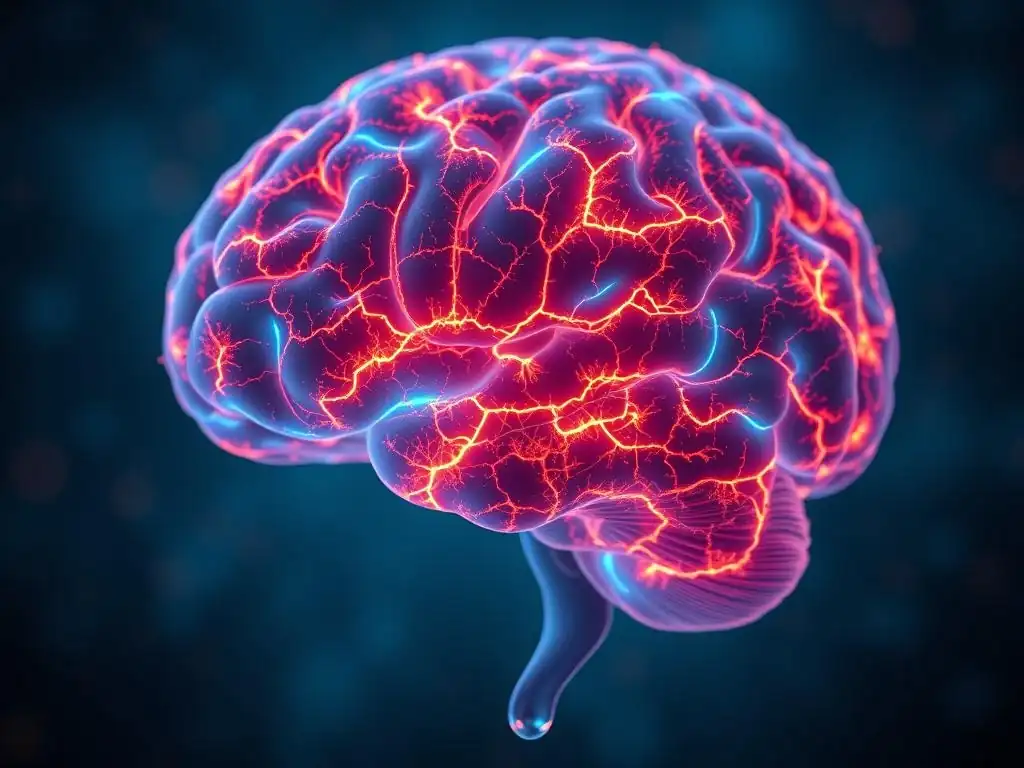
Welcome to Mind Care Guide, a space dedicated to nurturing your mental well-being.
Are you struggling with persistent feelings of sadness or unease and wondering what's really going on? Could there be more to it than just stress? Explore with us the intriguing connection between inflammation and your mental health. Dive into "The Brain on Fire" to uncover how inflammation causes depression anxiety, potentially revolutionizing how we understand and approach these challenges. What if there's a hidden link, a missing piece of the puzzle, impacting your mood and overall well-being? Let's find out.
The Brain on Fire: How Inflammation May Drive Depression and Anxiety
- Understanding the Link Between Inflammation and Mental Health
- Inflammation Causes Depression Anxiety: Unpacking the Connection
- The Gut-Brain Axis: Inflammation's Gateway to Mental Illness
- Identifying Inflammation-Related Depression and Anxiety
- Potential Treatments for Inflammation-Induced Depression and Anxiety
- The Future of Mental Health: Addressing Inflammation as a Key Factor
-
Frequently Asked Questions
- What is the main connection between inflammation and mental health, as described in the article?
- How might inflammation contribute to depression and anxiety symptoms?
- What are some potential sources of inflammation that could impact mental well-being?
- Does the article suggest any specific dietary changes to reduce inflammation and potentially improve mental health?
- Is inflammation the only cause of depression and anxiety, according to the article?
- Final Reflection: Igniting Hope in the Face of Inflammation
- Ignite Your Mental Wellness Journey
Understanding the Link Between Inflammation and Mental Health
Exploring the Neuroscience of Inflammation and Depression
The connection between inflammation and depression is a rapidly evolving area of neuroscience. Research suggests that pro-inflammatory cytokines, signaling molecules typically involved in the immune response, can cross the blood-brain barrier and directly affect brain function. These cytokines, such as Interleukin-1 beta (IL-1β), Tumor Necrosis Factor-alpha (TNF-α), and Interleukin-6 (IL-6), can interfere with neurotransmitter systems critical for mood regulation, including serotonin, dopamine, and norepinephrine. This interference can lead to changes in synaptic plasticity, neurogenesis (the growth of new neurons), and ultimately, depressive symptoms.
Furthermore, chronic inflammation can activate the kynurenine pathway, a metabolic route for tryptophan (an amino acid precursor to serotonin). When inflammation is high, this pathway shifts towards producing neurotoxic metabolites like quinolinic acid, rather than beneficial ones like kynurenic acid. Quinolinic acid can excite neurons to a harmful degree and impair glutamatergic neurotransmission, which is also implicated in mood disorders.
Studies have consistently shown elevated levels of inflammatory markers like C-Reactive Protein (CRP) in individuals with major depressive disorder, often correlating with symptom severity. This growing body of evidence strongly supports the concept that inflammation causes depression anxiety or at least plays a significant causal role.
The Role of Inflammation in Anxiety Disorders: A New Perspective
While the link to depression has been more extensively studied, emerging research is also highlighting how inflammation causes depression anxiety symptoms, particularly anxiety. Inflammatory signals can impact brain regions associated with fear and anxiety processing, such as the amygdala and prefrontal cortex. Elevated levels of inflammatory cytokines can increase neural activity in the amygdala, leading to heightened fear responses and increased vigilance.
The impact of inflammation on the hypothalamic-pituitary-adrenal (HPA) axis, the body's primary stress response system, is also crucial. Chronic inflammation can disrupt the delicate balance of the HPA axis, leading to dysregulation and increased cortisol levels. This prolonged exposure to stress hormones can contribute to anxiety symptoms, panic attacks, and even post-traumatic stress disorder (PTSD). For instance, individuals with chronic inflammatory conditions like rheumatoid arthritis or inflammatory bowel disease often experience higher rates of both depression and anxiety compared to the general population, underscoring the systemic impact of inflammation on mental health.
Inflammation Causes Depression Anxiety: Unpacking the Connection
The Inflammatory Response: A Primer
Inflammation is the body's natural defense mechanism, a complex biological response to injury, infection, or irritation. It involves immune cells, blood vessels, and molecular mediators working together to eliminate the initial cause of cell injury, clear out damaged cells and tissues, and initiate tissue repair. Acute inflammation is typically short-lived and localized – think of the redness and swelling around a cut.
However, chronic inflammation is a prolonged, low-grade inflammatory state that can persist for months or years. It often occurs without obvious symptoms and can be triggered by various factors, including persistent infections, exposure to toxins, poor diet, lack of exercise, and chronic stress. Unlike acute inflammation, which is protective, chronic inflammation can damage healthy tissues and organs, contributing to numerous chronic diseases, including cardiovascular disease, diabetes, autoimmune disorders, and as research increasingly shows, neurological and psychiatric conditions. Understanding this distinction is key to grasping how chronic inflammation causes depression anxiety.
How Systemic Inflammation Impacts the Brain
Systemic inflammation, meaning inflammation occurring throughout the body, doesn't just stay in the periphery; it significantly impacts the brain. The blood-brain barrier, while protective, is not impermeable to inflammatory signals. Pro-inflammatory cytokines produced in the body can cross this barrier, or they can signal the brain indirectly through pathways like the vagus nerve (more on that later).
Once in the brain, these systemic inflammatory mediators activate resident immune cells called microglia. Normally, microglia act as the brain's cleanup crew, removing debris and supporting neurons. However, chronic exposure to systemic inflammation can cause microglia to become chronically activated, entering a pro-inflammatory state themselves. This sustained microglial activation releases more inflammatory cytokines within the brain, creating a vicious cycle of neuroinflammation that disrupts brain function and contributes to mood and anxiety disorders. This systemic-to-brain pathway is a significant mechanism by which inflammation causes depression anxiety.
Neuroinflammation: Inflammation Within the Brain
Neuroinflammation refers specifically to the inflammatory response occurring within the central nervous system (brain and spinal cord). It is a complex process involving activated glial cells (like microglia and astrocytes) and the release of inflammatory molecules. While acute neuroinflammation can be beneficial, helping to clear pathogens or damaged tissue after an injury, chronic neuroinflammation is detrimental.
Sustained neuroinflammation can impair neuronal communication, damage synapses, and even lead to neuronal cell death. It disrupts the delicate balance of neurotransmitter systems and can alter the structure and function of key brain circuits involved in mood, motivation, and stress response. For example, chronic microglial activation in areas like the hippocampus (involved in memory and mood) or the prefrontal cortex (involved in executive function and emotional regulation) is consistently observed in post-mortem brain studies of individuals with severe depression. This localized brain inflammation is a direct pathway through which inflammation causes depression anxiety symptoms.
The Gut-Brain Axis: Inflammation's Gateway to Mental Illness
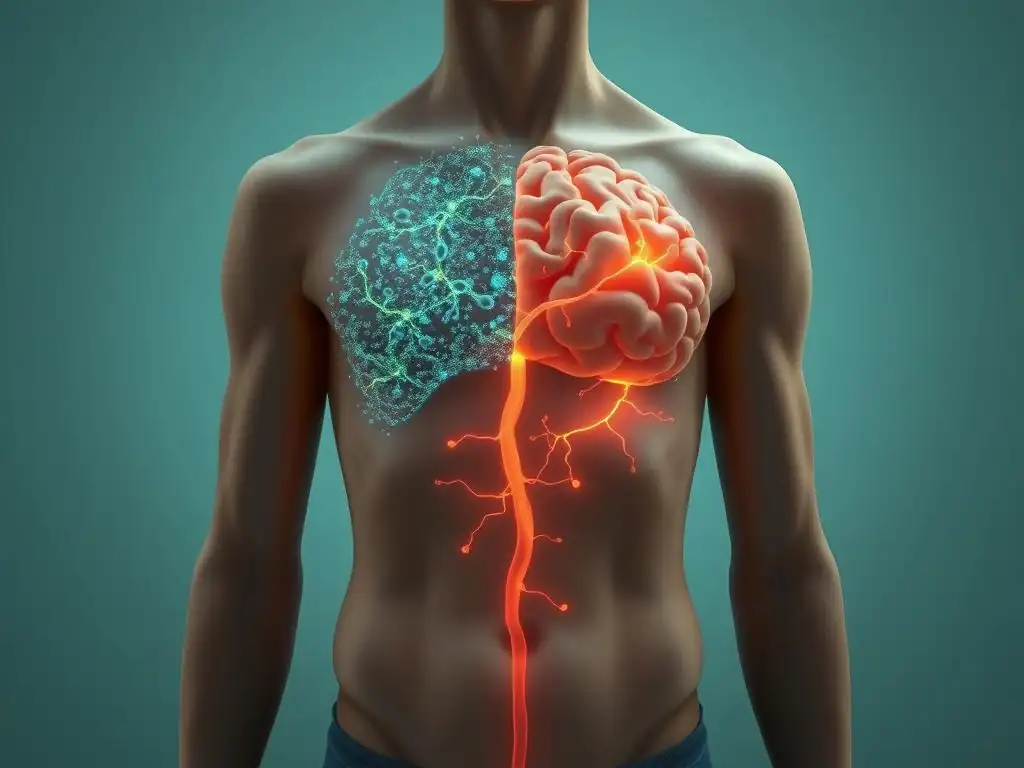
Gut Microbiome and Inflammation: A Complex Relationship
The gut microbiome, the vast community of bacteria and other microorganisms living in our digestive tract, plays a profound role in both physical and mental health. A diverse and balanced microbiome is crucial for digestion, nutrient absorption, and immune system development. However, imbalances in the gut microbiome, often referred to as dysbiosis, can trigger inflammation.
Certain bacteria produce inflammatory molecules, while others produce beneficial compounds like short-chain fatty acids (SCFAs) such as butyrate, which have anti-inflammatory properties. A diet high in processed foods, sugar, and unhealthy fats, or the use of certain medications (like antibiotics), can disrupt this balance, leading to an overgrowth of pro-inflammatory bacteria and a reduction in beneficial ones. This gut-derived inflammation can contribute significantly to systemic inflammation, creating a pathway where gut health indirectly influences how inflammation causes depression anxiety.
Intestinal Permeability (Leaky Gut): A Potential Source of Systemic Inflammation
Intestinal permeability, often colloquially called "leaky gut," refers to a condition where the barrier function of the intestinal lining is compromised. Normally, this lining is tightly sealed, allowing only digested nutrients to pass into the bloodstream while blocking harmful substances like toxins, undigested food particles, and bacteria.
Dysbiosis and inflammation in the gut can weaken these tight junctions, increasing permeability. When the gut becomes "leaky," these potentially harmful substances can enter the bloodstream, triggering a systemic immune response and widespread inflammation throughout the body. This systemic inflammation then has the potential to impact the brain via the mechanisms discussed earlier, further reinforcing the link between gut health, inflammation, and mental health conditions like depression and anxiety.
Vagus Nerve: The Communication Highway Between Gut and Brain
The vagus nerve is the longest cranial nerve and serves as a primary communication pathway between the brain and the gut. It transmits signals in both directions, allowing the brain to influence gut function (like digestion and motility) and, importantly, allowing the gut to send signals to the brain.
Inflammatory signals from the gut, whether from the microbiome or increased intestinal permeability, can be transmitted to the brain via the vagus nerve. This nerve pathway provides a rapid and direct route for gut-derived inflammation to influence brain function, neurochemistry, and ultimately, mood and behavior. Stimulating the vagus nerve has shown promise in some studies for treating depression, which may be partly due to its role in modulating inflammation and the gut-brain axis, highlighting another facet of how inflammation causes depression anxiety.
Symptoms of Inflammation-Driven Mental Illness
Identifying whether inflammation is a significant driver of depression and anxiety can be challenging, as symptoms often overlap with other causes. However, certain patterns may suggest an inflammatory component. These can include:
- Atypical depressive symptoms: Increased appetite and weight gain, excessive sleep (hypersomnia), leaden paralysis (a feeling of heaviness in limbs), and sensitivity to rejection.
- Physical symptoms: Alongside mental distress, individuals may experience unexplained fatigue, body aches, digestive issues (like bloating or irregular bowel movements), or heightened sensitivity to pain.
- Lack of response to traditional treatments: Depression or anxiety that is resistant to standard antidepressant or anti-anxiety medications may sometimes have an underlying inflammatory cause that isn't being addressed.
- Co-occurring inflammatory conditions: Individuals with diagnosed inflammatory diseases (e.g., inflammatory bowel disease, psoriasis, rheumatoid arthritis) are at a significantly higher risk of experiencing inflammation-related depression and anxiety.
While these symptoms can point towards inflammation playing a role, a proper medical assessment is necessary to determine the underlying causes. It's not simply that inflammation causes depression anxiety in a vacuum; it interacts with genetics, environment, and other factors.
C-Reactive Protein (CRP) and Interleukin-6 (IL-6) as Biomarkers
Measuring specific inflammatory markers in the blood can provide objective evidence of systemic inflammation. Two of the most commonly studied biomarkers in the context of mental health are C-Reactive Protein (CRP) and Interleukin-6 (IL-6).
CRP is an acute-phase protein produced by the liver in response to inflammation. High-sensitivity CRP (hs-CRP) tests can detect even low levels of chronic inflammation. Numerous studies have found elevated hs-CRP levels in individuals with depression and anxiety compared to healthy controls.
For example, some research indicates that individuals with hs-CRP levels above 3 mg/L have a significantly increased risk of developing depression. Similarly, IL-6 is a pro-inflammatory cytokine that is often elevated in individuals experiencing depressive episodes. While these markers don't definitively prove that inflammation causes depression anxiety in every case, their presence provides strong correlational evidence and can help guide treatment strategies.
Differentiating inflammation-related depression and anxiety from other forms requires a comprehensive approach, considering a person's medical history, symptom presentation, and potentially, laboratory tests. Traditional depression might be primarily linked to neurotransmitter imbalances, genetic predisposition, or life stressors without significant systemic inflammation.
In contrast, inflammation-driven cases are often characterized by the presence of physical inflammatory symptoms, elevated inflammatory biomarkers, and sometimes, a history of chronic inflammatory conditions or exposures (like significant stress or poor diet) known to induce inflammation. A clinician might look for patterns like the atypical symptoms mentioned earlier or a poor response to selective serotonin reuptake inhibitors (SSRIs), as inflammation can interfere with their effectiveness. Recognizing that inflammation causes depression anxiety in some individuals allows for a more targeted diagnostic and therapeutic approach.
Potential Treatments for Inflammation-Induced Depression and Anxiety
Anti-Inflammatory Diet: Fueling Mental Wellness
Diet plays a critical role in regulating inflammation throughout the body, including the brain. Adopting an anti-inflammatory diet can be a powerful strategy for managing inflammation-driven mental health symptoms. This type of diet emphasizes whole, unprocessed foods rich in antioxidants, fiber, and healthy fats.
Key components include:
- Fruits and vegetables: Especially colorful varieties like berries, leafy greens, and cruciferous vegetables, packed with vitamins and antioxidants.
- Omega-3 fatty acids: Found in fatty fish (salmon, mackerel), flaxseeds, chia seeds, and walnuts, known for their potent anti-inflammatory effects.
- Whole grains: Oats, brown rice, quinoa, providing fiber that supports a healthy gut microbiome.
- Lean protein: Poultry, fish, legumes.
- Healthy fats: Olive oil, avocados, nuts, and seeds.
Conversely, an anti-inflammatory diet minimizes foods that promote inflammation, such as refined sugars, processed foods, red and processed meats, and excessive saturated and trans fats. Shifting dietary patterns can directly impact gut health and systemic inflammation, thus influencing how inflammation causes depression anxiety symptoms to persist.
Lifestyle Modifications to Reduce Inflammation
Beyond diet, several lifestyle factors significantly influence inflammation levels. Incorporating anti-inflammatory lifestyle changes can be a crucial part of a comprehensive treatment plan.
Consider the following:
- Regular Exercise: Physical activity has potent anti-inflammatory effects. Aim for at least 150 minutes of moderate-intensity aerobic exercise per week, plus muscle-strengthening activities. Exercise helps reduce inflammatory markers like CRP and TNF-α.
- Stress Management: Chronic stress is a major driver of inflammation. Practices like mindfulness meditation, yoga, deep breathing exercises, or spending time in nature can help lower stress hormones and reduce inflammatory responses.
- Sufficient Sleep: Poor sleep quality or duration increases inflammation. Prioritize 7-9 hours of quality sleep per night. Establishing a regular sleep schedule and creating a relaxing bedtime routine can help.
- Avoiding Smoking and Limiting Alcohol: Both smoking and excessive alcohol consumption are significant contributors to systemic inflammation. Quitting smoking and moderating alcohol intake can significantly reduce inflammatory burden.
Implementing these changes provides non-pharmacological ways to counteract the inflammatory processes that contribute to mental health issues.
Omega-3 Fatty Acids and Curcumin as Potential Supplements
Certain natural compounds have demonstrated significant anti-inflammatory properties and are being explored as potential adjunct treatments for inflammation-related depression and anxiety. Omega-3 fatty acids, particularly EPA (eicosapentaenoic acid) and DHA (docosahexaenoic acid), are well-known for their ability to reduce the production of inflammatory molecules.
Studies using high doses of EPA, often above 1-2 grams per day, have shown antidepressant effects, particularly in individuals with elevated inflammatory markers. Curcumin, the active compound in turmeric, is another promising agent. It has potent antioxidant and anti-inflammatory effects, inhibiting various inflammatory pathways. While research is ongoing, some studies suggest that curcumin supplementation may help reduce depressive symptoms, potentially by lowering inflammatory markers like IL-6 and CRP. However, it is essential to consult a healthcare provider before starting any new supplements, especially if taking other medications.
Targeting Neuroinflammation Directly: Emerging Therapies
While lifestyle and dietary changes address systemic inflammation, research is also exploring ways to directly target neuroinflammation within the brain. This is a complex area, but potential future therapies include:
- Microglial Modulators: Developing drugs that can selectively dampen the pro-inflammatory activation of microglia without impairing their essential functions.
- Cytokine Blockers: Medications that block the action of specific pro-inflammatory cytokines like TNF-α or IL-6, although these carry risks of suppressing the overall immune system.
- Targeting the Kynurenine Pathway: Interventions aimed at shifting the balance of tryptophan metabolism away from producing neurotoxic quinolinic acid towards beneficial kynurenic acid.
These approaches are largely still in the research phase, but they represent exciting possibilities for developing more targeted treatments for mental health conditions where neuroinflammation is a key driver. As we better understand how inflammation causes depression anxiety at a molecular level, more precise therapies may emerge.
The Future of Mental Health: Addressing Inflammation as a Key Factor
Research Advancements in Inflammation and Mental Illness
The field investigating the link between inflammation and mental illness is rapidly advancing. Researchers are using sophisticated techniques, including neuroimaging (like PET scans to visualize microglial activation), genetic studies, and detailed analyses of blood and cerebrospinal fluid biomarkers, to unravel the complex interplay between the immune system and the brain.
Large-scale studies are identifying specific genetic variations related to inflammatory pathways that increase susceptibility to depression and anxiety. Furthermore, research is exploring the timing of inflammatory exposure, looking at how early-life inflammation (e.g., from infections or stress) might prime the brain for later mental health issues. These advancements are solidifying the understanding that inflammation causes depression anxiety in a substantial subset of individuals, moving the concept from theory to a clinically relevant factor.
Personalized Medicine: Tailoring Treatments to Individual Inflammatory Profiles
Recognizing that inflammation plays a significant role in some, but not all, cases of depression and anxiety opens the door for personalized medicine. Instead of a one-size-fits-all approach, treatment decisions could be guided by an individual's inflammatory profile.
For example, someone with high levels of inflammatory markers and atypical depressive symptoms might benefit more from anti-inflammatory interventions (diet, lifestyle, targeted therapies) alongside or instead of traditional antidepressants. Conversely, someone with low inflammation markers might respond better to therapies focused on neurotransmitter modulation or psychological interventions. Assessing an individual's inflammatory status could lead to more effective and efficient treatment strategies, minimizing trial and error and improving outcomes for those whose inflammation causes depression anxiety.
Preventative Strategies: Proactive Steps for Mental Well-being
Given the growing evidence that inflammation contributes to mental health issues, adopting preventative strategies to manage inflammation throughout life becomes crucial for promoting long-term mental well-being.
This includes:
- Maintaining a healthy diet rich in anti-inflammatory foods.
- Engaging in regular physical activity.
- Prioritizing adequate sleep.
- Developing effective stress management techniques.
- Avoiding smoking and limiting alcohol.
- Addressing chronic infections or underlying inflammatory conditions promptly.
- Nurturing a healthy gut microbiome.
By proactively managing inflammation, individuals may be able to reduce their risk of developing inflammation-driven depression and anxiety, highlighting the power of lifestyle choices in protecting both physical and mental health. Focusing on these foundational elements offers a path towards resilience against the factors by which inflammation causes depression anxiety.
Frequently Asked Questions
What is the main connection between inflammation and mental health, as described in the article?
The article explores the potential link between inflammation in the body and the development or exacerbation of depression and anxiety. It suggests that chronic inflammation can impact the brain.
How might inflammation contribute to depression and anxiety symptoms?
Inflammation can affect neurotransmitter function and brain activity, potentially leading to symptoms such as low mood, fatigue, and increased anxiety levels. These changes are linked to the inflammatory response.
What are some potential sources of inflammation that could impact mental well-being?
Possible sources include chronic infections, poor diet, lack of exercise, and chronic stress. These factors can trigger an inflammatory response in the body.
Does the article suggest any specific dietary changes to reduce inflammation and potentially improve mental health?
While the article might not detail specific diets, it likely emphasizes the importance of an anti-inflammatory diet rich in fruits, vegetables, and omega-3 fatty acids. Reducing processed foods is also key.
Is inflammation the only cause of depression and anxiety, according to the article?
No, the article likely emphasizes that inflammation is one potential factor among many. Genetics, environment, and lifestyle all play significant roles in mental health conditions.
Final Reflection: Igniting Hope in the Face of Inflammation
The link between inflammation and mental health is no longer a fringe theory; it's a rapidly expanding field of research with profound implications for how we understand and treat depression and anxiety. This understanding offers a crucial shift away from solely focusing on neurotransmitter imbalances, opening doors to innovative therapeutic approaches that target the root causes of these debilitating conditions. The implications are vast, promising a future where treatment is more holistic and effective.
The more I researched the intricate interplay between inflammation, the immune system, and mental well-being, the more I realized the profound impact this knowledge has on our understanding of suffering. It's not just about the chemical imbalances; it's about the body's overall state of health, its ability to heal and repair itself. This holistic perspective resonates deeply with me, reminding me of the interconnectedness of our physical and mental states. The body keeps the score,
as Bessel van der Kolk so eloquently puts it, highlighting the lasting impact of trauma and stress on our physical health, and vice versa. This connection underscores the importance of addressing inflammation as a potential key to unlocking better mental health outcomes.
Consider your own lifestyle. What steps can you take today to reduce inflammation in your body? Are you prioritizing sleep, nourishing your body with whole foods, managing stress effectively, and engaging in regular physical activity? This isn't about quick fixes; it's about cultivating a long-term relationship with your well-being, recognizing the intricate dance between your mind and body. By embracing a holistic approach to health, you empower yourself to navigate the complexities of mental health with greater resilience and hope. Take charge of your health; your mind and body will thank you for it.
Ignite Your Mental Wellness Journey
Thanks for taking the time to explore the connection between inflammation and mental health! We hope you gained valuable insights into how you can support your well-being. Now it's time to take action.
- Prioritize anti-inflammatory foods: Start incorporating more fruits, vegetables, and omega-3 rich foods into your diet this week. Even small changes can make a big difference.
- Share this article: Let's spread awareness about the mind-body connection! Share this article with someone who might benefit from this information.
- Explore mindful movement: Try a short yoga or meditation session today – even 10 minutes can help reduce stress and inflammation.
Ready to feel your best? What's one anti-inflammatory step you can take today?