
Bipolar Disorder and Brain Chemistry: Exploring Imbalances in Mood Regulation

Welcome to Mind Care Guide, a place where understanding meets empathy.
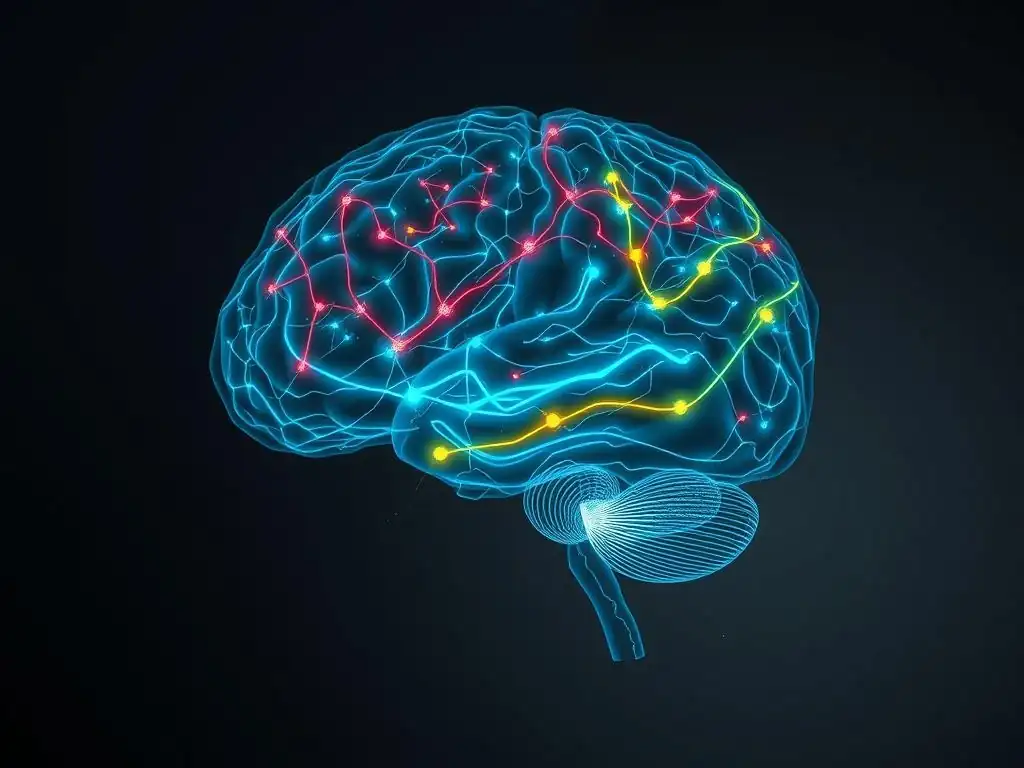
Are you seeking clarity amidst the complexities of bipolar disorder? It's often described as a rollercoaster of emotions, but what's truly happening behind the scenes? We delve into the crucial role of bipolar disorder brain chemistry imbalance in this often misunderstood condition. Discover how neurotransmitters and neurological pathways contribute to mood swings and, more importantly, what strategies can help restore balance. Let's explore the neuroscience together and begin your journey toward improved mental well-being.
Bipolar Disorder and Brain Chemistry: Exploring Imbalances in Mood Regulation
- Understanding Bipolar Disorder: A Neurochemical Perspective
- Key Neurotransmitters Involved in Bipolar Disorder
- Brain Chemistry Imbalances and Bipolar Disorder: A Deeper Dive
- Diagnosing Brain Chemistry Imbalances in Bipolar Disorder
- Treatment Options for Bipolar Disorder: Targeting Brain Chemistry
- The Future of Bipolar Disorder Treatment: Personalized Approaches
- Managing Bipolar Disorder: Living with Brain Chemistry Imbalances
- Conclusion: The Complex Relationship Between Bipolar Disorder and Brain Chemistry
-
Frequently Asked Questions
- What role does brain chemistry play in Bipolar Disorder?
- How does Bipolar Disorder affect brain chemistry differently than other mood disorders?
- Can medications for Bipolar Disorder completely correct brain chemistry imbalances?
- What are some lifestyle changes that can support brain chemistry balance alongside medication for Bipolar Disorder?
- Is there a specific test to measure brain chemistry imbalances related to Bipolar Disorder?
- Final Reflection: Unraveling the Chemical Symphony of the Mind
- Unlock Your Understanding of Bipolar Disorder
Understanding Bipolar Disorder: A Neurochemical Perspective
Defining Bipolar Disorder and its Characteristic Mood Swings
Bipolar disorder is a complex mental health condition characterized by significant shifts in mood, energy levels, thinking patterns, and behavior. These shifts typically manifest as distinct episodes of elevated or irritable mood (mania or hypomania) and episodes of depressed mood. The intensity and duration of these episodes can vary greatly among individuals, impacting their ability to function in daily life, maintain relationships, and achieve personal goals. Unlike typical mood fluctuations, these episodes represent marked deviations from an individual's usual state and are often severe, requiring professional intervention.
The defining feature of bipolar disorder is the presence of manic or hypomanic episodes. Mania is a state of abnormally elevated or irritable mood, accompanied by increased energy or activity and other symptoms such as racing thoughts, decreased need for sleep, increased talkativeness, inflated self-esteem, and impulsive behavior. Hypomania is a less severe form of mania, but still represents a clear change from typical behavior.
Depressive episodes in bipolar disorder share many characteristics with major depressive disorder, including persistent sadness, loss of interest or pleasure, fatigue, changes in appetite or sleep, feelings of worthlessness, and difficulty concentrating. The interplay between these contrasting mood states is central to the experience of living with this condition, highlighting the profound disruption it causes to emotional and cognitive regulation.
The Role of Brain Chemistry in Bipolar Disorder: An Overview
The intricate network of the brain relies on chemical messengers called neurotransmitters to facilitate communication between nerve cells. These chemicals play a vital role in regulating mood, sleep, appetite, energy, and cognitive function. Research strongly suggests that disruptions or imbalances in these crucial chemical pathways contribute significantly to the development and manifestation of bipolar disorder. While the exact mechanisms are still being uncovered, studies point towards dysregulation in the synthesis, release, reuptake, or receptor sensitivity of several key neurotransmitters.
Understanding the bipolar disorder brain chemistry imbalance is fundamental to grasping the biological underpinnings of this condition. It's not simply a matter of one chemical being "too high" or "too low," but rather a complex interplay and potential dysfunction across multiple systems. This perspective helps explain why treatments targeting brain chemistry, such as mood-stabilizing medications, are often effective in managing symptoms and reducing the frequency and severity of mood episodes. The goal of treatment is often to help restore a more stable chemical environment within the brain, thereby promoting better mood regulation and overall stability for the individual.
Key Neurotransmitters Involved in Bipolar Disorder
Dopamine Dysregulation in Bipolar Disorder: Mania and Depression
Dopamine is a neurotransmitter associated with pleasure, reward, motivation, and motor control. In the context of bipolar disorder, dopamine dysregulation is heavily implicated, particularly in the manic or hypomanic phases. During mania, there appears to be heightened dopamine activity in certain brain regions, which may contribute to symptoms like increased energy, impulsivity, racing thoughts, and an exaggerated sense of euphoria or grandiosity. Studies using neuroimaging techniques like PET scans have sometimes shown altered dopamine transporter availability or receptor sensitivity in individuals experiencing manic episodes compared to those in remission or experiencing depression.
Conversely, altered dopamine signaling is also thought to play a role in the depressive phase of bipolar disorder. While often associated with reduced activity in other systems, research suggests that dopamine pathways involved in reward and motivation may be less active during depressive episodes. This could contribute to symptoms such as anhedonia (loss of pleasure), lack of motivation, fatigue, and difficulty initiating activities. The complex role of dopamine, potentially being overactive in mania and underactive in depression, highlights the dynamic and multifaceted nature of the brain chemistry and bipolar disorder connection.
Serotonin's Impact on Mood Stability in Bipolar Disorder
Serotonin is a key neurotransmitter involved in regulating mood, sleep, appetite, and social behavior. Dysregulation of the serotonin system is widely recognized as contributing to mood disorders, including both unipolar depression and the depressive phase of bipolar disorder. Research indicates that lower levels or reduced activity of serotonin are often observed during depressive episodes. This can manifest as persistent sadness, anxiety, sleep disturbances, and changes in appetite.
While primarily linked to depression, serotonin also plays a role in mood stability overall. Some theories suggest that fluctuating serotonin levels or impaired serotonin signaling could contribute to the instability characteristic of bipolar disorder. Medications that target serotonin, such as certain antidepressants or mood stabilizers like lithium, are thought to exert some of their effects by modulating serotonin activity, aiming to improve mood regulation and reduce the frequency or intensity of mood swings. The intricate balance of serotonin activity is crucial for maintaining emotional equilibrium, and its disruption is a significant component of the neurochemical imbalances in bipolar disorder.
Norepinephrine's Role in Bipolar Disorder: Energy and Focus
Norepinephrine, also known as noradrenaline, is a neurotransmitter involved in the body's "fight or flight" response, regulating alertness, arousal, attention, and energy levels. Like dopamine, norepinephrine is thought to be hyperactive during manic episodes and potentially hypoactive during depressive episodes in individuals with bipolar disorder. Increased norepinephrine activity could contribute to the heightened energy, reduced need for sleep, racing thoughts, and increased goal-directed activity often seen in mania. This surge in activity can make individuals feel highly energized and productive, though often in a disorganized or impulsive manner.
During the depressive phase, reduced norepinephrine signaling may contribute to symptoms such as fatigue, difficulty concentrating, lack of motivation, and psychomotor retardation (slowed movements and speech). Medications that modulate norepinephrine, such as certain antidepressants or mood stabilizers, are sometimes used in the treatment of bipolar disorder to help regulate these energy and focus-related symptoms. The dynamic fluctuations in norepinephrine activity mirror the dramatic shifts in energy and cognitive function experienced by individuals living with this condition, further underscoring the brain chemical imbalances in bipolar disorder.
Glutamate and GABA: Excitatory and Inhibitory Balance in Bipolar Disorder
Glutamate is the primary excitatory neurotransmitter in the brain, involved in learning, memory, and synaptic plasticity. GABA (gamma-aminobutyric acid) is the primary inhibitory neurotransmitter, acting to calm neural activity and maintain balance. The proper functioning of the brain relies on a delicate equilibrium between excitatory glutamate and inhibitory GABA signaling. Disruptions in this balance are increasingly being implicated in the pathophysiology of bipolar disorder.
Studies suggest that individuals with bipolar disorder may have altered levels or function of glutamate and GABA in certain brain regions, such as the prefrontal cortex and hippocampus. For example, some research points to excessive glutamate activity or impaired GABAergic inhibition, which could contribute to the hyperexcitability observed in manic episodes. Conversely, imbalances in these systems might also play a role in the cognitive deficits and mood dysregulation seen in both manic and depressive states.
Medications that modulate glutamate and GABA activity, such as certain antiepileptic drugs used as mood stabilizers (e.g., lamotrigine, valproate), are thought to exert their therapeutic effects by helping to restore a more stable excitatory-inhibitory balance. The intricate dance between glutamate and GABA is essential for proper neural function, and its disruption is a critical area of research into the bipolar disorder brain chemistry imbalance.
Brain Chemistry Imbalances and Bipolar Disorder: A Deeper Dive
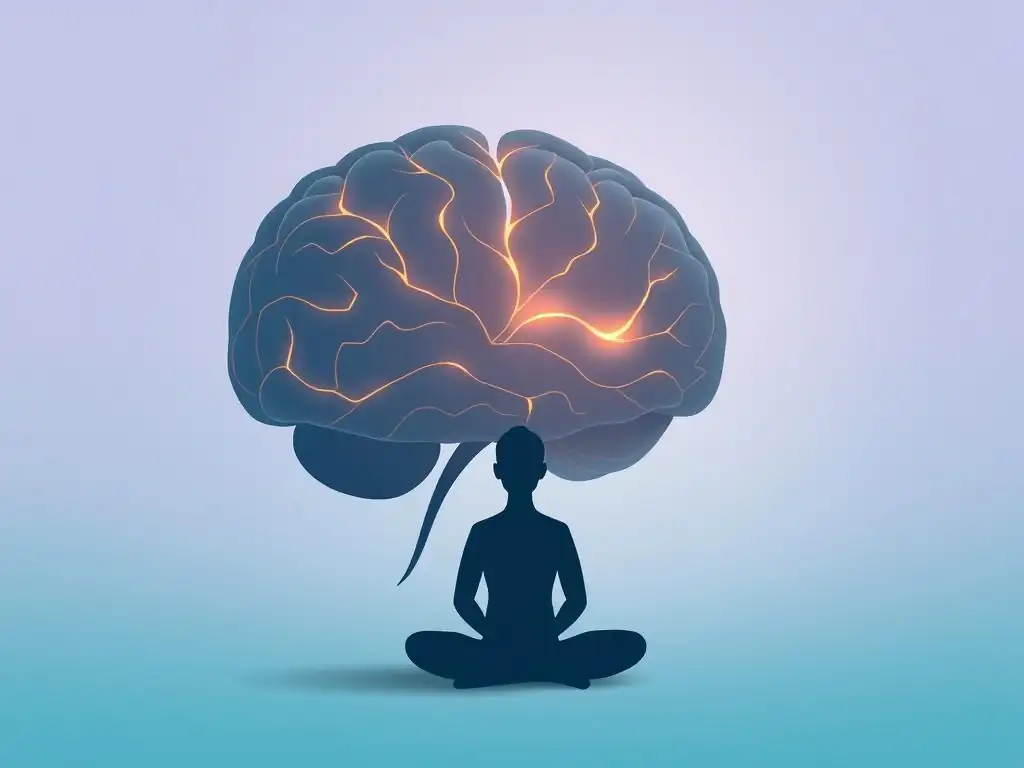
How Neurotransmitter Imbalances Contribute to Manic Episodes
Manic episodes are characterized by a surge of energy, elevated or irritable mood, racing thoughts, decreased need for sleep, and often impulsive or risky behaviors. From a neurochemical perspective, this state is thought to be driven by increased activity in certain excitatory neurotransmitter systems, particularly dopamine and norepinephrine, and potentially dysregulation in glutamate pathways. For instance, heightened dopamine release in reward-related brain circuits could contribute to the euphoric feelings, increased motivation, and goal-directed behavior (though often disorganized) seen in mania. The elevated norepinephrine activity likely fuels the increased energy, reduced fatigue, and heightened arousal.
Furthermore, there might be a relative decrease in the activity of inhibitory neurotransmitters like GABA, failing to adequately dampen the excitatory surge. This imbalance between excitation and inhibition could lead to the rapid-fire thoughts, distractibility, and difficulty regulating behavior that are hallmarks of a manic episode. While the precise interplay is complex and involves multiple brain regions, the general picture points to an overactivation of systems associated with reward, energy, and arousal, coupled with insufficient braking mechanisms, contributing significantly to the intense and often disruptive experience of mania in the context of bipolar disorder brain chemistry imbalance.
The Link Between Neurotransmitter Deficiencies and Depressive Episodes
Depressive episodes in bipolar disorder share many features with major depressive disorder, including persistent low mood, loss of interest or pleasure, fatigue, and difficulty concentrating. Neurochemically, these symptoms are often associated with reduced activity in systems involving serotonin, norepinephrine, and potentially dopamine. Low levels or impaired function of serotonin are strongly linked to feelings of sadness, anxiety, and sleep/appetite disturbances. Reduced norepinephrine activity can manifest as low energy, fatigue, and difficulty with focus and motivation.
While dopamine is often discussed in the context of mania, decreased dopamine signaling in reward pathways is also implicated in the anhedonia and lack of motivation characteristic of bipolar depression. The intricate brain chemistry and bipolar disorder connection means that while mania involves overactivity, depression involves a relative underactivity or dysfunction in these crucial mood-regulating systems. Restoring a more typical level of activity in these neurotransmitter pathways is a key goal of pharmacological treatments for bipolar depression.
Genetic Factors Influencing Brain Chemistry in Bipolar Disorder
Genetic predisposition plays a significant role in the likelihood of developing bipolar disorder. Studies indicate that individuals with a family history of the condition are at a substantially higher risk; for example, having a first-degree relative with bipolar disorder increases one's risk by roughly 10-fold compared to the general population, where the lifetime prevalence is about 1-3%. These genetic factors don't predetermine the condition but can influence the structure and function of the brain, including how neurotransmitters are synthesized, transported, metabolized, and how receptors respond.
Research has identified several genes that may be associated with an increased risk of bipolar disorder. These genes are often involved in pathways related to neurotransmitter signaling (like genes affecting dopamine or serotonin transporters), ion channels (which are critical for nerve cell communication), and cellular resilience or stress response. While no single gene causes bipolar disorder, variations in multiple genes, combined with environmental factors, can contribute to a vulnerability that includes a propensity for neurochemical imbalances in bipolar disorder. Understanding these genetic influences is crucial for developing more personalized approaches to diagnosis and treatment in the future.
Environmental Factors Affecting Neurotransmitter Levels in Bipolar Disorder
While genetics provide a vulnerability, environmental factors are also critical triggers and modulators of bipolar disorder, influencing brain chemistry and the onset or course of the illness. Significant stressful life events, such as trauma, loss, or major life changes, are known triggers for mood episodes in susceptible individuals. Chronic stress, in particular, can disrupt the hypothalamic-pituitary-adrenal (HPA) axis, the body's primary stress response system, which in turn affects levels of stress hormones like cortisol. Elevated cortisol can impact neurotransmitter systems, including serotonin, dopamine, and glutamate, potentially contributing to mood dysregulation.
Other environmental factors, such as sleep deprivation, substance abuse, and seasonal changes, can also influence brain chemistry and act as triggers for mood episodes in individuals with bipolar disorder. For instance, severe sleep disruption can profoundly alter neurotransmitter activity and lead to manic or depressive episodes. The interaction between genetic vulnerability and environmental stressors highlights that the brain chemical imbalances in bipolar disorder are not solely determined by biology but are shaped by a complex interplay with external experiences. Addressing environmental triggers and promoting healthy lifestyle habits are therefore essential components of managing the condition.
Diagnosing Brain Chemistry Imbalances in Bipolar Disorder
Neuroimaging Techniques: Observing Brain Activity and Structure
Neuroimaging techniques like fMRI (functional Magnetic Resonance Imaging), PET (Positron Emission Tomography), and structural MRI are valuable tools in understanding the brain's role in bipolar disorder, although they are not typically used for routine clinical diagnosis. Structural MRI scans can reveal differences in brain volume or connectivity in certain regions associated with mood regulation, such as the prefrontal cortex, hippocampus, and amygdala, in individuals with bipolar disorder compared to healthy controls. While these differences are not universal and don't definitively diagnose the condition, they provide insights into potential underlying structural abnormalities.
fMRI and PET scans can measure brain activity and metabolism, offering a glimpse into how different brain regions function during various mood states or tasks. For example, fMRI studies might show altered patterns of activity in emotional processing circuits, while PET scans can sometimes be used with specific tracers to visualize neurotransmitter receptor availability or metabolic activity in different brain areas.
These techniques contribute significantly to research on the bipolar disorder brain chemistry imbalance by allowing scientists to observe potential functional and metabolic correlates of the condition, even if they don't provide a direct, simple measure of individual neurotransmitter levels for diagnostic purposes.
Neurotransmitter Testing: Measuring Chemical Levels [Availability and Limitations]
Directly measuring neurotransmitter levels in the living brain to diagnose bipolar disorder is not a standard clinical practice and faces significant limitations. While some tests can measure neurotransmitter metabolites in blood, urine, or cerebrospinal fluid (CSF), these measurements do not accurately reflect the complex, localized, and dynamic neurotransmitter activity occurring within specific brain synapses that is relevant to mood regulation. Neurotransmitters are released and reabsorbed rapidly at the synapse, and their levels in peripheral fluids may not correlate well with brain function.
Therefore, despite the understanding that neurochemical imbalances in bipolar disorder are involved, current neurotransmitter testing methods are primarily research tools rather than diagnostic tests for this condition. They cannot reliably identify or quantify the specific imbalances in the brain that contribute to an individual's symptoms. Clinical diagnosis of bipolar disorder relies instead on careful evaluation of symptoms, medical history, and the pattern of mood episodes, as outlined in diagnostic manuals like the DSM-5.
Clinical Assessment: Evaluating Symptoms and Medical History
The primary method for diagnosing bipolar disorder remains a comprehensive clinical assessment conducted by a qualified mental health professional, such as a psychiatrist, psychologist, or licensed clinical social worker. This process involves detailed interviews with the individual, and often with family members (with the individual's consent), to gather information about their symptoms, including the nature, severity, and duration of manic, hypomanic, and depressive episodes. The clinician will explore the individual's medical history, family history of mental illness, substance use, and life stressors.
Using established diagnostic criteria, the clinician evaluates whether the reported symptoms and patterns of mood episodes meet the criteria for bipolar I disorder, bipolar II disorder, cyclothymic disorder, or another specified/unspecified bipolar disorder. This clinical evaluation, based on observable behavior and subjective reporting of internal states, is considered the gold standard for diagnosis because it captures the complex presentation of the illness, which cannot be reduced to a simple brain chemical imbalances in bipolar disorder test. While informed by the understanding of underlying neurobiology, the diagnosis itself is behavioral and historical.
Treatment Options for Bipolar Disorder: Targeting Brain Chemistry
Medications for Bipolar Disorder: Mood Stabilizers, Antidepressants, and Antipsychotics
Pharmacological treatment is a cornerstone of managing bipolar disorder, with medications primarily aimed at stabilizing mood and reducing the frequency and severity of episodes by targeting the underlying bipolar disorder brain chemistry imbalance. The main classes of medications used include mood stabilizers, atypical antipsychotics, and sometimes antidepressants (often used cautiously and in conjunction with mood stabilizers). The choice of medication depends on the specific symptoms, episode type (manic, depressive, mixed), severity, and individual response and tolerability.
Medications work by influencing various neurotransmitter systems implicated in the disorder, such as dopamine, serotonin, norepinephrine, glutamate, and GABA. For example, lithium, a long-standing mood stabilizer, is thought to affect multiple pathways, including neurotransmitter release and intracellular signaling cascades. Anticonvulsants like valproate and lamotrigine, also used as mood stabilizers, are believed to modulate GABA and glutamate activity.
Atypical antipsychotics can affect dopamine and serotonin receptors, helping to reduce manic symptoms and stabilize mood. The goal is to find a medication or combination that helps restore a more balanced chemical environment in the brain, reducing the drastic mood swings characteristic of the condition.
How Mood Stabilizers Work to Balance Neurotransmitters
Mood stabilizers are the foundational treatment for bipolar disorder, designed to prevent both manic and depressive episodes or reduce their severity. While their exact mechanisms are complex and not fully understood for all agents, they are thought to exert their effects by modulating various aspects of brain chemistry and bipolar disorder. Lithium, for instance, is believed to influence multiple neurotransmitter systems and intracellular signaling pathways, potentially affecting the release and reuptake of serotonin and norepinephrine, and influencing the balance between excitatory and inhibitory neurotransmitters.
Other mood stabilizers, such as certain anticonvulsant medications (e.g., valproate, carbamazepine, lamotrigine), are thought to primarily work by modulating the activity of GABA and glutamate. Valproate may increase GABA levels, enhancing inhibition, while lamotrigine is thought to reduce excessive glutamate release, decreasing excitation. By dampening excessive neural activity during mania and potentially enhancing activity during depression, these medications help to smooth out the drastic mood fluctuations and restore a more stable neurochemical environment, addressing the core neurochemical imbalances in bipolar disorder.
The Role of Antidepressants in Managing Depressive Symptoms
Antidepressants are sometimes used in the treatment of bipolar depression, but their use requires careful consideration due to the risk of potentially triggering a switch to mania or hypomania in susceptible individuals. When used, they are almost always prescribed in combination with a mood stabilizer to mitigate this risk. Antidepressants primarily work by increasing the availability of neurotransmitters like serotonin and norepinephrine in the synaptic cleft, which are thought to be underactive during depressive episodes.
Selective Serotonin Reuptake Inhibitors (SSRIs) increase serotonin levels, while Serotonin-Norepinephrine Reuptake Inhibitors (SNRIs) affect both serotonin and norepinephrine. By boosting the activity of these neurotransmitters, antidepressants aim to alleviate the symptoms of depression, such as low mood, fatigue, and loss of interest. However, their impact on the delicate brain chemical imbalances in bipolar disorder means they must be used judiciously and monitored closely by a clinician to avoid destabilizing mood and potentially exacerbating the illness course.
Antipsychotics and Their Effect on Dopamine and Serotonin
Atypical antipsychotic medications are increasingly used in the treatment of bipolar disorder, both for acute manic/mixed episodes and for maintenance treatment, often in combination with mood stabilizers. These medications primarily work by blocking dopamine receptors (specifically D2 receptors) and modulating serotonin receptors (particularly 5-HT2A receptors). By reducing excessive dopamine signaling, they can effectively dampen the hyperactivity, racing thoughts, and grandiosity associated with mania.
Their effects on serotonin, particularly blocking 5-HT2A receptors and sometimes activating other serotonin receptors, are thought to contribute to their mood-stabilizing effects and potential antidepressant properties in bipolar depression. Some atypical antipsychotics are approved for use in bipolar depression. By influencing both dopamine and serotonin pathways, these medications address multiple facets of the bipolar disorder brain chemistry imbalance, helping to stabilize mood across the spectrum of manic and depressive symptoms.
Therapy for Bipolar Disorder: Addressing Behavioral and Cognitive Patterns
While medications target the biological aspects of bipolar disorder brain chemistry imbalance, psychotherapy is an essential component of comprehensive treatment. Therapy helps individuals understand their illness, develop coping strategies, identify triggers, improve relationships, and maintain medication adherence. Cognitive Behavioral Therapy (CBT) helps individuals identify and change negative thought patterns and behaviors that contribute to mood swings. Dialectical Behavior Therapy (DBT) can be particularly helpful for individuals with difficulty regulating intense emotions, teaching skills in mindfulness, distress tolerance, emotion regulation, and interpersonal effectiveness.
Psychoeducation, often integrated into therapy, provides individuals and their families with crucial information about bipolar disorder, its symptoms, treatment options, and strategies for recognizing early warning signs of relapse. Interpersonal and Social Rhythm Therapy (IPSRT) focuses on regulating daily routines, such as sleep-wake cycles and social interactions, which can significantly impact mood stability by influencing biological rhythms that are linked to neurotransmitter function. Therapy complements medication by addressing the psychological and social factors that interact with the underlying brain chemistry and bipolar disorder, empowering individuals to manage their condition more effectively.
Lifestyle Modifications: Diet, Exercise, and Sleep Hygiene for Brain Health
Lifestyle factors play a significant role in overall brain health and can influence neurotransmitter function and mood stability in individuals with bipolar disorder. Regular aerobic exercise has been shown to have positive effects on mood, potentially by increasing the production of endorphins and influencing neurotransmitter levels like serotonin and dopamine. Aiming for at least 30 minutes of moderate-intensity exercise most days of the week can be beneficial.
Maintaining consistent sleep patterns is critically important for individuals with bipolar disorder, as sleep deprivation can trigger manic episodes. Establishing a regular sleep-wake schedule, practicing good sleep hygiene (e.g., creating a dark, quiet sleep environment, avoiding screens before bed), and aiming for 7-9 hours of quality sleep per night can help regulate circadian rhythms and promote mood stability.
A balanced diet rich in omega-3 fatty acids, fruits, vegetables, and whole grains also supports brain health. While lifestyle changes alone cannot correct a neurochemical imbalances in bipolar disorder, they can significantly support overall well-being, enhance the effectiveness of medication and therapy, and help individuals manage their symptoms.
The Future of Bipolar Disorder Treatment: Personalized Approaches
Genetic Testing and Tailored Medication Plans
The future of bipolar disorder treatment is moving towards more personalized approaches, leveraging advancements in genetics and neuroscience. While current genetic tests cannot diagnose bipolar disorder, research is exploring the potential of pharmacogenomic testing. This type of testing analyzes variations in genes that affect how an individual metabolizes or responds to certain medications. For instance, variations in liver enzymes involved in drug metabolism can influence how quickly a medication is cleared from the body, affecting its effectiveness and side effects.
In the future, pharmacogenomic testing might help clinicians select medications that are more likely to be effective and well-tolerated for a specific individual based on their genetic profile. This could potentially reduce the trial-and-error process often involved in finding the right medication regimen for bipolar disorder, leading to faster symptom relief and better long-term outcomes. Tailoring medication plans based on individual genetic predispositions related to brain chemical imbalances in bipolar disorder represents a significant step towards more precise and effective treatment.
Novel Therapeutic Targets: Research on New Neurotransmitters and Pathways
Ongoing research continues to identify new neurotransmitters and brain pathways involved in bipolar disorder, opening up possibilities for novel therapeutic targets. Beyond the well-established roles of dopamine, serotonin, and norepinephrine, scientists are exploring the involvement of systems like the glutamatergic system and calcium channels in the cellular dysfunction seen in bipolar disorder. For example, ketamine, a drug that affects glutamate receptors, has shown promise in rapidly reducing severe depressive symptoms in some individuals, including those with bipolar depression, although its use requires careful medical supervision.
Research is also focusing on intracellular signaling pathways and mechanisms that regulate neuronal plasticity and resilience, which may be impaired in bipolar disorder. Understanding these complex cellular processes and identifying specific molecular targets could lead to the development of entirely new classes of medications that address the bipolar disorder brain chemistry imbalance in novel ways. This ongoing exploration of the brain's intricate workings holds the key to developing more effective treatments with fewer side effects.
Integrating Brain Chemistry Insights into Comprehensive Bipolar Disorder Care
As our understanding of the brain chemistry and bipolar disorder deepens through research, the goal is to integrate these insights into more comprehensive and effective care models. This involves not only developing new medications but also using neurobiological information to inform personalized treatment plans that combine medication, psychotherapy, and lifestyle interventions. For example, understanding an individual's specific pattern of neurotransmitter dysregulation (as inferred from research findings or potentially future diagnostic tools) might help tailor the type of therapy or specific lifestyle recommendations that would be most beneficial.
Furthermore, increasing public and clinical awareness of the biological basis of bipolar disorder, including the role of neurochemical imbalances in bipolar disorder, helps to reduce stigma and promotes a more empathetic understanding of the condition. Educating individuals with bipolar disorder and their families about how medications work to target these imbalances can also improve treatment adherence and empower them to be active participants in their care. The integration of neurobiological understanding with psychosocial interventions is crucial for providing holistic support and improving the lives of those affected by this complex illness.
Managing Bipolar Disorder: Living with Brain Chemistry Imbalances
Coping Strategies for Mood Swings: Self-Care and Support Systems
Living with bipolar disorder requires proactive management and robust coping strategies to navigate the challenges posed by fluctuating mood states and the underlying brain chemical imbalances in bipolar disorder. Developing a personalized self-care plan is crucial. This includes establishing regular routines for sleep, meals, and activities, as consistency can help regulate mood and energy levels. Identifying personal triggers for mood swings, such as stress, lack of sleep, or substance use, allows individuals to take steps to avoid or manage them.
Building a strong support system is equally vital. Connecting with understanding friends, family members, or support groups provides emotional support, reduces feelings of isolation, and offers practical help during challenging times. Learning and practicing coping skills like mindfulness, relaxation techniques, and distress tolerance can help individuals manage intense emotions and urges that may arise during mood episodes. These strategies, while not directly altering brain chemistry, help individuals build resilience and better navigate the impact of their neurobiological vulnerability.
The Importance of Medication Adherence and Regular Monitoring
Given that pharmacological treatment is often necessary to manage the neurochemical imbalances in bipolar disorder, consistent medication adherence is paramount for maintaining stability and preventing relapse. Skipping doses or discontinuing medication without consulting a doctor can lead to a return of severe mood swings. It's important for individuals to understand how their prescribed medications work, potential side effects, and the rationale for their treatment plan.
Regular monitoring by a mental health professional is also essential. This allows clinicians to assess the effectiveness of the medication, monitor for side effects, adjust dosages as needed, and track the individual's overall mood stability. Open communication with the treatment team about symptoms, concerns, and life changes is crucial for ensuring that the treatment plan remains appropriate and effective over time. Managing bipolar disorder is a lifelong process that requires ongoing collaboration between the individual and their healthcare providers.
Resources for Individuals and Families Affected by Bipolar Disorder
Navigating bipolar disorder can be challenging for both individuals diagnosed with the condition and their families. Accessing reliable information and support is key. Numerous organizations offer resources such as educational materials, support groups, helplines, and advocacy services. Examples include national mental health associations and disorder-specific foundations dedicated to bipolar disorder research and support.
These resources provide valuable information about the bipolar disorder brain chemistry imbalance and its treatment, offering practical advice on coping, communication, and crisis planning. Support groups, whether in-person or online, connect individuals with others who have similar experiences, reducing stigma and fostering a sense of community. Families can also find resources tailored to their needs, helping them understand the illness, support their loved one effectively, and manage their own well-being. Utilizing these resources is a vital step in living well with bipolar disorder.
Conclusion: The Complex Relationship Between Bipolar Disorder and Brain Chemistry
Bipolar disorder is a complex and chronic mental health condition with significant biological underpinnings, prominently involving disruptions in brain chemistry. While not solely caused by a simple "chemical imbalance," research consistently points to dysregulation in key neurotransmitter systems—including dopamine, serotonin, norepinephrine, glutamate, and GABA—as contributing factors to the characteristic mood swings and other symptoms. Understanding the bipolar disorder brain chemistry imbalance is crucial for developing effective treatments and reducing the stigma associated with the condition, emphasizing that it is a biological illness requiring medical attention.
Effective management of bipolar disorder typically involves a combination of pharmacological treatments that target these neurochemical imbalances, along with psychotherapy to address psychological and behavioral factors, and lifestyle modifications to support overall brain health. While current diagnostic methods rely on clinical assessment, ongoing research into genetics and neuroimaging continues to deepen our understanding of the biological basis of the disorder and holds promise for more personalized and targeted treatments in the future.
Living well with bipolar disorder involves consistent treatment adherence, developing strong coping strategies, building a supportive network, and accessing reliable resources, all aimed at navigating the challenges posed by the condition's complex relationship with brain chemistry.
Frequently Asked Questions
What role does brain chemistry play in Bipolar Disorder?
Brain chemistry plays a significant role, with imbalances in neurotransmitters like serotonin, dopamine, and norepinephrine strongly implicated in the mood swings characteristic of bipolar disorder. These imbalances affect mood regulation.
How does Bipolar Disorder affect brain chemistry differently than other mood disorders?
While other mood disorders may involve neurotransmitter imbalances, bipolar disorder often shows more extreme fluctuations in these chemicals, leading to distinct manic and depressive episodes. This is often linked to genetic predisposition.
Can medications for Bipolar Disorder completely correct brain chemistry imbalances?
Medications aim to stabilize brain chemistry, but they don't always offer a complete "correction." They work to regulate neurotransmitter activity and reduce the severity of mood episodes, but ongoing monitoring is usually necessary.
What are some lifestyle changes that can support brain chemistry balance alongside medication for Bipolar Disorder?
Lifestyle factors like regular sleep, a balanced diet, and stress management techniques can significantly support brain health and potentially reduce the impact of brain chemistry imbalances in bipolar disorder.
Currently, there isn't a single, definitive test to directly measure the specific brain chemistry imbalances causing bipolar disorder. Diagnosis relies on clinical evaluation and observation of symptoms, rather than a specific lab result.
Final Reflection: Unraveling the Chemical Symphony of the Mind
The intricate dance of neurotransmitters within our brains profoundly impacts our emotional well-being, and understanding this dance is crucial in addressing the complexities of bipolar disorder. The imbalances highlighted in this article are not merely abstract scientific concepts; they represent the lived experiences of millions grappling with the unpredictable shifts of mania and depression. This knowledge empowers us to move beyond stigma and toward a future of more effective treatments and compassionate understanding.
The journey of uncovering the brain chemistry behind bipolar disorder has been a long and challenging one, yet the progress made underscores the importance of continued research and open dialogue. The impact on individuals and families is immeasurable, shaping not only personal lives but also societal perceptions of mental illness. The mind is its own place, and in itself can make a heaven of hell, a hell of heaven.
– John Milton. This quote, while not directly about bipolar disorder, speaks to the internal landscape profoundly affected by the chemical imbalances discussed, highlighting the power of the mind to create both immense joy and devastating despair.
Now, consider your own understanding of mental health. How can you contribute to a more informed and supportive environment for those affected by bipolar disorder? Perhaps it's through engaging in open conversations, advocating for better mental health resources, or simply offering a listening ear to someone struggling. Let the knowledge gained from this exploration inspire you to act, to challenge stigma, and to champion a future where mental health is valued and understood as an integral part of overall well-being.
Unlock Your Understanding of Bipolar Disorder
Thanks for taking the time to delve into the complexities of bipolar disorder and brain chemistry. We hope you gained valuable insights into the intricate interplay of neurotransmitters and mood regulation. Now, let's take this understanding further!
- Share this article with someone you care about: Help spread awareness and understanding of bipolar disorder among your friends, family, or colleagues. This simple act can make a powerful difference in someone's life.
- Join our online forum dedicated to bipolar support: Connect with others who understand your experience, share your thoughts, and learn from the collective wisdom of our community.
- Reflect on your own understanding of mood fluctuations: Consider how this information impacts your own well-being or the well-being of those you love. Are there new strategies you could explore?
What steps will you take today to better understand or support someone impacted by bipolar disorder?