
Seasonal Affective Disorder (SAD) and Neurotransmitter Fluctuations with Light


Welcome to Mind Care Guide, a space dedicated to nurturing your mental well-being.
Feeling the winter blues a little too intensely? It's more common than you think. Let's explore the fascinating connection between the changing seasons, our brain chemistry, and how something as simple as light can offer a powerful solution. Dive into our exploration of seasonal depression light therapy and discover how it can help you reclaim your brighter days. Curious to learn more?
Seasonal Affective Disorder (SAD) and Neurotransmitter Fluctuations with Light: A Mind Care Guide
- Understanding Seasonal Affective Disorder (SAD): An Overview
- The Neuroscience of SAD: Light, Neurotransmitters, and the Brain
- Light Therapy for Seasonal Affective Disorder: A Detailed Guide
- Other Treatments for Seasonal Affective Disorder (SAD)
- The Connection Between Geographic Latitude, Sunlight Exposure, and SAD Prevalence
- Preventing Seasonal Affective Disorder: Proactive Steps for Mental Well-being
- Beyond Light Therapy: Alternative and Complementary Treatments for SAD
- Living with Seasonal Affective Disorder: Resources and Support
-
Frequently Asked Questions
- What is Seasonal Affective Disorder (SAD) and how is it connected to neurotransmitters?
- How does light therapy work to alleviate SAD symptoms?
- What neurotransmitters are most affected by seasonal changes and how does light therapy influence them?
- Is light therapy a substitute for other mental health treatments for SAD, like medication or therapy?
- How long does it typically take to see results from using light therapy for seasonal depression?
- Final Reflection: Shedding Light on Seasonal Darkness
- Unleash Your Inner Sunshine: Take Charge of Your Mood!
Understanding Seasonal Affective Disorder (SAD): An Overview
Seasonal Affective Disorder (SAD) is a type of depression that's related to changes in seasons. It typically begins in the fall and continues into the winter months, sapping your energy and making you feel moody. Less often, SAD causes depression in the spring or early summer. While many people experience mild changes in mood with the seasons, SAD is a more severe form of seasonal mood disturbance that can significantly impact daily life and functioning.
What is Seasonal Affective Disorder? Defining the Winter Blues
Seasonal Affective Disorder, often colloquially referred to as "winter blues," is a clinically recognized pattern of major depressive disorder. The key diagnostic feature is the recurrent onset of depressive episodes at a particular time of year, followed by full remission at another specific time of year. For the vast majority of individuals with SAD, the depressive episodes occur during the fall and winter months, with remission happening in the spring and summer. A smaller percentage experience the opposite pattern, becoming depressed in the spring and summer.
This condition is not simply a feeling of being down during colder months; it meets the diagnostic criteria for a major depressive episode as outlined in the Diagnostic and Statistical Manual of Mental Disorders (DSM). To be diagnosed with SAD, a person must have experienced this seasonal pattern for at least two consecutive years, and the seasonal depressive episodes must significantly outnumber any non-seasonal depressive episodes over a lifetime. It's a serious mental health condition that warrants professional evaluation and treatment, often involving strategies like seasonal depression light therapy.
SAD Symptoms: Recognizing the Signs of Seasonal Depression
The symptoms of fall/winter SAD are often similar to those of major depression but can include specific features. Common signs include feeling depressed most of the day, nearly every day, losing interest in activities you once enjoyed, having low energy, and experiencing problems with sleep. Many people with winter SAD tend to oversleep (hypersomnia) and have difficulty getting up in the morning.
Other characteristic symptoms of winter-pattern SAD include changes in appetite, specifically craving high-carbohydrate foods, which can lead to weight gain. Individuals may also experience feelings of sluggishness or lethargy (often called "leaden paralysis"), irritability, difficulty concentrating, and social withdrawal. Recognizing these specific signs of seasonal depression is the first step toward seeking appropriate help, which may include treatments like seasonal depression light therapy.
SAD vs. Major Depressive Disorder: Differentiating the Conditions
While SAD is classified as a specifier of Major Depressive Disorder, the primary difference lies in the recurrent, seasonal pattern of the episodes. Major Depressive Disorder without a seasonal pattern can occur at any time of year and is not predictably linked to seasonal changes. The symptoms experienced during a SAD episode are often indistinguishable from those of a non-seasonal major depressive episode, but the timing provides the crucial distinction.
Furthermore, certain atypical features are more common in winter-pattern SAD compared to non-seasonal depression. These include increased appetite and weight gain, hypersomnia (oversleeping), and leaden paralysis (a feeling of being weighed down). While these symptoms can occur in other forms of depression, they are particularly characteristic of the winter blues. Understanding this difference helps clinicians make an accurate diagnosis and recommend targeted treatments, such as seasonal depression light therapy, which is particularly effective for the winter pattern.
The Neuroscience of SAD: Light, Neurotransmitters, and the Brain
The precise mechanisms underlying SAD are still being researched, but current understanding points to a complex interplay between environmental light, the brain's internal clock, and specific neurotransmitter systems. The reduced exposure to natural sunlight during shorter fall and winter days is believed to be a primary trigger for the condition in susceptible individuals. This lack of light disrupts several biological processes that are crucial for regulating mood, sleep, and energy levels.
Research suggests that changes in light exposure affect the body's circadian rhythm, the natural internal process that regulates the sleep-wake cycle. In SAD, this rhythm may become misaligned with the external light-dark cycle. Furthermore, the availability and function of key neurotransmitters, chemical messengers in the brain, appear to be altered, leading to the characteristic depressive symptoms. Understanding these neurobiological factors is essential for comprehending why interventions like seasonal depression light therapy are effective.
The Role of Light in Regulating Mood and Circadian Rhythms
Light is a powerful environmental cue that plays a critical role in regulating human physiology, most notably through its impact on the circadian system. Specialized photoreceptors in the eye, distinct from those used for vision, detect light levels and send signals directly to the suprachiasmatic nucleus (SCN) in the hypothalamus, often called the body's master clock. This signaling pathway allows the brain to synchronize its internal rhythms with the external day-night cycle.
Adequate light exposure, particularly bright light experienced during the day, helps to suppress the production of melatonin, a hormone that promotes sleep. Conversely, darkness stimulates melatonin production, signaling the body it is time to rest. Disruptions in this light-melatonin cycle, often caused by reduced daytime light exposure in winter, can lead to circadian misalignment. This misalignment is thought to contribute significantly to the sleep disturbances, fatigue, and mood changes experienced by individuals with SAD, highlighting why strategies involving light, such as seasonal depression light therapy, are central to treatment.
Neurotransmitter Imbalances in Seasonal Depression: Serotonin, Melatonin, and Dopamine
Several neurotransmitters are implicated in the development and symptoms of seasonal depression. Serotonin, often dubbed the "feel-good" neurotransmitter, plays a vital role in regulating mood, appetite, and sleep. Melatonin, produced by the pineal gland, is primarily involved in regulating sleep-wake cycles. Dopamine is associated with motivation, reward, and pleasure. Research suggests that imbalances or dysregulation in these specific chemical messengers contribute significantly to the pathogenesis of SAD.
The reduced sunlight in winter is thought to impact the synthesis and activity of these neurotransmitters. For example, some studies suggest lower serotonin transporter binding in individuals with SAD during winter, implying more serotonin is cleared from the synapse, potentially reducing its availability.
Melatonin production patterns may also be altered, with potentially higher levels during the day or a delayed offset in the morning. While the exact mechanisms are complex and likely involve interactions between these systems, it's clear that neurotransmitter dysregulation is a key component of the neurobiological basis of seasonal depression, making interventions targeting these pathways, like seasonal depression light therapy, important.
Serotonin's Impact on SAD: Low Serotonin Levels and Mood
Serotonin is a key neurotransmitter involved in mood regulation, and research indicates that its function may be compromised in individuals with SAD during the winter months. Studies using neuroimaging techniques, such as PET scans, have suggested that people with SAD may have higher levels of the serotonin transporter (SERT) in their brains during winter compared to summer. SERT is responsible for clearing serotonin from the synaptic cleft back into the neuron, effectively reducing the amount of serotonin available to bind to receptors.
Higher SERT levels mean that serotonin is removed from the synapse more quickly, potentially leading to lower effective serotonin activity. This reduced serotonin signaling is hypothesized to contribute to the depressed mood, increased appetite, and carbohydrate cravings characteristic of winter SAD. Bright light exposure, such as that provided by seasonal depression light therapy, is thought to influence serotonin pathways, potentially by helping to regulate SERT activity or synthesis, thereby improving mood.
Melatonin Production and SAD: The Link Between Darkness and Depression
Melatonin is a hormone produced by the pineal gland in response to darkness, playing a crucial role in regulating the body's internal clock and sleep-wake cycles. In individuals with SAD, the pattern of melatonin production may be altered during winter. With the shorter days and longer nights, some theories suggest that the body might produce melatonin for a longer period each day, or that the timing of its production might be shifted.
An extended or misaligned melatonin signal could disrupt the circadian rhythm, leading to feelings of fatigue, lethargy, and difficulty waking up in the morning, all common symptoms of winter SAD. Additionally, some research suggests an interaction between melatonin and serotonin pathways. Bright light therapy, a cornerstone of treating seasonal depression, works, in part, by suppressing melatonin production when administered in the morning, helping to reset the circadian clock and potentially normalize the timing and duration of the melatonin signal.
Dopamine and SAD: Motivation, Reward, and Seasonal Changes
Dopamine is another neurotransmitter that plays a significant role in mood, motivation, pleasure, and reward-seeking behaviors. While research on dopamine's specific role in SAD is less extensive than for serotonin and melatonin, some studies suggest it may also be involved. Symptoms like loss of interest in activities, decreased motivation, and feelings of lethargy in SAD could potentially be linked to alterations in dopaminergic pathways.
Seasonal changes in light exposure might influence dopamine synthesis or receptor sensitivity. Dysregulation in the dopamine system could contribute to the reduced pleasure and lack of motivation experienced during depressive episodes. While seasonal depression light therapy is primarily understood to impact serotonin and melatonin pathways and the circadian rhythm, its overall effect on mood and energy might also involve indirect influences on dopamine signaling, contributing to the overall improvement in symptoms.
The Suprachiasmatic Nucleus (SCN): The Brain's Internal Clock and SAD
The suprachiasmatic nucleus (SCN), located in the hypothalamus, serves as the body's primary circadian pacemaker. It receives direct input from light-sensitive cells in the retina, allowing it to synchronize the body's internal rhythms with the external light-dark cycle. The SCN then sends signals to other brain regions and the pineal gland, influencing various physiological processes, including hormone release, sleep-wake cycles, and body temperature.
In SAD, the SCN's ability to maintain proper synchronization with the shorter winter days may be impaired. Reduced light input can lead to a "phase delay" in the circadian rhythm, meaning the body's internal clock runs later than the external time.
This can result in difficulty waking up in the morning, feeling more alert in the evening, and a general misalignment that contributes to fatigue and mood disturbances. Seasonal depression light therapy, particularly when administered in the morning, is thought to act by providing a strong light signal to the SCN, helping to reset the internal clock and correct this phase delay, thereby alleviating SAD symptoms.
Light Therapy for Seasonal Affective Disorder: A Detailed Guide
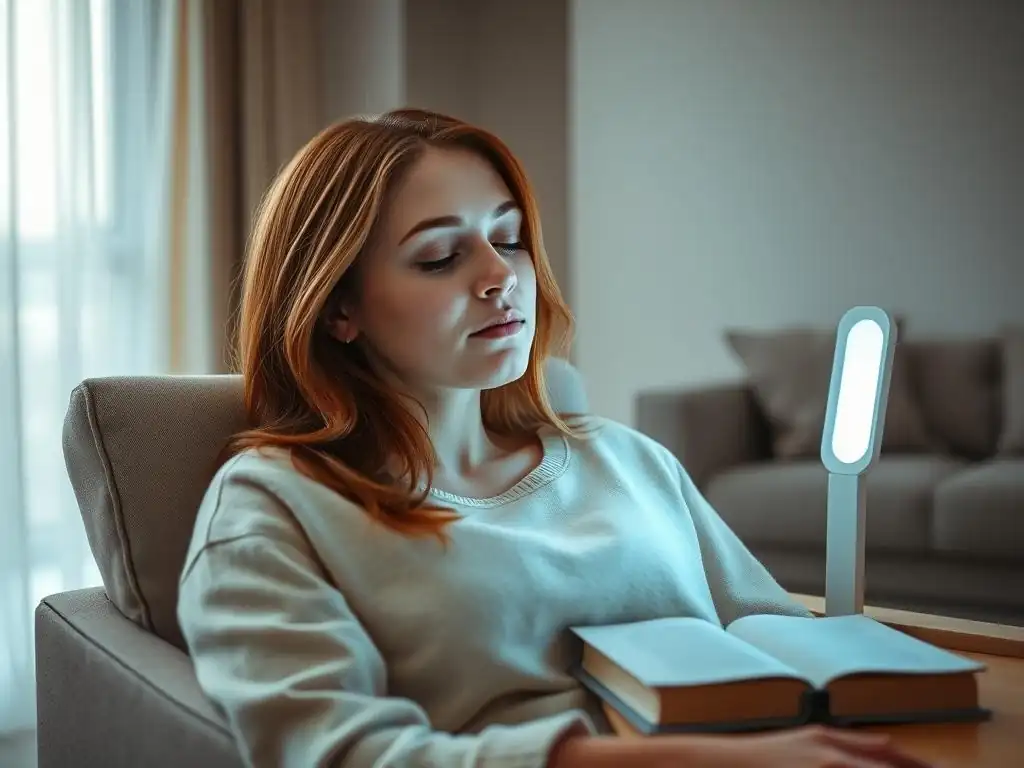
Light therapy, also known as phototherapy, is a first-line treatment for winter-pattern Seasonal Affective Disorder. It involves daily exposure to a special light box that mimics natural outdoor light, but without UV rays. The goal is to compensate for the reduced natural light exposure during the darker months. This therapy has been shown in numerous studies to be effective in reducing SAD symptoms for many individuals.
The mechanism by which seasonal depression light therapy works is thought to involve its impact on the brain's neurochemistry and circadian clock. By providing a strong light signal, it helps regulate melatonin production, reset the circadian rhythm, and potentially influence serotonin levels. This non-pharmacological approach offers a safe and generally well-tolerated option for managing the debilitating effects of seasonal depression.
How Light Therapy Works: Stimulating the Brain and Regulating Neurotransmitters
Seasonal depression light therapy works by delivering bright light, typically 10,000 lux (a measure of light intensity), which is significantly brighter than indoor lighting but less intense than direct sunlight. When this light enters the eyes, it stimulates the specialized photoreceptors in the retina that connect to the suprachiasmatic nucleus (SCN). This strong light signal helps to reinforce and reset the body's internal circadian clock, which may be out of sync in people with SAD.
The light signal also influences the production and timing of melatonin, the sleep hormone. Exposure to bright light, particularly in the morning, suppresses melatonin production, helping individuals feel more awake and alert during the day and normalizing sleep patterns. Furthermore, there is evidence suggesting that light therapy can influence serotonin levels or activity in the brain, similar to how some antidepressant medications work. By affecting these key neurobiological pathways, seasonal depression light therapy helps to alleviate the core symptoms of SAD, such as low mood, fatigue, and sleep disturbances.
Choosing the Right Light Therapy Box: Lumens, Spectrum, and Safety
Selecting an appropriate light therapy box is crucial for effective and safe treatment of seasonal depression. The most important factor is the intensity of the light, measured in lux. For SAD treatment, a box emitting 10,000 lux is generally recommended, as this allows for shorter treatment durations (typically 20-30 minutes). Lower intensity boxes (e.g., 2,500 lux) require significantly longer exposure times (1-2 hours), which may be less practical for daily use.
Another consideration is the light spectrum. Effective light therapy boxes emit a broad-spectrum white light, which is believed to be most effective for circadian and mood regulation. Boxes specifically designed for SAD treatment should filter out harmful ultraviolet (UV) rays, as UV exposure can damage the eyes and skin. Look for boxes marketed specifically for SAD or light therapy, ideally with certification from relevant health bodies, and ensure they provide 10,000 lux at a comfortable distance. Some boxes offer dawn simulation features, which can also be helpful but are distinct from the bright light therapy needed for direct treatment.
- Research recommended light therapy box brands.
- Check for UV filtration claims.
- Verify lux output and recommended distance.
Optimizing Light Therapy Treatment: Timing, Duration, and Consistency
Optimizing the timing and duration of seasonal depression light therapy is key to its success. For most people with winter SAD, morning use is most effective. Using the light box shortly after waking up, ideally within the first hour, helps to reset the circadian rhythm and suppress melatonin production early in the day. Using the light box in the evening can sometimes worsen sleep problems or shift the circadian rhythm in an undesirable way.
The typical recommended duration is 20-30 minutes per day with a 10,000 lux box. It's important to position the box at the recommended distance (usually specified by the manufacturer) and keep your eyes open, though you don't need to stare directly into the light. You can engage in other activities like reading, eating, or working while using the light. Consistency is paramount; daily use throughout the fall and winter months is necessary to maintain the therapeutic effect. Skipping days or using it inconsistently can diminish its benefits.
Light Therapy Side Effects and Precautions: What You Need to Know
While generally safe and well-tolerated, seasonal depression light therapy can have some side effects, although they are usually mild and temporary. The most common side effects include eye strain, headaches, nausea, and irritability or jitteriness. These often occur when starting therapy or if the light is used for too long or too close. Adjusting the distance from the box, reducing the duration, or gradually increasing the exposure time over a few days can help mitigate these issues.
People with certain eye conditions, such as glaucoma, cataracts, or macular degeneration, should consult an ophthalmologist before starting light therapy, as it may not be suitable or may require specific precautions. Similarly, individuals with bipolar disorder should use light therapy cautiously and preferably under medical supervision, as it can potentially trigger manic or hypomanic episodes. Medications that increase sensitivity to light (phototoxicity) should also be discussed with a doctor before starting light therapy. Always discuss any existing health conditions or medications with your healthcare provider before beginning seasonal depression light therapy.
Other Treatments for Seasonal Affective Disorder (SAD)
While seasonal depression light therapy is a cornerstone treatment for winter SAD, it is not the only option, and often a combination of treatments is most effective. Other therapeutic approaches include psychotherapy, particularly Cognitive Behavioral Therapy adapted for SAD (CBT-SAD), antidepressant medications, and lifestyle adjustments. These treatments address different aspects of the disorder, from thought patterns and behaviors to neurochemical imbalances.
Choosing the right treatment or combination of treatments depends on the severity of symptoms, individual preferences, medical history, and response to therapy. A healthcare professional specializing in mental health can help determine the most appropriate plan. Integrating various strategies can provide more comprehensive relief and improve overall well-being during the challenging winter months, complementing the effects of interventions like seasonal depression light therapy.
Cognitive Behavioral Therapy (CBT) for SAD: Changing Thought Patterns
Cognitive Behavioral Therapy (CBT) is a form of psychotherapy that focuses on identifying and changing negative thought patterns and behaviors. A specialized version, CBT for SAD (CBT-SAD), has been developed and shown to be highly effective, sometimes offering more lasting benefits than light therapy alone. CBT-SAD typically involves weekly sessions over several weeks during the fall/winter.
CBT-SAD helps individuals recognize and challenge unhelpful thoughts about winter, darkness, and seasonal changes. It also focuses on behavioral activation, encouraging engagement in enjoyable activities even when motivation is low, and strategies for managing reduced energy and social withdrawal. By teaching coping skills and promoting behavioral changes, CBT-SAD empowers individuals to better manage their symptoms and build resilience against future seasonal episodes, providing a valuable adjunct or alternative to seasonal depression light therapy.
Antidepressant Medications for SAD: SSRIs and Other Options
Antidepressant medications, particularly selective serotonin reuptake inhibitors (SSRIs), are another common treatment option for moderate to severe SAD. SSRIs work by increasing the amount of serotonin available in the brain, which can help improve mood, sleep, and appetite regulation. Examples of SSRIs commonly prescribed include fluoxetine (Prozac), sertraline (Zoloft), and paroxetine (Paxil).
For SAD, antidepressants are often prescribed preventatively, starting in the early fall before symptoms typically begin and continuing until spring. This preemptive approach can help prevent the onset of depressive episodes. Other types of antidepressants may also be used depending on individual needs and responses. While effective, medications can have side effects and require careful monitoring by a healthcare provider. For some individuals, medication may be used in conjunction with seasonal depression light therapy or CBT.
Vitamin D Supplements for SAD: Exploring the Connection
Vitamin D, often called the "sunshine vitamin," is produced in the skin upon exposure to sunlight. Levels of Vitamin D tend to be lower in winter months, especially in regions with limited sunlight. Given that sunlight deficiency is linked to SAD, researchers have explored a potential connection between Vitamin D levels and seasonal depression. Vitamin D receptors are present in areas of the brain involved in mood regulation, and the vitamin may influence neurotransmitter pathways, including serotonin.
Some studies have investigated the effectiveness of Vitamin D supplementation for SAD, but the results have been mixed. While some research suggests potential benefits, others have found no significant difference compared to placebo. It's known that Vitamin D deficiency can contribute to low mood and fatigue, so ensuring adequate levels is important for overall health. However, Vitamin D supplementation is not currently considered a primary treatment for SAD on the same level as seasonal depression light therapy, CBT, or antidepressants, but it may be a helpful complementary strategy for some individuals, particularly if a deficiency is present.
Lifestyle Changes for Managing SAD: Diet, Exercise, and Sleep Hygiene
Incorporating positive lifestyle changes can significantly support the management of seasonal depression. Regular physical exercise, even moderate activity like brisk walking, has been shown to improve mood and reduce symptoms of depression. Aiming for at least 30 minutes of moderate-intensity exercise most days of the week can be beneficial. Exercising outdoors during daylight hours can provide the added benefit of light exposure.
Maintaining good sleep hygiene is also critical. Despite the tendency to oversleep in winter SAD, establishing a regular sleep schedule by going to bed and waking up at the same time each day, even on weekends, can help regulate the body's internal clock. Creating a relaxing bedtime routine and ensuring the bedroom is dark, quiet, and cool can improve sleep quality.
While dietary changes alone may not cure SAD, eating a balanced diet rich in fruits, vegetables, lean proteins, and whole grains can support overall mental and physical health. Limiting processed foods and excessive sugar intake may also help stabilize mood and energy levels, complementing the effects of treatments like seasonal depression light therapy.
The Connection Between Geographic Latitude, Sunlight Exposure, and SAD Prevalence
Research consistently shows a strong correlation between geographic latitude and the prevalence of Seasonal Affective Disorder. People living at higher latitudes, farther from the equator, experience more pronounced seasonal variations in daylight hours. The shorter days and reduced intensity of sunlight during winter months in these regions directly correspond with higher rates of SAD compared to populations living closer to the equator, where daylight hours are more consistent throughout the year.
For instance, studies have indicated that the prevalence of SAD can be significantly higher in northern states like Alaska or countries like Finland compared to southern states like Florida or countries near the equator. This geographical pattern provides compelling evidence for the role of sunlight deprivation as a primary trigger for the condition. Understanding this link reinforces the rationale behind using light-based interventions, such as seasonal depression light therapy, to counteract the effects of reduced natural light.
Sunlight Deprivation and SAD: Understanding the Correlation
The correlation between sunlight deprivation and SAD is a cornerstone of understanding this disorder. During the fall and winter, as days shorten and the sun's angle is lower, the amount and intensity of natural light reaching the eye decreases significantly, especially at higher latitudes. This reduction in light exposure is believed to disrupt the delicate balance of circadian rhythms and neurotransmitter systems, leading to the onset of depressive symptoms in vulnerable individuals.
The mechanism likely involves the disruption of the signals sent from the retina to the SCN, impairing the brain's ability to synchronize its internal clock with the external environment. This, in turn, affects melatonin production, potentially leading to extended periods of melatonin signaling, and may also impact serotonin availability. The cumulative effect of these neurobiological changes, triggered by insufficient light, manifests as the classic symptoms of winter SAD. This strong correlation underscores why therapies aimed at increasing light exposure, particularly seasonal depression light therapy, are so effective.
Strategies for Maximizing Sunlight Exposure During Winter Months
While seasonal depression light therapy provides a concentrated dose of therapeutic light indoors, maximizing natural sunlight exposure whenever possible during the winter months can also be beneficial. Even on cloudy days, outdoor light is significantly brighter than indoor lighting. Making an effort to spend time outdoors during the sunniest part of the day, typically midday, can help increase light intake.
Simple strategies include taking walks during lunch breaks, sitting near windows at home or work, and ensuring curtains and blinds are open during the day. Planning outdoor activities on weekends can also contribute to increased light exposure. While natural sunlight alone may not be sufficient to treat moderate to severe SAD, especially at high latitudes, combining these practices with prescribed treatments like seasonal depression light therapy, medication, or therapy can contribute to overall symptom management and well-being.
Preventing Seasonal Affective Disorder: Proactive Steps for Mental Well-being
Prevention is a key aspect of managing Seasonal Affective Disorder for individuals with a history of the condition. Recognizing the predictable seasonal pattern allows for proactive intervention before symptoms become severe. Implementing preventative measures starting in the early fall can significantly reduce the likelihood or severity of winter depressive episodes.
Proactive steps often involve starting treatments like seasonal depression light therapy or antidepressant medication before symptoms typically begin, maintaining healthy lifestyle habits year-round, and preparing oneself mentally for the seasonal transition. Taking these steps can help individuals feel more in control and better equipped to navigate the challenges of the darker months, promoting mental well-being throughout the year.
Preparing for Winter: Implementing Preventative Measures
For individuals who know they are prone to SAD, preparing for the winter season is a critical preventative step. This often involves initiating treatment proactively, usually in early to mid-fall, before symptoms typically emerge. For example, starting seasonal depression light therapy daily in September or October can help prevent the circadian shift and neurochemical changes that trigger the disorder. Similarly, some individuals may begin or resume antidepressant medication at the same time, under the guidance of their physician.
Beyond specific treatments, preparing for winter can also involve scheduling enjoyable activities to look forward to during the colder months, ensuring the home and workspace are well-lit, and making plans to stay socially connected. Establishing a consistent routine for sleep, exercise, and meals can also provide stability. Proactive implementation of these strategies, including the early adoption of seasonal depression light therapy, can significantly mitigate the impact of winter on mood and energy levels.
Maintaining a Healthy Lifestyle Year-Round: Diet, Exercise, and Mental Health
While SAD is seasonal, maintaining a healthy lifestyle throughout the year builds resilience and supports overall mental well-being. Consistent engagement in physical activity, a balanced diet, and good sleep hygiene during the spring and summer can help maintain physical and mental health, potentially reducing vulnerability when winter arrives. This continuous self-care approach is fundamental to managing not just SAD, but mental health in general.
Regular exercise, even during the brighter months, helps regulate mood and sleep. A nutritious diet provides the necessary building blocks for neurotransmitter synthesis and overall brain health. Prioritizing consistent sleep patterns helps keep the circadian rhythm stable. By making these healthy habits a year-round practice, individuals are better positioned to face the challenges of the seasonal transition and may find that the preventative measures, such as starting seasonal depression light therapy early, are even more effective.
Beyond Light Therapy: Alternative and Complementary Treatments for SAD
While seasonal depression light therapy, medication, and CBT are primary treatments for SAD, many individuals explore alternative and complementary approaches to support their mental well-being during winter. These methods can be used in conjunction with conventional treatments or as part of a broader self-care strategy. They often focus on promoting relaxation, increasing physical activity, and enhancing overall mood.
Exploring these options can provide additional tools for managing symptoms and improving quality of life. It's important to discuss any alternative or complementary treatments with a healthcare provider to ensure they are safe and appropriate for your individual situation and do not interfere with existing therapies like seasonal depression light therapy or medication.
Exercise and Outdoor Activities for SAD Relief
Regular exercise is a potent mood booster and can be particularly helpful for managing SAD symptoms. Physical activity releases endorphins, which have natural mood-lifting effects. Aiming for consistent exercise, ideally daily, can help reduce feelings of lethargy and improve energy levels. Combining exercise with outdoor activity during daylight hours offers a dual benefit.
Spending time outdoors in natural light, even when it's cold, can contribute to regulating the circadian rhythm and increasing light exposure. Activities like walking, running, skiing, or even just taking a brisk walk during a lunch break can make a difference. While not a replacement for seasonal depression light therapy in moderate to severe cases, integrating outdoor exercise is a valuable complementary strategy for mild SAD or as part of a comprehensive treatment plan.
Mindfulness and Meditation Techniques for Mood Regulation
Mindfulness and meditation practices can be valuable tools for managing the emotional and psychological aspects of seasonal depression. Mindfulness involves paying attention to the present moment without judgment, which can help individuals become more aware of their thoughts and feelings without getting overwhelmed by them. Meditation techniques, such as focusing on the breath or guided imagery, can promote relaxation and reduce stress.
Regular practice of mindfulness and meditation may help individuals cope with feelings of sadness, irritability, and low energy associated with SAD. These techniques can improve emotional regulation and foster a sense of calm. While they do not directly address the neurobiological roots of SAD like seasonal depression light therapy does, they can significantly enhance coping skills and improve overall mental resilience, serving as a helpful addition to a treatment plan.
Living with Seasonal Affective Disorder: Resources and Support
Living with Seasonal Affective Disorder can be challenging, but help and support are available. Connecting with mental health professionals, joining support groups, and utilizing resources from reputable organizations can provide valuable guidance, coping strategies, and a sense of community. You don't have to navigate seasonal depression alone.
Seeking support is a sign of strength and a crucial step toward managing the condition effectively. Resources range from individual therapy to peer support networks and educational materials, all aimed at empowering individuals to live fuller lives despite the seasonal challenges. Accessing these resources can make a significant difference in managing symptoms and improving overall well-being, especially when combined with effective treatments like seasonal depression light therapy.
Finding a Therapist or Counselor Specializing in SAD
Finding a mental health professional who specializes in treating Seasonal Affective Disorder or has experience with mood disorders and seasonal patterns is highly recommended. Therapists, counselors, psychologists, or psychiatrists can provide accurate diagnosis, develop personalized treatment plans, and offer effective interventions such as CBT-SAD. A specialist can also advise on the appropriate use of seasonal depression light therapy and other treatments.
You can search for therapists through professional organizations, mental health directories, or by asking for referrals from your primary care physician. When contacting a potential therapist, ask about their experience treating SAD and their approach to seasonal mood changes. Building a trusting relationship with a therapist can provide crucial support and guidance throughout the darker months.
Support Groups for People with Seasonal Depression: Connecting with Others
Connecting with others who understand the unique challenges of seasonal depression can be incredibly validating and supportive. Support groups, whether in-person or online, offer a space to share experiences, coping strategies, and encouragement with peers who are also navigating SAD. Hearing from others who successfully manage their symptoms, perhaps through seasonal depression light therapy or other methods, can provide hope and practical advice.
Support groups can reduce feelings of isolation and provide a sense of community. They are not a substitute for professional treatment but can be a valuable supplement. Organizations focused on mental health often host or list support group resources. Sharing your journey and learning from others can be a powerful component of managing seasonal depression.
National Institute of Mental Health (NIMH) and Mental Health America (MHA) Resources
Reputable national organizations like the National Institute of Mental Health (NIMH) and Mental Health America (MHA) offer extensive resources on Seasonal Affective Disorder and other mental health conditions. These resources include detailed information about symptoms, diagnosis, treatment options (including seasonal depression light therapy), research updates, and guidance on finding help.
The NIMH website provides science-backed information and statistics on mental health disorders. Mental Health America offers educational materials, advocacy, and tools for finding local support and services. Utilizing these resources can help individuals and their families better understand SAD, make informed decisions about treatment, and access needed support, complementing the guidance received from healthcare professionals.
Frequently Asked Questions
What is Seasonal Affective Disorder (SAD) and how is it connected to neurotransmitters?
SAD is a type of depression related to changes in the seasons, often occurring in the fall and winter. It's thought to be linked to disruptions in neurotransmitter levels, particularly serotonin and melatonin, due to reduced exposure to natural light.
How does light therapy work to alleviate SAD symptoms?
Light therapy involves exposure to a bright light box, mimicking sunlight. This increased light exposure helps regulate the body's circadian rhythm and can boost serotonin production, improving mood and energy levels.
What neurotransmitters are most affected by seasonal changes and how does light therapy influence them?
The key neurotransmitters affected are serotonin and melatonin. Light therapy helps to increase serotonin levels and potentially regulate melatonin production, which can be disrupted by lack of sunlight.
Is light therapy a substitute for other mental health treatments for SAD, like medication or therapy?
Light therapy is often used as a first-line treatment, but it's not always a complete substitute. Depending on the severity of SAD, it may be used in conjunction with medication or talk therapy for optimal results.
How long does it typically take to see results from using light therapy for seasonal depression?
Many people experience noticeable improvements within one to two weeks of consistent light therapy use. However, individual responses vary, and it's important to consult with a healthcare professional for personalized guidance.
Final Reflection: Shedding Light on Seasonal Darkness
The impact of Seasonal Affective Disorder (SAD) is far more pervasive than many realize; it's not just a winter blues, but a debilitating condition affecting millions, significantly impacting productivity and overall well-being. Understanding the neurotransmitter fluctuations linked to light exposure offers a crucial pathway towards effective treatment and prevention, highlighting the importance of proactive strategies in managing this often-overlooked mental health challenge.
The exploration of SAD and its connection to light therapy has profoundly shaped my understanding of the intricate relationship between our environment and mental health. It's a stark reminder of how easily our internal chemistry can be disrupted by external factors, and how powerful the simple act of increasing light exposure can be. The sun is a daily reminder that we too can rise again from darkness.
This quote, while not directly about SAD, perfectly encapsulates the hope and potential for healing that light therapy offers. The ongoing research in this field underscores the need for continued awareness and accessible treatment options for those struggling with seasonal depression.
Consider, for a moment, the impact of light on your own life. Do you notice a shift in your mood during different seasons? Are you proactive about maximizing your exposure to natural light?
I encourage you to take this knowledge and apply it to your own life, seeking out natural light whenever possible, and exploring light therapy options if you suspect you might be suffering from SAD. Don't underestimate the power of sunlight to nourish not only your body, but also your mind and spirit. Take charge of your well-being, and let the light guide you towards a brighter, healthier you.
Unleash Your Inner Sunshine: Take Charge of Your Mood!
Thanks for taking the time to learn about Seasonal Affective Disorder and the fascinating link between light and neurotransmitters! We hope you gained valuable insights into managing your mood during darker months. Now it's time to put that knowledge into action.
- Prioritize your light exposure: Make a conscious effort to spend at least 15-30 minutes outdoors each day, even on cloudy days. Notice how you feel before and after – it's a simple change with potentially huge benefits!
- Share your experience: Discuss what you learned with a friend, family member, or in an online support group. Sharing your knowledge can help others and strengthen your own understanding.
- Explore additional resources: Dive deeper into the subject matter by researching light therapy options or exploring mindfulness techniques to enhance your emotional well-being.
What small step will you take today to improve your mood and embrace the light?