
Stress in Your Belly? Understanding the Gut's Role in Your Stress Response

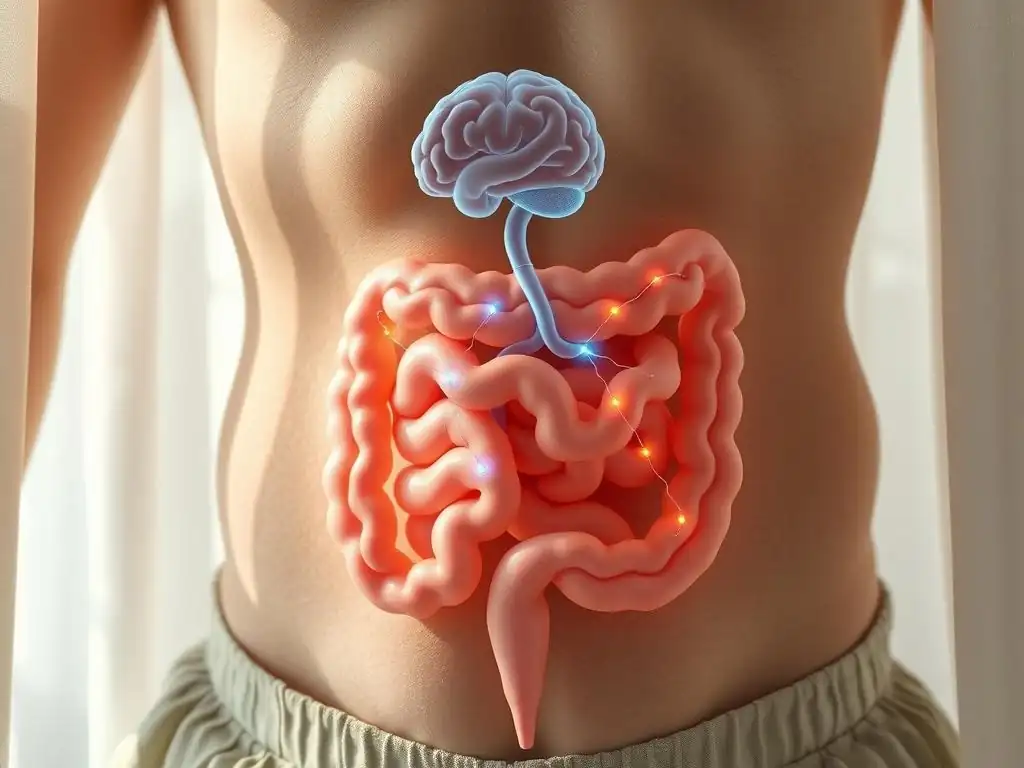
Welcome to Mind Care Guide, a space dedicated to nurturing your mental well-being.
Feeling stressed and it's manifesting in your gut? You're not alone. Many are surprised to learn about the intricate gut stress response connection. Explore this relationship further and discover how understanding this link can unlock new pathways to manage stress and improve your overall mental health. Let's delve into the science and find practical solutions together!
Stress in Your Belly? Understanding the Gut's Role in Your Stress Response
- Introduction: The Gut-Brain Axis and Mental Well-being
- Understanding the Gut-Stress Response Connection
- The Science Behind the Gut-Brain Axis and Stress
- The Impact of Chronic Stress on Gut Health
- Recognizing the Symptoms: Is Your Gut Stressed?
- Strategies for Managing Gut Stress and Improving Mental Well-being
- The Role of Probiotics and Prebiotics in Stress Management
- When to Seek Professional Help for Gut-Related Stress
- Conclusion: Nurturing Your Gut for a Happier, Less Stressed You
-
Frequently Asked Questions
- What is the Gut-Stress Response Connection and why is it important?
- How does stress affect my gut health, according to Mind Care Guide?
- What are some common symptoms indicating a disrupted gut-stress response connection?
- What strategies does Mind Care Guide recommend for managing the gut-stress response connection?
- Can probiotics help improve the Gut-Stress Response Connection, and what does Mind Care Guide say about them?
- Final Reflection: Unraveling the Mind-Gut Connection
- Unwind Your Gut: Take Control of Your Stress Response
Introduction: The Gut-Brain Axis and Mental Well-being
Understanding Holistic Mental Health
Holistic mental health recognizes that our psychological well-being is intricately linked to our physical health and lifestyle. It moves beyond simply addressing symptoms of mental health conditions to consider the whole person, including their diet, exercise, sleep patterns, social connections, and importantly, the state of their internal bodily systems. This perspective emphasizes that issues in one part of the body, such as the digestive system, can significantly impact mood, cognitive function, and overall mental resilience.
Embracing a holistic view means understanding that the traditional separation between mind and body is artificial. Conditions like anxiety, depression, or even chronic stress are not isolated to the brain but can be influenced by systemic inflammation, nutritional deficiencies, hormonal imbalances, and the health of our gut. By focusing on the interconnectedness of these systems, particularly the profound gut stress response connection, individuals can adopt more comprehensive strategies for improving their mental health that target the root causes rather than just managing symptoms.
Exploring the Gut-Brain Connection
The gut-brain connection, also known as the gut-brain axis, is a complex communication network linking the central nervous system (brain and spinal cord) and the enteric nervous system (ENS), which governs the gastrointestinal tract. This bidirectional highway involves direct nerve pathways, hormonal signaling, and the intricate world of the gut microbiome. It's a constant dialogue, where signals from your gut can influence your brain function and mood, and conversely, signals from your brain can affect your digestive health.
This axis is crucial for understanding how stress impacts our digestive system and vice versa. When we experience stress, whether acute or chronic, our brain sends signals that can alter gut motility, increase sensitivity, and change the composition of our gut bacteria. Simultaneously, the state of our gut, including the types of microbes residing there and the health of the gut lining, can send signals that influence our stress levels, anxiety, and even cognitive processes. Understanding this intricate gut stress response connection is key to addressing stress-related digestive issues and improving mental resilience.
Understanding the Gut-Stress Response Connection
Defining the Gut-Stress Response
The gut-stress response refers to the physiological and biological reactions that occur within the gastrointestinal system when the body is exposed to psychological or physical stress. It's a direct manifestation of the gut-brain axis at work, where the brain's perception of threat or pressure triggers a cascade of events affecting gut function. This response is part of the body's broader "fight or flight" or stress adaptation system, but its impact on the gut can range from temporary discomfort to chronic issues.
This complex interplay involves the release of stress hormones like cortisol and adrenaline, which can alter gut motility, increase gut permeability, and influence the gut microbiome. For instance, acute stress might lead to immediate changes in bowel movements, while chronic stress can contribute to conditions like Irritable Bowel Syndrome (IBS) or Inflammatory Bowel Disease (IBD). Recognizing the gut stress response connection means understanding that persistent digestive symptoms could be directly linked to ongoing mental or emotional strain, highlighting the need to address stress as a core component of gut health.
How Your Gut Reacts to Stressful Situations
When faced with stress, your brain activates the sympathetic nervous system, redirecting resources away from non-essential functions like digestion towards immediate survival needs. This can slow down digestion, leading to feelings of nausea or bloating, or conversely, speed it up, causing diarrhea. The release of stress hormones, particularly cortisol, also impacts the gut lining, potentially increasing its permeability, a phenomenon often referred to as "leaky gut."
Furthermore, stress significantly influences the gut microbiome. Studies have shown that stressful periods can lead to a decrease in beneficial bacteria and an increase in potentially harmful ones, altering the balance necessary for healthy digestion and immune function. For example, research in rodents has demonstrated that stress can reduce the populations of Lactobacillus and Bifidobacterium species, which are often associated with positive health outcomes. This shift in microbial composition can exacerbate inflammation and further disrupt the gut stress response connection, creating a vicious cycle where stress harms the gut, and a compromised gut amplifies stress signals to the brain.
The Science Behind the Gut-Brain Axis and Stress
The Vagus Nerve: The Highway Between Gut and Brain
The vagus nerve is the primary physical connection between the brain and the gut, acting as a major communication highway. It's the longest cranial nerve, extending from the brainstem down through the neck and chest to the abdomen, innervating most of the major organs, including the digestive tract. This nerve allows for rapid, direct signaling in both directions – transmitting information about the state of the gut to the brain and relaying signals from the brain that influence gut function, such as motility, secretion, and inflammation.
Stimulating the vagus nerve can have a calming effect, reducing heart rate and promoting relaxation, which in turn can positively influence gut function. Conversely, chronic stress can dampen vagal tone, reducing its ability to effectively communicate between the gut and brain. This impaired communication can contribute to digestive issues and potentially heighten the perception of stress. Understanding the central role of the vagus nerve in the gut stress response connection highlights the potential of techniques that stimulate vagal activity, such as deep breathing or meditation, as strategies for managing both stress and gut symptoms.
Neurotransmitters and the Gut's Role in Mood Regulation
The gut produces and responds to many of the same neurotransmitters found in the brain, playing a significant role in mood regulation. Serotonin, often dubbed the "feel-good" neurotransmitter, is a prime example; approximately 90% of the body's serotonin is produced in the gut. This gut-derived serotonin influences gut motility and sensation, but it also communicates with the brain via the vagus nerve and bloodstream, impacting mood, appetite, and sleep.
Beyond serotonin, the gut also produces GABA (gamma-aminobutyric acid), a major inhibitory neurotransmitter that helps regulate anxiety, and dopamine, involved in motivation and pleasure. The gut microbiome plays a crucial role in this production, with certain bacteria capable of synthesizing these neurochemicals or influencing their availability. Disruptions in the gut, whether due to stress or an imbalanced microbiome, can therefore alter neurotransmitter signaling along the gut-brain axis, contributing to mood disturbances, anxiety, and depression. This underscores the profound gut stress response connection and the gut's unexpected influence on our emotional state.
The Gut Microbiome: Its Influence on Stress and Anxiety
The gut microbiome, the trillions of bacteria, viruses, fungi, and other microorganisms living in our digestive tract, is a critical player in the gut-brain axis and a significant modulator of the stress response. These microbes are not just passive residents; they actively communicate with the brain and body through various mechanisms, including producing short-chain fatty acids (SCFAs) like butyrate, synthesizing vitamins, and interacting with the immune system.
Research increasingly shows that the diversity and composition of the gut microbiome can influence stress reactivity and anxiety levels. A balanced, diverse microbiome is associated with lower stress hormone levels and improved resilience, while dysbiosis (an imbalance) can exacerbate the stress response and contribute to anxiety-like behaviors. For instance, studies have shown that transferring gut microbiota from stressed animals to non-stressed animals can induce anxiety-like behaviors in the recipients, demonstrating a causal link. This highlights how the health of our microbial inhabitants is directly tied to the gut stress response connection and our ability to cope with psychological pressures.
The Impact of Chronic Stress on Gut Health
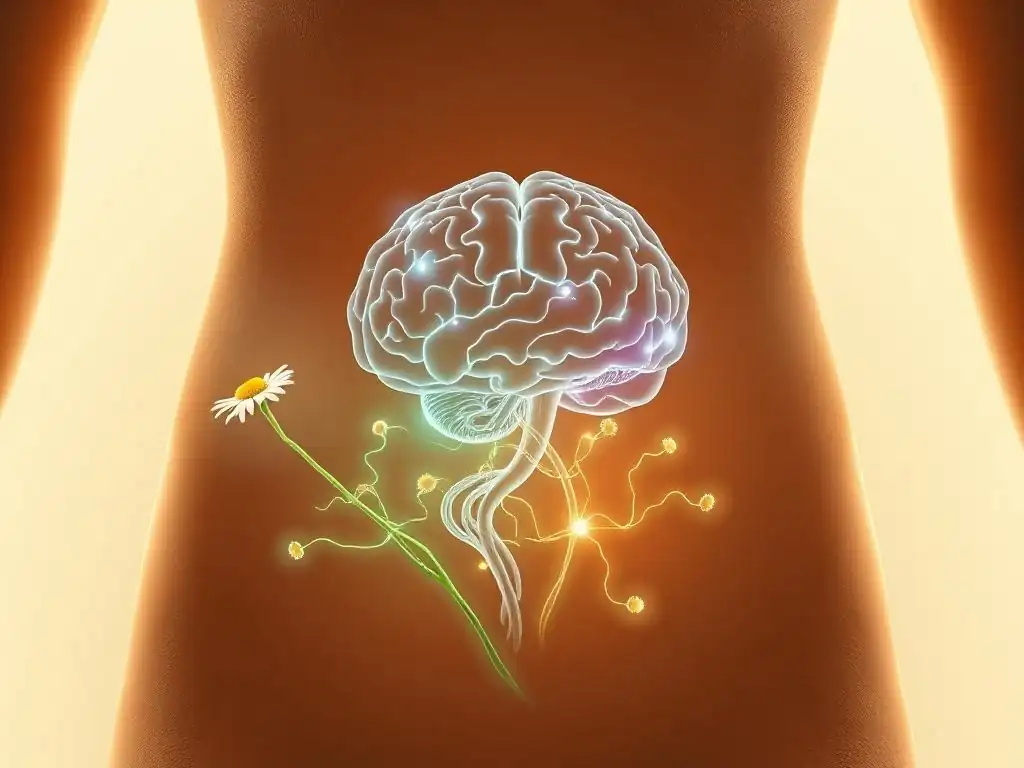
Stress-Induced Changes in Gut Microbiota Composition
Chronic stress is a powerful disruptor of the delicate balance within the gut microbiome. Prolonged exposure to stress hormones like cortisol and the activation of the sympathetic nervous system can significantly alter the types and quantities of bacteria residing in the gut. This often leads to a reduction in the diversity of beneficial bacteria, such as Lactobacillus and Bifidobacterium species, which are known for their roles in producing beneficial compounds and supporting gut barrier function.
Simultaneously, chronic stress can promote the growth of potentially pathogenic bacteria. This shift towards a less diverse and potentially more harmful microbial community, known as dysbiosis, can impair digestion, weaken the immune system centered in the gut, and increase inflammation. This stress-induced dysbiosis is a key component of the gut stress response connection, contributing to various gastrointestinal symptoms and potentially influencing systemic health and mental well-being.
Increased Intestinal Permeability (Leaky Gut) and its Link to Stress
One significant consequence of chronic stress on gut health is increased intestinal permeability, commonly referred to as "leaky gut." The lining of the intestines acts as a barrier, controlling what substances are absorbed into the bloodstream and preventing harmful substances, such as undigested food particles, toxins, and bacteria, from passing through. Chronic stress can weaken this barrier by altering the tight junctions between intestinal cells.
When the intestinal barrier becomes more permeable, these unwanted substances can leak into the bloodstream, triggering an immune response and systemic inflammation. This leaky gut phenomenon is strongly linked to various health issues, including food sensitivities, autoimmune conditions, and inflammatory disorders. The heightened permeability is a direct result of the gut stress response connection, showing how persistent psychological pressure can compromise the gut's physical integrity and contribute to widespread inflammation and health problems.
Gut Inflammation as a Result of Chronic Stress
Chronic stress is a major contributor to low-grade inflammation in the gut. The mechanisms are multifaceted, involving stress-induced changes in the gut microbiome, increased intestinal permeability, and direct effects of stress hormones on immune cells located in the gut lining. When the gut barrier is compromised, immune cells are exposed to substances that trigger an inflammatory response.
This chronic gut inflammation can manifest as symptoms like pain, bloating, and altered bowel habits. It is also implicated in the development and exacerbation of conditions like Irritable Bowel Syndrome (IBS) and Inflammatory Bowel Disease (IBD). Furthermore, gut inflammation can send signals back to the brain via the vagus nerve and inflammatory cytokines, potentially contributing to mood disorders like depression and anxiety. The inflammatory aspect of the gut stress response connection underscores the importance of managing stress to protect against chronic gut issues and their systemic consequences.
Recognizing the Symptoms: Is Your Gut Stressed?
When the gut stress response connection is active, it can manifest through a variety of physical symptoms related to digestion. These symptoms often appear or worsen during periods of high stress. Common signs include abdominal pain or cramps, bloating, excessive gas, and changes in bowel habits such as diarrhea or constipation.
Other physical indicators might include indigestion, heartburn, nausea, or a feeling of a knot in the stomach. These symptoms are the gut's way of signaling distress, often reflecting altered motility, increased sensitivity, or inflammation driven by the body's stress response. Paying attention to these physical cues can be the first step in recognizing the impact of stress on your digestive health.
Psychological Manifestations of Gut Stress: Anxiety and Mood Swings
The bidirectional nature of the gut-brain axis means that gut issues stemming from stress can also impact your psychological state. A stressed or unhealthy gut can contribute to increased feelings of anxiety, nervousness, and irritability. Some individuals may experience heightened mood swings or difficulty regulating their emotions.
This psychological impact is often linked to the gut's production of neurotransmitters, its influence on inflammation, and the signals sent back to the brain. For example, altered serotonin production in a stressed gut can directly affect mood. Recognizing these psychological symptoms alongside physical gut discomfort is crucial for understanding the full scope of the gut stress response connection and seeking appropriate holistic support.
Identifying the Root Causes of Gut Stress in Your Life
Identifying the root causes of gut stress involves looking beyond immediate digestive symptoms and examining potential stressors in your life. These can be varied and include work-related pressures, relationship issues, financial worries, major life changes, chronic illness, or even perceived threats that trigger a stress response.
It's helpful to keep a journal to track when your gut symptoms appear or worsen and correlate them with specific events or periods of stress. Recognizing patterns can help pinpoint the primary stressors affecting your gut stress response connection. Addressing these underlying causes, rather than just the symptoms, is essential for long-term gut health and mental well-being.
Strategies for Managing Gut Stress and Improving Mental Well-being
Dietary Changes to Support a Healthy Gut Microbiome
Modifying your diet is a powerful way to positively influence the gut microbiome and dampen the gut stress response connection. A diet rich in diverse plant fibers provides essential fuel for beneficial gut bacteria, helping them thrive. Aim for a wide variety of fruits, vegetables, legumes, nuts, and seeds.
-
Incorporating Probiotic-Rich Foods
Consuming foods naturally containing beneficial bacteria, known as probiotics, can help replenish and diversify the gut microbiome. Examples include:
- Yogurt with live and active cultures
- Kefir
- Sauerkraut (uncooked)
- Kimchi
- Tempeh
- Miso
- Certain pickles (naturally fermented)
Adding these foods regularly to your diet can introduce helpful microbes that may support a healthier stress response.
-
Reducing Inflammatory Foods in Your Diet
Certain foods can promote inflammation and negatively impact gut health, potentially exacerbating the gut stress response connection. Reducing or eliminating these can alleviate gut irritation. This often includes:
- Highly processed foods
- Excessive sugar and refined carbohydrates
- Unhealthy fats, such as trans fats and excessive saturated fats
- Excessive alcohol
- Artificial sweeteners and additives
Focusing on whole, unprocessed foods can help calm gut inflammation and support a healthier environment for beneficial bacteria.
Stress Reduction Techniques to Calm the Gut-Brain Axis
Actively managing stress is paramount for improving the gut stress response connection. Various techniques can help calm the nervous system and reduce the impact of stress on your gut.
-
Mindfulness and Meditation for Gut Health
Practicing mindfulness and meditation can significantly lower stress hormone levels and promote relaxation, positively influencing gut motility and reducing sensitivity. Even a few minutes daily can make a difference.
- [ ] Try a guided meditation for 5-10 minutes.
- [ ] Practice mindful eating, paying attention to taste and texture.
- [ ] Incorporate short mindfulness breaks throughout your day.
These practices help interrupt the stress response loop between the brain and the gut.
-
The Power of Exercise in Reducing Gut Stress
Regular physical activity is a well-known stress reliever. Exercise helps reduce stress hormones and can positively influence the gut microbiome composition. It also promotes healthy gut motility.
- [ ] Aim for at least 30 minutes of moderate exercise most days.
- [ ] Find activities you enjoy, whether it's walking, yoga, or dancing.
- [ ] Notice how exercise impacts your mood and energy levels.
Exercise acts as a buffer against the negative effects of stress on the gut.
-
Breathing Exercises for Vagal Nerve Stimulation
Deep, slow breathing techniques can stimulate the vagus nerve, promoting relaxation and calming the gut-brain axis. This is a direct way to influence the gut stress response connection.
- [ ] Practice diaphragmatic (belly) breathing for a few minutes.
- [ ] Try box breathing (inhale 4, hold 4, exhale 4, hold 4).
- [ ] Use breathing exercises during stressful moments or before meals.
Conscious breathing sends calming signals through the vagus nerve, benefiting both mind and gut.
Lifestyle Modifications for a Healthier Gut and Mind
Beyond diet and specific stress techniques, broader lifestyle choices play a crucial role in supporting a healthy gut stress response connection.
-
Prioritizing Sleep for Gut Health and Stress Management
Lack of sufficient, quality sleep is a significant stressor on the body and can negatively impact the gut microbiome and gut barrier function. Aim for 7-9 hours of restful sleep per night.
- [ ] Establish a consistent sleep schedule.
- [ ] Create a relaxing bedtime routine.
- [ ] Ensure your sleep environment is dark and cool.
Adequate sleep helps regulate the stress response and supports the gut's repair processes.
-
The Importance of Social Connection in Reducing Stress
Positive social interactions and strong relationships can act as a buffer against stress. Feeling connected reduces the release of stress hormones and promotes a sense of safety and well-being, which indirectly benefits the gut.
- [ ] Spend time with supportive friends and family.
- [ ] Engage in community activities.
- [ ] Share your feelings with trusted individuals.
Social support is a vital, often overlooked, component in managing the gut stress response connection.
The Role of Probiotics and Prebiotics in Stress Management

Understanding Probiotics: Benefits for the Gut Microbiome
Probiotics are live microorganisms, typically bacteria, that, when administered in adequate amounts, confer a health benefit to the host. For the gut-brain axis and stress, specific probiotic strains have been studied for their ability to influence mood and the stress response. They work by interacting with the gut lining, producing beneficial compounds (like SCFAs), competing with harmful bacteria, and potentially influencing neurotransmitter production or signaling along the vagus nerve.
Research suggests that certain strains of Lactobacillus and Bifidobacterium may help reduce cortisol levels, improve mood, and decrease anxiety in some individuals. For example, a study found that participants who consumed a multi-strain probiotic experienced reduced psychological distress compared to a placebo group. While individual results vary, incorporating specific probiotic strains may offer a supportive approach to managing the gut stress response connection by enhancing the beneficial microbial population.
Prebiotics: Fueling the Beneficial Gut Bacteria
Prebiotics are non-digestible fibers that selectively feed beneficial bacteria in the gut. They act as fertilizer for the good microbes already residing there, helping them grow and thrive. Common sources include inulin, fructans, and galacto-oligosaccharides (GOS), found in foods like garlic, onions, leeks, asparagus, bananas, and oats.
By promoting the growth of beneficial bacteria, prebiotics indirectly support a healthier gut microbiome, which in turn can positively influence the gut-brain axis. A well-fed, diverse microbiome is better equipped to produce beneficial metabolites and maintain gut barrier integrity, potentially buffering the effects of stress. Combining prebiotics with probiotics (synbiotics) is often considered an effective strategy to nourish the gut and support a healthy gut stress response connection.
Choosing the Right Probiotics for Stress Relief
Selecting a probiotic for stress relief requires considering specific strains that have demonstrated efficacy in clinical studies related to mood, anxiety, or the stress response. Not all probiotics offer the same benefits, and the effects can be strain-specific. Research has pointed towards strains like Lactobacillus helveticus R0052 and Bifidobacterium longum R0175, often found in combination, for their potential anxiolytic effects.
It's advisable to look for products that list specific strains (e.g., Lactobacillus acidophilus NCFM) rather than just the species name. Consulting with a healthcare professional knowledgeable in gut health can provide personalized guidance on choosing a probiotic supplement, especially when addressing the complex gut stress response connection. Factors like dosage, viability, and potential interactions should also be considered.
Recognizing the Signs of a More Serious Gut Problem
While many stress-related gut symptoms are functional and improve with stress management and lifestyle changes, some signs may indicate a more serious underlying condition that requires medical attention. These include persistent or severe abdominal pain, unexplained weight loss, blood in the stool, changes in bowel habits lasting more than a few weeks (especially if new and persistent), difficulty swallowing, or persistent vomiting.
These symptoms should not be attributed solely to stress without a proper medical evaluation. Conditions like Inflammatory Bowel Disease (Crohn's disease or Ulcerative Colitis), Celiac disease, infections, or other structural issues need to be ruled out. Ignoring these warning signs can delay diagnosis and treatment for potentially serious conditions, regardless of the gut stress response connection.
Consulting with a Healthcare Professional
If you experience persistent or concerning gut symptoms, or if stress is significantly impacting your digestive health and overall well-being, it is essential to consult with a healthcare professional. A primary care physician can help evaluate your symptoms, order necessary tests (like blood tests, stool tests, or imaging), and provide initial guidance.
Depending on the nature of your symptoms, they may refer you to a gastroenterologist, a specialist in digestive disorders. Discussing the potential gut stress response connection with your doctor is important; they can help determine if your symptoms are primarily stress-driven, related to another condition, or a combination of factors.
The Benefits of a Multidisciplinary Approach to Gut and Mental Health
Given the intricate gut stress response connection, a multidisciplinary approach is often the most effective way to manage complex gut and mental health issues. This involves collaboration between different healthcare providers. For instance, a gastroenterologist can address the physical gut symptoms, while a mental health professional (like a therapist or counselor) can help you develop coping strategies for stress and anxiety.
Working with a registered dietitian or nutritionist can provide personalized dietary recommendations to support gut health. In some cases, a physician specializing in functional medicine might offer additional insights into the gut-brain axis. This integrated approach ensures that both the physical and psychological aspects of the gut stress response connection are addressed comprehensively.
Conclusion: Nurturing Your Gut for a Happier, Less Stressed You
Recap of the Gut-Stress Response Connection
We've explored the intricate and bidirectional gut stress response connection, understanding how the gut and brain are in constant communication via the gut-brain axis, involving the vagus nerve, neurotransmitters, and the vast gut microbiome. Stress doesn't just happen in the mind; it profoundly impacts the gut, leading to changes in motility, permeability, and microbial balance, which can manifest as physical digestive symptoms and psychological distress like anxiety.
Conversely, the health of our gut significantly influences our ability to manage stress and regulate our mood. This highlights that addressing gut health is not just about digestion but is a fundamental component of holistic mental well-being. Recognizing this connection empowers us to take proactive steps to support both systems simultaneously.
Final Thoughts on Holistic Well-being
Nurturing your gut is a powerful act of self-care that directly contributes to a less stressed and happier you. By adopting strategies that support a healthy gut microbiome – through a diverse, fiber-rich diet, incorporating probiotics and prebiotics, and reducing inflammatory foods – you build resilience from within. Combining these dietary approaches with effective stress reduction techniques like mindfulness, exercise, and quality sleep creates a comprehensive plan to calm the gut stress response connection.
Remember that seeking professional help when needed is a sign of strength. Whether through dietary changes, stress management practices, or medical support, taking steps to care for your gut is an investment in your overall health. Embracing this holistic perspective allows you to harness the power of the gut-brain connection for improved mental clarity, emotional stability, and a greater sense of well-being.
Frequently Asked Questions
What is the Gut-Stress Response Connection and why is it important?
The gut-stress response connection refers to the bidirectional communication between your brain and your gut. This link can significantly impact your mental and physical well-being, as stress can manifest in the gut and vice versa.
How does stress affect my gut health, according to Mind Care Guide?
Stress can disrupt the balance of bacteria in your gut, leading to issues like bloating, constipation, or diarrhea. Mind Care Guide highlights that chronic stress can also weaken the gut barrier, making you more susceptible to inflammation.
What are some common symptoms indicating a disrupted gut-stress response connection?
Common symptoms include digestive issues like irritable bowel syndrome (IBS), stomach pain, and altered bowel habits. You might also experience increased anxiety or depression, as the gut influences mood regulation.
What strategies does Mind Care Guide recommend for managing the gut-stress response connection?
Mind Care Guide suggests incorporating stress-reduction techniques like mindfulness and exercise. Dietary changes, such as increasing fiber intake and avoiding processed foods, are also beneficial for supporting gut health.
Can probiotics help improve the Gut-Stress Response Connection, and what does Mind Care Guide say about them?
Probiotics may help restore a healthy gut microbiome, potentially reducing stress-related symptoms. Mind Care Guide advises consulting with a healthcare professional to determine the appropriate probiotic strains for your individual needs.
Final Reflection: Unraveling the Mind-Gut Connection
The intricate relationship between our minds and our guts is no longer a whispered secret; it's a vital understanding crucial for navigating the stresses of modern life. Ignoring this connection is akin to ignoring half the equation when it comes to our overall well-being. The pervasive nature of stress in our daily lives necessitates a deeper understanding of how it manifests physically, and the gut, it turns out, is a major player.
The more I researched the gut-brain axis, the more profoundly I realized its impact on our daily experiences. It's not just about digestive discomfort; it's about mood regulation, mental clarity, and even our immune response. The gut is the second brain,
a phrase often repeated, but its truth resonates deeply when you consider the sheer number of neurons residing in our gastrointestinal tract. Understanding this connection allows us to approach stress management with a holistic perspective, moving beyond simple coping mechanisms to address the root causes within our own bodies.
Now, consider this: what steps can you take to nurture your gut health and, in turn, better manage stress? This isn't about restrictive diets or intense workout regimes; it's about mindful choices. Prioritize sleep, incorporate stress-reducing practices like meditation or yoga, and nourish your body with nutrient-rich foods. By understanding the profound link between your mind and your gut, you empower yourself to take control of your well-being and build a stronger, more resilient you, one mindful choice at a time.
Unwind Your Gut: Take Control of Your Stress Response
Thanks for taking the time to learn about the fascinating connection between your gut and your stress levels! We hope you found valuable insights into how to better manage your wellbeing. Now it's time to put that knowledge into action.
- Prioritize a gut-friendly diet this week: Focus on incorporating more probiotic-rich foods and reducing processed foods to support a healthy gut microbiome. This is your primary step toward a calmer you.
- Share this article with a friend: Spread the word about the gut-brain connection and empower others to take charge of their stress.
- Try a simple mindfulness exercise today: Even 5 minutes of deep breathing can make a difference in calming your nervous system and improving gut health.
Ready to feel the difference a calmer gut can make? What small change will you implement today to nurture your gut and reduce stress?