
The Addicted Brain: How Mindfulness Helps Rewire Reward Pathways

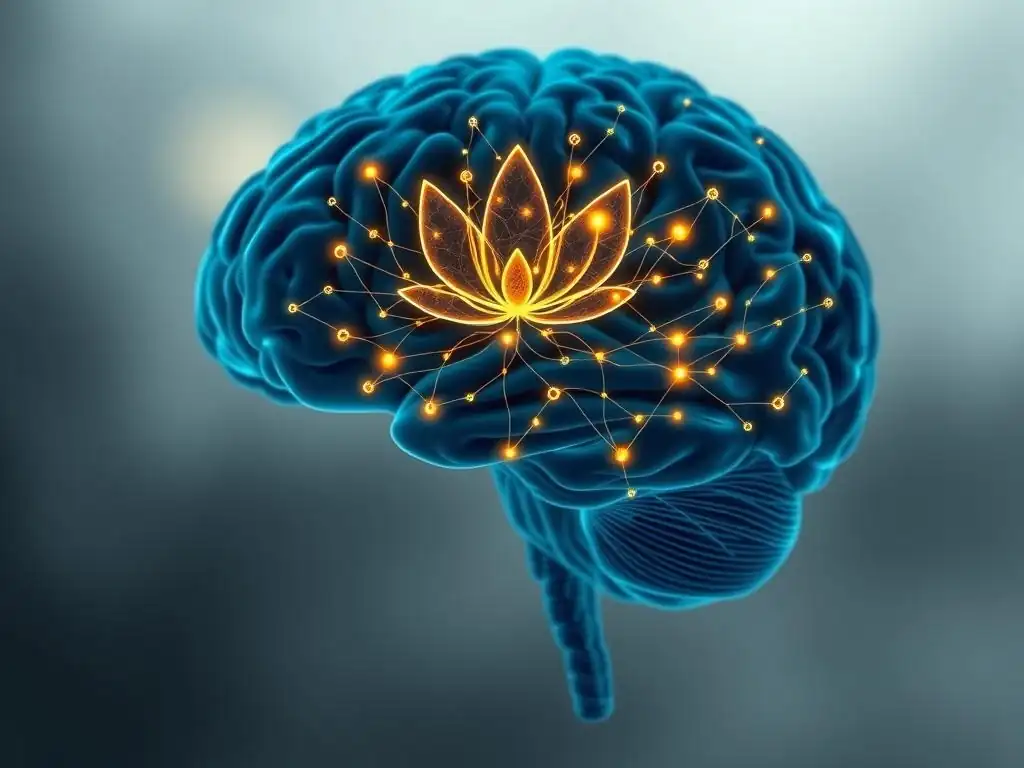
Welcome to Mind Care Guide, where we understand the complexities of mental well-being.
Are you struggling to break free from the grip of addiction? It's okay, you're not alone. This article delves deep into the science of addiction, exploring how mindfulness can rewire reward pathways and pave the way for lasting recovery. Curious to learn how to reclaim control and find a healthier path? Let's begin.
Opioid Use Disorder: Mindfulness-Based Interventions for Recovery
- Understanding Opioid Use Disorder and the Brain's Reward System
- Opioid Use Disorder's Impact on Brain Structure and Function
- Mindfulness-Based Interventions: A Promising Approach to Opioid Recovery
- Rewiring Reward Pathways: MBIs in Action for Opioid Recovery
- MBI Techniques for Opioid Use Disorder Recovery
- Research and Evidence: MBIs and Opioid Use Disorder
- Practical Tips for Integrating MBIs into Opioid Use Disorder Recovery
- The Long-Term Benefits of MBIs for the Recovering Brain from Opioid Use Disorder
- Overcoming Challenges in Using MBIs for Opioid Use Disorder
- Conclusion: A Mindful Path to Recovery from Opioid Use Disorder
-
Frequently Asked Questions
- What are reward pathways in the brain, and how does addiction affect them?
- How does mindfulness help in rewiring reward pathways affected by addiction?
- Can mindfulness completely cure addiction?
- What specific mindfulness techniques are most effective for addiction recovery?
- How long does it take to see results from using mindfulness to rewire reward pathways in addiction?
- Final Reflection: Reclaiming Your Reward System Through Mindfulness
- Unlock Your Mind's Potential: Practice Mindfulness Today
Understanding Opioid Use Disorder and the Brain's Reward System
Neurobiology of Opioid Use Disorder: A Detailed Exploration
Opioid Use Disorder (OUD) is a complex chronic disease characterized by compulsive drug-seeking and use despite harmful consequences. At its core, OUD is a disorder of the brain's reward system, fundamentally altering its structure and function. The neurobiological basis involves intricate interactions within areas like the ventral tegmental area (VTA), nucleus accumbens (NAc), and prefrontal cortex (PFC).
These regions are part of the mesolimbic pathway, often referred to as the "reward pathway." When opioids are introduced, they bind to opioid receptors, primarily mu-opioid receptors, which are abundant in these brain areas. This binding triggers a cascade of events that leads to the release of large amounts of dopamine in the NAc, far exceeding the levels released by natural rewards like food or social interaction.
This overwhelming surge of dopamine is the primary mechanism by which opioids produce intense feelings of euphoria and pleasure, reinforcing the drug-taking behavior. Over time, chronic opioid exposure causes significant adaptations in these neural circuits. The brain becomes less responsive to natural rewards, requiring higher doses of opioids to achieve the same effect (tolerance), and develops a dependence where the absence of the drug leads to painful withdrawal symptoms.
These changes are not merely functional; they involve structural alterations, including changes in synaptic plasticity and neuronal morphology, making the brain highly sensitized to opioid cues and driving the compulsive need for the drug. Understanding this neurobiological foundation is crucial for developing effective interventions that can help the brain recover and potentially mindfulness rewire reward pathways addiction.
How Opioids Hijack the Brain's Reward Pathways
Opioids exert their powerful addictive effects by directly manipulating the brain's natural reward system, a system designed to motivate behaviors essential for survival, such as eating and reproduction. The mechanism involves mimicking or enhancing the effects of natural neurotransmitters. Specifically, opioids bind to mu-opioid receptors on neurons in the VTA.
This binding inhibits the activity of inhibitory neurons (GABAergic interneurons) that normally suppress dopamine neurons. When these inhibitory neurons are silenced, the dopamine neurons in the VTA become disinhibited and release a massive surge of dopamine into the nucleus accumbens. This flood of dopamine creates an intensely pleasurable experience and strongly associates the context (people, places, objects) and the act of taking the drug with this pleasure.
This artificial and potent activation of the reward pathway overwhelms the system. The brain's response to this chronic overstimulation is to adapt by becoming less sensitive to dopamine and reducing the number of dopamine receptors over time. This leads to a state where natural rewards no longer produce significant pleasure, a phenomenon known as anhedonia.
Furthermore, the strong association between drug cues and the dopamine rush creates powerful conditioned responses. Even encountering something associated with opioid use, like a specific street corner or a particular person, can trigger intense cravings, even in the absence of the drug itself. This hijacking fundamentally alters the brain's motivation and decision-making processes, shifting the priority overwhelmingly towards seeking and using opioids, illustrating the profound impact on the brain's reward circuitry in addiction.
The Role of Endorphins and Enkephalins in Opioid Dependence
Endorphins and enkephalins are endogenous opioids, meaning they are naturally produced by the body. These neuropeptides act as natural pain relievers and also play a role in the brain's reward system, contributing to feelings of well-being and pleasure associated with activities like exercise, eating, and social bonding.
They exert their effects by binding to the same opioid receptors that are targeted by external opioids like heroin, fentanyl, or prescription painkillers. When external opioids are introduced, they are significantly more potent and longer-lasting than natural endorphins and enkephalins, leading to a much stronger activation of the opioid receptors and the subsequent dopamine release.
Chronic exposure to external opioids suppresses the body's natural production of endorphins and enkephalins. Because the brain is receiving a constant, powerful signal from the external opioids, it reduces its reliance on its own internal system. This suppression contributes significantly to the development of physical dependence.
When opioid use stops, the body is left with a drastically reduced level of natural opioids, and the external opioid signal is gone. This deficiency in endogenous opioid activity, coupled with the adaptive changes in the brain's reward system, leads to the severe and painful withdrawal symptoms characteristic of OUD. The body's natural pain relief and reward systems are effectively offline, requiring time and support to normalize, highlighting the deep physiological changes underlying opioid dependence.
Opioid Use Disorder's Impact on Brain Structure and Function
Reduced Gray Matter in the Prefrontal Cortex Due to Opioid Use
The prefrontal cortex (PFC), located at the front of the brain, is a crucial area responsible for executive functions such as decision-making, impulse control, planning, and regulating emotions. Research using neuroimaging techniques like MRI has consistently shown that individuals with chronic OUD often exhibit structural alterations in the PFC, particularly a reduction in gray matter volume. Gray matter consists primarily of neuronal cell bodies, dendrites, unmyelinated axons, and glial cells. A decrease in gray matter volume suggests a loss of neuronal tissue or density in this critical region.
Studies comparing the brains of individuals with OUD to healthy controls have reported gray matter deficits in specific PFC subregions, including the orbitofrontal cortex (OFC) and the anterior cingulate cortex (ACC). For instance, some research indicates a gray matter reduction of approximately 5-10% in certain PFC areas in individuals with long-term opioid use.
These structural changes are thought to contribute to the impaired decision-making, reduced impulse control, and difficulty regulating emotions commonly observed in OUD, making it harder for individuals to resist cravings and make choices aligned with long-term recovery goals. The integrity of the PFC is vital for overriding the compulsive drive originating from the altered reward pathways, and its compromise represents a significant challenge in addiction recovery.
The amygdala is a key brain structure involved in processing emotions, particularly fear and anxiety, and plays a significant role in learning and memory, especially emotional memories. In the context of OUD, the amygdala becomes hyper-responsive to cues associated with drug use. These cues, which can be sights, sounds, smells, or even internal states like stress, become strongly paired with the rewarding effects of opioids through a process of associative learning. The amygdala helps to assign emotional salience to these cues, making them powerful triggers for cravings and relapse.
Neuroimaging studies, such as fMRI, have demonstrated increased amygdala activation when individuals with OUD are exposed to opioid-related stimuli compared to neutral stimuli. This heightened reactivity in the amygdala contributes to the intense emotional and physiological responses (like increased heart rate and anxiety) experienced during craving episodes. The amygdala's role extends beyond just craving; it is also involved in the negative emotional states associated with withdrawal, such as dysphoria and anxiety.
This makes it a critical component in the cycle of addiction, where cues trigger craving, leading to use to alleviate negative states and seek pleasure, further reinforcing the association within the amygdala. Addressing this cue reactivity is a key target for interventions aiming to help individuals manage triggers and prevent relapse.
Opioid-Induced Hypofrontality and Impaired Decision-Making
Chronic opioid use leads to a state known as hypofrontality, characterized by reduced activity in the prefrontal cortex. While structural changes like gray matter loss contribute, hypofrontality refers more specifically to a functional decrease in metabolic activity and blood flow in this region, often observed in neuroimaging studies. This reduced activity impairs the PFC's ability to exert top-down control over subcortical regions, including the hyperactive amygdala and the dopamine-driven reward pathway (nucleus accumbens).
The consequence of opioid-induced hypofrontality is impaired executive function, manifesting as poor decision-making, difficulty with planning, reduced impulse control, and impaired emotional regulation. Individuals with OUD may struggle to weigh the long-term negative consequences of drug use against the immediate urge or craving. Their decision-making becomes heavily skewed towards immediate gratification driven by the altered reward system, rather than being guided by rational thought and future planning.
This functional impairment in the PFC makes it incredibly challenging to initiate and maintain abstinence, as the very brain circuits needed for self-control and rational choice are compromised. Interventions that can help restore or compensate for this prefrontal deficit are vital for successful recovery.
Mindfulness-Based Interventions: A Promising Approach to Opioid Recovery
What are Mindfulness-Based Interventions (MBIs) and How Do They Work?
Mindfulness-Based Interventions (MBIs) are structured programs that teach participants to cultivate mindfulness, which is defined as paying attention in a particular way: on purpose, in the present moment, and non-judgmentally. These interventions are typically delivered in a group format over several weeks and involve various practices, including seated meditation, body scan meditation, mindful movement (like gentle yoga or walking), and informal mindfulness practices integrated into daily life. Popular examples include Mindfulness-Based Stress Reduction (MBSR) and Mindfulness-Based Cognitive Therapy (MBCT), adapted versions of which are used in addiction treatment.
MBIs work by training individuals to observe their thoughts, feelings, and bodily sensations without automatically reacting to them. Instead of getting caught up in cravings, negative emotions, or self-critical thoughts, participants learn to acknowledge them as temporary mental or physical events. This practice helps to create a pause between experiencing an internal trigger (like a craving) and the habitual response (using opioids).
By cultivating non-judgmental awareness, individuals can develop a different relationship with their internal experiences, reducing the power that cravings and difficult emotions have over their behavior. This ability to observe without immediate reaction is central to building resilience against relapse and fostering intentional choices aligned with recovery goals.
The Neurobiological Mechanisms of MBIs: Evidence-Based Insights
Research suggests that MBIs exert their therapeutic effects, including helping to mindfulness rewire reward pathways addiction, through several neurobiological mechanisms. Studies have shown that regular mindfulness practice can lead to structural and functional changes in the brain, particularly in regions implicated in OUD. For instance, mindfulness training has been associated with increased gray matter density in areas like the prefrontal cortex (specifically the medial PFC and ACC) and the hippocampus, regions often compromised in addiction. These changes suggest a potential for MBIs to help restore some of the structural deficits caused by chronic opioid use.
Functionally, MBIs appear to enhance activity and connectivity within brain networks associated with attention, self-awareness, and emotional regulation. For example, mindfulness practice can strengthen the connectivity between the PFC and subcortical regions, improving top-down control over impulsive responses and emotional reactivity originating from the amygdala and reward circuits. Furthermore, MBIs have been shown to modulate the activity of the amygdala itself, potentially reducing its hyper-responsiveness to stress and drug cues.
Some studies also suggest that mindfulness can influence dopamine and opioid receptor systems, though this area requires more research. By strengthening regulatory circuits and potentially modulating reward and stress responses, MBIs offer a neurobiological pathway to support recovery and help the brain heal from the impact of addiction.
MBIs for Opioid Use Disorder: A Complementary Treatment Strategy
Given the neurobiological impact of OUD and the potential of MBIs to positively influence brain regions involved in addiction, Mindfulness-Based Interventions are increasingly being recognized as a valuable complementary treatment strategy. They are not typically used as a standalone treatment for OUD but are integrated alongside evidence-based practices such as Medication-Assisted Treatment (MAT) and traditional behavioral therapies like Cognitive Behavioral Therapy (CBT) or Contingency Management. MBIs offer a unique skill set focused on present-moment awareness and non-judgmental acceptance, which can powerfully support the goals of these other treatments.
For individuals on MAT (e.g., buprenorphine or methadone), MBIs can help manage residual cravings, withdrawal discomfort, and the psychological distress that often accompanies recovery, even when physical dependence is managed. For those engaged in behavioral therapy, mindfulness skills can enhance the ability to identify and challenge negative thought patterns (CBT) and to tolerate difficult emotions or cravings without acting on them (relevant to relapse prevention).
By teaching individuals how to observe their internal states and external triggers with greater awareness and less reactivity, MBIs empower them to navigate the challenges of recovery more effectively, providing practical tools for managing the moment-to-moment struggle against the pull of addiction.
Rewiring Reward Pathways: MBIs in Action for Opioid Recovery
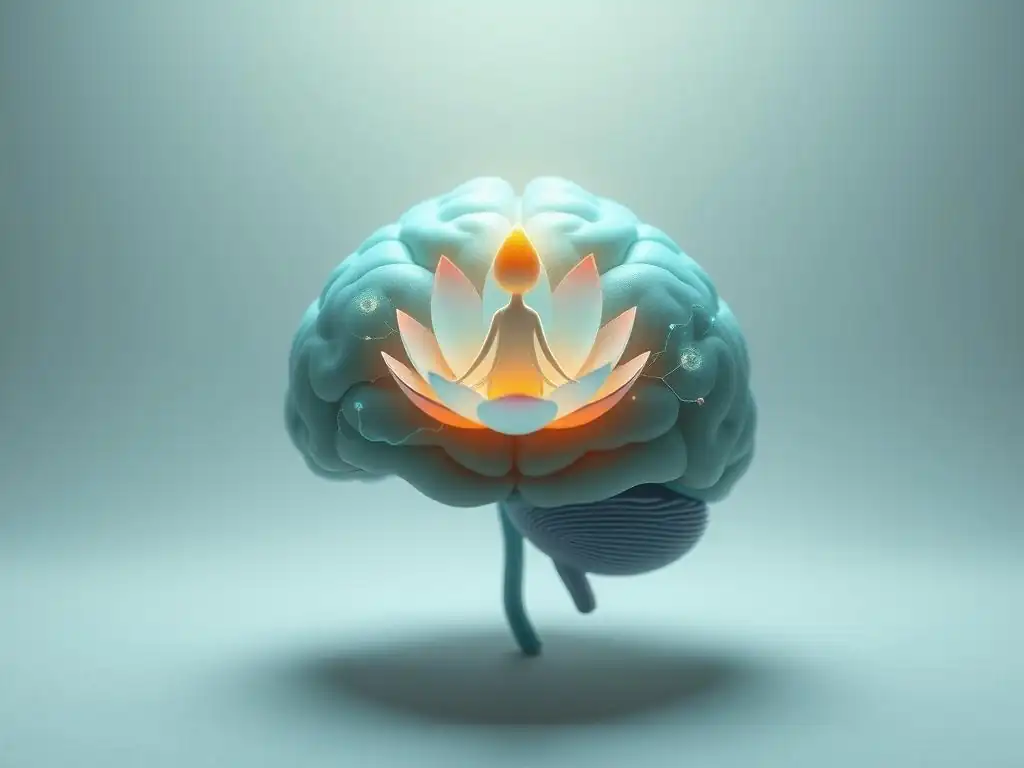
Mindfulness-Based Relapse Prevention (MBRP) for Opioid Use Disorder
Mindfulness-Based Relapse Prevention (MBRP) is a specific MBI adapted for individuals recovering from substance use disorders, including OUD. Developed by researchers like Sarah Bowen, Neha Chawla, and Alan Marlatt, MBRP integrates core mindfulness practices with cognitive-behavioral strategies for relapse prevention. The program typically involves eight weekly sessions where participants learn to identify high-risk situations, recognize early warning signs of relapse (such as cravings or negative emotional states), and develop mindful coping responses instead of resorting to habitual drug use.
A key component of MBRP is learning to "surf the urge." This involves mindfully observing cravings as temporary waves of bodily sensations and thoughts, acknowledging their presence without judgment, and allowing them to pass without acting on them. This practice helps to decouple the strong association between craving and automatic use that characterizes addiction.
By repeatedly practicing non-reactive observation of cravings, individuals weaken the conditioned response and strengthen their capacity for intentional, values-driven behavior. MBRP directly targets the automatic, compulsive behaviors driven by the altered reward pathways, teaching individuals to pause, observe, and choose a different path, thus helping to mindfulness rewire reward pathways addiction responses.
How MBIs Help Manage Opioid Cravings and Withdrawal Symptoms
Mindfulness practices offer powerful tools for managing the intense cravings and uncomfortable withdrawal symptoms that are major challenges in OUD recovery. Instead of viewing cravings as overwhelming commands that must be acted upon, mindfulness teaches individuals to perceive them as transient mental and physical events. Techniques like mindful breathing or body scan meditation allow individuals to anchor their attention in the present moment, observing the sensations of craving (e.g., tension, restlessness) or withdrawal (e.g., aches, nausea) without getting swept away by them.
By practicing non-judgmental awareness, individuals learn to tolerate discomfort rather than immediately seeking to escape it through drug use. This tolerance is crucial because cravings and many withdrawal symptoms are temporary. Mindfulness helps shorten the perceived duration and intensity of these experiences by shifting focus from reactive struggling to present-moment observation.
For example, during a craving, instead of thinking "I need to use now," a mindful approach involves noticing "There is a strong sensation in my stomach," "I am having thoughts about using," and allowing these to exist without immediate action. This capacity to tolerate and observe interrupts the cycle of craving-distress-use, providing a pathway to manage these challenging states without relapsing.
Addiction is often driven by automatic reactions to internal and external triggers. External triggers might include seeing drug paraphernalia, visiting a specific location, or encountering people associated with past use. Internal triggers can be emotions (stress, boredom, sadness), physical sensations (pain, fatigue), or thoughts ("just one time won't hurt"). MBIs train individuals to become acutely aware of these triggers as they arise, often before they lead to an overwhelming impulse to use.
Through mindfulness meditation and daily mindful living practices, individuals develop heightened interoceptive awareness (awareness of internal bodily states) and exteroceptive awareness (awareness of the external environment). This increased sensitivity allows them to identify subtle cues and early warning signs of craving or relapse thinking. For example, someone might learn to recognize that feeling a specific tension in their shoulders is often followed by thoughts of using, or that certain social situations reliably trigger anxiety.
By noticing these triggers and impulses mindfully, without immediate judgment or reaction, individuals create space to choose a different response. This conscious awareness empowers them to apply coping strategies, seek support, or simply ride out the impulse, rather than being unconsciously driven by triggers towards drug-seeking behavior.
MBI Techniques for Opioid Use Disorder Recovery
Mindfulness Meditation for Opioid Craving Management
Mindfulness meditation, particularly focused on the breath or body sensations, is a core technique used to manage opioid cravings. The practice typically involves sitting comfortably and bringing gentle attention to the physical sensation of breathing. When the mind inevitably wanders, often to thoughts of cravings, worries, or planning, the practitioner gently guides their attention back to the breath without judgment.
When a craving arises during meditation or daily life, the practice is to turn towards it with curiosity rather than aversion or immediate action. This involves observing the physical sensations associated with the craving (e.g., tightness, heat, restlessness), noticing any accompanying thoughts or emotions, and recognizing them as temporary phenomena.
By simply witnessing the craving without trying to push it away or act on it, individuals learn that cravings are not mandatory commands but transient experiences that will eventually subside. This regular practice builds the capacity to tolerate discomfort and weakens the automatic link between craving and use, helping to mindfulness rewire reward pathways addiction responses by interrupting the conditioned cycle.
Body Scan Meditation for Interoceptive Awareness and Pain Management
Body scan meditation involves systematically bringing mindful attention to different parts of the body, noticing physical sensations without judgment. Starting from the toes and slowly moving up to the head, the practice cultivates detailed awareness of bodily states. This technique is particularly beneficial in OUD recovery for two main reasons: enhancing interoceptive awareness and managing physical discomfort, including withdrawal symptoms or chronic pain that may have preceded or resulted from opioid use.
Many individuals with addiction are disconnected from their physical bodies, either due to the numbing effects of drugs or a history of trauma. The body scan helps re-establish a connection, allowing individuals to become more attuned to subtle signs of stress, discomfort, or craving as they manifest physically. Furthermore, by mindfully observing physical pain or withdrawal symptoms without resistance, individuals can change their relationship to the discomfort.
Instead of reacting with fear or desperation, they learn to tolerate the sensations, noticing their changing nature. This can be particularly helpful for managing conditions like chronic pain, potentially reducing reliance on opioids by enhancing the ability to cope with discomfort through mindful awareness.
Mindful Movement Exercises (Yoga, Tai Chi) for Stress Reduction
Mindful movement practices, such as gentle yoga or Tai Chi, combine physical activity with present-moment awareness. These exercises involve paying attention to the sensations of the body as it moves, the breath, and the transition between postures. Unlike traditional exercise focused solely on physical exertion, mindful movement emphasizes cultivating a non-judgmental awareness of the body's capabilities and limitations in the present moment.
For individuals in OUD recovery, mindful movement offers several benefits. It provides a healthy way to release tension and manage stress, which are common triggers for relapse. The focus on the body and breath helps ground individuals in the present, pulling their attention away from distressing thoughts about the past or future. Additionally, mindful movement can help improve body image and self-compassion, which are often negatively impacted by addiction. By engaging the body in a gentle, non-competitive way, these practices promote physical well-being and mental calm, offering an embodied approach to managing stress and supporting overall recovery.
Research and Evidence: MBIs and Opioid Use Disorder
Randomized Controlled Trials on MBIs and Reduced Opioid Use
Rigorous research, including randomized controlled trials (RCTs), provides evidence supporting the use of MBIs as a complementary treatment for OUD. Several studies have investigated the effectiveness of programs like MBRP in reducing opioid use and preventing relapse. For example, an early trial of MBRP with individuals recovering from substance use disorders (including some with opioid dependence) showed reduced substance use compared to standard relapse prevention or treatment as usual in the months following the intervention.
More specifically focused on OUD, studies have explored MBIs' impact on individuals receiving Medication-Assisted Treatment (MAT). Research indicates that adding MBIs to MAT can lead to better outcomes.
For instance, one study found that participants receiving buprenorphine who also participated in an MBI program reported significantly lower rates of opioid positive urine drug screens compared to those receiving buprenorphine alone at a follow-up period, potentially showing the impact of mindfulness rewire reward pathways addiction effects. While results can vary, the overall body of evidence suggests that MBIs offer a promising avenue for reducing opioid use and supporting abstinence, particularly when integrated with existing evidence-based treatments.
MBIs and Improved Cognitive Function in Opioid Recovery
Opioid use disorder can impair various cognitive functions, including attention, memory, and executive control, often linked to the structural and functional changes in the prefrontal cortex. Emerging research suggests that mindfulness practice may help improve some of these cognitive deficits in individuals with addiction. Studies have shown that MBIs can enhance attentional control, the ability to focus and sustain attention, and cognitive flexibility, the capacity to switch between different tasks or thought processes.
Improved cognitive function is crucial for recovery as it supports better decision-making, enhanced problem-solving skills, and the ability to resist impulsive behavior. For example, a stronger ability to focus attention can help individuals stay present during challenging moments or therapy sessions, while improved cognitive flexibility can aid in developing alternative coping strategies instead of relying on habitual drug use.
While more research is needed specifically on OUD populations, findings from studies on other substance use disorders and general populations undergoing mindfulness training indicate a potential for MBIs to support cognitive recovery, which is vital for navigating the complexities of long-term abstinence.
MBIs and Enhanced Emotional Regulation in Individuals with Opioid Use Disorder
Dysregulation of emotions, such as increased anxiety, depression, irritability, and difficulty managing stress, is common in individuals with OUD and can be a significant driver of relapse. MBIs explicitly teach skills for recognizing and relating to emotions in a non-judgmental way. Instead of suppressing or being overwhelmed by difficult feelings, individuals learn to observe them with acceptance and curiosity, recognizing them as temporary states.
Studies have demonstrated that mindfulness training can lead to enhanced emotional regulation skills. This includes a reduced tendency to react impulsively to negative emotions and an increased capacity to tolerate emotional distress. For individuals in OUD recovery, this means being better equipped to handle the inevitable ups and downs of the process, including post-acute withdrawal symptoms (PAWS) or everyday stressors, without turning to opioids for relief. By fostering a more skillful relationship with emotions, MBIs help build emotional resilience, a critical factor in maintaining long-term recovery and preventing relapse triggered by difficult feelings.
Practical Tips for Integrating MBIs into Opioid Use Disorder Recovery

Starting an MBI Practice: Resources and Guidance
Integrating Mindfulness-Based Interventions into OUD recovery begins with taking the first step towards learning the practices. There are several ways to start. Many addiction treatment centers and mental health clinics now offer MBI groups specifically tailored for individuals in recovery, such as MBRP. These structured programs provide a comprehensive introduction to mindfulness principles and practices in a supportive environment.
For those without access to in-person groups, numerous online resources are available, including guided meditations through apps (e.g., Calm, Headspace, Insight Timer) or websites. Many books also provide detailed instructions on mindfulness meditation and practices relevant to addiction recovery. It is often recommended to start with short, guided practices (even just 5-10 minutes a day) to build consistency. Seeking guidance from a qualified instructor or therapist experienced in using mindfulness for addiction can also be invaluable for learning the techniques correctly and addressing any challenges that arise during practice.
Maintaining a Consistent MBI Routine: Strategies for Success
Consistency is key to realizing the benefits of MBIs, particularly the potential to mindfulness rewire reward pathways addiction. Just like any new skill, mindfulness takes practice. However, maintaining a consistent routine can be challenging, especially amidst the demands and stressors of recovery. Several strategies can help cultivate and sustain a regular practice.
First, start small and be realistic; a few minutes of daily practice is more beneficial than sporadic long sessions. Second, schedule your practice like any other important appointment, perhaps first thing in the morning or before bed. Third, find a dedicated space that is quiet and free from distractions. Fourth, use guided meditations initially, as they can help keep you focused.
Fifth, remember that "practice" means showing up, not achieving a perfect state of calm; acknowledge distractions and gently return to the focus. Finally, be kind to yourself when you miss a session; simply start again without judgment. Connecting with a support group or a therapist can also provide accountability and encouragement to maintain consistency.
Finding a Qualified MBI Instructor or Group for Support
While self-guided practice can be a starting point, learning MBIs in a structured group setting led by a qualified instructor is often more effective, especially for complex conditions like OUD. A qualified instructor has undergone specific training in delivering MBIs and understands the nuances of applying these practices in a therapeutic context. They can provide expert guidance, answer questions, and help navigate difficulties that may arise during practice, such as intense emotions or physical discomfort.
Finding a group specifically for addiction recovery, such as an MBRP group, can offer the added benefit of peer support. Sharing experiences with others facing similar challenges can reduce feelings of isolation, provide motivation, and foster a sense of community. Resources for finding qualified instructors and groups can include local treatment centers, hospitals, mental health clinics, universities, and professional organizations for mindfulness or addiction treatment. Asking about the instructor's training and experience, particularly with addiction or trauma, is a good way to ensure they are a good fit.
The Long-Term Benefits of MBIs for the Recovering Brain from Opioid Use Disorder
Potential for Neuroplasticity and Brain Recovery with MBIs
Neuroplasticity, the brain's ability to reorganize itself by forming new neural connections throughout life, is a critical concept in addiction recovery. While chronic opioid use causes detrimental changes in brain structure and function, recovery is possible because the brain retains the capacity to heal and adapt. Emerging research suggests that regular mindfulness practice can actively support this process of neuroplasticity, potentially helping the brain recover from the damage inflicted by OUD.
As mentioned earlier, studies indicate that MBIs may lead to increases in gray matter density in key areas like the PFC and hippocampus, and improve connectivity in brain networks involved in self-regulation. These changes are indicative of neuroplasticity at work.
By repeatedly engaging in mindful awareness and non-reactive observation, individuals are essentially exercising and strengthening the brain circuits responsible for executive control, emotional regulation, and attention. This consistent practice can help reverse some of the functional deficits associated with hypofrontality and hyper-reactivity in the amygdala, contributing to the mindfulness rewire reward pathways addiction effects and supporting the brain's journey back towards healthier functioning.
Improved Emotional Well-being and Reduced Psychological Distress
Beyond specific brain changes, a significant long-term benefit of integrating MBIs into OUD recovery is a general improvement in emotional well-being and a reduction in psychological distress. Addiction is often intertwined with mental health challenges like depression, anxiety, PTSD, and chronic stress. While MBIs are not a cure for these conditions, they provide powerful tools for managing their impact.
Mindfulness cultivates a greater capacity to tolerate difficult emotions without being overwhelmed by them. By observing thoughts and feelings non-judgmentally, individuals can detach from negative rumination and self-criticism, which are common in recovery. This leads to reduced symptoms of anxiety and depression. Furthermore, mindfulness practices like self-compassion, often integrated into MBIs, help individuals treat themselves with kindness and understanding, countering feelings of shame and guilt associated with addiction. Over time, this leads to greater emotional stability, increased resilience to stress, and a more positive outlook on life, contributing significantly to overall recovery and quality of life.
Preventing Relapse and Maintaining Abstinence Through Continued MBI Practice
The ultimate goal of OUD recovery is sustained abstinence and improved quality of life. MBIs offer enduring benefits that directly support long-term relapse prevention. By continuously practicing mindfulness skills, individuals strengthen their ability to manage cravings, identify triggers, and navigate challenging emotional states effectively. This ongoing practice reinforces the neural pathways associated with self-control and mindful awareness, making them more accessible during moments of vulnerability.
Relapse is often preceded by a cascade of internal and external events. Continued mindfulness practice helps individuals stay attuned to these early warning signs, allowing them to intervene before a lapse occurs. It also fosters a deeper understanding of personal triggers and coping patterns. Furthermore, mindfulness encourages living a more present-focused, values-aligned life, which can increase satisfaction and reduce the perceived need for substances to cope or find pleasure. By providing practical, portable skills and fostering positive brain changes, continued MBI practice empowers individuals to actively participate in their ongoing recovery journey, significantly reducing the risk of relapse.
Overcoming Challenges in Using MBIs for Opioid Use Disorder
Common Barriers and Strategies for Addressing Them
Integrating MBIs into OUD recovery is not without its challenges. Common barriers include difficulty with concentration, restlessness, skepticism about the practice, past negative experiences (e.g., trauma making body awareness difficult), lack of time, and the intensity of withdrawal symptoms or cravings making sitting still feel impossible. These are normal experiences, not signs of failure.
Strategies for addressing these barriers include starting with very short practice durations (e.g., 1-3 minutes), using guided meditations specifically designed for addiction or trauma, and focusing on practices other than sitting meditation if needed, such as mindful walking or gentle movement. Addressing skepticism often involves educating individuals about the neurobiological basis of MBIs and presenting them as practical skills rather than a spiritual practice. For those struggling with restlessness or discomfort, incorporating mindful movement can be a helpful entry point.
Openly discussing challenges with an MBI instructor or therapist is crucial, as they can offer tailored guidance and support. Patience and persistence, combined with self-compassion, are vital for overcoming these initial hurdles.
The Role of Self-Compassion and Acceptance in MBI Practice
Self-compassion and acceptance are foundational attitudes cultivated within MBIs and are particularly important for individuals in OUD recovery. Self-compassion involves treating oneself with the same kindness, understanding, and acceptance that one would offer a close friend who is suffering. It recognizes that struggling with addiction, experiencing cravings, or facing setbacks is part of the human experience, not a personal failing.
For individuals recovering from OUD, who often carry significant burdens of shame, guilt, and self-criticism, cultivating self-compassion is transformative. It allows them to approach their challenges, including difficult emotions and cravings, with greater gentleness and less harsh self-judgment. Acceptance, in the context of mindfulness, means acknowledging reality as it is, without wishing it were different.
This includes accepting the presence of cravings, difficult feelings, or past mistakes, not because one approves of them, but simply because they are present. This attitude of acceptance, combined with self-compassion, reduces the internal struggle and resistance that often fuels suffering and makes it easier to apply mindful coping strategies and continue moving forward in recovery.
Integrating MBIs with Medication-Assisted Treatment (MAT)
For many individuals with OUD, Medication-Assisted Treatment (MAT) using medications like methadone, buprenorphine, or naltrexone is a critical component of successful recovery. MAT helps manage withdrawal symptoms and reduce cravings, stabilizing the individual so they can engage in behavioral therapies and lifestyle changes. MBIs are not a substitute for MAT but can be powerfully integrated with it.
Combining MBIs with MAT provides a comprehensive approach that addresses both the physiological and psychological aspects of OUD. MAT manages physical dependence and reduces the intensity of cravings, creating a window of opportunity for the individual to learn and practice mindfulness skills.
MBIs then provide tools to navigate the psychological aspects of recovery, such as managing residual cravings, coping with emotional triggers, addressing co-occurring mental health conditions, and rebuilding a life free from opioid dependence. This integrated approach leverages the strengths of both modalities, offering individuals robust support to navigate the complexities of recovery and achieve long-term well-being, potentially helping mindfulness rewire reward pathways addiction effects while physical symptoms are managed.
Conclusion: A Mindful Path to Recovery from Opioid Use Disorder
Opioid Use Disorder profoundly impacts the brain, hijacking its reward pathways and altering its structure and function in ways that drive compulsive drug seeking. Understanding this neurobiological basis is crucial for developing effective interventions. While challenging, recovery is possible, supported by the brain's inherent capacity for change through neuroplasticity.
Mindfulness-Based Interventions offer a promising complementary approach to OUD recovery. By training individuals to cultivate present-moment awareness and non-judgmental acceptance, MBIs provide practical skills for managing cravings, tolerating withdrawal symptoms, identifying triggers, and navigating difficult emotions. Research suggests that MBIs may support positive brain changes, helping to strengthen areas involved in self-control and emotional regulation, thereby contributing to the process by which mindfulness rewire reward pathways addiction.
Integrating MBIs into a comprehensive treatment plan, often alongside Medication-Assisted Treatment and behavioral therapies, offers individuals a powerful toolkit for long-term recovery. While challenges exist, they can be addressed with patience, persistence, and support. Embracing a mindful path allows individuals to approach recovery with greater awareness, resilience, and self-compassion, empowering them to heal, rebuild their lives, and sustain abstinence.
Frequently Asked Questions
What are reward pathways in the brain, and how does addiction affect them?
Reward pathways are neural circuits in the brain that are activated by pleasurable experiences, leading to the release of dopamine. Addiction hijacks these pathways, causing an overproduction of dopamine and reinforcing addictive behaviors. This leads to a dysregulation of the natural reward system.
How does mindfulness help in rewiring reward pathways affected by addiction?
Mindfulness helps by increasing self-awareness and impulse control. It allows individuals to observe cravings without acting on them, gradually weakening the association between triggers and addictive behaviors, thus rewiring the brain.
Can mindfulness completely cure addiction?
Mindfulness is a valuable tool in addiction recovery, but it's generally not a standalone cure. It's best used in conjunction with other therapies and support systems. Mindfulness strengthens coping mechanisms and promotes long-term recovery, but professional help is crucial.
What specific mindfulness techniques are most effective for addiction recovery?
Techniques like mindful breathing, body scan meditations, and urge surfing are particularly effective. These techniques help individuals become more aware of their physical sensations and emotional states, allowing them to manage cravings and reduce impulsivity.
How long does it take to see results from using mindfulness to rewire reward pathways in addiction?
The timeline varies depending on the individual and the severity of the addiction. However, consistent practice of mindfulness can lead to noticeable improvements in self-control and craving management within a few weeks or months. The key is consistent practice and patience.
Final Reflection: Reclaiming Your Reward System Through Mindfulness
The pervasive nature of addiction highlights a critical need for effective treatment strategies, and the power of mindfulness to rewire reward pathways offers a beacon of hope in this ongoing struggle. Understanding how our brains are wired for reward, and how addiction hijacks this system, is the first step towards reclaiming control and building a healthier relationship with pleasure. This knowledge empowers us to move beyond simply resisting cravings and instead cultivate a more balanced and fulfilling life.
The impact of mindfulness on addiction treatment is profound, extending far beyond the individual to influence societal perceptions of recovery and mental well-being. It challenges the stigma often associated with addiction, offering a path towards self-compassion and lasting change. The journey is not always easy, but the potential for transformation is immense. As Jon Kabat-Zinn eloquently stated, Mindfulness means paying attention in a particular way: on purpose, in the present moment, and without judgment.
This simple yet powerful practice provides the foundation for rewiring our brains and breaking free from the grip of addiction.
You now possess a deeper understanding of how mindfulness can help rewire your reward pathways and pave the way for a healthier, more fulfilling life. Consider incorporating mindfulness practices into your daily routine – even a few minutes of focused attention can make a difference. Reflect on your relationship with pleasure and reward; are there areas where you might benefit from a more mindful approach? This journey of self-discovery and healing is yours to embark on, and the power to reshape your relationship with pleasure lies within your reach.
Unlock Your Mind's Potential: Practice Mindfulness Today
Thanks for taking the time to explore the fascinating world of mindfulness and its impact on addiction. You've gained valuable insights into how you can reshape your brain's reward pathways. Now it's time to put that knowledge into action!
- Begin your mindfulness journey today: Start with even just 5 minutes of mindful breathing. Focus on the sensation of your breath entering and leaving your body. This is your first step to rewiring your brain.
- Share your experience: Connect with others on their mindfulness journey. Share your thoughts and experiences – even a small victory is worth celebrating!
- Explore guided meditations: There are countless free resources available online to guide you. Try different approaches and find what resonates with you.
Ready to discover the transformative power of mindfulness in your life? What small step will you take today to nurture your mind and break free from addictive patterns?