
Your Gut Bacteria's Playlist: How Microbial Diversity Impacts Your Mental Tune


Welcome to Mind Care Guide, a sanctuary dedicated to nurturing your mental well-being. Ever wondered if the key to a brighter mood might lie within? Dive into the fascinating world of your microbiome and explore the groundbreaking connection between gut bacteria mental health impact. Let's unravel the mysteries of how your gut's unique ecosystem influences your mental tune, offering a new perspective on achieving holistic well-being. Read on to discover how you can cultivate a happier, healthier mind from the inside out.
Your Gut Bacteria's Playlist: How Microbial Diversity Impacts Your Mental Tune
- Introduction: The Surprising Link Between Gut Health and Mental Well-being
- Understanding Your Gut Microbiome: The Orchestra Within
- The Gut Bacteria Mental Health Impact: Unveiling the Mechanisms
- Microbial Imbalance and Mental Health Disorders: A Closer Look
- Boosting Your Gut Bacteria for Mental Well-being: Practical Strategies
- Optimizing Gut Health for Improved Mental Wellness: A Holistic Approach
- Conclusion: Nurturing Your Gut, Nurturing Your Mind
-
Frequently Asked Questions
- How does gut bacteria affect my mental health?
- What is microbial diversity and why is it important for mental well-being?
- Can specific mental health challenges be linked to gut bacteria imbalances?
- What can I do to improve my gut bacteria composition for better mental health?
- Where can I find more information and resources about the gut bacteria mental health impact?
- Final Reflection: Tuning In to the Microbiome's Symphony
- Unlock Your Inner Harmony: Tune into Your Gut's Symphony
Introduction: The Surprising Link Between Gut Health and Mental Well-being
Exploring the Gut-Brain Axis: A Two-Way Street to Mental Wellness
The human body is a complex network, and perhaps one of the most fascinating connections is the one between our gut and our brain. This intricate communication system, known as the gut-brain axis, involves biochemical signaling between the central nervous system (the brain and spinal cord) and the enteric nervous system (a complex system of neurons in the gut wall). This axis doesn't just manage digestion; it profoundly influences our mood, stress response, and cognitive functions. Think of it as a dedicated information highway where messages travel back and forth constantly.
This bidirectional communication is mediated by various pathways, including the vagus nerve (a direct neural link), the immune system, and the endocrine system (hormones). For example, stress signals from the brain can alter gut motility and permeability, while signals from the gut, influenced by its microbial inhabitants, can affect brain function and behavior. Research suggests that disruptions in this axis can play a significant role in the development and exacerbation of various mental health challenges, highlighting the critical importance of understanding this connection for overall well-being.
Gut Bacteria and Mental Health Impact: Setting the Stage
Within our gut resides trillions of microorganisms, collectively known as the gut microbiome. This vast community, primarily composed of bacteria, fungi, viruses, and other microbes, is far from passive passengers; they are active participants in our health, including our mental state. The composition and activity of this microbial community exert a significant gut bacteria mental health impact. Emerging research continues to uncover the specific ways these tiny residents influence our brain chemistry, inflammation levels, and even our mood.
The influence of gut bacteria on mental health is a rapidly expanding field, revealing that imbalances in the microbiome can be associated with conditions like anxiety, depression, and even neurodevelopmental disorders. Understanding this impact opens up new avenues for potential interventions, suggesting that nurturing a healthy gut microbiome could be a complementary strategy for supporting mental wellness. It's a powerful concept: the health of our internal microbial ecosystem could be a key player in determining our mental tune.
Understanding Your Gut Microbiome: The Orchestra Within
What is the Gut Microbiome and Why is it Important?
The gut microbiome refers to the entire collection of microorganisms living in our digestive tract, predominantly in the large intestine. It's a bustling ecosystem containing perhaps 100 trillion microbial cells, outnumbering human cells in the body by a factor often cited as 1.3 to 1. This diverse community performs essential functions vital for our survival and health that our own human cells cannot.
These functions include breaking down complex carbohydrates and fibers that we cannot digest ourselves, synthesizing certain vitamins like vitamin K and several B vitamins, and protecting against colonization by harmful pathogens. Beyond digestion and nutrient production, the gut microbiome plays a crucial role in developing and regulating the immune system and, as we're exploring, significantly contributes to the gut bacteria mental health impact through its interactions with the gut-brain axis. Its importance cannot be overstated; it's a vital organ in its own right.
Microbial Diversity: The Key to a Harmonious Gut
Just as a rich ecosystem with many different species is more resilient, a diverse gut microbiome is generally considered healthier and more robust. Microbial diversity refers to the variety of different species of microorganisms present in the gut, as well as the relative abundance of each species. A diverse microbiome is better equipped to perform a wider range of functions, adapt to changes in diet or environment, and resist the invasion of harmful bacteria.
Studies consistently show that reduced microbial diversity is associated with various health issues, including inflammatory bowel disease, obesity, allergies, and crucially, mental health conditions like depression and anxiety. For instance, research has observed lower diversity in the gut microbiomes of individuals with major depressive disorder compared to healthy controls. Aiming for a rich and varied community of microbes in the gut is a fundamental goal for supporting overall health, including mitigating potential gut bacteria mental health impact.
Factors Influencing Your Gut Microbiome Composition
The composition of your gut microbiome is shaped by a multitude of factors throughout your life, starting from birth. The mode of delivery (vaginal birth versus C-section) and early feeding practices (breast milk versus formula) are initial determinants. As we age, diet becomes perhaps the most significant influencer. A diet rich in diverse plant-based foods, high in fiber, tends to foster a more diverse and beneficial microbial community compared to a diet high in processed foods, sugar, and unhealthy fats.
Other influential factors include antibiotic use (which can disrupt the microbial balance), stress levels (both acute and chronic stress can alter composition), sleep patterns, exercise, geographical location, and exposure to environmental microbes. Even factors like pet ownership and social interactions can play a role. Understanding these influences empowers individuals to make informed choices that can positively impact their gut microbiome composition and, by extension, their gut bacteria mental health impact.
The Gut Bacteria Mental Health Impact: Unveiling the Mechanisms
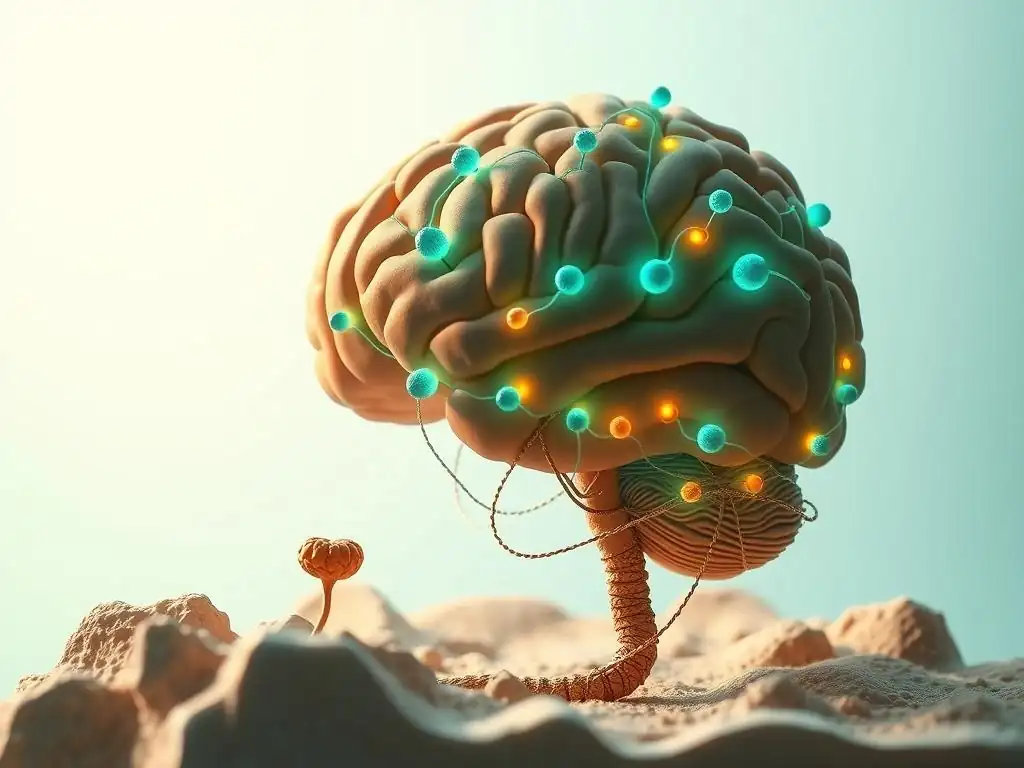
Neurotransmitter Production: How Gut Bacteria Influence Brain Chemistry
One of the most significant ways gut bacteria influence our mental state is through their ability to produce neurotransmitters and other neuroactive compounds. These are the chemical messengers that the brain uses to regulate mood, sleep, appetite, and many other functions. For example, gut microbes produce a large proportion of the body's serotonin, a neurotransmitter often associated with feelings of well-being and happiness (though the direct pathway to brain serotonin is complex and still being studied).
Certain gut bacteria can also produce gamma-aminobutyric acid (GABA), the primary inhibitory neurotransmitter in the brain, which helps regulate anxiety and fear. Other metabolites produced by bacteria, such as short-chain fatty acids (SCFAs) like butyrate, propionate, and acetate, can cross the blood-brain barrier or signal through other pathways to influence brain function, reduce inflammation, and support neuronal health. The specific mix of gut bacteria dictates which of these compounds are produced, thereby exerting a direct gut bacteria mental health impact.
Inflammation and the Brain: The Role of Gut Dysbiosis in Mental Health
Inflammation is the body's natural response to injury or infection, but chronic, low-grade inflammation is increasingly linked to various diseases, including mental health disorders. The gut microbiome plays a critical role in regulating systemic inflammation. A healthy, balanced microbiome helps maintain the integrity of the gut lining, preventing the leakage of bacteria and their products (like lipopolysaccharides or LPS) into the bloodstream, a condition often referred to as "leaky gut."
When the gut microbiome is imbalanced (dysbiosis), the gut barrier can become compromised, leading to increased permeability. This allows inflammatory molecules to enter the circulation, travel to the brain, and trigger neuroinflammation. Neuroinflammation is implicated in the pathology of depression, anxiety, and cognitive decline. Therefore, gut dysbiosis, by promoting systemic and neuroinflammation, contributes significantly to the gut bacteria mental health impact. Managing gut health is a key strategy in reducing this inflammatory burden.
The Vagus Nerve: A Direct Line of Communication Between Gut and Brain
The vagus nerve is the longest cranial nerve and serves as a primary communication pathway between the brain and the gut. It's a major component of the gut-brain axis, carrying signals in both directions. Approximately 80-90% of the nerve fibers in the vagus nerve transmit information from the gut to the brain, highlighting the significant influence of gut signals on central nervous system activity.
Gut bacteria can communicate with the brain via the vagus nerve through various means, including producing neurotransmitters, modulating immune responses that send signals along the nerve, and releasing metabolites that stimulate vagal afferents. For instance, certain probiotics have been shown in animal studies to reduce anxiety-like behavior, and this effect was eliminated when the vagus nerve was severed, demonstrating its crucial role in mediating the gut bacteria mental health impact. This direct neural link underscores how changes in the gut environment can rapidly influence brain function and emotional states.
Microbial Imbalance and Mental Health Disorders: A Closer Look
Gut Dysbiosis and Anxiety: The Connection Explained
Anxiety disorders are among the most common mental health conditions globally, and growing evidence points to a significant link with the gut microbiome. Gut dysbiosis, characterized by an imbalance in the types and proportions of gut bacteria, is frequently observed in individuals experiencing anxiety. This imbalance can lead to increased gut permeability and chronic low-grade inflammation, which in turn can affect brain regions involved in fear and anxiety processing, such as the amygdala.
Furthermore, altered gut flora can disrupt the production of neurotransmitters and other neuroactive compounds that modulate anxiety levels, such as GABA and serotonin. Animal studies have shown that transferring the gut microbiota from anxious animals to germ-free animals can induce anxious behaviors in the recipients. While research in humans is complex, studies have found correlations between specific microbial profiles and anxiety symptoms, suggesting that targeting the gut microbiome could be a novel therapeutic approach for anxiety.
The Gut-Depression Axis: How Gut Bacteria Contributes to Depressive Symptoms
The link between the gut microbiome and depression is one of the most actively researched areas of the gut-brain connection. Individuals with depression often exhibit distinct differences in their gut microbial composition compared to non-depressed individuals, typically showing reduced diversity and altered levels of certain bacterial groups. This dysbiosis is thought to contribute to depression through multiple pathways, including inflammation, altered neurotransmitter metabolism, and impact on the hypothalamic-pituitary-adrenal (HPA) axis, the body's main stress response system.
Studies have found that certain bacteria can produce metabolites that influence mood, while the absence of beneficial bacteria can lead to increased production of pro-inflammatory cytokines, which are elevated in many people with depression. For example, research has indicated that the presence of Coprococcus and Dialister genera was consistently depleted in individuals with depression across different cohorts. The gut bacteria mental health impact is particularly evident in depression, where restoring microbial balance shows promise as a potential adjunctive treatment strategy.
Gut Microbiome and Cognitive Function: Impact on Memory and Focus
Beyond mood and anxiety, the gut microbiome also appears to influence cognitive functions, including memory, learning, and focus. The same mechanisms linking gut bacteria to mood – inflammation, neurotransmitter production, and SCFA production – also affect brain regions critical for cognition, such as the hippocampus (involved in memory) and the prefrontal cortex (involved in executive functions like focus and decision-making).
Dysbiosis and the resulting neuroinflammation can impair synaptic plasticity, the brain's ability to form new connections, which is essential for learning and memory. Conversely, beneficial bacteria and their metabolites, like butyrate, have been shown to support brain health and potentially enhance cognitive function in animal models. While human research is still evolving, studies are beginning to explore the association between specific gut microbial profiles and cognitive performance, suggesting that optimizing gut health could be a strategy for supporting brain fog reduction and maintaining mental sharpness.
Boosting Your Gut Bacteria for Mental Well-being: Practical Strategies
Diet and Gut Health: Feeding Your Microbiome for a Happier Mind
Diet is the most powerful tool we have for shaping our gut microbiome. The food we eat directly feeds our gut bacteria, determining which species thrive. A diet rich in diverse plant fibers, fermented foods, and whole grains provides the necessary fuel for beneficial bacteria to proliferate and produce health-promoting metabolites.
Conversely, a diet high in processed foods, added sugars, and unhealthy fats can promote the growth of less beneficial bacteria and reduce overall diversity. Making conscious dietary choices to favor nutrient-dense, whole foods is a fundamental step in cultivating a healthy gut microbiome and positively influencing the gut bacteria mental health impact.
Prebiotics: Fueling Beneficial Gut Bacteria
Prebiotics are non-digestible fibers that selectively feed beneficial bacteria in the gut. Think of them as fertilizer for your microbial garden. Examples of prebiotic-rich foods include garlic, onions, leeks, asparagus, bananas, oats, apples, and chicory root.
Including a variety of these foods in your diet helps nourish the good bacteria, allowing them to multiply and produce beneficial compounds like short-chain fatty acids (SCFAs), which have positive effects on both gut health and brain function. Aiming for diverse sources of fiber ensures you feed a wide range of beneficial microbes.
Probiotics: Introducing Live Cultures for a Healthier Gut
Probiotics are live microorganisms, typically bacteria, that, when consumed in adequate amounts, confer a health benefit to the host. They are found in fermented foods like yogurt (with live and active cultures), kefir, sauerkraut, kimchi, miso, and tempeh. Probiotic supplements are also available.
Consuming probiotics can help introduce or increase populations of beneficial bacteria in the gut, potentially improving microbial balance. While the effects can be transient (they don't necessarily colonize long-term), regular intake may support a healthier gut environment and contribute positively to the gut bacteria mental health impact. Choosing probiotic sources with a variety of strains might offer broader benefits.
The Importance of Fiber for Gut and Brain Health
Dietary fiber is perhaps the single most important component of a gut-healthy diet. It is the primary food source for many beneficial gut bacteria. When bacteria ferment fiber, they produce SCFAs, which are crucial for gut barrier integrity, immune function, and signaling to the brain.
Aiming for the recommended daily intake of fiber (around 25-30 grams for adults, though many fall short) from a variety of plant sources is essential. Different types of fiber feed different types of bacteria, so diversity in plant intake is key. Increasing fiber intake is a foundational strategy for supporting gut health and leveraging the gut bacteria mental health impact.
Lifestyle Factors: Stress Management and Sleep for a Balanced Gut
Beyond diet, lifestyle choices significantly influence the gut microbiome. Chronic stress, for instance, can alter gut motility, increase gut permeability, and shift the composition of gut bacteria, often favoring less beneficial species. Implementing stress management techniques such as mindfulness meditation, yoga, deep breathing exercises, or spending time in nature can help mitigate the negative effects of stress on the gut-brain axis.
Similarly, sleep deprivation and irregular sleep schedules can negatively impact microbial diversity and gut barrier function. Prioritizing 7-9 hours of quality sleep per night supports overall health, including maintaining a balanced gut microbiome. Addressing both stress and sleep is crucial for fostering a healthy gut and optimizing its positive gut bacteria mental health impact.
The Role of Probiotic Supplements in Mental Health: Benefits and Considerations
Probiotic supplements contain concentrated doses of specific strains of beneficial bacteria. Research is ongoing to identify specific strains that may have targeted benefits for mental health, often referred to as "psychobiotics." Some studies suggest that certain strains, such as Lactobacillus helveticus R0052 and Bifidobacterium longum R0175, may help reduce anxiety and improve mood in some individuals.
However, the efficacy of probiotic supplements for mental health varies depending on the specific strains, dosage, duration of use, and the individual's baseline microbiome. They are not a magic bullet and should be considered as a complementary approach, not a replacement for conventional mental health treatment. It's important to choose high-quality supplements with clinically studied strains and to consult with a healthcare professional before starting them, especially if you have underlying health conditions.
Optimizing Gut Health for Improved Mental Wellness: A Holistic Approach
The Importance of a Personalized Approach to Gut Health
Recognizing the gut bacteria mental health impact underscores the value of a personalized approach to optimizing gut health. Each individual's microbiome is unique, influenced by their genetics, diet, lifestyle, medical history, and environment. What works for one person may not be the best approach for another.
Factors like dietary sensitivities, existing gut conditions (like IBS or SIBO), medication use, and individual responses to prebiotics and probiotics can vary significantly. A personalized approach considers these unique factors to develop the most effective strategies for improving gut health and, consequently, mental well-being. This might involve tailored dietary recommendations, specific probiotic strains, or targeted lifestyle modifications.
Working with Healthcare Professionals: Testing and Treatment Options
For those seeking to understand their gut health more deeply and its potential gut bacteria mental health impact, working with healthcare professionals can be invaluable. Doctors, registered dietitians, or functional medicine practitioners can help assess gut health through various methods.
While still evolving, gut microbiome testing can provide insights into the composition and diversity of your microbial community, although interpreting the results requires expertise. Based on assessment, professionals can recommend targeted interventions, which may include dietary changes, specific prebiotics or probiotics, or treatments for underlying gut conditions. This collaborative approach ensures strategies are safe, evidence-based, and tailored to your individual needs.
Long-Term Strategies for Maintaining a Healthy Gut-Brain Connection
Maintaining a healthy gut-brain connection is an ongoing process, not a one-time fix. Long-term strategies focus on consistently supporting a diverse and balanced gut microbiome through sustainable lifestyle habits. This includes consistently eating a varied, high-fiber diet rich in plant-based foods and fermented items.
Other crucial components include managing stress effectively through regular practice, prioritizing consistent and adequate sleep, engaging in regular physical activity, and limiting unnecessary antibiotic use. Building these habits into your daily routine creates a foundation for a thriving gut microbiome, which in turn provides continuous support for your mental well-being, reinforcing the positive gut bacteria mental health impact.
Conclusion: Nurturing Your Gut, Nurturing Your Mind
The Future of Gut-Brain Research: Promising Avenues for Mental Health Treatment
The exploration of the gut-brain axis and the gut bacteria mental health impact is still in its relatively early stages, but it is a field exploding with promising research. Future investigations are likely to delve deeper into specific microbial strains and their precise mechanisms of action on the brain. This could lead to the development of highly targeted psychobiotics or other microbiome-based therapies for specific mental health conditions like depression, anxiety, or even neurodevelopmental disorders.
Researchers are also exploring fecal microbiota transplantation (FMT) as a potential treatment for certain conditions, although its application for mental health is still experimental and primarily used for severe gut infections like C. difficile. As our understanding grows, we can anticipate more sophisticated diagnostic tools and personalized interventions that leverage the power of the gut microbiome to support mental wellness. The potential for novel, gut-targeted treatments in mental healthcare is significant and exciting.
Taking Control of Your Gut Health for Enhanced Mental Well-being
Understanding the profound gut bacteria mental health impact empowers us to take proactive steps in supporting our mental well-being by focusing on gut health. It's a reminder that our internal ecosystem is intricately linked to how we feel emotionally and cognitively. While the science is complex, the core principles of nurturing a healthy gut are accessible to everyone.
By prioritizing a nutrient-dense diet, managing stress, ensuring adequate sleep, and considering targeted support like prebiotics and probiotics where appropriate, we can foster a more balanced and diverse gut microbiome. This holistic approach acknowledges the interconnectedness of mind and body, offering a powerful pathway to enhance resilience, improve mood, and cultivate a more vibrant mental tune. Taking control of your gut health is a tangible step towards a healthier mind.
Frequently Asked Questions
How does gut bacteria affect my mental health?
The gut-brain axis is a bidirectional communication system. Changes in your gut bacteria composition can influence neurotransmitter production and inflammation, impacting mood and cognitive function.
What is microbial diversity and why is it important for mental well-being?
Microbial diversity refers to the variety of different bacteria species in your gut. A diverse gut microbiome is generally associated with better mental health outcomes, as it promotes resilience and reduces inflammation.
Can specific mental health challenges be linked to gut bacteria imbalances?
Emerging research suggests connections between gut dysbiosis (imbalance) and conditions like anxiety, depression, and even autism. However, more research is needed to fully understand these complex relationships.
What can I do to improve my gut bacteria composition for better mental health?
Dietary changes like eating more fiber-rich foods, fermented foods, and probiotics can promote a healthy gut microbiome. Reducing stress and getting enough sleep are also important.
Where can I find more information and resources about the gut bacteria mental health impact?
Mind Care Guide offers a comprehensive range of articles, guides, and resources exploring the gut-brain connection. Consult with a healthcare professional for personalized advice and treatment options.
Final Reflection: Tuning In to the Microbiome's Symphony
The intricate relationship between our gut bacteria and mental well-being is no longer a fringe theory; it's a burgeoning field of research with profound implications for our understanding of mental health. The more we learn about the complex communication pathways between our gut microbiome and our brain, the clearer it becomes that nurturing a diverse and thriving gut ecosystem is crucial for overall psychological well-being. This understanding is revolutionizing how we approach mental health treatment, moving beyond a purely pharmaceutical approach to encompass a holistic view that includes diet and lifestyle.
The impact of this discovery is far-reaching, reshaping our understanding of not just individual mental health, but also the social and cultural landscape surrounding mental illness. We are beginning to see a shift away from stigmatizing mental health issues towards a more compassionate and nuanced understanding of the complex interplay of biological, psychological, and environmental factors. This shift is vital. The gut is the second brain,
a phrase often used, highlights the profound connection between our physical and mental states, and underscores the need for a holistic approach to mental wellness. This understanding is empowering, offering individuals agency in managing their mental health through conscious dietary and lifestyle choices.
Consider the power you hold. You are not merely a passive recipient of your mental state; you are an active participant in shaping it. By making informed choices about your diet, incorporating prebiotics and probiotics into your life, and prioritizing stress reduction techniques, you can cultivate a thriving gut microbiome and, in turn, positively influence your mental well-being. Take the time to listen to your gut – literally and figuratively – and discover the harmonious tune your microbiome can play in your life's symphony. Embrace this knowledge, and embark on a journey towards a healthier, happier you.
Unlock Your Inner Harmony: Tune into Your Gut's Symphony
Thanks for diving deep into the fascinating world of gut-brain connection! You've now learned how diverse your gut microbiome can be, and how this diversity impacts your mental wellbeing. Ready to take action and nurture your inner ecosystem?
- Prioritize prebiotic and probiotic-rich foods: Start incorporating fermented foods like yogurt, kimchi, or sauerkraut into your diet this week. Small changes make a big difference!
- Explore mindful eating practices: Pay attention to your body's hunger and fullness cues. This simple shift can improve your gut health and reduce stress.
- Share your insights: Discuss this article with a friend or family member. Spark a conversation about gut health and mental wellbeing – you might be surprised by what you discover together!
What simple step will you take today to cultivate a happier, healthier gut and mind?