
Can Therapy Rewire Your PFC? Cognitive Rehabilitation for Depression's Executive Woes


Welcome to Mind Care Guide, your trusted companion on the journey to mental well-being. Are you grappling with the lingering fog of depression, feeling like your ability to think clearly and make decisions has been hijacked? You're not alone. Could therapy actually be the key to unlocking a brighter future by literally rewiring your brain?
Dive into our latest article exploring how therapy can rewire the prefrontal cortex (PFC) in depression, offering a glimmer of hope for cognitive rehabilitation. Uncover the fascinating neuroscience behind this approach and discover how it might help you reclaim your executive function and find relief. Let's explore this together.
Cognitive Rehabilitation for Depression: Targeting Executive Dysfunction
- Understanding the Link Between Depression and Executive Function
- Therapy's Potential for Improving Executive Function in Depression
- Cognitive Rehabilitation Strategies for Depression-Related Executive Dysfunction
- Neurofeedback: A Potential Tool for Executive Function Improvement
- Lifestyle Modifications to Support Executive Function During Depression Treatment
- Measuring Progress: Assessing Executive Function During Therapy
- The Future of Executive Function-Focused Therapies for Depression
- Finding the Right Therapy for Executive Dysfunction in Depression
-
Frequently Asked Questions
- How does therapy aim to rewire the prefrontal cortex (PFC) in individuals with depression?
- What is the connection between depression and the executive functions of the prefrontal cortex?
- Which specific types of therapy are most effective for rewiring the prefrontal cortex and alleviating depression?
- How long does it typically take to see noticeable changes in prefrontal cortex function and a reduction in depression symptoms through therapy?
- Besides therapy, what other strategies can support the rewiring of the prefrontal cortex and improve mental well-being for individuals with depression?
- Final Reflection: Rewiring Hope: The Prefrontal Cortex and the Path to Recovery
- Unlock Your Brain's Potential: Take Charge of Your Cognitive Health
Understanding the Link Between Depression and Executive Function
How Depression Impacts Executive Function
Depression is widely recognized for its profound impact on mood, energy levels, and overall emotional state. However, a lesser-discussed but equally significant aspect is its effect on cognitive function, particularly executive functions. These are the higher-level cognitive processes controlled primarily by the prefrontal cortex (PFC) that allow us to plan, organize, problem-solve, focus, and regulate our behavior. In individuals with depression, these functions are often impaired, leading to difficulties in everyday tasks that require complex thinking and execution.
Research indicates that cognitive deficits, including problems with executive function, are present in a substantial portion of people experiencing depression, potentially affecting 40% to 60% of individuals even during remission. This means that even when mood improves, the cognitive difficulties can persist, significantly impacting quality of life, work performance, and the ability to manage daily responsibilities. These impairments can manifest as difficulty starting tasks, trouble making decisions, poor concentration, and feeling overwhelmed by complex situations, contributing to the cycle of disability associated with the condition.
The Role of Executive Function in Daily Life
Executive functions are critical for navigating the complexities of daily life. They are the mental skills we rely on to set goals, make plans, manage time effectively, switch between tasks, and resist impulsive behaviors. For example, planning a grocery shopping trip involves setting a goal (buy groceries), planning the route and items needed, organizing the list, initiating the trip, focusing on finding items, and inhibiting the urge to buy unnecessary things. These seemingly simple activities require the coordinated effort of various executive functions.
When executive functions are impaired, as is common in depression, these daily tasks become significantly more challenging. Someone might struggle to plan meals for the week, manage their finances, or even maintain personal hygiene routines. This difficulty isn't due to a lack of motivation alone but stems from a genuine impairment in the cognitive processes needed to initiate, sequence, and complete actions. Understanding this link is crucial for developing effective strategies, including therapy that aims to rewire the prefrontal cortex, to help individuals regain control over their lives.
The Neuroscience of Depression and Executive Function
At the core of executive function lies the prefrontal cortex (PFC), the brain's command and control center. This region is extensively connected to other parts of the brain involved in memory, emotion, and motivation. In depression, studies using neuroimaging techniques like fMRI often reveal structural and functional changes in the PFC and its connections to other brain areas, such as the limbic system (involved in emotion). Specifically, reduced activity or connectivity in certain areas of the PFC, particularly the dorsolateral prefrontal cortex (DLPFC), is frequently observed.
These neural changes are thought to underpin the executive dysfunction seen in depression. The altered activity in the PFC can disrupt the complex neural networks responsible for cognitive control, decision-making, and goal-directed behavior. While the exact mechanisms are still being researched, it's understood that imbalances in neurotransmitters like serotonin, norepinephrine, and dopamine, which are often implicated in depression, also play a role in modulating PFC function. The question then arises: Can therapy help mitigate these neural changes and effectively rewire the prefrontal cortex in depression?
Therapy's Potential for Improving Executive Function in Depression
Can Cognitive Therapies Improve Executive Function?
Traditional psychotherapies for depression, such as Cognitive Behavioral Therapy (CBT) and Interpersonal Therapy (IPT), primarily focus on mood, thoughts, and behaviors. However, accumulating evidence suggests that these therapies can also lead to improvements in cognitive function, including executive skills. CBT, for instance, teaches individuals to identify and challenge negative thought patterns and change maladaptive behaviors. The process of identifying thought distortions and planning behavioral activation strategies itself requires and potentially exercises executive functions like attention, working memory, and problem-solving.
While not always explicitly designed as cognitive rehabilitation, the structured nature and problem-solving components of therapies like CBT can indirectly strengthen executive abilities. By learning to break down overwhelming problems into smaller steps, plan activities, and evaluate outcomes, individuals engage and potentially enhance the neural pathways associated with executive control. This suggests that therapy can indeed play a role in improving the cognitive difficulties associated with depression, potentially contributing to how therapy helps rewire the prefrontal cortex in depression.
Neuroplasticity and Executive Function: The Brain's Capacity for Change
The brain is not a static organ; it possesses a remarkable ability to reorganize itself throughout life. This phenomenon, known as neuroplasticity, is the biological basis for learning, memory, and recovery from injury. It involves the formation of new neural connections, changes in the strength of existing synapses, and even the generation of new neurons in certain brain regions. Neuroplasticity is fundamental to the idea that therapy can rewire the prefrontal cortex in depression.
Therapeutic interventions, particularly those that involve learning new skills or changing behavioral patterns, can stimulate neuroplastic changes. By repeatedly engaging in cognitive tasks, practicing new coping strategies, or developing different ways of thinking, individuals can strengthen specific neural circuits. In the context of depression and executive dysfunction, targeted therapies aim to promote neuroplasticity in the PFC and related areas, helping to restore more efficient cognitive processing and potentially reversing some of the functional deficits observed.
Evidence-Based Therapies for Executive Dysfunction in Depression
Several therapeutic approaches show promise for addressing executive dysfunction in depression. Beyond traditional therapies, specific cognitive remediation or cognitive rehabilitation programs are designed explicitly to target these deficits. These programs often involve structured exercises aimed at improving specific cognitive domains like working memory, attention, and planning. For instance, studies on cognitive remediation therapy (CRT) in depression have shown improvements in measures of executive function, alongside reductions in depressive symptoms.
Dialectical Behavior Therapy (DBT), while primarily known for emotion regulation, also incorporates skills training that can enhance executive functions, such as distress tolerance and interpersonal effectiveness, which require planning and problem-solving. Furthermore, newer approaches like Mindfulness-Based Cognitive Therapy (MBCT) emphasize attention control and present-moment awareness, skills directly related to executive function. The evidence base is growing, suggesting that various therapeutic modalities, when applied thoughtfully, can contribute to improving executive function and potentially help therapy rewire the prefrontal cortex in depression.
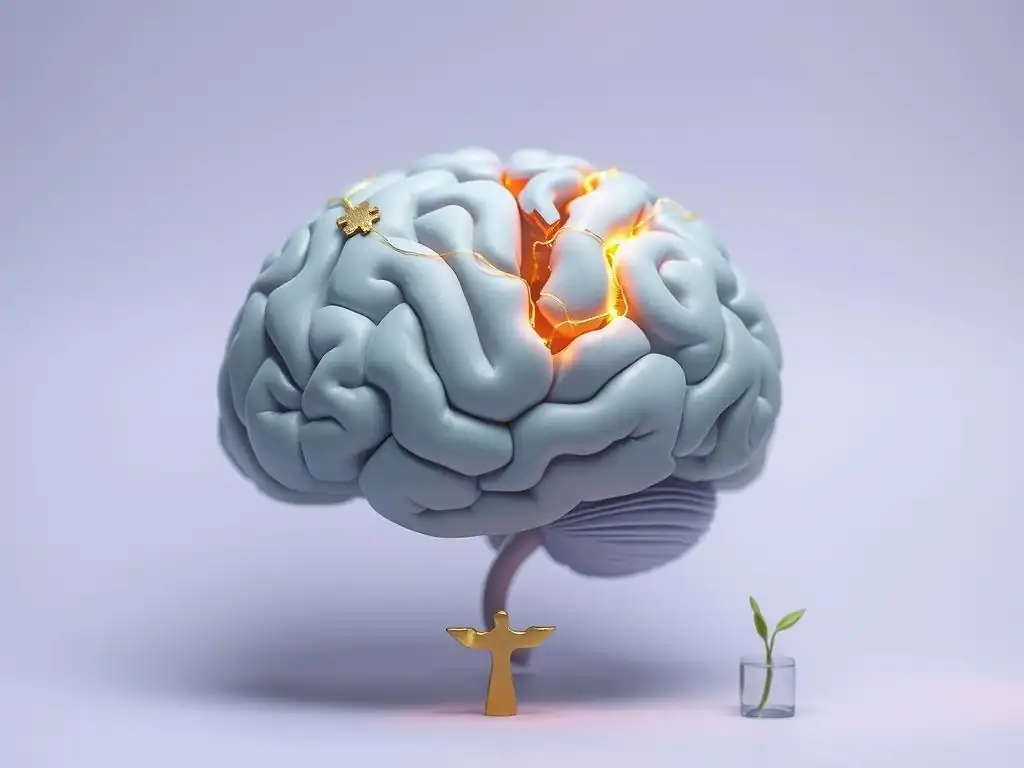
Targeting Specific Executive Function Deficits
Cognitive rehabilitation for depression often involves strategies tailored to the specific executive function deficits an individual is experiencing. Since executive function is a broad term encompassing multiple skills, effective interventions frequently break down these skills and target them individually or in combination. This personalized approach acknowledges that not everyone with depression experiences the same pattern of cognitive difficulties.
For example, someone struggling primarily with initiation and planning might benefit from different strategies than someone whose main challenge is attention or working memory. Therapists use assessment tools to identify the most prominent deficits and then implement targeted exercises and techniques. The goal is to strengthen the underlying cognitive processes through repeated practice and application in real-life situations. This focused effort is a key component of how therapy can work to rewire the prefrontal cortex in depression by strengthening specific neural pathways.
Working Memory Training
Working memory is the ability to hold and manipulate information in the mind over short periods, essential for tasks like following instructions, mental arithmetic, or remembering steps in a procedure. Impairments in working memory are common in depression and can significantly hinder daily functioning. Working memory training involves exercises designed to challenge and expand this capacity.
These exercises can range from computerized tasks that require remembering sequences or locations to more functional activities like practicing remembering lists of items or following multi-step directions. The principle is that repeated engagement with tasks that stretch working memory capacity can lead to improvements in both the trained tasks and potentially in related cognitive abilities. While the transfer of gains to everyday life can vary, research suggests working memory training can lead to measurable improvements in this specific executive function domain for individuals with depression.
Attention Training
Attention is another core executive function that is often compromised in depression, leading to difficulty concentrating, being easily distracted, and feeling mentally foggy. Attention training strategies aim to improve focus, sustained attention, and the ability to switch attention appropriately.
Techniques may include mindfulness exercises that train focused attention on the present moment, computerized tasks requiring sustained vigilance or selective attention, or structured activities that gradually increase the demands on attention, such as listening to complex information and summarizing it. By systematically practicing focusing and maintaining attention, individuals can potentially strengthen the neural circuits involved in attentional control, contributing to the overall process of how therapy might help rewire the prefrontal cortex in depression.
Problem-Solving Therapy
Problem-Solving Therapy (PST) is a specific type of therapy that directly targets deficits in problem-solving skills, a key executive function. PST teaches individuals a structured approach to identifying, analyzing, and resolving difficulties in their lives.
The process typically involves defining the problem clearly, brainstorming potential solutions, evaluating the pros and cons of each solution, selecting the best option, creating a plan to implement it, and then evaluating the outcome. This systematic method provides a framework for tackling challenges that might otherwise feel overwhelming due to executive dysfunction. By repeatedly practicing these steps, individuals can improve their ability to approach problems effectively, enhancing planning, decision-making, and execution skills.
Neurofeedback: A Potential Tool for Executive Function Improvement
How Neurofeedback Works
Neurofeedback is a non-invasive therapeutic technique that allows individuals to learn to regulate their own brain activity. It is based on the principle of operant conditioning, where individuals receive real-time feedback about their brainwave patterns (measured via electroencephalography or EEG) and are trained to modify them towards a desired state. For example, if a certain brain wave frequency is associated with difficulty focusing, neurofeedback can provide a reward signal (like a pleasant sound or visual) when the brain produces more activity in a frequency associated with focus and less in frequencies associated with distraction.
The individual actively tries to influence the feedback by changing their mental state, and over multiple sessions, the brain learns to produce the desired activity patterns more consistently. This process is thought to promote neuroplastic changes in targeted brain regions, including the prefrontal cortex, which is highly involved in executive functions. By directly training brain activity associated with cognitive control, neurofeedback holds potential as a tool to improve executive function and support the broader goals of therapy aiming to rewire the prefrontal cortex in depression.
Neurofeedback Protocols for Executive Function
Specific neurofeedback protocols have been developed to target brain activity patterns associated with executive functions. These often focus on training activity in prefrontal cortex sites or connections known to be involved in attention, working memory, inhibition, and planning. For instance, protocols might aim to increase activity in certain frequency bands (like beta or SMR) over the frontal lobes, which are sometimes associated with focused attention and readiness, while decreasing slower wave activity (like theta) that can be linked to inattentiveness.
Other protocols might target connectivity between different brain regions involved in executive networks. The specific protocol used depends on the individual's assessment findings and the particular executive functions being targeted. While still considered an adjunctive or experimental treatment for depression-related executive dysfunction by some, these targeted protocols represent a direct approach to influencing the neural underpinnings of these cognitive deficits.
Research on Neurofeedback for Depression and Executive Function
Research into the effectiveness of neurofeedback for depression and its associated executive dysfunction is ongoing. Some studies have reported positive outcomes, showing improvements in both depressive symptoms and measures of cognitive function following neurofeedback training. For example, preliminary studies have suggested that neurofeedback targeting prefrontal alpha asymmetry (a pattern sometimes seen in depression) or specific frontal lobe activity can lead to symptom reduction and potential cognitive benefits.
However, the quality and scale of research vary, and more large-scale, controlled trials are needed to definitively establish neurofeedback's efficacy for executive dysfunction in depression compared to other interventions. While promising, it is typically viewed as a complementary approach within a comprehensive treatment plan rather than a standalone solution, and its role in helping therapy specifically rewire the prefrontal cortex in depression is an active area of investigation.
Lifestyle Modifications to Support Executive Function During Depression Treatment
Exercise and Cognitive Function
Regular physical exercise is well-established as beneficial for both mood and cognitive function. Engaging in aerobic exercise increases blood flow to the brain, including the prefrontal cortex, and promotes the release of neurotrophic factors, such as Brain-Derived Neurotrophic Factor (BDNF). BDNF is crucial for the growth, survival, and function of neurons and synapses, playing a significant role in neuroplasticity.
Studies have shown that regular exercise can improve various cognitive abilities, including executive functions like planning, working memory, and attention, in both healthy individuals and those with depression. Aiming for around 150 minutes of moderate-intensity exercise per week, as recommended by many health guidelines, can be a valuable adjunct to therapy and other treatments, supporting the brain's capacity for change and aiding the process by which therapy helps rewire the prefrontal cortex in depression.
Diet and Nutrition for Brain Health
Nutrition plays a vital role in brain health and cognitive function. A diet rich in omega-3 fatty acids, antioxidants, vitamins, and minerals provides the necessary building blocks and protection for brain cells. Omega-3 fatty acids, found in fatty fish, flaxseeds, and walnuts, are essential components of brain cell membranes and have anti-inflammatory properties that can benefit brain health.
Antioxidants found in fruits and vegetables help protect the brain from oxidative stress. Deficiencies in certain vitamins (like B vitamins) and minerals can negatively impact cognitive function. Adopting a balanced diet, such as the Mediterranean diet pattern, which emphasizes whole foods, lean proteins, and healthy fats, can support overall brain health and create a more favorable environment for cognitive recovery and neuroplastic changes promoted by therapy, contributing to the potential for therapy to rewire the prefrontal cortex in depression.
Sleep Hygiene and Executive Function
Sleep is essential for cognitive function, including executive abilities. During sleep, the brain consolidates memories, clears metabolic waste products, and undergoes processes critical for maintaining optimal neural function. Both insufficient sleep and poor sleep quality can impair attention, working memory, decision-making, and emotional regulation – all closely linked to executive functions.
Establishing good sleep hygiene involves maintaining a consistent sleep schedule, creating a restful sleep environment, avoiding stimulants before bed, and ensuring adequate sleep duration (typically 7-9 hours for adults). Addressing sleep disturbances is often a crucial part of depression treatment, and improving sleep can have a direct positive impact on cognitive function, enhancing the effectiveness of therapeutic interventions aimed at improving executive skills and supporting the brain's capacity for neuroplasticity.
Measuring Progress: Assessing Executive Function During Therapy
Cognitive Assessments for Executive Function
Tracking progress in executive function during therapy is important for tailoring interventions and demonstrating the impact of treatment. Various cognitive assessments are used to measure different aspects of executive function. These can range from standardized neuropsychological tests administered by trained professionals to brief screening tools used in clinical settings.
Examples of commonly used tests include the Wisconsin Card Sorting Test (WCST) for set-shifting and abstract reasoning, the Stroop Test for inhibitory control and selective attention, and the Trail Making Test (TMT) for visual attention and task switching. Questionnaires like the Behavior Rating Inventory of Executive Function (BRIEF) can also provide valuable insights from the perspective of daily functioning. Repeated administration of these assessments over the course of therapy can help objectively measure improvements in specific executive domains and gauge the effectiveness of interventions aimed at helping therapy rewire the prefrontal cortex in depression.
Brain Imaging Techniques for Monitoring Progress
Advanced brain imaging techniques offer another avenue for understanding the neural changes associated with depression treatment and improvements in executive function. Functional Magnetic Resonance Imaging (fMRI) can measure brain activity and connectivity while individuals perform cognitive tasks or are at rest, providing insights into how different brain regions are communicating.
Studies using fMRI have shown that successful treatment for depression, including psychotherapy, can be associated with changes in activity and connectivity patterns in the prefrontal cortex and other brain areas involved in executive function. While not typically used for routine clinical monitoring, research utilizing techniques like fMRI or EEG can provide valuable insights into the neural mechanisms underlying treatment response and help researchers understand how therapy might help rewire the prefrontal cortex in depression at a biological level.
The Future of Executive Function-Focused Therapies for Depression
Emerging Technologies and Treatments
The field of cognitive rehabilitation for depression-related executive dysfunction is continuously evolving, with emerging technologies and treatments showing promise. Computerized cognitive training programs are becoming more sophisticated, offering personalized and adaptive exercises targeting specific cognitive deficits. Virtual reality (VR) is also being explored as a tool to create immersive, realistic environments for practicing executive skills in simulated daily situations.
Non-invasive brain stimulation techniques, such as Transcranial Magnetic Stimulation (TMS) and Transcranial Direct Current Stimulation (tDCS), are being investigated for their potential to modulate activity in the prefrontal cortex and improve both mood and cognitive function in depression. While still largely experimental for executive dysfunction specifically, these technologies represent potential future directions for directly influencing the neural substrates of cognitive deficits and potentially enhancing the brain's capacity for change in conjunction with traditional therapy.
Personalized Medicine Approaches
A key trend in mental health treatment is the move towards personalized medicine. Recognizing that depression is a heterogeneous disorder with varying symptoms and underlying neural profiles, future approaches to addressing executive dysfunction will likely become more individualized. This could involve using baseline cognitive assessments, neuroimaging data, and even genetic information to predict which individuals are most likely to benefit from specific cognitive rehabilitation strategies or therapeutic modalities.
Tailoring interventions to an individual's unique pattern of executive deficits and their specific brain characteristics could optimize treatment outcomes. For instance, someone with significant working memory issues and specific PFC connectivity patterns might receive a different combination of cognitive training and therapy techniques than someone whose primary deficit is attention. This personalized approach holds the potential to make therapy more efficient and effective in helping to rewire the prefrontal cortex in depression for each individual.
Finding the Right Therapy for Executive Dysfunction in Depression
Matching Therapy Modalities to Individual Needs
Finding the most effective therapy for executive dysfunction in depression requires careful consideration of individual needs, the severity and specific nature of the cognitive deficits, and personal preferences. As discussed, various therapies can impact executive function, from broad approaches like CBT to more targeted cognitive rehabilitation programs.
It's crucial to work with a mental health professional who can conduct a thorough assessment of both mood symptoms and cognitive function. Based on this assessment, they can recommend therapy modalities that are most likely to address the specific challenges. For example, if severe planning deficits make it hard to even engage in behavioral activation homework, a more structured cognitive rehabilitation approach focusing on foundational skills might be needed before fully benefiting from traditional CBT. The goal is to find a therapeutic fit that empowers the individual to build the cognitive skills necessary for recovery and well-being.
How to Find a Qualified Therapist
Finding a therapist with experience in treating both depression and cognitive difficulties is essential. Look for licensed mental health professionals such as psychologists, psychiatrists, social workers, or counselors who specialize in mood disorders or cognitive rehabilitation. Professional organizations and directories often allow searching for therapists by specialization.
When consulting with potential therapists, don't hesitate to ask about their experience with cognitive aspects of depression, their approach to addressing executive dysfunction, and whether they incorporate specific cognitive rehabilitation techniques or can refer you to specialists who do. A therapist who understands the intricate link between mood and cognition is better equipped to develop a comprehensive treatment plan that targets both effectively, maximizing the potential for therapy to help rewire the prefrontal cortex in depression.
The Importance of a Comprehensive Treatment Plan
Addressing executive dysfunction in depression is often most effective when integrated into a comprehensive treatment plan. This plan may include psychotherapy (like CBT, CRT, or others), potential medication management (as some medications can also impact cognitive function), lifestyle modifications (exercise, diet, sleep), and potentially adjunctive therapies like neurofeedback if appropriate.
A comprehensive plan acknowledges that recovery from depression and its cognitive effects is multifaceted. It requires addressing mood symptoms while simultaneously building cognitive resilience and skills. Working collaboratively with a treatment team to develop and follow a plan that incorporates various strategies offers the best chance for significant improvement in both mood and executive function, ultimately supporting the brain's capacity for positive, lasting change and reinforcing the idea that therapy can play a crucial role in helping to rewire the prefrontal cortex in depression.
- [ ] Assess specific executive function deficits
- [ ] Explore evidence-based therapy options (CBT, CRT, etc.)
- [ ] Discuss potential benefits of lifestyle modifications (exercise, diet, sleep)
- [ ] Consider adjunctive tools like neurofeedback if recommended by a professional
- [ ] Establish a plan for monitoring cognitive progress
- [ ] Work with a qualified mental health professional experienced in depression and cognitive issues
- [ ] Integrate cognitive strategies into overall depression treatment plan
Frequently Asked Questions
How does therapy aim to rewire the prefrontal cortex (PFC) in individuals with depression?
Therapy, particularly cognitive behavioral therapy (CBT), helps by challenging negative thought patterns and promoting healthier cognitive processes. This, in turn, stimulates activity in the PFC and strengthens neural pathways associated with positive thinking and emotional regulation.
What is the connection between depression and the executive functions of the prefrontal cortex?
Depression often impairs the PFC's executive functions, leading to difficulties with decision-making, planning, and focus. This impairment can exacerbate depressive symptoms and make it harder to cope with daily challenges.
Which specific types of therapy are most effective for rewiring the prefrontal cortex and alleviating depression?
Cognitive Behavioral Therapy (CBT) and Dialectical Behavior Therapy (DBT) are frequently used. These therapies focus on identifying and changing negative thought patterns and behaviors, ultimately strengthening neural connections in the PFC.
How long does it typically take to see noticeable changes in prefrontal cortex function and a reduction in depression symptoms through therapy?
The timeline varies depending on individual factors and the severity of depression. However, many individuals experience improvements within several weeks to months of consistent therapy, as the brain begins to adapt and rewire.
Besides therapy, what other strategies can support the rewiring of the prefrontal cortex and improve mental well-being for individuals with depression?
Lifestyle changes like regular exercise, a healthy diet, and mindfulness practices can significantly contribute to brain health and neuroplasticity. These strategies complement therapy by promoting overall well-being and optimizing brain function.
Final Reflection: Rewiring Hope: The Prefrontal Cortex and the Path to Recovery
The struggle with depression often manifests as a battle for executive function, a battle waged within the very architecture of our brains. Understanding the prefrontal cortex's (PFC) role in this struggle, and the potential for therapeutic intervention to reshape its activity, offers a powerful message of hope and agency in the face of debilitating mental illness. This isn't just about managing symptoms; it's about actively rewiring neural pathways towards resilience and well-being.
The impact of this research on our understanding of depression extends far beyond the clinical setting. It challenges the simplistic view of mental illness as solely a chemical imbalance, highlighting the crucial role of neuroplasticity and the brain's remarkable capacity for change. This understanding empowers individuals to actively participate in their recovery, fostering a sense of hope and control. The brain is not a machine; it is a garden that needs tending.
This quote, while not directly related to the PFC, perfectly encapsulates the potential for growth and healing that cognitive rehabilitation offers.
You, the reader, now hold the key to unlocking a deeper understanding of your own mental landscape. Consider how the information presented here might resonate with your own experiences or those of loved ones. Are there areas of your life where executive function feels challenged? Could targeted therapeutic interventions, focusing on the PFC's role in emotional regulation and decision-making, offer a pathway to greater well-being? Take the time to explore these questions, and remember that the journey towards mental health is a personal one, filled with both challenges and the remarkable potential for growth and transformation.
Unlock Your Brain's Potential: Take Charge of Your Cognitive Health
Thanks for diving deep into the world of cognitive rehabilitation and its impact on depression! You've gained valuable insights into how to address executive function challenges. Now, let's put that knowledge into action.
- Prioritize one small, achievable step towards improving your cognitive skills this week. This could be anything from a mindful meditation session to planning a structured task. Even a small change can make a difference!
- Share this article with someone you think might benefit from learning about cognitive rehabilitation. Spreading awareness is crucial.
- Consider joining an online community dedicated to mental wellness and share your experiences with cognitive techniques. Connecting with others can be incredibly supportive.
What small, manageable step will you take today to strengthen your cognitive function?