
Build a Stronger Core (Mentally): Meditation for Inner Strength

Welcome to Mind Care Guide, a sanctuary for your mental well-being.
Feeling overwhelmed? Yearning for inner peace amidst the chaos? You're not alone. We understand the challenges life throws our way, and we're here to help you navigate them with strength and resilience. This week, we delve into a powerful tool for building that inner fortitude: Meditation for mental strength. Discover how simple mindfulness practices can unlock your potential and empower you to face any obstacle. Curious to learn how? Let's explore together...
Build a Stronger Core (Mentally): Meditation for Inner Strength
- Introduction: Unlocking Mental Resilience Through Meditation
- What is Meditation for Mental Strength?
- The Science Behind Meditation and Mental Fortitude
- Practical Meditation Techniques for Building Mental Muscle
- Step-by-Step Guide: Starting Your Meditation Journey for Mental Strength
- Benefits of Meditation for Mental Well-being and Resilience
- Overcoming Challenges in Your Meditation Practice
- Integrating Meditation into Your Daily Life for Sustained Mental Strength
- Advanced Meditation Practices for Deeper Mental Resilience
- Conclusion: Empowering Your Mind Through Meditation
-
Frequently Asked Questions
- What exactly is meditation for mental strength and how does it differ from regular meditation?
- How often should I practice meditation for mental strength to see noticeable improvements?
- What types of meditation techniques are most effective for building mental strength?
- Can meditation for mental strength help with specific mental health challenges like anxiety or depression?
- Are there any potential downsides or risks associated with practicing meditation for mental strength?
- Final Reflection: Cultivating Inner Resilience Through Meditation
- Unleash Your Inner Strength: Start Your Meditation Journey Today!
Introduction: Unlocking Mental Resilience Through Meditation
Understanding the Link Between Meditation and Inner Strength
Inner strength isn't about physical power or outward dominance; it's the quiet, unwavering capacity to face challenges, navigate adversity, and maintain emotional stability from within. It's the resilience that allows you to bounce back from setbacks, make difficult decisions with clarity, and remain centered amidst chaos.
While often perceived as an inherent trait, inner strength is, in fact, a skill that can be cultivated and significantly enhanced through practice, particularly through dedicated meditation for mental strength. This practice helps quiet the external noise and internal chatter, allowing access to a deeper reservoir of calm and fortitude that lies beneath the surface of everyday stress and anxiety.
Meditation provides a direct pathway to understanding and managing the internal landscape—our thoughts, emotions, and physical sensations. By regularly engaging in meditation for mental strength, individuals develop a heightened awareness of their internal states without being overwhelmed by them. This non-reactive observation is crucial for building resilience.
Instead of being swept away by fear, anger, or self-doubt, the meditator learns to observe these states with a degree of detachment, recognizing them as temporary phenomena rather than absolute truths. This cultivated perspective is the bedrock upon which true inner strength is built, enabling a more considered and less impulsive response to life's inevitable difficulties.
Why Mental Strength Matters in Today's World
In an era defined by rapid change, constant connectivity, and information overload, mental strength is not merely beneficial—it is essential for navigating daily life effectively and maintaining overall well-being. The pressures of modern society, from demanding careers and financial insecurity to social media comparison and global uncertainties, place significant strain on our psychological resources. Without adequate mental fortitude, these stressors can lead to burnout, anxiety, depression, and a diminished quality of life. Developing mental strength allows individuals to approach these challenges not as insurmountable obstacles, but as opportunities for growth and learning, fostering a proactive and empowered mindset.
Furthermore, mental strength is intrinsically linked to emotional intelligence and healthy relationships. The ability to manage one's own emotions and understand those of others is crucial for effective communication and connection. Building mental strength with meditation enhances this capability by improving emotional regulation and increasing empathy. This allows for more constructive interactions, whether in personal relationships, professional settings, or community engagement. Ultimately, cultivating mental strength through practices like meditation for mental strength equips individuals with the internal tools necessary not just to survive, but to thrive in the complexities of the modern world, fostering greater peace, purpose, and connection.
What is Meditation for Mental Strength?
Defining Meditation for Inner Resilience
Meditation for inner resilience refers to specific meditative practices undertaken with the intention of strengthening one's internal capacity to withstand and recover from challenging situations. It's not just about relaxation, although that is often a pleasant byproduct. Instead, it's a deliberate training of the mind to cultivate qualities such as equanimity, perseverance, self-compassion, and the ability to remain present and grounded even when faced with discomfort or adversity. This form of meditation focuses on building a stable inner core that is less susceptible to being easily shaken by external events or internal negative states.
Unlike some forms of meditation that might focus purely on spiritual awakening or transcendence, meditation for mental strength is highly practical and grounded in psychological well-being. It involves techniques that systematically train attention, awareness, and emotional processing. By regularly engaging in these practices, individuals develop a greater tolerance for discomfort, a clearer understanding of their habitual reactions, and the capacity to choose more adaptive responses. This consistent effort in training the mind is what gradually builds the robust inner resilience needed to face life head-on.
How Meditation Cultivates Mental Fortitude
The process by which meditation cultivates mental fortitude is multifaceted, involving both cognitive and emotional restructuring. At its core, meditation teaches the practitioner to observe thoughts and feelings without immediate judgment or reaction. This practice weakens the habitual tendency to get caught up in negative thought spirals or be overwhelmed by difficult emotions.
For instance, someone practicing meditation for mental strength might notice feelings of anxiety arising before a public speaking engagement. Instead of panicking, the practice enables them to observe the physical sensations and thoughts associated with the anxiety ("My heart is racing," "I might fail") without identifying with them or letting them dictate their actions.
Over time, this non-reactive observation builds a space between the stimulus (the challenging situation or difficult emotion) and the response. This space is where mental fortitude resides. It allows for conscious choice rather than automatic reaction. Regular meditation also strengthens the prefrontal cortex, the part of the brain associated with executive functions like decision-making, planning, and emotional regulation. Simultaneously, it tends to reduce activity in the amygdala, the brain's fear center. This dual effect—enhancing rational control while calming the fear response—is a powerful mechanism through which meditation for mental strength fortifies the mind against stress and adversity.
The Science Behind Meditation and Mental Fortitude
Brain Changes Induced by Meditation: A Neuroscientific Perspective
Neuroscientific research has provided compelling evidence for the tangible changes meditation induces in the brain, changes that directly contribute to mental fortitude. Studies using fMRI (functional magnetic resonance imaging) have shown that consistent meditation practice is associated with increased gray matter density in areas crucial for learning, memory, emotion regulation, and self-awareness, such as the hippocampus and the prefrontal cortex. For example, research by Dr. Sara Lazar and colleagues at Harvard found that just eight weeks of mindfulness meditation training led to measurable increases in gray matter in these regions.
Conversely, these studies also indicate that meditation can lead to a decrease in gray matter in the amygdala, the brain area responsible for processing fear and stress. This structural change is believed to contribute to the reduced stress reactivity and enhanced emotional stability observed in experienced meditators. Essentially, the brain becomes less prone to triggering the 'fight or flight' response and more adept at managing challenging emotions. This neurobiological basis underscores how meditation for mental strength isn't just a subjective feeling but is rooted in observable changes within the brain itself, reshaping its architecture for greater resilience.
The Role of Meditation in Stress Reduction and Emotional Regulation
One of the most widely documented benefits of meditation is its profound impact on stress reduction, a cornerstone of building mental fortitude. Chronic stress floods the body with cortisol and other stress hormones, which can have detrimental effects on both physical and mental health. Meditation has been shown to significantly lower cortisol levels. A meta-analysis of over 200 studies, for instance, indicated that mindfulness-based interventions were effective in reducing symptoms of anxiety and depression, conditions often exacerbated by chronic stress.
Beyond simply reducing stress, meditation actively improves emotional regulation. It teaches individuals to recognize emotional states without being overwhelmed by them. By practicing mindful awareness, one learns to observe emotions like anger, sadness, or frustration as transient phenomena, rather than identifying with them or being controlled by them. This ability to step back and observe allows for a more measured and adaptive response to emotional triggers. This enhanced capacity for emotional regulation, cultivated through consistent meditation for mental strength, is vital for maintaining composure and making sound decisions under pressure.
Meditation's Impact on Cognitive Functions: Focus and Clarity
Mental fortitude is not only about managing emotions but also about maintaining clarity and focus, especially when faced with distractions or complex problems. Meditation, particularly practices like mindfulness meditation, is essentially a training in attention. By repeatedly bringing the mind back to a chosen anchor (like the breath) whenever it wanders, meditators strengthen their capacity for sustained attention and concentration. This improved focus translates directly into enhanced cognitive function in daily life.
Research using attention tasks has demonstrated that regular meditators perform better on tasks requiring sustained attention and have a greater ability to filter out distractions compared to non-meditators. For example, studies have shown improvements in working memory and cognitive flexibility after periods of meditation training. This enhanced cognitive clarity, developed through consistent meditation for mental strength, enables individuals to think more clearly, solve problems more effectively, and make better decisions, particularly in demanding or stressful situations.
Practical Meditation Techniques for Building Mental Muscle
Mindfulness Meditation: Cultivating Present Moment Awareness
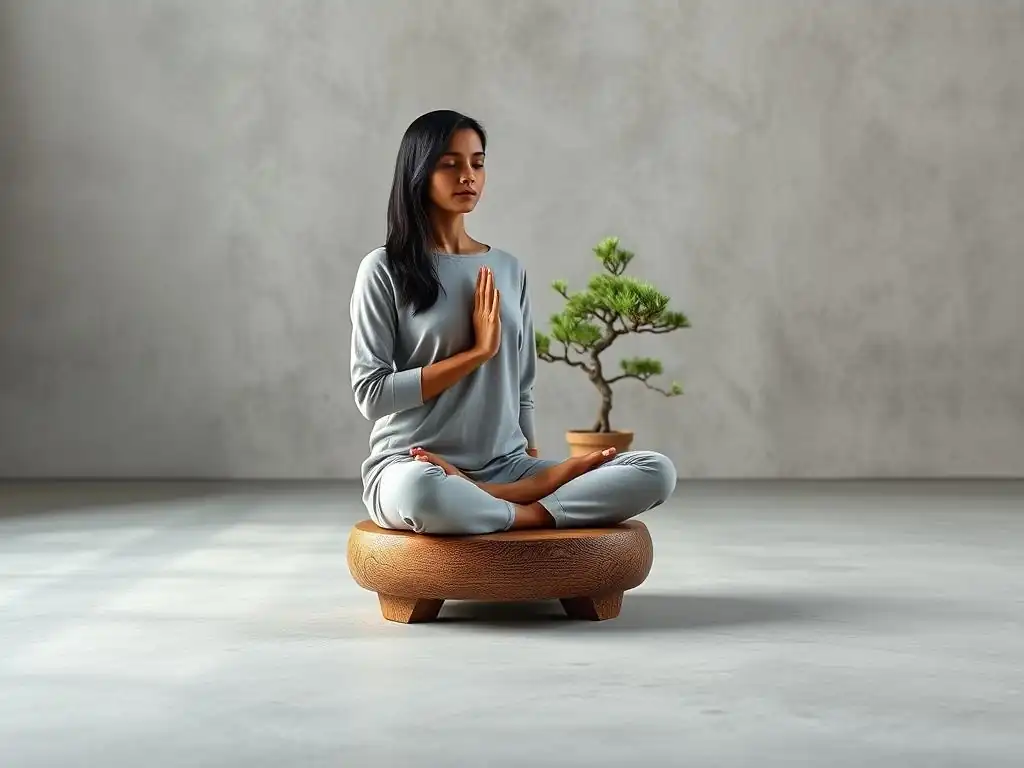
Mindfulness meditation is perhaps the most widely practiced technique for building mental strength and resilience. It involves paying deliberate attention to the present moment without judgment. The core practice typically involves focusing on the breath as an anchor, noticing the physical sensations of inhaling and exhaling. When the mind inevitably wanders (as it will), the practice is simply to notice where it went and gently guide it back to the breath, again and again.
This simple act of noticing wandering thoughts without judgment and returning to the present is a powerful exercise in mental discipline and self-compassion. It trains the mind to be less reactive to distractions and internal chatter, fostering a sense of calm and presence. By cultivating present moment awareness through mindfulness meditation for mental strength, individuals become better equipped to handle challenges as they arise, rather than being preoccupied with past regrets or future anxieties.
Loving-Kindness Meditation: Fostering Compassion and Resilience
Loving-kindness meditation, or Metta meditation, is a powerful practice for cultivating positive emotional states towards oneself and others, which is surprisingly effective for building inner strength. This technique involves silently repeating phrases that wish well-being, happiness, and freedom from suffering, initially directed towards oneself, then loved ones, neutral individuals, difficult people, and finally, all beings. Examples include: "May I be happy. May I be healthy. May I be safe. May I live with ease."
Practicing loving-kindness meditation for mental strength helps counteract negative self-talk and harsh self-judgment, which are significant drains on mental resources. By deliberately cultivating feelings of warmth and compassion towards oneself, individuals build a stronger foundation of self-acceptance and resilience. Extending this kindness outwards also reduces feelings of isolation and hostility, fostering a sense of connection and inner peace that strengthens one's ability to navigate interpersonal challenges.
Body Scan Meditation: Enhancing Body Awareness and Emotional Stability
Body scan meditation involves systematically bringing attention to different parts of the body, noticing physical sensations without trying to change them. Starting from the toes and slowly moving up to the head, the practitioner simply observes whatever sensations are present—tingling, pressure, warmth, coolness, or absence of sensation.
This practice enhances interoceptive awareness—the ability to perceive internal bodily states. This is crucial for emotional regulation because emotions often manifest as physical sensations (e.g., tightness in the chest for anxiety, knots in the stomach for fear). By becoming more attuned to these bodily cues through body scan meditation for mental strength, individuals can recognize emotions earlier and manage them more effectively before they become overwhelming. It also helps ground the mind in the physical reality of the present moment, reducing rumination and worry.
Visualization Meditation: Strengthening Mental Imagery for Confidence
Visualization meditation involves creating vivid mental images to achieve a desired state or outcome. For building mental strength, this can involve visualizing oneself successfully navigating a challenging situation, embodying qualities like courage and resilience, or picturing a calm and peaceful inner state. For example, one might visualize themselves standing tall and confident before a difficult meeting, feeling grounded and capable.
This technique works by leveraging the mind's powerful connection between imagination and reality. By repeatedly visualizing positive outcomes and desired internal states, individuals can strengthen neural pathways associated with those states, making them more accessible in real-life situations. Visualization meditation for mental strength can help build confidence, reduce fear of failure, and prepare the mind to face challenges with a more positive and proactive attitude.
Step-by-Step Guide: Starting Your Meditation Journey for Mental Strength
Preparing Your Environment for Meditation
Creating a dedicated space, even a small corner, can significantly enhance your meditation practice for mental strength. Choose a quiet area where you are unlikely to be interrupted. While not strictly necessary, some people find it helpful to make the space calming – perhaps dimming the lights slightly, using a comfortable cushion or chair, or ensuring a comfortable temperature. Turn off electronic devices or put them on silent mode to minimize distractions. The goal is to create an environment that supports inward focus and reduces external stimuli, allowing you to more easily connect with your inner resources.
Consistency is more important than perfection when preparing your space. Don't feel the need for an elaborate setup. A simple, clean area where you can sit comfortably and undisturbed for your chosen duration is perfectly adequate. Over time, this designated spot can become a cue for your mind and body to transition into a meditative state, making the practice of meditation for mental strength feel more natural and accessible.
Establishing a Consistent Meditation Practice
Consistency is key to reaping the benefits of meditation for mental strength. Aim to meditate at the same time each day, even if it's just for 5-10 minutes initially. Many people find that first thing in the morning or before bed works well, but choose a time that realistically fits into your schedule. Starting small and gradually increasing the duration is more sustainable than aiming for long sessions right away and getting discouraged.
- Choose a time: When can you commit to meditating daily?
- Start small: Begin with 5-10 minutes per day.
- Be patient: It takes time to feel the effects of meditation for mental strength.
- Don't judge: Some days will be easier than others; that's normal.
- Track your progress: A simple journal entry or app can help maintain motivation.
Think of it like building a physical muscle; regular, consistent workouts yield results over time. Similarly, daily training of the mind through meditation for mental strength gradually builds your capacity for focus, calm, and resilience. Missing a day is not a failure; simply return to your practice the next day without self-criticism.
Guided Meditation Script: Cultivating Courage and Resilience
- Begin by finding a comfortable seated position, spine erect but relaxed.
- Close your eyes gently or soften your gaze.
- Bring your attention to your breath, noticing the gentle rise and fall of your abdomen or chest.
- Breathe naturally, no need to control the breath.
- Now, bring to mind a quality you wish to cultivate, such as courage or resilience.
- Perhaps picture a time you felt courageous, or imagine yourself standing strong in the face of a challenge.
- Silently repeat phrases related to this quality. For courage:
- "I am courageous."
- "I can face challenges."
- "I have inner strength."
- For resilience:
- "I can bounce back."
- "I am adaptable."
- "I can weather the storm."
- Repeat these phrases gently to yourself, allowing the meaning to resonate.
- If your mind wanders, gently notice the thoughts and return to the phrases or the breath.
- Continue for several minutes, breathing deeply and repeating the phrases.
- When ready, gently open your eyes and take a moment to notice how you feel.
This script is a simple example of how visualization and affirmation can be combined within meditation for mental strength to actively cultivate desired inner qualities. The consistent repetition, combined with mindful presence, helps to internalize these positive states.
Benefits of Meditation for Mental Well-being and Resilience
Enhanced Emotional Regulation and Stability
Regular meditation practice significantly improves the ability to manage and respond to emotions in a healthy way. Instead of reacting impulsively to anger, frustration, or sadness, meditators develop the capacity to observe these feelings without being consumed by them. This skill is often referred to as 'response flexibility.' Research indicates that long-term meditators show reduced activity in the amygdala (the brain's emotion center) when presented with emotionally charged stimuli, suggesting a reduced automatic reactivity.
Furthermore, meditation cultivates emotional intelligence. By becoming more aware of their own internal states, individuals can better understand the root causes of their emotions and how they manifest physically and mentally. This self-awareness is crucial for navigating complex emotional landscapes, both internally and in interactions with others. This enhanced emotional regulation, fostered by consistent meditation for mental strength, leads to greater stability and composure in the face of life's ups and downs.
Increased Self-Awareness and Understanding
Meditation is fundamentally a practice of self-observation. By paying attention to thoughts, feelings, and bodily sensations without judgment, individuals gain profound insights into their habitual patterns, beliefs, and triggers. This increased self-awareness is a cornerstone of mental strength, as it allows one to recognize limiting beliefs or destructive habits and make conscious choices to change them. For instance, through meditation, someone might realize they have a strong tendency to catastrophize minor setbacks.
This deeper understanding extends beyond simply noticing negative patterns. It also reveals inner resources and strengths that may have been previously overlooked. By observing the mind with curiosity and acceptance, meditators connect with a deeper sense of self that is not defined by their fleeting thoughts or emotions. This enhanced self-awareness, cultivated through dedicated meditation for mental strength, empowers individuals to live more authentically and make choices aligned with their values.
Improved Focus, Concentration, and Decision-Making
In a world filled with constant distractions, the ability to focus and concentrate is a valuable form of mental strength. Meditation trains the attentional muscle by requiring the practitioner to repeatedly return their focus to an anchor, like the breath, whenever the mind wanders. This consistent practice strengthens the neural networks associated with attention control. Studies using cognitive tasks have shown that meditators exhibit improved sustained attention and reduced mind-wandering compared to non-meditators.
This enhanced focus translates directly into improved performance on tasks requiring concentration, whether at work, school, or in daily life. Furthermore, improved focus and clarity of mind contribute to better decision-making. When the mind is less cluttered by distractions and emotional reactivity, it is better able to assess situations objectively and make deliberate, well-considered choices. Building mental strength with meditation sharpens cognitive abilities, making individuals more effective and productive.
Reduced Anxiety and Stress Levels
One of the most immediate and widely sought benefits of meditation is its effectiveness in reducing anxiety and stress. By activating the body's relaxation response and reducing the production of stress hormones like cortisol, meditation counteracts the physiological effects of stress. The practice of mindful awareness also helps to interrupt the cycle of worry and rumination that often fuels anxiety.
Instead of getting caught up in anxious thoughts about the future, meditation encourages presence in the here and now. This shift in focus can significantly reduce the perceived burden of potential problems. Clinical studies and meta-analyses consistently demonstrate that mindfulness-based interventions, which include meditation, are effective in reducing symptoms of generalized anxiety disorder, social anxiety, and panic disorder. The consistent application of meditation for mental strength provides a powerful tool for managing and alleviating chronic stress and anxiety.
Cultivating a Positive Mindset and Resilience
Meditation helps to shift the mind's bias away from negativity and towards a more balanced or positive outlook. While it doesn't ignore difficulties, it trains the mind to observe negative thoughts and emotions without dwelling on them excessively. Practices like Loving-Kindness meditation actively cultivate positive emotions like compassion, joy, and equanimity, which can counteract feelings of cynicism or despair.
Resilience is the ability to adapt well in the face of adversity. Meditation fosters resilience by building the core psychological capacities needed to navigate challenges: emotional regulation, self-awareness, focus, and a less reactive response to stress. By consistently training the mind to be present, non-judgmental, and compassionate, meditation for mental strength equips individuals with the inner resources to face setbacks with greater fortitude, learn from difficult experiences, and maintain a sense of hope and agency even in trying times.
Overcoming Challenges in Your Meditation Practice
Dealing with Distractions During Meditation
One of the most common challenges in meditation is dealing with a wandering mind. Thoughts, sounds, physical sensations, and emotions can all serve as distractions. It's important to understand that mind-wandering is not a sign of failure; it is a natural function of the brain. The practice of meditation for mental strength isn't about stopping thoughts, but about noticing when the mind has wandered and gently guiding it back to your chosen anchor (like the breath).
When you notice a distraction, simply acknowledge it without judgment. You might mentally label it ("thinking," "sound," "sensation") and then gently redirect your attention back to your anchor. Think of it like training a puppy; you gently lead it back when it strays, rather than scolding it. Patience and persistence are key. Each time you notice a distraction and return to the present, you are strengthening the 'muscle' of attention, which is fundamental to building mental strength through meditation.
Managing Difficult Emotions and Thoughts
During meditation, you may encounter difficult emotions or thoughts, such as sadness, anger, fear, or self-critical internal dialogue. It can be tempting to push these away or get lost in them. Meditation for mental strength teaches you a different approach: to observe these experiences with curiosity and acceptance, rather than resistance or engagement.
When a difficult emotion or thought arises, try to acknowledge its presence without judgment. You might simply label it internally ("sadness," "worry"). Instead of trying to analyze or fix it during the meditation, simply allow it to be there while you gently bring your attention back to your anchor. Over time, this practice helps you develop a greater tolerance for discomfort and reduces the power these difficult states have over you, reinforcing your inner resilience. If emotions feel overwhelming, it's okay to shorten your session or seek guidance from a qualified meditation teacher or mental health professional.
Maintaining Consistency in Your Meditation Routine
Establishing and maintaining a consistent meditation practice for mental strength can be challenging amidst a busy life. Lack of time, feeling unmotivated, or believing you're "not good at it" are common hurdles. It helps to view meditation not as a luxury, but as an essential part of your mental hygiene, like brushing your teeth.
Tips for consistency include scheduling your meditation time like any other important appointment, starting with very short sessions (even 5 minutes is beneficial), finding an accountability partner, joining a meditation group, or using guided meditations which can provide structure and motivation. Remember why you started—to build mental strength and resilience. Reconnecting with this intention can help you stay committed even when motivation wanes.
Addressing Physical Discomfort During Meditation
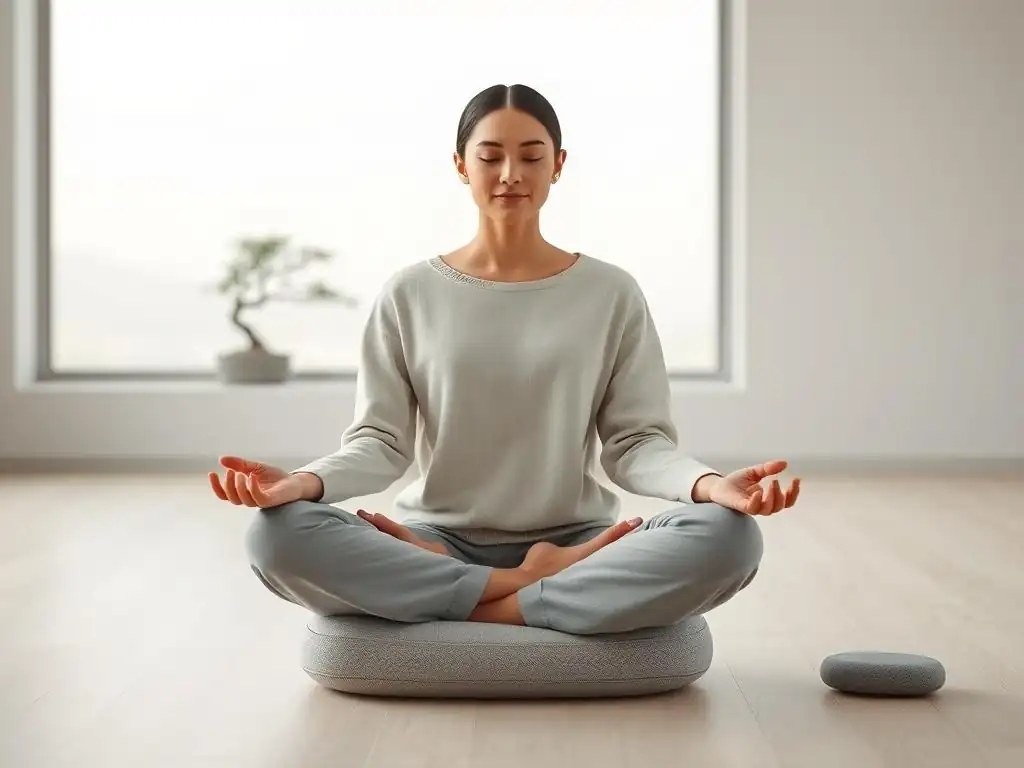
Sitting still for periods can sometimes lead to physical discomfort, such as back pain, restless legs, or stiffness. While it's helpful to find a comfortable posture, some discomfort may still arise, especially in longer sessions. Meditation for mental strength encourages you to observe these physical sensations with the same non-judgmental awareness you bring to thoughts and emotions.
If discomfort is minor, try breathing into the sensation, acknowledging it without reacting. Often, the sensation will shift or dissipate. If the discomfort is significant or causing pain, it's perfectly acceptable to gently adjust your posture. The goal is not to endure pain unnecessarily, but to cultivate awareness. Finding a comfortable yet alert posture is important for a sustainable practice. Experiment with different sitting positions, use cushions or chairs, and ensure your body feels supported.
Integrating Meditation into Your Daily Life for Sustained Mental Strength
Mindful Moments: Incorporating Meditation into Everyday Activities
Building mental strength with meditation doesn't have to be confined to formal sitting sessions. You can weave mindful moments into your daily routine. This involves bringing your full attention to ordinary activities, transforming them into opportunities for present moment awareness.
- Mindful Eating: Pay attention to the smell, taste, and texture of your food.
- Mindful Walking: Notice the sensation of your feet on the ground, the movement of your body, and the sights and sounds around you.
- Mindful Chores: Bring attention to the physical sensations and actions involved in washing dishes, folding laundry, or cleaning.
- Mindful Listening: When someone is speaking, focus solely on their words without planning your response.
These brief moments of mindfulness throughout the day reinforce the skills learned in formal meditation practice, helping to maintain a state of presence and calm that contributes to sustained mental strength and resilience in the face of daily stressors.
Using Meditation to Enhance Productivity and Performance
The cognitive benefits of meditation—improved focus, reduced mind-wandering, and enhanced clarity—directly contribute to increased productivity and performance in various tasks. By training your attention, you become better at concentrating on the task at hand, minimizing distractions and errors.
Taking short meditation breaks during the workday can help reset your mind, reduce mental fatigue, and improve focus upon returning to your tasks. A 5-10 minute mindfulness practice before starting a challenging project or a meeting can help you approach it with a clearer mind and greater presence. Using meditation for mental strength in this way isn't just about relaxation; it's a strategic tool for optimizing cognitive function and approaching work with a more grounded and effective mindset.
Strategies for Maintaining a Long-Term Meditation Practice
Sustaining a meditation practice for mental strength over the long term requires commitment and adaptability. Life happens, and there will be times when maintaining consistency is difficult. Developing strategies to navigate these periods is crucial.
- Be Flexible: If you can't manage your usual 20 minutes, do 10 or even 5. Some meditation is better than none.
- Find a Community: Joining a local meditation group or online community can provide support and motivation.
- Explore Different Techniques: If one type of meditation feels stale, try another (e.g., switch from mindfulness to loving-kindness) to keep the practice fresh.
- Revisit Your Intention: Regularly remind yourself why you are practicing meditation for mental strength and the benefits you are seeking.
- Be Kind to Yourself: If you miss days or weeks, don't give up. Simply start again without self-judgment.
Consistency, flexibility, and self-compassion are the pillars of a sustainable long-term meditation practice that will continue to build your mental strength and resilience over the years.
Advanced Meditation Practices for Deeper Mental Resilience
Vipassana Meditation: Insight into the Nature of Reality
Vipassana, meaning "to see things as they really are," is an ancient Indian meditation technique that focuses on developing deep insight into the impermanent nature of reality through the direct observation of physical sensations and mental phenomena. While often taught in intensive retreat formats (typically 10 days or longer), its principles can inform daily practice. The technique involves observing sensations in the body systematically and equanimously, without reacting to pleasant or unpleasant feelings.
This rigorous practice of non-reactive observation is a powerful method for building profound mental resilience. By directly experiencing the constant flux of sensations and mental states, practitioners develop a deep understanding of impermanence (anicca), suffering (dukkha), and non-self (anatta). This experiential wisdom reduces attachment to transient experiences and lessens reactivity to life's inevitable changes and difficulties, cultivating a profound sense of inner peace and unwavering mental strength.
Zen Meditation: Emptiness and Direct Experience
Zen meditation, often practiced as Zazen (seated meditation), is a practice rooted in the Mahayana Buddhist tradition that emphasizes direct experience and the realization of emptiness (sunyata), not as nothingness, but as the interdependent nature of all phenomena. Zazen typically involves sitting with upright posture, focusing on the breath or simply resting in a state of alert, choiceless awareness, often referred to as "just sitting" or Shikantaza.
The practice cultivates mental strength by training the mind to cease its habitual conceptualizing and grasping, allowing for a direct, unfiltered experience of the present moment. By letting go of the need to categorize, judge, or control, practitioners develop a profound sense of acceptance and equanimity. This non-dualistic awareness, fostered through Zen meditation for mental strength, reduces internal conflict and builds a stable inner core that is less disturbed by the mind's own constructs and the changing circumstances of life.
Exploring Other Advanced Meditation Techniques
Beyond Vipassana and Zen, numerous other advanced meditation practices offer pathways to deeper mental resilience and understanding. These may include:
- Transcendental Meditation (TM): A mantra-based technique practiced for 20 minutes twice daily, known for its deep relaxation effects and stress reduction.
- Yoga Nidra (Yogic Sleep): A guided meditation practice leading to deep relaxation and altered states of consciousness, used for stress relief and accessing subconscious resources.
- Samatha-Vipassana: A combined approach where Samatha (calm abiding) is developed first to stabilize the mind, followed by Vipassana for insight.
Each of these traditions and techniques offers unique methods for training the mind and cultivating inner strength. Exploring different advanced practices can help individuals find approaches that resonate most deeply with them, facilitating continued growth in mental resilience and well-being beyond foundational techniques like mindfulness meditation for mental strength.
Conclusion: Empowering Your Mind Through Meditation
The Enduring Benefits of Meditation for Mental Strength
Meditation is far more than just a relaxation technique; it is a powerful and scientifically validated practice for cultivating profound mental strength and resilience. As we've explored, consistent engagement with meditation leads to tangible changes in the brain, reducing stress reactivity, enhancing emotional regulation, improving focus, and fostering a greater capacity for self-awareness and self-compassion. These benefits accumulate over time, building a robust inner core capable of navigating the complexities and challenges of modern life with greater ease, clarity, and grace.
The journey of building mental strength with meditation is ongoing. It's a practice, not a destination. Each time you sit, whether for 5 minutes or 50, you are actively training your mind, strengthening your ability to respond to life rather than merely react. The skills developed on the cushion translate directly into enhanced well-being, improved relationships, and a greater sense of peace and purpose in your daily life.
Taking the Next Steps on Your Meditation Journey
If you are new to meditation or looking to deepen your practice for mental strength, the best way to start is simply to begin. Choose one technique that resonates with you, find a quiet time and place, and commit to practicing consistently, even if only for a few minutes each day. There are countless resources available, including guided meditations online, apps, books, and local meditation centers.
Consider starting with a simple mindfulness of breath practice or a short guided meditation for mental strength. Be patient and kind to yourself; some days will feel easier than others. The challenges you encounter in meditation—distractions, difficult emotions—are precisely the opportunities to practice the skills of awareness and non-reactivity that build inner strength. Embrace the journey, commit to the practice, and unlock the remarkable potential for resilience and well-being that lies within you.
Frequently Asked Questions
What exactly is meditation for mental strength and how does it differ from regular meditation?
Meditation for mental strength focuses on cultivating resilience and emotional regulation. It's not just relaxation, but actively building your capacity to handle stress and challenges.
How often should I practice meditation for mental strength to see noticeable improvements?
Consistency is key. Aim for at least 15-20 minutes of daily practice. You should notice improvements in your ability to manage stress and emotional responses within a few weeks.
What types of meditation techniques are most effective for building mental strength?
Mindfulness meditation, loving-kindness meditation, and visualization techniques are particularly effective. These practices help you develop self-awareness, compassion, and inner resources.
Can meditation for mental strength help with specific mental health challenges like anxiety or depression?
Yes, meditation can be a valuable tool for managing symptoms of anxiety and depression. It helps you regulate emotions, reduce rumination, and increase self-awareness.
Are there any potential downsides or risks associated with practicing meditation for mental strength?
While generally safe, some people may experience uncomfortable emotions surfacing. It's important to start slowly, be patient with yourself, and seek guidance from a qualified professional if needed.
Final Reflection: Cultivating Inner Resilience Through Meditation
The practice of meditation, once considered esoteric, is now increasingly recognized as a vital tool for building mental strength in our relentlessly demanding world. The anxieties of modern life – from career pressures to social media overload – leave many feeling depleted and overwhelmed. This article explored how consistent meditation can act as a powerful antidote, fostering resilience, clarity, and a deeper connection to one's inner self.
The journey towards mental strength is not a sprint, but a marathon, and meditation provides the essential fuel for this enduring endeavor. It's a practice that has profoundly impacted my own life, offering a sanctuary amidst the chaos and a pathway to self-discovery. As the Dalai Lama wisely stated, Peace is not merely the absence of war, but the presence of justice, compassion, and the understanding of others.
Meditation cultivates these very qualities, allowing us to navigate challenges with greater equanimity and empathy, both for ourselves and for others.
Now, I invite you to consider how you can integrate the principles of mindful meditation into your daily life. Begin with just five minutes a day; observe your breath, notice your thoughts without judgment, and allow yourself to simply be. This small act of self-care can have a ripple effect, transforming not only your mental well-being, but also your relationships and your overall approach to life. Embrace the journey towards inner strength; it is a journey well worth undertaking.
Unleash Your Inner Strength: Start Your Meditation Journey Today!
Thanks for taking the time to explore the power of meditation for building mental resilience. We hope you gained valuable insights into how this practice can strengthen your inner core. Now, it's time to put your newfound knowledge into action!
- Begin your daily meditation practice: Even 5 minutes a day can make a significant difference. Start with a guided meditation if you're new to the practice.
- Share your meditation experience: Connect with others on our social media channels and share your journey – let's build a supportive community together!
- Explore different meditation techniques: Try different styles (mindfulness, loving-kindness, etc.) to discover what resonates best with you. This is your personal journey of self-discovery!
Ready to cultivate unwavering inner strength? What small step will you take today to begin your meditation journey?