
Probiotics, Prebiotics, and Your Psyche: Optimizing Gut Health for Better Mood


Welcome to Mind Care Guide, a sanctuary for your mental well-being. Ever wondered if that nagging feeling, that persistent dip in mood, might be rooted deeper than you think? We're here to explore the fascinating connection between your gut and your mind. Dive into our latest article and discover just how profoundly gut health impacts mood, and unlock practical steps you can take to nourish both your body and your psyche. Ready to feel better?
Probiotics, Prebiotics, and Your Psyche: Optimizing Gut Health for Better Mood
- Introduction: Understanding the Gut-Brain Axis and Mental Wellbeing
- The Role of Probiotics in Enhancing Mood
- Prebiotics: Fueling the Good Bacteria for a Better Brain
- The Interplay of Probiotics and Prebiotics: A Synergistic Approach
- Gut Inflammation and Mood Disorders: The Link
- Lifestyle Factors that Support Gut Health and Mental Wellbeing
- Practical Tips for Improving Gut Health for Better Mood
- The Future of Gut-Brain Research: Emerging Therapies and Innovations
- Conclusion: Taking Control of Your Gut Health for Improved Mental Wellbeing
-
Frequently Asked Questions
- How exactly does gut health impacts mood?
- What are probiotics and prebiotics, and how do they contribute to gut health?
- Can improving gut health impacts mood in people with anxiety or depression?
- What dietary changes can I make to optimize my gut health for better mood?
- Are there any risks associated with taking probiotic or prebiotic supplements?
- Final Reflection: The Mind-Gut Connection: A Journey Towards Holistic Wellbeing
- Unlock Your Happiest Gut: Take Charge of Your Mood Today!
Introduction: Understanding the Gut-Brain Axis and Mental Wellbeing
The Mind-Gut Connection: A Two-Way Street
The connection between your gut and your brain is far more intricate than simply feeling butterflies in your stomach when nervous. It's a complex, bidirectional communication system known as the gut-brain axis. This axis involves biochemical signaling between the central nervous system and the enteric nervous system (ENS), often referred to as the "second brain," which is embedded in the wall of the gastrointestinal tract. The ENS governs digestive function but also communicates extensively with the brain via neural, hormonal, and immunological pathways.
This constant dialogue means that signals from your gut can influence your brain function, including mood, stress levels, and cognitive abilities, and vice versa. For instance, stress originating in the brain can alter gut motility and permeability, while signals from a disturbed gut can trigger anxiety or low mood. This sophisticated network highlights why understanding this connection is vital for holistic wellbeing and underscores how profoundly gut health impacts mood.
Why Gut Health Matters for Mental Health: An Overview
Your gut is home to trillions of microorganisms, collectively known as the gut microbiome. This diverse community of bacteria, viruses, fungi, and other microbes plays crucial roles far beyond digestion, including immune system regulation, nutrient absorption, and even the production of neurochemicals. A balanced and diverse gut microbiome is associated with overall health, while imbalances, known as dysbiosis, have been linked to various health issues, including mental health conditions.
Emerging research strongly suggests that imbalances in the gut microbiome can contribute to inflammation, disrupt neurotransmitter production (like serotonin, much of which is produced in the gut), and affect the integrity of the gut lining, potentially impacting brain function and mood. Therefore, nurturing a healthy gut environment is not just about digestive comfort; it is a fundamental strategy for supporting mental resilience and recognizing the significant ways gut health impacts mood.
The Role of Probiotics in Enhancing Mood
What are Probiotics? Beneficial Bacteria for a Healthier Gut
Probiotics are live microorganisms, primarily bacteria, that, when administered in adequate amounts, confer a health benefit on the host. They are often referred to as "good" or "beneficial" bacteria because they can help maintain a healthy balance in the gut microbiome, competing with potentially harmful bacteria and supporting various physiological functions. Common sources include fermented foods like yogurt, kefir, sauerkraut, and kimchi, as well as dietary supplements.
These beneficial microbes can influence gut health in numerous ways, such as improving digestion, enhancing nutrient absorption, supporting the immune system, and producing beneficial metabolites like short-chain fatty acids (SCFAs). By contributing to a more balanced and functional gut environment, probiotics lay a foundation for better overall health, including aspects related to the gut-brain axis and mental wellbeing.
Probiotics and Mental Health: Scientific Evidence
The scientific community has shown increasing interest in the potential of probiotics to influence mental health outcomes. Studies, often involving both animal models and human participants, have explored the effects of specific probiotic strains on symptoms of anxiety, depression, and stress. For example, some research indicates that certain probiotics may help reduce levels of stress hormones like cortisol or influence the activity of neurotransmitters involved in mood regulation.
While the field is still evolving, findings from various clinical trials suggest a promising link. A review of studies published in journals like Translational Psychiatry or Nutrients might highlight that participants taking certain probiotic interventions reported improvements in subjective measures of mood or reductions in anxiety scores compared to placebo groups. These findings contribute to the growing body of evidence demonstrating how gut health impacts mood and the potential therapeutic role of probiotics.
Specific Probiotic Strains for Mood Improvement: Lactobacillus rhamnosus, Bifidobacterium longum
Certain probiotic strains have garnered particular attention for their potential psychobiotic effects – meaning they may influence the brain and behavior. Lactobacillus rhamnosus (specifically strain GG, or LGG, and HN001) is one such strain. Research, including some animal studies and preliminary human trials, has suggested that L. rhamnosus may help modulate the stress response and potentially reduce anxiety-like behaviors, possibly by affecting GABA receptor activity in the brain via the gut-brain axis.
Another notable strain is Bifidobacterium longum (often specifically strain 1714 or NCC3001). Studies involving this strain have indicated potential benefits for stress reduction and improved mood. For instance, research published in Nature Communications on B. longum NCC3001 demonstrated its ability to normalize anxiety-like behavior and associated brain activity in animal models and reduce depression in patients with Irritable Bowel Syndrome (IBS), further emphasizing the specific ways gut health impacts mood through targeted microbial interventions.
Choosing the Right Probiotic Supplement: Factors to Consider
Selecting a probiotic supplement requires careful consideration, as efficacy can vary significantly between strains and products. Key factors to look for include:
- Strain Specificity: Ensure the product lists specific strains (e.g., Lactobacillus acidophilus DDS-1, Bifidobacterium longum 1714), not just the genus and species. Research the specific strains to see if they have been studied for the benefits you seek (e.g., mood support).
- CFU Count: Check the Colony Forming Units (CFU), which indicate the number of live bacteria per dose. While higher isn't always better, a common range for general health is billions of CFUs. The effective dose for mood support may vary based on the strain and research.
- Viability and Delivery: Look for products with proper packaging (e.g., opaque bottles, refrigeration if needed) and delivery systems (e.g., delayed-release capsules) to ensure the bacteria survive stomach acid and reach the gut alive.
- Third-Party Testing: Reputable brands often undergo third-party testing to verify potency and purity.
- Absence of Allergens: If you have dietary restrictions or allergies, check the ingredient list carefully.
Consulting with a healthcare professional or a registered dietitian can provide personalized guidance based on your specific health needs and goals, helping you navigate the options and choose a supplement most likely to support your gut health and mood.
Prebiotics: Fueling the Good Bacteria for a Better Brain
What are Prebiotics? Food for Your Gut Microbiome
Prebiotics are non-digestible fibers and compounds that selectively stimulate the growth and activity of beneficial bacteria already present in your gut. Unlike probiotics, which introduce new bacteria, prebiotics act as fertilizer for the existing healthy microbes, particularly Bifidobacteria and Lactobacilli. Think of them as essential fuel that helps your beneficial gut residents thrive and multiply.
These dietary fibers pass through the upper digestive tract undigested and reach the large intestine, where they are fermented by gut bacteria. This fermentation process yields beneficial metabolites, including short-chain fatty acids (SCFAs) like butyrate, propionate, and acetate, which have wide-ranging health benefits, impacting not only gut health but also systemic health and brain function.
Prebiotics and the Gut-Brain Connection: How They Work
Prebiotics influence the gut-brain axis primarily by nourishing beneficial bacteria, which in turn produce SCFAs. Butyrate, for instance, is a primary energy source for colon cells and plays a crucial role in maintaining the integrity of the gut barrier, preventing "leaky gut." SCFAs can also enter the bloodstream and travel to the brain, where they may influence neurotransmitter production, reduce inflammation, and even impact brain-derived neurotrophic factor (BDNF), which is important for neuronal health and plasticity.
Furthermore, a thriving population of beneficial bacteria, supported by prebiotics, can outcompete harmful bacteria, reduce the production of toxins, and modulate the immune system, all of which can indirectly influence brain health and mood. By fostering a healthier microbial environment through prebiotic consumption, you are directly supporting the mechanisms by which gut health impacts mood.
Best Prebiotic Foods to Boost Mood: Onions, Garlic, Asparagus, Bananas
Incorporating prebiotic-rich foods into your diet is a natural and effective way to support your gut microbiome and potentially improve your mood. Several common foods are excellent sources of these beneficial fibers:
- Onions and Garlic: These contain fructans and inulin, powerful prebiotics that feed Bifidobacteria. Cooking can slightly alter the prebiotic content, but both raw and cooked forms offer benefits.
- Asparagus: A good source of inulin, asparagus supports the growth of beneficial gut microbes.
- Bananas: Especially slightly green bananas, contain resistant starch, which acts as a prebiotic. As bananas ripen, resistant starch converts to simpler sugars, so slightly less ripe ones are better prebiotic sources.
Other excellent sources include chicory root (often used in coffee substitutes or as an additive), leeks, jicama, dandelion greens, and whole grains like oats and barley. Regularly consuming a variety of these foods provides your beneficial gut bacteria with the diverse fuel they need to flourish.
Incorporating Prebiotics into Your Daily Diet: Tips and Tricks
Adding prebiotic-rich foods to your meals doesn't have to be complicated. Start gradually to allow your digestive system to adjust, as consuming large amounts suddenly can sometimes lead to gas or bloating.
Here are some simple ways to boost your prebiotic intake:
- Add sliced onions or garlic to stir-fries, soups, or sauces.
- Include asparagus in roasted vegetable mixes or salads.
- Snack on a slightly green banana.
- Sprinkle roasted chicory root granules over yogurt or mix into smoothies.
- Swap refined grains for whole oats at breakfast or barley in soups.
- Try adding a small amount of raw garlic or onion to salad dressings.
Remember that variety is key for a diverse microbiome. Aim to include a mix of different prebiotic sources throughout the week to nourish a broader range of beneficial bacteria, thereby maximizing the support for your gut health and its influence on mood.
The Interplay of Probiotics and Prebiotics: A Synergistic Approach
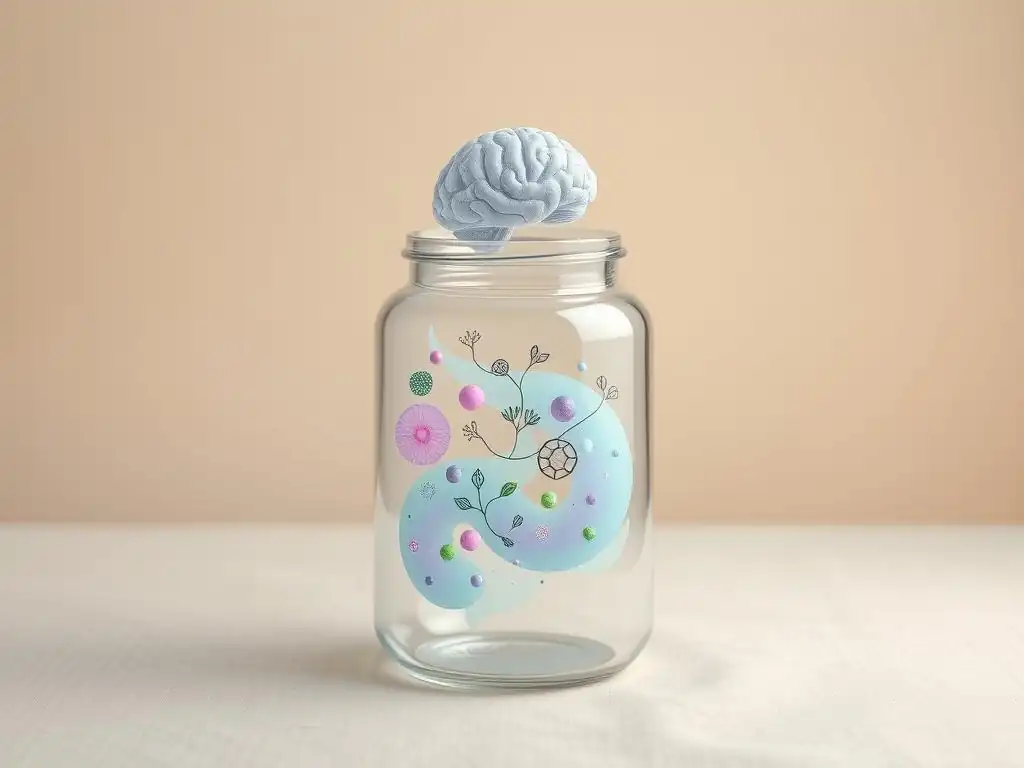
Combining Probiotics and Prebiotics for Optimal Gut Health
While both probiotics and prebiotics offer significant benefits on their own, combining them can create a powerful synergy for optimizing gut health. Probiotics introduce beneficial bacteria, while prebiotics provide the specific food that these bacteria (and many of your existing beneficial microbes) prefer. This combination can enhance the survival and activity of the introduced probiotics and further stimulate the growth of native beneficial bacteria.
This combined approach ensures that the "good bugs" you introduce have the best possible chance to establish themselves and thrive within the complex gut ecosystem. By supporting both the population and the activity of beneficial microbes, you create a more robust and resilient gut microbiome, which is better equipped to perform its vital functions, including those related to the gut-brain axis and influencing how gut health impacts mood.
Synbiotics: The Power of Combined Probiotic and Prebiotic Supplements
Synbiotics are products, often supplements, that contain both probiotics and prebiotics in a single formulation. The goal is to deliver a carefully selected combination where the prebiotic component specifically feeds the probiotic strains included in the product, maximizing their viability and effectiveness. This targeted approach aims to create a more favorable environment for the beneficial bacteria to colonize and exert their health effects.
Choosing a well-formulated synbiotic can offer a convenient way to implement the combined approach, especially if dietary intake of prebiotics is inconsistent. However, just like with individual probiotics, the efficacy of synbiotics depends on the specific strains and prebiotics used, as well as their concentrations. Research is ongoing to identify the most effective synbiotic combinations for various health outcomes, including mental wellbeing.
How Synbiotics Impact Mental Wellbeing
The synergistic action of synbiotics is believed to offer enhanced potential for influencing mental health compared to using probiotics or prebiotics alone. By promoting a more balanced and active beneficial microbial community, synbiotics can lead to increased production of beneficial metabolites like SCFAs, improved gut barrier function, and better modulation of the immune system and inflammatory pathways.
These physiological changes within the gut can have downstream effects on the brain via the gut-brain axis. Reduced inflammation, increased production of neuroactive compounds by gut bacteria, and modulation of stress hormone levels are all potential mechanisms through which synbiotics may help alleviate symptoms of stress, anxiety, and depression. While more targeted research is needed, the concept of using synbiotics to support mental health by optimizing the gut microbiome represents a promising frontier in understanding and leveraging how deeply gut health impacts mood.
Gut Inflammation and Mood Disorders: The Link
Gut Inflammation: A Key Player in Mental Health Conditions
Chronic, low-grade inflammation in the gut has emerged as a significant factor potentially linking gut dysbiosis to various systemic health issues, including mood disorders. When the balance of gut bacteria is disrupted, or the gut lining is compromised (sometimes referred to as increased intestinal permeability or "leaky gut"), it can trigger an immune response within the gut. This response involves inflammatory molecules that can potentially enter the bloodstream.
These circulating inflammatory markers, such as cytokines (e.g., IL-6, TNF-alpha), are thought to be able to cross the blood-brain barrier or influence brain function indirectly via the vagus nerve. Elevated levels of inflammation in the brain have been observed in individuals with depression and anxiety. This suggests a pathway where gut inflammation contributes to neuroinflammation, impacting mood regulation, neurotransmitter balance, and overall brain health, thereby highlighting a critical aspect of how gut health impacts mood.
How Probiotics and Prebiotics Can Reduce Gut Inflammation
Probiotics and prebiotics can play a vital role in mitigating gut inflammation through several mechanisms. Probiotics help restore balance to the gut microbiome, increasing beneficial bacteria that produce anti-inflammatory compounds like butyrate. They can also help strengthen the gut barrier, reducing its permeability and preventing the leakage of pro-inflammatory substances into the bloodstream.
Prebiotics, by selectively feeding beneficial bacteria, further enhance the production of SCFAs, particularly butyrate, which has potent anti-inflammatory properties within the gut lining. A healthier, more diverse microbial community fostered by probiotics and prebiotics is better equipped to resist colonization by pathogens that could trigger inflammation and to modulate the host immune response towards an anti-inflammatory state. This reduction in gut-derived inflammation is a key way these interventions may positively influence mood.
The Impact of Reduced Inflammation on Mood and Cognitive Function
Reducing chronic inflammation, whether systemic or originating in the gut, is increasingly recognized as a potential strategy for improving mental health and cognitive function. Lower levels of inflammatory cytokines are associated with better mood, reduced anxiety, and improved cognitive performance in some studies. By helping to dampen the inflammatory cascade initiated in the gut, probiotics and prebiotics may indirectly contribute to a less inflamed brain environment.
This reduced neuroinflammation could potentially lead to improved neurotransmitter function, enhanced neurogenesis (the growth of new neurons), and better resilience to stress. While the precise mechanisms are still being unraveled, the ability of dietary interventions like probiotics and prebiotics to modulate gut health and subsequent inflammation offers a compelling explanation for some of the observed positive effects on mood and underscores the intricate ways gut health impacts mood and cognitive wellbeing.
Lifestyle Factors that Support Gut Health and Mental Wellbeing
Diet and Gut Health: What to Eat and What to Avoid
Your daily food choices have a profound and immediate impact on your gut microbiome composition and activity. A diet rich in diverse plant fibers, fermented foods, and whole, unprocessed ingredients tends to foster a diverse and healthy microbial community. Foods high in prebiotics (like vegetables, fruits, legumes, and whole grains) and natural probiotics (like unsweetened yogurt, kefir, sauerkraut) are cornerstones of a gut-friendly diet. Consuming healthy fats, such as those found in olive oil, avocados, and fatty fish, also supports overall health, including the gut lining.
Conversely, a diet high in processed foods, refined sugars, unhealthy fats (like trans fats), and artificial sweeteners can negatively impact gut health. These substances can feed less beneficial bacteria, reduce microbial diversity, and potentially increase gut permeability and inflammation. Limiting these items while prioritizing nutrient-dense, fiber-rich foods is crucial for maintaining a balanced gut microbiome and recognizing how significantly diet influences the way gut health impacts mood.
Stress Management: Reducing Stress for a Healthier Gut
Chronic stress is a well-known disruptor of the gut-brain axis and gut health. Stress hormones like cortisol can alter gut motility, increase intestinal permeability, change the composition of the gut microbiome, and reduce the production of beneficial SCFAs. This can lead to digestive discomfort and contribute to gut dysbiosis and inflammation, which, as discussed, can negatively impact mood.
Implementing effective stress management techniques is therefore vital for both mental and gut health. Practices such as mindfulness meditation, deep breathing exercises, yoga, spending time in nature, or engaging in hobbies can help calm the nervous system and reduce the physiological effects of stress on the gut. By mitigating the detrimental effects of stress on the gut, you directly support the health of your microbiome and its crucial role in maintaining a stable mood, reinforcing that gut health impacts mood, and vice versa.
Exercise and Gut Microbiome: The Benefits of Physical Activity
Regular physical activity is not only beneficial for cardiovascular health and mood but also appears to have a positive influence on the gut microbiome. Studies have shown that individuals who exercise regularly tend to have a more diverse gut microbial community compared to sedentary individuals. Exercise may increase the production of beneficial SCFAs, improve gut motility, and potentially reduce inflammation.
While the exact mechanisms are still being researched, consistent moderate exercise, such as brisk walking, jogging, cycling, or swimming, is associated with a healthier gut profile. Aiming for around 150 minutes of moderate-intensity aerobic activity or 75 minutes of vigorous-intensity activity per week, as recommended by health guidelines, can contribute significantly to both your physical fitness and the wellbeing of your gut microbes, supporting the complex relationship where gut health impacts mood and overall vitality.
Sleep and Gut Health: Prioritizing Rest for a Balanced Microbiome
Sleep is another critical lifestyle factor intertwined with gut health and mental wellbeing. Disruptions to your circadian rhythm and chronic sleep deprivation can negatively impact the gut microbiome composition and function. Shift work, inconsistent sleep schedules, or insufficient sleep can lead to dysbiosis, increased gut permeability, and inflammation. This disruption can further exacerbate mood disturbances and negatively affect cognitive function.
Prioritizing 7-9 hours of quality sleep per night is essential for allowing your body and your gut microbiome to function optimally. Establishing a regular sleep schedule, creating a relaxing bedtime routine, and ensuring your sleep environment is dark, quiet, and cool can all contribute to better sleep health. By supporting healthy sleep patterns, you help maintain a balanced gut microbiome, which in turn supports the gut-brain axis and reinforces the understanding that gut health impacts mood stability and overall mental resilience.
Practical Tips for Improving Gut Health for Better Mood

Starting a Probiotic and Prebiotic Regimen: A Step-by-Step Guide
Embarking on a journey to improve your gut health for better mood can feel daunting, but a structured approach can help. Here's a simple guide:
- \[ ] Assess Your Diet: Start by evaluating your current eating habits. Are you consuming enough fiber? Do you include fermented foods? Identify areas where you can incorporate more prebiotic and probiotic-rich foods.
- \[ ] Consider Supplementation: If dietary sources are insufficient or you're targeting specific benefits, research probiotic and prebiotic supplements. Choose products with strains and doses supported by research for mood or gut health.
- \[ ] Introduce Gradually: When adding new high-fiber foods or starting supplements, begin with small amounts to allow your digestive system to adjust.
- \[ ] Be Consistent: Gut microbiome changes take time. Stick with your dietary changes and supplementation regimen consistently for several weeks or months to observe potential benefits.
- \[ ] Listen to Your Body: Pay attention to how you feel. Note any changes in digestion, energy levels, or mood. Adjust your approach based on your individual response.
- \[ ] Consult a Professional: If you have underlying health conditions or are unsure where to start, consult a healthcare provider or a registered dietitian specializing in gut health.
Remember, improving gut health is a marathon, not a sprint. Patience and consistency are key to supporting your gut microbiome and its influence on your mood.
Monitoring Your Progress: How to Track Your Gut Health and Mood
Tracking your progress can help you understand the impact of your efforts on both your gut health and your mood. While there are no simple at-home tests for overall gut microbiome health, you can monitor subjective markers:
- Digestive Symptoms: Keep a journal of digestive comfort – frequency of bowel movements, bloating, gas, indigestion. Improvements here often indicate positive changes in the gut.
- Mood and Energy Levels: Regularly note your mood (e.g., using a simple scale or brief description) and energy levels throughout the day. Look for trends over time.
- Sleep Quality: Track how well you sleep and how rested you feel upon waking.
- Food Diary: Continue logging your food and supplement intake to correlate specific changes with how you feel.
Observing positive shifts in these areas can be encouraging and indicate that your gut-focused strategies are having a beneficial effect on your overall wellbeing, reinforcing the tangible ways gut health impacts mood and energy.
Addressing Potential Side Effects: What to Expect and How to Manage Them
When first increasing fiber intake or starting probiotic/prebiotic supplements, some individuals may experience temporary digestive discomfort. This can include increased gas, bloating, or changes in bowel habits. These symptoms often subside within a few days or weeks as your gut microbiome adjusts to the changes.
- Start Low, Go Slow: Begin with a lower dose of supplements or smaller portions of high-fiber foods and gradually increase over time.
- Stay Hydrated: Drinking plenty of water is essential when increasing fiber intake to help digestion.
- Spread Intake: If taking supplements, consider splitting the dose throughout the day.
- Persistence: Unless symptoms are severe or persistent, try to continue for a couple of weeks to see if your body adapts.
If symptoms are severe, persist for more than a few weeks, or cause significant distress, discontinue the supplement or dietary change and consult a healthcare professional. They can help rule out other causes and provide guidance tailored to your situation.
The Future of Gut-Brain Research: Emerging Therapies and Innovations
The Gut Microbiome as a Target for Mental Health Treatment
The growing understanding of the gut-brain axis has positioned the gut microbiome as a promising new target for mental health interventions. Instead of solely focusing on brain chemistry, researchers are exploring ways to modulate the gut environment to positively influence mood and cognitive function. This includes developing specific probiotic formulations (often called psychobiotics) designed to exert beneficial effects on the brain and behavior via the gut.
Future therapies may involve more targeted dietary recommendations based on an individual's unique microbiome composition, or the use of specific prebiotics that selectively feed beneficial bacteria linked to mental wellness. This paradigm shift acknowledges that addressing imbalances in the gut could be a powerful complementary, or even primary, strategy for managing conditions traditionally treated only with psychotherapy and psychopharmacology, further solidifying the concept that gut health impacts mood significantly.
Personalized Nutrition and Gut Health: Tailoring Approaches to Individual Needs
Current approaches to gut health and mental wellbeing often involve general recommendations regarding diet and supplements. However, research reveals that each person's gut microbiome is unique, influenced by genetics, lifestyle, diet, and environmental exposures. What works well for one person may have a different effect on another.
The future of gut-brain health interventions is likely to move towards personalized nutrition and tailored gut health strategies. This could involve analyzing an individual's specific gut microbiome composition (e.g., through stool testing) to identify imbalances and recommend specific dietary changes, prebiotic fibers, or probiotic strains most likely to benefit that individual's unique microbial profile. This personalized approach holds the potential for more effective and predictable outcomes in leveraging gut health to improve mood and mental resilience.
The Promise of Fecal Microbiota Transplantation (FMT) for Mental Disorders
Fecal Microbiota Transplantation (FMT) involves transferring fecal matter, containing a diverse community of gut microbes, from a healthy donor into the gastrointestinal tract of a recipient. While currently primarily used as a highly effective treatment for recurrent Clostridium difficile infection, FMT is being explored for its potential therapeutic benefits in a range of other conditions, including inflammatory bowel disease and, notably, neurological and psychiatric disorders.
Preliminary studies and case reports exploring FMT's impact on conditions like depression, anxiety, and even autism spectrum disorder have shown some intriguing, albeit early and inconsistent, results. The hypothesis is that introducing a healthy, diverse microbial community could reset a dysbiotic gut linked to these conditions and thereby improve symptoms via the gut-brain axis. However, FMT for mental health conditions is still highly experimental, not a standard treatment, and carries potential risks. It represents a fascinating, albeit cautious, glimpse into the extreme potential of manipulating the gut microbiome to address conditions where gut health impacts mood and behavior profoundly.
Conclusion: Taking Control of Your Gut Health for Improved Mental Wellbeing
Gut Health Impacts Mood: A Recap of Key Takeaways
The intricate and constant communication along the gut-brain axis means that the health of your gut is inextricably linked to your mental and emotional state. A balanced and diverse gut microbiome, supported by beneficial probiotics and nourished by essential prebiotics, plays a crucial role in producing neurochemicals, modulating inflammation, and maintaining the integrity of the gut lining – all factors that profoundly influence your mood, stress levels, and cognitive function.
Chronic gut inflammation, often stemming from dysbiosis or increased permeability, can contribute to systemic inflammation that may negatively impact the brain. Conversely, supporting gut health through diet, lifestyle, and targeted supplementation can help reduce inflammation and foster a more favorable environment for mental wellbeing. Understanding that gut health impacts mood is the first step towards taking proactive steps to support this vital connection.
Empowering Yourself Through Gut-Brain Optimization
Recognizing the powerful link between your gut and your psyche empowers you to take actionable steps towards improving your mental wellbeing through dietary and lifestyle modifications. Incorporating prebiotic-rich foods, considering probiotic or synbiotic supplements, managing stress, prioritizing sleep, and engaging in regular exercise are all strategies that nourish your gut microbiome and, by extension, support your brain health.
While research in the gut-brain axis continues to evolve, the evidence is clear: nurturing your gut health is a fundamental component of a holistic approach to mental health. By focusing on optimizing your gut environment, you are not just improving digestion; you are investing in a crucial pathway that can lead to a more balanced mood, greater resilience to stress, and enhanced overall vitality. Taking control of your gut health is a powerful way to take control of your mental wellbeing.
Frequently Asked Questions
How exactly does gut health impacts mood?
The gut and brain are connected via the gut-brain axis. Poor gut health can disrupt this communication, leading to alterations in neurotransmitter production, potentially impacting mood and mental well-being.
What are probiotics and prebiotics, and how do they contribute to gut health?
Probiotics are beneficial bacteria that live in your gut. Prebiotics are food for these bacteria, helping them thrive. Both contribute to a healthy and balanced gut microbiome.
Can improving gut health impacts mood in people with anxiety or depression?
Research suggests a link, though more studies are needed. Improving gut health, such as through dietary changes or supplements, may alleviate symptoms of anxiety and depression in some individuals.
What dietary changes can I make to optimize my gut health for better mood?
Focus on a diet rich in fiber, fruits, vegetables, and fermented foods. Limit processed foods, sugar, and artificial sweeteners, which can negatively impact gut bacteria.
Are there any risks associated with taking probiotic or prebiotic supplements?
While generally safe, some people may experience mild digestive discomfort when starting supplements. It's always best to consult with a healthcare professional before starting any new supplement regimen.
Final Reflection: The Mind-Gut Connection: A Journey Towards Holistic Wellbeing
The intricate relationship between gut health and mental wellbeing is no longer a fringe theory; it's a burgeoning field of research with profound implications for our understanding of mood disorders and overall health. The evidence presented throughout this article strongly suggests that nurturing our gut microbiome through targeted interventions like probiotic and prebiotic consumption can significantly impact our mental state, offering a powerful pathway towards improved emotional resilience and a brighter outlook.
The exploration of this mind-gut axis has been deeply impactful, shifting my own perspective on mental health from a purely neurological focus to a more holistic, interconnected view. It's a reminder that we are not simply brains in jars, but complex ecosystems where the health of one part profoundly affects the others. The gut is the second brain,
a phrase often used, is more than a metaphor; it's a testament to the intricate communication network between our digestive system and our brain. This understanding underscores the importance of considering the gut as a vital component of our overall wellbeing strategy.
Consider this your invitation to embark on a journey of self-discovery, focusing on the often-overlooked powerhouse within: your gut. Start small; incorporate fermented foods into your diet, explore prebiotic-rich options, and pay attention to how you feel. This isn't about quick fixes, but about cultivating a long-term relationship with your gut microbiome, fostering a healthier, happier you. The path to a better mood may just begin with a healthier gut.
Unlock Your Happiest Gut: Take Charge of Your Mood Today!
Thanks for diving into the fascinating world of gut-brain connection! We hope you gained valuable insights into how nurturing your gut can positively impact your mental wellbeing. Ready to put this knowledge into action?
- Prioritize a probiotic-rich diet: Start incorporating fermented foods like kimchi, yogurt, or kefir into your daily meals. This is the most impactful step you can take towards a happier gut and a more balanced mood.
- Share your discoveries: Tell a friend or family member about the surprising link between gut health and mental wellbeing. Let's spread the word!
- Experiment with a prebiotic boost: Consider adding high-fiber fruits and vegetables like bananas or asparagus to further support your gut microbiome. It's a small change with big potential!
What simple change will you make today to nurture your gut and boost your mood?