
Break the Cycle of Worry: How Meditation Quiets the Anxious Mind

Welcome to Mind Care Guide, a safe space dedicated to nurturing your mental well-being.
Feeling overwhelmed by anxiety? You're not alone. We understand the relentless cycle of worry. In this guide, we'll explore how meditation can reduce anxiety symptoms, offering practical steps and insights to help you find moments of peace amidst the storm. Curious to learn how to quiet your anxious mind? Let's begin.
Break the Cycle of Worry: How Meditation Quiets the Anxious Mind
- Introduction: Understanding Anxiety and the Power of Meditation
- The Science Behind Meditation's Anxiety-Reducing Effects
- Meditation Techniques for Anxiety Relief: A Practical Guide
- Incorporating Meditation into Your Daily Routine for Sustained Anxiety Relief
- Addressing Common Challenges in Meditation for Anxiety
- Beyond Meditation: Complementary Strategies for Managing Anxiety
- Long-Term Benefits of Regular Meditation for Anxiety
- Conclusion: Embracing Meditation for a Calmer, More Centered Life
-
Frequently Asked Questions
- How does meditation specifically help to reduce anxiety symptoms?
- What types of meditation are most effective for managing anxiety?
- How often should I meditate to experience a reduction in anxiety symptoms?
- What if I find it difficult to quiet my mind during meditation? Is that normal?
- Where can I find reliable resources and support for learning meditation techniques to help with anxiety?
- Final Reflection: Finding Stillness in a Restless World
- Unleash Your Inner Calm: Start Your Meditation Journey Today
Introduction: Understanding Anxiety and the Power of Meditation
The Growing Prevalence of Anxiety in Modern Life
Anxiety has become a pervasive challenge in contemporary society, affecting millions worldwide. It's more than just occasional stress; it's a persistent state of worry, fear, or apprehension that can significantly impact daily life, relationships, and overall well-being. Estimates suggest that anxiety disorders are among the most common mental health conditions globally, with figures often cited around 1 in 4 or 1 in 5 adults experiencing an anxiety disorder at some point in their lives. This widespread impact underscores the urgent need for effective strategies to manage and reduce these challenging symptoms.
The pressures of modern living—from work demands and financial instability to constant digital connectivity and global uncertainties—contribute significantly to this rising tide of anxiety. Symptoms can manifest physically, such as rapid heartbeat, shortness of breath, and muscle tension, as well as mentally, including racing thoughts, difficulty concentrating, and overwhelming worry about future events. Finding accessible and sustainable ways to quiet the anxious mind is crucial for those seeking relief and a greater sense of peace.
How Meditation Offers a Path to Calmness and Reduces Worry
Amidst the search for effective coping mechanisms, meditation stands out as a powerful, ancient practice with growing scientific backing for its ability to meditation reduce anxiety symptoms. Unlike quick fixes, meditation offers a sustainable path by training the mind to become less reactive to anxious thoughts and feelings. It's not about eliminating worry entirely, but rather changing your relationship with it, observing thoughts without getting swept away by them.
Regular meditation practice cultivates a state of calm awareness, allowing individuals to detach from the cycle of rumination that fuels anxiety. By focusing on the present moment—often through the breath—meditation helps interrupt the mind's tendency to dwell on past regrets or future fears. This consistent training helps build resilience, enabling the nervous system to return to a state of balance more easily when faced with stressors, thereby significantly contributing to anxiety relief meditation.
The Science Behind Meditation's Anxiety-Reducing Effects
Meditation's Impact on the Amygdala: Lessening Fear Response
The amygdala, often referred to as the brain's "fear center," plays a crucial role in processing emotions like fear and anxiety. In individuals prone to anxiety, the amygdala can be hyperactive, constantly scanning for threats and triggering stress responses even when no real danger is present. Research using fMRI scans has shown that regular meditation can decrease activity in the amygdala. Studies have indicated reductions in amygdala volume and responsiveness in long-term meditators compared to non-meditators, suggesting a physical change in this brain region.
This reduced amygdala activity means the brain is less likely to go into fight-or-flight mode in response to everyday triggers. Instead of reacting with intense fear or panic, the mind is better equipped to process information calmly. This neurological shift is a key reason why meditation helps anxiety, allowing individuals to experience fewer intense fear responses and a greater sense of emotional stability.
Increasing GABA Levels Through Meditation: A Natural Anxiety Reducer
Gamma-aminobutyric acid (GABA) is a neurotransmitter that acts as the primary inhibitory chemical messenger in the brain. It helps to calm nervous activity, playing a vital role in regulating excitability and promoting relaxation. Low levels of GABA are often associated with increased anxiety, stress, and difficulty sleeping. Many anti-anxiety medications, such as benzodiazepines, work by targeting GABA receptors to enhance its calming effects.
Promising research suggests that meditation may naturally increase GABA levels in the brain. One study from Boston University found that participants who engaged in an 8-week meditation program showed significant increases in GABA levels compared to a control group. This potential increase in GABA provides a neurochemical basis for how meditation can act as a natural anxiety reducer, helping to quiet the overactive mind and promote a state of calm.
Meditation and the HPA Axis: Regulating the Stress Response
The Hypothalamic-Pituitary-Adrenal (HPA) axis is the body's central stress response system. When stress is perceived, the HPA axis is activated, leading to the release of stress hormones like cortisol. Chronic anxiety keeps the HPA axis in a state of perpetual activation, leading to elevated cortisol levels, which can have detrimental effects on physical and mental health over time, including exacerbating anxiety symptoms.
Meditation has been shown to help regulate the HPA axis, leading to a more balanced stress response. Studies have demonstrated that regular meditators often exhibit lower baseline cortisol levels and a reduced physiological response to stress compared to non-meditators. By calming the nervous system and promoting relaxation, meditation helps to deactivate the HPA axis, preventing the constant flood of stress hormones. This regulation is fundamental to how meditation for stress and anxiety works on a physiological level, breaking the cycle of chronic stress and worry.
Meditation Techniques for Anxiety Relief: A Practical Guide
Mindfulness Meditation: Focusing on the Present Moment to Reduce Worry
Mindfulness meditation is one of the most widely practiced forms for reducing anxiety with meditation. It involves paying attention to the present moment without judgment. This includes observing your thoughts, feelings, bodily sensations, and the surrounding environment as they arise. The goal isn't to empty your mind, but to become aware of your thoughts without getting caught up in them, recognizing them simply as mental events rather than absolute truths.
By grounding yourself in the present, mindfulness helps to interrupt the anxious mind's tendency to dwell on hypothetical future problems or past regrets. It cultivates a sense of presence and acceptance, allowing you to observe anxious feelings or thoughts with a degree of detachment. This practice gradually weakens the power that worry has over you, offering a sense of spaciousness around difficult emotions.
Guided Mindfulness Meditation for Anxiety: A Step-by-Step Approach
Guided meditations are excellent for beginners as they provide instruction and structure. You can find many guided anxiety relief meditation recordings online or through apps.
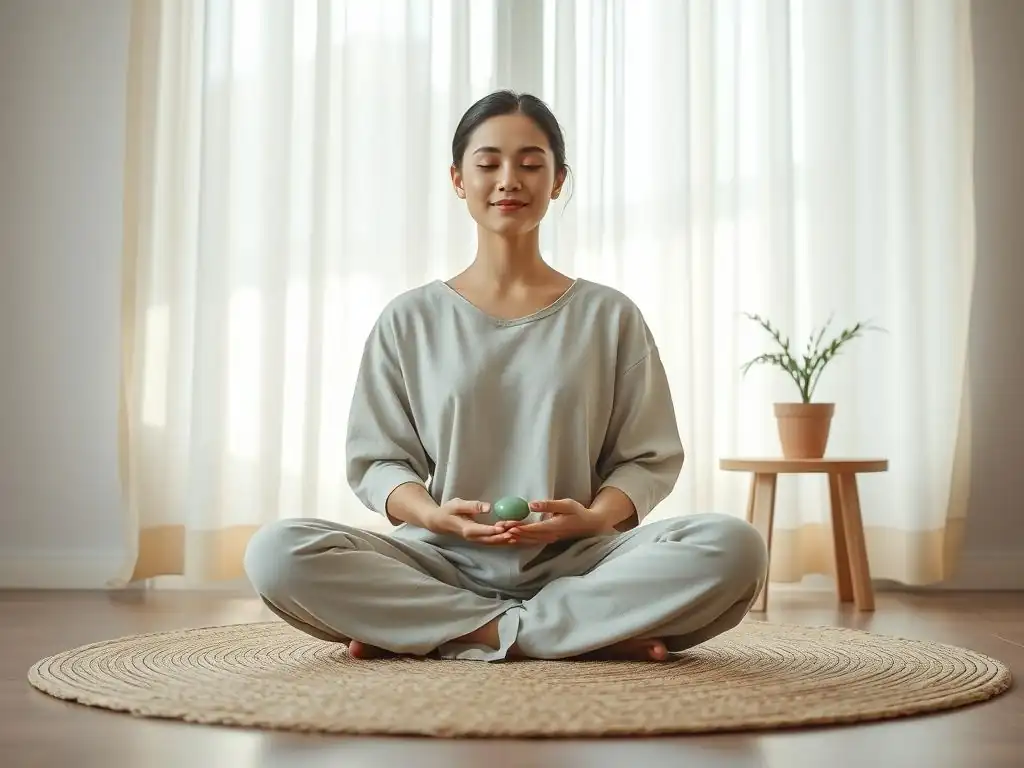
- Find a quiet place where you won't be disturbed.
- Sit comfortably, either on a cushion on the floor or in a chair, with your spine relatively straight but not rigid.
- Close your eyes gently or soften your gaze downwards.
- Begin by bringing your attention to your breath. Notice the sensation of air entering and leaving your nostrils or the rise and fall of your abdomen.
- When your mind wanders (which it will! ), gently notice the thought without judgment and guide your attention back to your breath.
- Continue for the duration of the guided meditation, following the instructions provided by the guide.
- As the meditation concludes, slowly bring your awareness back to your body and the room before opening your eyes.
Body Scan Meditation: Releasing Tension and Anxiety
The body scan is a specific type of mindfulness meditation that involves systematically bringing your attention to different parts of your body. Anxiety often manifests as physical tension, and this practice helps you become aware of and release that tension.
It typically involves lying down or sitting comfortably and bringing your attention, part by part, through your body—starting from your toes, moving up through your legs, torso, arms, neck, and head. As you focus on each area, notice any sensations present—warmth, tingling, tightness, absence of sensation—without trying to change them. If you encounter an area of tension, you can gently invite breath into that area on the inhale and imagine the tension softening or releasing on the exhale. This practice helps to ground you in your physical presence and can be profoundly relaxing, contributing to meditation reduce anxiety symptoms.
Transcendental Meditation: Finding Inner Peace and Reducing Anxious Thoughts
Transcendental Meditation (TM) is a specific form of mantra meditation that involves silently repeating a specific mantra assigned by a certified teacher. The technique is practiced for 15-20 minutes twice a day, sitting comfortably with eyes closed. Unlike mindfulness, TM doesn't involve focusing or concentrating; instead, the mantra is used effortlessly to allow the mind to settle down to a state of "transcendental consciousness," which is described as a state of deep rest and inner peace.
Research on TM has shown significant reductions in anxiety and stress. Studies have reported decreases in blood pressure and stress hormones, along with improvements in psychological well-being. The deep state of rest achieved during TM is thought to be significantly deeper than ordinary rest, allowing the nervous system to release accumulated stress and tension. This systematic approach can be particularly effective for those whose anxiety is characterized by persistent, intrusive thoughts, as the mantra provides a gentle anchor away from the thought cycles.
Loving-Kindness Meditation (Metta meditation) is a practice focused on cultivating feelings of warmth, kindness, and compassion towards oneself and others. It typically involves silently repeating phrases that express goodwill, such as "May I be happy," "May I be healthy," "May I be safe," "May I be free from suffering." These phrases are first directed towards oneself, then towards loved ones, neutral acquaintances, difficult people, and finally towards all beings.
While not solely focused on anxiety, cultivating loving-kindness can be particularly helpful for reducing anxiety with meditation, especially social anxiety or self-criticism. By directing compassion inward, it counteracts the harsh self-judgment that often accompanies anxiety. Extending kindness outward can also reduce feelings of isolation and foster a greater sense of connection, which can alleviate anxieties related to social interactions. Studies suggest that regular Metta practice can increase positive emotions and decrease negative ones, including anxiety and depression.
Incorporating Meditation into Your Daily Routine for Sustained Anxiety Relief
Creating a Dedicated Meditation Space: Fostering a Calm Environment
Having a specific place where you consistently meditate can signal to your mind that it's time to transition into a state of calm and presence. This space doesn't need to be large or elaborate; a quiet corner in your home is sufficient. The key is that it feels peaceful and is relatively free from distractions.
Consider making your space comfortable and inviting. You might use a cushion or a comfortable chair, ensure the lighting is soft, and perhaps add a plant or a simple object that brings you a sense of peace. Consistency in location helps build a routine and makes it easier to commit to your practice, reinforcing its role in your journey to meditation reduce anxiety symptoms.
Setting Realistic Goals for Meditation Practice: Consistency is Key
When starting out, aim for short, manageable sessions. Even 5-10 minutes of meditation per day can offer significant benefits for anxiety relief meditation. Trying to sit for 30-60 minutes right away can feel daunting and lead to discouragement. The most important factor is consistency, not duration.
Set a realistic goal, such as meditating for 10 minutes each morning before starting your day or each evening before bed. Schedule it into your day like any other important appointment. Remember that some days will be easier than others; the goal is simply to show up and practice, even if your mind feels restless. Over time, you can gradually increase the duration as you feel comfortable.
Using Meditation Apps and Resources: Enhancing Your Practice
Numerous apps and online resources can support your meditation journey, especially when seeking meditation for stress and anxiety. Apps like Calm, Headspace, or Insight Timer offer guided meditations of varying lengths and styles, specifically tailored for anxiety, sleep, or general mindfulness.
These resources can provide structure, guidance, and variety, making the practice more accessible and engaging. Many offer introductory courses, timers for unguided practice, and community features. Exploring different apps or online resources can help you find styles and teachers that resonate with you, making it easier to maintain a consistent practice for reducing anxiety with meditation.
Addressing Common Challenges in Meditation for Anxiety
Overcoming Restlessness and Distractions During Meditation
It's completely normal for your mind to wander and for your body to feel restless during meditation, especially when you're experiencing anxiety. The goal isn't to have a perfectly still body or an empty mind, but to practice noticing these distractions without judgment and gently returning your attention to your chosen anchor (like the breath or a mantra).
If you feel restless, acknowledge it. You might try a brief body scan to become more aware of physical sensations, or gently adjust your posture if needed. If your mind is racing with thoughts, simply observe them as thoughts, perhaps labeling them mentally ("thinking") and then redirecting your focus. Be patient and compassionate with yourself; each time you notice you've been distracted and return to the present, you are strengthening the neural pathways that support focus and calm.
Managing Difficult Emotions That Arise During Meditation
Sometimes, sitting in stillness can bring awareness to difficult emotions or uncomfortable sensations that you might usually try to avoid. This can include feelings of anxiety, sadness, anger, or physical discomfort. While challenging, this is a normal and often valuable part of the process.
Instead of pushing these feelings away, try to approach them with curiosity and acceptance. Acknowledge the emotion ("There is anxiety") and observe where you feel it in your body. Breathe into the sensation, allowing it to be present without judgment. Remember that emotions are temporary and will pass. If overwhelming feelings arise, it's okay to open your eyes, take a break, and return when you feel ready.
Seeking Guidance From a Meditation Teacher or Therapist
While self-guided practice is beneficial, working with a qualified meditation teacher or a therapist specializing in mindfulness-based approaches can be incredibly helpful, particularly when using meditation reduce anxiety symptoms. A teacher can provide personalized guidance, help you refine your technique, and answer specific questions that arise during your practice.
If your anxiety is severe or if difficult experiences frequently arise during meditation, integrating the practice with therapy can be very effective. Therapists trained in modalities like Mindfulness-Based Stress Reduction (MBSR) or Mindfulness-Based Cognitive Therapy (MBCT) can help you process challenging emotions and integrate the insights gained from meditation into your overall mental health strategy. They can also help distinguish between typical meditation experiences and signs that might require clinical attention.
Beyond Meditation: Complementary Strategies for Managing Anxiety
The Role of Exercise in Reducing Anxiety Symptoms
Regular physical activity is a powerful complement to meditation for managing anxiety. Exercise releases endorphins, which have mood-boosting effects, and can also help regulate the body's stress hormones like cortisol and adrenaline. Engaging in activities like brisk walking, running, swimming, or yoga can provide a healthy outlet for nervous energy and reduce muscle tension often associated with anxiety.
Aiming for approximately 30 minutes of moderate-intensity exercise most days of the week can make a significant difference. Combining the physical relief from exercise with the mental calming effects of meditation helps anxiety by addressing both the physiological and psychological components of the condition.
The Importance of a Healthy Diet for Mental Wellbeing
Nutritional choices have a direct impact on brain function and mood. A balanced diet rich in whole foods, lean proteins, fruits, vegetables, and healthy fats supports overall mental wellbeing and can influence meditation for stress and anxiety. Avoiding excessive caffeine, sugar, and processed foods is often recommended, as these can sometimes exacerbate anxiety symptoms or lead to energy crashes that affect mood.
Ensuring adequate intake of omega-3 fatty acids, B vitamins, magnesium, and zinc has been linked to better mood regulation. While diet alone cannot cure anxiety, making mindful food choices supports the body's ability to manage stress and provides a stable foundation for practices like meditation to be more effective in reducing anxiety with meditation.
Cognitive Behavioral Therapy (CBT) and Anxiety Management
Cognitive Behavioral Therapy (CBT) is a widely recognized and effective therapeutic approach for anxiety disorders. CBT helps individuals identify and challenge negative thought patterns and behaviors that contribute to their anxiety. It teaches coping skills to manage anxious thoughts and situations.
Combining CBT with meditation can be particularly powerful. CBT provides tools for restructuring maladaptive thinking, while meditation cultivates the awareness needed to recognize these thoughts as they arise without immediately reacting to them. Many mindfulness-based therapies integrate elements of both, offering a comprehensive approach to anxiety relief meditation by addressing both the content of anxious thoughts and the relationship one has with them.
Long-Term Benefits of Regular Meditation for Anxiety
Anxiety and insomnia often go hand-in-hand, creating a vicious cycle where worry prevents sleep, and lack of sleep increases anxiety. Regular meditation practice can significantly improve sleep quality. By calming the nervous system and reducing the racing thoughts that keep people awake, meditation helps the mind and body relax in preparation for rest.
Studies have shown that mindfulness meditation can reduce symptoms of insomnia. For example, one study found that older adults who participated in a mindfulness program experienced improvements in sleep quality compared to a control group. Incorporating meditation reduce anxiety symptoms consistently, especially before bed, can help quiet the anxious mind and facilitate falling asleep and staying asleep.
Enhanced Emotional Regulation and Resilience
Consistent meditation cultivates greater emotional regulation, which is the ability to understand and manage your emotional responses. Instead of being overwhelmed by anxiety or other difficult feelings, you develop the capacity to observe them with more spaciousness and less reactivity. This is because meditation strengthens the prefrontal cortex, the part of the brain responsible for executive functions, including emotional control.
This enhanced ability to navigate emotions builds resilience – the capacity to bounce back from stress and adversity. When faced with challenges, regular meditators are often better equipped to handle them without being consumed by worry or fear. This resilience is a key long-term benefit of using meditation helps anxiety, leading to a more stable and balanced emotional life.
Increased Self-Awareness and a Greater Sense of Inner Peace
Perhaps one of the most profound long-term benefits of meditation is increased self-awareness. Through consistent practice, you become more attuned to your thoughts, feelings, and bodily sensations. You begin to recognize the early signs of anxiety arising and understand your personal triggers. This awareness is the first step towards changing your reaction to anxiety.
This deepened self-understanding, coupled with the ability to observe thoughts and emotions without judgment, fosters a greater sense of inner peace. It's not the absence of challenges, but the ability to meet them with a calmer, more centered presence. Embracing meditation for stress and anxiety over time leads to a fundamental shift in how you relate to yourself and the world, cultivating a lasting sense of calm beneath the surface of life's inevitable ups and downs.
Conclusion: Embracing Meditation for a Calmer, More Centered Life
The Journey to Anxiety Relief Through Consistent Meditation Practice
Breaking the cycle of worry is a journey, and meditation offers a powerful vehicle for that transformation. As we've explored, practices ranging from mindfulness and body scans to Transcendental Meditation and Loving-Kindness can profoundly impact the brain and body, helping to meditation reduce anxiety symptoms at their root. The science supports its efficacy, showing positive changes in areas like the amygdala, GABA levels, and the HPA axis.
Committing to a regular meditation practice, even for short durations, is key. It's not about achieving instant calm in every session, but about building a consistent habit that gradually rewires your response to stress and worry. By incorporating meditation into your daily routine, utilizing available resources, and patiently navigating challenges like restlessness, you empower yourself to cultivate a calmer, more resilient mind. Embrace this practice not as a chore, but as a gift of presence and peace you give to yourself, paving the way for lasting anxiety relief meditation and a more centered life.
Frequently Asked Questions
How does meditation specifically help to reduce anxiety symptoms?
Meditation helps by training your mind to focus on the present moment, reducing dwelling on future worries. This practice cultivates mindfulness and emotional regulation, directly impacting anxiety.
What types of meditation are most effective for managing anxiety?
Several types, including mindfulness meditation, loving-kindness meditation, and body scan meditation, can be beneficial. Experiment to find which resonates best with you and provides the most noticeable anxiety relief.
How often should I meditate to experience a reduction in anxiety symptoms?
Consistency is key. Aim for at least 10-15 minutes daily, gradually increasing the duration as you become more comfortable. Even short, regular meditation sessions can provide significant benefits.
What if I find it difficult to quiet my mind during meditation? Is that normal?
Yes, it's perfectly normal! The goal isn't to stop thoughts completely, but to observe them without judgment and gently redirect your attention. Practice and patience are crucial for improvement.
Where can I find reliable resources and support for learning meditation techniques to help with anxiety?
The Mind Care Guide website offers valuable information, guided meditations, and links to other resources. Look for qualified meditation teachers or online platforms offering structured programs.
Final Reflection: Finding Stillness in a Restless World
The pervasive anxiety of modern life demands a powerful antidote, and the practice of meditation offers just that. The overwhelming pace of information, constant connectivity, and the pressures of daily living leave many feeling perpetually on edge. This article explored the science-backed benefits of meditation in reducing anxiety symptoms, highlighting its ability to calm the nervous system and cultivate a sense of inner peace. But its impact extends far beyond simply managing symptoms; it offers a pathway to a more mindful and fulfilling existence.
The transformative power of meditation isn't just a personal anecdote; it's a growing cultural shift. We are increasingly recognizing the limitations of a purely productivity-driven approach to life and seeking alternative methods for well-being. The ancient practice of meditation is finding its place in modern society, not as a fringe activity, but as a valuable tool for navigating the complexities of the 21st century. The mind is everything. What you think you become.
– Buddha. This quote encapsulates the profound impact our mental state has on our overall well-being, and meditation provides the crucial tools to cultivate a positive and resilient mindset.
Now, consider your own relationship with anxiety. What small steps can you take today to incorporate mindfulness into your daily routine? Perhaps it's starting with just five minutes of quiet reflection each morning, or utilizing a guided meditation app during your lunch break. Don't underestimate the power of these small acts; they are the seeds of a calmer, more centered you. Embrace the journey of self-discovery that meditation offers, and watch as the quiet strength within you blossoms, allowing you to break the cycle of worry and embrace a life filled with greater peace and resilience.
Unleash Your Inner Calm: Start Your Meditation Journey Today
Thanks for taking the time to explore the power of meditation with us! We hope you gained valuable insights into quieting your anxious mind and breaking free from the worry cycle. Ready to put this knowledge into practice?
- Begin your daily meditation practice: Even 5 minutes a day can make a significant difference. Find a quiet space, close your eyes, and focus on your breath. There are many free guided meditations available online if you need some help.
- Share your experience: Tell us about your first meditation session! What did you notice? What challenges did you encounter? Your journey is unique, and your insights will inspire others.
- Try a different meditation style: Experiment with different techniques – from mindful breathing to body scans – to discover what resonates best with you.
What small step will you take today to cultivate more peace and calm in your life?