
Unlocking Your Mental Potential: The Role of AntiInflammatory Foods


Welcome to Mind Care Guide, your sanctuary for understanding and nurturing your mental well-being.
Feeling overwhelmed? What if the key to a brighter mood and clearer mind lies within your diet? Dive into our exploration of antiinflammatory foods mental health and discover how simple dietary changes can unlock your mental potential. Let's embark on this journey of holistic self-care together.
Nourishing Your Mind: The Anti-Inflammatory Diet for Mental Well-being
- Introduction: The Gut-Brain Connection and Mental Health
- The Science Behind Inflammation and Mental Health
- Top Anti-Inflammatory Foods for Mental Health
- Creating an Anti-Inflammatory Meal Plan for Mental Wellness
- Foods to Limit: Inflammatory Triggers for Mental Health
- Complementary Strategies for Mental Well-being
- Conclusion: Empowering Mental Health Through Nutrition
-
Frequently Asked Questions
- What are anti-inflammatory foods, and how do they relate to mental health?
- How can incorporating anti-inflammatory foods improve my mental health?
- What are some examples of anti-inflammatory foods I can easily add to my diet?
- How long does it typically take to see improvements in mental health after adopting an anti-inflammatory diet?
- Are there any potential risks or considerations when switching to an anti-inflammatory diet for mental health?
- Final Reflection: Cultivating a Calm Mind Through Nourishment
- Ignite Your Inner Spark: Fuel Your Mind with Anti-Inflammatory Power!
Introduction: The Gut-Brain Connection and Mental Health
For many years, the conversation around mental health primarily focused on psychological and neurological factors. However, emerging research is increasingly highlighting the profound connection between our physical health, particularly the state of our gut and the presence of inflammation, and our mental well-being. This intricate link, often referred to as the gut-brain axis, suggests that what we eat can significantly influence our mood, cognitive function, and resilience to mental health challenges. Understanding this connection is the first step towards harnessing the power of nutrition, specifically antiinflammatory foods mental health benefits.
The gut-brain axis is a complex bidirectional communication system involving the central nervous system, the enteric nervous system (the nervous system of the gut), the vagus nerve, the immune system, and the gut microbiome. This constant dialogue means that signals from the gut can influence brain function and vice versa. For example, stress can alter gut motility and permeability, while changes in the gut microbiome can influence neurotransmitter production in the brain.
Chronic inflammation, originating anywhere in the body but often linked to gut health, is now recognized as a significant disruptor of this delicate balance, contributing to various mental health conditions. Adopting an anti-inflammatory diet for mental health is becoming a key strategy in holistic care.
Understanding Inflammation and Its Impact on the Brain
Inflammation is the body's natural response to injury, infection, or irritation. Acute inflammation is a vital process, recruiting immune cells to heal damaged tissues and fight off pathogens. However, when inflammation becomes chronic – low-grade and persistent without a clear resolution – it can have detrimental effects on various organs, including the brain. Unlike acute inflammation which is localized and temporary, chronic inflammation can smolder throughout the body, driven by factors like poor diet, stress, lack of sleep, and environmental toxins.
In the brain, chronic inflammation, often termed "neuroinflammation," can disrupt neuronal function and communication. Studies using markers like C-reactive protein (CRP) have shown correlations between elevated inflammatory markers and increased risk or severity of conditions like depression and anxiety. Research indicates that chronic inflammation can impair the production of key neurotransmitters like serotonin and dopamine, which are crucial for mood regulation and motivation.
Furthermore, persistent neuroinflammation can damage brain cells and even affect brain structures, including the hippocampus, an area critical for memory and emotional regulation. Addressing this inflammation through strategies like consuming antiinflammatory foods mental health can be a powerful intervention.
The Benefits of Anti-Inflammatory Foods for Cognitive Function
Incorporating anti-inflammatory foods into your diet provides the body with powerful compounds – antioxidants, healthy fats, vitamins, and minerals – that help counteract chronic inflammation and support brain health. These foods are rich in substances that can neutralize free radicals, reduce the production of pro-inflammatory molecules, and promote the growth of beneficial gut bacteria, all of which have positive downstream effects on brain function and mental well-being.
A diet centered on anti-inflammatory foods mental health has been associated with improved cognitive performance, including better memory, focus, and executive function. For instance, populations consuming diets high in omega-3 fatty acids, found in fatty fish, often exhibit better cognitive scores compared to those with lower intake.
Antioxidant-rich fruits and vegetables help protect brain cells from oxidative stress, a process closely linked to inflammation and cognitive decline. By reducing systemic inflammation, these dietary patterns create a more favorable environment for neuronal health and communication, potentially mitigating the cognitive fog and fatigue often associated with chronic inflammatory states and certain mental health conditions.
The Science Behind Inflammation and Mental Health
The scientific understanding of how inflammation impacts mental health is rapidly evolving. It's not just about feeling physically unwell; the biochemical signals produced during inflammation directly interact with pathways that regulate mood, behavior, and cognitive processes. This section delves deeper into the specific mechanisms by which chronic inflammation exerts its influence on the brain. The pursuit of antiinflammatory foods mental health connection is grounded in this scientific understanding.
How Chronic Inflammation Affects Neurotransmitters and Brain Structures
Chronic inflammation significantly impacts the delicate balance of neurotransmitters in the brain. Pro-inflammatory cytokines, signaling molecules released by immune cells (like IL-1β, IL-6, and TNF-α), can cross the blood-brain barrier or signal the brain through pathways like the vagus nerve. Once in the brain, they activate resident immune cells called microglia, which in a chronic state can become overactive and damage neurons. These cytokines can interfere with the synthesis, release, and reuptake of neurotransmitters vital for mood regulation, such as serotonin, dopamine, and norepinephrine.
Furthermore, inflammation can divert tryptophan, an amino acid that is a precursor to serotonin, down the kynurenine pathway instead of the serotonin pathway. This can lead to reduced serotonin production and increased levels of neurotoxic metabolites like quinolinic acid, which can damage brain cells and contribute to symptoms of depression and anxiety. Chronic inflammation has also been linked to structural changes in the brain, including reduced volume in areas like the hippocampus and prefrontal cortex, regions crucial for memory, emotional regulation, and decision-making. Incorporating antiinflammatory foods mental health can help counteract these negative effects.
The Gut Microbiome's Role in Mental Health and Inflammation
The gut microbiome, the vast community of bacteria, viruses, and fungi living in our digestive tract, plays a critical role in regulating inflammation and influencing mental health via the gut-brain axis. A diverse and balanced microbiome produces beneficial compounds like short-chain fatty acids (SCFAs), such as butyrate, which nourish gut cells, strengthen the gut barrier, and have systemic anti-inflammatory effects. Butyrate, for example, can influence gene expression in the brain and support neurogenesis (the growth of new neurons).
Conversely, an imbalanced microbiome (dysbiosis), often caused by a diet high in processed foods, sugar, and unhealthy fats, can lead to increased gut permeability ("leaky gut"). This allows inflammatory molecules and bacterial toxins to enter the bloodstream, triggering systemic inflammation, including neuroinflammation. Dysbiosis can also alter the production of neurotransmitters and other signaling molecules in the gut that communicate with the brain. Nurturing a healthy gut microbiome through a diet rich in fiber, fermented foods, and antiinflammatory foods mental health is therefore a crucial strategy for reducing inflammation and supporting mental well-being.
Inflammation's Impact on Mood Disorders and Cognitive Decline
The link between inflammation and mood disorders like depression and anxiety is well-established in research. Studies have shown that individuals with major depressive disorder often exhibit elevated levels of inflammatory markers like CRP and various pro-inflammatory cytokines. This "inflammatory hypothesis of depression" suggests that inflammation is not just a symptom but potentially a contributing factor to the onset and severity of depressive symptoms, including fatigue, anhedonia (loss of pleasure), and cognitive difficulties. Similarly, chronic low-grade inflammation is implicated in anxiety disorders, potentially by altering stress response pathways.
Beyond mood, chronic inflammation is increasingly recognized as a key player in cognitive decline and neurodegenerative diseases. Conditions like Alzheimer's disease are now understood to have a significant inflammatory component. Neuroinflammation contributes to the accumulation of amyloid plaques and tau tangles, hallmarks of Alzheimer's pathology, and impairs synaptic function. By reducing chronic inflammation through lifestyle interventions, including consuming antiinflammatory foods mental health, individuals may potentially mitigate the risk and progression of cognitive impairment and support long-term brain health.
Top Anti-Inflammatory Foods for Mental Health
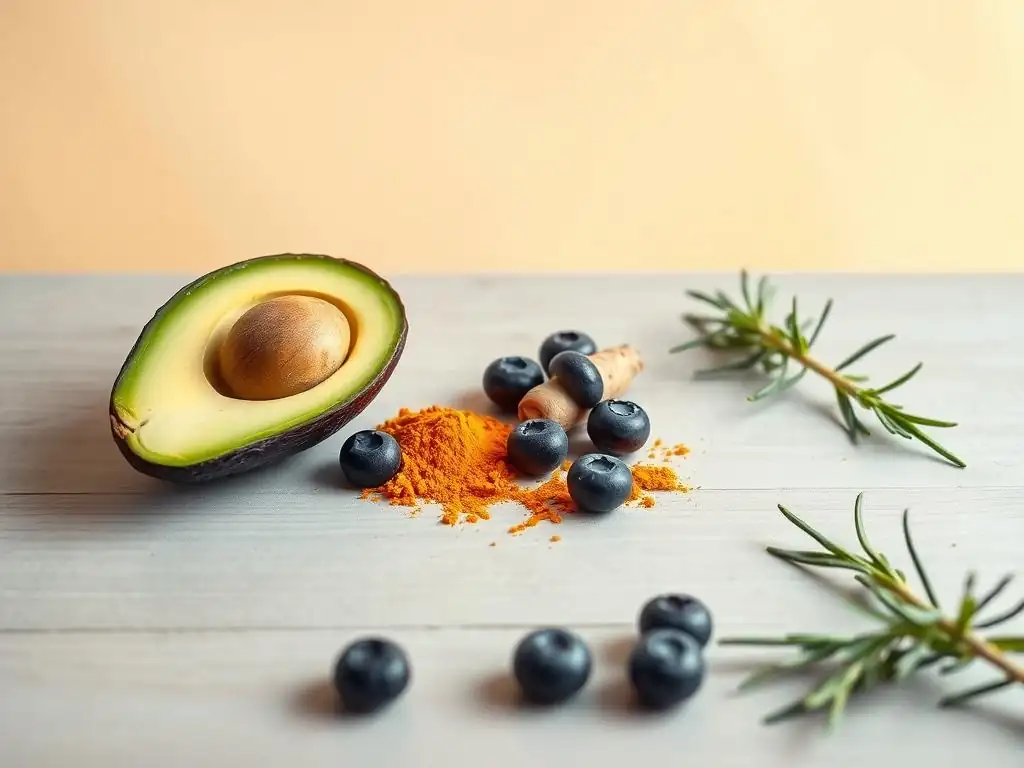
Building a diet focused on reducing inflammation means prioritizing foods rich in antioxidants, healthy fats, fiber, and beneficial microbes. These foods provide the building blocks and signaling molecules needed to calm inflammatory responses and support optimal brain function. Here are some of the top anti-inflammatory foods mental health benefits are derived from.
Fruits: Antioxidant Powerhouses for Brain Protection
Fruits are packed with vitamins, minerals, and antioxidants that combat oxidative stress and inflammation. Their vibrant colors often indicate the presence of powerful phytochemicals.
Blueberries: Cognitive Enhancement and Neuroprotection
Blueberries are often hailed as a superfood for the brain, primarily due to their exceptionally high levels of anthocyanins, a type of flavonoid antioxidant responsible for their deep blue color. These compounds have been shown to cross the blood-brain barrier and accumulate in brain regions involved in learning and memory. Anthocyanins work by reducing oxidative stress and inflammation in the brain, protecting neurons from damage.
Research, including studies published in journals like the European Journal of Nutrition, has linked regular blueberry consumption to improvements in memory and cognitive function in older adults. For instance, one study found that daily consumption of wild blueberry powder improved cognitive performance tasks over a 12-week period. The antioxidants in blueberries also appear to enhance communication between brain cells and stimulate the growth of new neurons, further contributing to their antiinflammatory foods mental health benefits.
Avocados: Healthy Fats and Nutrients for Brain Health
Avocados are a unique fruit, rich in monounsaturated fats, which are known for their anti-inflammatory properties. They also contain a wealth of vitamins and minerals essential for brain health, including Vitamin E, Vitamin K, folate, and potassium. The healthy fats in avocados support blood flow to the brain and aid in the absorption of fat-soluble vitamins.
A medium avocado contains approximately 20 grams of healthy fats, predominantly oleic acid, also found in olive oil. This type of fat helps reduce systemic inflammation. Avocados also provide lutein and zeaxanthin, carotenoids that accumulate in the retina and brain and are associated with improved cognitive function. Including avocados in your diet can help provide the brain with stable energy and essential nutrients, contributing to the overall antiinflammatory foods mental health strategy.
Cherries: Reducing Inflammation and Promoting Sleep
Cherries, especially tart cherries, are a potent source of antioxidants and anti-inflammatory compounds, including anthocyanins and quercetin. These compounds help inhibit inflammatory enzymes in the body, similar to how some anti-inflammatory medications work, but without the side effects. Tart cherries are particularly noted for their ability to reduce markers of inflammation in the body.
Beyond their anti-inflammatory effects, tart cherries are one of the few natural sources of melatonin, a hormone that regulates sleep. Chronic inflammation can disrupt sleep patterns, and poor sleep, in turn, can exacerbate inflammation and negatively impact mental health. By potentially improving sleep quality and reducing inflammation, tart cherries offer a dual benefit for mental well-being, solidifying their place among beneficial antiinflammatory foods mental health.
Vegetables: Essential Nutrients for Optimal Brain Function
Vegetables provide a diverse array of vitamins, minerals, fiber, and phytochemicals crucial for supporting brain health and combating inflammation. Aim for a variety of colors to ensure a broad spectrum of nutrients.
Spinach: Rich in Folate and Antioxidants for Mental Clarity
Spinach is a leafy green powerhouse, exceptionally rich in folate (Vitamin B9) and various antioxidants like lutein, zeaxanthin, and quercetin. Folate is essential for the synthesis of neurotransmitters and DNA repair, and deficiency has been linked to an increased risk of depression and cognitive impairment. A single cup of cooked spinach provides roughly 66% of the daily recommended value for folate.
The antioxidants in spinach help protect brain cells from oxidative damage and reduce inflammation. Studies have shown that higher intake of leafy greens like spinach is associated with slower cognitive decline in older adults. The nitrate content in spinach can also be converted into nitric oxide in the body, which helps improve blood flow, including to the brain, supporting overall cognitive function and mental clarity as part of an antiinflammatory foods mental health approach.
Broccoli: Sulforaphane and Detoxification for Brain Health
Broccoli and other cruciferous vegetables like cauliflower and kale are rich in sulfur-containing compounds, notably sulforaphane. Sulforaphane is a potent anti-inflammatory and antioxidant compound that can activate the body's natural detoxification pathways and protect brain cells from damage. It has been shown to reduce inflammatory markers and protect the blood-brain barrier.
Sulforaphane also appears to influence neurotransmitter systems and may have antidepressant-like effects in animal studies. Furthermore, broccoli is a good source of Vitamin C and Vitamin K, both important for brain health. Including broccoli regularly in your diet can contribute significantly to reducing neuroinflammation and supporting detoxification processes that benefit mental well-being, highlighting its role among key antiinflammatory foods mental health.
Bell Peppers: Vitamin C and Antioxidant Support
Bell peppers, especially red and yellow varieties, are incredibly high in Vitamin C, a powerful antioxidant that helps protect brain cells from oxidative stress. Vitamin C is also crucial for the synthesis of neurotransmitters like norepinephrine. Just one cup of chopped red bell pepper provides well over 100% of the daily recommended value for Vitamin C.
Beyond Vitamin C, bell peppers contain various other antioxidants, including quercetin and capsaicinoids (though less prominent in bell peppers than spicier varieties), which contribute to their anti-inflammatory effects. These compounds work synergistically to reduce systemic inflammation. The vibrant colors of bell peppers also indicate the presence of different carotenoids, which offer additional antioxidant protection, supporting overall brain health and resilience against inflammatory damage.
Healthy Fats: Fueling the Brain with Omega-3s and Monounsaturated Fats
Not all fats are created equal. Healthy fats, particularly omega-3 fatty acids and monounsaturated fats, are crucial for brain structure and function and possess significant anti-inflammatory properties.
Salmon: EPA and DHA for Mood Regulation and Cognitive Function
Fatty fish like salmon, mackerel, and sardines are the best dietary sources of the long-chain omega-3 fatty acids EPA (eicosapentaenoic acid) and DHA (docosahexaenoic acid). DHA is a major structural component of brain cell membranes, essential for cell fluidity and communication. EPA has potent anti-inflammatory effects, helping to reduce inflammatory markers throughout the body, including the brain.
Numerous studies have linked higher intake of omega-3s, or higher blood levels of EPA and DHA, to a lower risk of depression and anxiety. For example, meta-analyses have suggested that omega-3 supplementation can be beneficial as an adjunct treatment for depression. A 3-ounce serving of cooked salmon contains approximately 1.5 to 2 grams of combined EPA and DHA. These fatty acids are vital for synthesizing signaling molecules that regulate inflammation and support synaptic plasticity, making fatty fish key antiinflammatory foods mental health relies on.
Walnuts: Plant-Based Omega-3s and Antioxidants
Walnuts are unique among nuts for their high content of alpha-linolenic acid (ALA), a plant-based omega-3 fatty acid. While ALA needs to be converted into EPA and DHA in the body (a process that is not highly efficient), regular walnut consumption still contributes to omega-3 intake and overall anti-inflammatory status. A one-ounce serving of walnuts provides about 2.5 grams of ALA.
Walnuts are also rich in antioxidants, including polyphenols, which further contribute to their anti-inflammatory and neuroprotective effects. Studies have associated walnut consumption with improved cognitive function and a lower risk of age-related cognitive decline. Their combination of healthy fats, fiber, and antioxidants makes them an excellent snack for supporting brain health and reducing inflammation, fitting well within an antiinflammatory foods mental health strategy.
Olive Oil: Oleic Acid and Polyphenols for Brain Health
Extra virgin olive oil (EVOO) is a cornerstone of the Mediterranean diet, renowned for its health benefits, including its anti-inflammatory properties. Its primary fatty acid is oleic acid, a monounsaturated fat that helps reduce inflammatory markers like CRP. EVOO is also rich in polyphenols, powerful antioxidants that further combat inflammation and oxidative stress.
One specific polyphenol in EVOO, oleocanthal, has anti-inflammatory properties similar to ibuprofen, although in much smaller doses. Regular consumption of EVOO has been linked to improved cognitive function and a reduced risk of neurodegenerative diseases. Using EVOO as a primary cooking oil and in salad dressings is a simple yet effective way to incorporate beneficial fats and antioxidants into your diet, supporting the antiinflammatory foods mental health connection.
Spices and Herbs: Natural Anti-Inflammatory Agents
Many common spices and herbs contain potent compounds with significant anti-inflammatory and antioxidant properties, adding flavor and health benefits to your meals.
Turmeric: Curcumin's Neuroprotective Benefits
Turmeric is a vibrant yellow spice widely used in Indian cuisine, known for its powerful medicinal properties attributed primarily to curcumin, its main active compound. Curcumin is a potent anti-inflammatory and antioxidant agent that has been shown to cross the blood-brain barrier. It works by inhibiting multiple inflammatory pathways in the body.
Research suggests curcumin may have neuroprotective effects, potentially improving memory and mood. Studies have explored its potential as an adjunct therapy for depression, with some clinical trials showing positive effects on mood symptoms, sometimes comparable to standard antidepressants, though more research is needed. Incorporating turmeric into your cooking, often with black pepper (which contains piperine, enhancing curcumin absorption), is a great way to boost the antiinflammatory foods mental health benefits of your diet.
Ginger: Reducing Inflammation and Supporting Cognitive Function
Ginger is a spicy root known for its medicinal properties, particularly its ability to soothe digestive issues and reduce inflammation. Gingerols, the main bioactive compounds in ginger, have potent antioxidant and anti-inflammatory effects. They work by inhibiting the production of pro-inflammatory cytokines and enzymes.
Studies suggest that ginger consumption can reduce markers of inflammation in the body. Some research also indicates that ginger may support cognitive function, potentially by reducing inflammation and oxidative stress in the brain. Its warming properties and distinct flavor make it a versatile ingredient in teas, stir-fries, and curries, contributing to an antiinflammatory foods mental health approach.
Rosemary: Improving Memory and Cognitive Performance
Rosemary is a fragrant herb containing compounds like rosmarinic acid and carnosic acid, which have strong antioxidant and anti-inflammatory properties. These compounds help protect brain cells from oxidative damage. Carnosic acid, in particular, has been shown to protect against neurodegenerative damage in animal models.
Historically, rosemary has been associated with improving memory. Modern research supports this notion, with studies showing that the aroma of rosemary can enhance cognitive performance, including memory recall. While more research is needed on the effects of dietary intake, incorporating rosemary into your cooking adds flavor and potential antiinflammatory foods mental health benefits.
Probiotic-Rich Foods: Nurturing a Healthy Gut Microbiome
A healthy gut microbiome is crucial for reducing inflammation and supporting mental well-being. Probiotic-rich foods introduce beneficial bacteria to the gut, helping to restore balance and improve gut barrier function.
Greek Yogurt: Probiotics and Calcium for Gut-Brain Health
Greek yogurt is a fermented dairy product that can be a good source of probiotics, provided it contains "live and active cultures." These beneficial bacteria help improve the balance of the gut microbiome, which in turn can reduce gut-derived inflammation. Greek yogurt is also an excellent source of protein and calcium, both important for overall health.
The probiotics in yogurt contribute to a healthier gut barrier, reducing the likelihood of "leaky gut" and systemic inflammation. While individual yogurt brands vary in the types and amounts of probiotics, choosing those with specific strains known to benefit gut health can be particularly helpful. The gut-brain axis is influenced by the signals sent from a healthy gut, making probiotic-rich foods like Greek yogurt valuable antiinflammatory foods mental health relies upon.
Sauerkraut: Fermented Goodness for a Balanced Gut
Sauerkraut, fermented cabbage, is another excellent source of probiotics. The fermentation process not only creates beneficial bacteria but also enhances the bioavailability of certain nutrients. Like other fermented foods, sauerkraut contributes to a more diverse and balanced gut microbiome.
A healthy gut microbiome is better equipped to produce beneficial SCFAs, which have anti-inflammatory effects both locally in the gut and systemically. Regular consumption of fermented foods like sauerkraut can help maintain gut integrity and reduce inflammation, thereby supporting the gut-brain axis and contributing to improved mental health. Look for unpasteurized sauerkraut in the refrigerated section, as pasteurization kills the beneficial bacteria.
Kombucha: Probiotic Beverage for Gut Health and Well-being
Kombucha is a fermented tea beverage that contains a community of bacteria and yeast (often referred to as a SCOBY). It is a source of probiotics and organic acids, which can contribute to a healthier gut environment. While the exact probiotic content can vary, regular consumption may help support gut microbiome diversity.
By potentially improving gut health and reducing gut-derived inflammation, kombucha fits into an antiinflammatory foods mental health strategy. It's important to choose kombucha varieties low in added sugar, as excessive sugar can negatively impact the gut microbiome. As with all probiotic foods, the effects can vary from person to person, but supporting gut health is a key component of reducing inflammation that impacts the brain.
Creating an Anti-Inflammatory Meal Plan for Mental Wellness
Transitioning to an anti-inflammatory diet for mental health doesn't have to be complicated. It's about making conscious choices to prioritize whole, nutrient-dense foods and reduce inflammatory triggers. Planning meals ahead can make it easier to stick to this dietary pattern.
Sample Meal Plan: A 7-Day Anti-Inflammatory Diet
Here is a sample structure for a 7-day plan focusing on antiinflammatory foods mental health:
- Day 1:
- Breakfast: Oatmeal with berries, walnuts, and a sprinkle of cinnamon.
- Lunch: Large salad with mixed greens, grilled salmon, avocado, and olive oil dressing.
- Dinner: Chicken breast stir-fry with broccoli, bell peppers, ginger, and turmeric.
- Day 2:
- Breakfast: Greek yogurt with flaxseeds, chia seeds, and a handful of blueberries.
- Lunch: Lentil soup (see recipe below) with a side of whole-grain bread.
- Dinner: Baked cod with roasted asparagus and quinoa.
- Day 3:
- Breakfast: Scrambled eggs with spinach and mushrooms.
- Lunch: Leftover baked cod and vegetables.
- Dinner: Chickpea and vegetable curry with brown rice.
- Day 4:
- Breakfast: Smoothie with spinach, banana, almond milk, and a scoop of protein powder.
- Lunch: Tuna salad (made with olive oil) on lettuce wraps with a side of cherry tomatoes.
- Dinner: Lean beef or lamb stew with root vegetables (carrots, sweet potatoes).
- Day 5:
- Breakfast: Oatmeal with chopped apple, pecans, and a drizzle of honey.
- Lunch: Leftover stew.
- Dinner: Salmon with asparagus and quinoa (see recipe below).
- Day 6:
- Breakfast: Greek yogurt parfait with berries and walnuts.
- Lunch: Quinoa salad with black beans, corn, bell peppers, and lime dressing.
- Dinner: Homemade pizza on whole-wheat crust with lots of vegetables and a sprinkle of cheese.
- Day 7:
- Breakfast: Scrambled eggs with avocado and a side of berries.
- Lunch: Leftover pizza (cold or reheated).
- Dinner: Roasted chicken with sweet potatoes and Brussels sprouts.
Snack options: Handful of walnuts or almonds, apple slices with almond butter, berries, small container of Greek yogurt, vegetable sticks with hummus, a small piece of dark chocolate (70%+ cocoa).
Recipes: Delicious and Brain-Boosting Meals
Incorporating antiinflammatory foods mental health into your diet can be flavorful and satisfying. Here are a couple of simple recipes.
Salmon with Asparagus and Quinoa
This recipe combines omega-3 rich salmon with anti-inflammatory vegetables and whole grains.
Ingredients:
- 4 oz salmon fillet
- 1 bunch asparagus, trimmed
- 1/2 cup dry quinoa
- 1 cup vegetable or chicken broth
- 1 tbsp extra virgin olive oil
- 1/2 lemon, sliced
- Salt and black pepper to taste
- Optional: Fresh dill or parsley for garnish
Instructions:
- Rinse quinoa under cold water. Combine quinoa and broth in a small pot. Bring to a boil, then reduce heat, cover, and simmer for about 15 minutes, or until liquid is absorbed. Let stand for 5 minutes, then fluff with a fork.
- Preheat oven to 400°F (200°C).
- Place asparagus on a baking sheet. Drizzle with olive oil, salt, and pepper. Toss to coat.
- Place salmon fillet on the same baking sheet or a separate small one. Drizzle with a little olive oil, salt, and pepper. Top with lemon slices.
- Bake for 12-18 minutes, depending on thickness of salmon and desired doneness, and until asparagus is tender-crisp.
- Serve salmon and asparagus alongside the cooked quinoa. Garnish with fresh herbs if desired.
Turmeric Lentil Soup
A hearty and warming soup packed with fiber, protein, and the anti-inflammatory power of turmeric and ginger.
Ingredients:
- 1 tbsp extra virgin olive oil
- 1 onion, chopped
- 2 carrots, chopped
- 2 celery stalks, chopped
- 2 cloves garlic, minced
- 1 inch fresh ginger, grated
- 1 tsp ground turmeric
- 1/2 tsp ground cumin
- 1/4 tsp black pepper (to aid curcumin absorption)
- 1 cup brown or green lentils, rinsed
- 6 cups vegetable broth
- 1 can (14.5 oz) diced tomatoes
- Salt to taste
- Optional: Fresh cilantro or parsley for garnish, a squeeze of lemon juice
Instructions:
- Heat olive oil in a large pot or Dutch oven over medium heat. Add onion, carrots, and celery. Cook, stirring occasionally, until softened, about 5-7 minutes.
- Add minced garlic, grated ginger, turmeric, cumin, and black pepper. Cook for 1-2 minutes more until fragrant, stirring constantly.
- Stir in the rinsed lentils, vegetable broth, and diced tomatoes. Bring the mixture to a boil.
- Reduce heat to low, cover, and simmer for 30-40 minutes, or until lentils are tender.
- Season with salt to taste.
- Serve hot, garnished with fresh herbs and a squeeze of lemon juice if desired.
Tips for Incorporating Anti-Inflammatory Foods
Making lasting dietary changes is easier with practical strategies. Here are some tips for integrating antiinflammatory foods mental health into your daily routine:
- 🛒 Shop Smart: Focus your grocery shopping on the perimeter of the store – fresh produce, lean proteins, dairy/alternatives. Limit processed foods from the center aisles.
- 🥗 Bulk Up on Veggies: Aim to fill half your plate with non-starchy vegetables at most meals.
- 🌰 Snack Wisely: Replace processed snacks with nuts, seeds, berries, or veggie sticks.
- 💧 Hydrate: Drink plenty of water throughout the day. Herbal teas like ginger or turmeric tea can also be beneficial.
- 🔄 Cook More: Preparing meals at home gives you control over ingredients and reduces exposure to inflammatory additives common in restaurant or processed foods.
- 🌱 Add Herbs & Spices: Use generous amounts of anti-inflammatory spices like turmeric, ginger, cinnamon, and herbs like rosemary and oregano in your cooking.
- 🐟 Include Fatty Fish: Aim for 2-3 servings of fatty fish per week.
- 🥑 Healthy Fats Daily: Incorporate sources like olive oil, avocados, nuts, and seeds into your meals daily.
- 🍽️ Portion Control: Even healthy foods should be eaten in moderation.
- slowly and enjoy your meals, paying attention to your body's signals.
Foods to Limit: Inflammatory Triggers for Mental Health
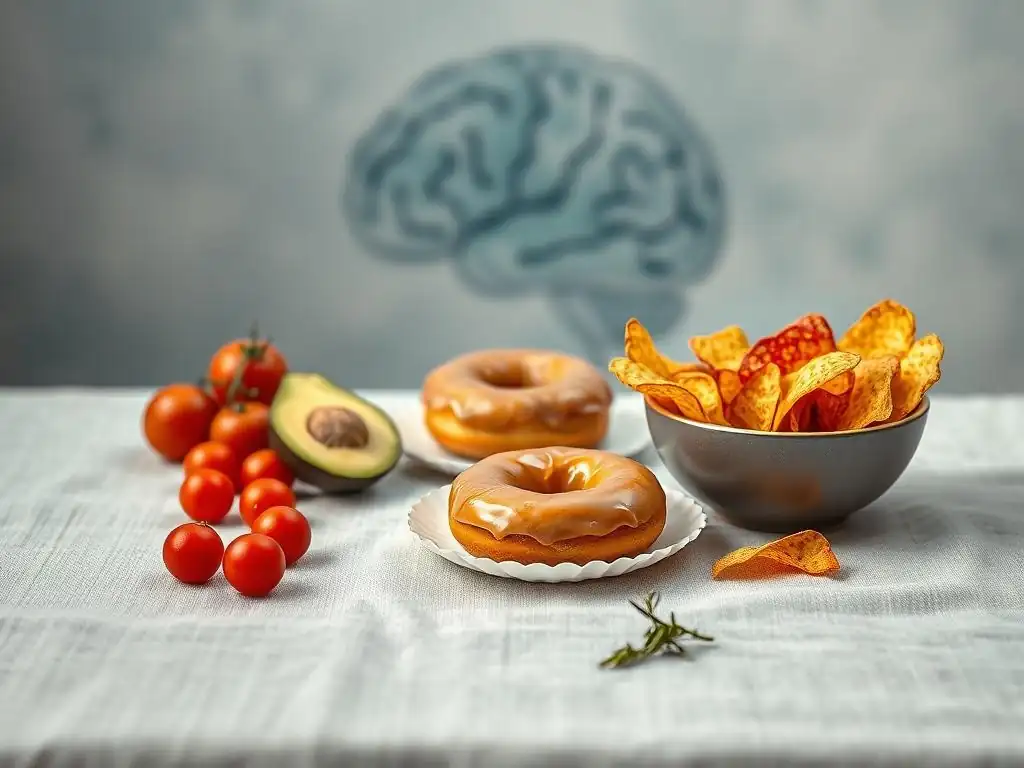
Just as important as adding anti-inflammatory foods is reducing or eliminating foods that promote inflammation. These foods can disrupt gut health, increase oxidative stress, and contribute to chronic low-grade inflammation that negatively impacts mental well-being. Understanding and avoiding these inflammatory triggers is a critical step in an antiinflammatory foods mental health strategy.
Processed Foods: Avoiding Added Sugars, Trans Fats, and Artificial Additives
Highly processed foods are often loaded with ingredients known to trigger inflammation. These include excessive amounts of added sugars, unhealthy trans fats (often listed as "partially hydrogenated oils"), refined seed oils high in omega-6 fatty acids (like soybean, corn, and sunflower oils), and artificial additives, colors, and preservatives. A typical processed snack cake, for example, might contain multiple forms of sugar, refined flour, and hydrogenated oils.
These ingredients contribute to inflammation through various mechanisms: high sugar spikes blood sugar and insulin, promoting inflammatory pathways; trans fats are directly incorporated into cell membranes, altering their function and increasing inflammatory signaling; and excessive omega-6 from refined oils, without sufficient omega-3 intake, creates an imbalance that favors inflammation. Regularly consuming processed foods can lead to chronic low-grade inflammation that impairs brain function and exacerbates symptoms of anxiety and depression. Limiting these is key to leveraging antiinflammatory foods mental health benefits.
Refined Grains: Limiting White Bread, Pasta, and Sugary Cereals
Refined grains have been stripped of their fiber, vitamins, and minerals during processing, leaving behind primarily carbohydrates. Foods made from refined grains, such as white bread, white pasta, pastries, and many breakfast cereals, are rapidly digested and absorbed, leading to quick spikes in blood sugar and subsequent insulin release.
These rapid blood sugar fluctuations can contribute to systemic inflammation. Unlike whole grains which contain fiber that slows digestion and provides nutrients that support gut health, refined grains lack these beneficial components. A bowl of sugary cereal, for instance, can cause a significant inflammatory response compared to a bowl of oatmeal with berries and nuts. Choosing whole grains like quinoa, brown rice, oats, and whole wheat bread is a crucial part of an antiinflammatory foods mental health diet.
Sugar: Reducing Intake of Sugary Drinks and Desserts
Excessive consumption of added sugar, particularly in the form of sugary drinks like soda and fruit juices, and desserts, is a major driver of inflammation. Sugar (glucose and fructose) can trigger the release of pro-inflammatory cytokines and contribute to oxidative stress. Fructose, metabolized primarily in the liver, can also contribute to non-alcoholic fatty liver disease, which is associated with systemic inflammation.
A single 12-ounce can of soda can contain around 30-40 grams of added sugar, far exceeding recommended daily limits and contributing significantly to an inflammatory load. High sugar intake is also linked to insulin resistance, a condition where the body's cells become less responsive to insulin, leading to chronically elevated blood sugar and inflammation. Reducing sugar intake is one of the most impactful steps you can take to reduce inflammation and support your mental health, complementing the benefits of antiinflammatory foods mental health.
Excessive Alcohol: Limiting Consumption for Optimal Brain Health
While moderate alcohol consumption might have some limited benefits for certain conditions, excessive alcohol intake is clearly pro-inflammatory and detrimental to mental health. Alcohol disrupts the gut barrier, leading to "leaky gut" and allowing bacterial toxins (like LPS) to enter the bloodstream, triggering systemic inflammation. It also directly impacts the brain, contributing to neuroinflammation and oxidative stress.
Chronic excessive alcohol use is associated with an increased risk of depression, anxiety, and cognitive impairment. It can also disrupt sleep patterns, which further exacerbates inflammation and negatively affects mood and cognitive function. Limiting alcohol consumption or avoiding it altogether is a vital component of an anti-inflammatory lifestyle aimed at supporting mental well-being alongside consuming antiinflammatory foods mental health.
Complementary Strategies for Mental Well-being
While nutrition, particularly focusing on antiinflammatory foods mental health, is a powerful tool, mental well-being is multifaceted. Combining an anti-inflammatory diet with other lifestyle strategies can create a synergistic effect, further enhancing resilience and promoting overall health.
Regular Exercise: Boosting Mood and Reducing Inflammation
Physical activity is a potent anti-inflammatory intervention. Regular exercise, even moderate activity like brisk walking for 30 minutes most days of the week, helps reduce levels of pro-inflammatory markers like CRP and increases the production of anti-inflammatory molecules. Exercise also helps manage weight, and excess body fat, particularly abdominal fat, is a significant source of chronic inflammation.
Beyond its direct anti-inflammatory effects, exercise is well-known for its positive impact on mood. It stimulates the release of endorphins, often called "feel-good" chemicals, and can improve sleep quality and reduce stress – all factors that influence mental health and inflammation levels. Combining regular physical activity with antiinflammatory foods mental health creates a powerful defense against both physical and mental health challenges.
Mindfulness Meditation: Reducing Stress and Promoting Relaxation
Chronic stress is a major contributor to inflammation. When we are stressed, our bodies release hormones like cortisol, which, while helpful in acute situations, can be pro-inflammatory when chronically elevated. Mindfulness meditation and other relaxation techniques help activate the body's relaxation response, counteracting the effects of stress hormones.
Studies have shown that regular mindfulness practice can reduce levels of inflammatory markers. By calming the nervous system and reducing the stress response, meditation helps create a less inflammatory internal environment. Practices like deep breathing, yoga, or spending time in nature can also have similar calming and anti-inflammatory effects, complementing the benefits derived from antiinflammatory foods mental health.
Prioritizing Sleep: Essential for Brain Health and Cognitive Function
Sleep is a fundamental pillar of both physical and mental health, and chronic sleep deprivation is a significant driver of inflammation. During sleep, the brain clears metabolic waste products that accumulate throughout the day, including those related to inflammation. Poor sleep disrupts this process and can lead to increased levels of inflammatory cytokines.
Aiming for 7-9 hours of quality sleep per night is crucial for allowing the body and brain to repair and regenerate. Prioritizing sleep helps regulate inflammatory pathways, supports neurotransmitter balance, and improves cognitive function and emotional resilience. Establishing a regular sleep schedule and creating a relaxing bedtime routine can significantly contribute to reducing inflammation and supporting mental well-being, working hand-in-hand with an antiinflammatory foods mental health diet.
Conclusion: Empowering Mental Health Through Nutrition
The evidence is clear: chronic inflammation has a significant impact on mental health. By understanding the connection between what we eat and how we feel, we gain a powerful tool for supporting our mental well-being. Adopting a diet rich in antiinflammatory foods mental health is not just about physical health; it's a direct investment in the health of your brain and your emotional resilience.
The Long-Term Benefits of an Anti-Inflammatory Lifestyle
Committing to an anti-inflammatory lifestyle, centered around nutrient-dense foods and supported by healthy habits, offers profound long-term benefits for both physical and mental health. Over time, consistently reducing inflammatory triggers and providing the body with anti-inflammatory compounds can lead to sustained improvements in mood, energy levels, and cognitive function.
It can also help reduce the risk of developing chronic diseases that are linked to inflammation, such as heart disease, diabetes, and certain neurodegenerative conditions, which can themselves impact mental health. This dietary approach fosters a healthier gut microbiome, strengthens the gut-brain axis, and creates a more stable internal environment less prone to the fluctuations that can exacerbate mental health challenges.
Taking Control of Mental Well-being Through Diet and Lifestyle Choices
Empowerment comes from recognizing that we have agency over many factors that influence our mental health. While genetics, life experiences, and other external factors play a role, the choices we make daily regarding our diet and lifestyle are significant levers for change. By choosing antiinflammatory foods mental health, staying physically active, managing stress, and prioritizing sleep, we actively work to reduce inflammation and create the optimal conditions for our brains to thrive.
This holistic approach acknowledges the interconnectedness of mind and body, offering a path towards greater resilience, improved mood, and enhanced cognitive vitality. It's a journey of nourishing your mind from the inside out.
Frequently Asked Questions
What are anti-inflammatory foods, and how do they relate to mental health?
Anti-inflammatory foods are those that help reduce inflammation in the body. Chronic inflammation has been linked to various mental health conditions, so incorporating these foods may support better mental well-being. They work by providing essential nutrients that combat inflammation.
How can incorporating anti-inflammatory foods improve my mental health?
Reducing inflammation through diet can positively impact mood, cognitive function, and overall mental health. By decreasing inflammation, it may help alleviate symptoms of conditions like depression and anxiety. This is achieved through supporting the brain's health and function.
What are some examples of anti-inflammatory foods I can easily add to my diet?
Foods like fatty fish (salmon, tuna), berries, leafy greens, nuts, and olive oil are all excellent sources of anti-inflammatory compounds. Incorporating these into your meals can be a simple way to boost your mental health. Also, consider spices like turmeric and ginger.
How long does it typically take to see improvements in mental health after adopting an anti-inflammatory diet?
The timeline varies from person to person, but some may notice improvements within a few weeks to months. Consistency is key, and it's essential to combine dietary changes with other healthy lifestyle practices. Remember to be patient and track your progress.
Are there any potential risks or considerations when switching to an anti-inflammatory diet for mental health?
It's always best to consult with a healthcare professional or registered dietitian before making significant dietary changes. They can help you create a balanced plan and address any potential nutrient deficiencies. Be especially mindful of allergies or intolerances.
Final Reflection: Cultivating a Calm Mind Through Nourishment
The connection between what we eat and the health of our minds is undeniable, and the power of anti-inflammatory foods to support mental well-being is increasingly recognized as a crucial element of holistic health. This isn't just about managing symptoms; it's about proactively building resilience and fostering a thriving mental landscape. We've explored the intricate pathways by which inflammation impacts brain function, and how strategically choosing our diet can significantly influence our emotional and cognitive states.
The ongoing research into the gut-brain axis underscores the profound impact of our nutritional choices on our mental health. It's a reminder that we are not simply passive recipients of our biology, but active participants in shaping our own well-being. You are what you eat,
a simple phrase, yet it holds a depth of truth that resonates deeply when considering the intricate relationship between our diet and our mental state. This isn't about restrictive dieting; it's about mindful nourishment, about choosing foods that support the delicate balance within our bodies and minds.
Now, consider your own plate. What choices are you making? Are you prioritizing foods that reduce inflammation and support optimal brain function? I invite you to take a moment to reflect on your relationship with food and its impact on your mental well-being. Experiment with incorporating more anti-inflammatory foods into your diet – explore vibrant fruits and vegetables, fatty fish, and spices known for their anti-inflammatory properties. This journey towards a healthier mind begins with a single, conscious choice, a step towards a more vibrant and resilient you.
Ignite Your Inner Spark: Fuel Your Mind with Anti-Inflammatory Power!
Thanks for taking the time to explore the powerful connection between food and mental wellbeing! You've just unlocked valuable insights into how anti-inflammatory foods can nourish your mind and boost your cognitive function. Now it's time to put this knowledge into action.
- Prioritize your plate: Start incorporating at least three anti-inflammatory foods (like blueberries, salmon, or turmeric) into your meals this week. See how you feel!
- Share your journey: Tell us about your experience on social media using #MindCareFuel! Let’s build a supportive community dedicated to brain health.
- Explore further: Dive deeper into the fascinating world of nutritional psychiatry – discover more resources and recipes on our website (MindCareGuide.org).
Ready to experience the transformative power of food? What anti-inflammatory food are you most excited to try first?