
Your GutBrain Axis: The Surprising Role of Serotonin Production

Welcome to Mind Care Guide.
Are you struggling to understand the intricate link between your gut and your mental well-being? Perhaps you've heard whispers about the power of serotonin, but its true origins remain a mystery. It's more connected than you might think. Dive into our exploration of the Serotonin Production GutBrain Connection and unlock the secrets to a healthier, happier you. Discover how nurturing your gut can profoundly impact your mood and overall mental state. Ready to unravel the fascinating science?
Your Gut-Brain Axis: The Surprising Role of Serotonin Production
- Understanding the Gut-Brain Connection and Mental Health
- Serotonin Production: More Than Just a Brain Chemical
- The Gut's Role in Serotonin Production and Mood Regulation
- Serotonin Deficiency: Linking Gut Health to Mental Well-being
- Optimizing Gut Health to Boost Serotonin Production Naturally
- The Future of Gut-Brain Axis Research and Serotonin-Targeted Therapies
- Practical Steps to Improve Your Gut Health and Serotonin Production
-
Frequently Asked Questions
- How does the gut influence serotonin production?
- What is the gut-brain axis, and how does it relate to mental well-being?
- Can dietary changes impact serotonin levels and, consequently, mood?
- What role does inflammation play in the gut-brain axis and serotonin production?
- What are some strategies to improve gut health and potentially boost serotonin production?
- Final Reflection: Unlocking the Power Within: Your Gut-Brain Axis
- Unlock Your Gut's Powerhouse: Boost Your Serotonin Naturally
Understanding the Gut-Brain Connection and Mental Health
The Gut-Brain Axis: A Two-Way Communication System
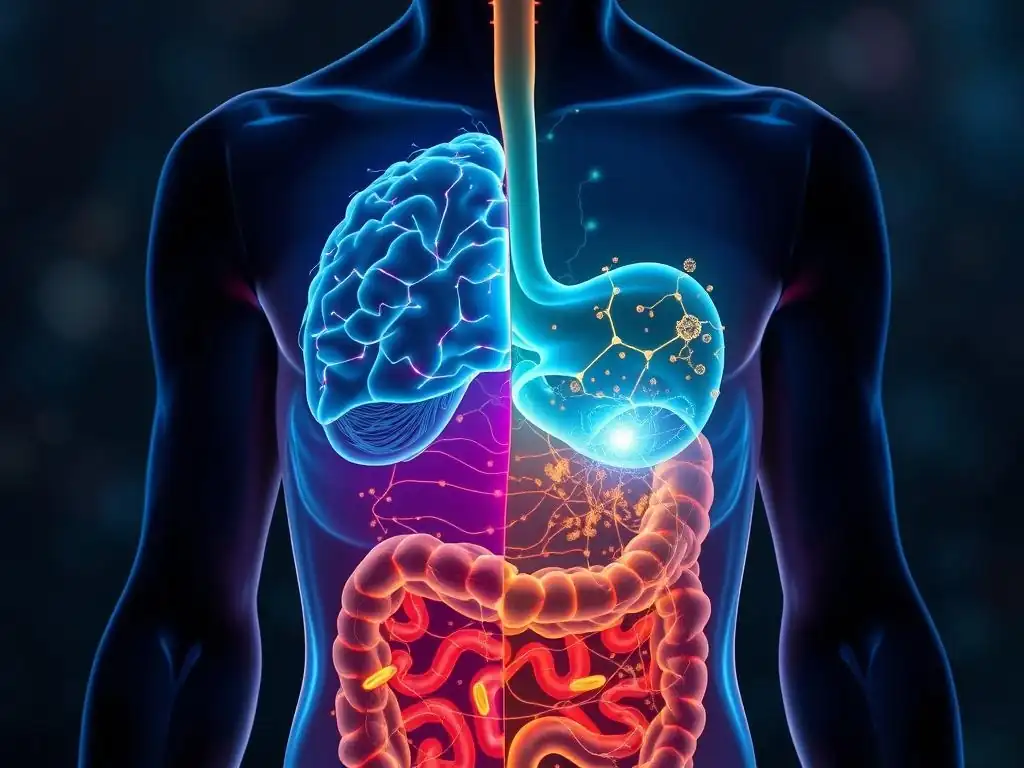
The gut-brain axis represents a complex and dynamic communication network linking the central nervous system (brain and spinal cord) with the enteric nervous system (ENS), which is often referred to as the "second brain" located within the gut wall. This intricate connection involves neural pathways, such as the vagus nerve, as well as hormonal, immune, and metabolic signaling.
Research indicates that this axis is constantly exchanging information, influencing everything from digestion and appetite to mood, stress responses, and overall mental well-being. It's not merely a one-way street where the brain tells the gut what to do; the gut actively communicates back, profoundly impacting brain function and behavior.
This bidirectional highway allows signals originating in the gut, such as those from gut microbes or gut cells, to influence brain areas involved in emotion, motivation, and cognitive processing. Conversely, stress and emotions from the brain can alter gut motility, permeability, and even the composition of the gut microbiome. Understanding this fundamental link is crucial because it highlights how physical health, particularly gut health, is inextricably linked to psychological states. Disruptions in this communication pathway are increasingly being implicated in a variety of health issues, including functional gastrointestinal disorders and mental health conditions like anxiety and depression.
How Gut Health Impacts Mental Well-being
Emerging scientific evidence strongly supports the notion that the health of your gut plays a significant role in your mental well-being. An imbalanced gut microbiome, often referred to as dysbiosis, or issues like inflammation and increased gut permeability ("leaky gut"), can trigger systemic responses that reach the brain. These include the release of pro-inflammatory cytokines, which can cross the blood-brain barrier and affect neurotransmitter function, as well as the production of microbial metabolites that can directly influence brain chemistry and neural activity.
Consider the impact of chronic stress, which is known to negatively alter gut health. This isn't just about an upset stomach; persistent stress can change the gut microbiome's diversity and function, potentially increasing gut permeability. This allows substances that shouldn't normally enter the bloodstream, like bacterial components, to circulate and potentially contribute to inflammation throughout the body, including the brain. This inflammatory state is increasingly linked to the development or exacerbation of mood disorders. Therefore, maintaining a healthy gut environment is a proactive step individuals can take to support their mental resilience and emotional balance.
The Role of the Microbiome in Gut-Brain Communication
The gut microbiome, the vast community of bacteria, viruses, fungi, and other microbes residing in the digestive tract, is a key player in the gut-brain axis. These microbes are not passive residents; they are metabolically active and produce a wide array of compounds that can influence both gut function and brain chemistry. They ferment dietary fibers to produce short-chain fatty acids (SCFAs) like butyrate, propionate, and acetate, which serve as energy sources for gut cells and have systemic effects, including anti-inflammatory properties and the ability to influence neurotransmitter levels.
Furthermore, gut microbes can directly produce or influence the production of neurotransmitters themselves, including GABA, dopamine, norepinephrine, and notably, serotonin. They can also interact with the immune system, influencing the release of cytokines that affect brain function, and communicate with the ENS and vagus nerve. Research, often involving germ-free animals or probiotic interventions, demonstrates that altering the microbiome can lead to changes in behavior, stress reactivity, and even brain structure. This underscores the critical importance of nurturing a diverse and balanced microbial community in the gut for optimal brain health and mental well-being.
Serotonin Production: More Than Just a Brain Chemical
Serotonin: The Mood-Boosting Neurotransmitter
Serotonin, chemically known as 5-hydroxytryptamine (5-HT), is a vital monoamine neurotransmitter often associated with feelings of well-being and happiness. It plays a crucial role in regulating mood, but its functions extend far beyond this. Serotonin is involved in a wide range of physiological processes, including sleep-wake cycles, appetite control, social behavior, memory, and learning. Imbalances in serotonin levels in the brain have long been linked to various mental health conditions, particularly depression and anxiety disorders, making it a primary target for many antidepressant medications.
While its role in mood regulation in the brain is well-established, it's important to recognize that serotonin's influence is systemic. It acts not only as a neurotransmitter in the central nervous system but also as a hormone-like substance in the periphery, affecting cardiovascular function, bone metabolism, and crucially, gastrointestinal motility and secretion. This widespread action hints at its production sites being distributed throughout the body, not solely confined to the brain, which brings us to a surprising aspect of serotonin's biology related to the Serotonin production gut-brain connection.
Where is Serotonin Produced? Brain vs. Gut
When people think of serotonin and mood, they typically focus on its production and action within the brain. Indeed, serotonin is synthesized by specific neurons in the brainstem, primarily in the raphe nuclei, and these neurons project to various brain regions to exert their effects on mood, cognition, and behavior. However, the amount of serotonin produced in the brain is relatively small compared to the total amount found in the body. The brain accounts for only a minor fraction, perhaps around 5%, of the body's total serotonin.
The vast majority of the body's serotonin is produced outside the brain. The primary site for this large-scale production is the gut, specifically by specialized cells lining the gastrointestinal tract called enterochromaffin (EC) cells.
These cells synthesize serotonin and release it in response to various stimuli, including food intake, mechanical stretch of the gut wall, and signals from gut bacteria. This peripheral serotonin plays a major role in regulating gut function, such as peristalsis (the muscular contractions that move food through the digestive system), but accumulating evidence shows it also participates in the complex communication along the gut-brain axis, influencing brain function and mood from the periphery.
The Gut's Significant Contribution to Serotonin Levels
The gut's enterochromaffin cells are responsible for synthesizing an estimated 90-95% of the body's total serotonin. This staggering figure highlights the gut's dominant role in overall serotonin production. This peripherally produced serotonin primarily stays within the gut or circulates in the bloodstream, where it is mainly stored in platelets. While peripheral serotonin cannot easily cross the blood-brain barrier to directly influence brain-based mood regulation in the same way as serotonin produced by brain neurons, it significantly impacts the gut's function and communicates with the brain via the gut-brain axis.
This massive production of serotonin in the gut underscores the profound Serotonin production gut-brain connection. The peripheral serotonin produced by EC cells is critical for gut motility, which is why changes in serotonin levels or signaling in the gut can lead to gastrointestinal issues like Irritable Bowel Syndrome (IBS), where disruptions in gut motility are common.
Furthermore, signals from this gut-derived serotonin can be transmitted to the brain via the vagus nerve, potentially influencing mood and behavior. This peripheral serotonin can also influence immune cells and contribute to the inflammatory state, which, as mentioned earlier, has implications for mental health.
The Gut's Role in Serotonin Production and Mood Regulation
Tryptophan: The Precursor to Serotonin Synthesis
Serotonin synthesis, whether in the brain or the gut, begins with an essential amino acid called tryptophan. Essential means that the human body cannot produce it and must obtain it through diet. Foods rich in tryptophan include poultry, eggs, dairy products, nuts, seeds, and some fruits. Once ingested and absorbed, tryptophan circulates in the bloodstream and is taken up by cells that can synthesize serotonin, including neurons in the brain and the enterochromaffin cells in the gut lining.
Within these cells, tryptophan undergoes a two-step enzymatic conversion process. First, it is converted into 5-hydroxytryptophan (5-HTP) by the enzyme tryptophan hydroxylase (TPH). There are two forms of this enzyme: TPH1, found predominantly in the gut's EC cells, and TPH2, found in the brain's serotonin-producing neurons.
This difference in enzyme location helps explain the differential production sites. Second, 5-HTP is converted into serotonin (5-HT) by the enzyme aromatic L-amino acid decarboxylase (AADC). The availability of tryptophan is often considered a rate-limiting step in serotonin synthesis, meaning that adequate dietary intake of tryptophan is necessary, although not the sole factor, for sufficient serotonin production.
Gut Bacteria's Influence on Tryptophan Availability
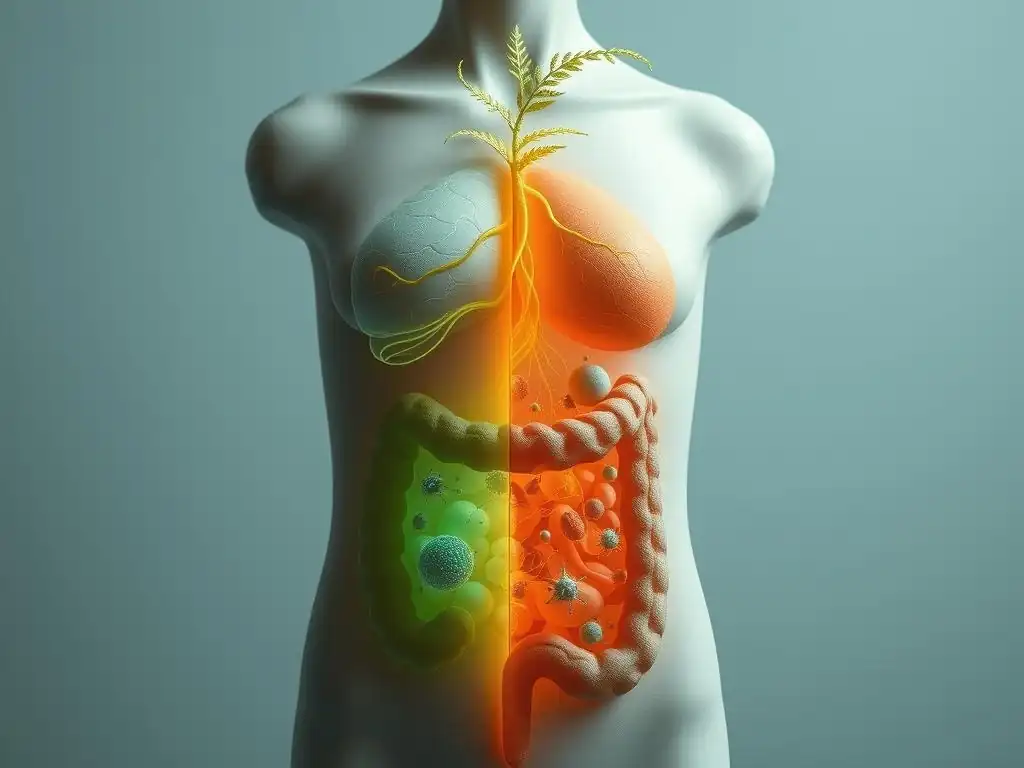
The gut microbiome plays a fascinating and complex role in the metabolism and availability of tryptophan, thereby directly influencing Serotonin production gut-brain connection. Gut bacteria can metabolize tryptophan along several different pathways. While some bacteria can directly produce serotonin themselves, their main influence seems to be on the pool of tryptophan available to the host's enterochromaffin cells and on the production of metabolites that can impact serotonin synthesis or signaling.
Certain gut bacteria can metabolize tryptophan into various indole derivatives, some of which can activate receptors on EC cells to stimulate serotonin release. Other bacterial metabolites, such as short-chain fatty acids (SCFAs) produced by fermentation of dietary fiber, have been shown to increase the number of EC cells and enhance TPH1 activity, thereby boosting serotonin production in the gut.
Conversely, an imbalanced microbiome or the presence of certain pathogenic bacteria can disrupt normal tryptophan metabolism, potentially reducing its availability for serotonin synthesis or producing metabolites that negatively impact the gut lining and EC cell function. For example, some studies suggest that certain microbial compositions are associated with altered tryptophan metabolism in individuals with mood disorders.
How Gut Inflammation Affects Serotonin Synthesis
Inflammation in the gut, often driven by factors like poor diet, stress, infections, or an imbalanced microbiome, can significantly disrupt serotonin synthesis and signaling, impacting the Serotonin production gut-brain connection. Chronic gut inflammation can damage the enterochromaffin cells, reducing their capacity to produce serotonin. It can also alter the expression and activity of the enzymes involved in serotonin synthesis (TPH1 and AADC) and the transporters responsible for serotonin uptake and release (like SERT, the serotonin transporter).
Moreover, inflammation triggers the release of pro-inflammatory cytokines (such as TNF-alpha, IL-1 beta, and IL-6), which can directly affect the gut lining and influence the gut-brain axis. These cytokines can increase gut permeability and interfere with tryptophan metabolism, shunting it towards pathways that produce neurotoxic metabolites rather than serotonin.
This inflammatory state can also impact the blood-brain barrier, potentially allowing inflammatory signals from the gut to more easily reach the brain and contribute to neuroinflammation, which is increasingly linked to the pathophysiology of depression and anxiety. Managing gut inflammation is thus a critical strategy for supporting healthy serotonin levels and mental well-being.
Serotonin Deficiency: Linking Gut Health to Mental Well-being
Serotonin Imbalance and Mood Disorders
While the direct link between serotonin levels and depression is more complex than originally thought (it's more about signaling efficiency and receptor sensitivity), dysregulation of the serotonergic system is a hallmark of many mood disorders. Low levels of serotonin availability or impaired serotonin signaling in certain brain regions are strongly associated with symptoms of depression, anxiety, and other affective disorders. Many common antidepressant medications, such as Selective Serotonin Reuptake Inhibitors (SSRIs), work by increasing the amount of serotonin available in the synaptic clefts between neurons in the brain, aiming to enhance signaling.
However, considering the gut's massive contribution to total body serotonin, it's becoming clear that issues with peripheral serotonin production and metabolism, influenced by gut health, can also indirectly impact mood. While peripheral serotonin doesn't cross into the brain easily, its effects on the gut-brain axis via the vagus nerve, immune system, and inflammatory pathways can certainly influence brain function and contribute to mood dysregulation. Therefore, investigating the Serotonin production gut-brain connection offers new avenues for understanding and potentially treating mood disorders beyond solely targeting brain serotonin.
The Gut-Brain Axis and the Development of Mental Health Conditions
Disruptions along the gut-brain axis are increasingly implicated in the development and severity of various mental health conditions, including depression, anxiety disorders, autism spectrum disorder, and even neurodegenerative diseases. An unhealthy gut environment, characterized by dysbiosis, inflammation, and increased permeability, can initiate a cascade of events that negatively impact brain function and mental state. This includes altered neurotransmitter production (including serotonin), increased systemic inflammation, and impaired stress response regulation (affecting the HPA axis).
For instance, studies have shown that individuals with depression or anxiety often exhibit different gut microbiome compositions compared to healthy controls. While correlation does not equal causation, transplanting gut microbes from depressed humans into germ-free animals has been shown to induce depressive-like behaviors in the animals, providing compelling evidence for the gut's causal role. The disruption of the Serotonin production gut-brain connection due to poor gut health appears to be a significant mechanism through which peripheral issues can contribute to central nervous system dysfunction and mental health challenges.
Given that a significant portion of serotonin is produced and utilized in the gut, issues with gut health can manifest as symptoms related to both gastrointestinal function and mood, reflecting a potential deficiency or dysregulation in serotonin signaling. While "serotonin deficiency" is a complex concept and not easily measured systemically in a clinically meaningful way for mood, symptoms associated with impaired Serotonin production gut-brain connection can include:
- Gastrointestinal Issues: Changes in bowel motility (constipation or diarrhea), Irritable Bowel Syndrome (IBS) symptoms, bloating, and abdominal discomfort. These are often linked to the gut's dependence on serotonin for proper function.
- Mood Changes: Low mood, feelings of sadness, anxiety, increased stress reactivity, and irritability. While these can stem from many causes, a compromised gut-brain axis and altered serotonin dynamics are increasingly recognized contributors.
- Sleep Disturbances: Serotonin is a precursor to melatonin, the sleep hormone. Issues with serotonin production, even peripherally influencing the axis, can potentially impact sleep patterns.
- Changes in Appetite: Serotonin influences appetite regulation. Dysregulation can lead to changes in eating behavior.
It's crucial to approach these symptoms holistically, recognizing that they might indicate underlying issues with the gut-brain axis and the complex interplay involving serotonin production.
Optimizing Gut Health to Boost Serotonin Production Naturally
Diet and Nutrition for a Healthy Gut and Increased Serotonin
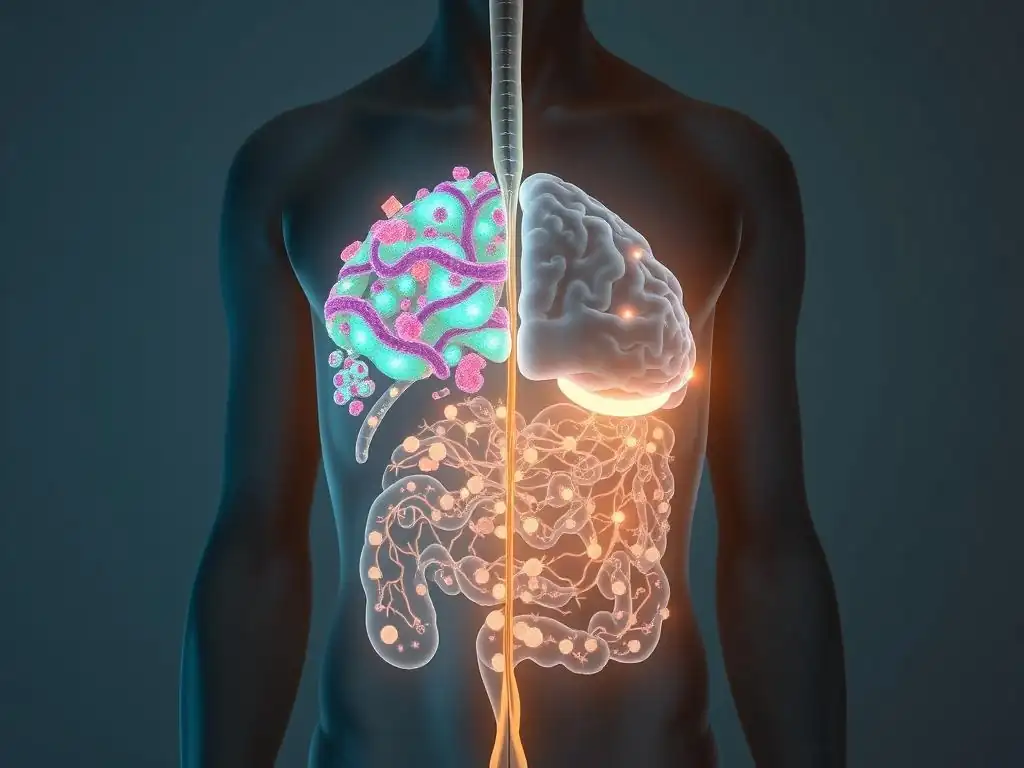
Optimizing your diet is one of the most effective ways to support a healthy gut microbiome and enhance the Serotonin production gut-brain connection. A diet rich in diverse plant fibers provides nourishment for beneficial gut bacteria, which in turn can support serotonin synthesis. Conversely, a diet high in processed foods, sugar, and unhealthy fats can negatively impact the microbiome and promote inflammation, hindering serotonin production. Focusing on nutrient-dense, whole foods is paramount.
Prebiotic Foods for Gut Bacteria Nourishment
Prebiotics are non-digestible fibers that selectively feed beneficial bacteria in your gut. By consuming prebiotic-rich foods, you encourage the growth and activity of microbes that produce beneficial metabolites like SCFAs, which can positively influence gut serotonin production.
- Garlic
- Onions
- Leeks
- Asparagus
- Bananas (slightly green)
- Oats
- Apples
- Flaxseeds
- Chicory root
Including a variety of these foods regularly can significantly improve the health and diversity of your gut microbiome. Aim for diversity rather than just large quantities of one type.
Probiotic Foods to Enhance Gut Microbiome Diversity
Probiotic foods contain live beneficial bacteria that can help increase the diversity and improve the balance of your gut microbiome. While they may not permanently colonize the gut, their transient passage can offer significant benefits, including potentially influencing the microbial environment that supports Serotonin production gut-brain connection.
- Yogurt with live and active cultures
- Kefir (dairy or non-dairy)
- Sauerkraut (unpasteurized)
- Kimchi (unpasteurized)
- Kombucha (low sugar)
- Tempeh
- Miso
When choosing probiotic foods, ensure they are unpasteurized or specifically labeled as containing live and active cultures, as pasteurization kills the beneficial bacteria. Start with small amounts if you are new to fermented foods.
Foods to Avoid that Harm Gut Health and Serotonin Synthesis
Certain foods and dietary patterns can negatively impact gut health, leading to dysbiosis and inflammation, which can impair serotonin production. Reducing or eliminating these can be as important as adding beneficial foods.
- Highly Processed Foods: Often low in fiber and high in unhealthy fats, sugar, and additives that can disrupt the microbiome.
- Excessive Sugar: Feeds harmful bacteria and can contribute to inflammation and gut permeability.
- Artificial Sweeteners: Some studies suggest they can negatively alter gut microbiome composition.
- Excessive Unhealthy Fats: Particularly trans fats and excessive saturated fats, which can promote inflammation.
- Excessive Alcohol: Can damage the gut lining and disrupt the microbiome.
Making conscious choices to limit these detrimental foods frees up resources for your body to focus on healing and supporting healthy gut function and optimal Serotonin production gut-brain connection.
Lifestyle Factors Impacting Gut Health and Serotonin Levels
Diet isn't the only factor influencing your gut health and its connection to serotonin production; lifestyle choices also play a crucial role. Managing stress, getting adequate exercise, and prioritizing sleep all have significant impacts on the gut microbiome and the efficiency of the gut-brain axis communication. These factors are often interconnected, and addressing them holistically can yield the best results for both gut and mental health.
The Importance of Stress Management for Gut-Brain Health
Chronic stress is perhaps one of the most detrimental factors to gut health and the Serotonin production gut-brain connection. Stress hormones like cortisol can directly alter gut motility, increase gut permeability, and change the composition and function of the gut microbiome. This disruption can, in turn, negatively affect the gut's ability to produce serotonin and send positive signals to the brain, creating a vicious cycle where stress harms the gut, and the unhealthy gut contributes to increased stress and anxiety.
Implementing effective stress management techniques is vital. This could include practices like mindfulness meditation, deep breathing exercises, yoga, spending time in nature, or engaging in hobbies you enjoy. Even small, consistent efforts to reduce stress can protect your gut lining, support a healthier microbiome, and help maintain healthy serotonin dynamics along the gut-brain axis, contributing to better mood regulation.
Exercise and Its Positive Effects on Gut Microbiome and Serotonin
Regular physical activity has been shown to have a positive impact on gut health. Exercise can increase the diversity of the gut microbiome and promote the growth of beneficial bacteria species. This improved microbial profile can lead to increased production of beneficial metabolites like SCFAs, which support gut barrier function and have systemic anti-inflammatory effects. While the direct link between exercise, gut microbes, and peripheral serotonin production is still being explored, a healthier gut environment fostered by exercise is likely to support optimal Serotonin production gut-brain connection.
Furthermore, exercise is a well-known mood booster, partly through its effects on neurotransmitters in the brain, but its positive impact on the gut-brain axis provides another potential mechanism. Regular exercise, such as moderate aerobic activity for about 150 minutes per week (following general health guidelines), can contribute to a more resilient gut ecosystem, indirectly supporting the body's natural serotonin production and signaling pathways.
Sleep's Crucial Role in Gut Health and Mental Well-being
Sleep is a fundamental pillar of both physical and mental health, and disruptions in sleep can negatively impact the gut microbiome and the gut-brain axis. Lack of sleep or irregular sleep patterns can alter the composition of gut bacteria and increase gut permeability, potentially leading to inflammation. This, in turn, can disrupt the delicate balance of neurotransmitter production and signaling, including serotonin, affecting the Serotonin production gut-brain connection.
Prioritizing sufficient, quality sleep (typically 7-9 hours per night for adults) is essential for maintaining a healthy gut barrier and supporting a balanced microbiome. Establishing a regular sleep schedule, creating a relaxing bedtime routine, and optimizing your sleep environment can significantly improve sleep quality, which in turn helps protect your gut health and supports the complex biological processes that contribute to stable mood and mental well-being.
The Future of Gut-Brain Axis Research and Serotonin-Targeted Therapies
Emerging Therapies Targeting the Gut Microbiome for Mental Health
The growing understanding of the Serotonin production gut-brain connection and the microbiome's role is paving the way for novel therapeutic approaches to mental health conditions. Instead of solely targeting brain chemistry, future treatments may focus on modulating the gut microbiome to positively influence brain function and mood. These emerging therapies include personalized dietary interventions based on individual microbiome profiles, fecal microbiota transplantation (FMT) to restore a healthy microbial balance, and the development of "psychobiotics" – probiotics or prebiotics specifically designed to exert mental health benefits.
Research is actively exploring how specific strains of bacteria or combinations of prebiotics can alter neurotransmitter production (including serotonin precursors), reduce inflammation, or produce neuroactive metabolites that directly impact brain function. While many of these approaches are still in early stages of clinical investigation, they represent a significant paradigm shift in mental health treatment, recognizing the powerful influence of the gut on the mind.
Probiotic Supplementation and its Potential for Mood Improvement
Probiotic supplements, containing live beneficial bacteria, are already widely available and are being studied for their potential effects on mood and anxiety. While research is ongoing and results are sometimes mixed, several studies suggest that certain probiotic strains or multi-strain formulations may have a positive impact on mood, reduce symptoms of anxiety, and improve stress response. The mechanisms are thought to involve modulating the gut microbiome, reducing inflammation, influencing gut-derived neurotransmitters like serotonin, and improving gut barrier function, thereby impacting the gut-brain axis.
It's important to note that not all probiotics are created equal, and the effects can be strain-specific. For example, some studies have focused on strains like Lactobacillus helveticus and Bifidobacterium longum for their potential anxiolytic effects. While probiotic supplementation can be a helpful adjunct strategy for some individuals, it is generally recommended to prioritize dietary approaches (prebiotic and probiotic-rich foods) first and to consult a healthcare professional before starting supplements, especially if managing a mental health condition.
Personalized Medicine: Tailoring Gut Health Interventions for Serotonin Regulation
The future of leveraging the Serotonin production gut-brain connection for mental health likely lies in personalized medicine. Just as each individual's microbiome is unique, the optimal approach to modulating it for mental well-being may also be unique. Advanced testing technologies, such as microbiome sequencing and metabolic profiling, could potentially help identify specific imbalances in an individual's gut ecosystem that are contributing to their mental health symptoms.
Based on this personalized data, interventions could be tailored. This might involve specific dietary recommendations to promote the growth of desired bacterial species, targeted prebiotic or probiotic therapies using specific strains, or other gut-focused treatments aimed at optimizing the environment for healthy serotonin synthesis and signaling along the gut-brain axis. This individualized approach holds promise for more effective and targeted treatments for mental health conditions linked to gut health.
Practical Steps to Improve Your Gut Health and Serotonin Production
Taking proactive steps to nurture your gut health can be an empowering way to support your mood and overall mental well-being by positively influencing the Serotonin production gut-brain connection. While significant changes take time, incorporating small, consistent habits can make a real difference.
Sample Meal Plan for Gut Health and Serotonin Boosting
Here is a sample day illustrating how to incorporate gut-friendly foods:
- Breakfast: Oatmeal with berries, flaxseeds, and a dollop of yogurt (with live cultures).
- Lunch: Lentil soup (rich in fiber) with a side salad containing mixed greens, tomatoes, and a light vinaigrette.
- Snack: An apple with a small handful of almonds.
- Dinner: Baked salmon (good source of tryptophan and omega-3s) with roasted asparagus and a side of quinoa.
- Evening: Small serving of kimchi or sauerkraut.
This plan focuses on fiber, fermented foods, and sources of tryptophan, while limiting processed items.
Easy Gut-Friendly Recipes
Here are a couple of simple recipes focusing on gut-friendly ingredients:
Simple Veggie & Lentil Soup
Ingredients:
- 1 tbsp olive oil
- 1 onion, chopped
- 2 carrots, chopped
- 2 celery stalks, chopped
- 2 cloves garlic, minced
- 1 cup brown or green lentils, rinsed
- 6 cups vegetable broth
- 1 tsp dried thyme
- Salt and pepper to taste
- Optional: Handful of spinach
Instructions:
- Heat oil in a large pot over medium heat. Add onion, carrots, and celery and cook until softened (about 5-7 mins).
- Stir in garlic and cook for 1 minute more.
- Add lentils, vegetable broth, and thyme. Bring to a boil, then reduce heat, cover, and simmer for 30-40 minutes, or until lentils are tender.
- Season with salt and pepper. Stir in spinach if using, until wilted.
Quick Yogurt & Berry Parfait
Ingredients:
- 1 cup plain yogurt (with live cultures)
- 1/2 cup mixed berries (fresh or frozen)
- 2 tbsp rolled oats (raw or lightly toasted)
- 1 tbsp chia seeds or flaxseeds
Instructions:
- Layer yogurt, berries, oats, and seeds in a glass or bowl.
- Repeat layers if desired.
- Enjoy immediately or let sit for a few minutes for oats/seeds to soften slightly.
Tracking Your Progress: Monitoring Mood and Gut Health
Becoming more attuned to your body's signals can help you understand the link between your gut health interventions and your mental well-being. Consider keeping a simple journal to track both.
Task List for Tracking:
- [ ] Note daily food intake, especially focusing on fiber, fermented foods, and processed items.
- [ ] Record bowel movements (frequency, consistency - using a chart like the Bristol Stool Scale can be helpful).
- [ ] Note any digestive symptoms (bloating, gas, discomfort).
- [ ] Rate your mood daily (e.g., on a scale of 1-5 or using descriptive words).
- [ ] Note sleep duration and quality.
- [ ] Record stress levels or stressful events.
- [ ] Track exercise type and duration.
Over time, reviewing this journal might reveal patterns and correlations between your dietary choices, lifestyle habits, gut function, and mood, providing valuable insights into your personal Serotonin production gut-brain connection. This self-monitoring can empower you to make informed adjustments to further support your well-being.
Disclaimer: This article provides general information and is not a substitute for professional medical advice. Always consult with a qualified healthcare provider for any questions regarding your medical condition or before making any decisions about your health or treatment.
Frequently Asked Questions
How does the gut influence serotonin production?
The gut contains a significant population of microbes that can directly and indirectly influence serotonin production. Certain bacteria can synthesize serotonin, while others affect the gut's immune response and inflammation, impacting serotonin levels.
What is the gut-brain axis, and how does it relate to mental well-being?
The gut-brain axis is a bidirectional communication system linking the gut and the brain. This connection impacts mental well-being through various pathways, including neurotransmitter production, immune signaling, and hormonal regulation.
Can dietary changes impact serotonin levels and, consequently, mood?
Yes, dietary changes can influence serotonin levels. Consuming foods rich in tryptophan, a precursor to serotonin, and supporting a healthy gut microbiome with fiber-rich foods and probiotics can positively impact mood.
What role does inflammation play in the gut-brain axis and serotonin production?
Chronic inflammation in the gut can disrupt the gut-brain axis and negatively impact serotonin production. Inflammation can interfere with tryptophan metabolism and the function of gut bacteria responsible for serotonin synthesis.
What are some strategies to improve gut health and potentially boost serotonin production?
Strategies include consuming a balanced diet rich in fiber and prebiotics, managing stress levels, getting enough sleep, and considering probiotic supplementation to support a healthy gut microbiome and optimize serotonin production.
Final Reflection: Unlocking the Power Within: Your Gut-Brain Axis
The intricate connection between our gut and brain, specifically the significant role of gut-produced serotonin, is no longer a niche scientific concept; it's a paradigm shift in our understanding of health and well-being. This understanding has profound implications for how we approach mental and physical health, moving beyond a purely neurological focus to encompass the complex interplay of our entire biological system. Ignoring this powerful gut-brain axis is akin to ignoring half the equation when it comes to overall health.
The exploration of this gut-brain axis has profoundly impacted my own understanding of health, shifting my perspective from a purely cognitive approach to a more holistic one. It's a reminder that our internal ecosystem is far more interconnected than we previously realized. The gut is the second brain
– this adage, while simplified, underscores the vital role of our gut microbiome in influencing our mood, behavior, and overall health. This realization encourages a deeper appreciation for the importance of gut health, not just for digestive function, but for mental clarity and emotional resilience.
Now, consider your own relationship with your gut. What steps can you take today to nurture this vital connection? Are you prioritizing a diet rich in prebiotics and probiotics? Are you managing stress effectively, recognizing its impact on your gut microbiome? This isn't just about improving digestion; it's about cultivating a healthier, happier, and more resilient you. Embrace the power of your gut-brain axis, and unlock the potential for a more vibrant and fulfilling life.
Unlock Your Gut's Powerhouse: Boost Your Serotonin Naturally
Thanks for diving deep into the fascinating world of your gut-brain axis! You've now unlocked valuable insights into the surprising role your gut plays in your overall well-being. Ready to put this knowledge into action?
- Prioritize prebiotic and probiotic-rich foods: This is your primary step to nurturing a thriving gut microbiome and boosting serotonin production naturally. Experiment with fermented foods like kimchi or kefir, or add more fiber-rich fruits and vegetables to your diet.
- Track your food and mood: Pay attention to how different foods impact your energy levels and mood. This mindful approach will help you fine-tune your diet for optimal gut health.
- Share your discoveries: Discuss this article with friends and family—let's spread the word about the power of gut health!
What simple dietary change will you make today to support your gut-brain connection and enhance your mood?