
Can Meditation Change Your Brain Biology? The Stress Angle


Welcome to Mind Care Guide, your sanctuary for cultivating inner peace and understanding your mental well-being. Feeling overwhelmed by stress? Discover how groundbreaking research reveals that Meditation alters brain biology stress, offering a tangible path towards resilience and a calmer, more centered you. Explore the fascinating neuroscience behind this transformation and unlock the potential for lasting change. Your journey to a healthier mind starts here.
Can Meditation Change Your Brain Biology? The Stress Angle
- Introduction: Understanding the Link Between Meditation, Brain Biology, and Stress
- The Neuroscience of Stress: How Chronic Stress Impacts Brain Structure and Function
- Meditation and the Brain: A Neurobiological Perspective
- Meditation Alters Brain Biology: Specifically Targeting Stress Pathways
- Scientific Evidence: Studies Showing Meditation's Biological Impact on Stress
- Types of Meditation and Their Potential Effects on Stress-Related Brain Changes
- Practical Applications: Incorporating Meditation into Your Life for Stress Management
- Beyond the Brain: The Holistic Benefits of Meditation for Stress Reduction
- Addressing Common Misconceptions About Meditation and Brain Change
- Conclusion: Meditation as a Powerful Tool for Reshaping Your Brain and Managing Stress
-
Frequently Asked Questions
- What does the article "Can Meditation Change Your Brain Biology? The Stress Angle" explore?
- How can meditation help with stress management, according to the article?
- What type of brain changes does the article suggest meditation might induce?
- Is meditation a quick fix for stress, according to the information provided?
- Where can I find more resources related to mental well-being and meditation?
- Final Reflection: The Transformative Power of Meditation on a Stressed Brain
- Unlock Your Brain's Calm: Start Your Meditation Journey Today!
Introduction: Understanding the Link Between Meditation, Brain Biology, and Stress
Chronic stress is a pervasive challenge in modern life, impacting not just our mental state but significantly altering our physical and neurological landscape. The persistent activation of the body's stress response system, designed for short-term threats, can lead to long-term changes in brain structure and function. This can manifest as difficulties with memory, emotional regulation, and even increased susceptibility to mental health conditions. Understanding how stress affects the brain is the first step in finding effective strategies to mitigate its impact.
Emerging research suggests that practices like meditation offer a powerful counterpoint to the damaging effects of stress on the brain. By cultivating states of calm and focused awareness, meditation appears to engage the brain's neuroplasticity—its ability to reorganize itself throughout life. This suggests that meditation alters brain biology stress pathways, potentially reversing some of the negative adaptations caused by chronic stress. Exploring this link provides hope for individuals seeking natural and sustainable ways to improve their mental well-being and build resilience against stress.
The Neuroscience of Stress: How Chronic Stress Impacts Brain Structure and Function
The Amygdala and Stress Response: Hyperactivity and its Consequences
The amygdala, a small almond-shaped structure deep within the brain, plays a crucial role in processing emotions, particularly fear and threat. When we encounter a stressor, the amygdala quickly signals the body's fight-or-flight response. In cases of chronic stress, this region can become chronically overactive and even increase in size, leading to heightened vigilance, increased anxiety, and an exaggerated response to perceived threats, even when they are not truly dangerous.
This persistent state of amygdala hyperactivity contributes significantly to conditions like generalized anxiety disorder and PTSD. Studies using fMRI scans have shown that individuals with chronic stress often exhibit greater amygdala reactivity when presented with emotional stimuli compared to their less stressed counterparts. For example, research has indicated that exposure to chronic unpredictable stress in animal models can lead to measurable growth in amygdala dendrites, suggesting structural changes that support this heightened reactivity.
The Hippocampus and Stress: Memory Impairment and Neurogenesis
The hippocampus, another key brain region, is vital for learning, memory formation, and regulating the stress response itself by helping to shut it down after the threat passes. Unfortunately, the hippocampus is highly vulnerable to the effects of stress hormones, particularly cortisol. Chronic exposure to high levels of cortisol can damage existing neurons in the hippocampus and inhibit neurogenesis—the birth of new neurons—which is crucial for learning and memory function.
The consequences of this damage include impaired spatial memory, difficulty forming new memories, and even a reduction in hippocampal volume. For instance, studies on individuals experiencing chronic work stress have shown measurable reductions in hippocampal size compared to control groups. This makes it harder for the brain to learn new coping strategies and to effectively regulate the stress response, creating a vicious cycle where chronic stress exacerbates the very part of the brain needed to manage it.
Prefrontal Cortex and Stress: Executive Function Decline
The prefrontal cortex (PFC), located at the front of the brain, is responsible for higher-level cognitive functions, including decision-making, planning, working memory, and regulating emotions. It acts as the brain's executive control center, helping us to assess situations rationally and inhibit impulsive reactions. Chronic stress, however, can impair the function of the PFC, particularly its ability to communicate effectively with the amygdala.
Under stress, the PFC's capacity is diminished, making it harder to focus, solve problems, and control emotional impulses. This can lead to poor judgment, increased impulsivity, and difficulty regulating negative emotions. Research has shown that chronic stress can alter the structure and function of prefrontal neurons, reducing their complexity and connectivity. For example, studies have linked high stress levels to reduced performance on tasks requiring working memory and cognitive flexibility, functions heavily reliant on the PFC.
Meditation and the Brain: A Neurobiological Perspective
What Happens in the Brain During Meditation?
During meditation, various brain regions show altered activity compared to a baseline state. While the specific patterns can vary depending on the type of meditation, common observations include increased activity in areas associated with attention and self-awareness, such as the insula and certain parts of the prefrontal cortex. Simultaneously, there is often a decrease in activity in the default mode network (DMN), a network of brain regions that is active when the mind is wandering or engaged in self-referential thought.
This shift in brain activity reflects the core practice of meditation: bringing attention to the present moment and observing thoughts and feelings without judgment. The reduced DMN activity is thought to correspond with a decrease in self-referential rumination and worry, common features of stress. This immediate neurological effect lays the groundwork for the more lasting structural and functional changes that occur with regular practice, demonstrating how meditation alters brain biology stress responses over time.
Key Brain Regions Activated During Meditation
Several brain regions are consistently implicated in meditative states. The anterior cingulate cortex (ACC) and the dorsolateral prefrontal cortex (dlPFC) are often activated, playing roles in attention regulation and cognitive control. The insula, involved in interoception (awareness of internal bodily states), also shows increased activity, enhancing the meditator's connection to their physical sensations.
Furthermore, areas involved in emotional processing, such as the ventromedial prefrontal cortex (vmPFC), which is linked to emotional regulation and extinction of fear responses, may also show altered activity. These changes in regional brain activation during meditation sessions are not merely transient states; they represent the training effect of the practice, which, with repetition, can lead to more enduring changes in the structure and connectivity of these areas.
Meditation's Influence on Brainwave Activity (Alpha, Theta)
Meditation is associated with characteristic changes in brainwave patterns, particularly an increase in alpha and theta wave activity. Alpha waves (8-12 Hz) are typically associated with a state of relaxed alertness, often observed when closing one's eyes or resting quietly. During meditation, there is often a pronounced increase in alpha power, especially in the frontal and central regions of the brain.
Theta waves (4-8 Hz) are slower and are often linked to states of deep relaxation, introspection, and creativity, as well as the transition between wakefulness and sleep. Experienced meditators often exhibit increased theta activity, particularly during deeper states of meditation. These shifts in brainwave frequencies suggest a move away from the beta waves (13-30 Hz) characteristic of active, analytical thinking and stress, towards calmer, more integrated brain states.
Meditation Alters Brain Biology: Specifically Targeting Stress Pathways
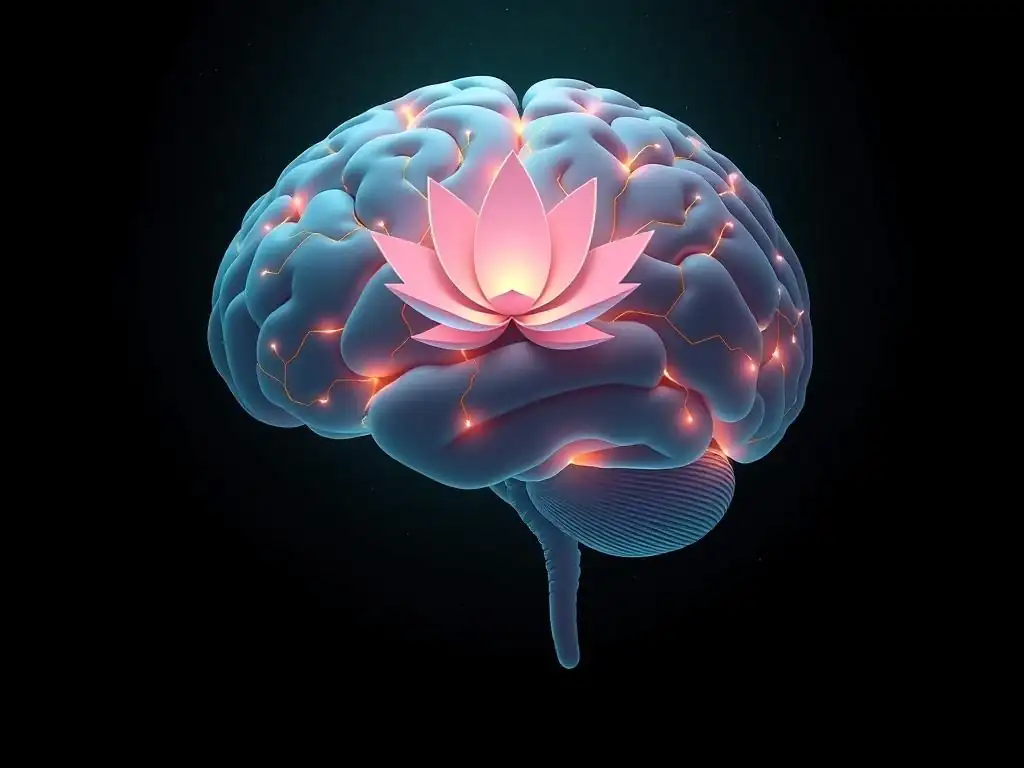
Meditation's Effect on the Amygdala: Reducing Reactivity to Stressors
One of the most significant ways meditation alters brain biology stress responses is through its impact on the amygdala. Regular meditation practice has been shown to reduce the size and activity of the amygdala. Studies comparing experienced meditators to non-meditators, and longitudinal studies tracking individuals before and after meditation training, consistently report reduced amygdala volume and decreased activation in response to emotional stimuli.
For instance, a seminal study published in Psychiatry Research: Neuroimaging found that participants who completed an 8-week mindfulness-based stress reduction (MBSR) program showed a decrease in gray matter density in the amygdala compared to a control group. This structural change is correlated with a reduction in perceived stress levels, indicating that meditation can physically reshape the brain region most responsible for initiating the stress response, thereby reducing its overall reactivity.
Meditation's Impact on the Hippocampus: Promoting Neurogenesis and Memory
While chronic stress shrinks the hippocampus, meditation appears to have the opposite effect, potentially promoting its growth and function. Research suggests that meditation can increase gray matter volume in the hippocampus. This increase is associated with improvements in memory, learning, and emotional regulation—functions the hippocampus is crucial for.
The same Psychiatry Research: Neuroimaging study mentioned earlier also found an increase in gray matter density in the hippocampus of MBSR participants. This finding suggests that meditation may counteract the stress-induced damage to the hippocampus and potentially stimulate neurogenesis, supporting better memory function and enhancing the brain's ability to regulate the stress response. This provides a direct neurobiological pathway through which meditation alters brain biology stress resilience.
Meditation's Influence on the Prefrontal Cortex: Enhancing Executive Function and Emotional Regulation
Meditation practice has been linked to increased gray matter volume and activity in the prefrontal cortex (PFC), particularly in areas associated with attention, self-awareness, and emotional regulation. This strengthening of the PFC helps to improve executive functions like planning, decision-making, and impulse control.
By enhancing the connection and regulatory influence of the PFC over the amygdala, meditation helps individuals respond to stressors with more calm and less automatic reactivity. Studies have shown increased thickness in specific areas of the PFC in long-term meditators. This indicates that meditation can bolster the brain's capacity for top-down control over emotional responses, providing a stronger neurological foundation for managing stress effectively.
Scientific Evidence: Studies Showing Meditation's Biological Impact on Stress
Research on Mindfulness Meditation and Cortisol Levels
Numerous studies have investigated the impact of mindfulness meditation on physiological markers of stress, most notably cortisol, often referred to as the primary stress hormone. Chronic stress leads to elevated and dysregulated cortisol levels, which can have detrimental effects throughout the body and brain.
Research, including meta-analyses of multiple studies, has generally shown that mindfulness-based interventions can lead to reductions in cortisol levels, particularly in populations experiencing high levels of stress. For instance, a study on participants in an MBSR program found statistically significant decreases in salivary cortisol concentrations over the course of the 8 weeks, correlating with reported reductions in stress and anxiety. This provides compelling evidence that meditation alters brain biology stress pathways by influencing the endocrine system's stress response.
Structural neuroimaging studies have provided key insights into how meditation changes brain biology, particularly in regions affected by stress. As mentioned earlier, research consistently points to meditation's ability to increase gray matter volume in areas like the hippocampus and specific parts of the prefrontal cortex, while decreasing volume or activity in the amygdala.
A review of multiple MRI studies on meditation practitioners found consistent evidence for structural changes in brain regions involved in self-awareness, compassion, and introspection, as well as those involved in stress and emotion regulation. These findings are not isolated; similar results have been reported across different meditation styles and populations, reinforcing the idea that regular meditation practice can induce observable, beneficial changes in the brain's physical structure, directly counteracting the negative impacts of chronic stress.
Longitudinal Studies: Long-Term Effects of Meditation on Brain Plasticity and Stress Resilience
Longitudinal studies, which track participants over extended periods, offer valuable insights into the lasting effects of meditation on brain plasticity and stress resilience. These studies help confirm whether the observed changes are transient or represent enduring adaptations.
Research following individuals who maintain a regular meditation practice over months or years has shown that the structural and functional brain changes observed after short-term interventions can be sustained and potentially even increase over time. For example, long-term meditators have been found to have thicker cortices in certain areas associated with attention and sensory processing compared to age-matched non-meditators. These studies underscore that consistent meditation alters brain biology stress response capabilities by fostering long-term neuroplastic changes that enhance resilience and well-being.
Mindfulness Meditation for Stress Reduction: A Detailed Look
Mindfulness meditation, which involves paying attention to the present moment without judgment, is perhaps the most widely studied type of meditation in relation to stress and brain changes. Practices like the body scan, mindful breathing, and mindful walking are core components.
The emphasis on non-judgmental awareness helps to decouple the automatic stress response from internal and external stimuli. By practicing observing thoughts and feelings without getting carried away by them, individuals learn to create space between a stressor and their reaction, which neurologically involves strengthening the prefrontal cortex's ability to regulate the amygdala. The MBSR program, a structured 8-week course based on mindfulness, has a robust evidence base demonstrating its effectiveness in reducing stress and inducing beneficial brain changes.
Transcendental Meditation and its Effects on Brain Coherence and Stress
Transcendental Meditation (TM) is a technique involving the silent repetition of a mantra. It is practiced for 15-20 minutes twice a day while sitting comfortably with eyes closed. TM aims to allow the mind to settle down to a state of "transcendental consciousness," which is characterized by deep rest and expanded awareness.
Research on TM has often focused on its effects on physiological measures like blood pressure and stress hormones, showing significant reductions. Neuroimaging studies on TM practitioners have sometimes highlighted increased coherence in brainwave activity, particularly in alpha frequencies, suggesting more integrated brain functioning. While less emphasis has been placed on specific structural brain changes compared to mindfulness studies, the physiological stress reduction achieved through TM points to underlying neurobiological shifts that help the brain better manage stress.
Loving-Kindness Meditation (LKM), also known as Metta meditation, involves cultivating feelings of warmth, compassion, and friendliness towards oneself and others. It typically involves silently repeating phrases wishing well-being for oneself, loved ones, neutral persons, difficult persons, and eventually all beings.
LKM has been shown to increase positive emotions and reduce negative ones, including anxiety and depression. Neuroimaging studies on LKM practitioners have found increased activity in brain regions associated with empathy and emotional regulation. By fostering positive social emotions, LKM can reduce the impact of social stressors and improve interpersonal relationships, which in turn positively affects overall stress levels and contributes to a healthier brain environment.
Practical Applications: Incorporating Meditation into Your Life for Stress Management

Starting a Meditation Practice: Tips for Beginners
Beginning a meditation practice can feel daunting, but it doesn't require special equipment or a huge time commitment. Start small, perhaps with just 5-10 minutes a day. Find a quiet place where you won't be interrupted. You can sit comfortably on a cushion or chair, keeping your spine relatively straight.
Focus on your breath, observing the sensation of air entering and leaving your body. It's natural for your mind to wander; when you notice it has, gently guide your attention back to your breath without judgment. Consistency is more important than duration. Aim to practice at the same time each day to build it into a routine. Remember, the goal isn't to stop thinking, but to become more aware of your thoughts without getting carried away by them.
Integrating Meditation into Daily Routines
Making meditation a regular habit is key to experiencing its long-term benefits on stress and brain biology. Think about where you can fit even short bursts of mindfulness into your day. This could be first thing in the morning, during your commute (if not driving), on your lunch break, or before bed.
Consider linking meditation to an existing habit, like having your morning coffee or brushing your teeth. For example, you could commit to meditating for 5 minutes immediately after finishing your coffee. Use reminders on your phone or calendar to help stay on track. Even brief moments of mindful breathing throughout the day—like taking three conscious breaths before answering the phone or starting a new task—can help reset your stress response and reinforce positive brain patterns.
Guided Meditation Resources for Stress Relief
Many resources are available to support beginners and experienced meditators alike, making it easier to start and maintain a practice aimed at stress relief and altering brain biology stress responses.
- Task List:
- Explore meditation apps (e.g., Headspace, Calm, Insight Timer).
- Search for free guided meditations on platforms like YouTube or dedicated meditation websites.
- Look for local meditation centers or classes offering introductory courses like MBSR.
- Find reputable books or online guides on mindfulness and meditation techniques.
These resources can provide structure, guidance, and a sense of community, making the process of incorporating meditation into your life more accessible and enjoyable. Guided meditations are particularly helpful for beginners as they provide instructions and help keep the mind focused.
Beyond the Brain: The Holistic Benefits of Meditation for Stress Reduction
Meditation and the Gut-Brain Axis: Reducing Inflammation and Anxiety
The gut and the brain are intricately connected through the gut-brain axis, a bidirectional communication system involving the nervous system, hormones, and the immune system. Stress significantly impacts the gut microbiome and can lead to inflammation and gastrointestinal issues, which in turn can influence mood and anxiety levels.
Research suggests that meditation can positively influence the gut-brain axis. By reducing overall stress and sympathetic nervous system activity, meditation can help restore balance to the gut microbiome and reduce stress-induced inflammation. This not only improves digestive health but can also have a positive impact on mental well-being, as a healthier gut is linked to reduced anxiety and improved mood.
Meditation and the Immune System: Boosting Resilience to Stress
Chronic stress suppresses the immune system, making individuals more vulnerable to illness. The constant presence of stress hormones like cortisol can impair the function of immune cells.
Studies have shown that meditation can have beneficial effects on immune function. For example, research has indicated that mindfulness meditation can lead to an increase in natural killer cells, a type of white blood cell important for fighting off infections and cancer. Furthermore, meditation has been linked to changes in gene expression related to inflammation, suggesting a reduction in pro-inflammatory markers. These effects contribute to enhanced physical resilience, supporting the body's ability to withstand the physical toll of stress.
Meditation and Heart Health: Lowering Blood Pressure and Reducing Cardiovascular Risk
Stress is a significant risk factor for cardiovascular disease, contributing to high blood pressure, heart rate, and inflammation. The chronic activation of the sympathetic nervous system strains the cardiovascular system over time.
Meditation has been shown to lower blood pressure and heart rate, promoting a state of relaxation and reducing the workload on the heart. The American Heart Association has acknowledged that meditation may be a useful adjunct to standard treatments for reducing cardiovascular risk. By calming the nervous system and reducing the physiological arousal associated with stress, meditation offers a non-pharmacological approach to improving heart health and mitigating the cardiovascular consequences of chronic stress.
Addressing Common Misconceptions About Meditation and Brain Change
Myth: Meditation is Only for Certain Personalities
A common misconception is that meditation is only suitable for calm, spiritual, or naturally focused individuals. This is untrue. Meditation is a practice, a skill that is developed, not an innate trait. People of all personality types, including those who feel restless, anxious, or have busy minds, can benefit from meditation.
In fact, individuals who experience high levels of stress or have difficulty focusing may find meditation particularly helpful precisely because it trains the mind to be more present and less reactive. The challenges encountered during meditation, like a wandering mind, are not signs of failure but opportunities to practice patience and gentle redirection, skills valuable for everyone, especially those navigating stress.
Myth: Meditation Requires Emptying Your Mind Completely
Another pervasive myth is that successful meditation means clearing your mind of all thoughts. This is a difficult, if not impossible, task for most people and is not the true aim of most meditation practices, particularly mindfulness.
Meditation is not about stopping thoughts but about changing your relationship with them. It involves observing thoughts as they arise without getting caught up in them or judging them. Think of it like watching clouds drift across the sky – you see them, but you don't need to jump on each one and fly away with it. Learning to observe thoughts without attachment is a key mechanism through which meditation alters brain biology stress responses, by reducing rumination and worry.
Reality: Meditation is a Skill That Improves with Practice, Benefiting Everyone
The reality is that meditation is a skill, much like learning to play a musical instrument or learning a new language. It requires consistent practice to see significant results, particularly the lasting changes in brain structure and function that help manage stress.
Just as you wouldn't expect to be a virtuoso after one piano lesson, you shouldn't expect to eliminate all stress or achieve perfect focus after one meditation session. The benefits accumulate over time with regular practice. While the journey may have its challenges, the effort invested in developing this skill can lead to profound improvements in mental resilience, emotional regulation, and physical health, demonstrating that meditation alters brain biology stress pathways in a way that benefits virtually anyone who commits to the practice.
Conclusion: Meditation as a Powerful Tool for Reshaping Your Brain and Managing Stress
Chronic stress has a tangible, negative impact on the brain, leading to changes in key regions like the amygdala, hippocampus, and prefrontal cortex that impair emotional regulation, memory, and executive function. Understanding these neurobiological effects highlights the urgent need for effective stress management strategies.
Meditation, through consistent practice, offers a powerful counterbalance to stress-induced brain changes. Scientific evidence increasingly supports the idea that meditation alters brain biology stress pathways by reducing amygdala reactivity, potentially promoting hippocampal growth, and enhancing prefrontal cortex function. These structural and functional changes contribute to greater emotional resilience and a reduced physiological stress response.
The Potential for Neuroplasticity and Stress Resilience Through Meditation
The brain's remarkable capacity for neuroplasticity means it can change and adapt throughout life. Meditation appears to harness this plasticity to remodel the brain in ways that foster greater calm, focus, and emotional balance. By regularly engaging in practices like mindfulness or loving-kindness meditation, individuals can actively participate in reshaping their neural landscape.
This ability of meditation to alter brain biology stress responses offers a hopeful perspective: we are not simply passive recipients of stress's effects. Through dedicated practice, we can cultivate a brain that is more resilient, better equipped to handle challenges, and less susceptible to the damaging long-term consequences of chronic stress. Incorporating meditation into your life is an investment in the health and well-being of your brain and body.
Frequently Asked Questions
What does the article "Can Meditation Change Your Brain Biology? The Stress Angle" explore?
The article explores the impact of meditation on the brain's structure and function, specifically in relation to reducing stress and improving overall mental well-being. It examines whether meditation can lead to measurable biological changes in the brain.
How can meditation help with stress management, according to the article?
Meditation techniques, according to Mind Care Guide, can help regulate the stress response by influencing the amygdala's activity, which is responsible for processing emotions like fear and anxiety. This can lead to a reduction in feelings of stress.
What type of brain changes does the article suggest meditation might induce?
The article suggests that meditation could lead to changes in brain structure, such as increased gray matter volume in areas associated with attention and emotional regulation. Also, it may improve neural connectivity within the brain.
Is meditation a quick fix for stress, according to the information provided?
No, the Mind Care Guide likely emphasizes that meditation requires consistent practice to achieve noticeable and lasting changes. It's not a one-time solution, but a long-term strategy for stress management and brain health.
The article likely suggests that Mind Care Guide offers further information, support, and resources related to various mental health challenges, including techniques and guides for effective meditation practices.
Final Reflection: The Transformative Power of Meditation on a Stressed Brain
The evidence is clear: meditation isn't just a trendy relaxation technique; it's a powerful tool capable of reshaping our brain's response to stress. This article has explored the fascinating intersection of mindfulness practices and neuroplasticity, demonstrating how consistent meditation can literally alter the structure and function of brain regions associated with stress reactivity. The implications are profound, extending far beyond simple relaxation into the realm of lasting mental and physical well-being.
The impact of this discovery is far-reaching, influencing not only individual lives but also the broader cultural conversation surrounding mental health. We are increasingly recognizing the limitations of solely pharmaceutical approaches to stress management, and meditation offers a compelling, accessible, and evidence-based alternative. It's a testament to the power of the mind to heal itself, a concept beautifully captured by the words of Jon Kabat-Zinn: Mindfulness means paying attention in a particular way: on purpose, in the present moment, and non-judgmentally.
This simple yet profound definition encapsulates the core of meditation's transformative potential, highlighting its ability to shift our perspective and ultimately, our biology.
Consider this: you have the innate capacity to cultivate a more resilient and peaceful mind. The research presented in this article provides a roadmap, demonstrating the tangible benefits of incorporating meditation into your daily life. Don't just passively consume this information; actively engage with it. Start small, even five minutes a day, and experience firsthand the remarkable changes meditation can bring to your brain, your stress response, and ultimately, your life. The journey towards a calmer, more centered self begins with a single mindful breath.
Unlock Your Brain's Calm: Start Your Meditation Journey Today!
Thanks for exploring the fascinating link between meditation and brain biology! We hope you gained valuable insights into how this practice can help manage stress. Now it's time to put that knowledge into action. Ready to experience the benefits firsthand?
- Begin your meditation practice today: Even 5 minutes a day can make a significant difference. Start with a guided meditation app or simply find a quiet space and focus on your breath. This is the most crucial step!
- Share your experience: Let us know in the comments how you feel after your first meditation session. What surprised you?
- Discover more resources: Explore our website for additional articles on mindfulness and stress reduction techniques to complement your practice.
What small step will you take today to cultivate a calmer, more focused mind?