
Beyond Breathing: How Home Biofeedback Elevates Your Anxiety Management


Welcome to Mind Care Guide, a sanctuary for your mental well-being.
Feeling overwhelmed by anxiety? You're not alone. Discover a powerful path to reclaiming control with our comprehensive guide to home biofeedback anxiety management techniques. Uncover the secrets to harnessing your body's natural responses and elevate your anxiety management beyond simple breathing exercises. Ready to embark on a journey towards inner peace and lasting calm? Let's begin.
Beyond Breathing: How Home Biofeedback Elevates Your Anxiety Management
- Understanding Anxiety and the Limitations of Traditional Management
- The Science Behind Home Biofeedback for Anxiety Reduction
- Identifying the Root Cause of Your Anxiety: A Biofeedback Perspective
- Choosing the Right Home Biofeedback Device for Anxiety Management
- Implementing Home Biofeedback Techniques for Anxiety Relief: A Step-by-Step Guide
- Maximizing Results: Combining Home Biofeedback with Other Anxiety Management Strategies
- Troubleshooting Common Issues with Home Biofeedback for Anxiety
- The Future of Home Biofeedback for Mental Wellness
-
Frequently Asked Questions
- What exactly is home biofeedback and how does it help with anxiety?
- What are some common types of home biofeedback devices available for anxiety management?
- How effective are home biofeedback techniques compared to traditional anxiety treatments?
- Is home biofeedback safe, and are there any potential side effects I should be aware of?
- How do I choose the right home biofeedback device and learn to use it effectively for anxiety?
- Final Reflection: Breathing Easier, Living Better
- Unlock Your Inner Calm: Take Control of Your Anxiety Today!
Understanding Anxiety and the Limitations of Traditional Management
The Rising Tide of Anxiety: A Modern Epidemic
Anxiety is not merely a feeling; it's a complex interplay of psychological and physiological responses that can significantly impact daily life. Globally, millions experience anxiety disorders, ranging from generalized anxiety to panic attacks and social anxiety. Reports suggest that a substantial percentage of the world's population will experience an anxiety disorder at some point in their lives, making it one of the most common mental health challenges of our time. This pervasive presence highlights the urgent need for effective and accessible home biofeedback anxiety management techniques.
The pressures of modern life, including work stress, social media, economic uncertainty, and global events, contribute to this increasing prevalence. While anxiety is a natural human emotion, chronic or excessive anxiety can be debilitating, affecting physical health, relationships, and overall well-being. Understanding its widespread impact is the first step toward exploring diverse and empowering strategies for management.
Limitations of Conventional Anxiety Treatments: Cost of Therapy, Medication Side Effects
Traditional anxiety treatments, such as psychotherapy (like Cognitive Behavioral Therapy or CBT) and medication, have proven effective for many. However, they often come with limitations that can hinder access or adherence. The cost of regular therapy sessions can be prohibitive for individuals or families, creating a significant barrier to consistent care, especially in regions with limited mental health resources. This financial strain can add another layer of stress for someone already struggling with anxiety.
Furthermore, anxiety medications, while helpful for some, can have undesirable side effects. These may include drowsiness, weight changes, digestive issues, or even dependency in certain cases. Finding the right medication and dosage often involves a trial-and-error process that can be frustrating and uncomfortable. These limitations underscore the value of exploring complementary or alternative home biofeedback anxiety management techniques that can be more accessible and offer a different approach to symptom relief without these common drawbacks.
Introducing Home Biofeedback: A Novel Approach to Anxiety Relief
Given the limitations of traditional approaches, many are seeking alternative or supplementary methods for managing anxiety. Home biofeedback anxiety management techniques offer a promising avenue by empowering individuals to gain conscious control over involuntary physiological responses associated with stress and anxiety. This approach moves beyond simply talking about feelings or relying solely on external substances.
Home biofeedback devices provide real-time data about your body's state – such as heart rate, skin temperature, or muscle tension – allowing you to see how your thoughts, emotions, and actions affect your physiology. By learning to regulate these responses through guided exercises and practice, individuals can effectively reduce their anxiety symptoms from the comfort and privacy of their own homes. It represents a shift towards self-regulation and a deeper understanding of the mind-body connection.
The Science Behind Home Biofeedback for Anxiety Reduction
What is Biofeedback and How Does it Work?
Biofeedback is a therapeutic technique where individuals learn to control involuntary physiological processes using external monitoring devices. These devices measure bodily functions like heart rate, muscle tension, skin temperature, or brainwave activity and provide immediate visual or auditory feedback. For instance, a monitor might show your heart rate on a screen or emit a tone that changes pitch as your heart rate slows down.
The core principle is simple: by becoming aware of these internal processes, you can learn to influence them consciously. When you feel anxious, your body reacts in specific ways – your heart might race, muscles tense, or breathing quicken. Biofeedback makes these subtle changes visible, allowing you to experiment with different mental or physical strategies (like deep breathing or relaxation exercises) and see their immediate impact on your body's state. This feedback loop helps you identify which techniques are most effective in reducing your physiological response to stress, forming the basis for effective home biofeedback anxiety management techniques.
Heart Rate Variability (HRV) Biofeedback: A Key to Anxiety Control
Heart Rate Variability (HRV) biofeedback is one of the most widely used home biofeedback anxiety management techniques. HRV is the natural variation in the time interval between consecutive heartbeats. A higher, more regular HRV is generally associated with better emotional regulation and resilience to stress, indicating a well-functioning autonomic nervous system. Conversely, low HRV is often linked to stress, anxiety, and other health issues.
HRV biofeedback devices measure the time between heartbeats and provide feedback, often through graphs or simple visual cues that correlate with your breathing. Users are guided to breathe at a specific, slower pace (typically around 5-6 breaths per minute) which helps synchronize heart rate and respiration, a state known as resonance. Practicing paced breathing while observing your HRV feedback helps train your body to increase HRV, promoting a state of calm and reducing the physiological symptoms of anxiety. Consistent practice can improve your body's ability to return to a relaxed state more quickly after encountering a stressor.
Brainwave Biofeedback (Neurofeedback) for Calming the Mind
Brainwave biofeedback, also known as neurofeedback, focuses on teaching individuals to regulate their brainwave activity. Our brains produce electrical activity at different frequencies, categorized into wave types like Delta (deep sleep), Theta (relaxed, drowsy), Alpha (calm, awake), Beta (alert, focused), and Gamma (high cognitive processing). Anxiety is often associated with excessive high-frequency Beta waves and insufficient Alpha waves in certain brain regions.
Neurofeedback for anxiety typically involves placing sensors on the scalp to measure brainwave activity. The user receives feedback, often through a video game or audio tone, that progresses or changes based on their brainwave patterns. For example, a game might only move forward when the user is producing more Alpha waves and fewer Beta waves. Over multiple sessions, the brain learns to self-regulate towards more desirable patterns associated with calmness and focus, making it a powerful home biofeedback anxiety management technique for some individuals.
Galvanic Skin Response (GSR) Biofeedback: Tracking Your Stress Levels
Galvanic Skin Response (GSR) biofeedback, also known as Electrodermal Activity (EDA) biofeedback, measures changes in the electrical conductivity of the skin. The sweat glands, primarily located on the palms and soles, are controlled by the sympathetic nervous system – the part of the autonomic nervous system responsible for the "fight or flight" response. When you experience stress or anxiety, your sympathetic nervous system becomes more active, leading to increased sweat production and a measurable change in skin conductivity.
GSR biofeedback devices use sensors placed on the fingers or palm to detect these subtle changes. The feedback, often displayed as a graph or audio tone, shows how your skin conductivity fluctuates in real-time. By observing this feedback, you become more aware of your body's immediate stress response. You can then practice relaxation techniques, deep breathing, or mindfulness while watching your GSR levels decrease, learning to consciously lower your physiological arousal. This awareness is a fundamental step in mastering home biofeedback anxiety management techniques.
Identifying the Root Cause of Your Anxiety: A Biofeedback Perspective
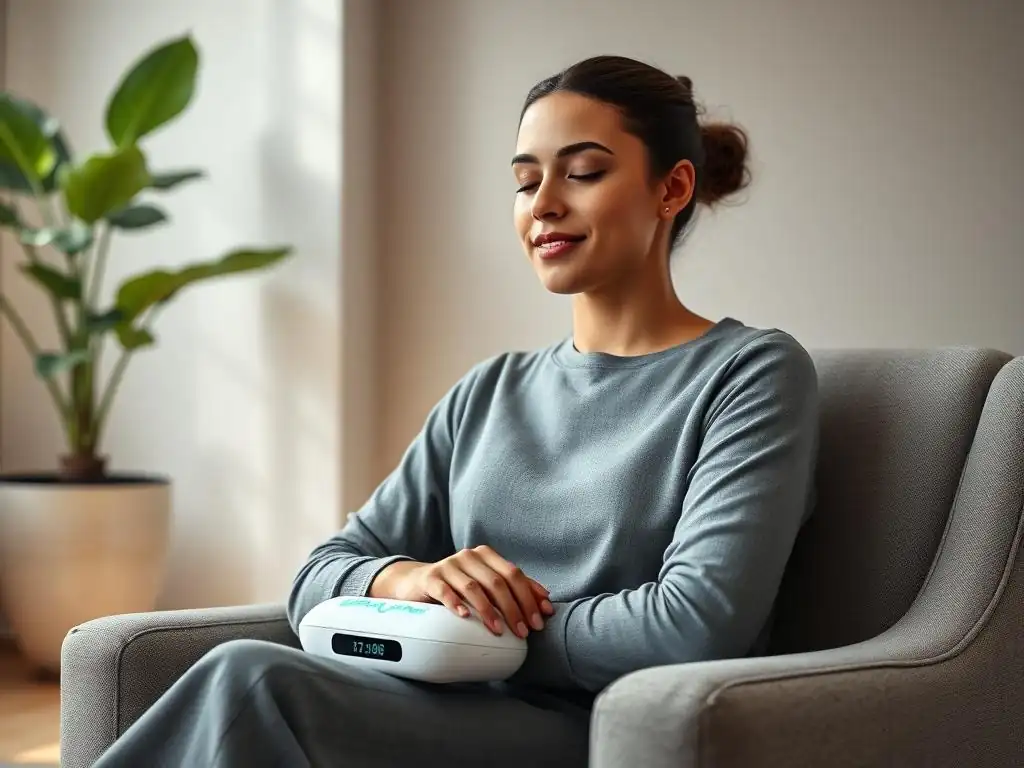
Pinpointing Your Anxiety Triggers with Home Biofeedback Devices
One of the significant benefits of using home biofeedback anxiety management techniques is their ability to help you identify specific situations, thoughts, or even physical sensations that trigger your anxiety response. Traditional methods might involve introspection or journaling, but biofeedback provides objective, physiological data in the moment. By using a device during situations where you typically feel anxious – perhaps before a presentation, during a stressful conversation, or even when thinking about a particular worry – you can observe how your body reacts in real-time.
For example, wearing an HRV monitor while preparing for a meeting might show a sudden drop in your heart rate variability the moment you think about public speaking. Or, a GSR sensor might spike when you receive an email from a particular person. This immediate feedback creates a clear, undeniable link between an external event or internal thought and your body's stress response, making it easier to pinpoint your true triggers rather than relying solely on subjective interpretation.
Understanding Personalized Stress Patterns Using Data-Driven Insights
Home biofeedback devices often come with software or apps that track your sessions over time, providing valuable data-driven insights into your personalized stress patterns. You can see graphs of your heart rate, HRV, brainwaves, or skin conductivity across different sessions and situations. This allows you to analyze trends – perhaps you consistently have lower HRV on busy Mondays, or your GSR levels are highest when you're dwelling on future uncertainties.
This data helps you move beyond a general sense of feeling anxious and understand the specific physiological signature of your anxiety. It can reveal that your stress response is particularly triggered by social interactions (shown by GSR spikes during calls) or that your cognitive anxiety manifests as specific brainwave patterns (seen in neurofeedback data). Understanding these unique patterns is crucial for developing targeted home biofeedback anxiety management techniques that address your specific needs rather than applying generic relaxation methods.
Case Study: Identifying Anxiety Triggers with a Biofeedback Device
Consider "Sarah," who struggled with generalized anxiety but couldn't pinpoint what made it worse on certain days. She started using an HRV biofeedback device as part of her home biofeedback anxiety management techniques. Initially, she just practiced paced breathing daily. However, she began wearing the device throughout her day during periods of heightened anxiety.
Her data revealed a consistent pattern: her HRV plummeted not only during obvious stressors like work deadlines but also unexpectedly when scrolling through social media and, more subtly, after drinking her second cup of coffee in the morning. This physiological feedback provided concrete evidence she hadn't fully recognized before.
Armed with this data, Sarah could implement targeted strategies: setting limits on social media time, switching to decaf after her first cup, and using her paced breathing technique specifically before engaging in activities she now knew were triggers. This data-driven approach helped her gain control by addressing the identified root causes.
Choosing the Right Home Biofeedback Device for Anxiety Management
Comparing Different Types of Home Biofeedback Systems
The market for home biofeedback anxiety management techniques devices has grown considerably, offering several types based on different physiological signals. The most common are Heart Rate Variability (HRV) monitors, Brainwave Biofeedback (Neurofeedback) systems (often using EEG headbands), and Galvanic Skin Response (GSR) sensors. Each type measures a different aspect of your body's stress response and offers unique benefits for anxiety management.
HRV monitors are generally the most accessible and easiest to use, focusing on the intricate connection between breathing, heart rate, and the autonomic nervous system. Neurofeedback systems require more setup and understanding but offer a direct approach to regulating brain activity patterns associated with anxiety. GSR sensors provide immediate feedback on physiological arousal levels linked to sympathetic nervous system activation. Choosing the right system depends on your specific anxiety symptoms, budget, and willingness to engage with the technology.
Heart Rate Variability (HRV) Monitors: Product A vs. Product B - Features and Benefits
HRV monitors vary in complexity and price. Entry-level devices might simply use a finger or ear clip sensor connected to a smartphone app, providing basic HRV readings and guided breathing exercises. Product A, a hypothetical entry-level model, might offer real-time HRV display and simple breath pacing guidance, suitable for beginners exploring home biofeedback anxiety management techniques for the first time. It might cost around $50-$150.
More advanced HRV systems, like a hypothetical Product B, could offer more sophisticated analysis, tracking trends over days or weeks, personalized training programs based on your baseline HRV, and compatibility with multiple devices. These might use chest straps or more sensitive finger sensors for greater accuracy. Product B could be priced in the $150-$300 range, offering deeper insights and more features for dedicated users seeking comprehensive home biofeedback anxiety management techniques.
EEG Headbands for Neurofeedback: Product C Review and User Experience
EEG headbands for home neurofeedback are typically more complex and expensive than HRV or GSR devices. They use dry or wet electrodes to measure electrical activity on the scalp. A hypothetical Product C, an EEG headband designed for home biofeedback anxiety management techniques, might focus on training alpha and beta wave regulation. The user experience often involves wearing the headband while interacting with a game or visual display on a computer or tablet.
User experience with Product C might involve an initial calibration phase to establish baseline brainwave patterns. Training sessions would then provide feedback encouraging specific brainwave states. Setup can be more involved than simpler devices, and consistent practice (often 20-30 minutes several times a week) is crucial for results. While potentially powerful for addressing the neural underpinnings of anxiety, the technology can be intimidating for some, and prices often range from $300 to over $1000.
GSR Sensors: Product D for Real-Time Stress Monitoring
GSR sensors for home use are generally simpler and more affordable than neurofeedback devices. They typically consist of two electrodes that the user holds or attaches to their fingers or palm. A hypothetical Product D might be a small, handheld device or a sensor that plugs into a smartphone. It provides real-time feedback, often a fluctuating line graph or an audio tone, that reflects changes in skin conductivity.
Using Product D for home biofeedback anxiety management techniques is straightforward: simply attach the sensors and observe the feedback while practicing relaxation techniques. The immediate visual or auditory response helps users understand just how quickly their body reacts to stressors and how effective their calming strategies are in the moment. These devices are excellent for building awareness of physical arousal linked to anxiety and are often priced between $50 and $200.
Key Features to Consider When Selecting a Biofeedback Device
Choosing the right home biofeedback anxiety management technique device requires careful consideration of several factors beyond just the type of biofeedback offered. The effectiveness and usability of the device will significantly impact your ability to integrate it into your routine and achieve results. Prioritizing features that align with your needs and comfort level with technology is essential.
Thinking about how you plan to use the device – whether for short, focused training sessions or passive monitoring throughout the day – will also influence which features are most important. Researching user reviews and understanding the level of support offered by the manufacturer can also be helpful steps in the selection process.
Accuracy and Reliability of Data
The foundation of effective biofeedback is accurate and reliable data. If the device provides inconsistent or incorrect measurements, you won't be able to learn to regulate your physiological responses effectively. Look for devices from reputable manufacturers with positive reviews regarding data consistency. For HRV, this might mean considering the sensor type (e.g., chest strap vs. finger clip) and its sensitivity. For neurofeedback, electrode quality and signal processing are crucial.
While professional-grade equipment used in clinics is often more precise, many home devices offer sufficient accuracy for personal training purposes. However, be wary of extremely low-cost devices that may compromise on sensor quality or software algorithms. Reading detailed product descriptions and, if possible, reviews that comment on data accuracy can help inform your decision when choosing a device for your home biofeedback anxiety management techniques.
Ease of Use and User-Friendly Interface
For home biofeedback anxiety management techniques to be sustainable, the device and its accompanying software or app must be easy to set up and use. A complicated setup process or a confusing interface can be a significant barrier to regular practice, especially when you're already dealing with anxiety. Look for devices with clear instructions, intuitive apps, and minimal hassle in getting started.
Features like wireless connectivity, comfortable sensors, and a clean, easy-to-navigate user interface are important. The feedback provided should be easy to understand – whether it's a simple graph, a game, or an audio tone. Devices that require minimal technical expertise allow you to focus your energy on the biofeedback training itself rather than struggling with the technology.
Affordability and Value for Money: Price Comparison
The cost of home biofeedback anxiety management techniques devices varies widely, from under $100 for basic GSR or HRV sensors to over $1000 for advanced neurofeedback systems. Consider your budget but also the value offered by the device. A slightly more expensive device with better accuracy, usability, and features might offer better long-term value and effectiveness than a cheaper one that is frustrating to use or provides unreliable data.
Compare the features offered at different price points. Does a more expensive HRV monitor offer significantly better data analysis or personalized programs? Is a mid-range neurofeedback device sufficient for your needs, or do you require the advanced capabilities of a premium system? Factor in any subscription costs for accompanying apps or software. Ultimately, the "best value" is the device that fits your budget while providing the features and reliability necessary for effective home biofeedback anxiety management techniques.
Implementing Home Biofeedback Techniques for Anxiety Relief: A Step-by-Step Guide
Setting Up Your Home Biofeedback System: A Quick Start Guide
Getting started with home biofeedback anxiety management techniques typically involves a few simple steps, though they vary depending on the device type. First, carefully read the manufacturer's instructions. This is crucial as each device has specific requirements for sensor placement and connection. For HRV or GSR devices, this might involve attaching finger clips or placing sensors on your palm. For neurofeedback, it involves placing the EEG headband correctly on your scalp.
Next, download and install the accompanying software or app on your smartphone, tablet, or computer. Follow the prompts to pair the device and create a user profile. Many apps will guide you through an initial calibration or baseline measurement session to understand your typical physiological responses. Ensure you are in a quiet, comfortable environment for this first session to get accurate baseline data before beginning your home biofeedback anxiety management techniques practice.
Mastering Breathing Techniques with HRV Biofeedback
HRV biofeedback is particularly effective when combined with paced breathing techniques. The device measures your heart rate variability and provides feedback as you breathe, helping you find your optimal resonant breathing frequency – the rate at which your heart rate and respiration synchronize most effectively, maximizing HRV. This rate is typically around 5-6 breaths per minute, significantly slower than our usual breathing.
By watching your HRV feedback (often a graph rising and falling with your breath), you can adjust your inhale and exhale pace and depth to achieve a smoother, higher HRV pattern. This visual feedback makes abstract breathing instructions concrete. Consistent practice helps train your body to naturally adopt this more relaxed breathing pattern, even when not using the device, making it a core component of effective home biofeedback anxiety management techniques.
Guided Breathing Exercises for Anxiety Reduction
Most HRV biofeedback apps include guided breathing exercises designed specifically for anxiety reduction. These guides often use visual cues, like an expanding and contracting circle, or audio tones to help you regulate your inhale and exhale timing. Some programs allow you to customize the pace and duration of the breaths to find what feels most comfortable and effective for you.
Practicing these guided exercises regularly, ideally for 10-20 minutes daily, helps strengthen the connection between your controlled breathing and a relaxed physiological state. The biofeedback confirms that your efforts are having the desired effect on your nervous system. This consistent training is vital for integrating home biofeedback anxiety management techniques into your stress response toolkit.
Neurofeedback Training for Calming Brainwaves
Neurofeedback training for anxiety involves learning to shift your brainwave patterns towards a state of calm focus. This typically means increasing Alpha waves (associated with relaxed alertness) and decreasing high Beta waves (associated with anxious rumination). The biofeedback device monitors your brain activity, and the accompanying software provides real-time feedback – perhaps a progress bar, a sound, or a visual on a screen – that rewards you when your brain produces the desired patterns.
The goal is to learn what it feels like to produce these calmer brainwave states. You're not consciously "telling" your brain to change; rather, through repeated exposure to the feedback loop, your brain learns to self-regulate and naturally spend more time in desirable patterns. This process requires consistency and patience, often showing noticeable results after several weeks of regular practice as part of your home biofeedback anxiety management techniques.
Personalized Neurofeedback Sessions
Many home neurofeedback systems allow for some level of personalization. Based on your initial baseline assessment, the training protocols can be adjusted to target specific brainwave frequencies or areas that are most relevant to your anxiety symptoms. For example, someone with racing thoughts might focus on reducing high Beta activity, while someone with social anxiety might target different patterns.
This personalized approach means the training is tailored to your unique brain activity, potentially making it more efficient and effective. Working through guided, personalized sessions helps reinforce the desired brain states, gradually building your brain's capacity for calmness and resilience. This tailored training is a key aspect of advanced home biofeedback anxiety management techniques using neurofeedback.
Integrating Biofeedback into Your Daily Routine for Long-Term Anxiety Management
Consistency is key to reaping the full benefits of home biofeedback anxiety management techniques. Aim to incorporate short, regular practice sessions into your daily routine rather than infrequent long ones. This could be 10-15 minutes in the morning, during a lunch break, or before bed. Find a quiet, comfortable space where you won't be interrupted.
Consider using your biofeedback device not just for dedicated training but also during potentially stressful situations you identified earlier. This "in the moment" practice helps you apply your learned self-regulation skills when you need them most. Tracking your progress through the device's app can also provide motivation and demonstrate the tangible impact of your efforts on your anxiety levels over time, solidifying home biofeedback anxiety management techniques as a regular part of your life.
Maximizing Results: Combining Home Biofeedback with Other Anxiety Management Strategies
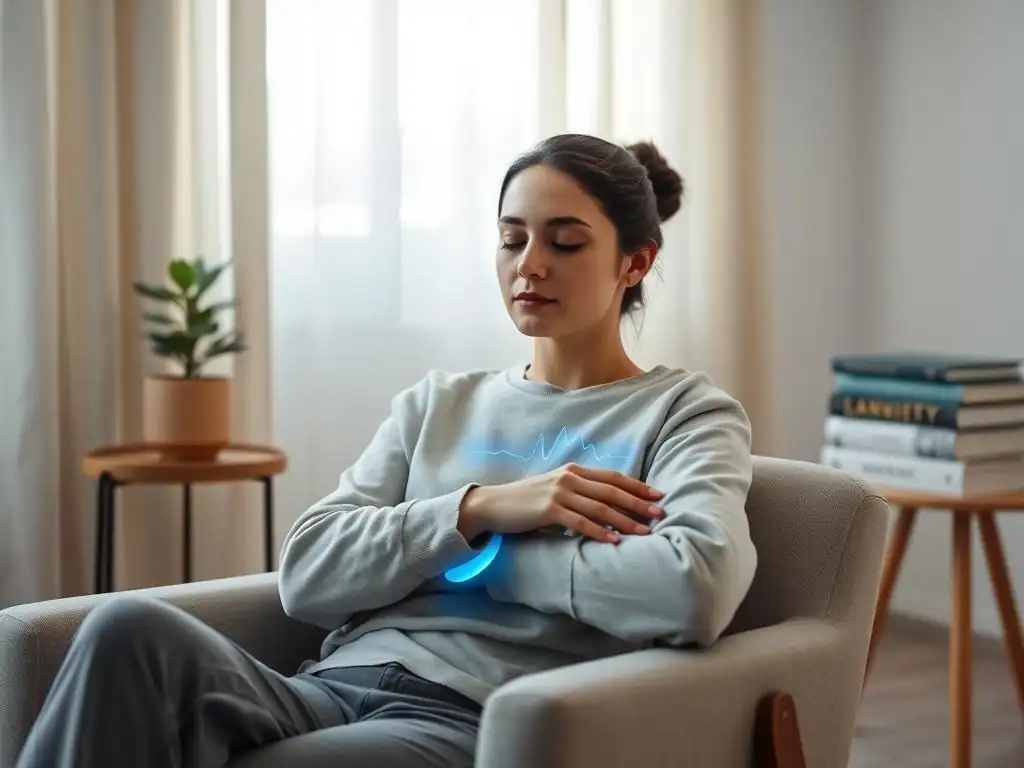
Integrating Biofeedback with Mindfulness Meditation
Combining home biofeedback anxiety management techniques with mindfulness meditation can create a powerful synergy. Mindfulness involves paying attention to the present moment without judgment, which naturally helps calm the nervous system. Biofeedback provides objective data on how mindful attention is affecting your body. For example, practicing mindfulness while using an HRV monitor allows you to see how focusing on your breath and body sensations improves your heart rate variability in real-time.
This combination enhances both practices. Biofeedback can make the often subtle effects of mindfulness tangible, providing motivation and immediate reinforcement. Mindfulness, in turn, can deepen your awareness of internal states, making you more attuned to the physiological changes that biofeedback highlights. Using these techniques together can lead to a more profound sense of calm and self-awareness, significantly boosting your home biofeedback anxiety management techniques.
Combining Biofeedback with Cognitive Behavioral Therapy (CBT)
Biofeedback can serve as a valuable adjunct to Cognitive Behavioral Therapy (CBT). CBT focuses on identifying and changing negative thought patterns and behaviors that contribute to anxiety. While CBT teaches you what to think or do differently, biofeedback shows you how these changes affect your body's stress response. For instance, if CBT helps you challenge a catastrophic thought, using a GSR sensor during this process can show you how effectively that reframing reduces your physiological arousal.
The objective data from biofeedback can also make CBT concepts more concrete. Seeing your heart rate calm down as you replace anxious thoughts with more balanced ones provides compelling evidence of the mind-body connection. This can strengthen your belief in the CBT techniques and motivate you to apply them more consistently. Integrating biofeedback enhances the practical application of home biofeedback anxiety management techniques learned in therapy.
The Role of Lifestyle Changes (Diet, Exercise, Sleep) in Enhancing Biofeedback Effectiveness
Effective home biofeedback anxiety management techniques are significantly enhanced by healthy lifestyle choices. Diet, regular exercise, and sufficient sleep all play critical roles in regulating the nervous system and reducing overall stress levels. For example, chronic sleep deprivation or a diet high in sugar and caffeine can negatively impact HRV and increase physiological arousal, making it harder to achieve a relaxed state during biofeedback training.
Conversely, consistent exercise, a balanced diet, and prioritizing sleep create a more stable physiological baseline. This makes your body more responsive to biofeedback training and helps maintain the benefits gained during sessions. Think of lifestyle changes as preparing your body to learn and benefit from the self-regulation skills taught by biofeedback. Integrating these elements creates a holistic approach to home biofeedback anxiety management techniques.
Troubleshooting Common Issues with Home Biofeedback for Anxiety
Data Inaccuracies: Identifying and Resolving Measurement Errors
One common issue with home biofeedback anxiety management techniques devices is potential data inaccuracy. This can stem from various factors, such as poor sensor contact, movement artifacts, or interference from other electronic devices. If your readings seem erratic or inconsistent with how you feel, check the sensor placement first. Ensure electrodes or clips have good contact with the skin as instructed by the manufacturer.
Excessive movement during a session can also disrupt readings, particularly with sensitive sensors like those used in neurofeedback. Try to remain relatively still during training. Environmental factors, like strong electromagnetic fields, can sometimes cause interference, though this is less common with modern home devices. If you suspect persistent inaccuracies, consult the device's troubleshooting guide or contact customer support. Understanding the potential sources of error helps ensure you're getting reliable data for your home biofeedback anxiety management techniques.
Motivation and Consistency: Staying Engaged with Your Biofeedback Practice
Maintaining motivation and consistency is crucial for success with home biofeedback anxiety management techniques, but it can be challenging. Progress may feel slow initially, and integrating sessions into a busy schedule requires discipline. To stay engaged, set realistic goals for practice time (even 10 minutes daily is beneficial) and schedule it like any other important appointment.
Varying your practice sessions can also help. Use the device during different activities or try different guided exercises offered by the app. Track your progress over time to see how your baseline physiological responses are changing – seeing tangible improvements can be a powerful motivator. Consider finding an online community of other biofeedback users for support and shared experiences. Remember that consistency, even in short bursts, is more effective than infrequent long sessions for mastering home biofeedback anxiety management techniques.
When to Seek Professional Help: Recognizing the Limits of Home Biofeedback
While home biofeedback anxiety management techniques are a powerful tool for self-regulation and reducing anxiety symptoms, they are not a substitute for professional medical or psychological care. Home biofeedback is most effective as a complementary strategy, not a standalone cure for severe anxiety disorders. If your anxiety is debilitating, interfering significantly with your daily life, or accompanied by symptoms of depression or panic attacks, it is essential to consult a qualified mental health professional or physician.
Home biofeedback can be used in conjunction with therapy or medication, but it should not delay seeking help for serious conditions. A therapist or doctor can provide a proper diagnosis, recommend appropriate treatment plans, and advise on how biofeedback can best fit into your overall care strategy. Recognizing the limits of home biofeedback anxiety management techniques and knowing when to seek professional guidance is a critical aspect of responsible mental health management.
The Future of Home Biofeedback for Mental Wellness
Emerging Technologies in Biofeedback
The field of home biofeedback anxiety management techniques is continuously evolving with advancements in technology. Emerging trends include the integration of biofeedback with virtual reality (VR) environments, creating immersive experiences that combine physiological feedback with calming visual and auditory stimuli. Imagine practicing paced breathing in a serene virtual forest where the environment responds directly to your HRV.
Wearable technology is also becoming more sophisticated, with increasingly discreet and comfortable sensors built into clothing or accessories that passively monitor physiological signals throughout the day. Artificial intelligence (AI) is being used to analyze biofeedback data, providing more personalized insights, adaptive training protocols, and predictive analysis of stress patterns. These innovations promise to make home biofeedback anxiety management techniques even more accessible, engaging, and effective in the coming years.
The Growing Trend of Personalized Mental Healthcare
There is a significant shift towards personalized approaches in mental healthcare, moving away from one-size-fits-all treatments. Home biofeedback anxiety management techniques fit perfectly into this trend by providing individuals with data about their unique physiological responses to stress and anxiety. This personalized data allows users to understand their specific triggers and patterns and tailor their relaxation and regulation practices accordingly.
As biofeedback technology becomes more integrated with other health monitoring devices and AI analysis, it will enable even more granular personalization. Future systems might analyze your daily stress data, sleep patterns, and even genetic predispositions to recommend specific biofeedback protocols and lifestyle adjustments optimized for your individual needs. This focus on personalized data empowers individuals to take a more active and informed role in managing their mental wellness.
Conclusion: Embracing Home Biofeedback for a Calmer, More Resilient You
Beyond traditional methods like breathing exercises alone, home biofeedback anxiety management techniques offer a powerful, data-driven approach to understanding and managing anxiety. By providing real-time feedback on physiological signals like heart rate variability, brainwaves, and skin conductivity, biofeedback empowers you to see the direct impact of your thoughts and actions on your body's stress response. This awareness is the first step towards conscious self-regulation.
Whether you choose an HRV monitor, a neurofeedback system, or a GSR sensor, integrating biofeedback into your routine provides a tangible way to practice calming techniques and build resilience. Combined with other strategies like mindfulness, CBT principles, and healthy lifestyle choices, home biofeedback anxiety management techniques offer a comprehensive path towards reducing anxiety symptoms and cultivating a greater sense of control over your well-being. Embracing this technology can be a transformative step towards a calmer, more resilient you.
Frequently Asked Questions
What exactly is home biofeedback and how does it help with anxiety?
Home biofeedback involves using portable devices to monitor your physiological responses like heart rate or skin conductance. This allows you to learn to control these responses through relaxation techniques, thus reducing anxiety.
What are some common types of home biofeedback devices available for anxiety management?
Common devices include heart rate variability (HRV) monitors, electrodermal activity (EDA) sensors, and portable EEG devices. These tools provide real-time feedback on your body's stress response.
How effective are home biofeedback techniques compared to traditional anxiety treatments?
Home biofeedback can be quite effective, especially when combined with traditional therapies like Cognitive Behavioral Therapy (CBT). It empowers individuals to take an active role in managing their anxiety.
Is home biofeedback safe, and are there any potential side effects I should be aware of?
Home biofeedback is generally considered safe, but it's crucial to follow instructions carefully. Rarely, some individuals may experience temporary feelings of increased anxiety initially.
How do I choose the right home biofeedback device and learn to use it effectively for anxiety?
Consider your specific anxiety triggers and research devices that monitor relevant physiological responses. Look for devices with user-friendly interfaces and consider consulting a mental health professional for guidance.
Final Reflection: Breathing Easier, Living Better
The accessibility of home biofeedback devices is revolutionizing anxiety management, offering a powerful, personalized approach to a pervasive modern challenge. No longer confined to clinical settings, these tools empower individuals to take control of their mental and physical well-being, fostering a sense of agency in managing their anxiety. This shift towards proactive, self-directed care is crucial in a world increasingly demanding emotional resilience.
The impact of readily available biofeedback on our collective understanding of anxiety is profound. It's moving us beyond the simplistic "breathe in, breathe out" advice and into a deeper understanding of the intricate physiological responses underpinning anxiety. This shift allows for more targeted interventions, fostering a more nuanced and compassionate approach to mental health. The body keeps the score,
as Bessel van der Kolk so eloquently puts it, and biofeedback helps us learn to read and rewrite that score. This personal journey of self-discovery and mastery is both empowering and deeply healing.
Consider the potential within your grasp. You now have the knowledge and the tools to actively participate in your own anxiety management. Explore the possibilities of home biofeedback; experiment with different techniques, find what resonates with you, and build a personalized toolkit for navigating the inevitable challenges of life. Embrace the journey of self-awareness and empowerment – your mental well-being is worth the investment.
Unlock Your Inner Calm: Take Control of Your Anxiety Today!
Thanks for taking the time to explore the power of home biofeedback for anxiety management! We hope you discovered valuable insights into how this technology can transform your wellbeing. Now it's time to turn knowledge into action.
- Begin your personalized anxiety journey: Explore different biofeedback techniques mentioned in the article and consider which resonates most with you. Start small—even a few minutes of daily practice can make a significant difference.
- Share your experience: Connect with others in our Mind Care Guide community (imagined community for this example) and share your thoughts, questions, or even success stories about using biofeedback. Inspiring others can be incredibly rewarding!
- Dive Deeper: Research local biofeedback practitioners or online resources to further expand your understanding and explore different approaches.
Ready to embrace a calmer, more centered you? What's the first step you'll take to integrate biofeedback into your daily routine?