
Mental Health for Indigenous Peoples: Honouring Traditional Healing Practices

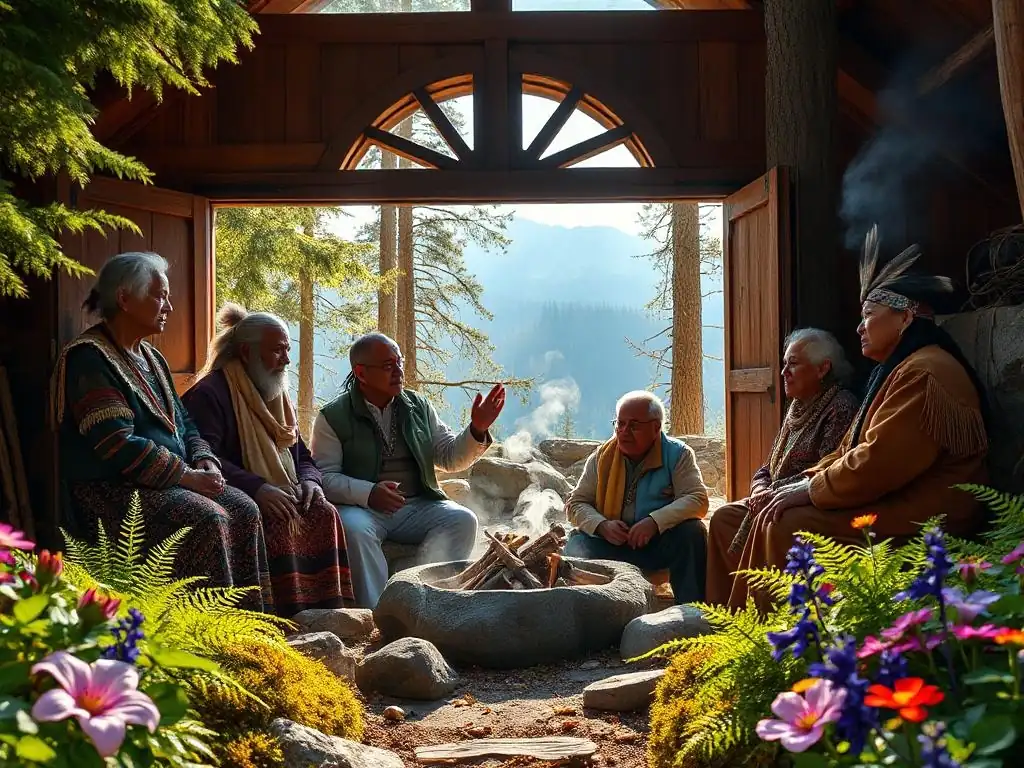
Welcome to Mind Care Guide, a space dedicated to nurturing your mental well-being. We understand that navigating mental health challenges can feel overwhelming, and we're here to offer guidance and support. Are you searching for culturally relevant resources that truly resonate with your heritage? This article delves into essential Indigenous mental health support resources, honouring traditional healing practices and providing pathways to wellness. Curious to learn more about how these resources can empower you or someone you know? Let's begin this journey of healing and understanding together.
- Mental Health for Indigenous Peoples: Honouring Traditional Healing Practices
- Understanding the Unique Mental Health Challenges Faced by Indigenous Communities
- The Importance of Culturally Sensitive Mental Health Care for Indigenous Peoples
- Honouring Traditional Healing Practices in Indigenous Mental Health Support
- Indigenous Mental Health Support Resources: A Comprehensive Guide
- Incorporating Indigenous Perspectives into Mental Health Treatment Plans
- Overcoming Barriers to Accessing Mental Health Care for Indigenous Peoples
- Case Studies: Success Stories of Indigenous Mental Health and Healing
- The Future of Indigenous Mental Health: Promoting Resilience and Well-being
- Finding Indigenous Mental Health Support Resources Near You
-
Frequently Asked Questions
- What are some unique challenges faced by Indigenous peoples regarding mental health?
- How can traditional healing practices contribute to mental health support for Indigenous communities?
- Where can I find Indigenous-led mental health support resources?
- How can non-Indigenous individuals become allies in supporting Indigenous mental health?
- What is the importance of cultural competency in mental health care for Indigenous peoples?
- Final Reflection: Weaving Strength from the Past, Healing for the Future
- Uncover Your Strength: Embrace Indigenous Wellness
Mental Health for Indigenous Peoples: Honouring Traditional Healing Practices
Mental well-being is a fundamental aspect of overall health, yet access to appropriate and effective care remains a significant challenge for many populations, including Indigenous peoples. This article explores the unique mental health landscape within Indigenous communities, highlighting the impact of historical and ongoing adversity while emphasizing the vital role of traditional healing practices and culturally sensitive support. Understanding these complexities is crucial for developing effective Indigenous mental health support resources.
Understanding the Unique Mental Health Challenges Faced by Indigenous Communities
Indigenous communities across the globe carry a heavy burden of historical and ongoing trauma, which profoundly impacts their mental health. This is compounded by systemic inequities and cultural disruption, creating a complex web of challenges. Addressing these issues requires a deep understanding of their roots and manifestations.
Historical Trauma and its Impact on Indigenous Well-being
Historical trauma refers to the cumulative emotional and psychological wounding over the lifespan and across generations, emanating from massive group trauma experiences. For Indigenous peoples in North America, this includes experiences like forced removal from ancestral lands, the residential school system (in Canada) or boarding schools (in the United States), forced assimilation policies, and the intergenerational effects of violence and loss.
The residential school system, for instance, operated for over a century, with the last one closing in the late 1990s in Canada. Survivors and their descendants continue to grapple with the trauma of abuse, neglect, and cultural stripping that occurred within these institutions.
This trauma manifests in various ways, including higher rates of post-traumatic stress disorder (PTSD), depression, anxiety, substance use disorders, and suicide compared to non-Indigenous populations. Studies have shown that individuals whose parents or grandparents attended residential schools often exhibit similar trauma responses, even if they did not attend themselves, illustrating the intergenerational transmission of trauma. The ongoing impact necessitates trauma-informed approaches and culturally relevant Indigenous mental health support resources.
Socioeconomic Disparities and Mental Health Outcomes in Indigenous Populations
Significant socioeconomic disparities further exacerbate mental health challenges in Indigenous communities. These disparities stem from historical injustices and ongoing systemic issues. Indigenous peoples often face higher rates of poverty, unemployment, inadequate housing, food insecurity, and limited access to quality education and healthcare services.
For example, data consistently shows lower average incomes and higher unemployment rates on many reservations and in remote Indigenous communities compared to national averages. These factors create chronic stress and instability, which are known risk factors for various mental health conditions. Lack of access to clean water, overcrowded housing, and limited infrastructure in some communities also contribute to poor physical and mental health outcomes. Addressing these fundamental socioeconomic determinants is a critical component of improving mental well-being and ensuring effective Indigenous mental health support resources are accessible and impactful.
Cultural Loss and its Connection to Mental Health in Indigenous Communities
The deliberate suppression of Indigenous cultures, languages, and spiritual practices has had a devastating impact on collective and individual mental health. Cultural identity is a protective factor, providing a sense of belonging, purpose, and resilience. The loss of language means the loss of traditional knowledge, ways of understanding the world, and connections to elders and ancestors.
When cultural practices are disrupted or forbidden, traditional coping mechanisms and healing rituals are also lost or weakened. This leaves individuals and communities more vulnerable to mental health crises without readily available, familiar, and culturally relevant sources of strength and healing. Efforts to revitalize languages, cultural practices, and traditional governance structures are increasingly recognized as essential components of promoting healing and well-being, acting as informal but powerful Indigenous mental health support resources.
The Importance of Culturally Sensitive Mental Health Care for Indigenous Peoples
Western-based mental health models, while effective for some, often fall short when applied without adaptation to Indigenous contexts. Cultural sensitivity is not merely a matter of politeness; it is fundamental to effective treatment and building trust. Recognizing and respecting Indigenous worldviews, beliefs, and healing practices is paramount.
Why Standard Mental Health Approaches May Not Be Effective for Indigenous Individuals
Standard Western mental health approaches often focus on individualistic therapy models, which may conflict with Indigenous worldviews that emphasize collective well-being, community, and connection to the land and spirits. The linear, time-bound nature of typical therapy sessions may also not align with Indigenous concepts of time and healing, which can be more fluid and cyclical.
Furthermore, the diagnostic categories used in Western psychiatry may not accurately capture the experiences of Indigenous peoples, particularly those related to historical trauma, cultural grief, or spiritual distress. A lack of understanding among clinicians regarding Indigenous history, cultural practices, and community dynamics can lead to misdiagnosis, ineffective treatment, and further mistrust in healthcare systems. This underscores the need for culturally informed Indigenous mental health support resources.
The Need for Culturally Adapted Mental Health Services
Culturally adapted mental health services are essential to address the unique needs and contexts of Indigenous populations. This involves modifying existing therapeutic approaches or developing new ones that incorporate Indigenous cultural values, beliefs, communication styles, and healing practices. Adaptation might include involving family and community in therapy, utilizing storytelling, incorporating traditional ceremonies, or conducting sessions in natural settings.
Successful programs often employ Indigenous therapists or integrate traditional healers into the care team, ensuring that the therapeutic process resonates with clients' cultural backgrounds. Training non-Indigenous mental health professionals in cultural competency and humility is also critical, equipping them with the knowledge and skills to provide respectful and effective care. The development and accessibility of such services are vital Indigenous mental health support resources.
Bridging the Gap: Integrating Indigenous Knowledge and Western Mental Health Practices
The most promising path forward involves integrating the strengths of both Indigenous knowledge and Western mental health practices. This is not about replacing one with the other, but about creating a synergistic approach that honors both systems. Indigenous knowledge offers profound insights into holistic well-being, the interconnectedness of mind, body, spirit, and community, and time-tested healing methods.
Integrating these perspectives means collaborating with Indigenous communities to co-design services, ensuring that traditional healers and elders are respected partners in care, and validating Indigenous ways of knowing and healing within clinical settings. For instance, a treatment plan for trauma might include both talk therapy and participation in a healing ceremony or connection to land-based activities. This integrated approach builds trust, improves engagement, and leads to more effective and sustainable healing outcomes, representing a key component of comprehensive Indigenous mental health support resources.
Honouring Traditional Healing Practices in Indigenous Mental Health Support
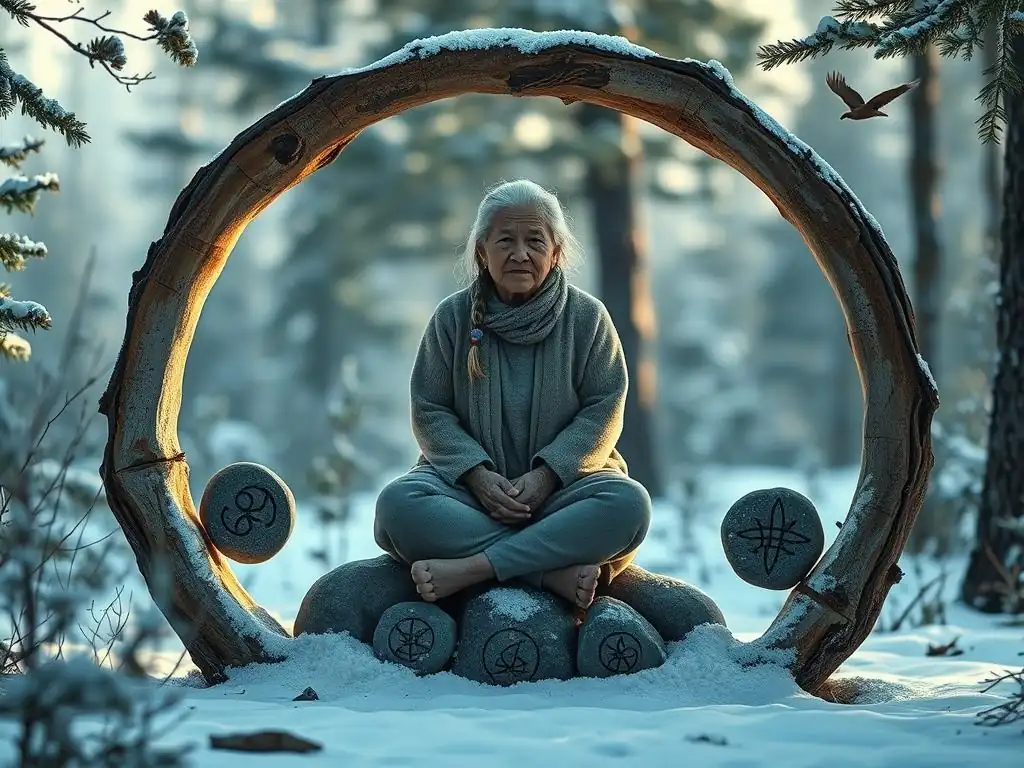
Traditional healing practices are not merely historical relics; they are vibrant, living systems of knowledge and wellness that have sustained Indigenous peoples for millennia. Integrating and honouring these practices is fundamental to culturally appropriate mental health support. They offer holistic pathways to healing that address the spiritual, emotional, physical, and social dimensions of well-being.
The Role of Elders and Traditional Healers in Mental Well-being
Elders and traditional healers hold immense wisdom and authority within Indigenous communities. They are keepers of cultural knowledge, history, and healing practices. Their role in mental well-being extends beyond addressing specific ailments; they provide guidance, spiritual support, conflict resolution, and cultural mentorship, fostering resilience and connection to identity.
Consulting with an elder or healer might involve seeking advice, participating in a talking circle, receiving spiritual counsel, or engaging in traditional healing ceremonies. Their approaches often focus on restoring balance and harmony within the individual, family, community, and the natural world. Recognizing and supporting the role of these cultural knowledge keepers is crucial for developing effective Indigenous mental health support resources that resonate deeply with community members.
Traditional Ceremonies and their Therapeutic Benefits for Mental Health
Traditional ceremonies are powerful communal rituals that serve various purposes, including healing, purification, spiritual connection, and reinforcing cultural identity. Examples include sweat lodge ceremonies, vision quests, potlatches, powwows, and specific healing rituals unique to different nations. These ceremonies often involve prayer, song, dance, drumming, and the use of sacred items like tobacco, sage, cedar, and sweetgrass.
Participation in ceremonies can provide profound therapeutic benefits, including a sense of belonging, connection to ancestors and community, emotional release, spiritual renewal, and a reaffirmation of cultural values. They offer a safe space for collective grieving, healing from trauma, and strengthening individual and community resilience. Integrating access to or support for participation in these ceremonies is a vital aspect of holistic Indigenous mental health support resources.
The Significance of Connection to Land and Nature in Indigenous Healing Practices
Connection to the land (Aki in Ojibwe, ʔəms kʷənmínəm in Halkomelem, etc.) is a central tenet of Indigenous worldviews and is deeply intertwined with mental and spiritual well-being. The land is seen as a source of life, knowledge, identity, and healing. Spending time on the land, engaging in traditional activities like hunting, fishing, gathering plants, or simply being in nature, can be incredibly therapeutic.
Land-based healing programs are increasingly recognized for their effectiveness in addressing trauma, addiction, and other mental health challenges. These programs often combine traditional ecological knowledge with therapeutic activities, fostering a sense of peace, grounding, and connection. Restoring access to traditional territories and supporting land-based initiatives are critical components of promoting healing and providing meaningful Indigenous mental health support resources.
Indigenous Mental Health Support Resources: A Comprehensive Guide
Finding appropriate and culturally sensitive mental health support can be challenging. Fortunately, a growing number of organizations and initiatives are dedicated to providing tailored Indigenous mental health support resources. These resources range from national helplines to community-based services and specialized treatment centers.
Identifying and Accessing Culturally Appropriate Mental Health Services
Identifying culturally appropriate services involves looking for providers or organizations that have a demonstrated understanding of Indigenous cultures, history, and trauma. This might include services led by Indigenous professionals, those that integrate traditional healing practices, or programs specifically designed for Indigenous populations. It is important to ask questions about a service's approach to cultural sensitivity and how they incorporate Indigenous perspectives.
Accessing these services can sometimes be difficult due to geographical isolation, transportation issues, lack of awareness, or systemic barriers within healthcare systems. Advocacy and community outreach play a crucial role in connecting individuals with the resources they need. Many urban centers and reservation communities now offer specific Indigenous-focused health and mental wellness programs.
Native American Rehabilitation Association (NARA) Northwest
NARA Northwest, based in Portland, Oregon, is a prominent example of an organization providing comprehensive health and mental health services to Native Americans, Alaska Natives, and other vulnerable populations. Founded in 1974, NARA offers a range of services including primary health care, dental care, mental health counseling, and substance use disorder treatment.
Their approach is deeply rooted in cultural sensitivity, incorporating traditional healing practices and cultural activities alongside Western medical and behavioral health treatments. They provide a safe and welcoming environment that respects Indigenous identities and experiences. Organizations like NARA Northwest are vital Indigenous mental health support resources for urban Indigenous populations.
StrongHearts Native Helpline
StrongHearts Native Helpline is a confidential and anonymous helpline specifically designed for Native Americans and Alaska Natives affected by domestic and dating violence. While primarily focused on domestic violence, their services are intrinsically linked to mental health support, as violence is a significant driver of trauma, depression, anxiety, and PTSD.
The helpline, available at 1-844-7NATIVE (762-8483), is staffed by advocates who are knowledgeable about tribal cultures, histories, and sovereignty. They provide support, safety planning, and referrals to culturally relevant resources. StrongHearts is a crucial crisis intervention and referral point, acting as a vital element within the broader landscape of Indigenous mental health support resources.
Incorporating Indigenous Perspectives into Mental Health Treatment Plans
Effective mental health treatment for Indigenous individuals requires a paradigm shift from imposing external models to collaboratively building care plans that honour Indigenous perspectives, values, and strengths. This involves active partnership and mutual respect.
Collaborative Approaches to Mental Health Care: Working with Indigenous Communities
True culturally sensitive care is developed with Indigenous communities, not just for them. This means engaging community leaders, elders, healers, and members in the design and implementation of mental health programs and services. Collaborative approaches ensure that services are relevant, accessible, and trusted.
Partnerships between healthcare providers and tribal health departments or community organizations are essential. This can involve joint planning sessions, sharing resources, co-locating services, or developing culturally specific training for staff. Such collaboration fosters a sense of ownership and empowerment within the community, making Indigenous mental health support resources more effective and sustainable.
Respecting Indigenous Values and Beliefs in Mental Health Interventions
Respecting Indigenous values and beliefs is fundamental to building trust and therapeutic alliance. This includes understanding the importance of family and community, respecting traditional spirituality (which may differ significantly from Western religious concepts), acknowledging the impact of historical trauma without perpetuating blame, and honouring Indigenous protocols and ways of communicating.
For example, some Indigenous individuals may prefer to have family members present during counseling sessions, or may feel more comfortable sharing their experiences through storytelling or metaphors rather than direct questioning. Clinicians must be flexible, patient, and willing to learn from their clients and the community. Integrating these values into practice makes Indigenous mental health support resources truly responsive.
Empowering Indigenous Individuals to Take Control of Their Mental Health Journey
Empowerment is key to healing. This involves supporting Indigenous individuals in reclaiming their agency and self-determination in their mental health journey. It means providing them with information, options, and support to make informed decisions about their care, whether that involves Western therapy, traditional healing, or a combination of both.
Empowerment is also fostered by supporting cultural connection, language revitalization, and participation in community life. When individuals feel strong in their identity and connected to their culture and community, they build resilience and develop effective coping strategies. Providing accessible and culturally affirming Indigenous mental health support resources is an act of empowerment.
Overcoming Barriers to Accessing Mental Health Care for Indigenous Peoples
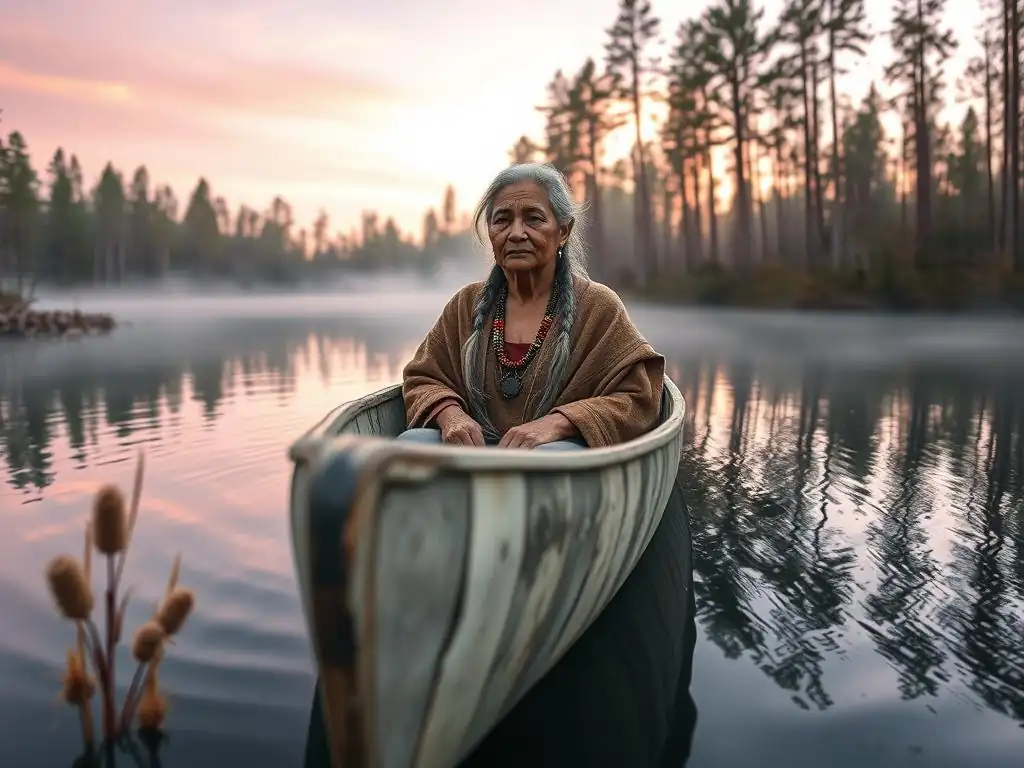
Despite the growing recognition of the need for culturally sensitive care, numerous barriers prevent Indigenous peoples from accessing the mental health support resources they need. Addressing these systemic and practical obstacles is critical.
Addressing Stigma and Discrimination within Healthcare Systems
Stigma surrounding mental illness exists in many societies, but Indigenous peoples often face additional layers of stigma related to historical stereotypes, discrimination within healthcare settings, and shame associated with seeking help outside of traditional community structures. Experiences of racism and cultural insensitivity from healthcare providers can be significant deterrents to seeking care.
Addressing this requires comprehensive cultural competency and anti-racism training for all healthcare staff, from administrative personnel to clinicians. Creating safe spaces where Indigenous clients feel respected, heard, and understood is paramount. Public awareness campaigns within Indigenous communities can also help reduce internal stigma associated with mental health challenges and seeking support.
Improving Access to Mental Health Services in Remote and Rural Indigenous Communities
Many Indigenous communities are located in remote or rural areas with limited infrastructure and healthcare services. Accessing a mental health professional might require traveling long distances, which is often impractical or unaffordable. There is a significant shortage of mental health providers willing or able to work in these underserved areas.
Telehealth and mobile mental health units are potential solutions, but require reliable internet access and appropriate technology, which are not always available. Investing in training and supporting community-based mental health workers, including traditional healers, who live within the community can significantly improve access to Indigenous mental health support resources where they are needed most.
Advocating for Policy Changes to Support Indigenous Mental Health
Systemic change is necessary to address the root causes of disparities in mental health care access. This involves advocating for policy changes at local, regional, and national levels to ensure equitable funding for Indigenous health services, support culturally specific programs, and address the social determinants of health.
Policy changes can include increasing funding for tribal health organizations, supporting the training and recruitment of Indigenous mental health professionals, protecting traditional lands and practices, and implementing the recommendations of inquiries into historical injustices, such as the Truth and Reconciliation Commission of Canada or similar efforts in other nations. Sustainable access to effective Indigenous mental health support resources depends heavily on supportive policy environments.
Case Studies: Success Stories of Indigenous Mental Health and Healing
While challenges persist, there are numerous inspiring examples of Indigenous-led initiatives that are successfully promoting healing and well-being by centering cultural practices and community strengths. These case studies offer valuable lessons for developing effective Indigenous mental health support resources.
Restoring Cultural Identity Through Language Revitalization Programs
Language is a carrier of culture, identity, and traditional knowledge, including concepts of health and healing. Language revitalization programs, such as immersion schools or community language classes, have demonstrated positive impacts on mental health. Learning and speaking one's ancestral language can strengthen cultural identity, connect individuals with elders and community members, and provide a sense of pride and belonging.
For instance, a program in British Columbia focused on revitalizing a specific First Nations language reported increased self-esteem, reduced feelings of isolation, and improved intergenerational communication among participants. The act of reclaiming language is an act of resistance against historical trauma and a powerful pathway to healing, serving as an indirect but significant Indigenous mental health support resource.
Community-Based Trauma Healing Initiatives
Many Indigenous communities are developing their own trauma-informed healing initiatives that are rooted in their specific cultural traditions. These programs often involve elders, healers, and community members in facilitating group sessions, ceremonies, land-based activities, and cultural teachings. They focus on collective healing and restoring community well-being, not just individual recovery.
An example might be a healing camp held on traditional territory, where participants engage in traditional practices, share stories in a safe space, and learn coping strategies grounded in their culture. These initiatives build on community strengths and traditional resilience, offering powerful models for culturally appropriate Indigenous mental health support resources that are responsive to local needs and contexts.
The Future of Indigenous Mental Health: Promoting Resilience and Well-being
The path forward for Indigenous mental health lies in continuing to strengthen cultural foundations, investing in Indigenous-led solutions, and fostering genuine partnerships. The focus is shifting from merely addressing illness to actively promoting holistic well-being and resilience.
Strengthening Indigenous Cultural Identity and Pride
Nurturing strong cultural identity and pride is one of the most powerful protective factors for mental health among Indigenous peoples. This involves supporting cultural education, language preservation, traditional arts, ceremonies, and intergenerational knowledge transfer. When individuals and communities are grounded in their culture, they are better equipped to navigate challenges and resist the negative impacts of historical trauma and discrimination.
Investing in cultural centers, language nests, youth mentorship programs led by elders, and community celebrations all contribute to strengthening cultural identity. These efforts build resilience from within and are foundational to effective Indigenous mental health support resources.
Investing in Indigenous-Led Mental Health Initiatives
Indigenous communities know best what they need to heal and thrive. Therefore, sustained and equitable funding for Indigenous-led mental health initiatives is crucial. This means supporting programs designed, delivered, and evaluated by Indigenous people, reflecting their unique cultural contexts and priorities.
Indigenous-led initiatives are more likely to be trusted, accessible, and effective because they are grounded in community values and traditional healing knowledge. Investing in these initiatives empowers communities to take control of their own health and well-being agendas. This is essential for building a robust network of Indigenous mental health support resources.
Fostering Collaboration Between Indigenous Communities and Mental Health Professionals
Building respectful and equitable partnerships between Indigenous communities and both Indigenous and non-Indigenous mental health professionals is key to creating a comprehensive system of care. This involves ongoing dialogue, mutual learning, and a commitment to working together to meet the needs of Indigenous individuals and families.
Collaboration should focus on culturally safe practice, integrating traditional healing with clinical care where appropriate, and addressing systemic barriers to access. By working together, drawing on the strengths of both Indigenous wisdom and clinical expertise, it is possible to create a future where all Indigenous peoples have access to the mental health support resources they need to heal and flourish.
Finding Indigenous Mental Health Support Resources Near You
Accessing appropriate care begins with knowing where to look. Several national and regional organizations are dedicated to serving the health and mental health needs of Indigenous populations.
National Indian Health Board (NIHB)
The National Indian Health Board (NIHB) is a non-profit organization that advocates on behalf of tribal governments for the provision of quality health care to all American Indians and Alaska Natives. While not a direct service provider, NIHB offers valuable information, policy updates, and resources related to Indigenous health, including mental health.
Their website and publications often contain directories or information about tribal health departments and urban Indian health programs that provide mental health services. Consulting NIHB resources can be a helpful step in identifying potential Indigenous mental health support resources and understanding the broader policy landscape affecting Indigenous health.
Indian Health Service (IHS)
The Indian Health Service (IHS) is an agency within the U.S. Department of Health and Human Services responsible for providing federal health services to American Indians and Alaska Natives. IHS operates hospitals, clinics, and health stations on reservations and in some urban areas. Mental health and substance use disorder services are part of the comprehensive care they aim to provide.
While services vary by location and demand often exceeds capacity, IHS facilities are a primary source of healthcare, including mental health support resources, for many Indigenous individuals living on or near reservations. Individuals eligible for IHS services can contact their local IHS facility or tribal health department to inquire about available mental health programs and referrals.
Frequently Asked Questions
What are some unique challenges faced by Indigenous peoples regarding mental health?
Indigenous peoples often experience higher rates of mental health issues due to historical trauma, cultural loss, and systemic discrimination. These factors contribute to significant disparities in access to care and overall well-being.
How can traditional healing practices contribute to mental health support for Indigenous communities?
Traditional healing practices offer a culturally relevant approach to mental health, incorporating ceremonies, storytelling, and connection to nature. These methods can complement Western treatments and provide holistic healing.
Where can I find Indigenous-led mental health support resources?
Many organizations offer culturally sensitive mental health services for Indigenous peoples. Look for tribal health programs, urban Indian health centers, and national Indigenous mental health organizations.
How can non-Indigenous individuals become allies in supporting Indigenous mental health?
Allyship involves listening to and amplifying Indigenous voices, supporting Indigenous-led initiatives, and advocating for systemic change to address inequities. Education and cultural sensitivity are crucial.
What is the importance of cultural competency in mental health care for Indigenous peoples?
Cultural competency ensures that mental health professionals understand and respect Indigenous cultures, beliefs, and values. This leads to more effective and culturally appropriate treatment, fostering trust and healing.
Final Reflection: Weaving Strength from the Past, Healing for the Future
The crisis of mental health within Indigenous communities is not merely a statistic; it's a devastating erosion of cultural strength and a profound injustice demanding immediate action. This article has explored the devastating impact of historical trauma and systemic inequities on the mental well-being of Indigenous peoples, while simultaneously highlighting the resilience and power inherent in traditional healing practices. The urgent need for culturally appropriate support systems, readily accessible and deeply respectful of Indigenous knowledge, remains paramount.
The ongoing struggle for mental health equity within Indigenous communities underscores the vital importance of reclaiming and revitalizing traditional healing methods. These practices, passed down through generations, offer a profound connection to identity, spirituality, and community—elements crucial for healing and well-being. They are not simply alternative therapies; they are the foundation upon which holistic healing can be built. We must honor the wisdom of our ancestors and integrate traditional healing practices into modern healthcare systems to achieve true healing and reconciliation.
This quote encapsulates the core message of this article: that true progress requires a collaborative approach, valuing both ancient wisdom and contemporary resources.
You, the reader, are now equipped with a deeper understanding of the challenges and opportunities surrounding Indigenous mental health. Consider how you can contribute to this crucial conversation. Whether it's advocating for policy changes, supporting Indigenous-led initiatives, or simply amplifying the voices of Indigenous healers and community members, your action can make a tangible difference. Let us work together to build a future where Indigenous communities thrive, supported by a system that truly honors their strength, resilience, and inherent right to well-being.
Uncover Your Strength: Embrace Indigenous Wellness
Thank you for taking the time to learn about the powerful connection between Indigenous traditions and mental well-being. We hope this article has provided valuable insights and inspired you to explore new pathways to healing.
Now, it's time to take action! Here are a few ways to continue your journey:
- Engage with local Indigenous communities: Research and connect with local organizations offering traditional healing practices or cultural events. This could involve attending a ceremony, participating in a workshop, or simply learning more about the rich tapestry of Indigenous cultures in your area. This is your primary action, offering a direct connection to the article's core theme.
- Share this knowledge: Spread the word about the importance of honoring Indigenous healing practices by sharing this article with your network. Help amplify vital voices and perspectives.
- Reflect on your own well-being: Consider how you can integrate elements of nature, community, and spiritual connection into your own self-care routine. What small step can you take today to nurture your mind, body, and spirit?
What personal step will you take to integrate these powerful healing practices into your life?