
The Immune System Bridge: How Gut Health Affects Brain Inflammation and Mood

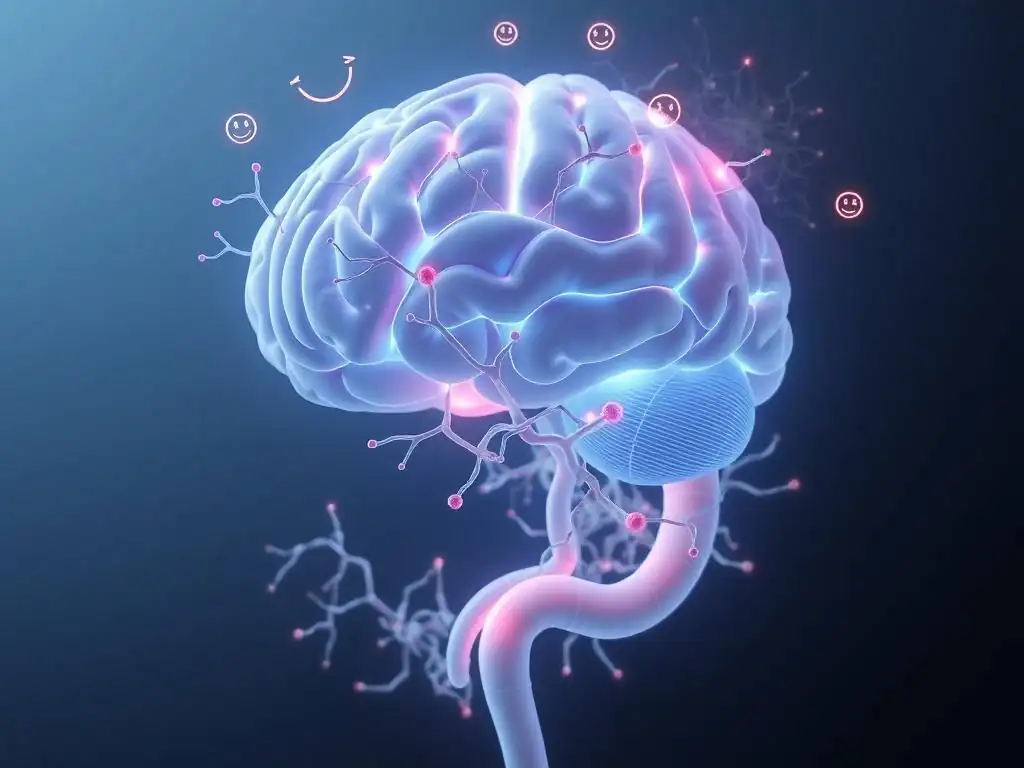
Welcome to Mind Care Guide, a sanctuary for your mental well-being.
Ever feel like your mood is inexplicably tied to what you eat? You're not alone. Dive into this crucial connection as we explore how gut health impacts mood, uncovering the surprising ways your digestive system influences brain inflammation and, ultimately, your emotional state. Prepare to discover actionable steps you can take to nurture your gut and cultivate a brighter, more balanced mind. Intrigued? Let's unravel this fascinating link together...
The Immune System Bridge: How Gut Health Affects Brain Inflammation and Mood
- Introduction: Unveiling the Gut-Brain Axis and its Impact on Mental Wellbeing
- Gut Health Impacts Mood: Exploring the Scientific Link
- Brain Inflammation and Mental Health: The Gut's Involvement
- The Immune System's Role in Gut-Brain Communication
- The Gut Microbiome and Mental Health Conditions: Specific Examples
- Diet and Gut Health: Nurturing Your Microbiome for Mental Wellness
- Lifestyle Factors and Gut Health: Beyond Diet
- Strategies to Improve Gut Health and Reduce Brain Inflammation
- The Future of Gut-Brain Research: Promising Avenues
- Conclusion: Taking Control of Your Gut Health for Improved Mental Wellbeing
-
Frequently Asked Questions
- What is the connection between gut health and mood?
- How does inflammation in the gut affect the brain?
- What are some signs that my gut health may be impacting my mood?
- What can I do to improve my gut health and potentially improve my mood?
- Are there any specific supplements that can help improve both gut health and mood?
- Final Reflection: Bridging the Gut-Brain Connection for a Healthier You
- Unlock Your Brain's Potential: Nurture Your Gut, Soothe Your Mind
Introduction: Unveiling the Gut-Brain Axis and its Impact on Mental Wellbeing
Understanding the Gut-Brain Connection: A Holistic Perspective
The intricate relationship between the gut and the brain, often referred to as the gut-brain axis, is a bidirectional communication system involving neural, endocrine, and immune pathways. This complex network ensures constant dialogue between the central nervous system (brain and spinal cord) and the enteric nervous system (ENS), which governs the gastrointestinal tract.
The ENS, sometimes called the "second brain," contains hundreds of millions of neurons and operates largely independently, but it is profoundly influenced by and influences the brain. This axis is critical for maintaining homeostasis throughout the body, impacting everything from digestion and nutrient absorption to stress responses and emotional regulation.
Research in recent years has dramatically expanded our understanding of how deeply this connection influences overall health, particularly mental wellbeing. Studies have shown that disruptions in gut health can have far-reaching effects on brain function and mental state. For instance, individuals with irritable bowel syndrome (IBS), a condition often linked to gut dysbiosis, frequently experience higher rates of anxiety and depression compared to the general population, sometimes as much as 50-90% reporting co-occurring psychological symptoms. This highlights the significant impact that gut health impacts mood and cognitive processes.
The Role of the Immune System in the Gut-Brain Axis
The immune system plays a pivotal, though often overlooked, role in mediating communication along the gut-brain axis. A vast majority of the body's immune cells reside in the gut-associated lymphoid tissue (GALT), which lines the intestinal tract. These immune cells are in constant surveillance, interacting with the trillions of microorganisms that make up the gut microbiome, as well as with dietary components and potential pathogens. This interaction is crucial for distinguishing between beneficial substances and harmful invaders, maintaining immune tolerance, and defending against infections.
These immune cells produce signaling molecules called cytokines, which can travel through the bloodstream to the brain or communicate with neural pathways. While some cytokines are anti-inflammatory and promote balance, others are pro-inflammatory and can trigger inflammatory responses. When the gut's immune system is chronically activated, often due to imbalances in the microbiome or increased intestinal permeability, these pro-inflammatory signals can reach the brain, contributing to neuroinflammation. This inflammatory bridge is a key mechanism by which gut health impacts mood and increases vulnerability to mental health challenges.
Gut Health Impacts Mood: Exploring the Scientific Link
The Microbiome's Influence on Neurotransmitter Production
The gut microbiome, the diverse community of bacteria, viruses, fungi, and other microorganisms living in the digestive tract, is a major player in the gut-brain axis and significantly influences brain function and behavior. These microorganisms are not just passive residents; they are metabolically active and produce a wide array of compounds, including neurotransmitters and their precursors. For example, gut bacteria can produce gamma-aminobutyric acid (GABA), a major inhibitory neurotransmitter that helps regulate anxiety, and serotonin, a neurotransmitter heavily involved in mood regulation, sleep, and appetite. In fact, an estimated 90% of the body's serotonin is produced in the gut.
Furthermore, gut microbes produce short-chain fatty acids (SCFAs) like butyrate, propionate, and acetate through the fermentation of dietary fibers. SCFAs serve as a primary energy source for colon cells and have widespread effects on metabolism, immune function, and brain health. Butyrate, in particular, has been shown to have neuroprotective effects and can influence blood-brain barrier integrity.
Disruptions in the microbiome composition, known as dysbiosis, can alter the production of these vital compounds, potentially leading to imbalances that affect neurotransmitter levels in the brain and ultimately impacting mood and cognitive function. This direct chemical influence is a compelling reason why gut health impacts mood so profoundly.
How Gut Bacteria Communicate with the Brain
Gut bacteria employ multiple sophisticated pathways to communicate with the brain, extending beyond the production of neurotransmitters and SCFAs. One primary route is through the vagus nerve, the longest cranial nerve, which serves as a major superhighway connecting the gut directly to the brainstem and then to higher brain regions. This nerve allows for rapid, bidirectional signaling. Gut microbes can influence vagal nerve activity through various mechanisms, including the production of metabolites or by interacting with enteroendocrine cells in the gut lining, which release hormones that signal to the vagus nerve.
Another crucial communication pathway involves the immune system, as discussed earlier. Gut dysbiosis or increased gut permeability can trigger local immune responses, releasing cytokines and other inflammatory mediators that can travel through the bloodstream and affect brain function. Additionally, gut bacteria can influence the production of tryptophan, an amino acid that is a precursor to serotonin.
The balance of tryptophan metabolism can be shifted by the microbiome towards either serotonin production or kynurenine pathway metabolites, some of which can be neurotoxic. These diverse communication channels underscore the complex ways in which gut health impacts mood and cognitive processes, highlighting the need for a holistic approach to mental wellness.
Brain Inflammation and Mental Health: The Gut's Involvement
Understanding Brain Inflammation: Causes and Consequences
Brain inflammation, or neuroinflammation, is the activation of the brain's immune cells, primarily microglia and astrocytes, in response to injury, infection, or other noxious stimuli. While acute neuroinflammation is a protective response aimed at clearing pathogens or damaged tissue, chronic low-grade neuroinflammation can be detrimental to neuronal health and function. This persistent inflammation can lead to neuronal damage, synaptic dysfunction, and impaired neurogenesis (the creation of new neurons).
Numerous factors can contribute to chronic neuroinflammation, including systemic inflammation originating from other parts of the body, infections, traumatic brain injury, chronic stress, poor diet, and environmental toxins. The consequences of sustained brain inflammation are significant and have been strongly implicated in the pathophysiology of various neurological and psychiatric disorders. Conditions such as Alzheimer's disease, Parkinson's disease, multiple sclerosis, depression, anxiety disorders, and schizophrenia have all been linked to increased levels of inflammatory markers in the brain. Understanding the sources of this inflammation, including those originating from the gut, is crucial for developing effective therapeutic strategies.
The Leaky Gut-Brain Barrier: A Pathway for Inflammation
The blood-brain barrier (BBB) is a highly selective barrier that protects the brain from potentially harmful substances circulating in the blood while allowing essential nutrients to pass through. It is formed by specialized endothelial cells lining the brain capillaries, connected by tight junctions. Similarly, the gut lining, or intestinal barrier, is protected by a layer of epithelial cells also connected by tight junctions, which prevents the passage of undigested food particles, toxins, and bacteria from the gut lumen into the bloodstream.
When the intestinal barrier becomes compromised, a condition often referred to as "leaky gut" or increased intestinal permeability, these tight junctions loosen. This allows substances that should remain in the gut, such as bacterial lipopolysaccharide (LPS) – a potent inflammatory molecule from the outer membrane of Gram-negative bacteria – to enter the circulation. Once in the bloodstream, LPS and other inflammatory molecules can travel throughout the body, potentially reaching the brain.
While the BBB is protective, chronic systemic inflammation can impair its integrity, making it more permeable and allowing inflammatory molecules to cross into the brain, thereby contributing to neuroinflammation. This gut-derived inflammation is a significant pathway through which gut health impacts mood and brain function.
Gut-Derived Inflammation and its Effects on Mood Disorders
Mounting evidence suggests that inflammation originating from the gut plays a significant role in the development and exacerbation of mood disorders, particularly depression and anxiety. Individuals diagnosed with major depressive disorder often exhibit elevated levels of pro-inflammatory cytokines like IL-6, TNF-alpha, and CRP in their blood. These inflammatory markers are also frequently elevated in individuals with gut dysbiosis or increased intestinal permeability. The hypothesis is that a compromised gut barrier allows inflammatory molecules from the gut to enter the systemic circulation, leading to chronic low-grade inflammation throughout the body, including the brain.
Once in the brain, these inflammatory mediators can disrupt neurotransmitter metabolism (e.g., affecting serotonin synthesis), impair neurogenesis, and alter the activity of neural circuits involved in mood regulation. This neuroinflammatory state can manifest as symptoms characteristic of depression, such as anhedonia (loss of pleasure), fatigue, social withdrawal, and cognitive difficulties.
Similarly, gut-derived inflammation has been linked to anxiety-like behaviors in animal models and is being investigated as a contributing factor to anxiety disorders in humans. The connection is so strong that targeting gut health is now being explored as a potential therapeutic strategy for mood disorders, reinforcing how significantly gut health impacts mood.
The Immune System's Role in Gut-Brain Communication
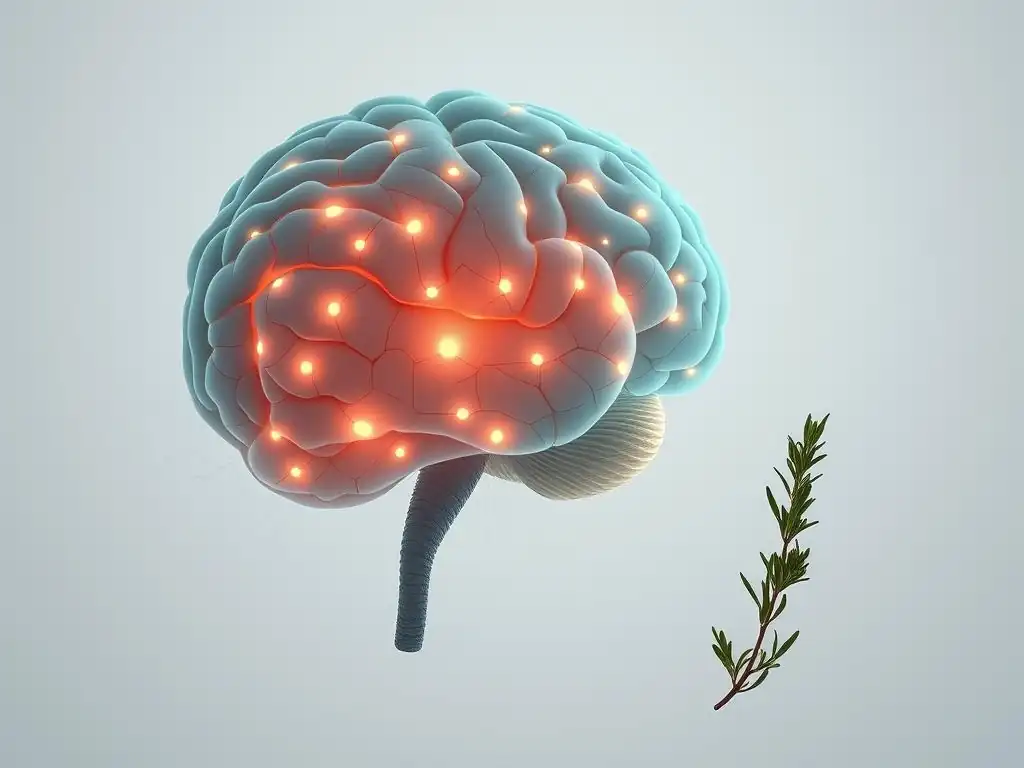
Immune Cells in the Gut: Guardians of Balance
The gut houses the largest collection of immune cells in the body, collectively known as the gut-associated lymphoid tissue (GALT). This includes various cell types such as lymphocytes (T cells, B cells), macrophages, dendritic cells, and innate lymphoid cells. These immune cells are strategically positioned beneath the intestinal epithelium and are in constant interaction with the gut lumen's contents, including the vast and diverse microbiome. Their primary role is to maintain a delicate balance: tolerating beneficial commensal bacteria and food antigens while mounting rapid and effective responses against invading pathogens.
This constant surveillance and interaction shape the development and function of the systemic immune system. The gut microbiome influences the maturation and differentiation of immune cells, promoting the development of regulatory T cells that help prevent autoimmune reactions and maintaining immune homeostasis. A healthy, diverse gut microbiome fosters a balanced immune response in the gut. Conversely, dysbiosis can lead to chronic activation of GALT, promoting a pro-inflammatory state that extends beyond the gut lining. This local immune activation is a critical starting point for the inflammatory signals that can travel to the brain and affect mood.
Cytokines and Neuroinflammation: The Immune System's Messengers
Cytokines are small proteins secreted by immune cells (and other cell types) that act as signaling molecules, mediating communication between cells and orchestrating immune responses. They can be broadly classified as pro-inflammatory (e.g., TNF-alpha, IL-1 beta, IL-6) or anti-inflammatory (e.g., IL-10, TGF-beta). In the context of the gut-brain axis, immune cells in the gut produce cytokines in response to microbial signals, dietary components, or stress. These cytokines can then influence gut motility, permeability, and ENS activity locally.
Crucially, circulating cytokines can cross the blood-brain barrier or signal to the brain via the vagus nerve or endothelial cells. Once in the brain, pro-inflammatory cytokines activate resident immune cells (microglia and astrocytes), leading to neuroinflammation. This neuroinflammatory state can disrupt neuronal function, alter neurotransmitter synthesis and release, and impair synaptic plasticity. For example, elevated levels of IL-6 have been correlated with depressive symptoms, and TNF-alpha can interfere with glutamatergic neurotransmission, which is important for mood regulation. The release of these immune messengers is a direct mechanism through which gut health impacts mood by influencing brain inflammation.
The Impact of Chronic Inflammation on Mental Health
Chronic low-grade inflammation, whether originating from the gut or other sources, is a significant risk factor for the development and persistence of various mental health conditions. Unlike acute inflammation, which is a necessary part of healing, chronic inflammation is a sustained, maladaptive immune response that damages tissues over time. In the context of mental health, this persistent inflammatory state can disrupt the delicate balance required for optimal brain function.
Research consistently shows elevated inflammatory markers in individuals with depression, anxiety disorders, bipolar disorder, and even schizophrenia. A large meta-analysis published in Molecular Psychiatry in 2018, for instance, found significantly higher levels of CRP, IL-6, and TNF-alpha in patients with major depressive disorder compared to healthy controls, with effect sizes ranging from moderate to large.
This chronic inflammation can affect neurocircuitry involved in mood and motivation, impair cognitive function, and contribute to the subjective experience of fatigue and malaise often seen in these conditions. Addressing sources of chronic inflammation, including improving gut health, is therefore a promising avenue for improving mental wellbeing, underscoring the principle that gut health impacts mood significantly.
The Gut Microbiome and Mental Health Conditions: Specific Examples
Gut Dysbiosis and Anxiety: Exploring the Connection
Emerging research strongly suggests a link between imbalances in the gut microbiome (dysbiosis) and anxiety disorders. Studies in both animal models and humans have demonstrated that altering the gut microbial composition can influence anxiety-like behaviors and symptoms. For example, germ-free mice (raised without a microbiome) often exhibit altered stress responses and anxiety-like behaviors, which can sometimes be normalized by colonization with specific bacteria. In humans, individuals with anxiety disorders or high levels of perceived stress often show different gut microbial profiles compared to healthy controls, typically characterized by reduced diversity and an increase in potentially pro-inflammatory bacteria.
One proposed mechanism linking gut dysbiosis to anxiety involves the production of GABA. Certain gut bacteria can produce GABA, which can influence the gut-brain axis via the ENS and vagus nerve. Dysbiosis might reduce the population of these GABA-producing bacteria.
Furthermore, a compromised gut barrier and subsequent inflammation, often associated with dysbiosis, can activate stress pathways (like the HPA axis) and contribute to neuroinflammation in brain regions involved in anxiety. Clinical studies, though still in early stages, have shown that interventions targeting the gut microbiome, such as specific probiotics, might help reduce anxiety symptoms in some individuals, further supporting the idea that gut health impacts mood, including anxiety.
Depression and the Gut Microbiome: A Complex Relationship
The relationship between depression and the gut microbiome is complex and bidirectional. Not only can changes in the gut microbiome contribute to depressive symptoms, but chronic stress and depression can also alter the composition and function of the gut microbiota. Studies comparing the gut microbiome of individuals with depression to healthy controls often find differences in microbial diversity and the abundance of specific bacterial species. For instance, some studies have reported a decrease in beneficial bacteria like Faecalibacterium prausnitzii and an increase in potentially pro-inflammatory bacteria in depressed individuals.
Mechanisms linking gut dysbiosis to depression include altered production of neurotransmitters like serotonin and dopamine precursors, increased synthesis of inflammatory cytokines that promote neuroinflammation, and changes in SCFA production that affect brain energy metabolism and function. The kynurenine pathway, involved in tryptophan metabolism, is also influenced by the microbiome and inflammation, and imbalances in this pathway have been linked to depressive symptoms. While causality is still being disentangled, the consistent findings across numerous studies indicate that addressing gut health is a relevant strategy for improving mood and managing depression, highlighting the significant way that gut health impacts mood.
The Role of Gut Health in Neurodevelopmental Disorders: Autism Spectrum Disorder
Research is also exploring the potential role of gut health and the microbiome in neurodevelopmental disorders, most notably Autism Spectrum Disorder (ASD). A significant percentage of individuals with ASD experience gastrointestinal issues, such as constipation, diarrhea, and abdominal pain, which are often associated with alterations in the gut microbiome. Studies have identified distinct microbial profiles in children with ASD compared to neurotypical children, although specific patterns vary across studies. Common findings include reduced microbial diversity and differences in the abundance of certain bacterial groups.
The proposed mechanisms linking gut health to ASD symptoms involve the gut-brain axis. Gut dysbiosis and increased intestinal permeability could lead to systemic inflammation and the production of neuroactive metabolites by gut bacteria that influence brain development and function. For example, some Clostridium species found in the gut can produce propionic acid, a SCFA that, at high levels, has been linked to behavioral changes in animal models consistent with some ASD symptoms.
While the gut is unlikely to be the sole cause of ASD, addressing gut health issues and potential microbiome imbalances is an active area of research for managing associated symptoms and improving overall wellbeing in affected individuals. This illustrates another facet of how gut health impacts mood and behavior.
Diet and Gut Health: Nurturing Your Microbiome for Mental Wellness
The Importance of a Diverse Diet for Gut Health
Diet is arguably the most significant modifiable factor influencing the composition and function of the gut microbiome. The foods we eat provide the fuel and building blocks for our gut microbes. A diverse diet rich in a variety of plant-based foods is strongly associated with a more diverse and resilient gut microbiome. Different types of dietary fibers and complex carbohydrates found in fruits, vegetables, whole grains, legumes, nuts, and seeds are fermented by different groups of gut bacteria, leading to the production of beneficial SCFAs and other metabolites.
Eating a wide range of plant foods ensures that you are feeding a broader spectrum of beneficial bacteria, promoting microbial diversity. For example, consuming over 30 different plant types per week has been associated with greater gut microbial diversity compared to consuming 10 or fewer. This diversity is crucial for a healthy gut ecosystem, making it more resilient to stressors and better able to perform its various functions, including supporting immune balance and producing neuroactive compounds. A diverse, plant-rich diet is a fundamental step towards improving gut health impacts mood positively.
Probiotics and Prebiotics: Supporting a Healthy Gut Microbiome
Probiotics are live microorganisms that, when administered in adequate amounts, confer a health benefit on the host. They are typically beneficial bacteria or yeasts that can help restore or maintain a healthy balance of the gut microbiome. Probiotic strains are specific, and their effects can vary; for instance, some strains like Lactobacillus helveticus R0052 and Bifidobacterium longum R0175 have been studied for their potential anxiolytic and antidepressant effects. Sources include fermented foods like yogurt (with live and active cultures), kefir, sauerkraut, kimchi, and tempeh, as well as dietary supplements.
Prebiotics, on the other hand, are non-digestible fibers and complex carbohydrates that selectively feed beneficial bacteria already residing in the gut. They act as fertilizer for the good microbes, helping them grow and thrive. Common prebiotics include inulin, fructans, and galacto-oligosaccharides (GOS), found in foods like garlic, onions, leeks, asparagus, bananas, and oats. Combining probiotics and prebiotics (synbiotics) may offer synergistic benefits. While research is ongoing, incorporating prebiotic-rich foods and potentially targeted probiotic supplements can be valuable strategies to support a healthy gut microbiome and positively influence how gut health impacts mood.
Foods to Avoid for Optimal Gut and Brain Health: Ultra-Processed Foods and Artificial Sweeteners
Just as some foods nourish beneficial gut microbes, others can promote the growth of less desirable bacteria, increase inflammation, and negatively impact gut barrier function. Ultra-processed foods, typically high in refined sugars, unhealthy fats, artificial additives, and low in fiber, are detrimental to gut health. These foods often lack the complex carbohydrates and fibers that beneficial bacteria need to thrive, while their high sugar content can feed potentially harmful bacteria or yeasts. A diet heavy in ultra-processed foods is associated with reduced gut microbial diversity and an increase in pro-inflammatory species.
Artificial sweeteners, such as aspartame and saccharin, have also been shown in some studies to negatively impact the gut microbiome composition and function, potentially affecting glucose metabolism and contributing to dysbiosis. While research is still evolving in this area, limiting or avoiding ultra-processed foods and excessive consumption of artificial sweeteners is generally recommended for maintaining a healthy gut and supporting the positive influence that gut health impacts mood and overall wellbeing. Focusing on whole, unprocessed foods is a cornerstone of a gut-healthy diet.
Lifestyle Factors and Gut Health: Beyond Diet
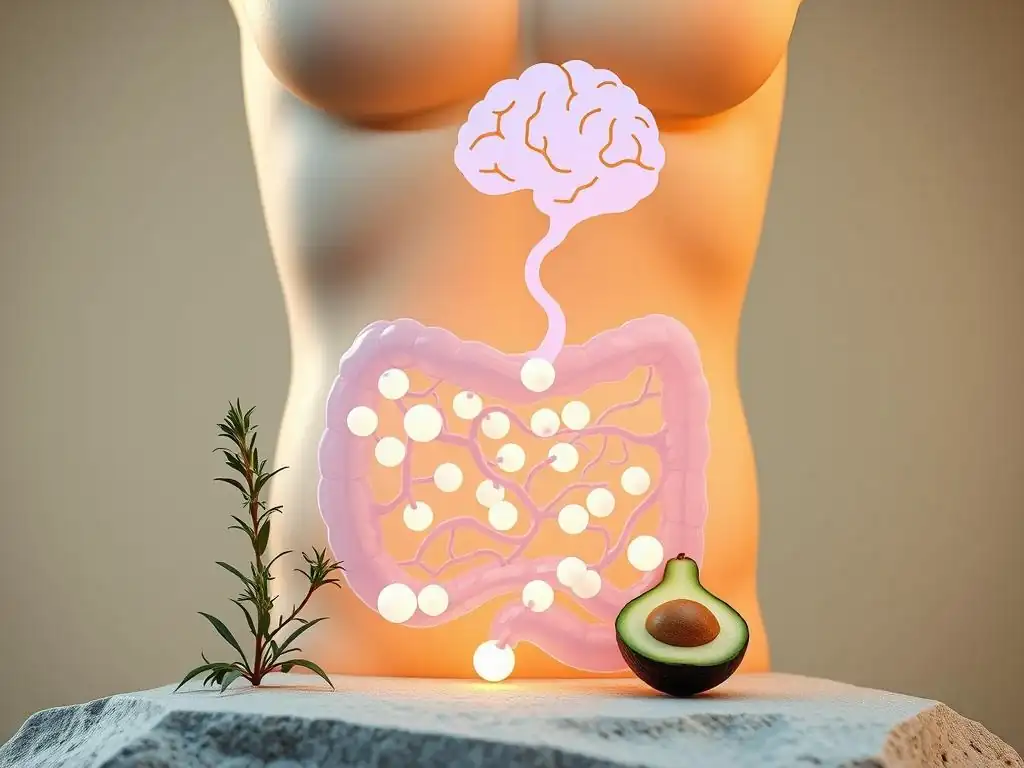
The Impact of Stress on Gut Health and Brain Inflammation
Chronic stress is a powerful disruptor of the gut-brain axis and can profoundly impact gut health, contributing to inflammation and affecting mood. Stress activates the body's stress response systems, including the hypothalamic-pituitary-adrenal (HPA) axis and the sympathetic nervous system. These systems release hormones like cortisol and adrenaline, which can directly influence gut motility, secretion, and permeability. Chronic stress has been shown to increase intestinal permeability ("leaky gut"), allowing bacterial products like LPS to enter the bloodstream and trigger systemic inflammation.
Furthermore, stress can directly alter the composition and diversity of the gut microbiome, often leading to a decrease in beneficial bacteria and an increase in stress-sensitive or potentially pathogenic species. This stress-induced dysbiosis can further exacerbate gut barrier dysfunction and inflammation, creating a vicious cycle where stress harms the gut, and the compromised gut contributes to inflammation and altered neurochemistry that can worsen stress and mood symptoms.
Managing stress through techniques like mindfulness, meditation, yoga, or therapy is therefore not only beneficial for mental health directly but also indirectly by supporting gut health and mitigating inflammation, reinforcing how gut health impacts mood.
Sleep and Gut Health: A Bidirectional Relationship
Sleep and gut health are intricately linked in a bidirectional relationship, mediated in part by the gut-brain axis. Disruptions in sleep patterns, such as sleep deprivation or irregular sleep schedules, have been shown to negatively impact the gut microbiome, reducing microbial diversity and altering the abundance of certain bacteria. For example, studies have found that even short periods of sleep restriction can change the gut microbial composition in humans. This sleep-induced dysbiosis may contribute to increased gut permeability and inflammation.
Conversely, the gut microbiome can also influence sleep quality and patterns. Gut bacteria produce metabolites and neurotransmitters that can affect sleep-wake cycles and the production of sleep-regulating substances like melatonin. Alterations in the microbiome or gut inflammation can disrupt these processes, potentially contributing to sleep disturbances. Given the critical role of sleep in brain function, mood regulation, and overall health, maintaining healthy sleep habits is essential for supporting a healthy gut and brain, highlighting yet another way gut health impacts mood and cognitive function. Aim for 7-9 hours of quality sleep per night.
Exercise and the Gut Microbiome: Promoting Balance
Regular physical activity is widely recognized for its numerous health benefits, including positive effects on mental health. Accumulating evidence suggests that exercise also has a beneficial impact on the gut microbiome. Studies in both animals and humans have shown that regular exercise can increase the diversity and richness of the gut microbiome and promote the growth of beneficial bacteria, such as those that produce SCFAs like butyrate. For instance, a study on professional rugby players found they had significantly greater gut microbial diversity compared to control groups.
The mechanisms by which exercise influences the gut microbiome are still being explored but may involve changes in gut transit time, blood flow to the gut, and even the release of myokines (muscle-derived signaling molecules) that can influence microbial composition. A more diverse and balanced gut microbiome resulting from exercise can contribute to reduced inflammation, improved metabolic health, and enhanced production of neuroactive compounds, all of which can positively influence brain health and mood.
Incorporating regular exercise into your routine is a powerful way to support your gut health and leverage the positive relationship between gut health impacts mood. Aim for at least 150 minutes of moderate-intensity or 75 minutes of vigorous-intensity aerobic activity per week, plus muscle-strengthening activities at least two days a week, as recommended by health guidelines.
Strategies to Improve Gut Health and Reduce Brain Inflammation
Targeted Probiotic Supplementation for Specific Mental Health Concerns: Strains for Anxiety
While a healthy diet and lifestyle are foundational, targeted probiotic supplementation may be considered as an adjunctive strategy for specific mental health concerns. The field of "psychobiotics" focuses on probiotics and prebiotics that may have a beneficial impact on mental health. Research suggests that specific probiotic strains may offer benefits for anxiety. For example, the combination of Lactobacillus helveticus R0052 and Bifidobacterium longum R0175 has been studied in clinical trials and shown some promise in reducing stress-induced gastrointestinal symptoms and psychological distress, including anxiety.
Another strain, Bifidobacterium longum 1714, has been investigated for its effects on stress, cognition, and brain activity, showing potential benefits in reducing stress responses. It is crucial to note that probiotic effects are strain-specific, and not all probiotics will have the same impact on mental health. Consulting with a healthcare professional knowledgeable in gut health and mental wellness is advisable to determine if a specific probiotic supplement is appropriate and which strain might be most beneficial for your individual needs. Selecting the right probiotic is a nuanced approach to how gut health impacts mood.
Dietary Changes to Reduce Inflammation and Support Gut Health
Implementing specific dietary changes is a cornerstone strategy for improving gut health and reducing systemic and brain inflammation. An anti-inflammatory diet, often characterized by being rich in whole, unprocessed foods, antioxidants, and healthy fats, can significantly benefit the gut microbiome and dampen inflammatory pathways. Key components include:
- High Fiber Intake: Focus on diverse sources of dietary fiber from fruits, vegetables, legumes, and whole grains. Fiber is fermented by gut bacteria into beneficial SCFAs. Aim for at least 25-30 grams of fiber per day.
- Omega-3 Fatty Acids: Found in fatty fish (salmon, mackerel), flaxseeds, chia seeds, and walnuts, omega-3s have potent anti-inflammatory properties.
- Polyphenols: These plant compounds, abundant in berries, colorful vegetables, green tea, dark chocolate, and olive oil, act as antioxidants and can be metabolized by gut bacteria into beneficial compounds.
- Fermented Foods: Incorporate foods like unsweetened yogurt (with live cultures), kefir, sauerkraut, kimchi, and tempeh (in moderation) as sources of beneficial microbes.
- Limit Inflammatory Foods: Reduce consumption of ultra-processed foods, refined sugars, excessive saturated and trans fats, and excessive alcohol.
Implementing these changes can help cultivate a more balanced gut microbiome, strengthen the intestinal barrier, and reduce the inflammatory load on the body, thereby positively influencing how gut health impacts mood.
Lifestyle Modifications to Manage Stress and Promote Gut Wellbeing
Beyond diet, several lifestyle modifications can significantly impact gut health and reduce inflammation, subsequently supporting mental wellbeing. Effectively managing stress is paramount. Incorporating daily stress-reduction practices, such as:
- Mindfulness meditation (even 10-15 minutes daily)
- Deep breathing exercises
- Yoga or Tai Chi
- Spending time in nature
- Engaging in hobbies or activities you enjoy
These practices can help regulate the stress response systems that negatively impact the gut. Prioritizing adequate, consistent sleep (7-9 hours per night) is also crucial, as sleep deprivation disrupts the microbiome. Establishing a regular sleep schedule and creating a relaxing bedtime routine can help.
Regular physical activity, tailored to individual fitness levels, promotes a healthier gut microbiome and can also act as a powerful stress reliever. Even moderate activities like brisk walking for 30 minutes most days of the week can be beneficial. Combining these lifestyle strategies with dietary changes provides a comprehensive approach to nurturing the gut-brain axis and leveraging the positive impact that gut health impacts mood.
The Future of Gut-Brain Research: Promising Avenues
Emerging Therapies Targeting the Gut Microbiome for Mental Health
The growing understanding of the gut-brain axis has opened exciting new avenues for developing novel therapies for mental health conditions that target the gut microbiome. Beyond traditional probiotics and prebiotics, researchers are exploring more sophisticated interventions. This includes the development of next-generation probiotics, which are specific bacterial strains identified through advanced sequencing and functional studies for their potent effects on the gut-brain axis. Examples include strains known to produce high levels of GABA or SCFAs, or those particularly effective at reducing inflammation.
Another area of intense research involves targeting specific microbial metabolites. For instance, modulating the production of SCFAs like butyrate, either through dietary interventions, prebiotics, or direct supplementation, is being investigated for its potential neuroprotective and mood-enhancing effects. Similarly, therapies aimed at influencing the kynurenine pathway through microbial modulation are being explored. These emerging therapies represent a shift towards leveraging the power of the gut microbiome as a therapeutic target for improving mental health, further underscoring the importance of how gut health impacts mood and brain function.
Personalized Nutrition and Gut Health: Tailoring Approaches
Recognizing that each individual's gut microbiome is unique, the future of gut health interventions is moving towards personalized nutrition and tailored approaches. Advances in microbiome sequencing technology allow for detailed analysis of an individual's microbial composition. This information, combined with data on diet, lifestyle, genetics, and health status, can potentially be used to develop highly personalized dietary recommendations, prebiotic regimens, and probiotic formulations. Instead of a one-size-fits-all approach, interventions could be designed to address specific imbalances identified in an individual's microbiome profile.
For example, if an individual's microbiome analysis reveals a deficiency in butyrate-producing bacteria, personalized recommendations might focus on increasing intake of specific fibers known to feed those bacteria, or potentially using a targeted butyrate supplement. Similarly, if there is an overabundance of inflammatory bacteria, dietary guidance might focus on reducing specific food components that feed those bacteria while increasing anti-inflammatory foods. Personalized approaches hold the promise of optimizing the impact that gut health impacts mood and overall health by providing interventions that are precisely matched to an individual's unique gut ecosystem.
The Potential of Fecal Microbiota Transplantation (FMT) in Mental Health Treatment
Fecal Microbiota Transplantation (FMT) involves transferring fecal matter, containing a diverse community of gut microbes, from a healthy donor into the gastrointestinal tract of a recipient. While currently an approved therapy primarily for recurrent Clostridioides difficile infection, research is exploring its potential for a range of other conditions, including mental health disorders. The rationale is that introducing a diverse and healthy microbial community could help restore balance in the gut microbiome of individuals with dysbiosis linked to mental health symptoms.
Early studies and case reports investigating FMT for conditions like depression, anxiety, and even autism spectrum disorder have shown mixed but sometimes promising results. For example, some studies in individuals with IBS and comorbid anxiety/depression have reported improvements in both gastrointestinal and psychological symptoms following FMT. However, this is still a highly experimental area of research for mental health applications.
Significant questions remain regarding optimal donor selection, delivery methods, potential risks, and long-term outcomes. While not yet a standard treatment, the exploration of FMT highlights the profound belief among researchers that fundamentally altering the gut microbiome has the potential to significantly impact brain function and mental health, demonstrating the ultimate potential of how gut health impacts mood and behavior.
Conclusion: Taking Control of Your Gut Health for Improved Mental Wellbeing
The Power of the Gut-Brain Connection: A Call to Action
The scientific evidence overwhelmingly supports the powerful and bidirectional connection between the gut and the brain. This intricate axis, mediated by neural, hormonal, and crucially, immune pathways, means that the health of your digestive system is intimately linked to the health of your mind. Understanding how gut health impacts mood, cognitive function, and vulnerability to mental health conditions is not just academic; it is a call to action. It empowers individuals to recognize that supporting their gut health is a fundamental component of caring for their mental wellbeing.
Ignoring gut health means overlooking a significant contributor to inflammation, neurotransmitter imbalances, and stress dysregulation – factors deeply implicated in conditions like anxiety and depression. By paying attention to the signals your gut sends and taking proactive steps to nurture your gut microbiome, you are directly investing in the health and resilience of your brain. This holistic perspective moves beyond solely focusing on psychological factors or traditional pharmacological approaches and embraces the interconnectedness of the body.
Prioritizing Gut Health for a Healthier Mind: Key Takeaways
Taking steps to improve and maintain optimal gut health is a powerful strategy for enhancing mental wellbeing and reducing the risk or severity of mood disorders. Key takeaways include:
- Diet is Foundational: Prioritize a diverse diet rich in whole, plant-based foods, high in fiber, omega-3s, and polyphenols. Limit ultra-processed foods and added sugars.
- Nurture Your Microbes: Include prebiotic-rich foods and consider targeted probiotics under guidance.
- Manage Stress: Implement daily stress-reduction techniques to protect your gut-brain axis from the damaging effects of chronic stress.
- Prioritize Sleep: Aim for consistent, quality sleep, as it significantly impacts microbial balance.
- Stay Active: Engage in regular physical activity to promote a diverse and healthy gut microbiome.
- Listen to Your Gut: Pay attention to digestive symptoms, as they can be indicators of gut health issues that might be affecting your mood.
- Seek Professional Guidance: Consult with healthcare professionals, including dietitians or gut health specialists, for personalized advice, especially if you have existing gut issues or mental health concerns.
By integrating these strategies into your daily life, you can strengthen the immune system bridge between your gut and brain, reduce chronic inflammation, and foster a healthier environment for your mind. Recognizing that gut health impacts mood empowers you to take tangible steps towards a more resilient and vibrant mental state.
Frequently Asked Questions
What is the connection between gut health and mood?
The connection lies in the gut-brain axis, a bidirectional communication pathway. An imbalance in gut bacteria can lead to inflammation which directly affects brain function and mood regulation. This highlights how gut health impacts mood.
How does inflammation in the gut affect the brain?
Inflammation in the gut can trigger the release of inflammatory molecules that travel to the brain. These molecules can disrupt neurotransmitter production and contribute to symptoms of anxiety and depression. Gut health impacts mood by this direct pathway.
What are some signs that my gut health may be impacting my mood?
Common signs include persistent digestive issues like bloating, constipation, or diarrhea, alongside mood disturbances like anxiety, depression, or irritability. Remember that poor gut health can manifest in both physical and emotional ways.
What can I do to improve my gut health and potentially improve my mood?
Dietary changes are crucial, focusing on foods rich in prebiotics and probiotics. Consider incorporating fermented foods and fiber-rich vegetables to support a healthy gut microbiome. Gut health impacts mood, so prioritize it.
Are there any specific supplements that can help improve both gut health and mood?
While individual needs vary, some helpful supplements include probiotic supplements to diversify gut bacteria and omega-3 fatty acids to reduce inflammation. Consulting with a healthcare professional is always recommended.
Final Reflection: Bridging the Gut-Brain Connection for a Healthier You
The intricate relationship between gut health and mental well-being is no longer a fringe theory; it's a rapidly expanding field of research with profound implications for our understanding of mood disorders and overall health. The evidence presented in this article clearly demonstrates the powerful influence our gut microbiome exerts on brain inflammation and, consequently, our emotional state. Ignoring this connection is akin to ignoring a crucial pathway to better mental and physical health.
The exploration of this gut-brain axis has been a deeply personal journey for me, highlighting the interconnectedness of seemingly disparate systems within the human body. Understanding the profound impact of gut health on mood has shifted my own approach to wellness, emphasizing the importance of a balanced diet rich in prebiotics and probiotics. The gut is the second brain,
a phrase often used, truly encapsulates the significance of this connection. It's not just about digestion; it's about nurturing a healthy ecosystem that supports both physical and mental flourishing.
Now, it's your turn. Consider the food you consume, the lifestyle you lead, and the impact it has on your gut. What steps can you take today to cultivate a thriving gut microbiome? Start small – incorporate more fiber-rich foods, consider a probiotic supplement, or simply prioritize stress reduction techniques. By nurturing this vital connection between your gut and brain, you are investing in a healthier, happier, and more resilient you. The journey to better mental and physical health begins with a healthy gut.
Unlock Your Brain's Potential: Nurture Your Gut, Soothe Your Mind
Thanks for diving deep into the fascinating connection between gut health and brain wellness! You've now unlocked key insights into how nurturing your gut can positively impact your mood and cognitive function. Ready to take the next step?
- Prioritize prebiotics and probiotics: Begin incorporating gut-friendly foods like yogurt, kimchi, or kefir into your daily diet. This is the most impactful step you can take to support a healthy gut-brain axis.
- Share your discoveries: Let's spread the word! Discuss this article with friends and family, or share it on social media – you might just inspire someone to make a powerful change for their well-being.
- Explore further: Consider journaling your food intake and mood changes over the next week to track your progress. You might be surprised by what you discover!
What simple dietary change will you make today to support both your gut and brain health?