
Mindful Moments: Weaving Stress Relief into Your Busy Schedule


Welcome to Mind Care Guide, your sanctuary for nurturing mental well-being.
Feeling overwhelmed by a relentless schedule? You're not alone. We understand the struggle of balancing demands while trying to maintain inner peace. This week, we delve into practical and accessible strategies for stress relief busy schedule. Discover how to carve out mindful moments even amidst the chaos, and begin your journey towards a calmer, more centered you. Let's explore techniques that can transform your day, one mindful breath at a time…
- Practical Mindfulness Techniques for Stress Reduction in a Fast-Paced Life
-
Frequently Asked Questions
- How can I possibly find time for stress relief when my schedule is already packed?
- What are some quick and easy stress relief techniques I can use during a hectic day?
- How can I identify the sources of stress in my busy schedule to better manage them?
- Is it possible to prevent stress from building up in the first place, rather than just reacting to it?
- What are some long-term strategies for managing stress related to a consistently hectic schedule?
- Final Reflection: Finding Stillness in the Storm
- Unwind & Reclaim Your Day: Simple Steps to Mindful Living
Practical Mindfulness Techniques for Stress Reduction in a Fast-Paced Life
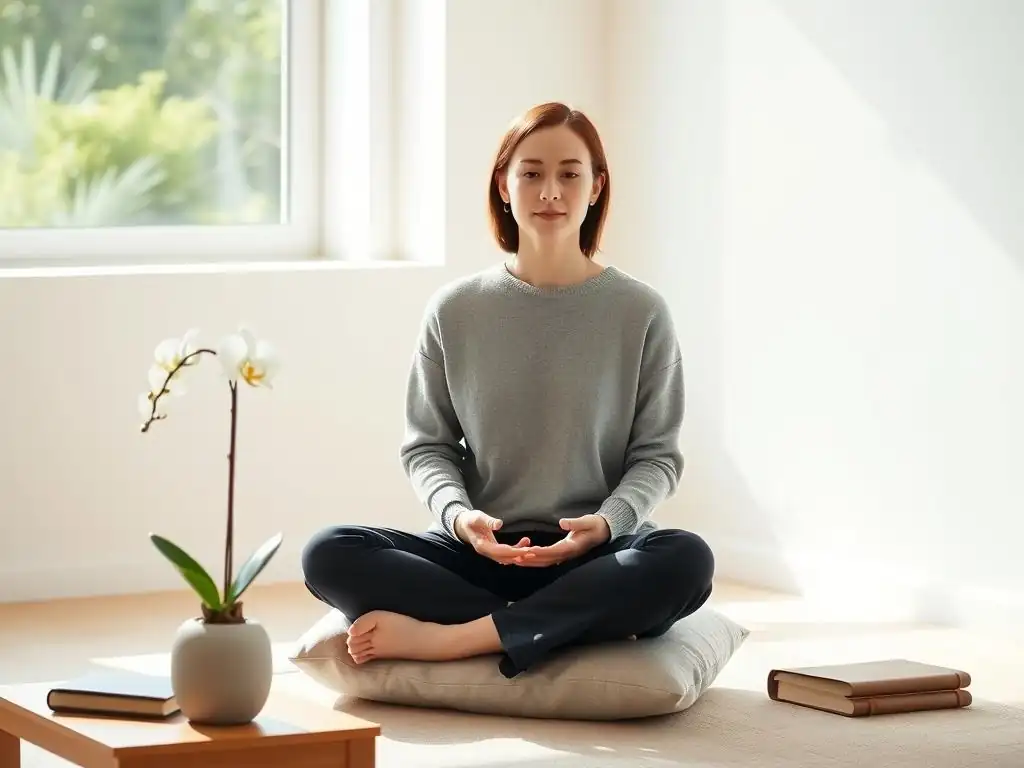
Navigating a demanding professional or personal life often leaves little room for dedicated hours of meditation or lengthy relaxation practices. However, achieving stress relief with a busy schedule isn't about finding more time, but about using the time you do have more mindfully. Integrating practical mindfulness techniques into your daily routine, even in small doses, can significantly mitigate the impact of constant pressure and help you cultivate inner calm amidst the external rush.
These techniques are designed to be flexible and adaptable, allowing you to weave moments of peace into the fabric of your day without requiring significant disruption. The goal is to shift from operating on autopilot to being more present, which inherently reduces the feeling of being overwhelmed. By consciously engaging with your immediate experience, you create space between yourself and the stressors, enabling a more measured and less reactive response.
Micro-Mindfulness: Short Bursts of Calm Throughout the Day
Micro-mindfulness involves incorporating brief moments of mindful awareness into your ordinary activities. These aren't formal meditation sessions but rather conscious pauses that help you anchor yourself in the present moment. Even 30 seconds to a few minutes can disrupt the stress cycle and provide effective stress relief for a busy schedule. The key is consistency – practicing these short bursts frequently throughout your day.
Studies and anecdotal evidence suggest that even brief mindful interventions can reduce cortisol levels and improve mood. For someone juggling multiple tasks, these micro-moments are often the most accessible and sustainable way to introduce mindfulness. They can be performed anywhere – at your desk, during a commute, waiting in line, or between meetings, making them ideal for achieving stress relief in a hectic lifestyle.
Mindful Breathing Exercises for Quick Stress Relief
One of the simplest and most effective micro-mindfulness techniques is focusing on your breath. You can do this anywhere, anytime, for just a few breaths.
- Take a moment: Stop what you are doing.
- Notice your breath: Feel the air entering and leaving your nostrils or the rise and fall of your abdomen.
- Follow one breath: Simply observe the full cycle of one inhale and one exhale.
- Repeat: Do this for three to five breaths.
This brief exercise brings you immediately into the present, interrupting anxious thought patterns and providing instant stress relief in a busy schedule. Many people report feeling a noticeable shift in their state after just a few conscious breaths when feeling overwhelmed.
Body Scan Meditation for Grounding in the Present
A mini body scan involves quickly bringing awareness to different parts of your body to anchor yourself in physical sensation rather than getting lost in thoughts.
- Sit or stand comfortably: Close your eyes if possible, or soften your gaze.
- Quickly scan: Bring your attention to your feet, then your legs, torso, arms, hands, neck, and head.
- Notice sensations: Simply observe any feelings – tingling, warmth, pressure – without judgment.
- Take a breath: At the end of the scan, take one deep breath, feeling your whole body.
This quick scan takes about 60 seconds and helps you reconnect with your physical self, pulling you out of mental loops and offering a practical method for stress relief in a busy schedule. It grounds you firmly in the here and now.
Mindful Observation: Engaging Your Senses
Engaging your senses is another powerful way to practice micro-mindfulness. Choose one sense and focus on it for a brief period.
- Sight: Look around and notice five things you haven't seen before, even in a familiar space.
- Sound: Close your eyes for 30 seconds and listen intently to all the sounds around you, near and far.
- Touch: Feel the texture of your clothes, the chair you're sitting on, or an object nearby.
- Taste: Mindfully savor one bite of food or one sip of a drink, noticing all the flavors and textures.
- Smell: Pay attention to the scents around you – coffee brewing, rain outside, your hand soap.
These brief sensory explorations shift your focus from internal stressors to external reality, providing a refreshing break and contributing to effective stress relief with a packed schedule. They train your attention to be present rather than lost in worry.
Scheduling Mindfulness: Integrating Regular Practices
While micro-mindfulness is excellent for spontaneous moments, intentionally scheduling mindfulness can provide deeper, more sustained benefits. Even dedicating 10-15 minutes a few times a week can make a significant difference in managing stress and improving overall well-being. The key is to treat these sessions like any other important appointment in your day – because your mental health is important.
Integrating these practices into your routine requires commitment, but the payoff in terms of reduced stress and increased clarity is substantial. Think of it not as another chore, but as an essential form of self-care that ultimately enhances your ability to handle your busy schedule more effectively. It's about making mindfulness a non-negotiable part of your week for long-term stress relief.
Blocking Time for Meditation in Your Calendar
Just as you would block time for meetings or tasks, allocate specific slots in your calendar for mindfulness or meditation. Even 10-15 minutes during a lunch break, before starting work, or in the evening can be beneficial.
- Identify opportunities: Look for small pockets of time in your day or week.
- Schedule it: Add "Mindfulness" or "Meditation" to your digital or physical calendar.
- Treat it seriously: Honor this appointment with yourself as you would any other.
- Start small: Begin with 5-10 minutes if that feels more manageable.
Making it a scheduled event increases the likelihood that you will actually do it, turning the intention of finding stress relief in a busy schedule into a consistent practice. This structure can be particularly helpful for those who feel overwhelmed by unstructured time.
Combining Mindfulness with Existing Routines: Mindful Morning Coffee
Pairing mindfulness with an activity you already do every day is a clever way to build the habit without needing extra time.
- Morning Coffee/Tea: Instead of scrolling through your phone, mindfully sip your drink. Notice the warmth of the cup, the aroma, the taste, the feeling as you swallow.
- Commute: If you walk or take public transport, mindfully observe your surroundings without judgment. If you drive, focus on the physical sensations of driving and the road ahead, rather than letting your mind race.
- Brushing Teeth: Pay attention to the sensations – the feel of the brush, the taste of the toothpaste, the sound.
- Washing Hands: Notice the temperature of the water, the feel of the soap, the scent, the sensation of drying your hands.
By linking mindfulness to established habits, you create triggers that remind you to be present, making it easier to integrate stress relief into a busy schedule naturally. This approach leverages existing routines to build new, beneficial ones.
Frequently Asked Questions
How can I possibly find time for stress relief when my schedule is already packed?
Finding time for stress relief in a busy schedule involves small, mindful moments. Prioritize short bursts of activity like deep breathing or stretching to integrate easily.
What are some quick and easy stress relief techniques I can use during a hectic day?
Effective quick techniques include deep breathing exercises, mindful meditation, or even a short nature walk during your lunch break. These can significantly reduce stress levels.
How can I identify the sources of stress in my busy schedule to better manage them?
Identifying stressors requires self-awareness. Keep a stress journal to track triggers and patterns, allowing you to proactively manage or eliminate these stress sources.
Is it possible to prevent stress from building up in the first place, rather than just reacting to it?
Yes, preventative measures are crucial. Prioritization, delegation, and setting realistic expectations can minimize stress before it accumulates in a busy schedule.
Long-term strategies involve cultivating resilience. This includes regular exercise, healthy eating, and building a strong support system to cope with chronic stress.
Final Reflection: Finding Stillness in the Storm
The relentless pace of modern life leaves many of us feeling overwhelmed, a constant state of "busy" that bleeds into every aspect of our existence. This pervasive stress isn't just inconvenient; it's a significant threat to our well-being, impacting our physical and mental health in profound ways. Finding even small pockets of calm amidst the chaos is no longer a luxury, but a necessity for navigating the demands of a busy schedule and thriving in the process.
The pursuit of mindful moments, as explored throughout this article, isn't about escaping our responsibilities; it's about cultivating a more conscious and compassionate relationship with ourselves and our experiences. The integration of simple mindfulness practices into our daily routines—even just a few minutes of deep breathing or focused attention—can profoundly shift our perspective and resilience. As the poet Mary Oliver so eloquently put it: Pay attention. Be astonished. Tell about it.
This simple advice, when applied to the practice of mindfulness, unlocks a powerful antidote to the pervasive stress of a busy life. It's about noticing the small wonders, the quiet moments, and finding gratitude within the everyday.
You now hold the key to unlocking a calmer, more fulfilling life. Don't wait for a perfect moment; begin weaving mindful moments into your day, starting today. Experiment with the techniques discussed, find what resonates with you, and commit to making even small adjustments. Remember, the journey towards stress relief is a personal one, and every mindful breath is a step towards a more peaceful and balanced you. Embrace the stillness within the storm; you deserve it.
Unwind & Reclaim Your Day: Simple Steps to Mindful Living
Thanks for taking the time to explore mindful practices with us! We hope you discovered valuable techniques to navigate your busy life with greater ease and serenity. Now it's time to put these insights into action.
- Prioritize your well-being: Start with just five minutes today. Find a quiet space, close your eyes, and focus on your breath. Notice the sensations in your body without judgment.
- Share your mindful journey: Tell a friend or family member about your experience and encourage them to join you.
- Explore deeper: Dive into our other articles on MindCareGuide.org to discover more mindful strategies for relaxation and self-care.
What small mindful act will you integrate into your day to enhance your well-being?