
Your First Step to Calm: A Beginner's Guide to Qigong for Mental Health

Welcome to Mind Care Guide.
Feeling overwhelmed? You're not alone. At Mind Care Guide, we understand the challenges of navigating mental well-being. If you're searching for gentle yet powerful ways to ease anxiety and cultivate inner peace, you've come to the right place. Dive into our guide on Qigong for anxiety relief and discover how this ancient practice can be your first step towards a calmer, more centered you. Curious how slow, mindful movements can unlock a world of tranquility? Let's explore together...
Qigong for Mental Wellness: A Beginner's Guide
- Introduction to Qigong and Mental Health
- Qigong Basics: Breath, Posture, and Intention
- Practical Qigong Exercises for Beginners
- Integrating Qigong into Daily Life
- Benefits of Regular Qigong for Mental Health
- Common Mistakes and How to Avoid Them
- Resources for Learning Qigong
- Conclusion: Qigong for Long-Term Mental Well-being
-
Frequently Asked Questions
- What is Qigong and how can it help with anxiety relief?
- How does Qigong differ from other forms of exercise or meditation for anxiety?
- Is Qigong safe for everyone, especially those with pre-existing health conditions?
- How often should I practice Qigong to experience anxiety relief benefits?
- Where can I find reliable resources or qualified instructors to learn Qigong for anxiety relief?
- Final Reflection: Cultivating Inner Peace Through Qigong
- Unwind and Unleash Your Inner Calm: Start Your Qigong Journey Today!
Introduction to Qigong and Mental Health
The Mind-Body Connection in Qigong
Qigong, an ancient Chinese practice rooted in traditional Chinese medicine, emphasizes the profound connection between the mind and body. The term "Qi" translates roughly to vital energy or life force, while "gong" means cultivation or skill. Thus, Qigong is the skill of cultivating vital energy, promoting flow and balance throughout the body and mind. This practice posits that physical and mental health are intrinsically linked, with blockages or imbalances in Qi flow contributing to illness and emotional distress.
Unlike purely physical exercise, Qigong integrates gentle movement, breath work, and focused intention to harmonize these aspects. By performing slow, deliberate movements and coordinating them with deep, rhythmic breathing, practitioners aim to improve circulation, calm the nervous system, and clear energetic blockages. This holistic approach acknowledges that mental states like stress and anxiety are not purely psychological but have tangible physical manifestations, such as muscle tension, shallow breathing, and digestive issues. Addressing the physical through Qigong directly impacts the mental state, fostering a sense of coherence and integration.
Benefits of Qigong for Stress and Anxiety
Regular Qigong practice offers a compelling pathway for managing stress and finding Qigong for anxiety relief. The gentle, flowing movements, combined with deep, conscious breathing, activate the body's relaxation response, counteracting the "fight or flight" state often triggered by stress and anxiety. This can lead to a measurable decrease in stress hormones like cortisol. Studies have shown that participants engaging in regular Qigong sessions often report significantly lower perceived stress levels after just a few weeks of practice.
Beyond immediate stress reduction, Qigong helps build resilience over time. By cultivating a sense of inner calm and body awareness, practitioners become better equipped to recognize the early signs of stress and anxiety in themselves. This allows for a more proactive response rather than being overwhelmed. For individuals seeking Qigong for anxiety relief, the practice provides tangible tools—movements and breathing techniques—that can be employed in moments of heightened distress, offering a simple yet effective method to regain composure and mental clarity.
Qigong Basics: Breath, Posture, and Intention
Understanding Qi and Its Flow
In the philosophy of Qigong, Qi is the fundamental energy that animates all life. It flows through specific pathways in the body called meridians, similar to how blood flows through veins and arteries. When Qi flows smoothly and abundantly, health and vitality are present. Conversely, stagnation or depletion of Qi is believed to be the root cause of illness, pain, and emotional imbalance, including heightened states of anxiety or depression. The goal of Qigong practice is to cultivate, regulate, and smooth the flow of Qi.
Developing sensitivity to one's own Qi flow is a key aspect of advanced Qigong, but even beginners can start by simply focusing on physical sensations like warmth, tingling, or lightness that arise during practice. The movements and breathing techniques are designed to encourage this flow, removing blockages that might be caused by physical tension, emotional stress, or poor lifestyle habits. Understanding this concept helps frame the practice not just as exercise, but as a method of energetic self-regulation, crucial for achieving inner balance and promoting Qigong for anxiety relief.
Foundational Principles of Qigong Practice
Several core principles underpin all Qigong practices, regardless of the specific style or movement. The first is relaxed upright posture, allowing energy to flow freely without physical constraints. The body should be grounded but not rigid, with joints slightly relaxed. The second principle is deep, conscious breathing, typically abdominal breathing, which calms the nervous system and nourishes the body with oxygen while coordinating with movement. This breath control is vital for effective Qigong for anxiety relief.
Third is gentle, flowing movement. Qigong movements are slow, circular, and continuous, avoiding sharp or forceful actions. They are designed to open joints, stretch muscles and tendons, and stimulate the meridians. Fourth is focused intention or awareness. The mind is gently focused on the movement, the breath, or specific energy centers, cultivating mindfulness and drawing energy where it is needed. Finally, persistence is key; regular, even short, practice is far more effective than infrequent long sessions for cultivating lasting benefits.
Qigong Compared to Yoga and Meditation
While Qigong shares common ground with both yoga and meditation, it possesses distinct characteristics. Like yoga, Qigong involves physical postures and movement, breath work, and a focus on energy (Prana in yoga, Qi in Qigong). However, Qigong movements are generally softer, more fluid, and often repetitive, emphasizing continuous flow rather than holding static poses for extended periods as is common in many yoga styles. The physical intensity of Qigong is typically lower than many forms of yoga, making it accessible to a wider range of physical abilities.
Compared to meditation, Qigong incorporates physical movement as a central element, whereas many meditation practices are primarily seated or stationary. Both practices cultivate mindfulness and self-awareness, but Qigong achieves this through active engagement with the body's energy and physical sensations during movement, often described as "moving meditation." For individuals who find it challenging to sit still for extended periods, Qigong offers an active alternative for cultivating a meditative state, combining the physical benefits of gentle exercise with the mental benefits of focused awareness, making it a powerful tool for Qigong for anxiety relief.
Practical Qigong Exercises for Beginners
Preparing for Your Qigong Session
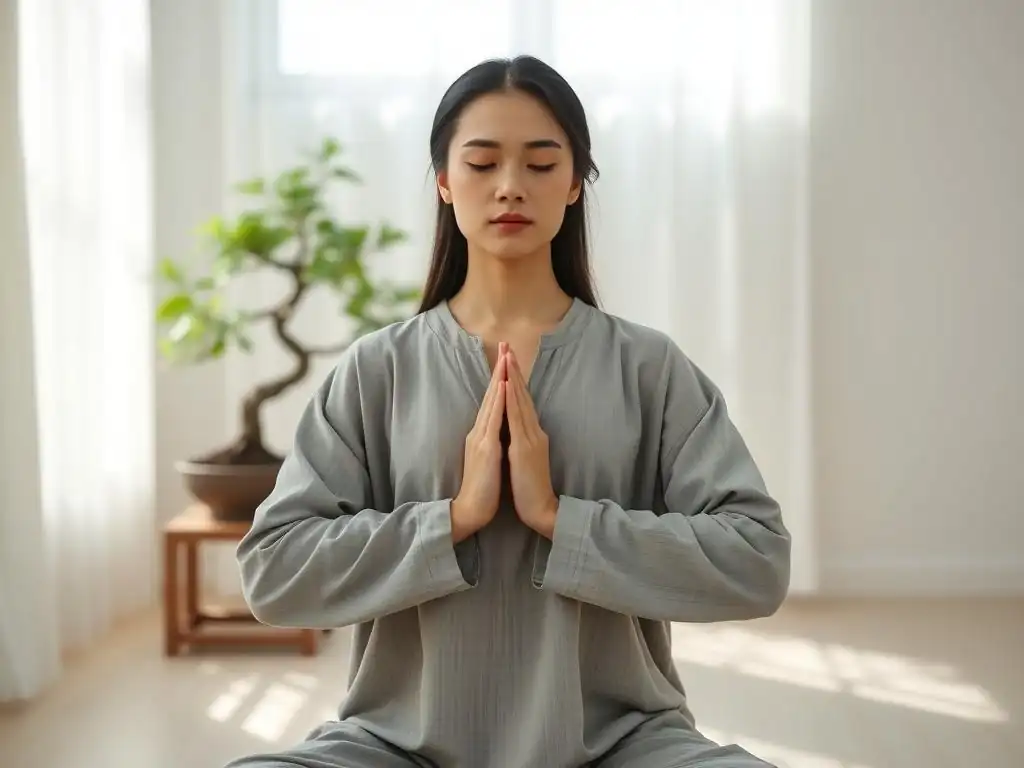
Before beginning your Qigong practice, it's helpful to create a conducive environment. Choose a quiet space where you won't be interrupted, either indoors or outdoors. Wear comfortable, loose clothing that allows for free movement. It's best to practice on a relatively empty stomach. Take a moment to stand with your feet parallel, shoulder-width apart, and simply breathe deeply, allowing yourself to arrive in the present moment.
Begin by gently shaking out your limbs to release any initial tension. Soften your knees slightly and feel your weight grounded through your feet. Let your shoulders relax down away from your ears. Close your eyes briefly and set an intention for your practice – perhaps to cultivate calm, release tension, or simply be present. This preparation helps transition your mind and body from the busyness of daily life into the focused, relaxed state required for effective Qigong for anxiety relief.
Three Simple Qigong Movements:
Here are three foundational movements perfect for beginners exploring Qigong for anxiety relief:
Dan Tian Breathing: Centering Your Energy
- How to do it: Stand or sit comfortably with a straight but relaxed spine. Place one hand lightly on your lower abdomen (the Dan Tian area, about two inches below your navel). Inhale slowly and deeply through your nose, allowing your abdomen to expand like a balloon. Exhale gently through your mouth or nose, letting your abdomen contract back inwards. The chest should remain relatively still.
- Why it helps: This type of deep abdominal breathing stimulates the parasympathetic nervous system, which is responsible for the body's rest and digest response. It calms the heart rate, lowers blood pressure, and reduces the physical symptoms associated with stress and anxiety. Practicing Dan Tian breathing helps anchor your awareness in the body's core, fostering a sense of stability and grounding, which is crucial for managing anxious thoughts.
- Specific benefit for anxiety: By shifting focus from racing thoughts to the physical sensation of the breath moving the abdomen, this exercise provides an immediate tool for interrupting the anxiety loop. Regular practice builds resilience, making it easier to access this calm state when stressful situations arise. Even just a few minutes of focused Dan Tian breathing can significantly reduce feelings of overwhelm.
Swaying Like Bamboo: Releasing Tension
- How to do it: Stand with feet shoulder-width apart, knees soft. Let your arms hang loosely at your sides. Gently sway your body from side to side, allowing your arms to swing freely around your torso, tapping gently on your lower back and abdomen. Keep your shoulders relaxed and your spine upright but not rigid. Allow the movement to originate from your core, like a tall bamboo stalk swaying in the wind.
- Why it helps: This simple, repetitive movement gently mobilizes the spine, shoulders, and hips, releasing accumulated physical tension that often accompanies stress and anxiety. The gentle tapping on the abdomen and back is believed to stimulate energy points and promote circulation. The rhythmic nature of the sway is inherently calming and helps to quiet a busy mind.
- Specific benefit for anxiety: Physical tension is a common symptom of anxiety. This exercise provides a gentle, non-strenuous way to release that tension from the body. The focus on the flowing, rhythmic movement also acts as a moving meditation, diverting attention away from anxious thoughts and grounding awareness in the physical sensation of swaying, promoting a feeling of ease and flexibility.
Cloud Hands: Promoting Relaxation
- How to do it: Stand with feet shoulder-width apart, knees soft. Begin by shifting your weight slightly to one foot. As you shift weight to the other foot, bring the hand on the weighted side up in front of your face, palm facing towards you, as if looking through a window. Simultaneously, the other hand lowers towards your hip, palm facing down. Gently rotate your torso and shift your weight back to the first foot, allowing the hands to smoothly transition – the hand that was up now lowers, and the hand that was down now rises on the opposite side. Continue this slow, continuous, circular movement, coordinating it with your breath (inhale as hands rise, exhale as hands lower, or simply breathe naturally).
- Why it helps: Cloud Hands is a classic Qigong movement that embodies fluidity and balance. The slow, coordinated movement of the arms and torso, combined with weight shifting and breath, helps to harmonize the left and right sides of the body and brain. It improves balance and coordination while promoting a deep sense of relaxation and flow. The gentle, circular motion is calming to the nervous system.
- Specific benefit for anxiety: The intricate yet simple coordination required for Cloud Hands demands gentle focus, effectively drawing your attention away from anxious rumination. The smooth, continuous nature of the movement is inherently soothing and helps to release tension in the shoulders, neck, and upper back, areas often tight with anxiety. Practicing Cloud Hands cultivates a sense of graceful ease and presence, counteracting feelings of being stuck or overwhelmed.
Integrating Qigong into Daily Life
Creating a Consistent Practice
Consistency is more important than duration when integrating Qigong for anxiety relief into your daily routine. Aim for short, regular sessions rather than infrequent long ones. Even 10-15 minutes daily can yield significant benefits over time. Identify a specific time that works best for you – perhaps first thing in the morning to set a calm tone for the day, during a lunch break to release mid-day stress, or in the evening to unwind before sleep.
Choose a few simple movements that resonate with you, like the ones described above, and practice them consistently. Don't strive for perfection; focus on the feeling and the flow. Creating a habit takes time, often cited as taking around 66 days on average according to some habit formation studies. Be patient and gentle with yourself. If you miss a day, simply resume your practice the next day without self-criticism. The cumulative effect of regular practice is where the true power of Qigong for anxiety relief lies.
Combining Qigong with Other Wellness Practices
Qigong complements many other self-care and mental wellness strategies. It can be effectively combined with mindfulness meditation, where the body awareness cultivated in Qigong enhances the ability to stay present during seated practice. Pairing Qigong with gentle yoga or stretching can further improve flexibility and reduce physical tension.
For individuals using therapeutic approaches for anxiety, such as cognitive behavioral therapy (CBT) or talk therapy, Qigong can serve as a valuable somatic tool to manage the physical symptoms of anxiety discussed in therapy sessions. Incorporating Qigong alongside practices like journaling, spending time in nature, or listening to calming music creates a multi-faceted approach to mental well-being. This holistic strategy acknowledges that optimal mental health is often achieved through integrating various supportive practices.
Benefits of Regular Qigong for Mental Health
Anxiety Reduction and Mood Improvement
One of the most significant benefits reported by practitioners is the effectiveness of Qigong for anxiety relief. Regular practice helps to calm the nervous system, reducing the physiological symptoms of anxiety such as rapid heart rate, shallow breathing, and muscle tension. Research, including studies published in journals focusing on complementary therapies, has indicated that participants who regularly practice Qigong show reductions in self-reported anxiety scores, often comparable to or supplementing the effects of other mind-body interventions.
Furthermore, Qigong can positively impact overall mood. The gentle movement and focus on breath help to release stagnant energy and promote a sense of flow and vitality, which can counteract feelings of lethargy and low mood often associated with chronic stress or anxiety. Participants in Qigong programs frequently report increased feelings of peace, contentment, and emotional balance, contributing to an overall improvement in psychological well-being.
Enhanced Sleep and Reduced Fatigue
Anxiety and stress are notorious disruptors of sleep, leading to cycles of fatigue that exacerbate anxious feelings. Qigong's calming effect on the nervous system directly addresses this issue. Practicing gentle Qigong movements, especially in the evening, can help quiet the mind and relax the body, making it easier to fall asleep and stay asleep. The focus on deep, abdominal breathing also promotes relaxation conducive to rest.
Individuals practicing Qigong for anxiety relief often report improvements in sleep quality and duration. Concurrently, by improving energy flow and reducing the energy drain caused by chronic stress, Qigong can help combat feelings of fatigue. Practitioners often describe feeling more energized and less drained throughout the day, even reporting improvements in energy levels on par with moderate physical activity, contributing to a more positive cycle of rest and energy.
Increased Resilience to Stress
Beyond simply reducing current stress and anxiety, regular Qigong practice builds resilience, enhancing your ability to cope with future challenges. By cultivating greater body awareness and mindfulness, you become more attuned to the subtle signals your body sends when stress begins to build. This early recognition allows you to apply coping strategies before stress becomes overwhelming.
Qigong teaches you to stay grounded and centered even amidst movement and change, metaphorically training you to remain calm and balanced when life presents difficulties. This increased capacity to navigate stress without being completely derailed is a long-term benefit that supports overall mental well-being. The internal strength and equanimity developed through consistent practice provide a stable foundation for handling life's inevitable ups and downs, making Qigong a powerful tool for sustained Qigong for anxiety relief.
Common Mistakes and How to Avoid Them
The Importance of Proper Alignment
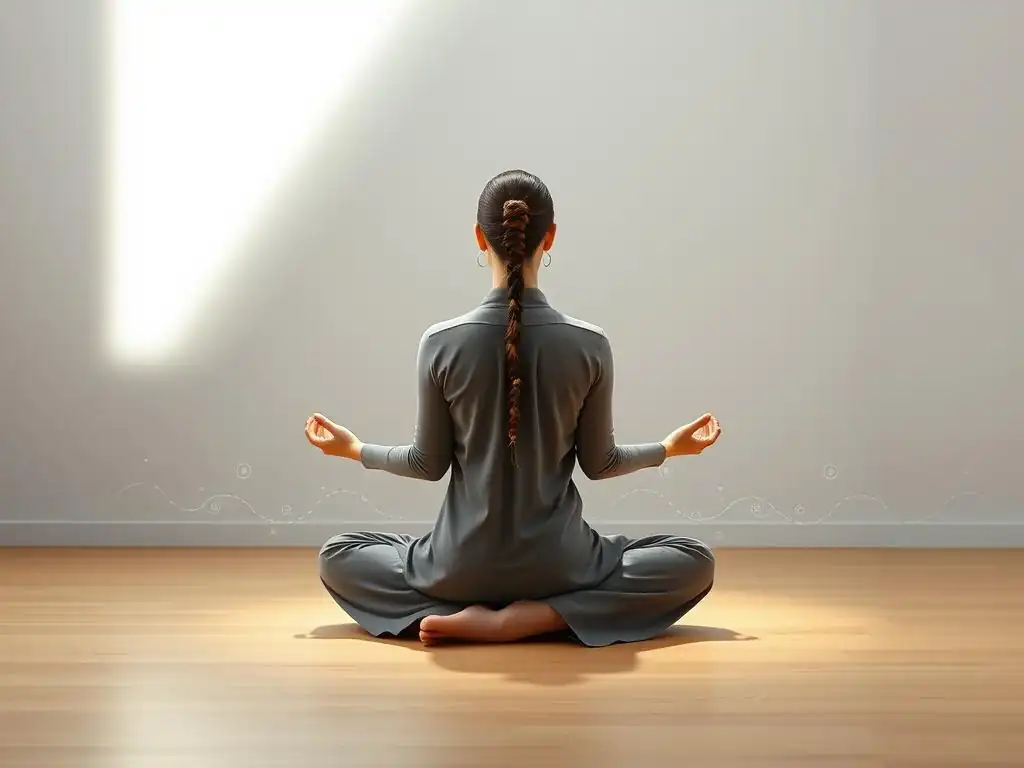
One common mistake beginners make is practicing with poor posture or stiff, rigid movements. Proper alignment isn't about being perfectly straight and tense; it's about finding a relaxed uprightness that allows energy and blood to flow freely. Straining or locking your joints, particularly the knees, or holding tension in your shoulders and neck can impede the benefits of Qigong and potentially lead to discomfort.
To avoid this, focus on softening your knees, relaxing your shoulders away from your ears, and imagining a thread gently lifting you from the crown of your head. Practice in front of a mirror initially if possible, or ask an instructor for feedback on your posture. Remember that the goal is fluidity and ease, not military precision. Gentle adjustments over time will naturally improve your alignment and enhance the effectiveness of your Qigong for anxiety relief.
Breathing Techniques and Common Errors
Another area where beginners can falter is with the breath. Common errors include holding the breath, breathing shallowly into the chest, or trying too hard to control the breath, which can actually increase anxiety. The goal of Qigong breathing is to be deep, relaxed, and natural, coordinating smoothly with movement rather than being forced or strained.
Focus on breathing deeply into your lower abdomen, allowing it to expand on the inhale and contract on the exhale. If coordinating breath with movement feels challenging at first, simply breathe naturally while performing the movements, adding the breath coordination later. Avoid holding your breath during transitions. The breath should be continuous and smooth, like a gentle wave, serving to calm the nervous system and enhance the flow of Qi, which is central to effective Qigong for anxiety relief.
Listening to Your Body and Avoiding Overexertion
Qigong is a gentle practice, and it's crucial to listen to your body and avoid pushing yourself too hard, especially when starting out. Trying to perform movements perfectly or doing too many repetitions too soon can lead to fatigue, muscle soreness, or frustration, counteracting the intended benefits of Qigong for anxiety relief.
Pay attention to how your body feels during and after practice. If you experience pain, ease up or modify the movement. It's better to do a few movements correctly and comfortably than many movements with strain. Qigong is about cultivating energy, not expending it through strenuous effort. Embrace the principle of 'effortless effort' and allow the movements to be soft and flowing. This mindful approach ensures that your practice is restorative and supportive of your mental well-being.
Maintaining Realistic Expectations
While Qigong is a powerful tool for mental health, it's not a magic cure, and expecting instant, dramatic results can lead to disappointment. Like any skill or wellness practice, the benefits of Qigong accrue over time with consistent effort. You might feel slightly more relaxed after your first session, but significant and lasting Qigong for anxiety relief typically develops over weeks and months of regular practice.
Avoid comparing your progress to others or expecting every session to feel profoundly calming. Some days you might feel more focused, others less so. Acknowledge that progress is often gradual and non-linear. Celebrate small victories, such as feeling slightly calmer during a stressful moment or noticing a subtle shift in your mood. Maintaining realistic expectations allows you to appreciate the journey and stay motivated for consistent practice, which is key to unlocking the full potential of Qigong for anxiety relief.
Resources for Learning Qigong
Recommended Books and Online Resources
For beginners looking to deepen their understanding and practice of Qigong for anxiety relief, several resources can be helpful. Many introductory books offer clear explanations of Qigong philosophy, principles, and step-by-step instructions for basic movements. Look for books that include illustrations or diagrams to help visualize the postures and movements.
Online platforms and websites dedicated to Qigong offer a wealth of information, including articles, tutorials, and videos. Many certified instructors provide online courses or video series specifically designed for beginners or focused on particular health benefits, such as Qigong for anxiety relief or stress reduction. Exploring reputable online resources can provide accessible ways to learn and practice from the comfort of your home.
Finding a Certified Qigong Instructor
While books and online resources are valuable, learning from a qualified instructor can significantly enhance your practice and ensure you are performing movements correctly. A certified Qigong instructor can provide personalized guidance, correct your posture and breathing, and offer insights into the energetic aspects of the practice.
Look for instructors certified by recognized Qigong or traditional Chinese medicine organizations. Attending local classes or workshops allows for direct interaction and feedback. Many instructors also offer online private sessions or group classes, expanding access regardless of your location. Learning from an experienced teacher helps build a strong foundation and can accelerate your progress in using Qigong for anxiety relief.
Exploring Different Qigong Styles
There are numerous styles of Qigong, each with its unique focus and approach. Some styles, like Eight Brocades (Ba Duan Jin) or Five Animal Frolics (Wu Qin Xi), are more physically dynamic, while others, like Wisdom Healing Qigong (Zhineng Qigong) or medical Qigong forms, place a stronger emphasis on healing and energy cultivation.
As you become more comfortable with the basics, you might explore different styles to find one that resonates most with your personal needs and preferences, particularly in your journey with Qigong for anxiety relief. Researching different styles and perhaps trying introductory classes from various traditions can help you discover the approach that best supports your mental and physical well-being goals. Each style offers a unique path to cultivating Qi and achieving balance.
Conclusion: Qigong for Long-Term Mental Well-being
Continuing Your Qigong Journey
Embarking on a Qigong practice is a journey, not a destination. The initial steps of learning basic movements and principles are just the beginning. As you continue to practice, you will likely deepen your understanding of your own body and energy, refine your movements, and experience more profound benefits for your mental and physical health.
Consistency and patience are your greatest allies. Don't be discouraged by challenges or plateaus in your practice. View them as opportunities for learning and growth. Explore new movements, delve deeper into the philosophy, or connect with other practitioners. Continuing to engage with Qigong ensures that you keep cultivating your vital energy and enhancing your capacity for peace and resilience, solidifying the benefits of Qigong for anxiety relief over the long term.
Qigong as a Sustainable Self-Care Practice
In a world that often demands constant output and quick fixes, Qigong offers a refreshing counterpoint: a sustainable, gentle, and accessible self-care practice that nourishes you from within. It doesn't require expensive equipment or extreme physical exertion. It is a practice you can return to throughout your life, adapting it as your needs and physical abilities change.
By integrating Qigong into your routine, you are investing in your long-term mental and physical well-being. You are building a foundation of inner calm, resilience, and vitality that can help you navigate the stresses of modern life with greater ease and grace. Embracing Qigong for anxiety relief is not just about managing symptoms; it's about cultivating a deeper connection with yourself and fostering a state of balanced well-being that is truly sustainable.
Frequently Asked Questions
What is Qigong and how can it help with anxiety relief?
Qigong is an ancient Chinese practice involving coordinated body-posture and movement, breathing, and meditation. It can help with anxiety relief by promoting relaxation and reducing stress.
How does Qigong differ from other forms of exercise or meditation for anxiety?
Unlike some exercises focused on physical exertion, Qigong emphasizes gentle movements and mindful breathing. This focus helps calm the nervous system, differentiating it from more intense activities and some meditation styles.
Is Qigong safe for everyone, especially those with pre-existing health conditions?
Generally, Qigong is considered safe. However, individuals with pre-existing health conditions should consult their doctor before starting, especially if they have cardiovascular issues or joint problems.
How often should I practice Qigong to experience anxiety relief benefits?
Consistency is key. Aim for at least 15-30 minutes of Qigong practice several times a week to start experiencing significant benefits in managing anxiety.
Where can I find reliable resources or qualified instructors to learn Qigong for anxiety relief?
Look for certified Qigong instructors in your area or online. Reputable websites like Mind Care Guide and other mental health resources can also provide introductory information and guidance.
Final Reflection: Cultivating Inner Peace Through Qigong
The simple, mindful movements of Qigong offer a powerful antidote to the pervasive anxiety of modern life. In a world constantly demanding our attention and energy, finding moments of calm and self-regulation feels more crucial than ever. This guide has explored the accessible entry points to Qigong, demonstrating how even beginners can harness its benefits for anxiety relief.
The journey towards inner peace is not a destination, but a continuous practice. Qigong's impact on my own life, and the lives of countless others, underscores its enduring relevance. It's a testament to the power of connecting with our bodies and breath to find stability amidst the chaos. The body is your temple. Keep it pure and clean for the soul to reside in.
This ancient wisdom resonates deeply with the principles of Qigong, reminding us that nurturing our physical well-being is intrinsically linked to our mental and emotional health.
Now, I invite you to take that first step. Don't let the perceived complexity of Qigong deter you. Start with even five minutes of gentle movement and mindful breathing. Notice the subtle shifts in your body and mind. Embrace the journey, and allow the practice of Qigong to become a source of strength, resilience, and lasting calm in your life. The path to a more peaceful you begins with a single breath.
Unwind and Unleash Your Inner Calm: Start Your Qigong Journey Today!
Thank you for taking the time to explore the world of Qigong and its benefits for mental well-being. We hope this guide provided you with valuable insights and a foundation for a calmer, more centered you. Ready to dive deeper?
- Begin your daily Qigong practice: Start with just 5 minutes today – even a small commitment makes a difference! Focus on the simple movements and breathing techniques outlined in the article.
- Share your experience: Tell us (or a friend!) about your first Qigong session. What did you notice? What felt different? Sharing your journey can inspire others.
- Explore additional resources: Delve into further research on Qigong and find a style that resonates with you. This could include online videos, books, or local classes.
What small step will you take today to cultivate a more peaceful and present mind?