
EcoAnxiety and Grief: Mourning Ecological Loss and Change


Welcome to Mind Care Guide, a sanctuary for your mental well-being.
Feeling overwhelmed by the state of our planet? You're not alone. Many are experiencing a profound sense of loss and anxiety related to environmental changes. This feeling, often called ecoanxiety, can manifest as grief. But there is hope, and there are ways to cope. Discover practical ecoanxiety grief coping strategies in this article and learn how to navigate these challenging emotions, fostering resilience and a sense of purpose in the face of ecological loss. Curious to learn more and find your path to healing? Let's begin.
EcoAnxiety and Grief: Mourning Ecological Loss and Change - Mind Care Guide
- Understanding EcoAnxiety and Grief: A Comprehensive Guide
- Recognizing the Signs and Symptoms of EcoAnxiety and Grief
- The Psychological Impact of Ecological Loss: Understanding the Connection Between Environment and Mental Health
-
Ecoanxiety Grief Coping Strategies: Practical Approaches for Managing Emotional Distress
- Developing Resilience to Climate Change Anxiety: Building Mental Strength
- Finding Support and Community: Connecting with Others Who Understand
- Practicing Mindfulness and Grounding Techniques: Staying Present in a Worrisome World
- Engaging in Pro-Environmental Action: Empowering Yourself Through Positive Change
- Seeking Professional Help for EcoAnxiety and Grief: When to Consult a Therapist
-
Addressing the Root Causes: Long-Term Strategies for Sustainable Mental Well-being
- Promoting Climate Literacy: Understanding the Science of Climate Change
- Advocating for Environmental Justice: Fighting for Equitable Solutions
- Fostering Hope and Optimism: Cultivating a Positive Outlook for the Future
- Reducing Your Carbon Footprint: Taking Personal Responsibility for Environmental Impact
- Resources for Coping with EcoAnxiety and Ecological Grief
- Building a More Resilient Future: Embracing Hope and Action in the Face of Climate Change
-
Frequently Asked Questions
- What is ecoanxiety and how is it related to grief?
- What are some common signs and symptoms of ecoanxiety-related grief?
- Why is it important to address ecoanxiety-related grief?
- What are some effective coping strategies for dealing with ecoanxiety grief?
- Where can I find resources and support for managing ecoanxiety and grief?
- Final Reflection: Finding Hope Amidst Ecological Grief
- Embrace Eco-Hope: Cultivate Resilience and Action
Understanding EcoAnxiety and Grief: A Comprehensive Guide
Defining EcoAnxiety: Fear and Worry in a Changing Climate
EcoAnxiety is often described as a chronic fear of environmental doom. It stems from observing and understanding the impacts of climate change and ecological degradation. This isn't just abstract worry; it's a deep-seated concern about the future of the planet and humanity, driven by scientific reports detailing rising global temperatures, species extinction, and extreme weather events. For instance, the Intergovernmental Panel on Climate Change (IPCC) reports consistently highlight accelerating changes, providing a stark reality that fuels this anxiety for many individuals.
This form of anxiety can manifest in various ways, from persistent low-grade worry about daily news headlines to more acute panic attacks triggered by specific environmental disasters. It's a psychological response to a real and growing threat, distinct from general anxiety disorders, though it can certainly exacerbate existing mental health conditions. The feeling of helplessness in the face of such a large-scale crisis is a core component of ecoanxiety, making effective ecoanxiety grief coping strategies crucial for mental well-being.
Exploring Ecological Grief: Mourning Environmental Loss
Ecological grief, or climate grief, is the sorrow experienced in response to environmental losses, whether actual or anticipated. This can include the loss of ecosystems, species, landscapes, or even cultural heritage tied to the environment. It's a form of disenfranchised grief, often not fully recognized or validated by society, making it a uniquely challenging emotional experience. For example, communities witnessing the erosion of coastlines or the disappearance of specific migratory birds they've known for generations experience profound ecological grief.
This grief is not limited to those directly impacted by immediate environmental disasters; it can also be felt by individuals around the world who mourn the loss of biodiversity or the destruction of natural habitats depicted in global news. It's a response to the changing world around us, a mourning for what is being lost and what will never return. Understanding ecological grief is a vital step in developing effective ecoanxiety grief coping strategies that acknowledge the depth of this emotional pain.
The Intersection of EcoAnxiety and Grief: A Combined Mental Health Challenge
EcoAnxiety and ecological grief are often intertwined, representing two sides of the same coin – the emotional response to the environmental crisis. EcoAnxiety tends to focus on the future threat and potential loss, manifesting as worry, fear, and powerlessness. Ecological grief, conversely, focuses on the past and present losses, manifesting as sadness, sorrow, and mourning. However, these feelings frequently coexist; the anxiety about future environmental changes can deepen the grief over current losses, and grieving current losses can heighten anxiety about what else might be lost.
This combination creates a complex mental health challenge. Individuals may feel overwhelmed by both the dread of what's to come and the pain of what's already gone. This dual burden can lead to burnout, apathy, or a sense of despair. Recognizing this intersection is key to providing holistic support and developing comprehensive ecoanxiety grief coping strategies that address both the anxious anticipation and the sorrowful mourning associated with ecological change.
Recognizing the Signs and Symptoms of EcoAnxiety and Grief
Identifying Symptoms of EcoAnxiety
Symptoms of ecoanxiety can vary but often include persistent worry or fear about environmental issues, intrusive thoughts about climate change, difficulty sleeping, and feelings of helplessness or despair regarding the future. Some individuals may experience physical symptoms akin to other anxiety disorders, such as increased heart rate, shortness of breath, or muscle tension, particularly after reading or watching news about the environment. A 2021 study involving 10,000 young people across 10 countries found that over 50% reported feeling "very" or "extremely" worried about climate change, indicating the widespread nature of these symptoms among certain demographics.
Beyond general anxiety, ecoanxiety can also manifest as avoidance behaviors (like avoiding news or conversations about climate change), or conversely, obsessive engagement with environmental issues. It can impact daily functioning, relationships, and overall quality of life. Recognizing these specific symptoms is the first step toward seeking support and implementing ecoanxiety grief coping strategies.
Recognizing Signs of Ecological Grief
Ecological grief presents with symptoms similar to other forms of grief, including sadness, sorrow, anger, guilt (e.g., for one's own environmental impact), numbness, or even trauma responses, especially for those directly impacted by environmental disasters. It can manifest as a deep sense of loss for places or species that are changing or disappearing. For example, researchers studying communities in regions experiencing significant environmental shifts, such as the Arctic where ice is melting rapidly, have documented profound feelings of sadness and loss among indigenous populations whose way of life and connection to the land are being fundamentally altered.
This grief can be chronic, as environmental losses are ongoing. It may resurface with news of new disasters or reports on ecological decline. Unlike traditional grief, which often has a clear event and a period of intense mourning followed by adaptation, ecological grief can feel unending because the threat and the losses persist. Acknowledging this ongoing nature is crucial when discussing ecoanxiety grief coping strategies.
Differentiating EcoAnxiety from General Anxiety
While ecoanxiety shares characteristics with generalized anxiety disorder (GAD), its focus is specifically on environmental threats. General anxiety can be triggered by various stressors like work, health, or relationships, whereas ecoanxiety is rooted in concerns about the planet's future and ecological changes. A person with GAD might worry excessively about multiple aspects of their life, while someone with ecoanxiety's primary worry centers on climate change and its impacts.
It's possible to experience both, but distinguishing ecoanxiety helps in identifying the specific triggers and developing targeted ecoanxiety grief coping strategies. For instance, while breathing exercises help with general anxiety, ecoanxiety might also require strategies that address feelings of powerlessness related to large-scale environmental problems. Understanding this distinction allows for more precise support and intervention.
Distinguishing Ecological Grief from Traditional Grief
Ecological grief differs from traditional grief (like mourning the death of a loved one) primarily in its object and social recognition. Traditional grief mourns a specific, often personal, loss with established social rituals and support systems. Ecological grief mourns environmental losses that are often collective, ongoing, and lack formal recognition or rituals. Mourning the loss of a coral reef or a forest is different from mourning a person, and society often doesn't provide the same framework for processing this type of loss.
This lack of validation can make ecological grief feel isolating and difficult to express. The feelings might be dismissed as overly emotional or alarmist. Recognizing ecological grief as a legitimate response to loss is a critical step in validating these emotions and exploring effective ecoanxiety grief coping strategies that acknowledge the unique challenges of mourning environmental change.
The Psychological Impact of Ecological Loss: Understanding the Connection Between Environment and Mental Health
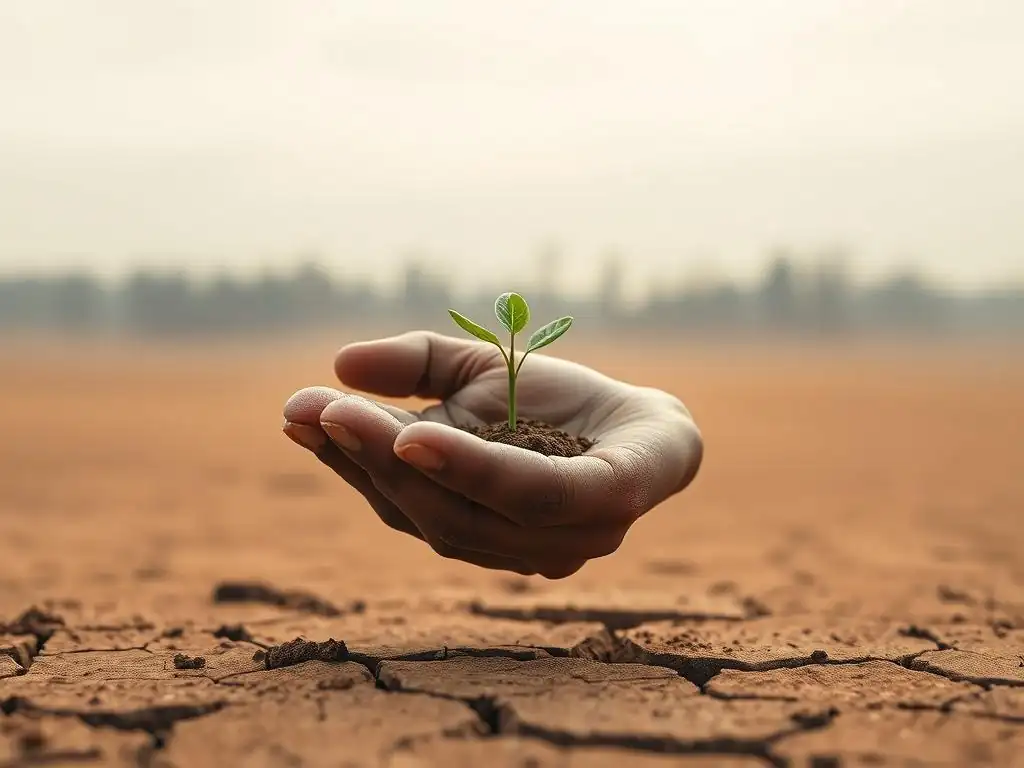
The Impact of Climate Change on Mental Well-being
The direct and indirect impacts of climate change have significant consequences for mental well-being. Direct impacts include the trauma and distress caused by extreme weather events like hurricanes, floods, and wildfires. Studies following communities affected by events like Hurricane Katrina in the US or bushfires in Australia have shown elevated rates of PTSD, depression, and anxiety. Indirect impacts include the stress associated with resource scarcity, forced migration, and the economic instability caused by environmental changes.
Even for those not directly affected by disasters, the constant influx of alarming information about climate change can create a state of chronic stress and worry. This pervasive sense of threat contributes significantly to the rise in ecoanxiety and ecological grief globally. Developing effective ecoanxiety grief coping strategies is becoming increasingly necessary as these environmental pressures mount.
How Ecological Loss Affects Identity and Sense of Place
Ecological loss can profoundly disrupt an individual's sense of identity and connection to place, particularly for communities whose cultural heritage and livelihoods are intrinsically linked to their environment. Indigenous populations, coastal communities, and agricultural societies often have deep historical and cultural ties to specific landscapes, ecosystems, and species. When these environments are degraded or disappear, it can feel like a loss of part of oneself or one's history.
For example, the drying up of lakes or the desertification of land can devastate communities that rely on these resources for sustenance and cultural practices. This loss is not just economic; it's existential, eroding a sense of belonging and continuity. Recognizing this deep connection is vital when discussing ecoanxiety grief coping strategies, as strategies must acknowledge the potential impact on identity and sense of place.
The Role of Environmental Disasters in Triggering EcoAnxiety and Grief
Environmental disasters serve as potent triggers for both ecoanxiety and ecological grief. Witnessing or experiencing events like devastating floods, prolonged droughts, or massive wildfires provides tangible evidence of climate change's impact, transforming abstract worries into concrete fears and immediate losses. The sheer scale of destruction and loss of life (both human and non-human) in such events can be traumatic, leading to acute distress and long-term psychological impacts.
For survivors, the trauma of the event itself is compounded by the loss of homes, livelihoods, and community infrastructure, alongside the ecological devastation of their surroundings. For those witnessing from afar through media, these events reinforce fears about future risks and deepen grief over the state of the planet. These experiences underscore the urgent need for accessible and effective ecoanxiety grief coping strategies and mental health support in the aftermath of environmental catastrophes.
Ecoanxiety Grief Coping Strategies: Practical Approaches for Managing Emotional Distress
Developing Resilience to Climate Change Anxiety: Building Mental Strength
Building resilience is a key component of managing climate change anxiety and ecological grief. This involves cultivating psychological flexibility and the ability to adapt to stress and adversity. Strategies include focusing on what you can control, setting boundaries around exposure to distressing news, and practicing self-compassion. Recognizing that it's okay to feel these difficult emotions is also crucial.
Resilience isn't about ignoring the problem, but about developing the internal resources to cope with the emotional burden it imposes. This can involve strengthening your support network, engaging in activities that bring joy and meaning, and developing a sense of purpose that extends beyond the environmental crisis itself. These foundational ecoanxiety grief coping strategies help build a stronger emotional core.
Finding Support and Community: Connecting with Others Who Understand
Connecting with others who share similar concerns is a powerful ecoanxiety grief coping strategy. Feeling isolated in your anxiety or grief can exacerbate the emotional pain. Joining support groups, online forums, or local environmental action groups provides a sense of community and validation. Sharing experiences with others who understand the depth of feeling can reduce feelings of loneliness and despair.
These communities offer not only emotional support but also a space to share information, collaborate on solutions, and find collective strength. Knowing you are not alone in your feelings can make the burden of ecoanxiety and ecological grief feel lighter and more manageable.
Practicing Mindfulness and Grounding Techniques: Staying Present in a Worrisome World
Mindfulness and grounding techniques are effective ecoanxiety grief coping strategies for managing overwhelming emotions. Ecoanxiety often pulls your thoughts into catastrophic future scenarios, while grief can dwell on past losses. Mindfulness helps anchor you in the present moment, reducing the power of these intrusive thoughts. Simple techniques like focusing on your breath, observing your surroundings using your senses, or mindful walking can interrupt cycles of worry and sorrow.
- Deep breathing exercises (e.g., box breathing)
- Body scan meditation
- Grounding by identifying 5 things you can see, 4 things you can touch, 3 things you can hear, 2 things you can smell, 1 thing you can taste.
- Mindful observation of nature (even small elements like a plant or the sky).
These practices don't eliminate the problem but provide temporary relief and build the capacity to tolerate difficult emotions without being consumed by them.
Engaging in Pro-Environmental Action: Empowering Yourself Through Positive Change
Taking action, no matter how small, is a vital ecoanxiety grief coping strategy. Feelings of powerlessness are central to both ecoanxiety and grief. Engaging in pro-environmental activities can counteract this by providing a sense of agency and purpose. This could involve reducing your personal consumption, advocating for policy changes, participating in local conservation efforts, or educating others.
Action transforms passive worry into active engagement. It allows you to channel your anxiety and grief into constructive efforts towards a better future. Even small steps, like reducing plastic use or supporting sustainable businesses, can contribute to a sense of empowerment and hope.
Seeking Professional Help for EcoAnxiety and Grief: When to Consult a Therapist
If ecoanxiety or ecological grief are significantly impacting your daily life, relationships, or ability to function, seeking professional help is an important ecoanxiety grief coping strategy. Therapists, particularly those with experience in climate-aware therapy, can provide tailored support. They can help you process difficult emotions, develop coping mechanisms, challenge unhelpful thought patterns, and build resilience.
Symptoms that might warrant professional help include persistent feelings of hopelessness or despair, significant changes in sleep or appetite, withdrawal from social activities, or difficulty performing daily tasks. A mental health professional can offer a safe space to explore these complex feelings and develop personalized strategies for managing ecoanxiety and ecological grief.
Addressing the Root Causes: Long-Term Strategies for Sustainable Mental Well-being

Promoting Climate Literacy: Understanding the Science of Climate Change
Increasing climate literacy is a crucial long-term strategy for managing ecoanxiety and grief, not by eliminating concern, but by fostering informed understanding and reducing fear based on misinformation or sensationalism. Learning about the science of climate change, its causes, impacts, and potential solutions from credible sources empowers individuals. Understanding the complexities can move one from feeling overwhelmed and helpless to feeling more informed and capable of contributing to solutions.
Education can also highlight the areas where progress is being made and the potential for positive change, counteracting feelings of despair. It shifts the focus from passive consumption of alarming news to active engagement with the issue. This informed perspective is foundational for implementing effective ecoanxiety grief coping strategies that are grounded in reality and hope.
Advocating for Environmental Justice: Fighting for Equitable Solutions
Engaging in advocacy for environmental justice is another powerful long-term approach. Recognizing that the impacts of environmental degradation disproportionately affect marginalized communities can channel grief and anxiety into purposeful action. Environmental justice seeks to ensure that all people, regardless of race, income, or background, have equal protection from environmental hazards and equal access to environmental benefits.
Working towards environmental justice provides a framework for addressing the systemic issues that contribute to ecological loss. It shifts the focus from individual burden to collective responsibility and action. Participating in or supporting environmental justice initiatives can provide a sense of meaning and efficacy, which are vital for sustained mental well-being when facing global challenges.
Fostering Hope and Optimism: Cultivating a Positive Outlook for the Future
While acknowledging the severity of the environmental crisis is necessary, actively fostering hope and optimism is a vital long-term ecoanxiety grief coping strategy. This doesn't mean ignoring the problems, but rather cultivating a realistic hope based on human ingenuity, collective action, and the potential for positive change. Focusing on success stories in conservation, renewable energy advancements, or community resilience can counteract despair.
It involves consciously seeking out positive news and narratives about environmental efforts and progress. Cultivating optimism is not about wishful thinking, but about recognizing the agency humanity has to mitigate harm and build a more sustainable future. This perspective helps sustain motivation and prevents burnout when engaging with difficult environmental issues.
Reducing Your Carbon Footprint: Taking Personal Responsibility for Environmental Impact
Taking personal responsibility by reducing your carbon footprint is a tangible way to address the root causes of climate change and manage related distress. While individual actions alone won't solve the crisis, they provide a sense of agency and align personal behavior with values. This can involve making conscious choices about transportation, diet, energy consumption, and purchasing habits.
For instance, opting for public transport or cycling over driving, choosing plant-based meals more often, improving home energy efficiency, or supporting companies with sustainable practices are concrete steps. These actions, while seemingly small on a global scale, contribute to a sense of efficacy and reduce feelings of guilt or helplessness, complementing other ecoanxiety grief coping strategies.
Resources for Coping with EcoAnxiety and Ecological Grief
Online Communities and Support Groups
A growing number of online communities and support groups are dedicated to providing a space for individuals experiencing ecoanxiety and ecological grief. These platforms offer peer support, shared resources, and a sense of belonging. Examples include online forums, social media groups, and virtual meetings specifically for processing climate-related emotions.
- Peer support groups focused on climate distress
- Online forums for sharing experiences with ecological grief
- Social media communities centered around climate mental health
These resources can be particularly helpful for individuals who feel isolated or lack local support networks.
Books and Articles on EcoAnxiety and Grief
Numerous books and articles delve into the psychological impacts of the environmental crisis, offering insights, validation, and coping strategies. Reading about the experiences of others and learning from experts can normalize feelings of ecoanxiety and grief and provide tools for managing them.
The weight of the world feels lighter when shared through understanding and knowledge.
Key authors and publications explore topics like the emotional toll of climate change, the concept of ecological grief, and practical approaches for building resilience and taking action.
A growing number of mental health professionals are specializing in climate-aware therapy, trained to help clients process emotions related to the environmental crisis. These therapists understand the unique nature of ecoanxiety and ecological grief and can provide specialized support.
- Therapists with training in climate psychology
- Counselors specializing in trauma related to environmental disasters
- Psychologists offering support for climate-related distress
Seeking out professionals with this specific focus ensures that the unique challenges of mourning ecological loss and fearing climate change are appropriately addressed within a therapeutic context.
Building a More Resilient Future: Embracing Hope and Action in the Face of Climate Change
The Importance of Collective Action: Working Together for a Sustainable World
Addressing the environmental crisis and managing the associated mental health impacts ultimately requires collective action. Individual ecoanxiety grief coping strategies are essential for personal well-being, but working together amplifies impact and fosters a sense of shared purpose that combats feelings of isolation and powerlessness. Collaborative efforts, whether through local community projects, national advocacy, or international movements, demonstrate that meaningful change is possible and that individuals are not alone in the fight for a sustainable future.
Collective action also provides a powerful antidote to despair. Witnessing groups of people working together towards common environmental goals can be incredibly inspiring and reinforce hope. It shifts the narrative from individual burden to shared responsibility and collective strength, fostering resilience on a larger scale.
Finding Meaning and Purpose in Environmental Stewardship: Connecting with Nature
Engaging in environmental stewardship can provide a profound sense of meaning and purpose, serving as a powerful counterpoint to feelings of grief and anxiety. Actively caring for the natural world, whether through conservation efforts, gardening, restoring local habitats, or simply spending time appreciating nature, strengthens the connection to the environment. This connection can transform feelings of loss into a motivation to protect and cherish what remains.
Connecting with nature has well-documented benefits for mental health, reducing stress and improving mood. For those experiencing ecoanxiety and grief, this connection is not just about personal well-being; it's about finding a tangible way to interact positively with the environment that is the source of their distress, reframing the relationship from one of fear and loss to one of care and commitment.
Cultivating Gratitude and Appreciation for the Natural World: Fostering a Positive Relationship with the Environment
Cultivating gratitude and appreciation for the natural world is a simple yet effective practice for fostering a more positive relationship with the environment, even amidst concerns about its future. Taking time to notice and appreciate the beauty, resilience, and complexity of nature – a vibrant sunset, the persistence of a tree, the intricate patterns of a leaf – can shift focus from what is being lost to what still exists and thrives.
This practice doesn't diminish the reality of ecological challenges but helps balance the emotional landscape. It fosters a sense of awe and wonder that can renew motivation for conservation and action. By consciously appreciating the natural world, individuals can strengthen their connection to it and find moments of peace and joy that support their overall mental resilience when navigating ecoanxiety and ecological grief.
Frequently Asked Questions
Ecoanxiety is anxiety related to environmental degradation and climate change. It's linked to grief because the destruction of natural environments triggers mourning for lost ecosystems and a fear for the future.
Common symptoms include feelings of sadness, anger, hopelessness, and guilt related to environmental damage. You might also experience difficulty concentrating or a sense of detachment from nature.
Ignoring ecoanxiety can lead to burnout and mental health issues. Addressing it allows for healthier coping mechanisms and promotes proactive engagement in environmental solutions.
What are some effective coping strategies for dealing with ecoanxiety grief?
Strategies include connecting with nature, engaging in eco-activism, seeking therapy or support groups, and practicing mindfulness to manage anxiety.
Where can I find resources and support for managing ecoanxiety and grief?
Mind Care Guide offers information, resources, and support for managing mental well-being, including ecoanxiety. Consider seeking out mental health professionals specializing in climate-related distress.
Final Reflection: Finding Hope Amidst Ecological Grief
The escalating climate crisis isn't just an environmental issue; it's a profound psychological one. The anxieties and grief stemming from witnessing ecological loss are increasingly prevalent, impacting individuals and communities globally. Ignoring this emotional dimension hinders our ability to effectively address the environmental challenges we face.
Eco-anxiety and grief are not signs of weakness, but rather a natural and valid response to the immense changes occurring on our planet. These feelings, while painful, highlight the deep connection we have with the natural world and the urgency of the situation. The greatest threat to our planet is the belief that someone else will save it.
– Robert Swan. This quote underscores the individual responsibility we all share in addressing both the environmental crisis and the emotional toll it takes. My own journey in researching this topic has underscored the importance of acknowledging and validating these emotions, rather than suppressing them.
The path forward requires both collective action and individual self-care. You are not alone in experiencing eco-anxiety and grief. Embrace the opportunity to connect with others who share your concerns, find healthy coping mechanisms, and actively participate in solutions. By acknowledging our emotional responses, we can channel our grief into meaningful action, fostering resilience and hope for a more sustainable future. Let's transform our collective sorrow into a powerful force for positive change.
Embrace Eco-Hope: Cultivate Resilience and Action
Thanks for taking the time to explore the complex emotions surrounding eco-anxiety and grief. We hope this article helped you understand and process these powerful feelings. Now, let's move towards positive action.
Here are some steps you can take to cultivate resilience and make a difference:
- Join a local environmental group or initiate a community project: This is your primary action step – connecting with others experiencing similar emotions and actively contributing to positive change is incredibly powerful.
- Share this article with someone you care about: Opening up conversations about eco-anxiety can reduce feelings of isolation and encourage collective action.
- Learn about eco-therapy practices: Explore mindfulness techniques or nature connection practices to deepen your relationship with the natural world and enhance your emotional well-being.
What small step will you take today to nurture your connection with nature and contribute to a healthier planet?