
Overcoming Barriers: Finding Nature When Mobility or Location is an Issue

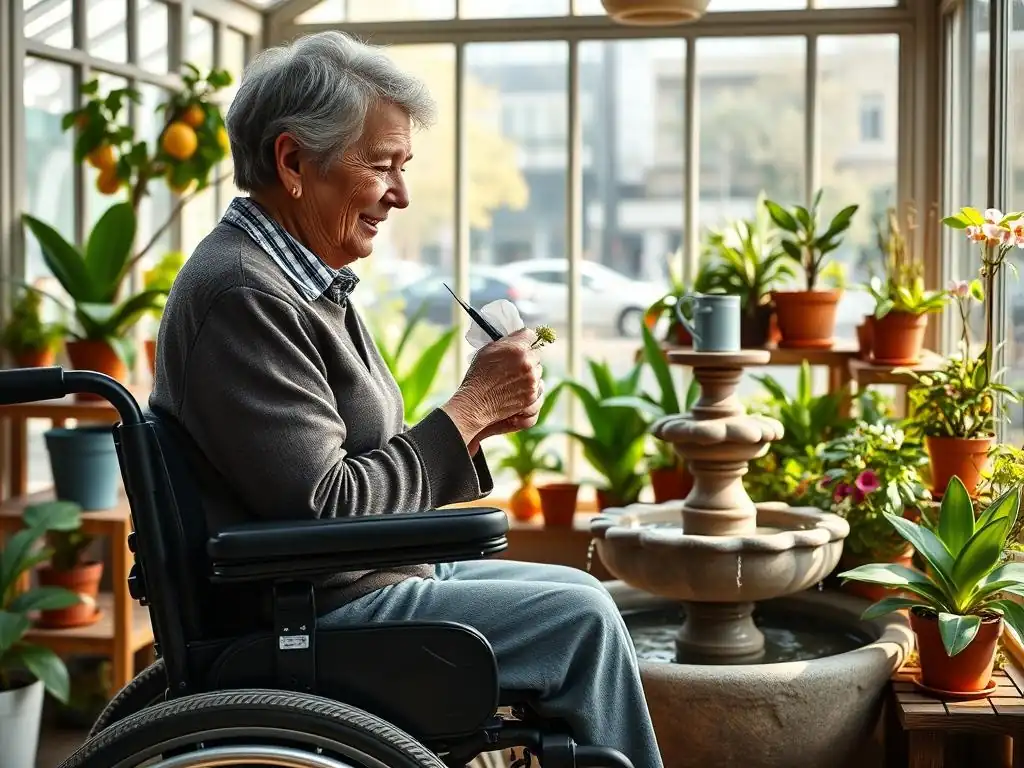
Welcome to Mind Care Guide.
Feeling trapped by limited mobility or location and longing for the peace that nature brings? You're not alone. We understand the yearning for the outdoors and the vital connection it provides to our mental well-being. In this guide, we explore innovative and accessible approaches to nature therapy for limited mobility, uncovering how you can still harness the healing power of the natural world, regardless of your circumstances. Curious to discover how to bring the tranquility of nature into your life, even when getting outside feels impossible? Let's begin.
Overcoming Barriers: Finding Nature When Mobility or Location is an Issue
- Introduction: The Importance of Nature for Mental Well-being, Even with Limitations
- Understanding the Challenges: Barriers to Nature Access
- Nature Therapy for Limited Mobility: Practical Strategies
- Virtual Nature Experiences: Connecting Remotely
- Sensory Nature Experiences: Engaging Through Senses
- Community and Social Connection in Nature
- The Mental Health Benefits of Accessible Nature
- Nature's Healing Power: Personalized Approaches for Limited Access
- Conclusion: Embracing Nature's Gifts Regardless of Limitations
-
Frequently Asked Questions
- What is nature therapy for limited mobility?
- How can nature therapy benefit individuals with mobility issues?
- What types of activities are included in nature therapy for those with limited mobility?
- Are there specific resources available for pursuing nature therapy?
- How can I start incorporating nature therapy into my routine?
- Final Reflection: Reclaiming Nature's Embrace, Regardless of Mobility
- Unlock Nature's Embrace: Your Journey Starts Now!
Introduction: The Importance of Nature for Mental Well-being, Even with Limitations
Nature has long been recognized for its profound positive impact on mental health. Spending time outdoors, whether hiking through a forest, relaxing by a lake, or simply sitting in a park, can significantly reduce stress, improve mood, and enhance overall psychological well-being. Research indicates that even brief exposure to nature can lower cortisol levels, the body's primary stress hormone, and increase feelings of calmness and contentment. For many, access to natural environments is a readily available tool for self-care and mental resilience.
However, for individuals facing challenges such as limited mobility, geographical constraints, or financial limitations, accessing traditional natural spaces can be difficult or even impossible. This can lead to feelings of isolation and deprivation, hindering their ability to benefit from nature's therapeutic effects. This article explores practical strategies and resources for engaging in nature therapy for limited mobility and location issues, ensuring that everyone, regardless of their circumstances, can find ways to connect with the healing power of the natural world.
Understanding the Challenges: Barriers to Nature Access
Mobility Limitations and Nature Connection
Mobility limitations present significant physical barriers to experiencing nature in conventional ways. Uneven terrain, stairs, narrow paths, and lack of accessible facilities like ramps or paved trails can make popular natural destinations inaccessible for individuals using wheelchairs, walkers, or those with chronic conditions affecting stamina and balance. This lack of physical access can lead to feelings of exclusion and frustration, preventing participation in activities that are beneficial for mental and physical health.
Furthermore, the design of many public parks and natural reserves was not initially conceived with universal accessibility in mind. While progress is being made, the infrastructure required for true accessibility – such as smooth, wide trails, accessible restrooms, and designated accessible parking – is not yet ubiquitous. This necessitates creative solutions and adaptations for individuals seeking nature therapy for limited mobility, prompting a need for accessible outdoor spaces and alternative methods of nature engagement.
Geographical Constraints and Urban Living
Geographical constraints, particularly living in dense urban environments, can severely limit access to expansive natural landscapes. City dwellers often find themselves surrounded by concrete and steel, with limited green spaces that may be overcrowded or poorly maintained. Travel to national parks or rural natural areas can be costly and time-consuming, requiring transportation that may not be feasible for everyone.
Urban living can also mean dealing with noise pollution, air pollution, and safety concerns that detract from the calming experience typically associated with nature. While city parks offer some respite, they often lack the immersive quality of more remote natural settings. Finding effective ways to incorporate nature therapy for limited mobility and urban dwellers requires innovative approaches that bring nature closer to home or leverage technology to bridge the geographical gap.
Financial Barriers to Experiencing Nature
Experiencing nature, especially in places that require travel or specialized equipment, can incur significant costs. Transportation expenses, park entrance fees, adaptive gear for specific activities, and even comfortable, weather-appropriate clothing can add up, creating financial barriers for individuals with limited incomes. These costs can make regular visits to natural spaces unattainable for many.
Moreover, specialized programs offering nature therapy for limited mobility might require trained guides or adaptive equipment rentals, adding further expense. While some public resources are free, the most accessible or tailored experiences often come with a price tag. Addressing this requires highlighting low-cost or free nature access options and exploring ways to make nature therapy more equitable and affordable for all.
Nature Therapy for Limited Mobility: Practical Strategies
Adapting Outdoor Activities for Accessibility
Engaging in nature therapy for limited mobility often requires adapting traditional outdoor activities to suit individual needs and abilities. This involves identifying accessible locations and modifying activities to be inclusive. The goal is to ensure that the physical environment does not become an insurmountable obstacle to experiencing nature's benefits.
Adaptations can range from utilizing specialized equipment to choosing activities that require less physical exertion or can be done from a seated position. The focus shifts from conquering challenging terrain to simply being present in nature and engaging with it through senses other than just physical movement.
Wheelchair-Accessible Hiking Trails and Parks
Many parks and nature reserves are developing or already feature wheelchair-accessible trails. These trails are typically paved or have hard-packed surfaces, wider paths, and gentler slopes than traditional trails. Examples include boardwalks through wetlands or smooth, graded paths through forests.
These accessible trails allow individuals using wheelchairs, scooters, or walkers to navigate natural environments safely and comfortably. Information on accessible trails is often available on park websites or through organizations dedicated to accessible travel and recreation. For instance, some state park systems in the U.S. have dedicated sections on their websites listing accessible features and trails.
Adaptive Gardening Techniques
Gardening is a powerful form of nature therapy that can be adapted for various mobility levels. Raised garden beds or container gardening eliminate the need for bending or kneeling, allowing individuals to garden from a seated position. Vertical gardens can also be placed at accessible heights.
Using lightweight tools, tools with ergonomic grips, or long-handled tools can further assist those with limited strength or range of motion. Community gardens often include accessible plots, fostering social connection alongside nature engagement. This allows individuals to connect with soil, plants, and the cycle of growth, reaping the mental benefits of gardening regardless of physical limitations.
Modified Nature Walks and Birdwatching
Even a short, slow-paced walk on a level surface can be beneficial. Modified nature walks can focus on observation rather than distance. This might involve sitting on a park bench and observing the trees, birds, and insects around you, or using binoculars to watch wildlife from a stationary position.
Birdwatching, in particular, is an excellent form of nature therapy for limited mobility as it can be done from almost anywhere – a window overlooking a garden, a park bench, or a porch. Focusing on identifying different bird species, their calls, or behaviors provides mental stimulation and a connection to the natural world without requiring extensive movement.
Bringing Nature Indoors: Biophilic Design Principles
When outdoor access is severely limited, bringing elements of nature indoors can provide a powerful alternative for nature therapy for limited mobility. Biophilic design focuses on incorporating natural elements, patterns, and processes into built environments to improve occupant health and well-being. This approach can transform indoor spaces into calming, nature-infused sanctuaries.
Implementing biophilic principles doesn't necessarily require a complete renovation; simple additions and adjustments can make a significant difference. The goal is to create an environment that mimics the positive sensory experiences found in nature, fostering a sense of connection even when physically separated from outdoor spaces.
Indoor Plants and Green Spaces
Introducing indoor plants is one of the simplest and most effective ways to bring nature inside. Plants not only add visual appeal but also improve air quality and create a sense of vitality. Caring for plants can be a therapeutic activity in itself, providing a connection to living organisms and a sense of purpose.
Creating small indoor green spaces, such as a corner filled with various potted plants, a vertical garden wall, or even a terrarium, can provide a concentrated dose of nature's presence. Studies have shown that the mere presence of indoor plants can reduce stress and increase productivity and creativity. Choosing low-maintenance plants can make this form of nature therapy for limited mobility more accessible.
Natural Light and Ventilation
Maximizing natural light is a key component of biophilic design. Positioning seating areas near windows, using sheer curtains, and keeping windows clean can increase exposure to sunlight, which helps regulate circadian rhythms and improve mood. Even on cloudy days, natural light connects us to the outdoor environment.
Ensuring good natural ventilation by opening windows when possible allows fresh air to circulate and brings in natural sounds and scents from the outside. This sensory connection, even if visual or auditory, reinforces the link to the natural world and enhances the therapeutic effect of the indoor environment.
Nature-Inspired Decor and Art
Incorporating nature-inspired elements into decor can also contribute to an indoor nature connection. This includes using natural materials like wood, stone, and bamboo, or textiles with natural patterns and textures. Colors found in nature, such as blues, greens, and earthy browns, can create a calming atmosphere.
Art featuring natural landscapes, plants, or animals can serve as visual reminders of the beauty and tranquility found outdoors. Even abstract art that evokes natural forms or processes can have a positive effect. Surrounding oneself with these elements helps to create an environment that supports nature therapy for limited mobility by constantly referencing the natural world.
Virtual Nature Experiences: Connecting Remotely
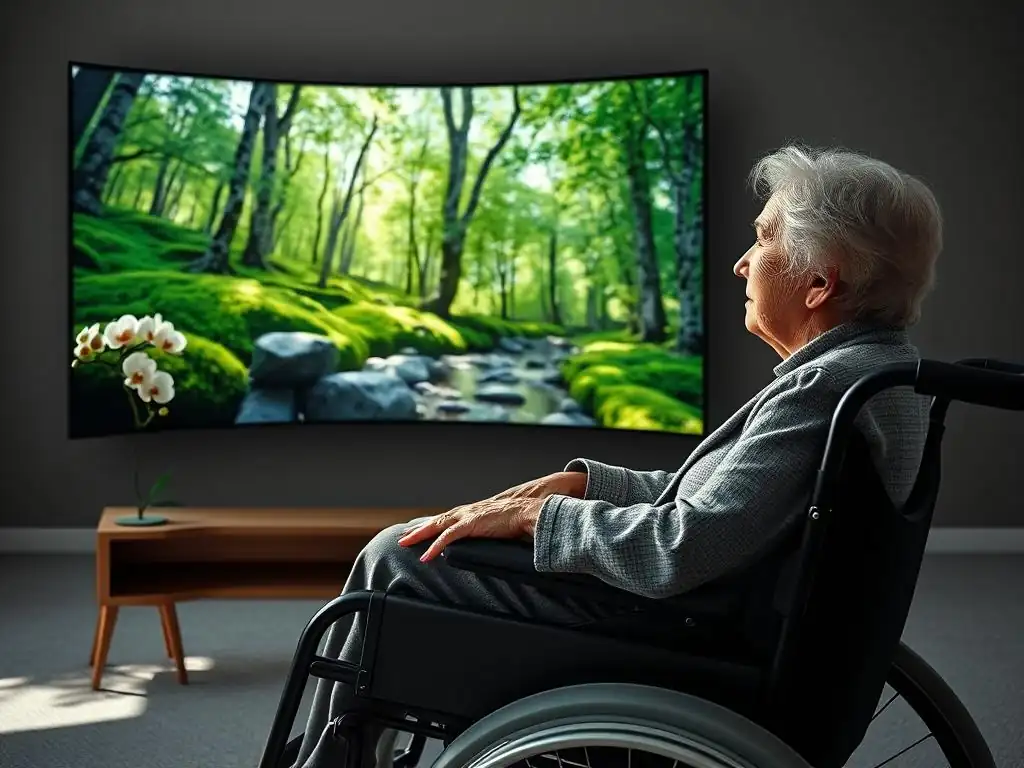
When physical access to nature is impossible, virtual nature experiences offer a viable and increasingly sophisticated alternative. Technology allows us to explore remote landscapes, observe wildlife, and immerse ourselves in natural soundscapes from the comfort of our homes. While not a complete substitute for physical presence, virtual nature can still provide significant mental health benefits.
These digital connections can reduce feelings of isolation, provide a sense of awe and wonder, and offer a mental escape from challenging circumstances. They make nature therapy for limited mobility accessible to anyone with an internet connection, opening up a world of natural beauty regardless of physical location or ability.
The Benefits of Virtual Nature Walks and Tours
Virtual nature walks and tours allow users to explore diverse natural environments remotely. These experiences, often captured using high-quality video and sometimes interactive technologies like 360-degree views, can evoke feelings of presence and immersion. They provide visual and auditory stimuli that mimic being in nature, triggering similar positive emotional and physiological responses.
Research suggests that watching nature videos can reduce stress and anxiety, similar to being in nature itself, albeit to a lesser degree. For individuals who are homebound or have severe mobility impairments, these virtual journeys offer a window to the world outside, combating feelings of confinement and providing a sense of exploration and connection.
Recommended Virtual Nature Resources and Platforms
Numerous platforms offer high-quality virtual nature content. These resources range from live webcams observing wildlife to professionally produced virtual tours of national parks and wilderness areas. Accessing these platforms is typically free or requires a standard subscription.
Explore.org
Explore.org is a popular platform featuring live webcams from various natural locations around the globe. Viewers can watch animals in their natural habitats – from bears fishing in Alaska to elephants gathering at a watering hole in Africa. This provides a dynamic and unpredictable connection to wildlife and natural cycles.
National Park Service Virtual Tours
The U.S. National Park Service offers virtual tours of many of its iconic parks, such as Yellowstone, Yosemite, and the Grand Canyon. These tours often include 360-degree views, guided narration, and information about the geology, ecology, and history of the parks. They allow users to "walk" through famous landscapes and visit viewpoints that might otherwise be inaccessible.
Creating Immersive Virtual Nature Environments at Home
Beyond simply watching videos, individuals can enhance their virtual nature experiences to create a more immersive environment. Using large screens, good quality headphones to capture natural soundscapes, and even incorporating scents (like pine or floral diffusers) can heighten the sensory experience.
Combining virtual visuals with other elements like indoor plants or natural lighting can further blur the lines between the virtual and physical environment, making the nature therapy for limited mobility feel more potent and integrated into daily life.
Sensory Nature Experiences: Engaging Through Senses
Nature therapy for limited mobility can heavily rely on engaging the senses other than just movement. Focusing on the sights, sounds, smells, and textures of nature provides a rich connection even when physical exploration is limited. This sensory engagement can be deeply calming and grounding.
These experiences can be sought out in accessible outdoor spaces or recreated indoors using natural elements. The key is mindful attention to the sensory input, allowing the natural world to engage and soothe the nervous system.
Soundscapes: The Calming Power of Nature Sounds
Listening to the sounds of nature – birdsong, rain falling, waves crashing, wind rustling leaves – can have a profoundly calming effect on the mind. These natural soundscapes can reduce stress, improve focus, and promote relaxation.
Accessing nature sounds is relatively easy, even indoors. Opening a window, if possible, allows natural sounds to enter. Alternatively, high-quality recordings or live streams of nature soundscapes are widely available online.
Calm.com
Platforms like Calm.com offer extensive libraries of nature soundscapes specifically designed for relaxation, meditation, and sleep. Users can choose from sounds like forest rain, ocean waves, or crackling fire, creating a personalized auditory environment for nature therapy for limited mobility.
Aromatherapy: Using Natural Scents for Relaxation
The scents of nature can evoke powerful memories and emotions and have direct physiological effects. The smell of pine needles, damp earth after rain, blooming flowers, or fresh grass can be invigorating or calming.
Aromatherapy using essential oils derived from plants offers a way to bring these natural scents indoors. Diffusing oils like lavender, chamomile, or frankincense can promote relaxation and reduce anxiety, mimicking the therapeutic effects of being surrounded by fragrant plants in nature.
Lavender, Chamomile, and Frankincense
Essential oils such as Lavender are known for their calming properties, often used to reduce anxiety and improve sleep. Chamomile is another soothing scent, frequently used in teas and aromatherapy for relaxation. Frankincense, derived from tree resin, has been used for centuries for its grounding and meditative qualities. Using these scents can be a simple yet effective form of nature therapy for limited mobility.
Textures and Tactile Experiences: Connecting with Natural Materials
Engaging with the textures of nature provides a tangible connection to the natural world. Feeling the roughness of tree bark, the smoothness of a river stone, the softness of moss, or the coolness of sand can be a grounding and sensory-rich experience.
For those with limited mobility, these tactile experiences can be facilitated indoors or in accessible outdoor spaces. Bringing in natural objects like stones, shells, leaves, or pieces of wood allows for tactile engagement.
Rock Stacking, Leaf Rubbings, and Sand Play
Simple activities like sorting and stacking smooth river stones, doing leaf rubbings to explore leaf textures, or sifting sand through fingers can provide meaningful tactile nature therapy for limited mobility. These activities require minimal movement but offer a deep sensory connection to natural materials, promoting mindfulness and relaxation.
Connecting with nature can also be a social experience, and finding community can enhance the benefits of nature therapy, especially for individuals facing barriers. Shared experiences in nature or nature-related activities can combat isolation and provide mutual support.
Accessible nature programs and groups specifically designed for individuals with limited mobility or other challenges are becoming more common. These initiatives foster a sense of belonging and make nature experiences more enjoyable and safer.
Accessible Nature Programs and Support Groups
Many organizations offer programs tailored to make nature accessible to everyone. These might include guided walks on accessible trails, adaptive kayaking or gardening workshops, or nature-themed social gatherings. Participating in such groups provides opportunities to connect with like-minded individuals and share experiences.
Support groups focused on nature and well-being can offer a space to discuss challenges and successes in accessing nature therapy for limited mobility, providing emotional support and practical advice.
The Sierra Club's Inspiring Connections Outdoors (ICO) Program
While often focused on youth, programs like the Sierra Club's Inspiring Connections Outdoors (ICO) demonstrate a model for connecting underserved communities, which can include individuals with physical limitations, to nature through accessible trips and activities led by trained volunteers. Similar local initiatives may exist that cater specifically to adults with mobility challenges.
Connecting with Nature Through Community Gardens
Community gardens are excellent spaces for both nature engagement and social connection. Accessible plots within these gardens allow individuals with limited mobility to participate in gardening alongside others. This shared activity fosters community bonds, provides opportunities for mentorship and support, and allows participants to enjoy the fruits (and vegetables, and flowers) of their labor together.
Participating in a community garden connects individuals not only to nature but also to the rhythm of the seasons and the local ecosystem, all while building relationships with neighbors.
Experiencing nature with family, friends, or caregivers can amplify its positive effects. Sharing a quiet moment observing birds from a window, working on an accessible garden bed together, or watching a virtual nature tour as a group can strengthen relationships and create shared positive memories.
Even simple acts, like a loved one bringing a fresh flower or a handful of interesting leaves indoors, can serve as small but meaningful connections to nature, reinforcing the idea that nature therapy for limited mobility is a shared journey.
The Mental Health Benefits of Accessible Nature
Regardless of how one connects with nature – whether through direct physical access, adapted activities, indoor elements, or virtual experiences – the mental health benefits remain significant. Making nature accessible ensures that these benefits are available to a wider population, including those who might need them most.
Accessible nature therapy for limited mobility is not just about recreation; it's about providing a vital tool for stress reduction, emotional regulation, and cognitive support.
Reducing Stress and Anxiety through Nature Immersion
Exposure to nature, even in modified or virtual forms, has been shown to reduce levels of the stress hormone cortisol and lower blood pressure and heart rate. The calming sensory input from nature helps to quiet the sympathetic nervous system (responsible for the "fight or flight" response) and activate the parasympathetic nervous system (responsible for "rest and digest").
For individuals dealing with the stress of chronic illness or mobility challenges, nature's calming effect is particularly valuable, providing a natural antidote to anxiety and promoting a sense of peace.
Improving Mood and Emotional Well-being with Nature
Spending time in nature is consistently linked to improved mood, reduced feelings of depression, and increased feelings of happiness and vitality. Nature provides a sense of awe and wonder, shifts perspective, and can promote feelings of gratitude.
Even limited exposure to natural light and green spaces has been shown to lift spirits. For those practicing nature therapy for limited mobility, finding ways to regularly incorporate nature elements into their lives can be a powerful strategy for maintaining emotional well-being.
Enhancing Cognitive Function and Focus through Nature
Studies suggest that interaction with nature can improve cognitive function, including memory, attention span, and problem-solving skills. This is often attributed to the restorative effect of nature, which allows the prefrontal cortex (the part of the brain responsible for executive functions) to rest and recover from directed attention fatigue common in modern life.
For individuals who may spend significant time indoors or have limited opportunities for varied stimulation, engaging with nature through observation, sensory experiences, or even virtual exploration can provide a much-needed cognitive boost.
Nature's Healing Power: Personalized Approaches for Limited Access
The most effective nature therapy for limited mobility is personalized to the individual's specific needs, abilities, and preferences. There is no one-size-fits-all solution; what works for one person might not work for another. Developing a tailored approach is key to maximizing the benefits of nature connection.
This involves self-assessment, exploring different options, and potentially seeking professional guidance to integrate nature therapy effectively into a health and wellness plan.
Creating a Personalized Nature Therapy Plan
Developing a personalized plan involves identifying realistic ways to engage with nature based on current mobility levels, location, resources, and interests.
Consider these steps:
- Assess current physical capabilities and limitations.
- Identify accessible natural spaces nearby (parks, gardens, waterfronts).
- Explore indoor nature options (plants, natural light, decor).
- Research virtual nature resources (webcams, tours).
- Determine preferred sensory experiences (sounds, smells, textures).
- Set realistic goals for nature engagement (e.g., 15 minutes daily, 30 minutes twice a week).
- Schedule nature time like any other important appointment.
- Identify potential companions or support systems.
This structured approach ensures that nature therapy for limited mobility becomes a consistent and achievable part of a daily or weekly routine.
Consulting with Healthcare Professionals about Nature-Based Interventions
Discussing the desire to incorporate nature therapy with doctors, therapists, or occupational therapists can be beneficial. Healthcare professionals can offer guidance on safe and appropriate activities based on an individual's health condition and mobility level.
They might also be aware of local resources, accessible programs, or therapeutic approaches that integrate nature. For example, some therapists incorporate walk-and-talk therapy in accessible parks, or recommend specific types of sensory engagement as part of a treatment plan.
Long-Term Strategies for Maintaining a Connection with Nature
Maintaining a long-term connection with nature requires consistency and adaptation. As seasons change or personal circumstances evolve, the personalized nature therapy plan may need adjustments.
Strategies for long-term engagement include:
- Regularly updating the list of accessible locations and resources.
- Exploring new virtual nature experiences as they become available.
- Experimenting with different indoor nature elements.
- Building a routine that prioritizes nature time.
- Seeking out community and support to stay motivated.
- Celebrating small successes in connecting with nature.
Cultivating a lifelong relationship with the natural world, even with limitations, is an ongoing practice that offers continuous rewards for mental well-being.
Conclusion: Embracing Nature's Gifts Regardless of Limitations
Accessing the healing power of nature is a fundamental human need that should not be limited by physical ability or geographical location. While mobility issues and other barriers present challenges, a wealth of strategies, resources, and adaptive approaches exist to make nature therapy for limited mobility a reality.
From exploring accessible trails and practicing adaptive gardening to bringing nature indoors through biophilic design, leveraging virtual reality, and engaging mindfully with sensory experiences, countless avenues lead back to nature's embrace. By creating personalized plans, seeking support, and embracing creativity, individuals can overcome obstacles and integrate the profound benefits of nature into their lives, fostering greater peace, resilience, and well-being. Nature's gifts are abundant and available to all who seek them, regardless of the path they must take to find them.
Frequently Asked Questions
What is nature therapy for limited mobility?
Nature therapy for limited mobility refers to therapeutic practices that utilize natural environments to promote mental well-being, particularly for individuals who may have physical restrictions or live in urban areas.
How can nature therapy benefit individuals with mobility issues?
Engaging with nature therapy can significantly improve mental health by reducing feelings of isolation, enhancing mood, and providing a sense of connection to the environment, even for those with limited mobility.
What types of activities are included in nature therapy for those with limited mobility?
Activities can include sensory walks, nature observation, or gardening in accessible spaces. These activities are designed to be inclusive and adaptable to various physical capabilities.
Are there specific resources available for pursuing nature therapy?
Yes, many organizations and local communities offer resources such as accessible parks, guided therapy sessions, or virtual nature experiences to support individuals with limited mobility.
How can I start incorporating nature therapy into my routine?
To start, look for local resources that provide accessible nature experiences, or consider incorporating indoor plants and natural sounds at home to create a calming environment that promotes mental well-being.
Final Reflection: Reclaiming Nature's Embrace, Regardless of Mobility
The accessibility of nature, or lack thereof, profoundly impacts our well-being. The benefits of nature therapy, often touted for its restorative powers, are unfortunately not equally accessible to everyone. This article explored the creative and practical ways individuals with limited mobility can still experience the healing power of the natural world, highlighting the importance of adapting our approach rather than abandoning the pursuit of connection.
The ongoing struggle for inclusivity in outdoor spaces is a critical issue, and one that deeply resonates with me. It's not enough to simply acknowledge the benefits of nature; we must actively work to make those benefits available to all. The earth laughs in flowers.
– Ralph Waldo Emerson. This simple truth should be a reality for everyone, regardless of physical limitations. We need to move beyond passive acceptance of exclusion and actively advocate for accessible parks, trails, and programs that cater to diverse needs.
Consider the ways you can personally contribute to a more inclusive relationship with nature. Perhaps you can advocate for accessible trails in your community, volunteer with organizations that provide nature experiences for people with disabilities, or simply share this article with others who might benefit from its insights. Let's work together to ensure that the restorative power of nature is truly available to everyone, creating a world where the earth's laughter can be heard by all.
Unlock Nature's Embrace: Your Journey Starts Now!
Thanks for taking the time to explore how you can connect with nature, even when facing mobility or location challenges. We hope you found inspiration and practical ideas within the article. Now it's time to put those ideas into action!
- Prioritize a Nature Moment: Schedule just 15 minutes today to experience the natural world – even if it’s just looking out a window or listening to nature sounds. This small step makes a big difference!
- Share Your Nature Spot: Tell us (or a friend!) about your favorite accessible nature spot. Helping others discover these places creates a ripple effect of well-being.
- Explore Sensory Nature: Engage your senses – listen to the birdsong, feel the sun on your skin, smell the fresh air. Small sensory experiences can have a powerful impact.
What simple nature connection will you prioritize today, and how will you share it with others?