
Eating Well, Feeling Better: Practical Tips for an AntiInflammatory Lifestyle


Welcome to Mind Care Guide.
Feeling overwhelmed or searching for a way to naturally boost your mental well-being? You're not alone. We understand the challenges you face, and we're here to offer guidance. Dive into our latest article, " Eating Well, Feeling Better: Practical Tips for an AntiInflammatory Lifestyle," where we explore the powerful connection between food and mood. Could an antiinflammatory diet be the key to unlocking a brighter, more balanced you? Let's uncover the answers together.
Eating Well, Feeling Better: Practical Tips for an Anti-Inflammatory Lifestyle
- Introduction: The Connection Between Inflammation and Mental Health
- What is an Anti-Inflammatory Diet? A Beginner's Guide
-
Key Anti-Inflammatory Foods to Boost Mental Health
- Omega-3 Fatty Acids: Salmon, Flaxseeds, and Their Cognitive Benefits
- Antioxidant-Rich Fruits and Vegetables: Berries, Leafy Greens, and Their Impact on Mood
- Fiber-Rich Foods: Oats, Legumes, and Their Role in Gut Health and Mental Well-being
- Probiotic Power: Yogurt, Kefir, and Cultivating a Healthy Gut Microbiome
- Practical Tips for Implementing an Anti-Inflammatory Diet
- Lifestyle Factors Complementing the Anti-Inflammatory Diet
- Addressing Common Concerns About Anti-Inflammatory Eating
- The Long-Term Benefits of an Anti-Inflammatory Lifestyle for Mental Wellness
- Conclusion: Embracing an Anti-Inflammatory Path for a Healthier Mind
-
Frequently Asked Questions
- What is the connection between an anti-inflammatory diet and mental health?
- What are some key foods to include in an anti-inflammatory diet for mental health?
- Are there any foods that should be avoided on an anti-inflammatory diet to support mental well-being?
- How quickly can I expect to see improvements in my mental health after adopting an anti-inflammatory diet?
- Where can I find more resources and support for implementing an anti-inflammatory diet for mental health?
- Final Reflection: Nourishing Mind and Body Through Anti-Inflammatory Eating
- Unleash Your Body's Natural Healing Power!
Introduction: The Connection Between Inflammation and Mental Health
Understanding Inflammation's Role in Brain Health
Chronic inflammation, a low-grade, persistent activation of the body's immune response, is increasingly recognized as a significant factor in various health conditions, including those affecting the brain. Unlike acute inflammation, which is a necessary process for healing injuries, chronic inflammation can damage tissues over time. Research suggests that inflammatory markers like C-reactive protein (CRP) and pro-inflammatory cytokines (such as IL-6 and TNF-alpha) are often elevated in individuals experiencing mood disorders, including depression and anxiety. This indicates a potential link between systemic inflammation and neurological function.
This persistent inflammatory state can disrupt neurotransmitter pathways, impair neurogenesis (the creation of new brain cells), and compromise the blood-brain barrier, allowing inflammatory molecules to enter the brain more easily. Studies have shown, for example, that individuals with major depressive disorder often exhibit higher levels of inflammatory cytokines compared to healthy controls. While the exact mechanisms are complex and bidirectional – stress and mental health challenges can also cause inflammation – reducing systemic inflammation through diet and lifestyle is a promising avenue for supporting brain health and improving mental well-being.
The Promise of Anti-Inflammatory Diet for Mental Well-being
Adopting an anti-inflammatory diet for mental health involves choosing foods known to reduce inflammation while limiting those that promote it. This dietary approach is not a magic bullet or a replacement for professional medical or mental health care, but it is a powerful complementary strategy. By focusing on nutrient-dense foods rich in antioxidants, healthy fats, and fiber, individuals can help calm the inflammatory response throughout the body, including the brain.
The potential benefits of an anti-inflammatory diet for mental health are supported by a growing body of evidence. For instance, studies observing large populations, such as the SUN Project in Spain, have found that adherence to a Mediterranean-style diet, which is inherently anti-inflammatory, is associated with a lower risk of depression. While more direct clinical trials are needed, the foundational principle is clear: nourishing the body with anti-inflammatory foods provides the building blocks for a healthier brain environment, potentially leading to improved mood, reduced anxiety, and enhanced cognitive function.
What is an Anti-Inflammatory Diet? A Beginner's Guide
Defining Anti-Inflammatory Foods
Anti-inflammatory foods are typically whole, unprocessed items rich in compounds that help counteract inflammation in the body. These include antioxidants, which neutralize harmful free radicals; omega-3 fatty acids, known for their potent anti-inflammatory properties; and fiber, which supports a healthy gut microbiome, a key player in regulating inflammation. The focus is on diversity and nutrient density.
Examples of foods central to an anti-inflammatory diet for mental health include colorful fruits and vegetables (especially berries, leafy greens, and cruciferous vegetables), fatty fish (like salmon and mackerel), nuts and seeds, olive oil, legumes, and whole grains. These foods provide a spectrum of vitamins, minerals, and phytonutrients that work synergistically to support overall health and dampen inflammatory pathways. Incorporating a wide variety of these foods daily is key to maximizing their anti-inflammatory benefits.
Foods to Avoid on an Anti-Inflammatory Diet for Mental Health
Just as important as including anti-inflammatory foods is limiting or avoiding foods that tend to promote inflammation. These often include highly processed items, those high in refined sugars, unhealthy fats, and excessive salt. While occasional consumption might not be detrimental, regular intake can contribute to chronic low-grade inflammation, negatively impacting both physical and mental health.
Specific culprits often cited include sugary drinks, refined carbohydrates (white bread, pastries), fried foods, red and processed meats, and margarines high in trans fats. These foods can trigger inflammatory responses, disrupt gut health, and contribute to oxidative stress, all of which can potentially exacerbate symptoms of anxiety, depression, and cognitive fog. Minimizing these items is a crucial step in adopting an anti-inflammatory diet for mental health.
The Gut-Brain Axis and Its Importance
The gut-brain axis is a complex bidirectional communication system linking the central nervous system with the enteric nervous system (the nervous system of the gut). It involves neural pathways, hormones, and importantly, the gut microbiome – the trillions of microorganisms living in our digestive tract. This axis plays a critical role in regulating mood, stress response, and cognitive function.
An imbalance in the gut microbiome, known as dysbiosis, can trigger inflammation not just locally in the gut but systemically throughout the body, including the brain. The bacteria in our gut produce various compounds, some beneficial (like short-chain fatty acids, which have anti-inflammatory effects) and some potentially harmful. An anti-inflammatory diet, rich in fiber and diverse plant matter, supports the growth of beneficial bacteria, leading to a healthier gut environment and reduced inflammation along the gut-brain axis, thus positively influencing mental well-being.
Key Anti-Inflammatory Foods to Boost Mental Health
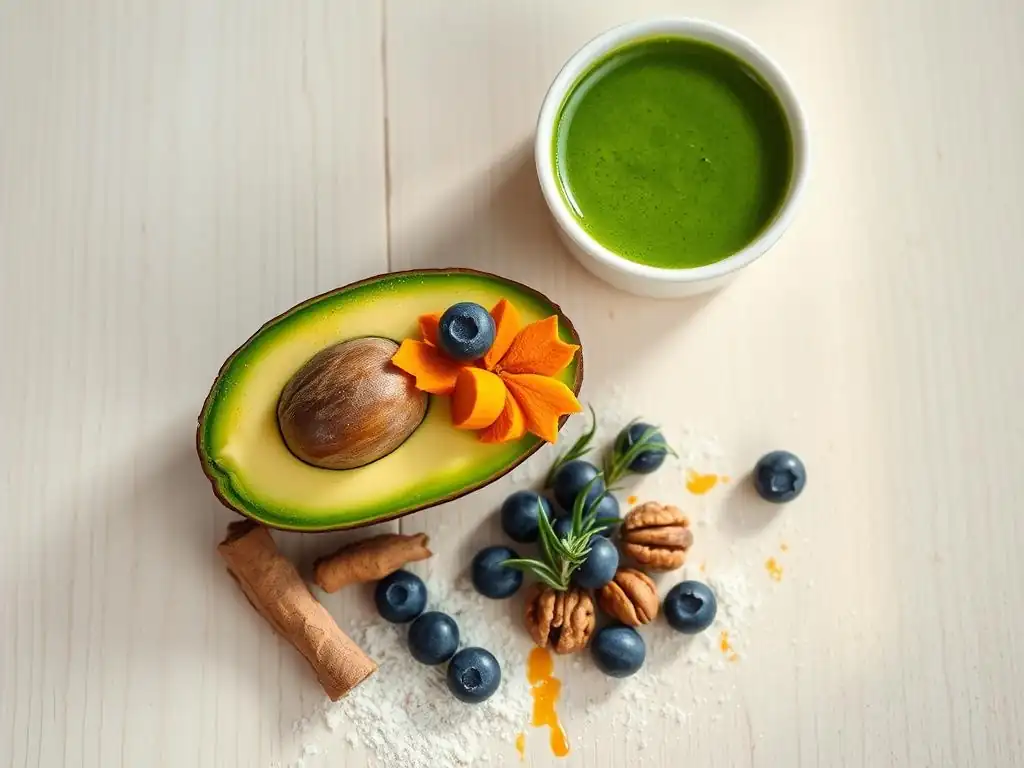
Omega-3 Fatty Acids: Salmon, Flaxseeds, and Their Cognitive Benefits
Omega-3 fatty acids, particularly EPA (eicosapentaenoic acid) and DHA (docosahexaenoic acid), are polyunsaturated fats renowned for their potent anti-inflammatory properties. They are crucial components of cell membranes, including those in the brain, and play a vital role in neurotransmitter function and neuronal health. Increasing intake of these fats is a cornerstone of an anti-inflammatory diet for mental health.
Fatty fish like salmon, mackerel, sardines, and anchovies are excellent sources of EPA and DHA. For example, a 3-ounce serving of cooked salmon can provide over 1500 mg of combined EPA and DHA. Plant-based sources like flaxseeds, chia seeds, and walnuts provide ALA (alpha-linolenic acid), which the body can convert to EPA and DHA, though the conversion rate is relatively low. Regular consumption of these foods has been associated with reduced symptoms of depression and anxiety in some studies, highlighting their importance for cognitive benefits and mood regulation.
Antioxidant-Rich Fruits and Vegetables: Berries, Leafy Greens, and Their Impact on Mood
Fruits and vegetables are packed with antioxidants and phytonutrients that combat oxidative stress and inflammation. Oxidative stress occurs when there's an imbalance between free radicals and antioxidants in the body, which can damage cells, including brain cells, and contribute to inflammation. Including a wide variety of colorful produce is essential for an anti-inflammatory diet focused on mental well-being.
Berries (like blueberries, strawberries, and raspberries) are particularly high in anthocyanins, powerful antioxidants linked to improved cognitive function and mood. Leafy greens (such as spinach, kale, and collard greens) are rich in vitamins A, C, and K, as well as various phytonutrients that possess anti-inflammatory effects. Aiming for multiple servings of diverse fruits and vegetables daily, perhaps five to nine servings, provides a broad spectrum of protective compounds that support overall health and may help lift mood.
Fiber-Rich Foods: Oats, Legumes, and Their Role in Gut Health and Mental Well-being
Dietary fiber, found abundantly in plant foods, is crucial for digestive health and plays a significant indirect role in reducing inflammation and supporting mental health. Fiber acts as a prebiotic, feeding the beneficial bacteria in the gut microbiome. These bacteria ferment fiber to produce short-chain fatty acids (SCFAs) like butyrate, which nourish gut cells, strengthen the gut barrier, and have systemic anti-inflammatory effects.
Foods like oats, beans, lentils, chickpeas, whole grains, nuts, seeds, and many fruits and vegetables are excellent sources of fiber. For instance, a half-cup serving of cooked lentils provides about 8 grams of fiber, a significant contribution to the recommended daily intake of 25-30 grams. A diet high in fiber fosters a diverse and healthy gut microbiome, which in turn reduces inflammation along the gut-brain axis, potentially leading to improved mood regulation and reduced risk of stress-related disorders.
Probiotic Power: Yogurt, Kefir, and Cultivating a Healthy Gut Microbiome
Probiotics are live beneficial bacteria that, when consumed in adequate amounts, can confer health benefits, particularly by improving the balance of the gut microbiome. While fiber feeds existing beneficial bacteria, probiotics introduce new ones. A balanced gut microbiome is fundamental to an anti-inflammatory diet for mental health because of its central role in the gut-brain axis and its ability to modulate inflammatory responses.
Fermented foods are natural sources of probiotics. Examples include yogurt (look for 'live and active cultures'), kefir, sauerkraut, kimchi, miso, and kombucha. Consuming these foods regularly can help increase the population of beneficial microbes in the gut. While the research is still developing, some studies suggest that certain probiotic strains may influence neurotransmitter production and reduce levels of inflammatory markers, potentially offering support for managing symptoms of anxiety and depression.
Practical Tips for Implementing an Anti-Inflammatory Diet
Meal Planning for Mental Clarity: Weekly Template and Ideas
Successful adoption of an anti-inflammatory diet for mental health often starts with planning. Thinking ahead about meals for the week can reduce stress, save time, and ensure you consistently incorporate anti-inflammatory foods. A simple weekly template can help structure your eating habits and make healthy choices easier.
Consider blocking out meal slots for breakfast, lunch, and dinner, plus a couple of snack times. Then, populate these slots with meals built around anti-inflammatory principles. For example, breakfasts could include oatmeal with berries and nuts, lunches might feature a large salad with grilled salmon or chickpeas, and dinners could be lentil soup or roasted vegetables with chicken. Having a plan minimizes last-minute unhealthy choices and supports your goal of reducing inflammation for better mental well-being.
Easy Anti-Inflammatory Recipes for Busy Lives: Breakfast, Lunch, and Dinner Options
Finding simple, quick recipes is key to sticking with an anti-inflammatory diet, especially with a busy schedule. Focus on recipes that use a few key ingredients and require minimal preparation time. Batch cooking components like roasted vegetables or cooked grains can also save time during the week.
- Breakfast: Overnight oats with chia seeds, almond milk, and frozen berries. Takes 5 minutes to assemble the night before.
- Lunch: Large mixed green salad with canned sardines or leftover roasted chicken, drizzled with olive oil and lemon juice. Quick assembly in under 10 minutes.
- Dinner: One-pan roasted salmon and broccoli. Toss broccoli florets with olive oil, salt, and pepper, place on a baking sheet with salmon fillets, and roast at 400°F (200°C) for 12-15 minutes. Simple, nutritious, and ready quickly.
Mindful Eating: Connecting with Your Food and Body
Mindful eating is more than just what you eat; it's how you eat. It involves paying attention to the experience of eating – the taste, texture, smell of food – and recognizing your body's hunger and fullness cues. This practice can enhance the benefits of an anti-inflammatory diet for mental health by reducing stress around food and fostering a healthier relationship with eating.
Taking a few deep breaths before eating, chewing slowly, and putting your fork down between bites are simple ways to practice mindful eating. By being present during meals, you can better appreciate the nourishing qualities of anti-inflammatory foods and notice how they make you feel, both physically and mentally. This connection can reinforce positive eating habits and reduce the likelihood of stress-induced or emotional eating that might involve pro-inflammatory foods.
Hydration: The Importance of Water for Reducing Inflammation
Staying adequately hydrated is a simple yet crucial component of reducing inflammation and supporting overall health, including mental well-being. Water is essential for countless bodily functions, including transporting nutrients, removing waste products, and maintaining the health of tissues. Dehydration, even mild, can increase levels of inflammatory markers in the body.
Ensuring you drink enough water throughout the day helps the body function optimally and supports detoxification processes. While individual needs vary based on factors like activity level and climate, a general guideline is often cited as around 8 cups (64 ounces) per day, though many sources recommend more. Making water your primary beverage choice over sugary drinks is a significant step towards maintaining hydration and supporting your anti-inflammatory diet for mental health goals.
Lifestyle Factors Complementing the Anti-Inflammatory Diet
Stress Management Techniques: Yoga, Meditation, and Mindfulness
Chronic stress is a significant contributor to inflammation in the body. When stressed, the body releases hormones like cortisol, which can promote inflammation over time. Therefore, incorporating effective stress management techniques is a vital complement to an anti-inflammatory diet for mental health.
Practices such as yoga, meditation, deep breathing exercises, and mindfulness have been shown to lower cortisol levels and reduce inflammatory markers like CRP. Even short periods of daily practice, like 10-15 minutes of meditation or a gentle yoga session, can make a difference. By actively managing stress, you reduce an internal source of inflammation, allowing the benefits of your anti-inflammatory eating pattern to be even more impactful on your mental state.
Regular Exercise: Boosting Mood and Reducing Inflammation
Physical activity is a powerful tool for both mental health and reducing inflammation. Regular exercise helps regulate the immune system, reduces inflammatory cytokines, and promotes the release of anti-inflammatory molecules. It also boosts endorphins, often called "feel-good" chemicals, which can improve mood and reduce stress.
Aiming for consistent physical activity, such as 150 minutes of moderate-intensity aerobic exercise per week (like brisk walking or cycling) or 75 minutes of vigorous-intensity activity, is beneficial. Even shorter bursts of activity, like a 20-minute walk, can have positive effects. Combining regular exercise with an anti-inflammatory diet creates a synergistic effect, further supporting a healthy inflammatory balance and enhancing mental well-being.
Prioritizing Sleep: The Link Between Sleep and Mental Health
Sleep is a fundamental pillar of health, deeply interconnected with both inflammation and mental health. Chronic sleep deprivation or poor sleep quality can increase inflammatory markers in the body. It can also disrupt neurotransmitter function and stress hormone regulation, negatively impacting mood, cognitive function, and emotional resilience.
Adults generally need 7-9 hours of quality sleep per night. Establishing a regular sleep schedule, creating a relaxing bedtime routine, and ensuring your sleep environment is dark, quiet, and cool can improve sleep quality. Prioritizing sufficient restorative sleep allows the body and brain to repair and regulate inflammatory processes, working alongside your anti-inflammatory diet to support optimal mental wellness.
Addressing Common Concerns About Anti-Inflammatory Eating
Potential Nutrient Deficiencies: How to Avoid Them
While an anti-inflammatory diet for mental health is nutrient-dense, any restrictive diet plan, if not properly balanced, carries a potential risk of certain nutrient deficiencies. For example, eliminating dairy might require attention to calcium and vitamin D intake, while reducing red meat could mean monitoring iron and vitamin B12. A diverse and varied approach is key to preventing these issues.
To avoid deficiencies, focus on incorporating a wide array of foods from all recommended anti-inflammatory categories. Ensure adequate protein from sources like fish, legumes, nuts, and poultry if included. Pay attention to micronutrients like Vitamin D (sunlight exposure or fortified foods/supplements), Calcium (leafy greens, fortified plant milks), Iron (lentils, spinach, pumpkin seeds), and B12 (fortified foods or supplements, especially for plant-based diets). Consulting with a registered dietitian can provide personalized guidance.
Cost-Effective Anti-Inflammatory Eating: Budget-Friendly Tips
Eating an anti-inflammatory diet for mental health doesn't have to be prohibitively expensive. Many core anti-inflammatory foods are quite budget-friendly, and smart shopping strategies can help manage costs. Planning meals, buying in bulk, and focusing on seasonal produce are effective ways to save money.
Consider incorporating more affordable sources of omega-3s like canned sardines or mackerel instead of fresh salmon every time. Lentils and dried beans are incredibly cheap sources of fiber and protein. Buying frozen fruits and vegetables can be less expensive than fresh and retain nutrients. Cooking from scratch using staple ingredients like oats, brown rice, and potatoes is generally cheaper than buying pre-prepared or processed foods, which are often pro-inflammatory anyway.
Adapting the Diet to Specific Needs: Considerations for Different Conditions
An anti-inflammatory diet is a flexible framework, but it may need adaptation based on individual health conditions, allergies, or dietary preferences (like vegetarian or vegan). For instance, someone with digestive issues like IBS might need to be mindful of certain high-fiber foods or FODMAPs, even if they are generally anti-inflammatory.
Individuals with specific health concerns, such as diabetes, autoimmune disorders, or kidney disease, should consult with a healthcare provider or registered dietitian before making significant dietary changes. A professional can help tailor the anti-inflammatory diet principles to fit specific medical needs, ensure nutritional adequacy, and integrate it safely with existing treatment plans, maximizing the benefits for both physical and mental health.
The Long-Term Benefits of an Anti-Inflammatory Lifestyle for Mental Wellness
Improved Mood and Cognitive Function
Consistently following an anti-inflammatory diet for mental health can lead to tangible improvements in mood and cognitive function over time. By reducing systemic inflammation and oxidative stress, this way of eating supports healthier brain cell function, better neurotransmitter balance, and improved blood flow to the brain.
Individuals who adhere to dietary patterns rich in anti-inflammatory foods often report experiencing less fatigue, improved focus, enhanced memory, and a more stable mood. While results vary from person to person, the cumulative effect of providing the brain with optimal nutrition and reducing inflammatory burden builds a foundation for greater mental resilience and clarity, contributing to a more positive overall outlook.
Reduced Risk of Mental Health Disorders
While an anti-inflammatory diet is not a guaranteed preventative measure, research suggests that adopting this eating pattern as part of a broader anti-inflammatory lifestyle may lower the risk of developing certain mental health disorders. Chronic inflammation is implicated in the pathology of depression, anxiety disorders, and neurodegenerative conditions like Alzheimer's disease.
By actively reducing inflammation through diet and lifestyle choices, individuals may mitigate some of the biological risk factors associated with these conditions. Population studies have shown correlations between diets high in processed foods and sugar and increased risk of depression, while diets rich in anti-inflammatory components (like the Mediterranean diet) are linked to reduced risk. Embracing an anti-inflammatory diet for mental health is a proactive step towards long-term psychological well-being.
Enhanced Overall Health and Well-being
The benefits of an anti-inflammatory diet extend far beyond mental health, contributing to enhanced overall physical well-being. This dietary pattern is widely recognized for its role in reducing the risk of chronic diseases associated with inflammation, including heart disease, type 2 diabetes, certain cancers, and autoimmune conditions.
By focusing on whole, nutrient-dense foods and limiting processed items, you nourish your entire body. This holistic approach leads to improvements in energy levels, digestive health, skin health, and immune function. The synergy between physical and mental health means that improvements in one area often positively impact the other, creating a positive cycle of well-being supported by an anti-inflammatory lifestyle.
Conclusion: Embracing an Anti-Inflammatory Path for a Healthier Mind
Taking the First Steps Towards a More Vibrant Life
Embarking on an anti-inflammatory diet for mental health is a journey, not a race. It involves making gradual, sustainable changes to your eating habits and lifestyle. The most important step is simply to begin. Start by incorporating one or two anti-inflammatory foods into your daily routine, or by eliminating one pro-inflammatory food item you consume regularly.
Focus on progress, not perfection. Small, consistent changes are more likely to lead to lasting habits than trying to overhaul everything at once. Celebrate small victories, like successfully preparing an anti-inflammatory meal or choosing water over a sugary drink. Remember that this approach is about nourishing your body to support your mind, empowering you to feel better and live a more vibrant life.
Resources for Further Learning About Anti-Inflammatory Diets and Mental Health
For those interested in delving deeper into the connection between an anti-inflammatory diet and mental health, numerous resources are available. Educational websites from reputable health organizations, books written by registered dietitians and doctors specializing in nutrition and mental health, and academic research databases can provide more detailed information.
Consider exploring resources that offer specific anti-inflammatory meal plans, recipes, and tips for navigating social situations or challenges like eating out. While this article provides a foundational guide, continuous learning can help you refine your approach and stay motivated. Remember to consult with healthcare professionals for personalized advice, especially if you have existing health conditions or are considering significant dietary changes.
Frequently Asked Questions
What is the connection between an anti-inflammatory diet and mental health?
Studies suggest that chronic inflammation can contribute to various mental health conditions. An anti-inflammatory diet, rich in nutrients and antioxidants, can help reduce inflammation and potentially improve mood and cognitive function. It's a holistic approach to well-being.
What are some key foods to include in an anti-inflammatory diet for mental health?
Focus on incorporating foods like fatty fish, rich in omega-3 fatty acids, leafy green vegetables packed with antioxidants, and berries known for their anti-inflammatory properties. These foods help combat inflammation in the body and brain.
Are there any foods that should be avoided on an anti-inflammatory diet to support mental well-being?
Yes, limiting processed foods, sugary drinks, and excessive amounts of red meat is crucial. These foods can promote inflammation in the body and negatively impact mental health symptoms, so moderation is key.
How quickly can I expect to see improvements in my mental health after adopting an anti-inflammatory diet?
Results vary from person to person. Some individuals may experience noticeable improvements in their mood and energy levels within a few weeks, while others may require more time. Consistency and patience are essential.
Where can I find more resources and support for implementing an anti-inflammatory diet for mental health?
Websites like Mind Care Guide offer valuable information, support, and resources on various mental health challenges, including the benefits of an anti-inflammatory diet. Consulting with a registered dietitian or healthcare professional is also recommended.
Final Reflection: Nourishing Mind and Body Through Anti-Inflammatory Eating
The connection between what we eat and how we feel is undeniable, and the impact of an anti-inflammatory diet on mental well-being is increasingly recognized as crucial in today's fast-paced, stress-filled world. We've explored practical strategies to incorporate anti-inflammatory foods into your daily life, highlighting the profound effect this can have not just on physical health, but also on emotional resilience and mental clarity. This isn't just about weight management or disease prevention; it's about cultivating a holistic approach to well-being.
The journey towards an anti-inflammatory lifestyle is deeply personal, a process of self-discovery and mindful choices. It's about listening to your body, understanding its needs, and responding with nourishing foods that support its natural healing processes. This resonates deeply with me, as I've witnessed firsthand the transformative power of dietary changes on both physical and mental health. The food you eat can be either the safest and most powerful form of medicine or the slowest form of poison.
This quote, often attributed to Hippocrates, perfectly encapsulates the profound impact of our dietary choices.
Now, it's your turn. Consider the information presented and reflect on your own relationship with food. What small changes can you make today to incorporate more anti-inflammatory foods into your diet? Start small, perhaps by adding a handful of berries to your breakfast or swapping processed snacks for a handful of almonds. Every conscious choice you make, no matter how small, is a step towards a healthier, happier you – a testament to the power of nourishing your mind and body from the inside out. Embrace this journey of self-care, and watch as your well-being flourishes.
Unleash Your Body's Natural Healing Power!
Thanks for taking the time to explore the power of an anti-inflammatory diet! We hope you gained valuable insights into nourishing your body from the inside out. Now it's time to put that knowledge into action.
Here's how you can continue your journey towards vibrant health:
- Start with one small change: Identify just one anti-inflammatory food to add to your diet this week – whether it's a colorful new vegetable or a delicious spice. Small steps make a big difference!
- Share your discoveries: Tell a friend or family member about the benefits you learned today and inspire them to join you on this journey. It's always more fun (and effective) with support!
- Experiment with new recipes: Try a new anti-inflammatory recipe this week! You might be surprised at how delicious and satisfying healthy eating can be.
Ready to feel the difference an anti-inflammatory lifestyle can make? What's the first small step you'll take today?