
Epigenetic Changes in the Brain Due to Stress: Altering Gene Expression

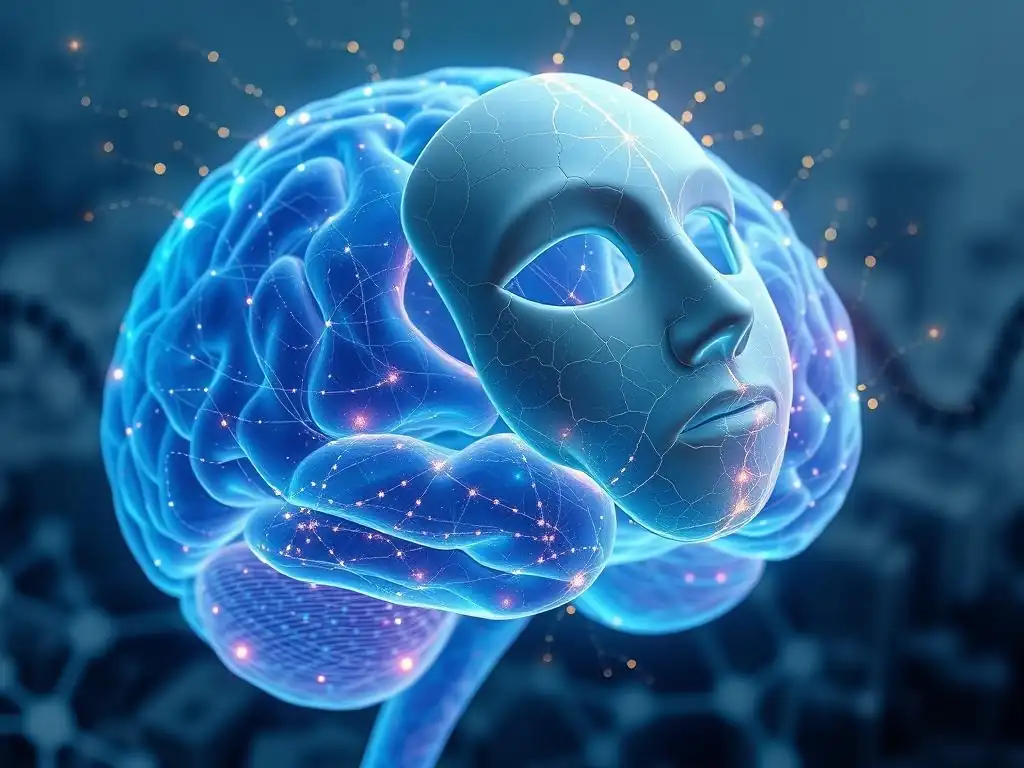
Welcome to Mind Care Guide, your sanctuary for understanding the intricate landscape of mental well-being. Are you feeling the weight of stress and wondering how it's impacting your brain at a fundamental level? Dive into our exploration of stressinduced epigenetic brain changes and discover how life experiences can subtly alter gene expression, potentially shaping your mental health trajectory. Unravel the science, gain insights, and begin your journey toward a more resilient mind.
- Stress-Induced Epigenetic Brain Changes: A Comprehensive Guide
- Understanding Epigenetics and Its Role in Brain Function
- The Impact of Stress on Brain Epigenetics: A Biological Perspective
- Brain Regions Vulnerable to Stress-Induced Epigenetic Changes
- Stress, Epigenetics, and Mental Health Disorders
- Reversing Stress-Induced Epigenetic Brain Changes: Potential Therapeutic Strategies
- The Long-Term Effects of Stress-Related Epigenetic Modifications in the Brain
- Protecting Your Brain from Stress: A Holistic Approach to Mental Well-being
-
Frequently Asked Questions
- What are epigenetic changes in the context of stress and the brain?
- How does stress induce epigenetic changes in the brain?
- What are the potential consequences of stress-induced epigenetic brain changes?
- Are stress-induced epigenetic changes in the brain reversible?
- What resources are available for managing stress and supporting mental well-being, considering the potential for epigenetic changes?
- Final Reflection: The Enduring Legacy of Stress on the Brain
- Unlock Your Brain's Resilience: Take Control of Your Stress Response
Stress-Induced Epigenetic Brain Changes: A Comprehensive Guide
Stress is an undeniable part of the human experience, but its impact extends far beyond our conscious feelings. Chronic or severe stress can leave a lasting imprint on the brain, not just functionally but also biologically, right down to how our genes are expressed. This phenomenon, known as stress-induced epigenetic brain changes, involves alterations to the chemical tags on our DNA and associated proteins, which can switch genes on or off without changing the underlying genetic code itself. Understanding these modifications is crucial to comprehending the deep connection between our environment, our biology, and our mental well-being.
This guide explores the intricate world of epigenetics in the context of stress. We will delve into the fundamental mechanisms by which stress hormones and experiences can reshape the brain's epigenetic landscape, focusing on specific modifications like DNA methylation and histone changes. By examining the impact on key brain regions involved in mood, memory, and decision-making, we can begin to appreciate how stress-induced epigenetic brain changes contribute to vulnerability to mental health conditions and explore potential avenues for intervention and resilience building.
Understanding Epigenetics and Its Role in Brain Function
Epigenetics refers to heritable changes in gene expression that occur without alterations in the DNA sequence itself. Think of it as a layer of instructions on top of the genetic code, determining which genes are active or silent in specific cells at specific times. This regulatory layer is dynamic and responsive to environmental cues, including stress. In the complex environment of the brain, where different cell types perform specialized functions, epigenetic mechanisms are fundamental for development, learning, and memory formation. They ensure that neurons develop correctly, form appropriate connections, and respond flexibly to stimuli throughout life.
Epigenetics: An Overview of Gene Expression Regulation
Gene expression is the process by which information from a gene is used in the synthesis of a functional gene product, typically a protein. Epigenetic mechanisms act as crucial regulators of this process. Three primary mechanisms are widely studied: DNA methylation, histone modification, and non-coding RNA regulation. DNA methylation typically involves adding a methyl group to cytosine bases, often in CpG islands near gene promoters; this modification usually leads to gene silencing. For example, hypermethylation of a gene promoter can prevent transcription factors from binding, effectively turning the gene off.
Histone modifications involve chemical alterations to the proteins (histones) around which DNA is wrapped to form chromatin. These modifications, such as acetylation, methylation, or phosphorylation, can alter how tightly the DNA is wound. Loosely packed chromatin (euchromatin) allows easier access for transcription machinery, promoting gene expression, while tightly packed chromatin (heterochromatin) restricts access, repressing expression.
A common example is histone acetylation, often associated with increased gene activity. Non-coding RNAs, such as microRNAs (miRNAs), are small RNA molecules that don't code for proteins but can regulate gene expression by binding to messenger RNA (mRNA), leading to mRNA degradation or translational repression. For instance, specific miRNAs have been found to target mRNAs encoding stress-related proteins, thereby fine-tuning the stress response.
The Brain's Epigenetic Landscape: How Stress Can Leave Its Mark
The brain's epigenetic landscape is remarkably plastic and sensitive to environmental influences, making it particularly vulnerable to the effects of stress. From early development through adulthood, experiences, including stressful ones, can induce specific epigenetic modifications that alter gene expression patterns in neurons and glial cells. These alterations can persist long after the stressor is gone, influencing neural circuits and potentially affecting behavior and susceptibility to mental health conditions. For example, studies have shown that early-life adversity can lead to lasting changes in DNA methylation patterns in genes related to stress reactivity in brain regions like the hippocampus.
This epigenetic plasticity allows the brain to adapt to its environment, but under conditions of chronic or severe stress, these adaptive changes can become maladaptive. Research indicates that prolonged exposure to stress hormones like cortisol can trigger widespread epigenetic reprogramming in brain areas critical for emotional regulation, cognition, and stress response. This reprogramming can lead to persistent imbalances in gene activity, contributing to altered neural function.
For instance, epigenetic modifications might suppress genes crucial for synaptic plasticity, impairing learning and memory, or enhance genes involved in inflammatory responses, contributing to neuroinflammation. These stress-induced epigenetic brain changes represent a biological pathway through which life experiences are embedded into the brain's molecular architecture.
The Impact of Stress on Brain Epigenetics: A Biological Perspective
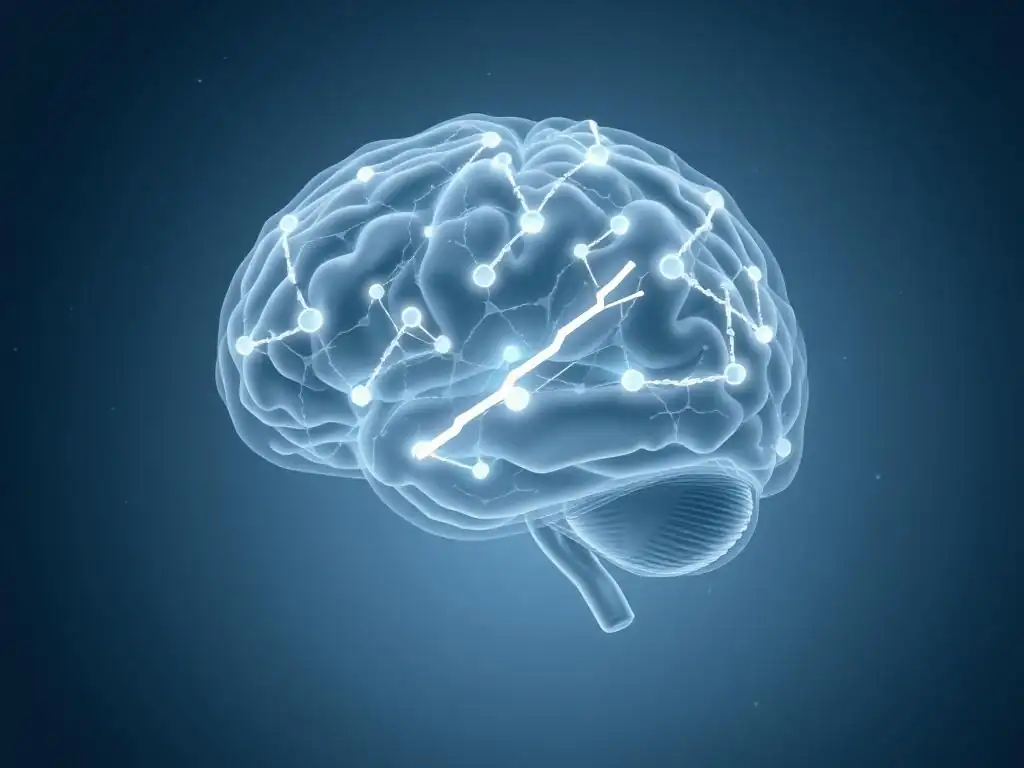
Stress initiates a complex cascade of physiological responses, primarily mediated by the hypothalamic-pituitary-adrenal (HPA) axis. The activation of this system leads to the release of stress hormones, most notably cortisol in humans. These hormones circulate throughout the body, including the brain, where they interact with specific receptors on neurons and glial cells. While acute stress responses are essential for survival, chronic or dysregulated activation of the HPA axis can have detrimental effects, partly by triggering epigenetic modifications that alter gene expression in critical brain regions.
Stress Hormones and Epigenetic Modifications: The HPA Axis Connection
Glucocorticoids, like cortisol, are potent regulators of gene expression. They bind to intracellular receptors, primarily the glucocorticoid receptor (GR), which then translocate to the nucleus and interact directly with DNA or with other transcription factors. This interaction can influence the activity of gene promoters and enhancers. Beyond direct transcriptional effects, glucocorticoids also trigger epigenetic modifications. For example, binding of the activated GR complex can recruit enzymes that add or remove methyl groups from DNA or modify histones near target genes.
Research has extensively documented the role of glucocorticoids in mediating stress-induced epigenetic brain changes. Studies in rodents and humans have shown that exposure to stress, especially early in life, can lead to enduring methylation changes in the promoter region of the gene encoding the glucocorticoid receptor itself ( NR3C1 or GR).
In humans, traumatic experiences in childhood have been associated with increased methylation of the NR3C1 promoter in peripheral blood cells and, in post-mortem brain tissue, particularly in the hippocampus. This hypermethylation can lead to decreased GR expression, potentially impairing the negative feedback loop of the HPA axis and leading to a heightened, prolonged stress response, thus demonstrating a clear link between stress hormones and epigenetic modifications.
Specific Epigenetic Changes Triggered by Stress in the Brain
Stress can induce a variety of specific epigenetic modifications across the genome in different brain cell types. These changes are not random but often target genes involved in neuroplasticity, neurotransmission, inflammation, and stress response pathways. The type and duration of stress, as well as the developmental stage at which it occurs, can influence the specific pattern of stress-induced epigenetic brain changes observed.
DNA Methylation Alterations in Stress Response
DNA methylation is one of the most stable epigenetic marks and is frequently implicated in long-term stress effects. Stress can cause both increases (hypermethylation) and decreases (hypomethylation) in DNA methylation at specific gene loci. For example, studies have shown that chronic stress can lead to hypermethylation of the BDNF (Brain-Derived Neurotrophic Factor) gene promoter in the hippocampus, reducing its expression.
BDNF is critical for neuronal survival, growth, and synaptic plasticity, and reduced levels are associated with impaired learning and mood disorders. Conversely, stress might cause hypomethylation and increased expression of genes involved in inflammatory signaling pathways. Research comparing individuals exposed to early trauma with control groups has revealed distinct patterns of DNA methylation in genes related to immune function and stress reactivity in brain regions implicated in PTSD.
Histone Modification Changes Under Stressful Conditions
Histone modifications are often more dynamic than DNA methylation and play a significant role in regulating rapid changes in gene expression in response to stimuli, including stress. Stress can alter the balance of enzymes that add or remove histone modifications, leading to changes in chromatin structure and gene accessibility. For instance, increased histone acetylation in the promoter regions of genes involved in fear conditioning in the amygdala has been observed after stress exposure in animal models, potentially contributing to heightened anxiety responses.
Specific histone marks, such as histone 3 lysine 9 acetylation (H3K9ac) or histone 3 lysine 27 trimethylation (H3K27me3), have been shown to be altered in brain regions like the prefrontal cortex and hippocampus following stress. Changes in H3K27me3, a mark associated with gene repression, have been linked to the silencing of genes important for cognitive function in the prefrontal cortex after chronic stress. These modifications can alter the expression of hundreds, if not thousands, of genes, collectively reshaping the functional landscape of the brain in response to stress.
Non-Coding RNA Regulation and Stress-Related Brain Changes
Non-coding RNAs (ncRNAs), particularly microRNAs (miRNAs), are another layer of epigenetic regulation significantly impacted by stress. miRNAs are small molecules that can bind to complementary sequences on messenger RNA (mRNA) molecules, leading to their degradation or inhibiting their translation into proteins. Stress can alter the expression levels of specific miRNAs, thereby indirectly regulating the expression of multiple target genes involved in stress response, neurotransmission, and synaptic function.
For example, studies have identified specific miRNAs, such as miR-124 or miR-132, whose expression levels are altered in the hippocampus and prefrontal cortex following stress. These miRNAs target mRNAs of genes critical for neuronal activity and plasticity, such as those encoding components of glutamate receptors or proteins involved in synaptic vesicle release. Changes in miRNA profiles represent a rapid and flexible way for the brain to fine-tune gene expression in response to stress, contributing to the complex pattern of stress-induced epigenetic brain changes observed.
Brain Regions Vulnerable to Stress-Induced Epigenetic Changes
Not all brain regions are equally affected by stress. Areas rich in stress hormone receptors and critically involved in processing emotions, memory, and cognitive control are particularly susceptible to stress-induced epigenetic modifications. Three key regions stand out: the hippocampus, the amygdala, and the prefrontal cortex. Alterations in the epigenetic landscape of these areas contribute significantly to the behavioral and psychological consequences of stress.
The Hippocampus: Epigenetic Effects of Stress on Memory and Learning
The hippocampus is a brain region vital for learning, memory formation, and regulating the HPA axis. It has a high density of glucocorticoid receptors, making it highly sensitive to stress hormones. Chronic stress is known to impair hippocampal function, leading to deficits in spatial memory and contextual fear conditioning, and even reducing hippocampal volume. Stress-induced epigenetic brain changes play a key role in these effects.
As previously mentioned, studies have shown that stress can induce hypermethylation of the BDNF gene promoter in the hippocampus, leading to reduced BDNF levels. BDNF is essential for neurogenesis (the birth of new neurons) and synaptic plasticity in the hippocampus. Reduced BDNF expression through epigenetic silencing can impair these processes, contributing to memory deficits and reduced resilience to stress.
Furthermore, stress can alter histone modifications in hippocampal neurons, affecting the expression of genes involved in synaptic function and neuronal excitability. For instance, changes in histone acetylation patterns in the hippocampus have been linked to impaired long-term potentiation, a cellular mechanism underlying learning and memory.
The Amygdala: Stress and Epigenetic Regulation of Emotional Responses
The amygdala is a crucial hub for processing emotions, particularly fear and anxiety. Unlike the hippocampus, the amygdala often shows increased activity and structural changes, such as dendritic hypertrophy, in response to chronic stress. This hyperactivity contributes to heightened fear responses and anxiety disorders. Epigenetic modifications in the amygdala are thought to underpin these stress-induced functional changes.
Research indicates that stress can lead to epigenetic alterations that enhance the expression of genes involved in fear circuitry within the amygdala. For example, studies in rodents have shown that stress can lead to changes in DNA methylation and histone modifications in genes encoding components of the glutamate system or neuropeptides involved in anxiety, such as corticotropin-releasing factor (CRF). These epigenetic changes can result in increased excitability of amygdala neurons and stronger fear associations. Understanding these stress-induced epigenetic brain changes in the amygdala is key to developing targeted therapies for anxiety and fear-related disorders.
The Prefrontal Cortex: Epigenetic Influences on Executive Function Under Stress
The prefrontal cortex (PFC) is the brain's executive control center, responsible for complex cognitive functions such as decision-making, working memory, attention, and inhibiting impulsive behavior. The PFC is highly vulnerable to stress, particularly chronic stress, which can impair its function and lead to deficits in executive control. This impairment contributes to difficulties in regulating emotions and behavior under stressful conditions.
Epigenetic mechanisms in the PFC are implicated in these stress effects. Studies have shown that chronic stress can induce changes in DNA methylation and histone modifications in the PFC, altering the expression of genes critical for synaptic plasticity and neuronal communication, particularly in inhibitory circuits.
For instance, stress can lead to epigenetic silencing of genes involved in the function of inhibitory interneurons, potentially disrupting the delicate balance of excitation and inhibition in PFC circuits. These stress-induced epigenetic brain changes can weaken the PFC's ability to exert top-down control over subcortical regions like the amygdala, contributing to increased emotional reactivity and impaired cognitive function.
Stress, Epigenetics, and Mental Health Disorders
The cumulative impact of stress-induced epigenetic brain changes across key brain regions is strongly implicated in the development and maintenance of various mental health disorders. These epigenetic alterations can disrupt neural circuits, alter neurotransmitter systems, and impair cellular resilience, increasing vulnerability to psychopathology. Understanding the epigenetic underpinnings of stress-related disorders offers new perspectives on their etiology and potential therapeutic targets.
Epigenetic Mechanisms Linking Stress to Depression
Major depressive disorder (MDD) is frequently precipitated or exacerbated by stressful life events. Research has identified several epigenetic pathways that may link stress exposure to the development of depression. Chronic stress can lead to widespread epigenetic changes in the hippocampus, amygdala, and prefrontal cortex, affecting the expression of genes involved in mood regulation, neuroplasticity, and stress response.
For example, studies in both animal models and post-mortem brain tissue from individuals with depression have found altered DNA methylation patterns in genes like BDNF, TRKB (the BDNF receptor), and genes encoding components of the serotonin and dopamine systems in these brain regions. Specifically, hypermethylation and reduced expression of BDNF in the hippocampus are consistently observed in stress-induced depression models. Furthermore, alterations in histone modifications, such as reduced histone acetylation in the PFC, have been associated with depressive-like behaviors in stressed animals. These stress-induced epigenetic brain changes collectively contribute to the neural circuit dysfunction observed in depression.
Anxiety disorders, including generalized anxiety disorder, panic disorder, and phobias, are also strongly associated with stress. The amygdala's role in fear processing makes it a prime candidate for stress-induced epigenetic alterations contributing to anxiety. Changes in epigenetic marks in the amygdala can lead to persistent hypersensitivity to threat cues.
Research has identified specific epigenetic modifications in the amygdala associated with heightened anxiety. For instance, stress can induce changes in histone modifications that enhance the expression of genes involved in excitatory neurotransmission or stress hormone signaling within the amygdala, promoting a state of hyperarousal and fear conditioning. Furthermore, altered expression of specific miRNAs in the amygdala following stress has been linked to changes in fear memory consolidation. These stress-induced epigenetic brain changes in amygdala circuitry contribute to the exaggerated fear responses and chronic worry characteristic of anxiety disorders.
The Role of Epigenetics in PTSD Development Following Trauma
Post-traumatic stress disorder (PTSD) is a severe anxiety disorder triggered by exposure to a traumatic event. Not everyone exposed to trauma develops PTSD, suggesting that individual vulnerability plays a significant role. Epigenetic mechanisms, particularly those induced by the trauma itself and prior stress history, are thought to contribute to this vulnerability and the persistence of PTSD symptoms.
Studies comparing individuals with PTSD to trauma-exposed individuals without PTSD have revealed distinct epigenetic profiles. For example, differential DNA methylation patterns have been found in genes related to the HPA axis ( NR3C1, FKBP5), immune function, and neurotransmitter systems in peripheral blood cells and, in some cases, brain tissue.
FKBP5, a gene involved in glucocorticoid receptor sensitivity, has been extensively studied; trauma exposure is associated with hypomethylation of specific FKBP5 regulatory regions, leading to increased expression and impaired glucocorticoid negative feedback, a hallmark of PTSD. These stress-induced epigenetic brain changes, along with those in peripheral tissues, are thought to contribute to the dysregulated stress response and intrusive symptoms seen in PTSD.
Reversing Stress-Induced Epigenetic Brain Changes: Potential Therapeutic Strategies
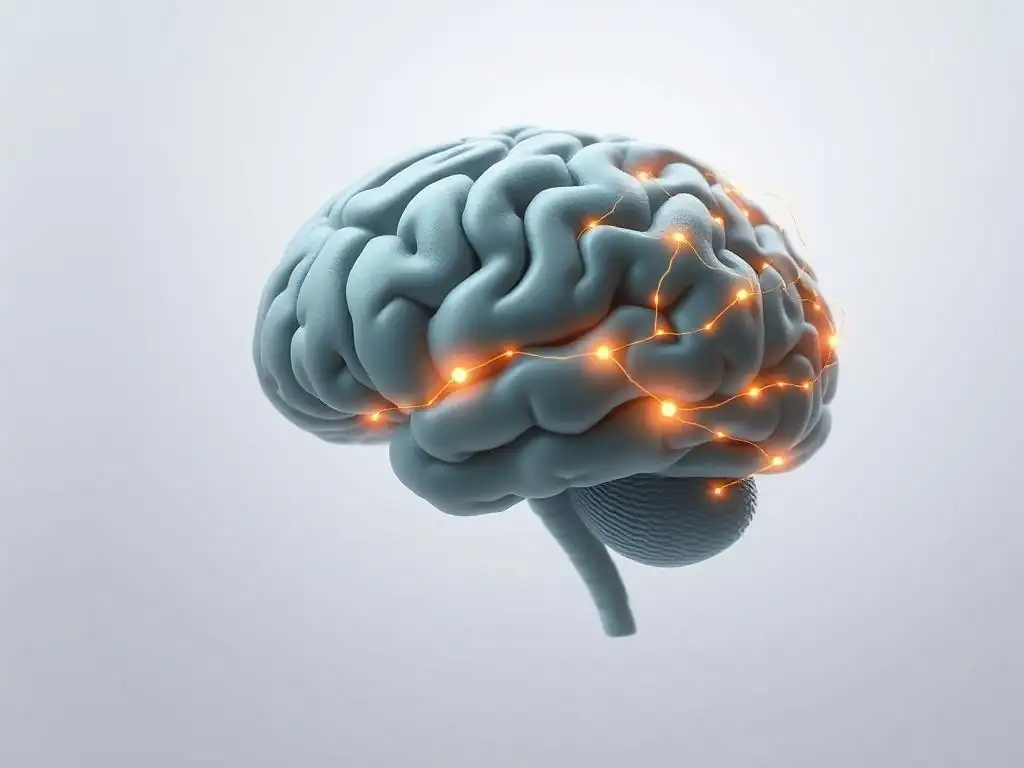
The good news is that epigenetic modifications are potentially reversible, unlike genetic mutations. This plasticity offers hope for developing interventions that can normalize stress-induced epigenetic brain changes and restore healthy gene expression patterns. Research is exploring various strategies, ranging from lifestyle modifications to targeted pharmacological approaches.
Lifestyle Interventions for Epigenetic Modulation: Diet, Exercise, and Mindfulness
Lifestyle factors have a profound impact on the epigenome. A growing body of evidence suggests that healthy behaviors like regular exercise, a balanced diet rich in specific nutrients (e.g., folate, B vitamins, omega-3 fatty acids), and mindfulness practices can positively influence epigenetic marks. These interventions may counteract some of the negative stress-induced epigenetic brain changes.
For instance, exercise has been shown to increase BDNF levels in the hippocampus, potentially by reversing stress-induced epigenetic silencing of the BDNF gene. Dietary components can act as cofactors for enzymes involved in DNA methylation and histone modification, directly influencing epigenetic processes.
Mindfulness and stress reduction techniques have been linked to changes in the expression of genes involved in inflammatory and stress response pathways, likely mediated partly through epigenetic mechanisms. While more research is needed to fully understand the specific epigenetic pathways involved, adopting healthy lifestyle habits offers a promising, accessible approach to supporting brain health and potentially mitigating stress-induced epigenetic brain changes.
Pharmacological Approaches Targeting Epigenetic Mechanisms in Stress Response
Given the role of specific epigenetic enzymes in mediating stress effects, pharmacological interventions targeting these enzymes are being investigated as potential therapies for stress-related disorders. These drugs, sometimes referred to as "epidrugs," include inhibitors of DNA methyltransferases (DNMTs) or histone deacetylases (HDACs).
Preclinical studies in animal models of stress and depression have shown that treatment with HDAC inhibitors can reverse stress-induced behavioral deficits and restore normal gene expression patterns in brain regions like the hippocampus and prefrontal cortex. For example, an HDAC inhibitor might increase the acetylation of histones near the BDNF gene promoter, promoting its expression and potentially improving synaptic plasticity. While these approaches are still largely experimental and require careful consideration due to potential side effects and lack of specificity, they highlight the potential for directly manipulating the epigenome to treat the consequences of stress-induced epigenetic brain changes.
The field of epigenetic therapy for mental health is still in its early stages, but it holds significant promise. Future strategies may involve more targeted approaches, such as developing drugs that specifically modulate epigenetic marks at particular gene loci known to be dysregulated by stress. For example, a drug might be designed to specifically remove methyl groups from the BDNF promoter in hippocampal neurons or alter histone modifications at specific regulatory elements in amygdala fear circuits.
Furthermore, understanding the specific epigenetic signatures associated with different types of stress exposure and individual vulnerabilities could lead to personalized epigenetic therapies. As our knowledge of stress-induced epigenetic brain changes deepens, the potential for developing novel, more effective treatments that address the root biological changes caused by stress continues to grow. This represents an exciting frontier in the treatment of stress-related mental health conditions.
The impact of stress-induced epigenetic brain changes is not confined to the period of stress exposure. These modifications can be remarkably stable and persist for long periods, influencing brain function and behavior throughout life. Moreover, there is growing evidence suggesting that some stress-induced epigenetic changes might even be passed down to future generations.
Transgenerational Epigenetic Inheritance of Stress Vulnerability
Emerging research, primarily from animal models, suggests the possibility of transgenerational epigenetic inheritance, where stress exposure in one generation can lead to epigenetic changes in the germline (sperm or eggs) that are transmitted to offspring, influencing their stress reactivity and behavior. For instance, studies in rodents have shown that paternal stress can induce epigenetic changes in sperm DNA methylation patterns, and these patterns are associated with altered stress responses and metabolic profiles in the offspring, even if the offspring are not directly exposed to stress themselves.
While direct evidence for transgenerational epigenetic inheritance of stress vulnerability in humans is still limited and complex to study, observed correlations between parental trauma (like Holocause exposure) and altered stress hormone profiles or metabolic health in offspring have sparked interest. If confirmed, this phenomenon of stress-induced epigenetic brain changes influencing future generations would have profound implications for understanding the intergenerational transmission of vulnerability to mental health conditions.
Understanding the Plasticity of the Brain's Epigenome in Response to Chronic Stress
Despite the potential for long-lasting effects, the brain's epigenome retains a degree of plasticity even in adulthood. While chronic stress can induce stable epigenetic marks, the brain is not entirely fixed. Positive experiences, enriched environments, learning, and therapeutic interventions can potentially modify or even reverse some stress-induced epigenetic brain changes.
Research suggests that engaging in activities that promote neuroplasticity, such as learning new skills or regular physical activity, can influence epigenetic marks in brain regions like the hippocampus. Furthermore, effective treatments for stress-related disorders, such as psychotherapy or antidepressant medication, may exert some of their effects by modulating epigenetic mechanisms, although this is an active area of research. Understanding the extent and limits of this epigenetic plasticity is crucial for developing effective strategies to promote recovery and resilience following stress exposure.
Protecting Your Brain from Stress: A Holistic Approach to Mental Well-being
Given the profound impact of stress-induced epigenetic brain changes, protecting your brain from excessive or chronic stress is paramount for maintaining mental well-being. A holistic approach that combines effective stress management techniques with strategies for building resilience can help mitigate the negative epigenetic consequences of stress.
Stress Management Techniques to Minimize Epigenetic Impact
Implementing effective stress management techniques can help regulate the physiological stress response, including the release of stress hormones like cortisol, thereby potentially reducing the cascade of stress-induced epigenetic brain changes. Techniques such as deep breathing exercises, progressive muscle relaxation, yoga, and meditation have been shown to activate the parasympathetic nervous system, counteracting the "fight or flight" response.
Regular practice of these techniques can lead to a more balanced stress response system over time. For example, studies have linked mindfulness practice to changes in the expression of genes involved in inflammatory pathways, potentially mediated by epigenetic mechanisms. By reducing the intensity and duration of the physiological stress response, these techniques can limit the opportunities for stress hormones and other stress-related signals to induce maladaptive epigenetic modifications in the brain.
Building Resilience to Mitigate the Effects of Stress on Brain Gene Expression
Beyond simply managing stress, building psychological and biological resilience can help individuals cope more effectively with stressful challenges and potentially buffer the brain against negative epigenetic impacts. Resilience is not just about withstanding stress but also about recovering and even growing from adversity.
Factors contributing to resilience include strong social support networks, a sense of purpose, optimism, and effective coping skills. At a biological level, resilience may be associated with a more flexible and adaptive epigenetic response to stress. For instance, resilient individuals might exhibit different patterns of stress-induced epigenetic brain changes compared to those who are more vulnerable, perhaps showing less severe alterations in genes critical for neuroplasticity or stress regulation.
Engaging in activities that promote positive emotions, social connection, and a sense of mastery can help build this resilience, fostering a brain environment less susceptible to the detrimental effects of stress-induced epigenetic brain changes. Ultimately, nurturing both mind and body through proactive self-care is a powerful strategy for protecting the brain's delicate epigenetic landscape.
Frequently Asked Questions
What are epigenetic changes in the context of stress and the brain?
Epigenetic changes are alterations to gene expression that don't involve changes to the underlying DNA sequence. Stress can trigger these changes in the brain, affecting how genes are turned on or off. This impacts brain function and mental well-being.
How does stress induce epigenetic changes in the brain?
Stress hormones, like cortisol, can initiate a cascade of molecular events. These events then lead to modifications like DNA methylation or histone modification. These modifications alter the accessibility of genes to transcription factors, ultimately impacting gene expression patterns.
What are the potential consequences of stress-induced epigenetic brain changes?
These changes can contribute to an increased risk of mental health disorders, such as anxiety, depression, and PTSD. They can also affect cognitive functions like memory and learning, impacting overall quality of life.
Are stress-induced epigenetic changes in the brain reversible?
While some epigenetic changes can be long-lasting, research suggests that others are potentially reversible. Lifestyle interventions, therapy, and even certain medications may influence epigenetic marks and promote resilience.
What resources are available for managing stress and supporting mental well-being, considering the potential for epigenetic changes?
Mind Care Guide offers information, support, and resources related to stress management and mental health. These resources aim to mitigate the negative effects of stress and potentially influence epigenetic programming through healthy practices.
Final Reflection: The Enduring Legacy of Stress on the Brain
The impact of stress on our brains extends far beyond fleeting anxiety; it fundamentally alters our genetic expression, leaving a lasting legacy that shapes our mental and physical well-being. This article has explored the fascinating and increasingly crucial field of stress-induced epigenetic changes in the brain, highlighting how environmental factors can directly influence gene activity without changing the underlying DNA sequence. Understanding this intricate interplay is paramount in our quest to develop effective preventative measures and treatments for stress-related disorders.
The implications of this research are profound and continue to ripple through our understanding of mental health. The more we learn about how stress impacts our epigenome, the better equipped we are to address the pervasive mental health challenges facing our society. This knowledge empowers us to develop targeted interventions, from mindfulness techniques to novel therapeutic strategies, aimed at mitigating the negative effects of chronic stress. The mind is everything. What you think you become.
– Buddha. This ancient wisdom resonates deeply with the modern scientific understanding of the brain's plasticity and its susceptibility to epigenetic modification through our thoughts and experiences.
Consider the power you hold over your own epigenetic landscape. You are not merely a product of your genes; you are a dynamic being capable of influencing your gene expression through lifestyle choices, stress management techniques, and mindful engagement with your environment. Embrace this understanding, actively seek strategies to manage stress effectively, and nurture a lifestyle that promotes mental and physical resilience. The future of mental health hinges on our collective commitment to understanding and harnessing the power of epigenetics.
Unlock Your Brain's Resilience: Take Control of Your Stress Response
Thanks for diving deep into the fascinating world of epigenetics and stress! You've now learned how powerful your mind is in shaping your brain's response to challenging situations. Let's put this knowledge into action.
- Prioritize a daily mindfulness practice: Even 5-10 minutes of meditation or deep breathing can significantly impact your stress levels and gene expression. This is the key takeaway to nurture your brain's resilience.
- Explore resources on stress-reduction techniques: Look into yoga, nature walks, or other activities that help you relax and de-stress. Experiment to find what works best for you!
- Share your insights: Discuss this article with friends, family, or your healthcare provider – sparking conversation is a powerful way to build a support system for your well-being.
What simple step will you take today to better manage your stress and promote positive epigenetic changes in your brain?