
What is Art Therapy for Trauma and How Does it Heal?

Welcome to Mind Care Guide, a sanctuary dedicated to understanding and nurturing your mental well-being. Feeling overwhelmed by the shadows of the past? You're not alone. This space offers a lifeline of information and support.
Discover how art therapy can unlock profound healing for trauma. Dive into "What is Art Therapy for Trauma and How Does it Heal?" and begin your journey towards reclaiming your inner peace. What hidden potential lies within the creative process to mend emotional wounds? Let's explore together.
Art Therapy for Trauma: A Path to Healing
- Understanding Art Therapy in Trauma Recovery
- Mechanisms of Art Therapy for Trauma Healing
- Benefits of Art Therapy for Trauma Survivors
- Art Therapy Techniques in Trauma Treatment
- Who Benefits from Art Therapy for Trauma?
- Finding a Qualified Art Therapist
- Effectiveness of Art Therapy for Trauma: Research
- Integrating Art Therapy with Other Modalities
- Overcoming Challenges in Art Therapy
- Art Therapy vs. Other Creative Therapies
- The Future of Art Therapy in Trauma Care
-
Frequently Asked Questions
- What exactly is art therapy, and how does it relate to trauma healing?
- How does art therapy specifically help with trauma recovery?
- Who is a good candidate for art therapy in the context of trauma?
- What are some common art therapy techniques used in trauma healing?
- How effective is art therapy for trauma, and what kind of results can one expect?
- Final Reflection: The Enduring Power of Art in Trauma Healing
- Unlock Your Healing Journey: Next Steps to Trauma Recovery
Understanding Art Therapy in Trauma Recovery
Defining Art Therapy for Trauma
Art therapy for trauma is a specialized form of psychotherapy that utilizes creative processes and art-making to help individuals explore, express, and process traumatic experiences. It is rooted in the belief that the creative process involved in artistic self-expression helps people resolve conflicts and problems, develop interpersonal skills, manage behavior, reduce stress, increase self-esteem and self-awareness, and achieve insight. In the context of trauma, where verbal articulation can be difficult or impossible, art provides a non-threatening medium to access and work through complex emotions and memories stored in the body and mind.
Unlike a recreational art class, art therapy is facilitated by a trained art therapist who understands psychological principles and therapeutic practices, particularly those related to trauma-informed care. The focus is not on artistic talent or creating a masterpiece, but on the process of creation and the meaning derived from the artwork. This approach recognizes that trauma often impacts areas of the brain responsible for language and narrative, making traditional talk therapy challenging. Art therapy trauma healing bypasses these verbal centers, accessing deeper levels of processing.
Creative Expression in Trauma Processing
Creative expression in art therapy provides a unique pathway for processing traumatic experiences. Trauma can disrupt a person's sense of continuity and safety, leaving them with fragmented memories and overwhelming emotions. Engaging in art-making allows individuals to externalize these internal states, giving form and color to feelings or sensations that may feel too chaotic or intense to put into words. This externalization can make overwhelming experiences feel more manageable and observable.
For instance, a survivor struggling with intense fear might use dark, jagged lines or heavy, suffocating colors to represent their internal state. Creating this image on paper or in clay allows them to interact with the fear outside of themselves, fostering a sense of control and distance. The therapist can then guide the individual in exploring the artwork, asking non-interpretive questions about the materials used, the colors chosen, or the feelings evoked by the piece. This process facilitates integration and understanding, contributing significantly to art therapy trauma healing.
Art Therapy vs. Talk Therapy for Trauma
While talk therapy, such as Cognitive Behavioral Therapy (CBT) or Eye Movement Desensitization and Reprocessing (EMDR), are vital components of trauma treatment, art therapy offers distinct advantages, particularly when verbal processing is challenging. Trauma can severely impact the brain's ability to organize thoughts and memories into a coherent narrative, often leaving survivors speechless or dissociated when attempting to recount their experiences. Art therapy provides an alternative language – a visual and tactile one – that bypasses the limitations of verbal expression.
Talk therapy typically relies on the client's ability to recall, articulate, and process experiences through language. For someone with severe trauma, this can be re-traumatizing or simply ineffective if the memories are non-verbal or fragmented. Art therapy allows the individual to communicate indirectly, through symbols, metaphors, and sensory experiences embedded in the artwork.
This makes it particularly effective for pre-verbal trauma or trauma that is deeply somatic. While talk therapy helps build narrative and cognitive restructuring, art therapy for trauma healing often focuses on accessing and processing the emotional and bodily sensations associated with the trauma in a safe, contained manner. Often, the most effective approach involves integrating both modalities.
Mechanisms of Art Therapy for Trauma Healing
Somatic Connection in Art Therapy
Trauma is not just a psychological event; it is deeply stored in the body, impacting physiological responses and sensations. Survivors often experience somatic symptoms like chronic pain, tension, or dissociation. Art therapy facilitates a powerful somatic connection by engaging the body directly in the creative process. The physical act of manipulating materials – squeezing clay, tearing paper, making energetic brushstrokes – can help individuals become more aware of their bodily sensations and release pent-up physical tension related to trauma.
This engagement helps bridge the gap between mind and body, which is often fragmented by trauma. For example, working with clay can help a survivor explore feelings of being trapped or molded by external forces, connecting the physical sensation of manipulating the material to their internal bodily experience of the trauma. This allows for processing at a level that talk therapy alone might not reach, promoting a form of art therapy trauma healing that is embodied and integrated.
Art as a Safe Space for Trauma Memories
One of the primary challenges in trauma therapy is creating a safe environment to approach difficult memories without becoming overwhelmed or re-traumatized. Art provides a natural buffer, acting as a container for intense emotions and fragmented memories. The artwork itself becomes a tangible entity, separate from the individual, allowing them to project feelings and experiences onto it. This externalization creates psychological distance and a sense of control.
Instead of being consumed by a memory, a survivor can explore it through a drawing or sculpture. They can choose how much to reveal, what colors to use, and what form the memory takes, giving them agency over the representation of their trauma. This safe space allows for gradual exposure and processing. If the emotions become too intense, the individual can simply step away from the artwork, providing a built-in mechanism for self-regulation within the art therapy trauma healing process.
Non-Verbal Communication in Trauma Therapy
Trauma often defies language. Survivors may struggle to find the words to describe their experiences, or the memories may be stored in non-verbal forms like images, sensations, or emotions. Art therapy excels in this context because it is inherently a non-verbal form of communication. It provides a voice for experiences that are pre-verbal, unspeakable, or stored in the implicit memory system.
Through colors, shapes, textures, and forms, individuals can express aspects of their trauma that words cannot capture. A chaotic scribble might represent internal confusion, while a carefully constructed box could symbolize a need for containment and safety. The therapist is trained to understand this visual language and help the client explore the meaning behind their creations, facilitating expression and understanding without the pressure to articulate verbally. This non-verbal pathway is crucial for many survivors engaging in art therapy trauma healing.
Benefits of Art Therapy for Trauma Survivors
Reducing PTSD Symptoms with Art Therapy
Research and clinical experience indicate that art therapy can significantly contribute to reducing the severity of Post-Traumatic Stress Disorder (PTSD) symptoms. Symptoms such as intrusive thoughts, flashbacks, hyperarousal, and avoidance behaviors can be positively impacted. For example, externalizing intrusive images through drawing can help survivors gain a sense of control over them, making them feel less overwhelming when they appear spontaneously.
While individual results vary, studies involving veterans, survivors of abuse, and disaster survivors have shown promising outcomes. Participants often report a decrease in the frequency and intensity of flashbacks and nightmares. The grounding and self-regulation techniques learned through the art-making process also help manage hyperarousal and anxiety. This makes art therapy trauma healing a valuable component in a comprehensive treatment plan for PTSD.
Emotional Regulation Through Art Therapy
Trauma often impairs a person's ability to regulate their emotions, leading to overwhelming feelings, numbing, or rapid shifts in mood. Art therapy provides practical tools and experiences for improving emotional regulation. The creative process itself can be calming and centering, offering a healthy distraction and a sense of flow that can alleviate distress.
Furthermore, art allows individuals to identify, express, and tolerate difficult emotions in a contained way. By giving form to anger, sadness, or fear through artwork, survivors can observe these emotions from a distance, understand their intensity, and learn coping strategies. The therapist can guide them in exploring different ways to express or manage these feelings within the artwork, translating these skills into daily life. This capacity for processing and managing intense affect is a cornerstone of art therapy trauma healing.
Enhancing Self-Esteem Through Creative Expression
Trauma can severely damage a person's sense of self-worth and competence. Survivors may internalize blame or feel permanently broken. Engaging in creative expression through art therapy can be a powerful way to rebuild self-esteem and a sense of agency. The act of creating something, regardless of artistic skill, provides a tangible sense of accomplishment.
Completing a piece of artwork, no matter how simple, demonstrates capability and resilience. The process encourages self-discovery and validates the individual's unique perspective and experience. As survivors process trauma through art, they gain insight into their strength and capacity for healing. Receiving non-judgmental acceptance from the therapist for their artistic expressions reinforces their inherent worth. This journey of creative self-discovery is integral to the art therapy trauma healing process, fostering a stronger, more positive self-image.
Art Therapy Techniques in Trauma Treatment
Drawing and Painting
Drawing and painting are fundamental techniques in art therapy trauma healing, offering diverse ways to explore internal landscapes. Simple techniques like scribbling can help release pent-up energy and frustration. More structured approaches might involve drawing a "body map" to identify areas where trauma is held physically, or creating a series of images to depict a narrative or sequence of feelings.
Using different colors and textures allows survivors to explore the nuances of their emotional experience. For instance, a survivor might paint a vibrant, chaotic abstract piece to represent the intensity of a flashback, then create a calm, monochromatic landscape to depict a desired state of peace. The accessibility of these materials makes them versatile tools for expression, processing, and creating visual narratives when words fail.
Sculpture and Clay Work
Sculpture and clay work offer a powerful tactile and three-dimensional approach to art therapy trauma healing. Working with clay can be incredibly grounding and regulating, engaging the senses and providing a direct physical outlet for energy. The act of molding, shaping, and transforming the material can mirror the process of transforming internal states or external experiences.
Survivors might use clay to create figures representing themselves, their trauma, or their hopes for the future. Building a protective barrier or a safe container in clay can be a symbolic act of creating safety in their lives. The resistance and responsiveness of the material allow for the expression of strength, fragility, control, and release, providing a different dimension for processing trauma compared to two-dimensional media.
Collage and Mixed Media
Collage and mixed media techniques are particularly useful in art therapy for trauma processing, especially when memories are fragmented or difficult to access sequentially. Using pre-existing images, textures, and objects allows survivors to construct meaning without necessarily creating something from scratch, which can feel less intimidating.
Selecting and arranging different elements – magazine cutouts, fabric scraps, photographs, found objects – can help individuals piece together fragmented aspects of their trauma narrative or represent complex internal states. This process of selection and arrangement mirrors the brain's attempt to organize and integrate traumatic memories. Creating a collage can feel less daunting than drawing or painting a direct representation, offering a symbolic language that facilitates art therapy trauma healing through indirect expression.
Guided Imagery and Art
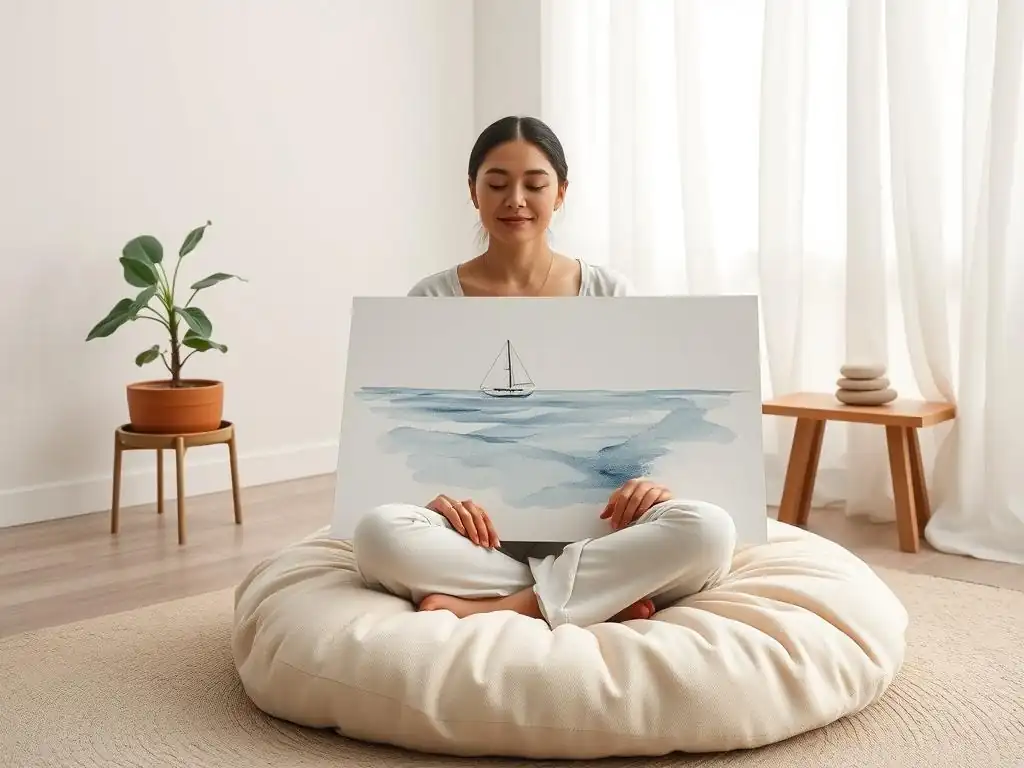
Guided imagery combined with art therapy integrates visualization techniques with creative expression. The therapist guides the client through a relaxation or visualization exercise, often focusing on creating a safe place or exploring a specific feeling or memory in a controlled way. Following the imagery exercise, the client is invited to create artwork inspired by their experience.
This technique helps survivors access internal resources and process difficult material within a state of increased calm and regulation. For example, after visualizing a safe place, the client might paint or draw that place, creating a tangible representation they can return to mentally or visually when feeling overwhelmed. This combination enhances the therapeutic impact, leveraging the power of imagination and visual representation in art therapy trauma healing.
Trauma-Informed Journaling
Trauma-informed journaling in art therapy extends beyond traditional writing to incorporate visual elements. This might involve combining written reflections with drawings, sketches, collages, or other artistic expressions within a journal format. This approach acknowledges that trauma impacts both verbal and non-verbal processing systems.
Survivors might use journaling to document feelings, sensations, or memories, supplementing written words with visual representations when words are insufficient. They might create a visual timeline of their healing journey or use the journal to track emotional states represented by colors or symbols. This integrated approach allows for a more holistic processing of trauma, combining the reflective capacity of writing with the expressive power of art, fostering ongoing art therapy trauma healing.
Who Benefits from Art Therapy for Trauma?
Art Therapy for Children and Adolescents
Art therapy is particularly effective for children and adolescents who have experienced trauma. Children often lack the verbal skills or cognitive capacity to articulate complex traumatic experiences and emotions. Art provides a natural and playful medium for them to communicate their inner world. Through drawings, sculptures, and play with art materials, children can externalize fears, process difficult events, and express feelings they cannot name.
Therapists trained in child-centered art therapy can observe themes, symbols, and patterns in a child's artwork to understand their trauma experience and guide the healing process. For adolescents, art can provide a safe space to explore identity issues intertwined with trauma, process difficult emotions related to abuse or loss, and develop coping skills. Art therapy trauma healing offers a developmentally appropriate and engaging approach for younger populations.
Art Therapy for Adults with Trauma
Adults who have experienced trauma, whether recent or complex developmental trauma from childhood, can significantly benefit from art therapy. As mentioned earlier, trauma can impact verbal centers, making it challenging for adults to engage effectively in purely talk-based therapies. Art therapy provides an alternative or complementary pathway, allowing access to non-verbal memories and emotions.
It is beneficial for adults struggling with PTSD, complex trauma, dissociation, or those who find it difficult to build trust in a therapeutic relationship. The tangible nature of art allows for indirect communication and exploration at a pace that feels safe. Adults can use art to process traumatic memories, explore their impact on current life, build resilience, and develop a more integrated sense of self, facilitating profound art therapy trauma healing.
Art Therapy for Trauma and Co-occurring Disorders
Art therapy can be highly beneficial for individuals dealing with trauma alongside co-occurring mental health disorders, such as depression, anxiety, substance use disorders, or eating disorders. Trauma is often an underlying factor contributing to these conditions. By addressing the root trauma through art therapy, individuals can see improvements in their co-occurring symptoms.
For example, someone using substances to numb emotional pain related to trauma might use art to explore and express those painful emotions in a safe environment, reducing the need for maladaptive coping mechanisms. Art therapy helps individuals develop healthier coping skills, improve emotional regulation, and gain insight into the connections between their trauma history and current struggles, supporting integrated art therapy trauma healing and recovery from co-occurring issues.
Considerations for Art Therapy
While art therapy for trauma is widely beneficial, it's important to consider individual needs and readiness. Not everyone immediately feels comfortable engaging in art-making, and some may initially feel resistant or intimidated. A skilled art therapist can introduce materials and techniques gradually, building trust and comfort.
It's also crucial that the art therapist is specifically trained in trauma-informed care. This means understanding how trauma impacts the brain and body, prioritizing safety and control for the client, and avoiding approaches that could inadvertently re-traumatize. Discussing any concerns or previous experiences with therapy with a potential therapist is always recommended to ensure a good fit for the art therapy trauma healing journey.
Finding a Qualified Art Therapist
Credentials and Training
Finding a qualified art therapist is crucial for effective art therapy trauma healing. In many countries, art therapists are required to have a Master's degree or higher in art therapy from an accredited program. These programs include coursework in both art and psychology, clinical practice, and often a specialization in areas like trauma.
Look for credentials such as ATR (Registered Art Therapist) or ATR-BC (Board Certified Art Therapist) in the United States, or equivalent certifications from professional bodies in other regions like the Canadian Art Therapy Association (CATA) or the British Association of Art Therapists (BAAT). These credentials indicate that the therapist has met rigorous educational and professional standards. Ensure they also have specific training or experience working with trauma survivors.
What to Expect in a Session
A typical art therapy session for trauma varies depending on the therapist's approach and the client's needs, but generally involves a combination of art-making and processing. Sessions might last from 50 to 90 minutes. Initially, the focus is on building a safe relationship and exploring different art materials without pressure to create specific content.
As trust develops, the therapist will introduce techniques aimed at trauma processing. The client is invited to create art related to their experiences or feelings. Following the art-making, the therapist will guide the client in reflecting on their artwork. This processing phase is critical – it's not about analyzing the art symbolically, but about the client exploring their experience of making it, the feelings that arose, and what the artwork means to them. This collaborative exploration is key to art therapy trauma healing.
Questions to Ask Potential Therapists
When seeking an art therapist for trauma healing, it's helpful to ask specific questions to ensure they are a good fit. Inquire about their educational background and credentials (ATR, ATR-BC, etc.). Ask about their experience working with trauma survivors and their specific approach to trauma-informed care.
Consider asking about the types of art materials they typically use and if they have experience with the specific type of trauma you have experienced (e.g., complex trauma, combat trauma, medical trauma). Understanding their therapeutic philosophy and how they integrate art-making with verbal processing is also important. Don't hesitate to ask about session frequency, duration, and fees. Finding a therapist with whom you feel safe and comfortable is paramount for successful art therapy trauma healing.
Effectiveness of Art Therapy for Trauma: Research
Studies on Art Therapy and Trauma
While the body of research on art therapy is still growing compared to some other modalities, numerous studies have investigated the effectiveness of art therapy for trauma healing. Research has explored its impact on various populations, including military veterans with PTSD, survivors of sexual abuse, refugees, and individuals who have experienced natural disasters.
For instance, a meta-analysis published in 2016 reviewed studies on the effectiveness of creative arts therapies for trauma. While acknowledging limitations, the review suggested promising evidence for the use of art therapy in reducing symptoms associated with trauma and stress. Other studies have focused on specific outcomes, such as changes in brain activity, reduction in cortisol levels (a stress hormone), and improvements in emotional regulation and interpersonal relationships among trauma survivors participating in art therapy.
Art Therapy as a Complementary Treatment
Current evidence strongly supports the role of art therapy as a valuable complementary treatment for trauma. It is often used alongside other evidence-based therapies like EMDR, Trauma-Focused CBT (TF-CBT), or Somatic Experiencing. Art therapy can enhance the effectiveness of these modalities by providing alternative pathways for processing.
For example, a client doing EMDR might use art to create an image of their "target memory" or their "future template," integrating the visual processing of art with the bilateral stimulation of EMDR. Similarly, art can help clients in TF-CBT create a narrative of their trauma through images or process difficult emotions arising during exposure work. This integrative approach leverages the strengths of multiple therapies, optimizing the potential for art therapy trauma healing.
Research Findings on Emotional Regulation
Specific research findings highlight art therapy's positive impact on emotional regulation in trauma survivors. Studies have used various measures, including self-report questionnaires and physiological indicators, to assess changes in emotional reactivity and control. Findings often suggest that engagement in art therapy helps individuals become more aware of their emotional states and develop healthier coping strategies.
For example, research might show that participants in art therapy report a decrease in emotional lability or an increased ability to tolerate difficult feelings without resorting to avoidance or dysregulation. The act of creating art provides a contained space to experience and manage intense emotions, reinforcing the skills needed for improved emotional regulation outside of therapy sessions. This evidence underscores art therapy's significant contribution to emotional stability in art therapy trauma healing.
Integrating Art Therapy with Other Modalities

Art Therapy and EMDR
Integrating art therapy with Eye Movement Desensitization and Reprocessing (EMDR) can be a powerful combination for art therapy trauma healing. EMDR helps process distressing memories by using bilateral stimulation (like eye movements) while the client focuses on the memory. Art therapy can be used before, during, or after EMDR phases.
Before EMDR, art can help clients identify target memories or develop resources (like a "safe place" image). During EMDR, clients might draw or sculpt the memory they are processing, providing a concrete focus point and allowing for non-verbal processing alongside the bilateral stimulation. After processing, art can be used to integrate new insights or create images of desired future states. This synergistic approach leverages the strengths of both therapies to facilitate deeper processing and integration of traumatic experiences.
Art Therapy and CBT
Combining art therapy with Cognitive Behavioral Therapy (CBT) offers a holistic approach to art therapy trauma healing. CBT focuses on identifying and changing negative thought patterns and behaviors related to trauma. Art therapy can support this by providing experiential ways to explore these thoughts and feelings.
For instance, a client working on challenging negative self-talk ("It was my fault") in CBT might use art to create images representing these thoughts and then modify or transform the artwork to reflect more positive or realistic beliefs. Art can also be used to visually represent triggers and coping strategies discussed in CBT, making them more tangible and accessible. This integration allows clients to process trauma on both cognitive and emotional/somatic levels.
Multidisciplinary Collaborative Care
Art therapy for trauma is often most effective when integrated into a multidisciplinary collaborative care model. This involves a team of professionals – such as psychotherapists, psychiatrists, social workers, and medical doctors – working together to provide comprehensive support for the trauma survivor.
In this model, the art therapist collaborates with other treatment providers to ensure the client's care plan is coordinated and holistic. For example, the art therapist might communicate with a talk therapist about themes emerging in the artwork, or with a psychiatrist about how art therapy might support medication management. This collaborative approach ensures that all aspects of the client's well-being are addressed, maximizing the potential for effective and sustained art therapy trauma healing within a broader system of support.
Overcoming Challenges in Art Therapy
Addressing Resistance
Resistance is a common challenge in any therapy, including art therapy for trauma. Clients may feel resistant to engaging in art-making, especially if they feel they are "not artistic" or are afraid of what might emerge. A skilled art therapist addresses this by creating a safe, non-judgmental environment and introducing materials and techniques gradually.
Resistance can also manifest as avoidance of specific themes or materials. The therapist respects the client's pace and choices, viewing resistance not as defiance but as a protective mechanism. They might explore the feeling of resistance through art or offer alternative ways to approach difficult topics indirectly. Building trust and emphasizing that the process, not the product, is the focus helps clients move through resistance towards art therapy trauma healing.
Managing Difficult Emotions
Trauma work can bring up intense and difficult emotions. While art therapy provides a safe container, clients may still feel overwhelmed during or after a session. Art therapists are trained to help clients manage emotional distress that arises during art-making.
This involves teaching grounding techniques before, during, and after the art process. The therapist helps the client stay present and connected to their body. They might also guide the client in using the art materials themselves as a way to regulate – for example, using calming colors or repetitive motions. Learning to tolerate and process difficult feelings within the safe space of the therapeutic relationship is a key aspect of art therapy trauma healing.
Building Therapeutic Trust
Building a strong therapeutic alliance is fundamental to art therapy trauma healing, especially for survivors who may have difficulty trusting others due to their experiences. The art therapist fosters trust through consistency, empathy, and providing a predictable, safe environment.
Allowing the client control over the art materials, the content they explore, and the pace of the session empowers them and helps rebuild a sense of agency that trauma often diminishes. The therapist's non-judgmental presence and genuine interest in the client's experience, both in their words and their art, are crucial. Over time, the shared experience of creating and processing art together strengthens the bond, allowing for deeper therapeutic work to occur.
Art Therapy vs. Other Creative Therapies
Art Therapy vs. Music Therapy
While both are creative arts therapies, art therapy and music therapy engage different sensory modalities and processing pathways. Music therapy uses musical interventions – listening, playing instruments, singing, composing – to address physical, emotional, cognitive, and social needs. It often focuses on rhythm, harmony, and melody to evoke feelings, regulate mood, and facilitate expression.
Art therapy, in contrast, focuses on the visual and tactile creation process using materials like paint, clay, collage, etc. It engages the visual-spatial and motor systems. While music can be transient, art creates a tangible product that can be reflected upon over time. Both are effective for trauma, but art therapy's strength lies in its ability to externalize internal states into a concrete, observable form, which is particularly helpful for processing visual or fragmented trauma memories.
Art Therapy vs. Dance/Movement Therapy
Dance/movement therapy uses movement to promote physical, emotional, cognitive, and social integration. It is particularly powerful for addressing trauma stored in the body, helping individuals reconnect with their physical selves and release tension through movement. It focuses on the non-verbal language of the body.
Art therapy also addresses the somatic experience but does so through the manipulation of materials and the creation of tangible objects or images. While dance/movement therapy is about the experience in the body and through movement, art therapy is about bringing the internal experience out of the body and into a visible form. For some, expressing through movement might feel safer; for others, the distance provided by creating art is more containing. Both are valuable embodied approaches to art therapy trauma healing.
Art Therapy vs. Drama Therapy
Drama therapy utilizes theatrical processes – role-playing, storytelling, improvisation – to help individuals explore issues, express feelings, and practice new behaviors. It engages the imagination and the ability to embody different roles or narratives. It is powerful for externalizing conflicts and exploring relationships.
Art therapy differs by focusing on visual and tactile creation rather than embodied performance or role-play. While drama therapy uses action and narrative enactment, art therapy uses symbolic representation through visual media. A survivor might act out a traumatic scenario in drama therapy or create a visual representation of the scenario through drawing or sculpture in art therapy. Both offer ways to externalize and process, but through different creative languages.
The Future of Art Therapy in Trauma Care
Expanding Access to Services
The future of art therapy trauma healing includes a crucial focus on expanding access to qualified services. Currently, access can be limited by geographical location, cost, and awareness of the profession. Efforts are underway to integrate art therapy into more community mental health centers, schools, hospitals, and veterans' programs.
Telehealth is also playing an increasing role, allowing art therapists to reach clients in remote areas, although adapting tactile art-making for virtual sessions presents unique challenges that require innovative solutions and ethical considerations. Increasing public and professional awareness about the efficacy of art therapy for trauma is vital to ensure more survivors can access this beneficial modality.
Integrating Art Therapy into Healthcare
Integrating art therapy more fully into mainstream healthcare settings is another important future direction. This includes hospitals, rehabilitation centers, and primary care settings. Recognizing trauma's widespread impact on physical and mental health, embedding art therapists within these systems can provide immediate, accessible support for patients who have experienced trauma related to medical procedures, illness, or injury, or who have pre-existing trauma histories impacting their health.
This integration supports a holistic view of health and well-being, acknowledging that healing involves addressing emotional and psychological wounds alongside physical ones. Collaborative care models within healthcare settings can significantly enhance the reach and impact of art therapy trauma healing.
Evolving Art Therapy Techniques
The field of art therapy is continuously evolving, with therapists developing new techniques and adapting existing ones to meet the complex needs of trauma survivors. This includes incorporating digital media and technology into practice, exploring the use of specific materials for their sensory and emotional properties in trauma work, and developing specialized protocols for different types of trauma (e.g., collective trauma, intergenerational trauma).
Research into the neurobiological effects of art-making is also advancing our understanding of how art therapy facilitates healing in the brain and body, informing technique development. This ongoing innovation ensures that art therapy trauma healing remains a dynamic, responsive, and increasingly effective approach to supporting survivors on their path to recovery.
Frequently Asked Questions
What exactly is art therapy, and how does it relate to trauma healing?
Art therapy is a form of psychotherapy that uses creative methods like painting, drawing, and sculpting to help individuals process emotions and experiences. It's particularly helpful for trauma because it offers a non-verbal way to express feelings that might be difficult to articulate.
How does art therapy specifically help with trauma recovery?
Art therapy facilitates emotional processing and helps individuals gain insight into their trauma. By externalizing their experiences through art, they can develop coping mechanisms and rebuild a sense of control and self-esteem.
Who is a good candidate for art therapy in the context of trauma?
Individuals who have experienced various types of trauma, including childhood abuse, accidents, or violence, can benefit. It's also suitable for those who struggle with verbalizing their feelings or who find traditional talk therapy challenging.
What are some common art therapy techniques used in trauma healing?
Common techniques include drawing mandalas to promote self-regulation, creating timelines to process traumatic events, and using collage to explore identity and emotions. The therapist guides the process and helps the individual interpret their artwork.
How effective is art therapy for trauma, and what kind of results can one expect?
Studies suggest art therapy can be highly effective in reducing symptoms of PTSD, anxiety, and depression related to trauma. Individuals may experience increased self-awareness, improved emotional regulation, and a greater sense of well-being.
Final Reflection: The Enduring Power of Art in Trauma Healing
The transformative potential of art therapy in trauma healing is not merely a theoretical concept; it's a vital resource actively shaping how we understand and address the lasting impacts of trauma today. The increasing recognition of art therapy's effectiveness underscores a critical shift in our approach to mental health, moving beyond solely verbal processing to embrace the multifaceted nature of human experience and healing.
Witnessing the profound impact art therapy has on individuals grappling with trauma has been deeply moving. It's a testament to the resilience of the human spirit and the power of creative expression to unlock suppressed emotions and foster self-discovery. Art enables us to find ourselves and lose ourselves at the same time.
– Thomas Merton. This quote perfectly encapsulates the paradoxical yet essential journey of healing through art, where confronting painful memories can lead to a profound sense of self-understanding and liberation.
Now, consider your own life. Have you ever experienced a moment of intense emotional release through creative expression? Perhaps writing, painting, or even simply listening to music helped you process difficult emotions. This article has explored the structured application of these innate human tendencies within the therapeutic setting. I invite you to explore the possibility of art therapy as a pathway to healing, whether for yourself or someone you know. Embrace the power of creative expression—it might just unlock a wellspring of resilience and healing you never knew existed.
Unlock Your Healing Journey: Next Steps to Trauma Recovery
Thanks for taking the time to explore the power of art therapy for trauma healing! We hope you gained valuable insights into this transformative process. Now it's time to take action and begin your own journey towards recovery.
- Schedule a consultation with an art therapist: This is the most impactful step towards healing. Find a qualified professional and start your personal journey.
- Explore different art mediums: Experiment with painting, sculpting, or even journaling—find the creative outlet that resonates most deeply with you.
- Share your experience: Discuss what you’ve learned with a friend, family member, or support group. Talking about your experiences can be incredibly helpful.
What unique art form are you most excited to explore to support your healing process?