
How to Practice SelfCare When Dealing with EcoAnxiety


Welcome to Mind Care Guide, a sanctuary for your mental well-being.
Feeling overwhelmed by the state of our planet? You're not alone. Many are experiencing ecoanxiety, a growing concern we understand deeply. This guide offers empathetic support and practical ecoanxiety selfcare strategies to help you navigate these challenging emotions and find resilience. Ready to discover how you can care for yourself while caring for the Earth? Let's begin.
How to Practice Self-Care When Dealing with Eco-Anxiety: A Mind Care Guide
- Understanding Eco-Anxiety and Its Impact on Mental Well-being
-
Ecoanxiety Selfcare Strategies Guide: Practical Steps for Mental Wellness
- Grounding Techniques for Eco-Anxiety Relief: Connecting with the Present
- Nature-Based Self-Care: Reconnecting with the Earth
- Cognitive Restructuring for Eco-Anxiety: Reframing Negative Thoughts
- Lifestyle Adjustments for a Sustainable and Mentally Healthy Life
- Building a Support System: Connecting with Others Who Understand
- Long-Term Strategies for Managing Eco-Anxiety and Promoting Resilience
- Resources for Eco-Anxiety Self-Care and Mental Health Support
- Conclusion: Empowering Yourself to Cope with Eco-Anxiety Through Self-Care
- Frequently Asked Questions
- Final Reflection: Cultivating Resilience in a Changing World
- Unleash Your Inner Calm: Nurture Yourself & Our Planet
Understanding Eco-Anxiety and Its Impact on Mental Well-being
Defining Eco-Anxiety: The Emotional Toll of Climate Change
Eco-anxiety refers to the chronic fear of environmental doom. It's a psychological response to the perceived threat posed by climate change and ecological collapse. This isn't just a fleeting worry; for many, it's a deep, persistent concern about the future of the planet and humanity, recognized by mental health professionals as a legitimate source of distress. The American Psychological Association (APA) highlighted the mental health impacts of climate change in a 2017 report, noting the emergence of this specific form of anxiety as a significant concern.
This form of anxiety stems from observing environmental degradation firsthand or through constant media exposure to climate crises like wildfires, floods, and species extinction. It's particularly prevalent among younger generations who face the long-term consequences of these changes. A 2021 study published in The Lancet Planetary Health surveyed 10,000 young people across 10 countries and found that 84% were at least moderately worried about climate change, with 59% reporting being very or extremely worried. This widespread concern underscores the need for effective eco-anxiety selfcare strategies guide.
Recognizing the Symptoms of Eco-Anxiety: Stress, Worry, and Hopelessness
The symptoms of eco-anxiety can manifest in various ways, often overlapping with general anxiety and depression. Common emotional responses include feelings of helplessness, grief, anger, fear, and sadness regarding environmental issues. Individuals might experience excessive worry about the future, leading to intrusive thoughts about climate disasters or the potential loss of biodiversity. This constant rumination can be mentally exhausting.
Beyond emotional distress, eco-anxiety can also present with physical and behavioral symptoms. These might include difficulty sleeping, panic attacks, loss of appetite, or a reduced ability to concentrate. Some people may become withdrawn or experience a sense of existential dread. Conversely, others might feel compelled towards intense activism, which, while potentially positive, can also lead to burnout if not managed with adequate eco-anxiety selfcare strategies guide. Recognizing these signs is the first step toward addressing the impact of climate change on your mental health.
Why Self-Care is Crucial for Managing Climate Change Anxiety
Self-care is not a luxury; it's a fundamental necessity for maintaining mental well-being, especially when facing overwhelming issues like climate change. Eco-anxiety can be relentless, fueled by daily news cycles and personal observations of environmental shifts. Without deliberate practices to manage this stress, individuals risk burnout, emotional exhaustion, and a decline in overall mental and physical health. Effective self-care provides a buffer against these negative effects, helping to build resilience.
Implementing an eco-anxiety selfcare strategies guide allows individuals to process their emotions in a healthy way, regain a sense of control, and prevent anxiety from becoming debilitating. It empowers people to channel their concern into constructive action without sacrificing their well-being. Prioritizing self-care enables individuals to sustain their engagement with environmental issues over the long term, fostering hope and preventing despair from paralyzing their efforts.
Ecoanxiety Selfcare Strategies Guide: Practical Steps for Mental Wellness
Grounding Techniques for Eco-Anxiety Relief: Connecting with the Present
Grounding techniques are powerful tools for managing acute anxiety, including eco-anxiety. They help pull your mind away from overwhelming thoughts about the future or global crises and anchor you firmly in the present moment. These strategies focus on engaging your senses or your breath to interrupt the anxiety spiral and restore a sense of calm and stability. They are essential components of any effective eco-anxiety selfcare strategies guide.
Practicing grounding can be done anywhere, at any time, making it an accessible first line of defense when eco-anxiety feels overwhelming. Whether you're feeling panicked after reading a climate report or simply experiencing persistent worry, taking a few moments to ground yourself can significantly reduce the intensity of your emotional response. It's about creating a safe internal space amidst external chaos.
Mindful Breathing Exercises for Calming Climate Change Fears
Mindful breathing is one of the simplest yet most effective grounding techniques. When anxious, our breathing often becomes shallow and rapid, which can exacerbate feelings of panic. By focusing on your breath, you regulate your nervous system and bring yourself back to a state of calm. A basic exercise involves inhaling deeply through your nose for a count of four, holding the breath for a count of four, and exhaling slowly through your mouth for a count of six.
Regularly practicing this type of controlled breathing can train your body to respond more calmly to stress triggers. Another variation is box breathing: inhale for four, hold for four, exhale for four, hold for four, and repeat. Dedicating even just a few minutes each day to these exercises can build your capacity to manage the physical symptoms associated with eco-anxiety, making them a vital part of your eco-anxiety selfcare strategies guide.
Sensory Grounding Activities: Engaging Your Senses to Reduce Anxiety
Sensory grounding involves focusing on your five senses to connect with your immediate environment. A popular method is the "5-4-3-2-1" technique. Start by identifying:
- 5 things you can see: Look around and notice five distinct objects.
- 4 things you can touch: Feel the texture of your clothes, the chair you're sitting on, or your hands.
- 3 things you can hear: Listen for three different sounds.
- 2 things you can smell: Pay attention to two distinct scents.
- 1 thing you can taste: Notice any taste in your mouth (even if it's just residual).
This exercise forces your mind to shift focus from internal worries to external reality, effectively interrupting the anxiety cycle. Other sensory activities include holding a cold object, listening to music, or focusing on the feeling of your feet on the ground. Incorporating these into your routine strengthens your eco-anxiety selfcare strategies guide.
Nature-Based Self-Care: Reconnecting with the Earth
Paradoxically, while the state of the environment may be the source of eco-anxiety, connecting with nature can be a profound source of healing and self-care. Spending time in natural settings has well-documented benefits for mental health, including reducing stress and improving mood. It allows individuals to appreciate the beauty and resilience of the natural world, fostering a sense of connection rather than just despair.
Nature-based self-care doesn't require wilderness expeditions; it can be as simple as visiting a local park, sitting by a tree, or observing birds. These interactions remind us of the intricate web of life and our place within it, offering perspective and a sense of peace. This reconnection is a vital element in developing comprehensive eco-anxiety selfcare strategies guide.
Spending Time in Green Spaces: Benefits of Nature Immersion
Research consistently shows the positive impact of green spaces on mental well-being. A study published in Environmental Health Perspectives in 2019 found that people who spent at least 120 minutes per week in nature reported significantly better health and psychological well-being than those who didn't. This effect was observed regardless of whether the time was spent in one long visit or several shorter ones.
Immersing yourself in nature can lower cortisol levels (the stress hormone), reduce blood pressure, and improve attention span and mood. Simply walking in a park, sitting by a lake, or hiking a trail can provide a powerful antidote to the feelings of being overwhelmed by environmental crises. Making regular visits to green spaces a non-negotiable part of your routine is a powerful addition to your eco-anxiety selfcare strategies guide.
Gardening as Therapy: Nurturing the Earth and Your Mental Health
Gardening offers a unique form of nature-based self-care that combines physical activity, connection with the earth, and the satisfaction of nurturing life. Tending to plants, whether in a backyard, on a balcony, or in a community garden, provides a tangible way to interact positively with the environment. It offers a sense of purpose and allows you to witness growth and resilience firsthand.
The act of working with soil has been linked to improved mood, partly due to exposure to Mycobacterium vaccae, a soil bacterium that has been found to have antidepressant effects. Gardening also provides a mindful activity, requiring focus on the task at hand rather than allowing the mind to wander into anxious thoughts. Growing your own food, even just herbs or vegetables, can also foster a sense of empowerment and contribution to sustainable living, making it a practical element of your eco-anxiety selfcare strategies guide.
Cognitive Restructuring for Eco-Anxiety: Reframing Negative Thoughts
Eco-anxiety is often fueled by catastrophic thinking and a focus on worst-case scenarios. Cognitive restructuring techniques, derived from cognitive behavioral therapy (CBT), involve identifying and challenging these negative thought patterns. The goal isn't to deny the reality of climate change but to develop a more balanced and realistic perspective that reduces emotional distress and promotes constructive engagement. This is a crucial part of building effective eco-anxiety selfcare strategies guide.
By learning to recognize when your thoughts are distorted or unhelpful, you can actively work to reframe them. This process takes practice but can significantly impact how you feel and react to environmental concerns. It helps you move from feeling overwhelmed and hopeless to feeling more capable and motivated to take action.
Challenging Catastrophic Thinking: Identifying and Modifying Negative Thought Patterns
Catastrophic thinking in the context of eco-anxiety might sound like: "Everything is doomed, there's nothing anyone can do," or "We're all going to face terrible consequences very soon." These thoughts, while reflecting real concerns, often exaggerate the immediacy or inevitability of the worst outcomes and minimize possibilities for positive change or adaptation.
To challenge these thoughts, first, become aware of them. When you notice a catastrophic thought, ask yourself:
- Is this thought 100% true?
- What evidence supports this thought? What evidence contradicts it?
- What is a more balanced or realistic perspective?
- Is this thought helpful or unhelpful?
For example, instead of "Everything is doomed," a more balanced thought might be: "Climate change is a serious threat, but many people are working on solutions, and collective action can make a difference." Regularly practicing this challenging process weakens the hold of catastrophic thinking and strengthens your eco-anxiety selfcare strategies guide.
Focusing on Actionable Steps: Shifting from Worry to Empowerment
One of the most effective ways to combat the helplessness associated with eco-anxiety is to shift focus from overwhelming global problems to concrete, actionable steps you can take. While individual actions may seem small in the face of a global crisis, they contribute to the larger effort and, importantly, provide a sense of agency and purpose.
Identify specific, manageable actions related to environmental concerns that align with your values and capacity. This could be reducing waste, conserving energy, supporting local environmental initiatives, or engaging in climate advocacy. Focusing on these steps helps channel anxious energy into productive behavior. Each small action, like starting a compost bin or participating in a local clean-up, reinforces a sense of control and contribution, transforming passive worry into active empowerment and strengthening your eco-anxiety selfcare strategies guide.
Lifestyle Adjustments for a Sustainable and Mentally Healthy Life
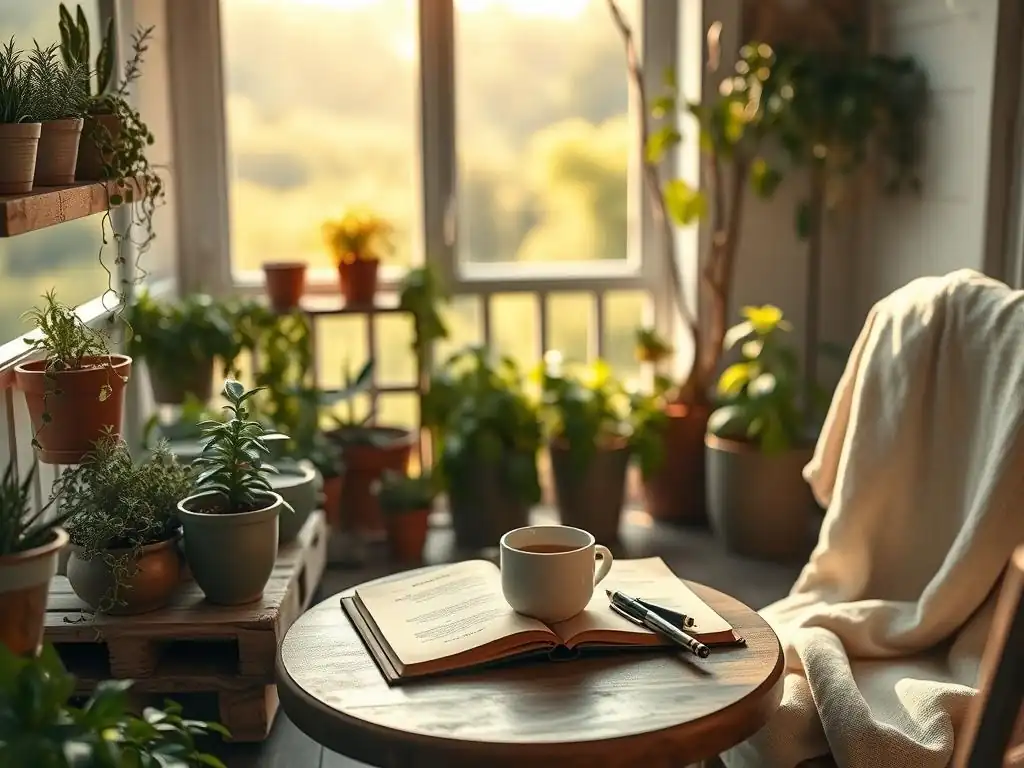
Making lifestyle changes that reduce your environmental impact can be a powerful form of self-care for eco-anxiety. Aligning your daily habits with your environmental values reduces cognitive dissonance and provides a sense of integrity and contribution. While the scale of the problem can feel overwhelming, taking personal responsibility for your footprint offers a direct way to feel part of the solution, not just a passive observer of the problem.
These adjustments don't have to be drastic overnight but can be implemented gradually. They often lead to a simpler, more mindful way of living that benefits both the planet and your own mental well-being. Integrating sustainable practices into your daily life is a practical and empowering component of any eco-anxiety selfcare strategies guide.
Reducing Your Carbon Footprint: Practical Tips for Eco-Friendly Living
Reducing your carbon footprint involves making conscious choices about consumption, energy use, and transportation. Small changes can add up. For example:
- Energy: Switch to energy-efficient light bulbs, unplug electronics when not in use, and consider reducing heating/cooling use or improving insulation. Household energy use accounts for a significant portion of individual carbon footprints.
- Transportation: Walk, bike, use public transport, or carpool when possible. Transportation is a major source of greenhouse gas emissions; reducing car dependence makes a difference.
- Diet: Consider reducing meat and dairy consumption, which have a higher environmental impact than plant-based foods.
- Waste: Reduce, reuse, recycle, and compost. Aim to minimize single-use plastics and packaging. An estimated 35% of total U.S. waste is recycled or composted, highlighting room for individual improvement.
Implementing even a few of these tips provides tangible actions you can take daily, helping to alleviate feelings of helplessness and reinforcing your commitment to environmental stewardship as part of your eco-anxiety selfcare strategies guide.
Supporting Environmental Organizations: Taking Collective Action
Contributing to or supporting environmental organizations offers another avenue for channeling eco-anxiety into positive action and gaining a sense of agency. These organizations work on systemic change, advocacy, conservation, and research – efforts that complement individual lifestyle adjustments. By supporting them, you amplify your impact beyond what you can achieve alone.
Support can take many forms: donating money, volunteering your time and skills, or participating in campaigns and advocacy efforts. For instance, volunteering for a local park clean-up or writing to elected officials about climate policy connects you with collective action. Organizations like the Environmental Defense Fund, The Nature Conservancy, or local conservation groups are actively working on solutions. Engaging with them provides a sense of community and hope, demonstrating that you are part of a larger movement for change, which is a crucial aspect of an effective eco-anxiety selfcare strategies guide.
Building a Support System: Connecting with Others Who Understand
Feeling isolated in your eco-anxiety can intensify feelings of despair. Connecting with others who share similar concerns provides validation, understanding, and collective strength. Sharing your feelings with empathetic individuals can normalize your experience and offer new perspectives or coping strategies. Building a supportive community is a vital element of any comprehensive eco-anxiety selfcare strategies guide.
This support system can include friends, family, online communities, or formal support groups. The key is finding people with whom you can be open about your feelings without fear of judgment or dismissal. Knowing you're not alone in your struggle can significantly reduce the burden of eco-anxiety.
Joining Eco-Anxiety Support Groups: Sharing Experiences and Coping Strategies
Formal or informal eco-anxiety support groups offer a dedicated space to connect with others experiencing similar feelings. These groups, whether online or in person, provide a platform for sharing anxieties, fears, and grief related to climate change. Hearing from others who understand your specific concerns can be incredibly validating and reduce feelings of isolation.
Within these groups, members often share coping strategies, resources, and stories of resilience or positive action. Learning how others are managing their anxiety and contributing to solutions can be inspiring and empowering. Examples of such groups are emerging globally, often found through environmental psychology networks or community mental health centers, offering a structured environment to process complex emotions and build a collective eco-anxiety selfcare strategies guide.
Communicating Your Concerns: Talking to Friends, Family, and Therapists
Openly discussing your eco-anxiety with trusted friends and family members can also provide significant relief. Choosing supportive individuals who are willing to listen without minimizing your feelings is important. Simply articulating your fears can help process them and make them feel less overwhelming. It also gives loved ones an opportunity to understand what you're going through and offer support.
For more persistent or debilitating eco-anxiety, seeking professional help from a therapist or counselor is highly recommended. Therapists specializing in climate-aware therapy or general anxiety can provide evidence-based strategies like CBT or acceptance and commitment therapy (ACT) tailored to your needs. They offer a confidential space to explore complex emotions and develop personalized eco-anxiety selfcare strategies guide.
Long-Term Strategies for Managing Eco-Anxiety and Promoting Resilience
Managing eco-anxiety is often a long-term process, not a one-time fix. Developing sustainable strategies for coping and building emotional resilience is key to navigating these challenging feelings over time. This involves proactive planning, knowing when to seek expert help, and cultivating a mindset that balances realism with hope. A robust long-term eco-anxiety selfcare strategies guide is essential for sustained well-being.
Resilience in the face of eco-anxiety isn't about ignoring the problem but about developing the capacity to process difficult emotions, maintain hope, and remain engaged in meaningful action without succumbing to despair. It's about building inner strength to face external challenges.
Developing a Personal Eco-Anxiety Self-Care Plan: Identifying Triggers and Coping Mechanisms
Creating a personalized eco-anxiety self-care plan is a proactive step towards managing your well-being. Start by identifying your specific triggers – what news, situations, or thoughts tend to heighten your anxiety? Is it reading certain articles, watching documentaries, or discussions with certain people? Recognizing triggers allows you to anticipate difficult moments.
Next, list the coping mechanisms that work best for you. This might include specific grounding techniques, time in nature, creative outlets, exercise, social connection, or engaging in environmental action. Your plan should outline specific activities you can turn to when feeling overwhelmed. For instance, "If I feel anxious after watching the news, I will immediately do 5 minutes of mindful breathing and then go for a walk in the park." This plan serves as your personal eco-anxiety selfcare strategies guide, providing a roadmap for difficult times.
Seeking Professional Help: When to Consult a Therapist or Counselor
While self-care strategies are incredibly valuable, there are times when professional support is necessary. If your eco-anxiety is significantly impacting your daily functioning – affecting your sleep, work, relationships, or overall quality of life – it's a strong indicator that you could benefit from professional help. Persistent feelings of hopelessness, panic attacks, or difficulty engaging in activities you once enjoyed are also signs to seek support.
Therapists, particularly those familiar with climate-aware psychology, can help you process complex emotions, challenge maladaptive thought patterns, and develop effective coping skills. They can provide a safe space to explore the roots of your anxiety and build resilience. Investing in your mental health by consulting a professional is a sign of strength and a critical part of a comprehensive eco-anxiety selfcare strategies guide when self-guided methods are insufficient.
Cultivating Hope and Optimism: Focusing on Positive Change
Maintaining hope is challenging but essential when dealing with eco-anxiety. While acknowledging the severity of environmental problems, it's crucial to also recognize progress, solutions, and the vast number of people working towards a better future. Focusing solely on negative outcomes can lead to paralysis and despair.
Actively seek out stories of environmental success, technological innovations, policy changes, and community-led initiatives. Engage with movements and individuals who are making a difference. Participating in or supporting these efforts can shift your focus from passive worry to active contribution. Cultivating a realistic optimism – acknowledging the challenges while believing in the possibility of positive change through collective effort – is a powerful long-term strategy for fostering resilience and a vital part of your eco-anxiety selfcare strategies guide.
Resources for Eco-Anxiety Self-Care and Mental Health Support
Finding reliable information and support is crucial for managing eco-anxiety. A wealth of resources exists, from academic literature and practical guides to organizations and online communities dedicated to addressing the psychological impacts of climate change. Accessing these resources can provide deeper understanding, practical tools, and a sense of connection with others who share similar concerns.
These resources can complement your personal eco-anxiety selfcare strategies guide, offering expert perspectives, research findings, and opportunities for collective action or peer support. Exploring these options can empower you with knowledge and connections.
Books and Articles on Eco-Anxiety and Climate Psychology
A growing body of literature explores the psychological dimensions of climate change. Books like "Active Hope: How to Face the Mess We're in Without Going Crazy" by Joanna Macy and Chris Johnstone offer frameworks for processing difficult emotions and finding motivation for action. "Generation Dread: Finding Purpose in an Age of Climate Crisis" by Britt Wray delves into the experiences of young people and strategies for coping.
Academic articles in journals focusing on environmental psychology or mental health also provide valuable insights and research findings. These resources offer validation for your feelings and often present evidence-based approaches to managing eco-anxiety, enriching your understanding and informing your personal eco-anxiety selfcare strategies guide.
Organizations Offering Support and Resources for Eco-Anxiety
Several organizations are dedicated to addressing the mental health impacts of climate change. The Climate Psychology Alliance (with branches in different regions like the UK and North America) offers resources, training, and networks for climate-aware therapy. The American Psychological Association's (APA) website often features articles and reports on climate change and mental health.
Other environmental organizations may also have resources or initiatives related to eco-anxiety and well-being. Exploring the websites of these groups can lead to valuable information, potential support groups, or opportunities to get involved in climate action, further developing your eco-anxiety selfcare strategies guide.
Online Communities and Forums for Connecting with Others
The internet provides numerous platforms for connecting with others who are experiencing eco-anxiety. Online forums, social media groups, and dedicated communities offer spaces for sharing experiences, seeking advice, and finding solidarity. Platforms like Reddit have subcommunities where people discuss eco-anxiety.
While online communities can be incredibly supportive, it's important to choose spaces that are moderated and focus on healthy coping and constructive dialogue rather than simply amplifying despair. Connecting with others online can be a convenient way to find peer support and exchange elements of your eco-anxiety selfcare strategies guide.
Conclusion: Empowering Yourself to Cope with Eco-Anxiety Through Self-Care
Eco-anxiety is a valid and understandable response to the profound environmental challenges facing our planet. While the issues are global and complex, individuals are not powerless in managing their emotional response. By implementing effective eco-anxiety selfcare strategies guide, you can build resilience, reduce distress, and channel your concern into meaningful action.
Remember that self-care is not selfish; it is essential for sustained engagement and well-being. By practicing grounding techniques, connecting with nature, reframing negative thoughts, making sustainable lifestyle choices, and building a strong support system, you empower yourself to navigate the emotional landscape of climate change. Seeking professional help when needed is also a sign of strength. Embrace these strategies as ongoing practices, allowing you to face the challenges ahead with greater balance, hope, and capacity for positive change.
Frequently Asked Questions
How does ecoanxiety impact my mental well-being?
Ecoanxiety can significantly impact mental well-being by causing feelings of stress, worry, and grief related to environmental issues. It can manifest as intrusive thoughts and difficulty concentrating, leading to overall emotional distress.
What are some effective self-care strategies to manage ecoanxiety?
Effective self-care strategies include mindfulness techniques, spending time in nature to reconnect with the environment, and limiting exposure to overwhelming news coverage about climate change.
Can connecting with others help alleviate ecoanxiety?
Yes, connecting with others who share similar concerns can provide a sense of community and validation. Sharing experiences and working together on solutions can reduce feelings of isolation and helplessness.
Is it necessary to take action on climate change to reduce ecoanxiety?
Taking action, even in small ways, can empower you and reduce feelings of powerlessness. This might include reducing your carbon footprint, advocating for change, or supporting environmental organizations.
When should I seek professional help for ecoanxiety?
If ecoanxiety is significantly impacting your daily life, causing severe distress, or interfering with your ability to function, seeking professional help from a therapist or counselor is recommended. They can provide coping mechanisms and support.
Final Reflection: Cultivating Resilience in a Changing World
The urgency of the climate crisis is undeniable, and the resulting eco-anxiety is a very real and widespread experience. Ignoring this emotional burden only exacerbates the challenges we face, both individually and collectively. Learning to navigate eco-anxiety through effective self-care is not a sign of weakness, but a crucial step towards building the resilience we need to face the future.
The impact of eco-anxiety extends far beyond individual emotional well-being; it shapes our collective response to environmental challenges. It influences our political engagement, our consumer choices, and even our sense of hope for the future. As we grapple with the enormity of the problem, it's vital to remember the interconnectedness of our personal well-being and the health of the planet. The greatest threat to our planet is the belief that someone else will save it.
– Robert Swan. This quote underscores the importance of individual action, fueled by self-care and a sustained sense of hope.
You now possess a toolkit of self-care strategies to manage eco-anxiety. Remember, practicing self-care isn't selfish; it's an act of empowerment. It allows you to approach environmental challenges with clarity, compassion, and renewed energy. Take a moment to reflect on which strategies resonate most with you, and commit to integrating them into your daily life. Let's move forward, not paralyzed by fear, but empowered by self-compassion and a collective commitment to a sustainable future.
Unleash Your Inner Calm: Nurture Yourself & Our Planet
Thanks for taking the time to explore ways to manage eco-anxiety. We hope this article provided you with valuable tools and insights. Now, let's put that knowledge into action!
- Prioritize one self-care practice: Choose one sustainable self-care activity from the article – whether it's a mindful nature walk, connecting with an environmental group, or simply taking 10 minutes for deep breathing – and commit to it this week.
- Share your journey: Inspire others! Share your chosen self-care practice and its positive impact on your social media using #EcoSelfCare.
- Explore local initiatives: Discover a local environmental group or project – even volunteering an hour a month can make a difference, both for the planet and your mental well-being.
What small step will you take today to nurture both yourself and the environment?