
The Future of Neurotransmitter Research: New Targets and Breakthroughs in Mental Health

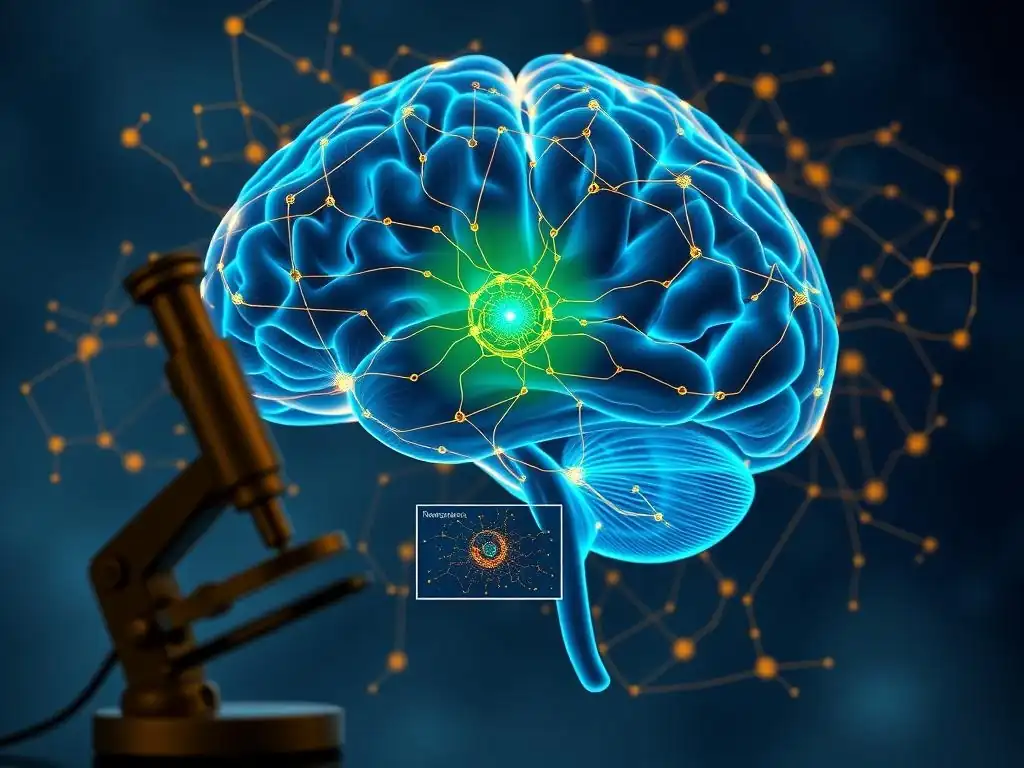
Welcome to Mind Care Guide, a space dedicated to nurturing your mental well-being. Are you seeking a deeper understanding of the intricate connection between your brain and your emotional landscape? *Embark on a journey with us as we delve into the fascinating world of Neurotransmitter research mental health breakthroughs. * Could these advancements unlock the key to a brighter, more balanced future for mental health? Let's explore the possibilities together, starting now...
The Future of Neurotransmitter Research: New Targets and Breakthroughs in Mental Health
- Introduction: Understanding the Crucial Role of Neurotransmitters in Mental Well-being
- Current Landscape of Neurotransmitter Research: Achievements and Limitations
- Emerging Targets in Neurotransmitter Research for Mental Health
- Breakthroughs in Technology Driving Neurotransmitter Research
- Personalized Medicine: Tailoring Neurotransmitter-Based Treatments to Individual Needs
- The Gut-Brain Axis: A New Frontier in Neurotransmitter Research and Mental Health
- Ethical Considerations in Neurotransmitter Research and Treatment
- Future Directions: The Next Generation of Mental Health Treatments
- Conclusion: Optimism for the Future of Mental Health Through Neurotransmitter Breakthroughs
-
Frequently Asked Questions
- How is neurotransmitter research contributing to mental health breakthroughs?
- What are some potential new targets in neurotransmitter research for mental health?
- How might breakthroughs in neurotransmitter research impact the treatment of depression?
- What role does genetics play in neurotransmitter function and mental health?
- Are there non-pharmacological approaches that can influence neurotransmitter activity for improved mental health?
- Final Reflection: Unlocking the Mind: The Promise and Potential of Neurotransmitter Research
- Unlock Your Brain's Potential: Take the Next Step in Mental Wellness
Introduction: Understanding the Crucial Role of Neurotransmitters in Mental Well-being
Neurotransmitters are the chemical messengers that carry signals between nerve cells (neurons) in the brain and throughout the nervous system. These tiny molecules play a monumental role in regulating virtually every aspect of our mental and physical functioning, from mood, sleep, and appetite to learning, memory, and motivation. When these crucial chemical signals are disrupted, it can have profound effects, contributing significantly to the development and manifestation of various mental health conditions.
Understanding the intricate dance of neurotransmitters is fundamental to grasping the biological underpinnings of mental wellness and illness. Serotonin, dopamine, norepinephrine, GABA, and glutamate are just a few of the key players in this complex system. Their levels, how efficiently they are produced and released, and how effectively they bind to their receptors on receiving neurons all contribute to the overall health and function of the brain. Imbalances or dysfunctions in these systems are strongly implicated in conditions ranging from depression and anxiety disorders to schizophrenia and bipolar disorder.
The Link Between Neurotransmitter Imbalance and Mental Illness
The concept of "chemical imbalance" as the sole cause of mental illness is an oversimplification, but disruptions in neurotransmitter systems are undeniably central to the pathology of many conditions. For example, research consistently links low levels or reduced activity of serotonin and norepinephrine in certain brain regions to major depressive disorder. Similarly, dysregulation of dopamine pathways is strongly associated with conditions like schizophrenia and addiction, affecting motivation, reward processing, and perception.
Beyond simple low or high levels, the complexity lies in how these neurotransmitters interact within vast neural networks. For instance, anxiety disorders often involve dysfunctional activity in the GABAergic system, which is the brain's primary inhibitory network, leading to excessive neuronal firing and heightened states of fear and worry. Understanding these specific disruptions is a primary goal of neurotransmitter research, aiming to pinpoint the precise chemical signatures of different mental illnesses.
Why Neurotransmitter Research is Key to Future Mental Health Treatments
Current pharmacological treatments for mental illness, such as selective serotonin reuptake inhibitors (SSRIs) for depression and anxiety, primarily target known neurotransmitter systems. While effective for many, these treatments often have limitations: they may not work for everyone, can have significant side effects, and may take weeks to show effect. Furthermore, they often treat symptoms rather than the underlying causes of the neurotransmitter dysfunction. This highlights the critical need for continued neurotransmitter research mental health breakthroughs.
Investigating new neurotransmitter targets and developing more precise ways to modulate existing ones offers the potential for more effective, faster-acting, and personalized treatments. The future of mental healthcare depends heavily on unlocking the remaining mysteries of brain chemistry. Pioneering neurotransmitter research is essential not only for developing new medications but also for informing other therapeutic approaches and potentially preventing the onset of mental health conditions in vulnerable individuals.
Current Landscape of Neurotransmitter Research: Achievements and Limitations
For decades, neurotransmitter research has been a cornerstone of psychopharmacology. Early breakthroughs led to the development of major classes of psychiatric medications that have helped millions. These include tricyclic antidepressants (TCAs) and monoamine oxidase inhibitors (MAOIs) in the mid-20th century, which broadly increased levels of norepinephrine, serotonin, and dopamine. Later, SSRIs and selective norepinephrine reuptake inhibitors (SNRIs) offered more targeted approaches with generally better side effect profiles.
However, the success stories are tempered by significant limitations. Many existing treatments were discovered somewhat serendipitously and have broad effects across the brain, leading to off-target side effects. The response rates, while encouraging for many, still leave a substantial portion of patients with only partial relief or no response at all. This underscores the need for deeper understanding and more sophisticated approaches in ongoing neurotransmitter research mental health breakthroughs.
Existing Treatments Targeting Neurotransmitters: A Review
The current arsenal of psychiatric medications heavily relies on modulating the activity of monoamine neurotransmitters: serotonin, norepinephrine, and dopamine.
- SSRIs (e.g., fluoxetine, sertraline): Primarily block the reabsorption of serotonin by neurons, increasing its availability in the synaptic cleft. Widely used for depression, anxiety disorders, and OCD.
- SNRIs (e.g., venlafaxine, duloxetine): Block the reabsorption of both serotonin and norepinephrine. Used for depression, anxiety, and some pain conditions.
- Dopaminergic agents (e.g., stimulants like methylphenidate, antipsychotics like haloperidol, aripiprazole): Stimulants increase dopamine levels (used for ADHD). Antipsychotics block dopamine receptors (used for schizophrenia, bipolar disorder).
- GABAergic agents (e.g., benzodiazepines like alprazolam, diazepam): Enhance the effect of GABA, increasing inhibition in the brain. Used for acute anxiety and insomnia, but carry risks of dependence.
While these medications represent significant achievements, their mechanism of action is often not fully understood at the most granular level, and their effectiveness varies widely among individuals. This variability points to the need for further neurotransmitter research to identify why some patients respond dramatically while others do not.
Challenges in Developing Novel Neurotransmitter-Based Therapies
Developing new drugs that precisely target specific neurotransmitter systems or even specific receptors within those systems is fraught with challenges. The brain's complexity means that altering one chemical pathway can have unintended ripple effects on others. It's difficult to design molecules that cross the blood-brain barrier effectively, reach the target area, and interact only with the intended receptor subtype without binding to others and causing unwanted side effects.
Furthermore, preclinical research often relies on animal models, which may not fully capture the nuances of human mental illness or the complex interplay of neurotransmitters in the human brain. Clinical trials are expensive, lengthy, and have a high failure rate, particularly for psychiatric drugs. Identifying reliable biomarkers to predict treatment response or disease progression remains a major hurdle, making it difficult to match patients to the most appropriate therapy. These obstacles necessitate innovative approaches in neurotransmitter research mental health breakthroughs.
Emerging Targets in Neurotransmitter Research for Mental Health
While the monoamines have dominated psychopharmacology for decades, recent neurotransmitter research is venturing into previously underappreciated systems. This expansion is driven by a growing understanding that mental illness involves complex dysregulations beyond just serotonin or norepinephrine. Exploring these novel targets offers exciting possibilities for future treatments.
The focus is shifting towards neurotransmitters like glutamate and GABA, which are the brain's main excitatory and inhibitory messengers, respectively, as well as exploring the intricate roles of dopamine in specific circuits related to reward and motivation. Additionally, the interaction between neurotransmitters and neuroinflammation is gaining significant attention, suggesting a more holistic view of brain health is needed.
Beyond Serotonin: Exploring Novel Neurotransmitter Systems
Moving beyond the traditional monoamine hypothesis has opened up entirely new avenues for therapeutic development. Researchers are now intensely focused on the glutamatergic and GABAergic systems, recognizing their fundamental roles in neuronal communication and plasticity. Dysfunctions in these systems are increasingly implicated in a wide range of disorders, including those resistant to conventional treatments.
Furthermore, the complexity of dopamine signaling is being re-evaluated. Instead of just focusing on broad dopamine blockade for psychosis, research is exploring specific dopamine receptor subtypes and pathways involved in reward, motivation, and cognitive function, aiming for more nuanced interventions for conditions like depression, addiction, and ADHD. This expanded scope in neurotransmitter research is paving the way for truly novel mental health breakthroughs.
Glutamate Modulation: A Promising Avenue for Depression and Anxiety
Glutamate is the primary excitatory neurotransmitter in the brain, crucial for learning, memory, and synaptic plasticity. Dysregulation of glutamatergic signaling, particularly involving NMDA receptors, is strongly implicated in the pathophysiology of major depressive disorder and anxiety disorders, especially in treatment-resistant forms. This has led to significant interest in drugs that modulate glutamate activity.
Ketamine, an NMDA receptor antagonist, has emerged as a groundbreaking example. Clinical trials have demonstrated that a single dose of ketamine can produce rapid and robust antidepressant effects within hours, even in patients who haven't responded to traditional antidepressants. While its mechanism is complex and involves multiple pathways beyond just NMDA receptors, its success has spurred intense neurotransmitter research into other glutamatergic modulators, such as those targeting AMPA receptors or metabotropic glutamate receptors, offering hope for faster-acting interventions.
GABAergic Interventions: Enhancing Inhibitory Neurotransmission
GABA (gamma-aminobutyric acid) is the brain's main inhibitory neurotransmitter, acting like a brake on neuronal activity. It plays a critical role in regulating anxiety, sleep, and seizure threshold. Dysfunctions in the GABAergic system, such as reduced GABA levels or impaired receptor function, are strongly linked to anxiety disorders, panic disorder, and insomnia. Enhancing GABAergic activity is a logical target for therapeutic intervention.
While benzodiazepines enhance GABA's effects, their addictive potential limits long-term use. Current neurotransmitter research is focused on developing novel compounds that modulate specific GABA receptor subtypes (there are many) or target GABA synthesis or transport in a more targeted and less sedating manner. For instance, drugs modulating GABA transporters or specific non-benzodiazepine sites on the GABA-A receptor are being explored to provide anxiety relief with potentially fewer side effects and reduced dependence risk, representing important mental health breakthroughs.
Dopamine Pathways: Understanding Reward and Motivation in Mental Disorders
Dopamine is often associated with reward, motivation, and pleasure, but its role is far more complex, involving multiple distinct pathways in the brain. Dysregulation in different dopaminergic circuits is implicated in a variety of mental health conditions, including depression (particularly anhedonia, the inability to experience pleasure), addiction, ADHD, and psychosis. Future neurotransmitter research is moving beyond simply increasing or blocking dopamine globally.
Researchers are investigating specific dopamine receptor subtypes (D1-D5) and their distribution in different brain regions to develop more precise treatments. For example, targeting D1 receptors in the prefrontal cortex might improve cognitive function in ADHD, while modulating dopamine release in the nucleus accumbens could be key for treating addiction or anhedonia in depression. Understanding the nuanced roles of these pathways is crucial for developing treatments that restore motivational deficits or regulate reward processing effectively.
The Role of Neuroinflammation in Neurotransmitter Dysfunction
A growing body of neurotransmitter research highlights the intricate link between neuroinflammation – inflammation within the brain and spinal cord – and mental illness. Inflammatory processes can directly impact the synthesis, release, and reuptake of neurotransmitters, as well as alter the sensitivity of their receptors. Cytokines, signaling molecules involved in inflammation, can interfere with tryptophan metabolism, potentially reducing serotonin availability, and can also affect glutamate and dopamine systems.
This understanding suggests that targeting neuroinflammation could be a novel strategy to restore neurotransmitter balance and improve mental health outcomes. Clinical studies are exploring the use of anti-inflammatory agents, such as specific cytokine inhibitors or drugs targeting glial cells (like microglia and astrocytes, which mediate brain inflammation), as adjunctive therapies for depression and other conditions. Future neurotransmitter research is focused on dissecting the precise inflammatory pathways that disrupt specific neurotransmitter systems to develop highly targeted anti-inflammatory mental health breakthroughs.
Breakthroughs in Technology Driving Neurotransmitter Research
Advances in neuroscience technology are revolutionizing our ability to study neurotransmitters with unprecedented detail and precision. These technological breakthroughs allow researchers to visualize neurotransmitter activity in living brains, precisely control neuronal circuits, and rapidly screen potential drug candidates, accelerating the pace of discovery and paving the way for future mental health breakthroughs.
These tools are essential for moving beyond correlational studies to understanding the causal roles of specific neurotransmitters and circuits in mental illness. They enable researchers to test hypotheses about neurotransmitter dysfunction in real-time and identify potential targets for therapeutic intervention with greater accuracy than ever before.
Advanced Neuroimaging Techniques: Visualizing Neurotransmitter Activity in Real-Time
Techniques like Positron Emission Tomography (PET) and functional Magnetic Resonance Imaging (fMRI) allow researchers to non-invasively study brain activity and neurotransmitter systems in living humans. PET scans, using radioactive tracers that bind to specific neurotransmitter receptors or transporters, can quantify their density and availability in different brain regions. This provides valuable insights into how these systems differ in individuals with mental illness compared to healthy controls.
Recent advances in PET tracer development allow for the visualization of more neurotransmitter systems and even dynamic changes in neurotransmitter release in response to stimuli or drug administration. fMRI, while not directly measuring neurotransmitters, can infer their activity by observing changes in blood flow associated with neural activity in specific circuits known to be rich in certain neurotransmitters. Combining these techniques provides a powerful window into the living brain's complex chemical landscape, fueling neurotransmitter research mental health breakthroughs.
Optogenetics and Chemogenetics: Precise Control of Neuronal Circuits
Optogenetics and chemogenetics are revolutionary techniques that allow scientists to control the activity of specific neurons or neural circuits using light (optogenetics) or designer drugs (chemogenetics). By genetically modifying neurons to express light-sensitive proteins or receptors that respond only to inert synthetic compounds, researchers can turn specific sets of neurons on or off with remarkable precision.
These tools are primarily used in animal models to dissect the causal roles of different neurotransmitter systems in behavior relevant to mental illness, such as fear, reward processing, or social interaction. For example, researchers can activate or inhibit a specific group of dopamine neurons and observe the immediate effect on an animal's motivation. While not yet applicable in humans for treatment, these techniques are invaluable for fundamental neurotransmitter research, helping to identify the key circuits and neurotransmitters to target for future therapies.
High-Throughput Screening: Discovering New Drug Candidates
Discovering new drug molecules that interact with specific neurotransmitter receptors or enzymes is a massive undertaking. High-throughput screening (HTS) technologies have dramatically accelerated this process. HTS allows researchers to rapidly test tens of thousands, or even millions, of different chemical compounds against a specific biological target, such as a particular neurotransmitter receptor expressed in a laboratory cell line.
Automated systems and advanced robotics enable the swift identification of compounds that show potential activity (e.g., binding to the receptor or activating/inhibiting its function). These "hits" can then be further investigated and optimized by medicinal chemists to develop new drug candidates. HTS significantly reduces the time and cost associated with the early stages of drug discovery, facilitating the identification of novel compounds that could lead to future neurotransmitter research mental health breakthroughs.
Personalized Medicine: Tailoring Neurotransmitter-Based Treatments to Individual Needs
One of the major goals of future neurotransmitter research is to move towards personalized medicine in mental healthcare. Recognizing that individuals respond differently to the same treatment, researchers are exploring ways to use biological information, such as genetic profiles or specific neurotransmitter signatures, to predict treatment response and tailor therapies to the individual patient.
This shift from a trial-and-error approach to a more precise, data-driven strategy holds immense promise for improving outcomes and reducing the burden of mental illness. Understanding how individual variations influence neurotransmitter systems is key to unlocking this potential for personalized mental health breakthroughs.
Genetic Biomarkers for Neurotransmitter Response
Genetic variations (polymorphisms) in genes that encode neurotransmitter receptors, transporters, or enzymes can influence how an individual's brain processes these chemicals and how they might respond to medications targeting these systems. For instance, variations in genes related to serotonin transport (like SLC6A4) have been studied for their potential association with response to SSRIs, although findings have been complex and not always clinically predictive.
Current neurotransmitter research is identifying more robust genetic biomarkers. Advances in genomics allow for comprehensive analysis of an individual's genetic makeup to look for patterns associated with treatment response or risk of side effects. While still an emerging field in psychiatry, the hope is that genetic testing could one day inform prescribing decisions, guiding clinicians towards the most likely effective and well-tolerated neurotransmitter-based therapy for a given patient.
Stratifying Patients Based on Neurotransmitter Profiles
Beyond genetics, researchers are exploring ways to use neuroimaging or other diagnostic tools to characterize an individual's specific neurotransmitter profile or the functional state of their neurotransmitter systems. For example, PET imaging could potentially reveal if a patient with depression has particularly low serotonin receptor availability in a specific brain region, suggesting they might respond better to treatments that boost serotonin activity compared to those targeting other systems.
While the technology for widespread clinical application is still under development, the vision is to stratify patients into subgroups based on their underlying neurobiology rather than just their symptom profiles. This would allow for the selection of neurotransmitter-based treatments that are specifically designed to address the identified imbalance or dysfunction in that individual's brain, leading to more effective and targeted mental health breakthroughs.
The Gut-Brain Axis: A New Frontier in Neurotransmitter Research and Mental Health
The traditional view of neurotransmitters focused solely on the brain, but recent neurotransmitter research has revealed a powerful two-way communication system between the gut and the brain, heavily influenced by the trillions of microorganisms living in our digestive tract – the gut microbiome. This "gut-brain axis" is emerging as a critical player in regulating mood, behavior, and overall mental health, offering exciting new targets for intervention.
Understanding how the gut microbiome influences neurotransmitter production and signaling is a rapidly expanding area of study. This research suggests that manipulating the gut microbiome could offer novel ways to modulate neurotransmitter systems and improve mental well-being, representing potentially significant mental health breakthroughs.
The Gut Microbiome's Influence on Neurotransmitter Production
Remarkably, many neurotransmitters or their precursors are produced not only in the brain but also by the gut microbiome or the cells of the gut lining in response to microbial activity. For example, a significant portion of the body's serotonin is produced in the gut, influencing gut motility but also potentially communicating with the brain via the vagus nerve or through circulating metabolites. Gut microbes also produce GABA and can influence the levels of dopamine and norepinephrine.
Furthermore, the gut microbiome produces short-chain fatty acids (SCFAs) like butyrate, which can cross the blood-brain barrier and influence neurotransmitter synthesis and function. Disruptions in the gut microbiome composition (dysbiosis) have been linked to various mental health conditions, including depression and anxiety, suggesting that alterations in microbial-produced neurotransmitters or metabolites may play a causal role.
Probiotics and Prebiotics as Potential Mental Health Interventions
Given the gut microbiome's influence on neurotransmitter systems, researchers are exploring interventions that modulate the microbiome as potential treatments for mental health conditions. Probiotics, which are live beneficial bacteria, and prebiotics, which are non-digestible fibers that nourish beneficial bacteria, are being studied for their effects on mood and anxiety.
Early clinical trials and animal studies suggest that certain strains of probiotics can influence neurotransmitter levels, reduce inflammation, and improve symptoms of anxiety and depression. While the field is still in its infancy and more rigorous research is needed, the concept of using dietary interventions or microbial therapies to modulate the gut-brain axis and indirectly influence neurotransmitter function represents a fascinating new direction in neurotransmitter research mental health breakthroughs.
Ethical Considerations in Neurotransmitter Research and Treatment
As neurotransmitter research advances and leads to novel therapies, it is crucial to consider the ethical implications. Developing powerful tools to modulate brain chemistry and potentially alter mood, personality, or cognitive function raises important questions about safety, informed consent, equitable access, and the very definition of mental health and illness.
Ensuring that future mental health breakthroughs are developed and used responsibly is paramount. This requires careful consideration of potential risks and benefits, robust regulatory oversight, and open dialogue with the public about the goals and limitations of these powerful new interventions.
Ensuring Safety and Efficacy of Novel Therapies
The development of any new drug targeting the brain requires rigorous testing in preclinical models and multiple phases of clinical trials to establish both safety and efficacy. This is particularly critical for novel neurotransmitter-based therapies, where off-target effects could have widespread and unpredictable consequences on complex brain functions. Ensuring that these new treatments are not only effective in alleviating symptoms but also safe for long-term use is a primary ethical responsibility.
Regulatory bodies like the FDA in the United States or the EMA in Europe play a crucial role in evaluating the evidence from clinical trials before approving new medications. As neurotransmitter research yields increasingly precise interventions, the standards for demonstrating both efficacy in specific patient populations and a favorable safety profile will remain extremely high.
Addressing Potential Side Effects and Long-Term Consequences
Even existing neurotransmitter-based medications can have significant side effects, ranging from weight gain and sleep disturbances to more serious issues. Novel therapies, especially those targeting previously unexplored pathways or using new delivery methods, may carry unknown risks. Thorough investigation of potential side effects, both short-term and long-term, is an essential part of the research and development process.
Furthermore, as we gain the ability to modulate neurotransmitter systems with greater precision, questions arise about the potential for unintended alterations in personality, creativity, or other aspects of the self. While the primary goal is to restore health and alleviate suffering caused by mental illness, the potential for using these therapies for enhancement purposes also warrants careful ethical consideration and public discussion.
Future Directions: The Next Generation of Mental Health Treatments
The trajectory of neurotransmitter research points towards a future where mental health treatments are more targeted, effective, and potentially even preventative. The integration of insights from various fields of neuroscience, coupled with technological advancements, is setting the stage for a new generation of therapies that go beyond merely managing symptoms.
This future holds the promise of disease-modifying treatments that address the root causes of neurotransmitter dysfunction and potentially even gene therapies that could correct underlying genetic predispositions to certain mental health conditions. The ongoing neurotransmitter research mental health breakthroughs are building the foundation for this hopeful future.
Integrating Neurotransmitter Research with Other Fields of Neuroscience
The brain is an incredibly complex organ, and mental illness arises from the interplay of multiple biological systems, not just neurotransmitters. Future neurotransmitter research will increasingly integrate findings from other areas of neuroscience, including genetics, epigenetics (how gene expression is regulated), neuroanatomy (brain structure), connectomics (brain wiring), and neuroimmunology.
Understanding how genetic predispositions interact with environmental factors to alter neurotransmitter systems, how specific brain circuits are wired to utilize these chemicals, and how inflammation impacts neuronal function will lead to a more holistic understanding of mental illness. This integrated knowledge will be crucial for developing truly comprehensive and effective treatments that target multiple contributing factors.
The Potential for Disease-Modifying Therapies
Current psychiatric medications are largely symptomatic treatments; they help manage the symptoms but do not necessarily alter the underlying disease process. A major goal of future neurotransmitter research is to develop disease-modifying therapies that can restore normal neurotransmitter function and potentially even reverse some of the structural or functional changes in the brain associated with chronic mental illness.
This could involve therapies that promote the growth of new neurons or synapses, restore impaired synaptic plasticity (the ability of connections between neurons to change), or correct persistent inflammatory states that disrupt neurotransmission. While ambitious, breakthroughs in areas like neurogenesis and synaptic repair, informed by neurotransmitter research, offer hope for treatments that could lead to sustained recovery rather than just symptom management.
Neurotransmitter-Based Gene Therapies for Treatment-Resistant Depression
For severe, treatment-resistant mental illnesses like major depressive disorder that does not respond to multiple conventional treatments, gene therapy is being explored as a radical, albeit futuristic, option. The idea is to use viral vectors to deliver genes into specific brain regions that could enhance the production of a deficient neurotransmitter or a key enzyme involved in its synthesis, or alter the expression of receptors.
Early-stage research is exploring the feasibility and safety of delivering genes related to neurotransmitters like GABA or enzymes involved in dopamine synthesis into specific brain areas in animal models. While significant technical and ethical hurdles remain, the potential for gene therapies to directly address fundamental neurotransmitter deficits offers a glimmer of hope for individuals who have exhausted all other treatment options, representing a frontier of neurotransmitter research mental health breakthroughs.
Conclusion: Optimism for the Future of Mental Health Through Neurotransmitter Breakthroughs
The journey to fully understand and effectively treat mental illness is long and complex, but the progress in neurotransmitter research offers substantial reasons for optimism. From uncovering the intricate links between specific neurotransmitter systems and various disorders to developing sophisticated technologies that allow us to probe brain chemistry with unprecedented detail, the field is experiencing a period of rapid advancement.
These ongoing efforts are not just academic exercises; they are directly aimed at developing better ways to alleviate the suffering caused by mental health conditions. The breakthroughs being made today are laying the groundwork for a future where mental healthcare is more precise, personalized, and effective.
The Importance of Continued Investment in Neurotransmitter Research
Continued and robust investment in neurotransmitter research is absolutely critical to translating scientific discoveries into tangible benefits for patients. Funding is needed for fundamental research to unravel the remaining mysteries of brain chemistry, for the development and testing of novel therapeutic compounds, and for clinical trials to rigorously evaluate their safety and efficacy in diverse patient populations.
Public and private investment drives innovation, attracts talented researchers, and accelerates the pace at which potential mental health breakthroughs move from the laboratory to the clinic. Prioritizing this research is an investment in the well-being of individuals and communities worldwide.
A Brighter Future for Mental Health Through Targeted Neurotransmitter Therapies
The future of mental health treatment is bright, fueled by the promise of targeted neurotransmitter therapies. As our understanding deepens and our technological capabilities expand, we are moving towards a future where treatments are not one-size-fits-all but are tailored to the specific neurobiological needs of the individual.
From rapid-acting glutamatergic modulators for depression to microbiome-based interventions influencing gut-brain neurotransmission and potentially even gene therapies for severe, intractable conditions, the next generation of mental health treatments holds the potential for greater efficacy, fewer side effects, and improved quality of life. The ongoing neurotransmitter research mental health breakthroughs are bringing this hopeful future closer to reality.
Frequently Asked Questions
How is neurotransmitter research contributing to mental health breakthroughs?
Neurotransmitter research is essential for understanding the chemical imbalances that can contribute to mental health disorders. New research is uncovering novel drug targets that may lead to more effective treatments.
What are some potential new targets in neurotransmitter research for mental health?
Researchers are exploring targets beyond the traditional serotonin and dopamine systems, including glutamate receptors and neuroinflammatory pathways. These explorations could lead to treatments for conditions currently resistant to existing medications.
How might breakthroughs in neurotransmitter research impact the treatment of depression?
New breakthroughs could lead to more targeted antidepressants with fewer side effects. Understanding the specific neurotransmitter dysfunctions in different types of depression is key to personalized treatment.
What role does genetics play in neurotransmitter function and mental health?
Genetic factors can significantly impact neurotransmitter production, receptor sensitivity, and overall function, making individuals more or less vulnerable to certain mental health conditions. Understanding these genetic links is crucial for personalized medicine.
Are there non-pharmacological approaches that can influence neurotransmitter activity for improved mental health?
Yes, lifestyle changes such as diet, exercise, and mindfulness can influence neurotransmitter levels and activity. These approaches can be used in conjunction with medication to improve overall mental well-being.
Final Reflection: Unlocking the Mind: The Promise and Potential of Neurotransmitter Research
The intricate dance of neurotransmitters within our brains holds the key to understanding and treating a vast array of mental health conditions. This intricate system, once a mystery, is now yielding its secrets through groundbreaking research, offering unprecedented hope for millions struggling with debilitating illnesses. The implications are staggering, promising not just symptom management, but potentially, cures.
The journey into the world of neurotransmitters has been a profound one, revealing the delicate balance that governs our thoughts, emotions, and behaviors. The sheer complexity of these chemical messengers and their interactions underscores the importance of continued, rigorous investigation. The brain is still the most mysterious and complex organ in the human body, and understanding its intricate workings is crucial to advancing mental health care.
This quote encapsulates the ongoing challenge and the immense potential rewards awaiting us as we delve deeper into this fascinating field. The impact of this research extends beyond individual lives; it shapes our understanding of human consciousness itself, influencing societal perceptions of mental illness and fostering greater empathy and support.
The future of mental health hinges on our continued commitment to neurotransmitter research. You, the reader, are now equipped with a deeper understanding of this vital field. Consider how this knowledge can inform your own perspectives on mental health, your interactions with those struggling, and your support for continued research initiatives.
Let us embrace the potential of these discoveries, not just to treat illness, but to foster a world where mental well-being is prioritized and celebrated. The journey is far from over, but the breakthroughs we've already witnessed offer a beacon of hope, illuminating the path towards a healthier, happier future for all.
Unlock Your Brain's Potential: Take the Next Step in Mental Wellness
Thanks for exploring the exciting world of neurotransmitter research with us! You've gained valuable insights into the latest breakthroughs impacting mental health. Now, let's put that knowledge into action.
- Dive deeper: Explore reputable resources like the National Institute of Mental Health (NIMH) website for more information on neurotransmitter function and mental health conditions. This will empower you to make more informed decisions about your well-being.
- Share your thoughts: Start a conversation! Share this article with a friend or family member who might find it helpful, sparking a discussion about mental health and its future.
- Consider your diet: Explore how your current eating habits might impact your neurotransmitter levels. Make one small change this week to incorporate brain-boosting foods.
What simple step will you take today to support your mental wellness based on what you learned?