
What is Mindfulness in Plain English?

Welcome to Mind Care Guide, your sanctuary for cultivating a healthier mind. Feeling overwhelmed by anxiety? You're not alone. We understand the struggle, and we're here to help. In this article, we'll explore Mindfulness for anxiety relief, demystifying its practices and revealing how this ancient technique can offer a pathway to inner peace. Curious to learn how to quiet the storm within? Let's begin...
Mindfulness for Daily Well-being: A Practical Guide
- Introduction to Mindfulness: Cultivating Presence
- Mindfulness for Stress Management: A Practical Approach
- Beginner-Friendly Mindfulness Meditation Techniques
- Integrating Mindfulness into Everyday Activities
- Addressing Challenges in Mindfulness Practice
- Exploring Advanced Mindfulness Practices
- The Science of Mindfulness: Neuroplasticity and Well-being
- Managing Panic Attacks with Mindfulness
- Conclusion: Embracing Mindfulness for Enhanced Well-being
-
Frequently Asked Questions
- What exactly is mindfulness, and how does it relate to mental well-being?
- How can mindfulness be used specifically for anxiety relief, as highlighted in "Mind Care Guide's" mission?
- What kind of resources does "Mind Care Guide" offer to help individuals practice mindfulness for anxiety relief?
- Is mindfulness a quick fix for anxiety, or does it require consistent practice?
- What are some simple ways to begin incorporating mindfulness into my daily routine for anxiety management?
- Final Reflection: Finding Stillness in a Restless World
- Unlock Your Inner Calm: Start Your Mindfulness Journey Today!
Introduction to Mindfulness: Cultivating Presence
Core Principles: Attention, Acceptance, Non-Judgment
At its heart, mindfulness is about paying attention in a particular way: on purpose, in the present moment, and non-judgmentally. This seemingly simple definition contains three powerful core principles. The first, attention, involves consciously directing our focus to our immediate experience – whether it's the sensation of breathing, the sounds around us, or the thoughts passing through our minds.
Unlike the scattered attention common in our busy lives, mindful attention is deliberate and sustained, allowing us to truly engage with what is happening right now. This focused presence is fundamental to using mindfulness for anxiety relief, as it pulls the mind away from anxious future projections or past regrets and grounds it in the present reality.
Acceptance is the second crucial principle. It means acknowledging our present experience, whatever it may be, without trying to change or resist it. This does not mean resignation or approval; it simply means seeing things as they are in the moment.
For someone experiencing anxiety, this might involve noticing the physical sensations of a racing heart or shallow breath without immediately labeling them as "bad" or trying desperately to make them stop. By accepting these sensations, even unpleasant ones, we reduce the secondary suffering that often arises from fighting our reality. Non-judgment, the third principle, encourages us to observe our thoughts, feelings, and sensations without labeling them as good or bad, right or wrong.
We simply notice them with curiosity and kindness, recognizing that thoughts are not facts and feelings are transient. This non-judgmental stance is particularly helpful when practicing mindfulness for anxiety relief, as it helps to interrupt the cycle of self-criticism and negative evaluation that often accompanies anxious states.
Benefits: Stress Reduction, Emotional Regulation, Enhanced Focus
The regular practice of mindfulness offers a wide range of benefits, significantly impacting mental and emotional well-being. One of the most well-documented advantages is stress reduction. By training the mind to stay present and observe thoughts and feelings without getting swept away, mindfulness helps to calm the nervous system and reduce the physiological markers of stress, such as cortisol levels.
Numerous studies, including research published in journals like Health Psychology, have demonstrated that mindfulness-based interventions can lead to clinically significant reductions in stress and anxiety symptoms in various populations, including students, healthcare professionals, and individuals with chronic conditions. For those seeking mindfulness for anxiety relief, this capacity to directly address the stress response is invaluable.
Beyond stress reduction, mindfulness cultivates enhanced emotional regulation. Instead of reacting impulsively to difficult emotions, mindful individuals learn to recognize emotions as they arise, observe their physical and mental manifestations, and choose a skillful response rather than being driven by automatic reactions. This ability to navigate challenging feelings with greater ease and awareness is a key component of emotional resilience.
Furthermore, mindfulness practice demonstrably improves cognitive functions, particularly attention and focus. By repeatedly bringing the mind back to the present moment, practitioners strengthen their ability to concentrate, resist distractions, and maintain sustained attention on tasks. This enhanced focus is beneficial not only in daily life but also in managing the intrusive thoughts and difficulty concentrating often associated with anxiety.
Mindfulness for Stress Management: A Practical Approach
Mindfulness and the Stress Response: Breaking the Cycle
Understanding the connection between mindfulness and the body's stress response is key to utilizing mindfulness for anxiety relief. When we perceive a threat, whether real or imagined, our sympathetic nervous system kicks into gear, initiating the "fight-or-flight" response. This involves a cascade of physiological changes: increased heart rate, rapid breathing, muscle tension, and the release of stress hormones like cortisol.
In modern life, this response is often triggered by chronic worries, deadlines, and perceived pressures rather than immediate physical danger. This constant activation keeps the body in a state of heightened alert, contributing to chronic stress and exacerbating feelings of anxiety.
Mindfulness intervenes by helping us become aware of the initial triggers and the physical sensations of stress as they arise, before they escalate into overwhelming anxiety or panic. By mindfully observing these signals without judgment, we create a space between the stimulus (the perceived threat or worry) and our reaction. Instead of being automatically swept away by the stress response, we can consciously choose to engage calming techniques, such as mindful breathing.
This practice helps to activate the parasympathetic nervous system, the body's natural "rest-and-digest" system, counteracting the effects of the stress hormones and promoting a sense of calm. Consistently applying mindfulness for anxiety relief allows us to gradually retrain our nervous system, reducing its hypersensitivity to triggers and fostering a more balanced and resilient state.
Managing Stress Symptoms: Practical Mindfulness Techniques
Mindfulness offers a variety of practical techniques specifically designed to manage the physical and mental symptoms of stress and anxiety. One fundamental technique is focused breathing. Simply paying attention to the sensation of the breath entering and leaving the body for a few minutes can interrupt the stress cycle, slow the heart rate, and calm a racing mind.
When stress manifests as physical tension, a body scan meditation can be highly effective. This involves systematically bringing awareness to different parts of the body, noticing sensations without judgment, and intentionally releasing tension. For example, one might notice tightness in the shoulders and gently invite relaxation into that area.
Another valuable technique is mindful walking, which integrates movement with present-moment awareness. Instead of rushing from one place to another, mindful walking involves paying attention to the sensations of the feet touching the ground, the movement of the legs, and the surrounding environment. This practice helps to ground you in the physical reality of the present moment, diverting attention from stressful thoughts.
Furthermore, mindful observation of everyday activities, such as washing dishes or drinking a cup of tea, can transform mundane tasks into opportunities for stress reduction by shifting focus from internal worries to external sensory experience. Regularly incorporating these simple, practical mindfulness techniques for anxiety relief can significantly reduce the intensity and frequency of stress symptoms.
Beginner-Friendly Mindfulness Meditation Techniques
Diaphragmatic Breathing: Anchoring in the Present
Diaphragmatic breathing, also known as belly breathing, is one of the most accessible and powerful mindfulness techniques for beginners, especially when seeking mindfulness for anxiety relief. This technique involves consciously engaging the diaphragm, a large muscle located below the lungs, to draw deep, slow breaths into the lower abdomen.
Unlike shallow chest breathing, which can exacerbate feelings of anxiety, diaphragmatic breathing promotes relaxation by stimulating the vagus nerve and activating the parasympathetic nervous system. The practice typically involves sitting or lying comfortably, placing one hand on the chest and the other on the abdomen, and focusing on making the hand on the abdomen rise with each inhale and fall with each exhale, while keeping the chest relatively still.
Practicing diaphragmatic breathing for just a few minutes each day can have a profound impact. It provides a reliable anchor to the present moment, offering a refuge when the mind is overwhelmed by anxious thoughts or worries. By directing attention to the physical sensation of the breath, you interrupt the mental chatter that often fuels anxiety.
This technique is portable and can be used anywhere – before a stressful meeting, during a moment of panic, or simply as a regular practice to build resilience. The simplicity of focusing on the breath makes it an ideal starting point for anyone new to mindfulness, offering immediate and tangible benefits for managing stress and cultivating calm.
Body Scan Meditation: Cultivating Body Awareness
The body scan meditation is another excellent technique for beginners, particularly effective for grounding oneself and managing physical sensations associated with stress and anxiety. This practice involves systematically bringing gentle, non-judgmental attention to different parts of the body, from the toes all the way up to the crown of the head.
The goal is not to relax the body (though that often happens as a result) but simply to notice the sensations present in each area – warmth, coolness, tingling, pressure, tension, or absence of sensation. If a sensation is uncomfortable, the practice is to simply observe it with curiosity rather than trying to push it away.
This technique helps to develop a greater awareness of the mind-body connection and can be particularly useful for individuals who tend to intellectualize their anxiety. By shifting focus from anxious thoughts to physical sensations, the body scan helps to interrupt rumination and ground awareness in the present physical reality.
Regular practice can increase your sensitivity to the subtle signals your body sends, allowing you to recognize the early signs of stress or tension before they become overwhelming. This heightened body awareness is a valuable tool in applying mindfulness for anxiety relief, enabling a more proactive and embodied response to stress.
Mindful Walking: Connecting with Movement
Mindful walking offers a dynamic way to practice mindfulness, integrating movement with present-moment awareness. Unlike a brisk walk for exercise, mindful walking is done at a pace that allows you to pay attention to your sensory experience. This involves noticing the physical sensations of walking: the lifting and placing of each foot, the contact of your soles with the ground, the movement of your legs and arms, and the rhythm of your breath. You also pay attention to the environment around you – the sights, sounds, and smells – without getting lost in thought about them.
This practice is particularly helpful for people who find sitting still challenging or for those whose anxiety manifests as restlessness. By combining gentle movement with focused attention, mindful walking provides a moving anchor to the present moment. It can help to release physical tension often held in the body due to stress and provides a welcome shift in perspective by engaging with the external world mindfully. Incorporating mindful walking into your routine, even for just 10-15 minutes, can be a refreshing way to practice mindfulness for anxiety relief, offering both physical activity and mental calm.
Integrating Mindfulness into Everyday Activities

Mindful Communication: Active Listening and Empathetic Responses
Bringing mindfulness into our interactions can profoundly improve our relationships and reduce interpersonal stress, offering another avenue for using mindfulness for anxiety relief in social contexts. Mindful communication begins with active listening. This means paying full attention to the person speaking, not just hearing their words but also noticing their tone of voice, body language, and the emotions conveyed. It involves setting aside internal distractions – our own thoughts, judgments, or what we plan to say next – and being fully present with the other person. This level of focused attention communicates respect and can deepen connection.
Beyond listening, mindful communication extends to how we respond. It encourages us to pause before speaking, considering our words and their potential impact. Instead of reacting defensively or impulsively, we aim for responses that are thoughtful, honest, and kind.
This might involve acknowledging the other person's feelings ("It sounds like you're feeling frustrated") or clarifying understanding ("So, if I understand correctly, you're saying..."). Practicing mindful communication helps to prevent misunderstandings, de-escalate conflicts, and build trust. For individuals who experience social anxiety, practicing mindful listening and intentional responses can help to reduce self-consciousness by shifting focus outwards and fostering more genuine and less reactive interactions.
Mindful Movement: Yoga and Tai Chi for Body Awareness
Engaging in mindful movement practices like yoga and Tai Chi is an excellent way to cultivate body awareness and integrate mindfulness into physical activity. These disciplines emphasize the connection between mind and body, encouraging practitioners to pay close attention to physical sensations, breath, and movement throughout the practice. In yoga, this involves moving through poses while focusing on the breath and noticing how the body feels in each posture, rather than striving for a perfect form. Similarly, Tai Chi involves slow, deliberate movements performed with focused attention and coordinated breathing.
Both yoga and Tai Chi are recognized for their stress-reducing benefits and can be powerful tools for mindfulness for anxiety relief. By focusing on the physical experience of movement and breath, these practices help to quiet the busy mind and release physical tension stored in the body. Regular participation has been shown to reduce symptoms of anxiety and depression, improve sleep quality, and enhance overall well-being. The emphasis on non-judgmental awareness of the body's capabilities and limitations in the present moment is a core aspect of mindfulness that these practices embody beautifully.
Mindful Consumption: Reducing Waste and Appreciating Resources
Mindfulness can also extend to our relationship with consumption, impacting not only our personal well-being but also our connection to the wider world. Mindful consumption involves paying attention to what we buy, why we buy it, and the impact of our choices. This means being aware of where products come from, the resources used in their creation, and their environmental footprint. It encourages us to consume less, choose ethically and sustainably produced goods, and appreciate the value of what we have rather than constantly seeking more.
Practicing mindful consumption can reduce stress by lessening the pressure to keep up with trends and reducing financial worries associated with excessive spending. It fosters a sense of gratitude for the resources we use and a greater connection to the interconnectedness of life.
For example, mindfully preparing and eating a meal involves paying attention to the ingredients, the process of cooking, and the sensations of taste and nourishment, transforming a routine act into a grounding and appreciative experience. This shift from automatic, often anxiety-driven consumption to conscious, intentional choices aligns perfectly with the principles of mindfulness for anxiety relief, promoting contentment and reducing external pressures.
Addressing Challenges in Mindfulness Practice
Common Obstacles: Distraction, Restlessness, and Self-Criticism
Embarking on a mindfulness practice often brings us face-to-face with common obstacles that can feel discouraging. The first and most frequent is distraction. Our minds are naturally prone to wandering, jumping from one thought to the next, planning, worrying, or replaying past events. When we sit down to meditate or try to be mindful during an activity, we often become acutely aware of just how busy our minds are.
This isn't a failure; it's simply the nature of the mind. The practice isn't about stopping thoughts, but about noticing when the mind has wandered and gently bringing it back to the chosen anchor (like the breath) without judgment. Many people seeking mindfulness for anxiety relief find their anxious thoughts particularly persistent distractions.
Another common challenge is restlessness, both mental and physical. Sitting still can feel uncomfortable, leading to fidgeting, an urge to move, or a general feeling of unease. Mentally, restlessness can manifest as boredom, impatience, or a desire for the practice to be over. These sensations are normal and part of the process of becoming aware of our inner state. The key is to observe the restlessness with curiosity, perhaps noting "restlessness" or "urge to move," rather than acting on it or judging yourself for feeling it.
Finally, self-criticism is a significant hurdle. Thoughts like "I'm doing this wrong," "My mind is too busy," or "Mindfulness isn't working for me" are common. Recognizing these self-critical thoughts as just thoughts and treating yourself with kindness and patience is crucial. Remember that mindfulness is a practice, not a performance, and there's no "right" or "wrong" way to experience it.
Cultivating Consistency: Establishing a Regular Practice
One of the most effective ways to overcome obstacles and reap the full benefits of mindfulness, including using mindfulness for anxiety relief, is by cultivating consistency in practice. Short, regular sessions are often more beneficial than infrequent, long ones. Aiming for just 5-10 minutes of formal meditation each day can be a realistic starting point. Think of it like building a muscle: consistent, focused training yields results over time. Finding a specific time and place for your practice can help establish a routine. This might be first thing in the morning, during a lunch break, or before bed.
Beyond formal meditation, consistency involves integrating mindfulness into everyday life. This could mean practicing mindful eating, taking a few mindful breaths before responding to an email, or engaging in mindful walking during your commute. The more you weave moments of mindful awareness into your day, the stronger your ability to stay present becomes, and the less likely you are to be overwhelmed by stress and anxiety.
Don't aim for perfection; simply commit to showing up for the practice as often as you can, approaching missed sessions with self-compassion rather than self-criticism. Over time, this consistent effort builds resilience and makes mindfulness a natural part of your life.
Exploring Advanced Mindfulness Practices
Loving-Kindness Meditation: Cultivating Compassion
While foundational mindfulness practices focus on present-moment awareness, loving-kindness meditation (also known as Metta meditation) is an advanced practice that actively cultivates feelings of warmth, compassion, and friendliness towards oneself and others. This practice typically involves silently repeating phrases that express good wishes, starting with oneself, then extending to loved ones, neutral persons, difficult persons, and finally, all beings. Examples of phrases include: "May I be happy," "May I be healthy," "May I be safe," and "May I live with ease."
Loving-kindness meditation can be a powerful complement to mindfulness for anxiety relief, particularly for those whose anxiety is intertwined with self-criticism, fear of judgment, or strained relationships. By intentionally directing kindness inwards, it helps to counter negative self-talk and foster self-compassion, which is essential for managing anxiety. Extending loving-kindness outwards can reduce feelings of isolation and improve interpersonal relationships, lessening social anxieties. While it may feel challenging initially, especially when directing kindness towards difficult people or even oneself, consistent practice can gradually soften the heart and cultivate a more positive emotional landscape, contributing to overall mental well-being.
Insight Meditation (Vipassanā): Developing Self-Awareness
Insight Meditation, or Vipassanā, is a traditional Buddhist practice that involves cultivating deep awareness of the changing nature of mind and body. While mindfulness meditation focuses on anchoring attention in the present moment, Vipassanā goes further by encouraging practitioners to observe the arising and passing of all phenomena – thoughts, feelings, sensations, sounds, sights – with equanimity. The aim is to gain insight into the impermanence of experience, the nature of suffering, and the absence of a permanent, unchanging self. This practice often involves extended periods of silent meditation, sometimes in retreat settings.
For individuals seeking deeper self-understanding and a more profound way to navigate challenging inner experiences, Vipassanā can be transformative. By observing thoughts and emotions without getting entangled in their content, practitioners learn that these experiences are transient. This realization can significantly reduce the power that difficult thoughts, such as anxious worries, hold over us.
It helps to detach from the narrative of anxiety and see it simply as a pattern of fleeting mental and physical events. While it requires dedication and often guidance, developing this level of insight through Vipassanā can provide a powerful and lasting form of mindfulness for anxiety relief by fundamentally altering our relationship with our inner landscape.
The Science of Mindfulness: Neuroplasticity and Well-being
Research on Mindfulness and Mental Health Outcomes
Scientific research over the past few decades has increasingly explored the impact of mindfulness on mental health outcomes, providing a strong evidence base for its benefits, including its role as mindfulness for anxiety relief. Studies using randomized controlled trials have demonstrated that mindfulness-based interventions, such as Mindfulness-Based Stress Reduction (MBSR) and Mindfulness-Based Cognitive Therapy (MBCT), are effective in reducing symptoms associated with various mental health conditions.
For instance, meta-analyses of multiple studies suggest that MBSR and MBCT can lead to significant reductions in anxiety symptoms, comparable in some cases to the effects of pharmacological treatments or other psychological therapies for mild to moderate anxiety and depression.
Beyond anxiety, research indicates positive effects on reducing symptoms of depression, improving sleep quality, and enhancing overall psychological well-being. For example, MBCT was specifically developed to prevent relapse in individuals with recurrent depression, and studies show it can be effective in reducing the risk of future depressive episodes. While mindfulness is not presented as a cure-all and may not be sufficient for severe mental illness, the cumulative body of research provides compelling evidence that regular mindfulness practice can be a valuable component of a comprehensive approach to managing mental health challenges and promoting resilience.
Mindfulness and Brain Function: Impact on Attention and Emotion Regulation
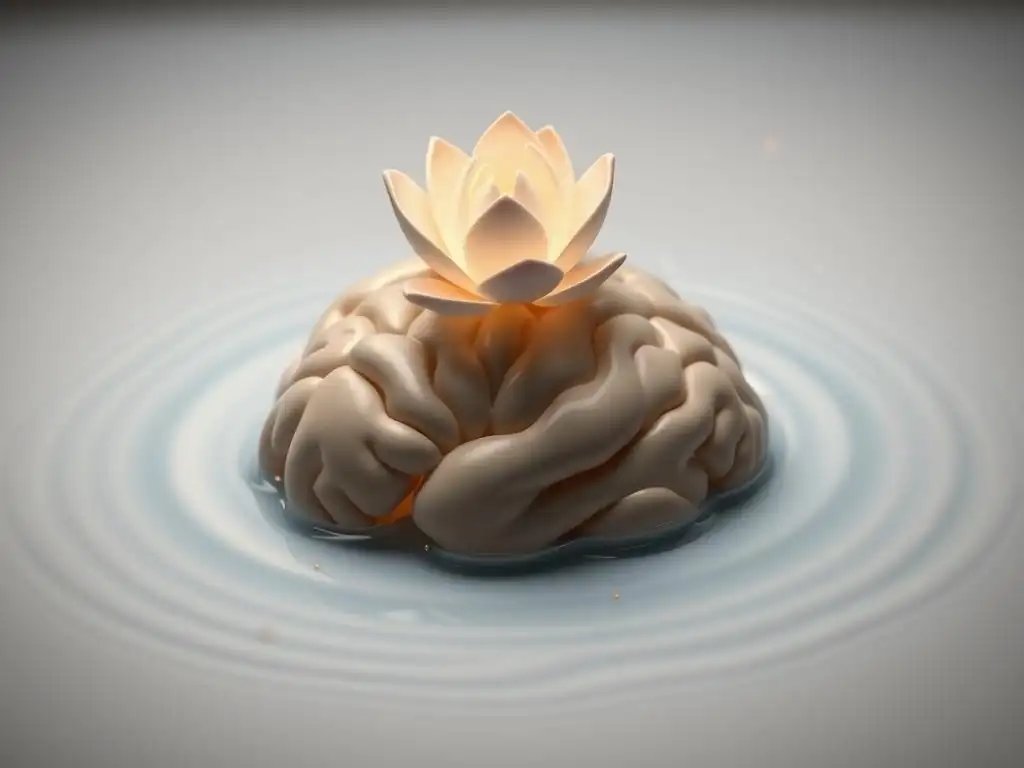
The growing body of research also delves into the neurobiological changes associated with mindfulness practice, shedding light on how it impacts brain function, particularly in areas related to attention and emotion regulation – processes crucial for managing anxiety. Neuroimaging studies, using techniques like fMRI, have observed structural and functional changes in the brains of long-term mindfulness practitioners compared to non-practitioners.
For instance, some studies suggest that mindfulness practice is associated with increased gray matter density in areas like the hippocampus, which plays a role in learning and memory, and the prefrontal cortex, involved in executive functions such as planning and decision-making.
Furthermore, research indicates that mindfulness training can lead to decreased activity in the amygdala, the brain region often referred to as the "fear center," which is highly active during states of anxiety and stress. This decreased reactivity in the amygdala is thought to contribute to the reduced emotional reactivity observed in experienced practitioners.
Mindfulness also appears to strengthen connections between the prefrontal cortex and the amygdala, allowing for greater top-down regulation of emotional responses. These observed changes in brain structure and function provide biological support for the subjective reports of reduced stress, improved emotional regulation, and enhanced attentional control reported by individuals who practice mindfulness for anxiety relief and overall well-being.
Managing Panic Attacks with Mindfulness
Grounding Techniques: Regaining Control During a Panic Attack
Panic attacks can be terrifying experiences, characterized by intense fear and overwhelming physical symptoms such as a racing heart, difficulty breathing, dizziness, and a feeling of losing control or impending doom. While not a substitute for professional help, mindfulness-based grounding techniques can be incredibly helpful in navigating the acute phase of a panic attack by bringing awareness back to the present moment and the physical body, thus disrupting the escalating cycle of fear. One popular and effective technique is the "5-4-3-2-1" method.
This involves identifying: 5 things you can see, 4 things you can touch, 3 things you can hear, 2 things you can smell, and 1 thing you can taste. This systematic engagement of the senses pulls the mind out of the anxious thoughts and catastrophic thinking and grounds it in immediate sensory reality.
Another simple yet powerful grounding technique is focusing intensely on the sensation of your feet on the ground. Feel the pressure, the texture of the floor or shoe, the connection to the earth. You can also focus on the sensation of your hands touching your lap or chair. Combining this with slow, deliberate breathing can help regulate the nervous system.
The goal is not to make the panic disappear instantly, but to create a small space of awareness and presence within the intensity of the experience. By gently redirecting attention to concrete, present-moment sensory information, these grounding techniques offer a lifeline during a panic attack, helping to regain a sense of control and ride out the wave of intense symptoms. Practicing mindfulness for anxiety relief regularly builds the capacity to access these grounding skills more effectively when needed.
Creating a Personalized Mindfulness Plan: Tailoring Practices to Your Needs
Effective use of mindfulness for anxiety relief often involves creating a personalized plan that tailors practices to your specific needs, preferences, and lifestyle. There is no one-size-fits-all approach. Begin by exploring different techniques – mindful breathing, body scan, mindful walking, loving-kindness meditation, or short moments of mindful awareness throughout the day. Experiment to see which practices resonate most with you and feel most accessible. Consider the times of day when you are most likely to commit to practice and how long you can realistically dedicate. Even 5-10 minutes daily can make a difference.
Your personalized plan might include a short formal sitting meditation in the morning, mindful walking during your lunch break, and a body scan before bed. It could also incorporate mindful moments, such as paying full attention while brushing your teeth or drinking your morning coffee. If you experience anxiety spikes at specific times or in particular situations, identify how you can apply mindfulness in those moments – perhaps using a quick breathing exercise before a challenging meeting or practicing grounding techniques when feeling overwhelmed.
Regularly review and adjust your plan as needed, being flexible and compassionate with yourself. The most effective plan is one that you can realistically stick with, making mindfulness a sustainable and supportive part of your journey towards managing anxiety and enhancing well-being.
Conclusion: Embracing Mindfulness for Enhanced Well-being
Embracing mindfulness is more than just adopting a technique; it's cultivating a way of being that can profoundly transform our relationship with stress, anxiety, and the challenges of life. By learning to pay attention to the present moment with acceptance and non-judgment, we gain valuable skills in emotional regulation, enhanced focus, and stress reduction. Whether through formal meditation practices like mindful breathing or body scans, or by integrating mindfulness into everyday activities like walking or communication, the consistent effort to cultivate presence builds resilience.
Mindfulness offers practical tools, including specific techniques for managing acute anxiety symptoms like panic attacks through grounding. Supported by a growing body of scientific research highlighting its impact on brain function and mental health outcomes, mindfulness stands as a powerful, evidence-based approach for enhancing well-being. While challenges like distraction and self-criticism are part of the journey, approaching the practice with patience and self-compassion is key. Ultimately, by incorporating mindfulness for anxiety relief and daily life, we empower ourselves to navigate challenges with greater ease, foster inner calm, and live with more presence, clarity, and compassion.
Frequently Asked Questions
What exactly is mindfulness, and how does it relate to mental well-being?
Mindfulness is the practice of paying attention to the present moment without judgment. It's a key component of mental well-being because it helps reduce stress and improve focus.
How can mindfulness be used specifically for anxiety relief, as highlighted in "Mind Care Guide's" mission?
Mindfulness helps regulate emotions by allowing you to observe anxious thoughts and feelings without getting caught up in them. This creates emotional distance and reduces the power anxiety has over you.
What kind of resources does "Mind Care Guide" offer to help individuals practice mindfulness for anxiety relief?
"Mind Care Guide" provides information, support, and practical resources such as guided meditations and articles on mindfulness techniques tailored for anxiety.
Is mindfulness a quick fix for anxiety, or does it require consistent practice?
Mindfulness requires consistent practice to be effective. While some immediate relief may be experienced, the long-term benefits come from regular engagement with mindfulness techniques.
What are some simple ways to begin incorporating mindfulness into my daily routine for anxiety management?
Start with short mindfulness exercises, such as focusing on your breath for a few minutes each day. Gradually increase the duration and frequency as you become more comfortable with mindful practices.
Final Reflection: Finding Stillness in a Restless World
The pursuit of mindfulness, far from being a fleeting trend, is a vital tool for navigating the anxieties of modern life. In a world saturated with constant stimulation and relentless demands, the ability to find inner peace and cultivate present moment awareness is not a luxury, but a necessity. The techniques explored in this article – from simple breathing exercises to mindful movement – offer practical pathways to alleviate anxiety and foster a greater sense of well-being.
The impact of mindfulness on our collective mental health is undeniable. It's reshaping how we approach stress, trauma, and even chronic pain. The shift towards prioritizing mental wellness is a powerful testament to the growing understanding of our interconnectedness – mind, body, and spirit. As Jon Kabat-Zinn so eloquently stated, Mindfulness means paying attention in a particular way: on purpose, in the present moment, and non-judgmentally.
This simple yet profound definition encapsulates the transformative power of this practice, reminding us that true peace lies not in escaping our challenges, but in engaging with them fully and compassionately.
Now, consider how you can integrate these mindfulness techniques into your daily life. Begin with small, manageable steps. Perhaps dedicate just five minutes each morning to mindful breathing. Or, try incorporating mindful movement into your routine, paying close attention to the sensations in your body. The journey towards a more mindful existence is a personal one, and every step you take, no matter how small, contributes to a richer, more fulfilling life. Embrace the stillness, embrace the present, and embrace the transformative power of mindfulness.
Unlock Your Inner Calm: Start Your Mindfulness Journey Today!
Thank you for taking the time to explore the world of mindfulness with us! We hope this article provided you with a clear and practical understanding of its benefits. Now it's time to put your newfound knowledge into action.
- Begin your daily mindfulness practice: Even 5 minutes a day can make a significant difference. Try a guided meditation, focus on your breath, or simply observe your surroundings with a non-judgmental eye. This is the core step to experiencing the transformative power of mindfulness.
- Share your mindfulness journey: Tell a friend or family member about what you've learned and invite them to join you on this path. Sharing your experiences can amplify their impact and strengthen your commitment.
- Explore further: Dive deeper into mindfulness techniques by researching different meditation styles or joining a local mindfulness group. You might be surprised by what resonates with you!
Ready to cultivate a more peaceful and present you? What’s the first small step you'll take towards incorporating mindfulness into your daily life?