
Physical Relaxation, Mental Peace: The Dual Benefits of Mindful Breathing

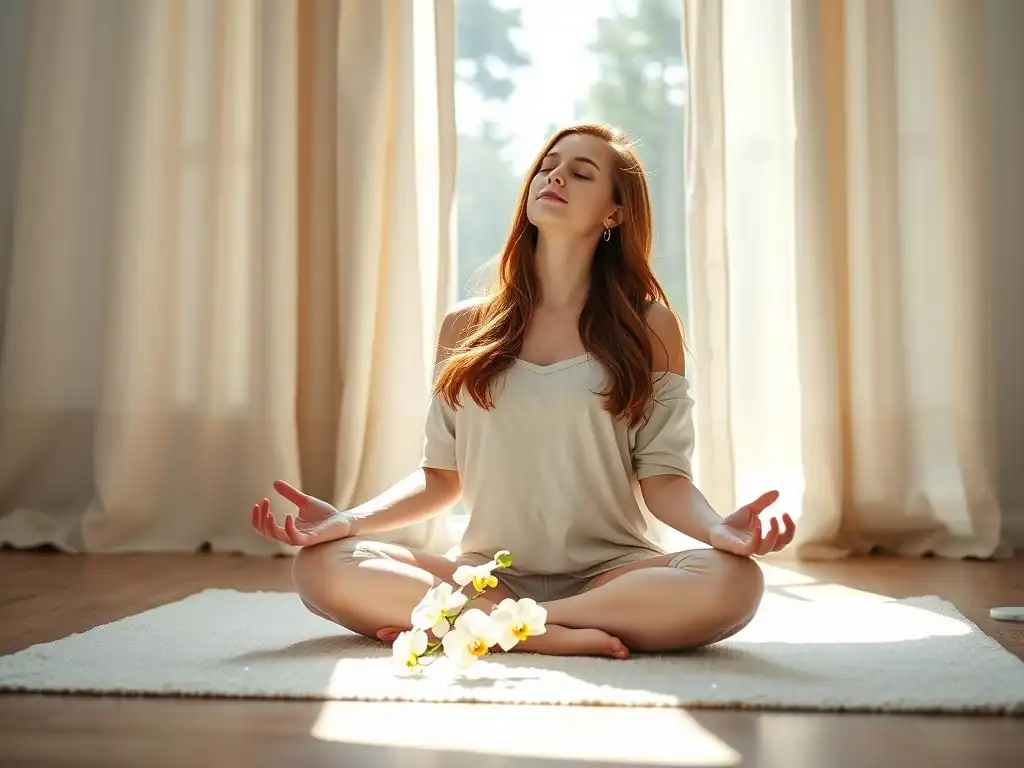
Welcome to Mind Care Guide, a space dedicated to nurturing your mental well-being.
Feeling overwhelmed? You're not alone. In today's fast-paced world, finding moments of peace can feel impossible. But what if we told you there's a simple, accessible technique that can significantly reduce anxiety and stress? Our latest exploration delves into the powerful practice of mindful breathing. Discover how this ancient technique can unlock a path to inner calm and improved mental clarity. Intrigued? Let's breathe together and begin your journey towards a more peaceful you.
Physical Relaxation, Mental Peace: The Dual Benefits of Mindful Breathing
- Introduction: Understanding the Power of Mindful Breathing
- The Physical Benefits of Mindful Breathing
- The Mental Benefits of Mindful Breathing
- Mindful Breathing Techniques for Anxiety and Stress Relief
- Integrating Mindful Breathing into Your Daily Routine
- Scientific Evidence Supporting Mindful Breathing for Anxiety Stress Reduction
- Overcoming Challenges in Mindful Breathing Practice
- Conclusion: Embracing Mindful Breathing for a Calmer, Healthier You
-
Frequently Asked Questions
- How does mindful breathing specifically help with anxiety?
- What is the connection between physical relaxation and mental peace in mindful breathing?
- How often should I practice mindful breathing to see a reduction in stress levels?
- Are there different types of mindful breathing techniques, and which is best for anxiety?
- Besides mindful breathing, what other resources does Mind Care Guide offer for mental well-being?
- Final Reflection: Breathing Your Way to a Calmer You
- Unlock Your Inner Calm: Breathe Your Way to a Better You
Introduction: Understanding the Power of Mindful Breathing
What is Mindful Breathing and Why is it Important for Mental Well-being?
Mindful breathing is a simple yet profound practice that involves paying deliberate attention to the process of inhaling and exhaling. It's not about controlling the breath or making it perfect, but rather observing it as it naturally occurs, moment by moment. This conscious awareness anchors you in the present, pulling your focus away from worries about the past or future. It serves as a fundamental tool in mindfulness and meditation practices, offering a readily accessible pathway to calm and clarity, making it incredibly important for navigating the complexities of modern life and fostering robust mental well-being.
The significance of mindful breathing for mental health lies in its ability to interrupt the stress response cycle. When we feel anxious or stressed, our breathing often becomes shallow and rapid. By intentionally slowing down and focusing on the breath, we signal to our nervous system that we are safe, activating the parasympathetic 'rest and digest' response. This physiological shift has a direct impact on our emotional state, helping to soothe agitated thoughts and bring about a sense of peace. Practicing mindful breathing reduces anxiety stress by providing a reliable internal resource you can tap into anytime, anywhere.
Mindful Breathing for Anxiety and Stress Reduction: An Overview
The practice of mindful breathing offers a powerful, non-pharmacological approach to managing symptoms of anxiety and stress. By focusing attention solely on the breath, individuals can create a mental pause, disrupting cycles of worry and rumination. This deliberate act of bringing awareness to the physical sensation of breathing helps to ground you in the present moment, reducing the intensity of overwhelming emotions that often accompany anxiety. It acts as a portable anchor, available in any situation, from navigating a crowded commute to preparing for a challenging meeting, providing immediate relief.
Furthermore, consistent practice of mindful breathing reduces anxiety stress not just in the moment, but can build resilience over time. Regular engagement with the breath trains the mind to become less reactive to stressful stimuli. It helps individuals develop a greater capacity to observe thoughts and feelings without becoming entangled in them, fostering a sense of emotional distance and perspective. This overview highlights how a simple act like paying attention to your breath can initiate a cascade of positive effects, leading to reduced physiological tension and a calmer mental state.
The Physical Benefits of Mindful Breathing
How Mindful Breathing Promotes Physical Relaxation
Mindful breathing directly influences the body's physiological state, primarily by activating the parasympathetic nervous system, often referred to as the 'rest and digest' system. Unlike the sympathetic nervous system which triggers the 'fight or flight' response during stress, the parasympathetic system promotes relaxation, slows heart rate, and encourages energy conservation. Deep, conscious breaths stimulate the vagus nerve, a major nerve connecting the brain to many vital organs, which plays a crucial role in calming the body and reducing the physical manifestations of stress and anxiety.
When you engage in mindful breathing, particularly slow, deep diaphragmatic breathing, you increase oxygen intake and improve circulation. This enhanced oxygenation supports cellular function and muscle relaxation. The rhythmic, controlled movement of the diaphragm during deep inhalation and exhalation also acts as a gentle internal massage, further promoting relaxation throughout the torso and abdominal area. This physical calming effect is a primary reason why mindful breathing reduces anxiety stress so effectively at a physiological level.
Reducing Muscle Tension Through Deep Breathing Exercises
Stress and anxiety often manifest physically as chronic muscle tension. People might clench their jaws, hunch their shoulders, or tighten muscles throughout their back and neck without even realizing it. This persistent tension can lead to discomfort, pain, and even headaches. Deep breathing exercises, a core component of mindful breathing practice, help to counteract this by promoting overall physical release. As you exhale slowly and completely during mindful breathing, you create an opportunity for muscles to relax and let go of built-up tightness.
Consider the simple act of exhaling fully. This action expels carbon dioxide and signals to the body that it can release tension. When coupled with conscious awareness – noticing where tension is held and inviting those areas to soften with each out-breath – the effect is amplified. Regular practice, even for just a few minutes daily, can lead to a noticeable decrease in overall muscle rigidity. For example, someone experiencing chronic shoulder pain due to stress might find that incorporating 5-10 minutes of deep, focused breathing reduces their perceived tension level significantly over several weeks.
Lowering Blood Pressure and Heart Rate with Mindful Breathing Techniques
One of the most well-documented physical benefits of mindful breathing is its positive impact on cardiovascular health, specifically its ability to help lower blood pressure and heart rate. When the body is in a state of stress, the sympathetic nervous system increases heart rate and constricts blood vessels, leading to elevated blood pressure. Mindful, slow breathing activates the parasympathetic nervous system, counteracting this response. Studies have shown that practicing slow, deep breathing can lead to an immediate decrease in heart rate variability and a reduction in systolic and diastolic blood pressure readings.
For instance, research published in journals focusing on cardiovascular health has indicated that just a few minutes of paced breathing (around 6 breaths per minute) can significantly lower blood pressure in individuals with mild hypertension. This effect is attributed to the stimulation of the baroreflex sensitivity and vagal tone, which regulate heart rate and blood vessel dilation.
While mindful breathing should not replace medical treatment for hypertension, it serves as a valuable complementary tool. Consistent practice over time can help maintain a lower resting heart rate and contribute to healthier blood pressure levels, demonstrating how mindful breathing reduces anxiety stress through direct physiological pathways.
Improving Sleep Quality with Regular Breathing Practice
Sleep disturbances are a common symptom of both anxiety and stress. A racing mind, physical tension, and an overactive nervous system can make it difficult to fall asleep or stay asleep. Integrating regular mindful breathing practice, particularly before bedtime, can significantly improve sleep quality. By calming the nervous system and quieting the mental chatter, breathing exercises create a physiological and psychological state more conducive to sleep.
Specific techniques, like the 4-7-8 breathing method (inhale for 4 counts, hold for 7, exhale for 8), are often recommended for insomnia. This rhythmic pattern slows the heart rate and promotes relaxation, helping the body and mind transition from wakefulness to sleep. Many individuals report falling asleep faster and experiencing more restful sleep after incorporating 10-15 minutes of mindful breathing into their nightly routine. This consistent practice not only aids in falling asleep but also helps reduce nighttime awakenings, showcasing another vital way mindful breathing reduces anxiety stress by addressing one of its primary physical manifestations.
The Mental Benefits of Mindful Breathing
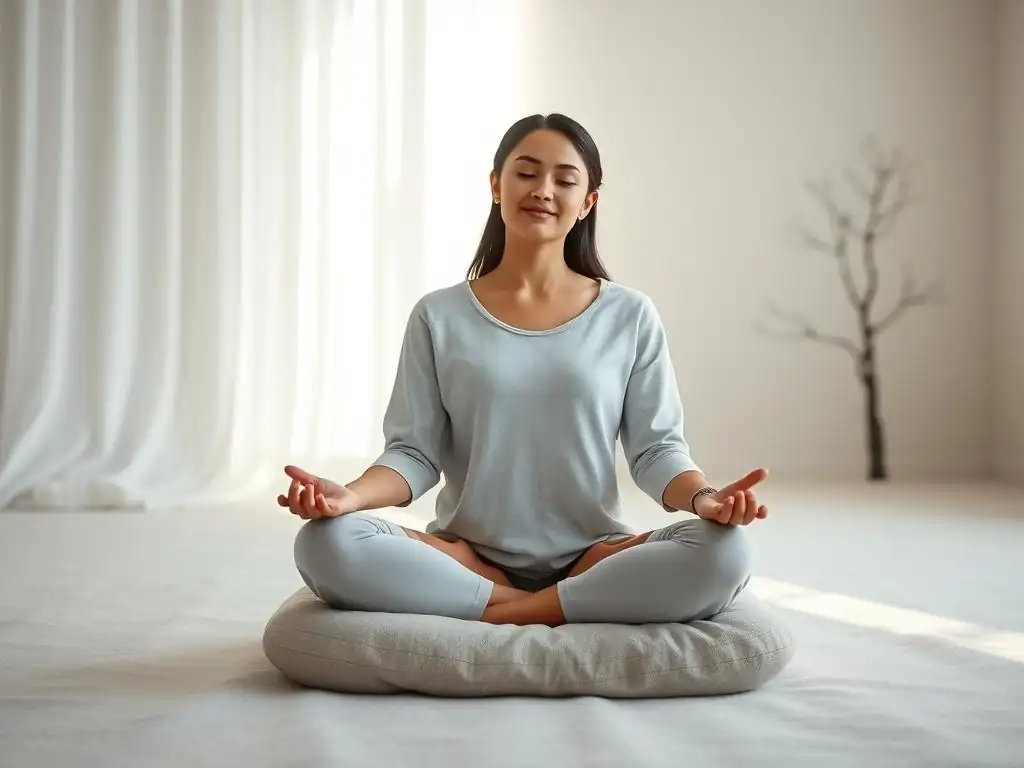
Achieving Mental Peace: The Impact of Mindful Breathing on Anxiety
Mindful breathing serves as a powerful antidote to the mental turmoil often associated with anxiety. By directing attention to the simple, repetitive rhythm of the breath, individuals can interrupt the cycle of anxious thoughts that often spiral out of control. This focused attention acts as an anchor, grounding the mind in the present moment rather than allowing it to wander into hypothetical future worries or dwell on past regrets. The deliberate act of noticing each inhale and exhale creates a space between you and your anxious thoughts, allowing you to observe them without getting caught up in their narrative.
This practice fosters a sense of detachment from intrusive thoughts, helping to diminish their power and intensity. Instead of being swept away by waves of worry, you learn to recognize them as temporary mental events. This shift in perspective cultivates a profound sense of mental peace, not by eliminating anxiety entirely, but by changing your relationship with it. Regularly engaging in mindful breathing reduces anxiety stress by building your capacity to remain calm and centered even when faced with challenging situations or internal discomfort.
Reducing Stress and Overcoming Negative Thoughts Through Focused Breathing
Stress often triggers a cascade of negative thoughts – self-criticism, catastrophic predictions, and rumination. Focused breathing techniques provide a direct method for disrupting these negative thought patterns. When you concentrate fully on the physical sensations of breathing, there is less mental energy available to fuel stressful or negative thinking loops. It's like turning down the volume on the internal critic and turning up the volume on present-moment awareness.
For example, if you're feeling overwhelmed by a deadline, your mind might race with thoughts like "I'll never finish this," or "I'm not good enough." Taking a few moments to engage in focused breathing – perhaps noticing the cool air entering your nostrils and the warm air leaving – pulls your attention away from these thoughts. While the thoughts might still arise, the practice helps you recognize them as just thoughts, rather than absolute truths.
This creates mental space and clarity, making it easier to approach the stressful situation with a more balanced perspective. Mindful breathing reduces anxiety stress by helping you regain control over your attention and thought processes.
Enhancing Focus and Concentration with Mindful Breathing Meditation
In an increasingly distracting world, maintaining focus and concentration can be a significant challenge. The mind is constantly pulled in multiple directions by notifications, tasks, and internal chatter. Mindful breathing meditation is essentially a workout for your attention span. The core practice involves repeatedly bringing your focus back to the breath whenever your mind wanders, which it inevitably will. This act of noticing distraction and gently redirecting attention strengthens your ability to concentrate.
Regular practice trains the brain to sustain focus for longer periods and to be less susceptible to distractions. Think of it like building a muscle – the more you practice bringing your attention back, the stronger your focus becomes. Students preparing for exams, professionals needing to concentrate on complex tasks, or anyone struggling with attention deficit can benefit significantly. Even just 5-10 minutes of daily mindful breathing can lead to noticeable improvements in sustained attention and cognitive performance, further illustrating how mindful breathing reduces anxiety stress by improving mental clarity and control.
Cultivating Emotional Regulation and Resilience with Breathwork
Emotional regulation – the ability to manage and respond to emotional experiences in a constructive way – is crucial for mental well-being. Mindful breathing techniques provide a powerful tool for cultivating this skill. By practicing observing the breath, you also learn to observe your emotions without immediate reaction. When a difficult emotion arises, like frustration or sadness, instead of being overwhelmed by it, you can use your breath as an anchor, staying present with the feeling without judgment or the need to immediately change it.
This practice builds emotional resilience, which is the capacity to bounce back from challenges and adapt to stressful circumstances. By becoming more comfortable with uncomfortable emotions through mindful awareness, you reduce your reactivity. For instance, if you receive critical feedback, your initial reaction might be defensiveness or anger.
Taking a moment for mindful breathing allows you to pause, notice the emotion, and choose a more measured response instead of reacting impulsively. This capacity for pause and conscious response is a hallmark of emotional resilience, demonstrating how mindful breathing reduces anxiety stress by enhancing your ability to navigate challenging emotional landscapes.
Mindful Breathing Techniques for Anxiety and Stress Relief
Diaphragmatic Breathing: The Foundation of Relaxation
Diaphragmatic breathing, also known as belly breathing, is a fundamental technique in mindful breathing and relaxation practices. It involves engaging the diaphragm, a large dome-shaped muscle located at the base of the chest cavity, which should be the primary muscle used for breathing. When you breathe diaphragmatically, your abdomen rises on the inhale and falls on the exhale, rather than just your chest expanding. This type of breathing is deeper, slower, and more efficient, promoting relaxation and activating the parasympathetic nervous system.
To practice diaphragmatic breathing, find a comfortable position, either sitting or lying down. Place one hand on your chest and the other on your abdomen, just below your rib cage. Inhale slowly through your nose, feeling your abdomen rise against your hand while your chest remains relatively still. Exhale slowly through your mouth, gently pressing your abdomen inwards to help push the air out, feeling your abdomen fall. Aim for smooth, even breaths. Practicing this technique for just a few minutes can provide immediate relief from tension and is a key way mindful breathing reduces anxiety stress.
Box Breathing: A Simple Technique for Calming the Nervous System
Box breathing, also known as square breathing, is a simple yet highly effective technique used by military personnel, first responders, and athletes to manage stress and maintain focus under pressure. It involves breathing in a square pattern: inhale, hold, exhale, hold, each for the same count. This rhythmic pattern helps to regulate the breath, calm the nervous system, and clear the mind. It's particularly useful for managing acute stress or panic.
To perform box breathing, find a quiet place and sit comfortably. Exhale completely to empty your lungs. Then, inhale slowly through your nose for a count of four. Hold your breath for a count of four. Exhale slowly through your mouth for a count of four. Hold your breath again for a count of four before beginning the cycle again. Repeat this pattern for several minutes. The structured rhythm provides a clear anchor for your attention, helping to quiet the mental noise and demonstrating how mindful breathing reduces anxiety stress through a structured, calming rhythm.
Alternate Nostril Breathing: Balancing Energy and Reducing Stress
Alternate nostril breathing, or Nadi Shodhana in Sanskrit, is a yogic breathing technique that involves breathing through one nostril at a time, alternating between the two. It is believed to balance the flow of energy (prana) in the body and mind, promoting a sense of calm, focus, and equilibrium. This technique is particularly helpful for reducing stress, settling an agitated mind, and preparing for meditation or sleep.
To practice alternate nostril breathing, sit comfortably with a straight spine. Close your right nostril with your right thumb. Inhale slowly and deeply through your left nostril. Close your left nostril with your right ring finger and release your thumb from the right nostril. Exhale slowly through your right nostril. Inhale through your right nostril.
Close your right nostril with your thumb and release your ring finger from the left nostril. Exhale through your left nostril. This completes one cycle. Continue alternating nostrils for several minutes. This balanced breathing pattern is another effective way mindful breathing reduces anxiety stress by harmonizing physiological and mental states.
4-7-8 Breathing: A Quick Method for Falling Asleep and Reducing Anxiety
The 4-7-8 breathing technique, popularized by Dr. Andrew Weil, is a simple yet powerful method for promoting relaxation, reducing anxiety, and aiding sleep. It involves a specific count for inhalation, breath hold, and exhalation, designed to slow the heart rate and calm the nervous system rapidly. It can be used before bed to help with insomnia or during moments of acute anxiety to quickly induce a state of calm.
To practice 4-7-8 breathing, sit or lie down comfortably. Exhale completely through your mouth, making a whoosh sound. Close your mouth and inhale quietly through your nose for a count of four. Hold your breath for a count of seven. Exhale completely through your mouth, making the whoosh sound, for a count of eight. This completes one cycle. Repeat the cycle three more times for a total of four breaths. The extended exhalation is key to activating the parasympathetic nervous system, making this a highly effective method for how mindful breathing reduces anxiety stress and promotes relaxation.
Integrating Mindful Breathing into Your Daily Routine
Simple Ways to Practice Mindful Breathing Throughout the Day
Integrating mindful breathing into your daily life doesn't require setting aside large blocks of time or finding a special location. You can weave short moments of conscious breathing into various everyday activities. For instance, take three mindful breaths before opening your email, while waiting in line, or before starting a meal. These brief pauses create mini-breaks from the hustle and bustle, helping you stay grounded and present.
Another simple approach is to link mindful breathing to routine transitions. Take a few deep, conscious breaths when you wake up before getting out of bed, when you arrive at work before starting your tasks, or when you return home before engaging with family. These transitional moments are natural cues for pausing and reconnecting with your breath. These small, consistent practices throughout the day reinforce the habit and allow mindful breathing reduces anxiety stress on an ongoing basis.
Using Mindful Breathing During Moments of Stress or Anxiety
Mindful breathing is an invaluable tool for navigating moments of acute stress or anxiety. When you feel tension rising, your heart rate increasing, or your thoughts starting to race, consciously shift your attention to your breath. You don't need to perform a complex technique; even simply noticing the sensation of air entering and leaving your body can make a difference.
During a stressful conversation, a challenging presentation, or a sudden wave of anxiety, pause and take a few slow, deep breaths. Focus entirely on the physical feeling of the breath – the rise and fall of your chest or abdomen, the temperature of the air. This deliberate focus interrupts the stress response, gives you a moment to regain composure, and prevents the situation from escalating emotionally. This ability to use mindful breathing reduces anxiety stress in the moment is one of its most practical benefits.
Combining Mindful Breathing with Other Relaxation Techniques
Mindful breathing can significantly enhance the effectiveness of other relaxation techniques. When combined, they create a multi-faceted approach to reducing tension and promoting well-being. For example, you can integrate mindful breathing into progressive muscle relaxation by focusing on your breath as you tense and release different muscle groups. Notice how your breath changes as you hold tension and as you release it, deepening the sense of relaxation with each exhale.
Similarly, incorporating mindful breathing into gentle stretching or yoga poses can deepen the experience. Matching your breath to your movements – inhaling as you lengthen, exhaling as you deepen a stretch – enhances body awareness and promotes a more profound release of physical tension. Using mindful breathing alongside guided imagery or meditation also strengthens focus and allows for a deeper immersion into the practice. This synergy demonstrates how combining methods allows mindful breathing to reduce anxiety stress more comprehensively.
Creating a Consistent Breathing Practice for Long-Term Mental Well-being
Consistency is key to unlocking the long-term benefits of mindful breathing for mental well-being. While using breathing techniques during acute moments is helpful, a regular daily practice, even if short, builds resilience and changes your baseline stress level over time. Committing to just 5-10 minutes of focused breathing each day can rewire your brain and nervous system, making you less reactive to stressors and more capable of maintaining a calm state.
Consider setting a specific time each day for your practice, perhaps first thing in the morning, during a lunch break, or before bed. You could also use a trigger, like your first cup of coffee or sitting down at your desk, to remind you to take a few mindful breaths. Tracking your practice using a simple journal or app can also help maintain motivation. Building this consistent habit ensures that mindful breathing reduces anxiety stress not just temporarily, but contributes to sustained emotional regulation and mental peace over months and years.
Scientific Evidence Supporting Mindful Breathing for Anxiety Stress Reduction

Research Studies on the Effectiveness of Mindful Breathing Techniques
Numerous research studies have explored the efficacy of mindful breathing techniques in reducing anxiety and stress, providing a strong scientific basis for its benefits. For example, randomized controlled trials have shown that regular practice of mindful breathing can lead to significant reductions in self-reported levels of stress, anxiety, and depression compared to control groups. A review published in a major health journal summarizing findings from multiple studies found that breathing exercises consistently demonstrated a positive effect on mood and anxiety levels.
Specific studies utilizing physiological measurements have also provided objective evidence. For instance, research using biofeedback has shown that paced breathing techniques can improve heart rate variability (HRV), an indicator of a healthier, more resilient nervous system that is better able to adapt to stress. Studies have measured decreases in stress hormones like cortisol in individuals who regularly practice mindful breathing. These findings collectively underscore the tangible impact mindful breathing reduces anxiety stress, supported by empirical data.
How Mindful Breathing Impacts the Brain and Nervous System
The science behind how mindful breathing reduces anxiety stress involves its direct impact on the brain and nervous system. Focusing on slow, deep breaths activates the vagus nerve, which in turn signals the parasympathetic nervous system to calm down. This counteracts the sympathetic nervous system's 'fight or flight' response, reducing the release of stress hormones like adrenaline and cortisol. This physiological shift helps to lower heart rate, blood pressure, and muscle tension.
Brain imaging studies, such as fMRI scans, have shown that mindful breathing practice can lead to changes in brain activity. Regular meditators who incorporate mindful breathing often show reduced activity in the amygdala, the brain region responsible for processing fear and threat. Simultaneously, there can be increased activity in areas of the prefrontal cortex associated with attention, self-awareness, and emotional regulation. These neural changes explain how focusing on the breath can help individuals manage their reactions to stress and cultivate a calmer mental state over time.
Mindful Breathing vs. Other Anxiety Management Techniques: A Comparison
Mindful breathing is often compared to or used in conjunction with other anxiety management techniques like progressive muscle relaxation, guided imagery, or cognitive behavioral therapy (CBT). While each method has its unique strengths, mindful breathing offers distinct advantages, particularly its accessibility and immediate physiological impact. Unlike techniques that may require specific environments or mental states, mindful breathing can be practiced anywhere, anytime, without any equipment.
Compared to pharmacological interventions, mindful breathing is a non-invasive approach with no side effects. Research suggests that while CBT is highly effective for addressing the root causes of anxiety by changing thought patterns, mindful breathing provides a rapid tool for managing the physiological symptoms of anxiety in the moment.
Many therapists integrate mindful breathing into CBT or exposure therapy sessions to help patients manage distress. In essence, mindful breathing serves as both a standalone tool for immediate relief and a foundational skill that enhances the effectiveness of other therapeutic approaches, highlighting its unique role in how mindful breathing reduces anxiety stress.
Overcoming Challenges in Mindful Breathing Practice
Dealing with Distractions and Wandering Thoughts
One of the most common challenges in mindful breathing practice is dealing with distractions and wandering thoughts. The mind is naturally prone to thinking, planning, and remembering, and it will inevitably wander away from the breath. Many beginners feel discouraged by this, thinking they are "failing" at the practice. However, noticing that your mind has wandered is not a failure; it is the very essence of the practice itself.
When you notice your mind has drifted, gently acknowledge the thought without judgment. Simply observe where your mind went, and then kindly, without self-criticism, guide your attention back to the sensation of your breath. This process of noticing and returning is the core exercise that strengthens your ability to focus and helps you develop a non-reactive relationship with your thoughts.
Accept that your mind will wander, perhaps dozens or even hundreds of times during a session, and see each return to the breath as a success. This persistent, gentle redirection is how mindful breathing reduces anxiety stress by training the mind towards present-moment awareness.
Managing Discomfort or Physical Sensations During Breathing Exercises
Sometimes, practicing mindful breathing can bring awareness to physical discomfort or sensations that were previously ignored. You might notice tension in your body, feel restless, or even experience lightheadedness, especially when first practicing deep breathing. It's important to approach these sensations with curiosity and patience rather than fear or avoidance.
If you experience lightheadedness, it's often a sign that you are breathing too deeply or too quickly. Try slowing down your breath or returning to your natural breathing pace for a few moments before gently resuming the practice. If you notice physical tension, direct your breath towards that area on the inhale and imagine releasing the tension on the exhale.
If discomfort is significant or persistent, it might be helpful to adjust your posture or duration of practice. Remember that the goal is not to eliminate all discomfort, but to learn to be present with it and potentially soften your reaction to it, reinforcing how mindful breathing reduces anxiety stress by changing your relationship with physical symptoms.
Maintaining Consistency in Your Mindful Breathing Routine
Maintaining a consistent mindful breathing routine can be challenging amidst busy schedules and competing priorities. Life happens, and it's easy for a daily practice to fall by the wayside when unexpected events or increased demands arise. Lack of perceived immediate results can also sometimes diminish motivation to continue practicing regularly.
To overcome this, try to view consistency not as perfection, but as persistence. If you miss a day or two, don't view it as a failure; simply pick up where you left off. Start small, perhaps with just 2-3 minutes of practice daily, and gradually increase the duration as it feels comfortable.
Link your practice to an existing habit, such as brushing your teeth or drinking your morning coffee, to make it easier to remember. Remind yourself of the benefits you've experienced, even subtle ones, and trust that consistent effort allows mindful breathing to reduce anxiety stress more effectively over time, building lasting resilience.
Conclusion: Embracing Mindful Breathing for a Calmer, Healthier You
The Long-Term Benefits of Mindful Breathing for Physical and Mental Health
Embracing mindful breathing as a regular practice offers profound and lasting benefits for both physical and mental health. Over time, consistent mindful breathing reduces anxiety stress not just momentarily, but fundamentally alters your physiological and psychological response to challenges. Physically, it contributes to lower resting heart rate and blood pressure, improved digestion, reduced muscle tension, and better sleep quality. These cumulative effects support overall cardiovascular health and reduce the physical wear and tear caused by chronic stress.
Mentally and emotionally, the long-term practice cultivates greater self-awareness, emotional regulation, and resilience. You become less reactive to difficult thoughts and feelings, developing a greater capacity for patience and non-judgment. Focus and concentration improve, enhancing cognitive function. The ability to consistently return to the present moment through breath provides a stable anchor in a turbulent world, fostering a deep sense of inner peace and equanimity that extends beyond the moments of practice into all areas of life.
Resources and Further Exploration of Mindful Breathing Practices
For those interested in delving deeper into mindful breathing and its applications, numerous resources are available. Many reputable websites dedicated to mindfulness and mental health offer guided breathing exercises, often available as audio or video recordings. Mobile applications focused on meditation and mindfulness frequently include a variety of breathing techniques, providing guided sessions of varying lengths suitable for beginners and experienced practitioners alike.
Books on mindfulness, meditation, and stress reduction often dedicate chapters to different breathing methods, providing detailed instructions and the science behind them. Local meditation centers, yoga studios, and community centers may also offer classes or workshops on mindfulness and breathwork. Exploring these resources can help you find techniques and guidance that resonate with you, supporting your journey as you discover how deeply mindful breathing reduces anxiety stress and enhances well-being.
Taking the Next Steps Towards Integrating Mindful Breathing into Your Life
Taking the next step towards integrating mindful breathing into your life is a commitment to your own well-being. Start small and be patient with yourself. Choose one simple technique, like diaphragmatic breathing or box breathing, and commit to practicing it for just 2-3 minutes each day for a week. Find a time and place where you are unlikely to be interrupted, even if it's just a quiet corner of your home or office.
As you become more comfortable, gradually increase the duration of your practice or explore other techniques. Pay attention to how your body and mind feel during and after practice. Notice the subtle shifts in your state of being. Remember that consistency is more important than duration or perfection. By making mindful breathing a regular part of your routine, you are building a powerful skill that will serve you for a lifetime, helping you navigate challenges with greater ease and demonstrating firsthand how effectively mindful breathing reduces anxiety stress, leading you towards a calmer, healthier, and more peaceful existence.
Frequently Asked Questions
How does mindful breathing specifically help with anxiety?
Mindful breathing helps regulate the nervous system, shifting it from a fight-or-flight response to a calmer state. This directly counteracts the physical symptoms of anxiety, like a racing heart. It's a powerful tool for self-soothing.
What is the connection between physical relaxation and mental peace in mindful breathing?
Mindful breathing fosters a connection by promoting physical relaxation, which, in turn, reduces mental stress. As your body relaxes, your mind becomes quieter and more receptive to peace. This creates a positive feedback loop.
How often should I practice mindful breathing to see a reduction in stress levels?
Consistency is key. Aim for at least 5-10 minutes daily to experience noticeable benefits. Even short, regular sessions can significantly reduce anxiety stress over time. The Mind Care Guide offers resources to assist with this!
Are there different types of mindful breathing techniques, and which is best for anxiety?
Yes, there are several, including diaphragmatic breathing and box breathing. The best technique is subjective, but diaphragmatic breathing is often recommended as it encourages full lung expansion and deeper relaxation.
Besides mindful breathing, what other resources does Mind Care Guide offer for mental well-being?
Mind Care Guide provides a comprehensive range of resources. These include articles on various mental health challenges, support forums, and information on seeking professional help. We aim to be a complete source of support for your mental well-being.
Final Reflection: Breathing Your Way to a Calmer You
The pervasive anxiety and stress of modern life demand effective coping mechanisms, and mindful breathing offers a powerful, readily accessible antidote. This simple yet profound practice isn't just a fleeting trend; it's a cornerstone of well-being, increasingly recognized for its ability to alleviate the pressures of our fast-paced world. The evidence presented throughout this article underscores the undeniable link between conscious breathing and a reduction in anxiety and stress, impacting both our physical and mental states.
The journey towards inner peace often feels elusive, yet the consistent practice of mindful breathing reveals its transformative power. It's not just about reducing symptoms; it's about cultivating a deeper understanding of our own internal landscape and developing a resilience to external stressors. This resonates deeply with me personally, as I've witnessed firsthand the calming effect of even a few minutes of focused breathing. The breath is the bridge between the body and the mind.
This simple truth encapsulates the profound connection explored throughout this article, highlighting how physical relaxation directly translates into mental peace.
You now hold the key to unlocking a calmer, more centered you. Don't underestimate the power of this simple practice. Commit to incorporating mindful breathing into your daily routine – even just five minutes a day can make a significant difference. Experiment with different techniques, find what resonates with you, and allow yourself to experience the profound benefits of connecting with your breath. The journey to a more peaceful existence begins with a single, conscious inhale.
Unlock Your Inner Calm: Breathe Your Way to a Better You
Thanks for taking the time to explore the power of mindful breathing with us! We hope you now feel equipped to harness its incredible benefits for both your physical and mental well-being. Ready to take the next step?
- Start a daily breathing practice: Even 5 minutes a day can make a world of difference. Try one of the techniques we discussed and notice the shift in your energy levels.
- Share your experience: Let others know how mindful breathing has impacted you. Inspire them to join you on this journey to inner peace!
- Experiment with different breathing styles: The techniques mentioned are just a starting point. Discover what resonates best with you and adapt your practice over time.
What small change will you make today to prioritize your breath and cultivate a more peaceful mind?