
From Planning to ProblemSolving: How Depression Disrupts Your PFC's Top Skills


Welcome to Mind Care Guide, a space dedicated to understanding and nurturing your mental well-being.
Are you feeling like your focus and decision-making skills are slipping away? Join us as we delve into the fascinating world of neuroscience and explore how depression impairs the prefrontal cortex. Discover the intricate connection between your mood and your brain's executive functions, and learn what this means for your daily life. This is the first step towards reclaiming your mental clarity. Ready to unravel the science behind your struggles and find pathways to healing?
From Planning to Problem-Solving: How Depression Disrupts Your PFC's Top Skills
- Understanding the Prefrontal Cortex (PFC) and Its Role in Mental Well-being
- How Depression Impairs Prefrontal Cortex Function: An Overview
- Planning Difficulties in Depression: Losing Sight of Goals
- Problem-Solving Deficits: The Vicious Cycle of Negative Thinking
- Decision-Making Challenges: Analysis Paralysis and Impulsivity
- The Neuroscience Behind It: Depression's Impact on the PFC
- Strategies to Improve PFC Function and Combat Depression-Related Cognitive Impairment
- Medications and Their Effect on Prefrontal Cortex Activity in Depression
- Seeking Professional Help: When to Consult a Mental Health Professional
-
Frequently Asked Questions
- How does depression specifically impact the prefrontal cortex (PFC)?
- What are the main executive functions affected when depression impairs the prefrontal cortex?
- Why is the prefrontal cortex so important for mental well-being?
- Can the effects of depression on the prefrontal cortex be reversed or managed?
- What are some practical strategies to cope with PFC impairment caused by depression?
- Final Reflection: Reclaiming Executive Function from Depression's Grip
- Unlock Your Prefrontal Cortex's Power!
Understanding the Prefrontal Cortex (PFC) and Its Role in Mental Well-being
The Executive Functions of the Prefrontal Cortex
The prefrontal cortex (PFC), located at the very front of your brain, is often considered the "command center" for higher-level thinking and behavior. It's responsible for a suite of cognitive abilities known as executive functions. These aren't single skills but rather a collection of interconnected processes that allow us to manage ourselves and our resources to achieve goals. Key executive functions include working memory (holding and manipulating information), inhibitory control (suppressing impulses and distractions), cognitive flexibility (switching between different tasks or perspectives), planning, decision-making, and problem-solving.
These executive functions are crucial for navigating daily life effectively. They enable us to plan our day, resist the urge to procrastinate, adapt when things don't go as expected, and make informed choices. When the PFC is functioning optimally, we can maintain focus, manage our time, regulate our emotions, and engage in goal-directed behavior. Conversely, impairments in these areas, such as those seen when depression impairs prefrontal cortex activity, can significantly disrupt a person's ability to function and cope with challenges.
How the PFC Contributes to Planning, Decision-Making, and Problem-Solving
The prefrontal cortex plays a central role in complex tasks like planning, decision-making, and problem-solving. Planning involves setting goals, devising strategies to achieve them, organizing steps, and predicting potential outcomes. The PFC integrates information from various brain regions, including those involved in memory and emotion, to create a coherent plan. Research suggests that specific areas within the PFC, like the dorsolateral prefrontal cortex (DLPFC), are particularly active during planning tasks, helping sequence actions and maintain the plan in working memory.
Decision-making relies heavily on the ventromedial prefrontal cortex (VMPFC), which processes risk and reward and integrates emotional information to guide choices. Whether it's deciding what to eat for dinner or making a significant life choice, the PFC helps weigh options, evaluate potential consequences, and select the most advantageous path. Problem-solving, on the other hand, requires flexibility, creativity, and the ability to break down complex issues into manageable parts.
The PFC enables us to identify the problem, brainstorm potential solutions, evaluate their feasibility, and implement the chosen strategy, adapting as needed. When depression impairs prefrontal cortex function, these critical cognitive processes become significantly challenging.
The Connection Between the Prefrontal Cortex and Emotional Regulation
Beyond its role in cognitive functions, the prefrontal cortex is intricately linked to emotional regulation. Areas like the VMPFC and orbitofrontal cortex (OFC) are part of a network that interacts with limbic structures, such as the amygdala, which are involved in processing emotions like fear and anxiety. The PFC helps modulate the activity of these emotional centers, allowing us to appraise situations, understand emotional context, and respond in a regulated manner rather than reacting impulsively. For example, the PFC can help dampen an exaggerated fear response or prevent rumination on negative feelings.
Effective emotional regulation is essential for mental well-being. It allows us to manage stress, cope with adversity, and maintain stable moods. Dysfunction in the connection between the PFC and limbic system is a hallmark of many mental health conditions, including depression. When depression impairs prefrontal cortex activity, the brain's ability to regulate emotions is compromised, often leading to persistent low mood, increased reactivity to negative stimuli, and difficulty recovering from emotional distress, contributing to the core symptoms of the disorder.
How Depression Impairs Prefrontal Cortex Function: An Overview
The Impact of Depression on Executive Functioning
Major depressive disorder (MDD) is consistently associated with deficits in executive functions controlled by the prefrontal cortex. Individuals experiencing depression often report difficulties with concentration, memory, planning, and decision-making. These cognitive symptoms are not merely consequences of low mood; they are considered core features of depression that can persist even after mood symptoms improve. For instance, studies using neuropsychological tests show that depressed individuals often perform significantly worse on tasks requiring working memory, cognitive flexibility, and inhibitory control compared to healthy controls.
This widespread impact on executive functioning means that daily tasks that require organization, foresight, or adaptability become significantly harder. Simple chores, managing finances, or even following a conversation can feel overwhelming. The degree of executive dysfunction can vary among individuals but is a significant contributor to functional impairment in depression, affecting work, social interactions, and overall quality of life. Understanding how depression impairs prefrontal cortex function is key to addressing these debilitating cognitive symptoms.
Neuroimaging Studies: Evidence of PFC Changes in Depressed Individuals
Neuroimaging techniques like fMRI (functional Magnetic Resonance Imaging) and structural MRI have provided compelling evidence of how depression affects the prefrontal cortex. Structural studies often reveal reduced gray matter volume in specific PFC subregions, including the DLPFC and VMPFC, in individuals with depression compared to non-depressed individuals. While the exact percentage varies across studies, reductions of 5-15% in certain areas have been reported. These structural changes suggest a potential loss of neurons or synaptic connections.
Functional imaging studies further demonstrate altered activity and connectivity patterns within the PFC network during depression. For example, the DLPFC, crucial for goal-directed behavior and planning, often shows reduced activity, while the VMPFC, involved in processing negative emotions, may show increased activity or altered connectivity with the amygdala. This disrupted communication within the PFC and between the PFC and other brain areas, particularly the limbic system, provides a neurobiological basis for the cognitive and emotional symptoms observed when depression impairs prefrontal cortex function.
Neurotransmitters, the chemical messengers in the brain, play a critical role in the proper functioning of the prefrontal cortex, and imbalances in these chemicals are strongly implicated in depression. Serotonin, norepinephrine, and dopamine are neurotransmitters that are particularly important for regulating mood, motivation, attention, and executive functions processed in the PFC. Serotonin, for instance, influences mood stability and cognitive flexibility, while dopamine is crucial for reward processing, motivation, and working memory. Norepinephrine affects alertness, attention, and energy levels.
In depression, disruptions in the signaling of these neurotransmitters within the PFC and its connections can directly contribute to cognitive deficits. Reduced levels or impaired signaling of dopamine and norepinephrine in the DLPFC, for example, can explain difficulties with motivation, focus, and planning. Similarly, alterations in serotonin signaling can impact cognitive flexibility and emotional regulation. While the precise neurochemical cascade is complex, evidence strongly suggests that neurotransmitter dysregulation is a key mechanism by which depression impairs prefrontal cortex activity and leads to the cognitive and emotional symptoms of the disorder.
Planning Difficulties in Depression: Losing Sight of Goals
Reduced Goal-Oriented Behavior in Depressed Individuals
A hallmark symptom of depression is a significant reduction in goal-oriented behavior. Individuals often lose interest in activities they once enjoyed (anhedonia) and experience a profound lack of motivation (apathy). This isn't simply laziness; it stems from changes in brain circuits, including those in the prefrontal cortex, that are essential for initiating and sustaining purposeful action. The DLPFC, involved in setting and pursuing goals, shows reduced activity in depressed states, making it difficult to envision future rewards or connect current actions to desired outcomes.
This decline in goal-oriented behavior manifests in various ways, from struggling to get out of bed in the morning to abandoning long-term projects or hobbies. Tasks that require sustained effort or multiple steps feel insurmountable. For example, someone who previously enjoyed gardening might find it impossible to start planting seeds, even if they intellectually know they want a garden later. This disruption illustrates how depression impairs prefrontal cortex function, specifically the ability to translate intentions into action and maintain the drive towards a goal.
Challenges in Prioritizing Tasks and Setting Realistic Goals
Effective planning requires the ability to prioritize tasks, distinguishing between what is urgent, important, or less critical. It also involves setting realistic goals based on available resources and time. However, individuals with depression often struggle significantly with these skills. The cognitive load feels too heavy, making it difficult to evaluate the relative importance of different demands. Everything might feel equally overwhelming, or conversely, nothing might feel important enough to warrant effort.
Setting realistic goals becomes challenging because the depressed mind often operates with a skewed perspective, either underestimating abilities or being paralyzed by perceived obstacles. A student with depression might find it impossible to break down a large assignment into smaller, manageable steps, leading to procrastination and eventual failure. This difficulty in prioritizing and goal-setting directly reflects the impaired executive function capacity in the PFC, highlighting how depression impairs prefrontal cortex processes crucial for effective planning and organization.
The Impact of Apathy and Anhedonia on Planning Abilities
Apathy (lack of motivation) and anhedonia (inability to experience pleasure) are core symptoms of depression that profoundly impact planning abilities. Planning is inherently linked to anticipating positive outcomes or avoiding negative ones – driven by the brain's reward system, which is closely connected to the PFC, particularly the VMPFC and OFC. When anhedonia is present, the anticipated reward from completing a plan or achieving a goal is diminished or entirely absent. Why plan for a future event if the prospect of enjoying it feels impossible?
Similarly, apathy drains the energy and drive needed to initiate and follow through on plans. The effort required to think through steps, anticipate problems, and maintain focus feels disproportionate to the perceived lack of reward or even the sheer effort involved. This combination of diminished motivation and impaired reward processing, stemming from the complex interplay between limbic regions and the PFC, underscores how depression impairs prefrontal cortex function, specifically undermining the motivational components necessary for effective planning and goal pursuit.
Problem-Solving Deficits: The Vicious Cycle of Negative Thinking
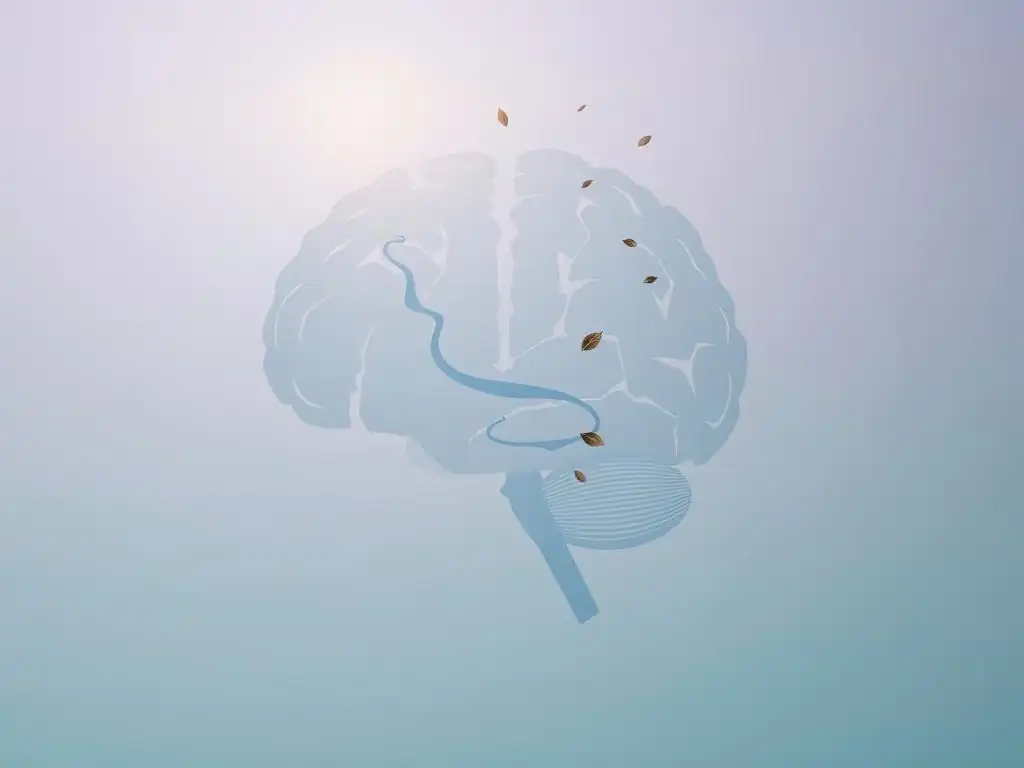
Impaired Cognitive Flexibility and Problem-Solving Skills in Depression
Problem-solving requires cognitive flexibility – the ability to switch perspectives, consider multiple solutions, and adapt strategies when initial attempts fail. However, cognitive inflexibility is a common feature of depression, directly linked to dysfunction in the prefrontal cortex. Depressed individuals often get "stuck" in rigid thought patterns, finding it difficult to think creatively or consider alternative approaches to problems. This makes navigating challenges, both big and small, significantly more difficult.
For example, if faced with a minor setback at work, a non-depressed person might brainstorm several ways to address it or ask for help. Someone with depression, experiencing impaired cognitive flexibility, might see only one negative outcome and feel incapable of finding a solution, becoming overwhelmed. This difficulty in shifting cognitive gears and exploring different possibilities is a direct consequence of how depression impairs prefrontal cortex function, specifically hindering the brain's ability to flexibly process information and generate diverse solutions.
The Tendency Towards Rumination and Negative Thought Patterns
Instead of actively engaging in problem-solving, individuals with depression often fall into patterns of rumination – repetitively dwelling on negative thoughts, problems, and feelings without moving towards solutions. This ruminative thinking style is strongly associated with increased activity in certain brain circuits, including parts of the PFC involved in self-referential processing, but in a way that is unproductive and self-reinforcing. This mental loop consumes cognitive resources that would otherwise be available for constructive problem-solving.
Rumination is not problem-solving; it is dwelling on the problem itself and its negative implications, often leading to a deeper sense of helplessness and hopelessness. The inability to disengage from these negative thought loops reflects a breakdown in inhibitory control and cognitive flexibility, executive functions heavily reliant on the PFC. This persistent negative focus further illustrates how depression impairs prefrontal cortex function, trapping individuals in a cycle where they are unable to break free from negative thinking to effectively address their challenges.
How Depression Affects the Ability to Generate Solutions
Effective problem-solving involves identifying potential solutions, evaluating their pros and cons, and selecting the best course of action. However, depression significantly hinders this process. The impaired cognitive flexibility makes it difficult to even generate a range of possible solutions. The tendency towards negative thinking and low self-efficacy (a belief in one's ability to succeed) means that even if potential solutions are identified, they are often dismissed as impossible or futile.
The PFC's role in evaluating consequences and integrating information is also compromised, making it hard to objectively assess the feasibility of different options. Someone struggling with depression might see only obstacles and no viable paths forward, leading to feelings of being trapped or helpless. This diminished capacity to generate and evaluate solutions is a critical functional deficit caused by how depression impairs prefrontal cortex activity, making everyday problems feel insurmountable and contributing to the pervasive sense of hopelessness characteristic of the disorder.
Decision-Making Challenges: Analysis Paralysis and Impulsivity
The Impact of Depression on Risk Assessment and Reward Processing
Decision-making involves evaluating potential outcomes, including risks and rewards. This process relies heavily on the VMPFC and its connections to the limbic system and striatum (involved in reward). In depression, the brain's reward system is often blunted, meaning that potential positive outcomes feel less rewarding. Simultaneously, the focus on negative information can lead to an exaggerated perception of risk. This imbalance makes it difficult to make decisions that involve potential gains or require taking even small risks.
For example, deciding whether to apply for a new job might involve weighing the potential reward of a better position against the risk of rejection. For someone with depression, the potential reward feels less appealing, while the fear of rejection might feel overwhelming and disproportionate. This skewed risk-reward processing, rooted in altered PFC function and its connections, significantly impacts the ability to make choices, particularly those involving uncertainty or potential positive outcomes. It's another clear example of how depression impairs prefrontal cortex activity, affecting fundamental cognitive processes.
Increased Impulsivity and Poor Decision-Making in Some Depressed Individuals
While many people associate depression with inertia and indecision (analysis paralysis), some individuals, particularly those with atypical features or comorbid conditions, may exhibit increased impulsivity and poor decision-making. This might manifest as reckless spending, substance use, or engaging in risky behaviors. Although seemingly contradictory to the general slowing seen in depression, this impulsivity can also be linked to PFC dysfunction, specifically impaired inhibitory control and altered processing of immediate versus delayed rewards.
The PFC, particularly the orbitofrontal cortex (OFC), is crucial for inhibiting inappropriate responses and considering long-term consequences. Alterations in these areas can lead to a reduced ability to resist immediate gratification or suppress harmful impulses. This type of impaired decision-making highlights the complex and varied ways that depression impairs prefrontal cortex function, sometimes leading to an inability to initiate action, and at other times resulting in a lack of inhibitory control over impulsive behaviors.
The Role of the PFC in Weighing Options and Making Sound Judgments
Sound judgment requires the ability to weigh different options objectively, consider consequences, and make choices aligned with one's values and long-term goals. This complex process integrates information from various brain regions, with the PFC acting as the central hub for evaluation and selection. It allows us to compare alternatives, predict potential outcomes, and prioritize choices based on their relevance and importance.
In depression, the dysfunction within the PFC disrupts this evaluative process. Difficulty with working memory makes it hard to hold and compare multiple options simultaneously. Impaired risk-reward processing skews the evaluation. The pervasive negative bias makes it difficult to see the potential positive aspects of any choice. This leads to either profound indecision ("analysis paralysis"), where the individual is overwhelmed by the difficulty of choosing, or poor choices driven by impulsivity or a focus on immediate, often negative, relief. This demonstrates how fundamentally depression impairs prefrontal cortex function, undermining the very capacity for making reasoned judgments.
The Neuroscience Behind It: Depression's Impact on the PFC
Reduced Gray Matter Volume in the Prefrontal Cortex in Depression
Numerous structural neuroimaging studies have consistently reported reduced gray matter volume in specific subregions of the prefrontal cortex in individuals with major depressive disorder. Areas most frequently implicated include the dorsolateral prefrontal cortex (DLPFC), ventromedial prefrontal cortex (VMPFC), and orbitofrontal cortex (OFC). While the extent varies, meta-analyses of multiple studies suggest average reductions of around 5-10% in these areas compared to healthy control groups. These structural changes are thought to reflect a loss of neurons, synapses, or glial cells, potentially due to chronic stress, inflammation, or other neurobiological processes associated with depression.
This reduction in physical brain tissue volume within critical PFC areas provides a tangible biological basis for the observed cognitive and emotional deficits. A smaller or less dense DLPFC, for example, could directly translate to reduced capacity for working memory, planning, and cognitive control. Similarly, changes in the VMPFC and OFC could underlie difficulties with emotional regulation and decision-making. The presence of these structural alterations underscores the significant impact that depression impairs prefrontal cortex health at a fundamental level.
Altered Neural Connectivity in the PFC and Other Brain Regions
Beyond structural changes, depression is characterized by altered functional connectivity – how different brain regions communicate with each other – involving the prefrontal cortex. fMRI studies show disrupted communication patterns both within the PFC and between the PFC and other brain networks, particularly the limbic system (involved in emotion) and the default mode network (DMN, involved in self-referential thought and rumination). For instance, there is often reduced connectivity between the DLPFC (involved in cognitive control) and limbic areas like the amygdala, meaning the cognitive control regions are less able to regulate emotional responses.
Conversely, there is often increased connectivity within the DMN and between the DMN and areas of the VMPFC, which is associated with increased rumination and self-focus characteristic of depression. This altered balance – reduced top-down control from cognitive regions and increased activity in emotion and self-referential networks – helps explain the difficulty regulating mood and getting stuck in negative thought patterns. These connectivity changes are a critical aspect of how depression impairs prefrontal cortex function, disrupting the coordinated activity necessary for healthy cognitive and emotional processing.
The Role of Inflammation and Oxidative Stress in PFC Dysfunction
Emerging research points to the role of neuroinflammation and oxidative stress in contributing to the structural and functional changes observed in the prefrontal cortex during depression. Chronic stress, a known risk factor for depression, can trigger inflammatory responses in the brain. Pro-inflammatory cytokines (signaling molecules) can interfere with neurotransmitter metabolism, reduce neurogenesis (the birth of new neurons), and impair synaptic plasticity (the ability of synapses to strengthen or weaken), all of which can negatively impact PFC function.
Oxidative stress, an imbalance between free radicals and antioxidants, can also damage brain cells and contribute to neuronal dysfunction. Studies have found elevated markers of inflammation and oxidative stress in individuals with depression. These processes can directly harm neurons and glial cells in the PFC, contributing to the observed volume reductions and connectivity abnormalities. Understanding the role of inflammation and oxidative stress provides potential new targets for treatment and further illustrates the biological mechanisms by which depression impairs prefrontal cortex health and function.

Cognitive Behavioral Therapy (CBT) and Its Impact on Executive Function
Cognitive Behavioral Therapy (CBT) is a widely effective psychotherapy for depression that also shows promise in improving executive functions. CBT helps individuals identify and challenge negative thought patterns and develop more adaptive coping strategies and behaviors. By working on restructuring negative thoughts and planning behavioral activation, CBT indirectly trains areas of the prefrontal cortex involved in cognitive flexibility, problem-solving, and goal-directed behavior. For example, behavioral activation involves scheduling and engaging in activities that are linked to pleasure or accomplishment, which helps reactivate goal-setting and planning circuits in the PFC.
Studies have shown that successful CBT treatment for depression is associated with normalized activity or increased connectivity in prefrontal cortex areas. By teaching skills like identifying cognitive distortions, problem-solving specific issues, and planning activities, CBT helps individuals strengthen the very executive functions that are often impaired. This therapeutic approach provides practical tools that can help mitigate the cognitive deficits that occur when depression impairs prefrontal cortex activity, enabling individuals to regain control over their thoughts and actions.
Mindfulness and Meditation for Enhancing Focus and Attention
Mindfulness and meditation practices involve training attention and awareness, skills heavily reliant on the prefrontal cortex, particularly the DLPFC and ACC (anterior cingulate cortex). Regular mindfulness practice has been shown to increase gray matter density in areas including the PFC and improve performance on tasks requiring attention, working memory, and cognitive flexibility. By focusing on the present moment without judgment, mindfulness helps individuals develop greater control over their attention and reduce the tendency to get caught up in ruminative negative thoughts.
Engaging in mindful meditation can help strengthen the brain circuits involved in focused attention and inhibitory control. For someone experiencing the cognitive fog and distractibility of depression, practices like mindful breathing or body scans can serve as a gentle way to exercise these impaired PFC functions. Over time, this training can help improve concentration, reduce mind-wandering, and enhance the ability to disengage from negative thought loops, offering a complementary strategy to address how depression impairs prefrontal cortex function related to attention and cognitive control.
Lifestyle Changes: Exercise, Diet, and Sleep Hygiene for PFC Health
Lifestyle factors significantly impact brain health, including the prefrontal cortex, and can play a crucial role in managing depression and its cognitive effects. Regular physical exercise is a powerful intervention, promoting neurogenesis and increasing levels of brain-derived neurotrophic factor (BDNF), a protein that supports the growth and survival of neurons, particularly in the hippocampus and PFC. Aerobic exercise, in particular, has been linked to improvements in executive functions like planning and working memory.
A balanced diet rich in omega-3 fatty acids, antioxidants, and vitamins is also essential for brain health. These nutrients support neuronal function and protect against inflammation and oxidative stress, which can harm the PFC. Furthermore, maintaining good sleep hygiene is critical; sleep disruption is common in depression and negatively impacts PFC function, impairing attention, memory, and decision-making. Prioritizing consistent, quality sleep can help restore optimal brain function. Addressing these lifestyle factors provides a foundational approach to supporting overall brain health and mitigating the cognitive impact when depression impairs prefrontal cortex activity.
- [ ] Incorporate regular aerobic exercise (e.g., 30 minutes, 3-5 times per week)
- [ ] Ensure a diet rich in fruits, vegetables, whole grains, and lean protein
- [ ] Aim for 7-9 hours of quality sleep per night
- [ ] Practice consistent sleep and wake times
Medications and Their Effect on Prefrontal Cortex Activity in Depression
Antidepressants and Their Influence on Neurotransmitter Levels in the PFC
Antidepressant medications, particularly selective serotonin reuptake inhibitors (SSRIs) and serotonin-norepinephrine reuptake inhibitors (SNRIs), are commonly prescribed treatments for depression. These medications work by increasing the availability of neurotransmitters like serotonin and norepinephrine in the synaptic cleft, including in areas of the prefrontal cortex. By modulating the levels of these key chemicals, antidepressants can influence the activity and connectivity of PFC neurons, helping to restore more balanced signaling.
While antidepressants are primarily known for their effects on mood, there is evidence suggesting they can also improve cognitive function, including aspects of executive function, in depressed individuals. This is likely due, in part, to their effects on neurotransmission within the PFC circuits involved in attention, motivation, and cognitive control.
However, the degree of cognitive improvement can vary, and it may take time for these effects to become apparent as the brain adapts to the altered neurochemistry. Understanding how these medications influence neurotransmitter availability in the PFC is key to appreciating their potential role in mitigating the cognitive impact when depression impairs prefrontal cortex function.
The Potential of Novel Treatments Targeting PFC Function
Research is ongoing into novel treatments that might more directly target prefrontal cortex dysfunction in depression. These include investigational medications, neuromodulation techniques, and potentially psychedelic-assisted therapies. Some novel pharmacological agents are being developed to target other neurotransmitter systems or pathways implicated in PFC function, such as glutamate or GABA, or to promote neuroplasticity (the brain's ability to reorganize itself).
Neuromodulation techniques like Transcranial Magnetic Stimulation (TMS) and Deep Brain Stimulation (DBS) are already used in some cases of treatment-resistant depression, often targeting specific areas of the prefrontal cortex (e.g., the DLPFC) to modulate their activity. These techniques aim to directly influence the firing patterns of neurons in the PFC and its connected circuits, seeking to restore healthier patterns of activity. The development of these novel approaches highlights the growing understanding that directly addressing how depression impairs prefrontal cortex function could be a crucial path to improving treatment outcomes, especially for cognitive symptoms.
Understanding the Side Effects and Benefits of Medication
While medications can be effective in treating the core symptoms of depression and may offer some improvement in cognitive function, it is crucial to understand their potential side effects and overall benefits. Side effects vary depending on the specific medication and individual, but can include issues like digestive problems, sleep disturbances, or sexual dysfunction. In some cases, certain medications might even initially worsen some cognitive symptoms or have minimal impact on them.
The decision to use medication should be made in consultation with a healthcare professional, weighing the potential benefits (including mood improvement and potential cognitive gains) against the risks and side effects. It's important to note that medication is often most effective when used as part of a comprehensive treatment plan that may also include psychotherapy and lifestyle adjustments. Managing the cognitive impact when depression impairs prefrontal cortex function often requires a multi-faceted approach, and medication is one important tool among several.
Seeking Professional Help: When to Consult a Mental Health Professional
Recognizing the Signs of Significant Cognitive Impairment Due to Depression
It can be challenging to distinguish between typical stress-related cognitive lapses and more significant impairment due to depression. However, if you consistently notice difficulties with planning, decision-making, problem-solving, memory, or concentration that interfere with your daily functioning, and these symptoms occur alongside persistent low mood, loss of interest, changes in sleep or appetite, or feelings of hopelessness, it is a strong indicator that depression might be impacting your cognitive abilities significantly.
Pay attention if tasks that used to be easy now feel overwhelming, if you struggle to complete simple plans, or if you find yourself unable to make even minor decisions.
These cognitive symptoms are not a character flaw; they are real manifestations of how depression impairs prefrontal cortex function. Recognizing these specific difficulties, rather than dismissing them as just being "lazy" or "unfocused," is the first step towards seeking appropriate help. If these cognitive challenges are causing distress or impacting your work, relationships, or ability to care for yourself, it is time to consult a mental health professional.
The Importance of Early Intervention and Personalized Treatment Plans
Early intervention is crucial for effectively treating depression and potentially mitigating the long-term impact on cognitive function. Research suggests that chronic or recurrent depression may lead to more persistent changes in brain structure and function, including in the prefrontal cortex. Seeking help early can lead to a more favorable prognosis and potentially prevent the entrenchment of cognitive deficits. A mental health professional can conduct a thorough assessment to determine if your symptoms are due to depression or another condition and recommend an appropriate treatment plan.
Personalized treatment is key because depression and its cognitive effects vary from person to person. A treatment plan might include a combination of therapy (like CBT or interpersonal therapy), medication, lifestyle recommendations, and potentially other interventions. The goal is not just to alleviate mood symptoms but also to address the underlying neurobiological changes that contribute to cognitive impairment, helping to restore healthier PFC function. A tailored approach acknowledges the specific ways depression impairs prefrontal cortex activity for an individual.
Finding a Therapist or Psychiatrist Specializing in Depression and Cognitive Function
When seeking professional help, consider looking for a therapist or psychiatrist who has experience treating depression and is knowledgeable about its cognitive aspects. A psychiatrist can evaluate the need for medication and manage pharmacological treatment, while a therapist can provide psychotherapy to address negative thought patterns, behavioral changes, and coping skills. Clinical psychologists, licensed counselors, and social workers can all provide therapy.
Don't hesitate to ask potential providers about their experience with depression and cognitive symptoms. They should be able to discuss how treatment strategies can help improve executive functions like planning, problem-solving, and decision-making. Finding the right professional who understands the complex interplay between mood and cognition is a vital step in recovering from depression and addressing the specific challenges that arise when depression impairs prefrontal cortex function.
Frequently Asked Questions
How does depression specifically impact the prefrontal cortex (PFC)?
Depression can lead to a decreased activity in the PFC, affecting its ability to perform executive functions. This includes impairments in planning, decision-making, and problem-solving.
What are the main executive functions affected when depression impairs the prefrontal cortex?
The most commonly affected executive functions are planning, working memory, and cognitive flexibility. This can manifest as difficulty concentrating or making even simple decisions.
Why is the prefrontal cortex so important for mental well-being?
The PFC is crucial because it's responsible for higher-level cognitive processes like emotional regulation and goal-directed behavior. Its proper functioning is essential for adapting to challenges and maintaining mental stability.
Can the effects of depression on the prefrontal cortex be reversed or managed?
Yes, treatment options like therapy and medication can help restore PFC function. Lifestyle changes such as exercise and mindfulness can also support cognitive recovery.
What are some practical strategies to cope with PFC impairment caused by depression?
Break tasks into smaller, manageable steps. Use organizational tools and techniques to aid memory and planning. Seek support from friends, family, or a therapist.
Final Reflection: Reclaiming Executive Function from Depression's Grip
The debilitating effects of depression on the prefrontal cortex (PFC) are not merely theoretical; they are a lived reality for millions. Understanding how depression impairs executive functions like planning and problem-solving is crucial not only for diagnosis but also for effective treatment and recovery. This knowledge empowers individuals to actively participate in their healing journey, fostering hope and agency where previously there might have been only despair.
The pervasive impact of depression on our ability to navigate daily life is undeniable. It's not simply a matter of feeling sad; it's a profound disruption to the very cognitive mechanisms that allow us to organize, prioritize, and overcome challenges. Depression is a thief, stealing not only joy but also the ability to plan, to strategize, to even get out of bed.
This quote, though not from a formal study, perfectly captures the lived experience of many, highlighting the far-reaching consequences of PFC impairment caused by depression. Recognizing this theft, however, is the first step towards reclaiming what has been lost.
You, the reader, now possess a deeper understanding of the intricate relationship between depression and your PFC. This knowledge is not merely for intellectual curiosity; it's a tool for empowerment. Take time to reflect on how the information presented resonates with your own experiences or those of loved ones. Consider seeking professional help if you suspect depression is affecting your cognitive abilities. Remember, recovery is possible, and understanding the neurological underpinnings of your struggles is a vital step towards building a brighter, more empowered future.
Unlock Your Prefrontal Cortex's Power!
Thanks for taking the time to explore how depression impacts your brain's executive functions. We hope you gained valuable insights into how to better understand and manage this complex challenge. Now, let's put that knowledge into action!
- Prioritize one small, manageable goal related to your prefrontal cortex function (e.g., planning a simple outing, focusing on a single task for 15 minutes). Celebrate even the smallest victories!
- Share this article with someone who might find it helpful – a friend, family member, or even your doctor. Starting a conversation can be a powerful first step.
- Consider journaling about your experiences with focus and planning. Reflect on your strengths and identify areas where you'd like to improve.
What's one small step you can take today to strengthen your prefrontal cortex and boost your overall well-being?