
Can We Predict Mental Health Outcomes by Measuring Neuroinflammation?

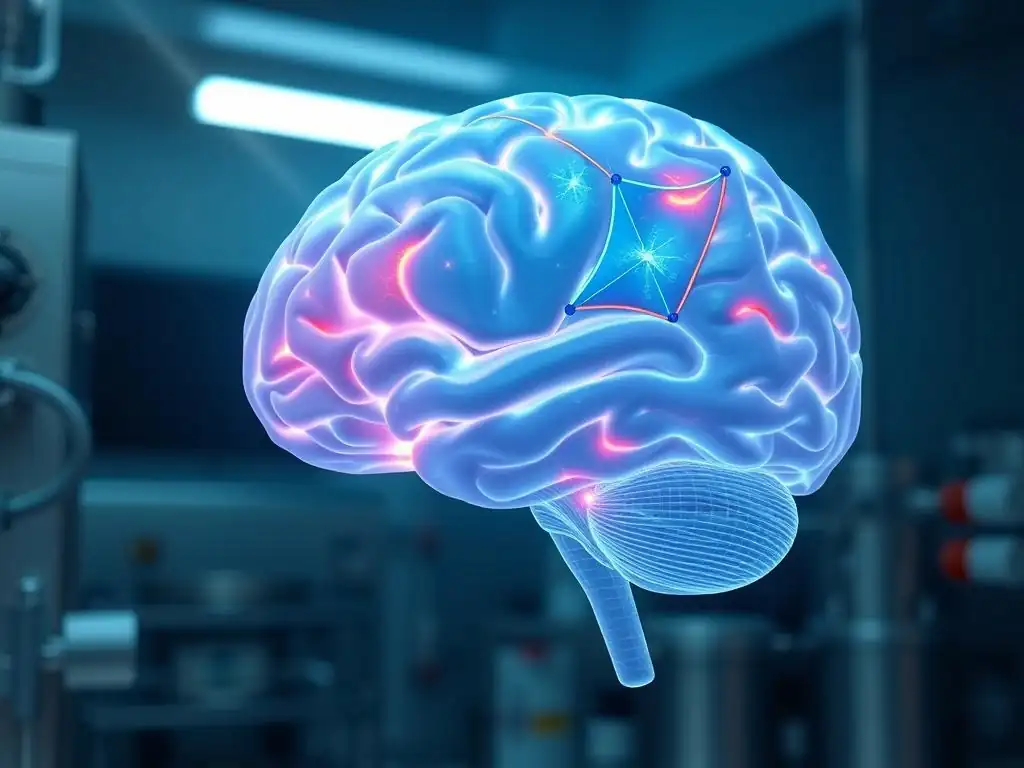
Welcome to Mind Care Guide, a sanctuary for understanding and nurturing your mental well-being.
Feeling lost in the complex landscape of mental health? You're not alone. We delve into the cutting-edge research that's reshaping our understanding of the brain and its connection to our emotional lives. This week, we're asking a crucial question: Can we predict mental health outcomes by measuring neuroinflammation? Discover how this fascinating area of neuroscience could revolutionize early diagnosis and treatment, and what it means for your future mental well-being. Dive in and explore the potential of Neuroinflammation mental health prediction.
Can We Predict Alzheimer's Disease Progression by Measuring Amyloid and Tau?
- Introduction: Amyloid, Tau, and Alzheimer's Disease Prediction
- Amyloid and Tau: Hallmarks of Alzheimer's Pathology
- Measuring Amyloid and Tau: Current Methods and Technologies
- Can Amyloid and Tau Levels Predict Alzheimer's Disease Progression?
- The Potential of Amyloid and Tau Biomarkers for Early Intervention
- Challenges and Limitations in Amyloid and Tau Research for Alzheimer's Disease Prediction
- Future Directions: Advancing Amyloid and Tau-Based Alzheimer's Disease Prediction
- Conclusion: Amyloid and Tau as Potential Predictive Tools for Alzheimer's Disease
-
Frequently Asked Questions
- How does neuroinflammation relate to mental health?
- What is "Neuroinflammation mental health prediction" trying to achieve?
- What methods are used to measure neuroinflammation in relation to mental health?
- What are the potential benefits of predicting mental health outcomes through neuroinflammation?
- Are there any limitations to using neuroinflammation for mental health prediction currently?
- Final Reflection: The Dawn of Precision Mental Healthcare
- Unlock Your Brain's Potential: Take Charge of Your Mental Wellbeing
Introduction: Amyloid, Tau, and Alzheimer's Disease Prediction
Understanding the Link Between Amyloid, Tau, and Cognitive Decline
Amyloid-beta plaques and tau tangles are considered the pathological hallmarks of Alzheimer's disease (AD). Research over several decades has firmly established a link between the accumulation of these misfolded proteins in the brain and the progressive decline in cognitive function observed in individuals with AD.
Amyloid-beta aggregates first, often years or even decades before symptoms appear, while tau pathology typically emerges later and correlates more closely with the severity of cognitive impairment. Studies using PET imaging, for instance, have shown that individuals with significant amyloid burden but no cognitive symptoms (often termed preclinical AD) are at a substantially higher risk of developing mild cognitive impairment (MCI) and eventually dementia compared to those without amyloid accumulation.
The precise mechanisms by which amyloid and tau lead to neuronal dysfunction and death are still being unraveled, but evidence suggests a complex interplay. Amyloid accumulation is thought to initiate a cascade of events, including inflammation and synaptic dysfunction, which then promotes the spread and aggregation of hyperphosphorylated tau protein.
This tau pathology disrupts cellular transport systems within neurons, leading to synaptic loss and neuronal death, particularly in regions critical for memory and cognition like the hippocampus and cerebral cortex. Longitudinal studies, such as those from the Alzheimer's Disease Neuroimaging Initiative (ADNI), track participants over time, demonstrating that increasing levels of amyloid and tau biomarkers, measured through cerebrospinal fluid (CSF) or PET scans, correspond with observed declines in memory, executive function, and other cognitive abilities.
For example, ADNI data has indicated that individuals with high levels of both amyloid and tau biomarkers at baseline show faster rates of cognitive decline than those with only high amyloid or neither.
The Promise of Early Prediction in Alzheimer's Disease Management
Predicting Alzheimer's disease progression at its earliest stages holds immense promise for future clinical management and therapeutic interventions. Currently, AD is often diagnosed when significant cognitive impairment is already present, meaning substantial neurodegeneration has likely occurred. The ability to identify individuals at high risk or in the very early, presymptomatic stages of the disease could allow for interventions – once effective ones are available – to be initiated before widespread irreversible brain damage takes place. This shift from late diagnosis to early prediction could fundamentally change the trajectory of the illness for millions globally.
Furthermore, early prediction using amyloid and tau biomarkers could significantly impact clinical trials. Currently, recruiting participants for trials targeting early AD or prevention is challenging and requires large sample sizes and long follow-up periods.
Biomarker-based prediction allows for the selection of individuals who are most likely to progress to symptomatic AD within a shorter timeframe, making trials more efficient and cost-effective. For example, trials for anti-amyloid therapies have increasingly relied on PET or CSF amyloid positivity as an inclusion criterion.
While some early anti-amyloid drugs showed limited clinical benefit, potentially due to being administered too late in the disease process, newer agents like lecanemab and donanemab, which target amyloid and have shown modest benefits in early symptomatic AD, were tested in populations confirmed to have amyloid pathology, highlighting the critical role of these biomarkers in trial design and patient selection. The potential for accurate Alzheimer's prediction based on these biomarkers is a major focus of current research.
Amyloid and Tau: Hallmarks of Alzheimer's Pathology
Defining Amyloid Plaques and Tau Tangles: The Brain's Protein Aggregates
Amyloid plaques are extracellular deposits primarily composed of amyloid-beta (Aβ) peptides. These peptides are fragments generated from the cleavage of a larger protein called Amyloid Precursor Protein (APP), which is normally found in the cell membranes of neurons and other cells. In AD, there is abnormal processing of APP, leading to an overproduction or inefficient clearance of Aβ peptides, particularly the sticky Aβ42 form.
These peptides misfold and aggregate, first into small soluble oligomers (which are highly toxic to synapses) and then into larger, insoluble fibrils that cluster together to form the characteristic amyloid plaques found in the spaces between neurons in the brain. These plaques are widespread in the cerebral cortex and other brain regions in individuals with AD.
Tau tangles, also known as neurofibrillary tangles (NFTs), are intracellular aggregates composed of hyperphosphorylated tau protein. Tau is a normal protein primarily found in neurons, where it plays a crucial role in stabilizing microtubules, which are part of the cell's internal scaffolding and transport system. In AD, tau becomes abnormally phosphorylated, causing it to detach from microtubules and aggregate into insoluble filaments.
These filaments twist together to form helical structures that accumulate inside the neuron, disrupting its function and eventually leading to cell death. Tau pathology typically begins in the medial temporal lobe (including the hippocampus) and then spreads to other brain regions, such as the neocortex, in a pattern that corresponds with the progression of cognitive symptoms. The density and distribution of tau tangles correlate much more strongly with the severity of dementia than amyloid plaque burden.
How Amyloid and Tau Impact Brain Function and Cognitive Health
The accumulation of amyloid plaques and tau tangles profoundly disrupts normal brain function, leading to the cognitive decline characteristic of Alzheimer's disease. Amyloid-beta oligomers, the small soluble aggregates, are particularly toxic to synapses, the junctions between neurons where communication occurs. They impair synaptic plasticity, the ability of synapses to strengthen or weaken over time, which is essential for learning and memory. Amyloid plaques themselves can also trigger inflammatory responses from glial cells (like microglia and astrocytes), leading to chronic neuroinflammation that further damages neurons and synapses.
Tau pathology directly interferes with neuronal health by disrupting the cytoskeleton and intracellular transport. When tau detaches from microtubules and aggregates, it impairs the movement of essential molecules and organelles within the neuron. This breakdown in transport machinery leads to synaptic dysfunction and eventually neuronal death.
The spread of tau pathology throughout the brain correlates strongly with the progressive loss of neurons and synapses in critical cognitive areas. For example, the accumulation of tau in the hippocampus severely impairs the ability to form new memories, while its spread to cortical areas affects language, executive function, and other higher-level cognitive abilities. The combined assault of amyloid and tau on synapses and neurons is the primary driver of cognitive impairment in AD.
The Role of Amyloid and Tau in Alzheimer's Disease Research
Amyloid and tau have served as central targets and biomarkers in Alzheimer's disease research for decades. The "amyloid cascade hypothesis," which posits that amyloid-beta accumulation is the initial trigger for the disease, has driven much of the therapeutic development effort, particularly focusing on clearing amyloid from the brain.
Hundreds of clinical trials have tested drugs aimed at reducing amyloid production, preventing aggregation, or enhancing clearance. While many early trials failed, recent results with antibodies like lecanemab and donanemab, which effectively remove amyloid plaques and show modest clinical benefit in early AD, provide validation for targeting amyloid, albeit highlighting the complexity of the disease and the need for early intervention.
Similarly, research into tau pathology has intensified, recognizing its strong correlation with clinical symptoms. Efforts are underway to develop therapies that prevent tau aggregation, reduce its spread, or enhance its clearance.
Tau imaging agents for PET scans have been developed, allowing researchers to visualize tau pathology in living individuals and track its progression, providing invaluable tools for understanding the disease and evaluating the effectiveness of potential tau-targeting therapies. Furthermore, the study of how amyloid deposition influences tau spread is a key area of research, providing insights into the complex interplay between these two proteins and informing strategies for Alzheimer's prediction and treatment.
Measuring Amyloid and Tau: Current Methods and Technologies
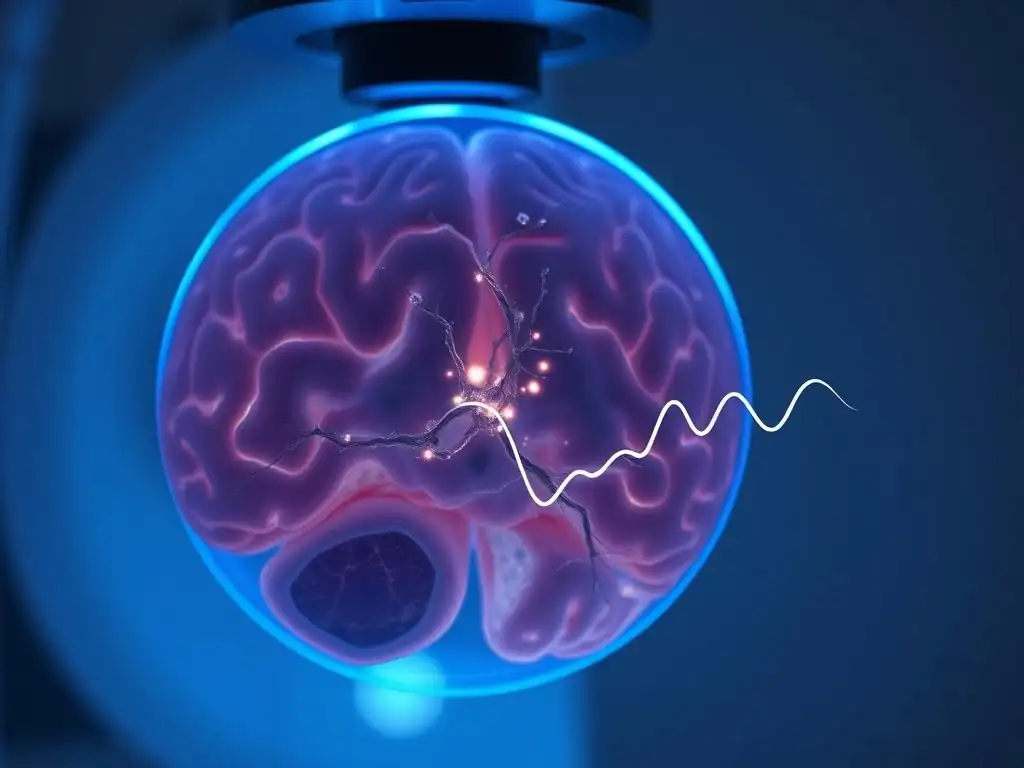
Brain Imaging Techniques for Detecting Amyloid and Tau (PET, MRI)
Positron Emission Tomography (PET) imaging is a powerful technique used to visualize and quantify amyloid plaques and tau tangles in the living human brain. Amyloid PET tracers, such as Florbetapir, Florbetaben, and Flutemetamol, bind specifically to amyloid-beta fibrils, allowing clinicians and researchers to determine the presence and distribution of amyloid plaques.
A positive amyloid PET scan indicates significant amyloid burden and is a strong indicator of underlying AD pathology, even in individuals who are cognitively normal or have only mild symptoms. While amyloid PET is primarily qualitative or semi-quantitative, it is widely used in research and increasingly in clinical settings to aid in differential diagnosis.
Tau PET imaging is a more recent development, with tracers like Flortaucipir, MK-6240, and GTP1. These tracers bind to aggregated tau protein, allowing visualization of the spatial pattern and burden of neurofibrillary tangles. Unlike amyloid, tau pathology typically follows a predictable pattern of spread that correlates with cognitive decline, making tau PET particularly valuable for assessing disease stage and predicting future progression.
Magnetic Resonance Imaging (MRI), while not directly visualizing amyloid or tau proteins, provides structural information about the brain, such as brain volume and cortical thickness. Measures of brain atrophy, particularly in the hippocampus and other medial temporal lobe structures, are strongly associated with AD progression and can complement PET findings, providing a more complete picture of the neurodegenerative process. For instance, studies often combine amyloid PET, tau PET, and structural MRI data to track the disease's impact over time.
Cerebrospinal Fluid Biomarkers: Identifying Protein Signatures
Cerebrospinal fluid (CSF), the fluid surrounding the brain and spinal cord, provides another window into the biochemical changes occurring in the brain in Alzheimer's disease. Specific CSF biomarkers reflect the levels of amyloid-beta and tau proteins. In individuals with AD pathology, levels of Aβ42 (the sticky form of amyloid-beta) in CSF are typically decreased because the peptide is aggregating and being deposited into plaques in the brain rather than remaining soluble in the CSF. Conversely, levels of total tau (t-tau) and phosphorylated tau (p-tau) in CSF are usually increased, reflecting neuronal injury and the pathological hyperphosphorylation of tau.
Measuring these CSF biomarkers involves a lumbar puncture (spinal tap) to collect a small sample of fluid. While more invasive than imaging, CSF analysis offers quantitative measures of these protein abnormalities. For example, a classic CSF profile indicative of AD pathology includes low CSF Aβ42 and high CSF t-tau and p-tau.
Research studies have shown that these CSF biomarkers can detect AD pathology years before the onset of clinical symptoms. In the ADNI cohort, for instance, individuals with this 'AD signature' in their CSF had a significantly higher rate of conversion from MCI to AD dementia compared to those with normal CSF profiles. CSF biomarkers are valuable tools for research, clinical trials, and increasingly, as diagnostic aids in clinical practice, especially in cases where the diagnosis is uncertain.
Challenges in Accurately Measuring Amyloid and Tau Burden
Despite significant advancements, accurately measuring amyloid and tau burden presents several challenges. For PET imaging, factors such as tracer availability, cost, and the need for specialized equipment and expertise limit widespread accessibility. Furthermore, interpreting scans can sometimes be complex, with potential for off-target binding of tracers or variability in signal intensity. For amyloid PET, distinguishing between diffuse and neuritic plaques can be difficult, and not all amyloid accumulation leads to clinical symptoms. Tau PET tracers are still evolving, and some have limitations in detecting early tau pathology or distinguishing AD-related tau from other tauopathies.
CSF biomarker measurement also faces challenges, including the invasive nature of lumbar puncture, which can deter some individuals. Standardization of laboratory protocols and assays is crucial but has been a historical challenge, leading to variability in results between different centers. Pre-analytical factors, such as sample collection, handling, and storage, can also impact biomarker levels.
While blood-based biomarkers for amyloid and tau are an active area of research and show promise for less invasive screening, they are not yet as established or accurate as PET or CSF for definitively quantifying brain amyloid and tau burden, though progress is rapid with markers like p-tau217 showing high accuracy. These limitations highlight the ongoing need for improved, standardized, and more accessible methods for measuring these key Alzheimer's disease biomarkers.
Can Amyloid and Tau Levels Predict Alzheimer's Disease Progression?
Research Studies Linking Amyloid and Tau to Cognitive Trajectories
Numerous research studies have investigated the predictive value of amyloid and tau biomarkers for future cognitive trajectories. Large longitudinal cohorts, such as the Alzheimer's Disease Neuroimaging Initiative (ADNI), the Australian Imaging, Biomarkers and Lifestyle Study of Ageing (AIBL), and the Dominantly Inherited Alzheimer Network (DIAN), have provided critical data.
These studies track individuals ranging from cognitively normal to those with dementia, collecting biomarker data (PET, CSF) and performing detailed cognitive assessments over several years. Findings consistently demonstrate that the presence of amyloid pathology, often detected by amyloid PET or low CSF Aβ42, predicts a higher likelihood of future cognitive decline.
However, the presence of tau pathology, typically measured by tau PET or elevated CSF p-tau, appears to be an even stronger predictor of the rate and severity of cognitive decline once symptoms begin. For instance, data from ADNI has shown that among individuals with MCI, those who are positive for both amyloid and tau biomarkers are significantly more likely to progress to AD dementia within a few years compared to those who are only amyloid positive or biomarker negative.
A study published in JAMA Neurology in 2018 using ADNI data found that tau PET signal in specific brain regions (like the temporal lobe) was a stronger predictor of concurrent and future cognitive impairment than amyloid PET signal.
These studies collectively support the idea that amyloid initiates the pathological cascade, but tau pathology is a more direct driver of synaptic dysfunction and neurodegeneration, and thus a better predictor of the rate of cognitive decline.
Amyloid and Tau as Predictors of Cognitive Decline Rate
While amyloid positivity predicts the likelihood of future decline, tau burden is often a better predictor of the rate of cognitive decline. Studies using longitudinal data have shown that individuals with higher levels of tau pathology, particularly in neocortical regions, experience faster rates of memory loss and overall cognitive deterioration. For example, research utilizing tau PET has demonstrated that the rate of accumulation of tau in specific brain areas correlates significantly with the speed at which individuals lose performance on cognitive tests.
Amyloid's role in predicting the rate of decline is less direct but still important. Amyloid accumulation is thought to create an environment that promotes tau pathology. In individuals who are amyloid positive, the presence and spread of tau pathology seem to accelerate the decline.
Some studies suggest that in the preclinical phase (amyloid positive but cognitively normal), the onset of tau pathology is the critical event that triggers measurable cognitive decline. Therefore, while amyloid status can identify individuals at risk, tau burden provides more specific information about how quickly that risk is likely to translate into observable cognitive impairment, making tau a key factor in predicting the speed of Alzheimer's prediction trajectories.
Amyloid, Tau, and the Risk of Conversion to Alzheimer's Disease
Both amyloid and tau biomarkers are significant predictors of the risk of converting from a cognitively normal state or from mild cognitive impairment (MCI) to clinical Alzheimer's disease dementia. Numerous studies have established that individuals who are amyloid-positive, as measured by PET or CSF, have a substantially elevated risk of future cognitive decline and dementia compared to their amyloid-negative counterparts.
For example, a meta-analysis of multiple studies estimated that approximately 20-30% of cognitively normal individuals with amyloid positivity will progress to dementia within 5 years, compared to a much lower rate (around 1-2%) in amyloid-negative individuals of the same age group.
The predictive power is further enhanced when tau pathology is also considered. Individuals with both amyloid and tau pathology (often referred to as "double positive") have the highest risk of imminent cognitive decline and conversion to AD dementia. Studies have shown that the presence of elevated CSF p-tau or a positive tau PET scan significantly increases the risk of progression in individuals who are already amyloid positive.
In the ADNI cohort, individuals with MCI who were positive for both amyloid and tau biomarkers had an annual conversion rate to AD dementia of around 25-30%, whereas those with only amyloid positivity converted at a lower rate (around 10-15%), and those who were biomarker negative had a minimal conversion rate (less than 5%). These findings underscore the value of combined amyloid and tau assessment for accurately predicting the risk of developing clinical AD.
Amyloid, Tau, and Brain Atrophy in Alzheimer's Disease
Amyloid and tau pathology are intrinsically linked to structural changes in the brain, particularly brain atrophy (shrinkage), which can be measured using structural MRI. Amyloid accumulation is thought to precede significant atrophy, while tau pathology is more closely associated with the severity and pattern of neuronal loss and shrinkage. Studies have shown that amyloid deposition is associated with subtle changes in brain volume, even in cognitively normal individuals, possibly reflecting early synaptic dysfunction or inflammatory processes.
Tau pathology, however, shows a stronger correlation with regional brain atrophy, especially in areas critical for memory like the hippocampus and medial temporal lobe. As tau tangles spread, they cause widespread neuronal dysfunction and death, leading to measurable shrinkage of brain tissue. Longitudinal MRI studies consistently show that individuals with higher tau burden, as measured by PET or CSF p-tau, experience faster rates of brain volume loss in characteristic AD regions.
This atrophy correlates strongly with declining cognitive function. Therefore, combining amyloid and tau biomarker information with structural MRI measures of brain atrophy provides a more comprehensive picture of the stage and severity of the neurodegenerative process, enhancing the ability to predict future cognitive decline and overall Alzheimer's prediction.
The Potential of Amyloid and Tau Biomarkers for Early Intervention
Identifying At-Risk Individuals Through Amyloid and Tau Screening
The ability to accurately measure amyloid and tau burden opens up possibilities for identifying individuals at high risk for Alzheimer's disease before the onset of significant cognitive symptoms. Screening for amyloid positivity, particularly in individuals reporting subjective cognitive concerns or those with a family history of AD, could identify a population enriched for preclinical AD. While not everyone with amyloid will develop AD dementia within a specific timeframe, amyloid positivity indicates the presence of underlying AD pathology and a significantly elevated risk.
Further stratification of these amyloid-positive individuals based on their tau status (using CSF p-tau or tau PET) can pinpoint those at highest risk of imminent decline. This multi-biomarker approach allows for the identification of individuals who are in the early stages of the pathological cascade and are most likely to benefit from potential preventative or disease-modifying therapies aimed at the underlying biology.
For instance, individuals who are amyloid positive and have evidence of spreading tau pathology might be ideal candidates for trials testing therapies designed to slow tau aggregation or spread, representing a key strategy for future Alzheimer's prediction and intervention.
Personalized Treatment Strategies Based on Amyloid and Tau Profiles
As our understanding of the heterogeneity of Alzheimer's disease grows, the concept of personalized medicine is becoming increasingly relevant. Biomarkers like amyloid and tau can play a crucial role in tailoring treatment strategies. For example, therapies designed to clear amyloid plaques, such as monoclonal antibodies, are most likely to be effective in individuals who actually have significant amyloid burden. Administering these expensive and potentially risky treatments to individuals without amyloid pathology would be inappropriate and ineffective.
Similarly, as tau-targeting therapies become available, biomarkers of tau pathology will be essential for identifying the right patients. Individuals with significant tau burden, particularly in regions correlating with their specific cognitive deficits, might be better candidates for tau-focused interventions. Furthermore, some individuals may have cognitive impairment driven by pathologies other than AD (e.g., vascular disease, Lewy bodies). Biomarker profiles can help differentiate AD from these other conditions, ensuring that individuals receive the most appropriate treatment for their specific underlying disease, optimizing the potential for effective Alzheimer's prediction and management.
The Future of Amyloid and Tau-Targeted Therapies for Alzheimer's Disease
The landscape of Alzheimer's disease therapeutics is evolving rapidly, with many investigational drugs targeting amyloid and tau pathology. The recent conditional approval of lecanemab by the FDA, an antibody that clears amyloid plaques, represents a significant step forward, as it demonstrated a modest slowing of cognitive decline in individuals with early symptomatic AD and confirmed amyloid pathology. Other anti-amyloid antibodies, like donanemab, have also shown similar effects. These developments underscore the importance of amyloid as a therapeutic target and highlight the necessity of confirming amyloid pathology using biomarkers before treatment.
Beyond amyloid clearance, numerous therapies targeting tau are in various stages of development, including active and passive immunotherapies aimed at clearing tau aggregates, and small molecules designed to prevent tau phosphorylation or aggregation. The success of these future therapies will likely rely heavily on the accurate identification of patients with significant and progressive tau pathology using biomarkers.
The combination of therapies targeting both amyloid and tau, potentially administered at different stages of the disease based on biomarker profiles, is also a promising area of research. The ability to accurately measure amyloid and tau is therefore fundamental to the success of future disease-modifying treatments and the realization of effective Alzheimer's prediction and intervention.
Challenges and Limitations in Amyloid and Tau Research for Alzheimer's Disease Prediction

The Complexity of Alzheimer's Disease Pathophysiology
While amyloid and tau are central to Alzheimer's disease, they do not fully explain the disease's complexity. AD is a multi-faceted neurodegenerative disorder involving numerous other pathological processes, including neuroinflammation, vascular dysfunction, synaptic loss, and proteinopathies involving other proteins like alpha-synuclein or TDP-43. These co-pathologies are common, particularly in older individuals, and can significantly influence the clinical presentation and progression of dementia.
For instance, a person might have significant amyloid and tau pathology but also substantial cerebrovascular disease. The interaction between these different pathologies can modify the clinical phenotype and the rate of cognitive decline, making prediction based solely on amyloid and tau challenging. Research is increasingly focused on understanding these complex interactions and developing biomarkers for other co-pathologies to provide a more complete picture of the disease process. Relying solely on amyloid and tau for Alzheimer's prediction might overlook important contributing factors in many individuals.
Confounding Factors Influencing Amyloid and Tau Accumulation [e.g., Age, Genetics]
Several factors can influence the accumulation and distribution of amyloid and tau, adding complexity to their use as predictive biomarkers. Age is the strongest risk factor for AD, and both amyloid and tau pathology become more prevalent with increasing age, even in the absence of clinical symptoms. Genetic factors also play a significant role. The APOE ε4 allele is the most well-established genetic risk factor for sporadic AD; individuals carrying one or two copies of APOE ε4 have a higher risk of developing AD and tend to accumulate amyloid earlier and to a greater extent than non-carriers.
Other genetic variants, identified through genome-wide association studies (GWAS), are associated with smaller but cumulative risks and can influence various aspects of AD pathogenesis, including amyloid processing, tau metabolism, and neuroinflammation. Lifestyle factors, such as education, physical activity, diet, and cardiovascular health, can also influence the risk of cognitive decline and potentially interact with amyloid and tau pathology.
For example, higher cognitive reserve, often associated with education, can allow individuals to tolerate a greater burden of AD pathology before showing clinical symptoms. These confounding factors mean that interpreting amyloid and tau biomarker levels requires considering the individual's age, genetic background, and lifestyle, complicating straightforward Alzheimer's prediction based solely on biomarker values.
Ethical Considerations in Using Amyloid and Tau for Prediction
Using amyloid and tau biomarkers for predicting Alzheimer's disease, particularly in asymptomatic individuals, raises significant ethical considerations. Currently, there is no cure or universally effective treatment to prevent or halt the progression of AD once pathology is established. Providing individuals with information about their increased risk, especially years before symptom onset, could lead to significant psychological distress, anxiety, and depression. There are also concerns about potential discrimination regarding insurance, employment, and social relationships based on biomarker status.
Furthermore, the clinical utility and cost-effectiveness of widespread biomarker screening in asymptomatic populations are still being debated. Without effective preventative therapies, the benefit of knowing one's risk must be weighed against the potential harms.
Guidelines from professional organizations emphasize that amyloid and tau testing should generally be used for diagnostic clarity in symptomatic individuals or for selecting participants for clinical trials, rather than for routine screening of asymptomatic individuals outside of a research context or specialized clinical setting with appropriate genetic counseling and support. These ethical considerations must be carefully navigated as the use of these biomarkers for Alzheimer's prediction becomes more feasible.
Future Directions: Advancing Amyloid and Tau-Based Alzheimer's Disease Prediction
Developing More Sensitive and Specific Amyloid and Tau Biomarkers
Future research is focused on developing more sensitive, specific, and accessible methods for measuring amyloid and tau. This includes improving existing PET tracers to better distinguish between different forms of tau pathology or to quantify amyloid in different brain regions more precisely. A major area of advancement is the development of blood-based biomarkers.
Highly sensitive assays, such as Simoa (Single Molecule Array), are enabling the measurement of very low concentrations of proteins in blood. Promising candidates include plasma Aβ42/Aβ40 ratios and, particularly, specific phosphorylated tau isoforms like p-tau181, p-tau217, and p-tau231, which show high correlation with brain amyloid and tau pathology and can predict progression to AD dementia with accuracy approaching that of CSF and PET.
These blood tests, if validated and standardized, could revolutionize Alzheimer's prediction by offering a less invasive, less expensive, and more scalable screening tool than PET or CSF. While they may not fully replace imaging or CSF for definitive diagnosis or quantification of burden in specific brain regions, they could serve as effective pre-screeners to identify individuals who would benefit from more definitive testing. Continued development of these blood tests and other novel biomarkers (e.g., targeting synaptic dysfunction or neuroinflammation) is crucial for improving the accuracy and accessibility of Alzheimer's prediction.
Integrating Amyloid and Tau Data with Other Clinical and Genetic Information
The most accurate prediction of Alzheimer's disease progression will likely come from integrating amyloid and tau biomarker data with other relevant clinical and biological information. This includes structural and functional neuroimaging (MRI, fMRI), measures of cognitive performance, genetic risk factors (like APOE genotype), and potentially biomarkers of other co-pathologies (e.g., vascular markers, inflammatory markers). Advanced analytical techniques, such as machine learning and artificial intelligence, are being employed to build predictive models that combine these diverse data sources.
These integrated models can potentially provide more personalized risk assessments and predict future cognitive trajectories with greater accuracy than relying on any single type of information. For instance, a model might combine amyloid PET status, tau PET burden in specific regions, APOE genotype, age, and baseline cognitive scores to estimate an individual's probability of progressing to AD dementia within a certain timeframe. Research is actively exploring how best to combine these data points to improve the precision of Alzheimer's prediction and identify individuals who might benefit most from early intervention strategies.
Longitudinal Studies Tracking Amyloid, Tau, and Cognitive Outcomes
Continued investment in large-scale, long-term longitudinal studies is essential for refining amyloid and tau-based Alzheimer's prediction. Studies like ADNI, AIBL, and future initiatives that follow diverse populations over many years, collecting repeated measures of biomarkers (including emerging blood tests), detailed cognitive assessments, and clinical outcomes, provide the necessary data to understand the natural history of AD pathology and its relationship with cognitive decline.
These studies allow researchers to track the dynamic changes in amyloid and tau levels over time, correlate these changes with the trajectory of cognitive function and brain atrophy, and validate the predictive accuracy of different biomarkers and models. They also provide crucial cohorts for testing the effectiveness of preventative and disease-modifying therapies. Data from these longitudinal studies are fundamental to developing and validating increasingly accurate tools for Alzheimer's prediction and ultimately translating research findings into clinical practice to benefit individuals at risk.
Conclusion: Amyloid and Tau as Potential Predictive Tools for Alzheimer's Disease
The Significance of Amyloid and Tau in Understanding Alzheimer's Disease
Amyloid-beta plaques and tau tangles are undeniably central to the pathology of Alzheimer's disease. Decades of research have established their roles as key drivers of neurodegeneration and cognitive decline. The ability to measure the accumulation of these proteins in the living brain and in cerebrospinal fluid has provided unprecedented insights into the disease process, allowing researchers to study its progression from the earliest, even preclinical, stages.
These biomarkers have transformed AD research, providing objective measures of the underlying pathology and serving as essential tools for patient selection and outcome monitoring in clinical trials. Their significance lies not just in their diagnostic potential but in their power to unveil the sequence of events leading to dementia.
Understanding the relationship between amyloid, tau, and cognitive decline has fundamentally changed our conceptualization of AD, moving it from a diagnosis solely based on clinical symptoms to one rooted in specific biological changes in the brain. While the full complexity of AD involves more than just amyloid and tau, these proteins remain the most validated and widely used biomarkers for identifying the presence of AD pathology and are critical components of current research and clinical diagnostic frameworks.
The Road Ahead: Translating Research into Clinical Practice
Translating the predictive power of amyloid and tau biomarkers from research settings into routine clinical practice faces several hurdles. These include the cost and accessibility of PET imaging and CSF analysis, the need for standardized protocols across different clinical centers, and the ethical considerations of providing predictive information in the absence of highly effective preventative treatments. Furthermore, clinicians need training on how to appropriately use and interpret these biomarkers, and clear guidelines are necessary to ensure their responsible application.
The development of accurate and accessible blood-based biomarkers for amyloid and tau holds significant promise for facilitating this translation, potentially enabling broader screening and earlier identification of individuals at risk. However, these blood tests still require further validation and standardization before widespread clinical adoption. The journey from a research discovery to a clinically useful tool for Alzheimer's prediction is complex, requiring ongoing collaboration between researchers, clinicians, diagnostic companies, regulatory bodies, and patient advocacy groups.
Amyloid, Tau, and Alzheimer's Disease Prediction: Hope for Earlier and More Effective Interventions
The potential for using amyloid and tau biomarkers to predict Alzheimer's disease progression offers significant hope for the future of AD management. By identifying individuals at high risk or in the very early stages of the disease, clinicians may eventually be able to intervene earlier with therapies designed to slow or halt the pathological process. This shift towards earlier, more personalized interventions based on an individual's specific biomarker profile could dramatically improve outcomes compared to current approaches that primarily focus on managing symptoms late in the disease course.
While challenges remain in terms of accessibility, standardization, and ethical considerations, the rapid advancements in biomarker development and our growing understanding of AD pathophysiology are paving the way for a future where accurate Alzheimer's prediction is a reality. This predictive capability, coupled with the development of effective disease-modifying therapies targeting amyloid, tau, and potentially other pathologies, holds the promise of transforming Alzheimer's disease from an inevitably progressive and devastating condition into a more manageable one, offering renewed hope for patients and their families.
Frequently Asked Questions
How does neuroinflammation relate to mental health?
Neuroinflammation, or inflammation in the brain, is increasingly linked to various mental health conditions. It can disrupt normal brain function, potentially contributing to the development or worsening of mental health symptoms.
What is "Neuroinflammation mental health prediction" trying to achieve?
The goal of "Neuroinflammation mental health prediction" is to use measurements of neuroinflammation as biomarkers to identify individuals at risk or predict the course of their mental health condition. This could lead to earlier interventions and more personalized treatments.
What methods are used to measure neuroinflammation in relation to mental health?
Researchers employ several methods, including brain imaging techniques like PET scans and MRI, to detect inflammation markers. They also analyze cerebrospinal fluid and blood samples for inflammatory molecules, offering insights into brain health.
What are the potential benefits of predicting mental health outcomes through neuroinflammation?
Predicting mental health outcomes could revolutionize treatment, allowing for proactive interventions before symptoms become severe. It also opens doors for developing targeted therapies specifically designed to reduce neuroinflammation and improve mental well-being.
Are there any limitations to using neuroinflammation for mental health prediction currently?
Yes, the research is still evolving. There's a need for standardized measurement techniques and a better understanding of the complex relationship between neuroinflammation and specific mental health conditions. Further research is crucial.
Final Reflection: The Dawn of Precision Mental Healthcare
The intricate link between neuroinflammation and mental health outcomes is no longer a theoretical concept; it's a rapidly evolving field with the potential to revolutionize diagnosis and treatment. Understanding the measurable markers of neuroinflammation offers a powerful pathway towards more precise, personalized mental healthcare, moving beyond broad diagnostic categories to a future of targeted interventions. This represents a significant leap forward in our ability to predict and manage mental illness.
The implications of this research extend far beyond the laboratory, impacting the very fabric of our understanding of mental health. The stigma surrounding mental illness often stems from a lack of understanding and the inability to pinpoint its root causes. By providing objective, measurable indicators, the study of neuroinflammation helps to destigmatize mental illness by framing it within a biological context. The mind is not separate from the body; it is an expression of its intricate workings.
This understanding is crucial in fostering empathy and promoting effective support systems.
The journey towards precision mental healthcare is ongoing, but the research presented here offers a beacon of hope. You, the reader, are now equipped with a deeper understanding of the potential of neuroinflammation research. Consider how this knowledge might influence your own perspective on mental health, whether personally or professionally. Engage in conversations, advocate for further research, and remember that every step towards understanding the complexities of the brain brings us closer to a future where mental illness is effectively prevented, diagnosed, and treated.
Unlock Your Brain's Potential: Take Charge of Your Mental Wellbeing
Thanks for exploring the fascinating connection between neuroinflammation and mental health with us! We hope you gained valuable insights into this complex area. Now, let's put that knowledge into action.
- Prioritize brain-boosting habits: Start incorporating simple yet powerful changes into your daily routine, like regular exercise, a balanced diet, and mindful stress management techniques. This is the most impactful step you can take towards better mental wellbeing.
- Share your thoughts: Have your own experiences or insights on neuroinflammation and mental health? We'd love to hear them! Share your comments below to spark a conversation and help others learn.
- Dive Deeper: Explore MindCareGuide.org for more articles on holistic brain health and discover additional strategies to support your mental wellbeing.
What small change will you make today to nurture your brain's health and unlock its potential?