
How Childhood Experiences Can Shape Adult Neurotransmitter Pathways


Welcome to Mind Care Guide, your sanctuary for understanding and nurturing mental well-being.
Are you curious about how the past can shape your present? Dive into our latest article to explore the intricate connection between childhood experiences and your brain's delicate chemical messengers. Understand how childhood trauma impacts neurotransmitters and discover pathways towards healing and resilience. Let's unravel this crucial link together, starting now.
- How Adverse Childhood Experiences Shape Adult Neurotransmitter Pathways: A Guide
- The Developing Brain: Foundation for Neurotransmitter Function
- Key Neurotransmitter Systems Affected by Adverse Childhood Experiences (ACEs)
- Specific Childhood Experiences and Their Effects on Neurotransmitter Development
- Long-Term Consequences: Neurotransmitter Dysregulation and Mental Health
- Understanding the Science: Research and Evidence
-
Strategies for Healing and Recovery: Addressing Neurotransmitter Imbalances
- Therapy and Counseling: Trauma-Focused Cognitive Behavioral Therapy (TF-CBT) and Eye Movement Desensitization and Reprocessing (EMDR)
- Medication: Selective Serotonin Reuptake Inhibitors (SSRIs) and Serotonin-Norepinephrine Reuptake Inhibitors (SNRIs)
- Lifestyle Changes: Diet, Exercise, and Mindfulness
- Building Resilience: Fostering Healthy Coping Mechanisms
- Conclusion: Promoting Healthy Brain Development
-
Frequently Asked Questions
- How does childhood trauma affect neurotransmitters?
- Which neurotransmitters are most commonly impacted by childhood trauma?
- What are the long-term effects of childhood trauma on neurotransmitter pathways?
- Can the impact of childhood trauma on neurotransmitters be reversed?
- How can I find resources to help address the impact of childhood trauma on my mental well-being?
- Final Reflection: The Enduring Legacy of Childhood – Rewiring Our Futures
- Unlock Your Brain's Potential: Shape Your Neurochemistry
How Adverse Childhood Experiences Shape Adult Neurotransmitter Pathways: A Guide
Understanding the Link Between Early Experiences and Mental Well-being
The foundation of our mental and emotional health is significantly influenced by our early life experiences. The brain, particularly in childhood and adolescence, is incredibly malleable, undergoing rapid development and forming intricate neural connections. These formative years lay the groundwork for how we process information, regulate emotions, and interact with the world.
Research consistently shows that the quality of early relationships and environments profoundly impacts the architecture of the developing brain, including the complex networks of neurotransmitters that govern mood, behavior, and cognitive function. Understanding this critical link is vital for appreciating the long-term effects of early life events on adult mental well-being.
Adverse childhood experiences (ACEs), such as neglect, abuse, or household dysfunction, can disrupt this delicate developmental process. This disruption doesn't just affect psychological states; it has tangible biological consequences, altering brain structure and, crucially, the function of neurotransmitter systems. The impact of childhood trauma on neurotransmitters is a significant area of study, revealing how early adversity can create vulnerabilities that persist into adulthood, contributing to a range of mental health challenges. Recognizing this connection is the first step toward developing effective interventions and support systems for individuals who have experienced trauma in their formative years.
Adverse Childhood Experiences (ACEs) and Neurotransmitters
Adverse Childhood Experiences (ACEs) encompass a range of potentially traumatic events that occur before the age of 18. These include experiencing violence, abuse, or neglect; witnessing violence in the home; and growing up in a household with substance misuse, mental health problems, or instability due to parental separation or incarceration. The cumulative stress and trauma associated with ACEs can overwhelm a child's developing stress response system, leading to dysregulation of key biological processes, including the production, release, and reuptake of neurotransmitters.
The biological embedding of childhood trauma impacts neurotransmitters like serotonin, dopamine, norepinephrine, GABA, and glutamate, which are essential for regulating mood, stress, learning, and social behavior. Chronic exposure to high levels of stress hormones, such as cortisol, triggered by ACEs, can alter the sensitivity and density of receptors for these neurotransmitters in critical brain regions like the prefrontal cortex, hippocampus, and amygdala. This fundamental alteration in brain chemistry during crucial developmental windows can contribute to the development of various mental health conditions later in life, highlighting the profound and lasting effects of early adversity.
The Developing Brain: Foundation for Neurotransmitter Function
Brain Plasticity and Critical Periods in Early Development
The human brain exhibits remarkable plasticity, the ability to change and adapt based on experience. This plasticity is particularly pronounced during childhood and adolescence, a period marked by rapid synaptogenesis (formation of new connections) and synaptic pruning (elimination of less used connections). These processes are heavily influenced by environmental input, shaping the neural circuits that support cognitive, emotional, and social functions. Certain periods during early development are considered 'critical' or 'sensitive' because the brain is maximally responsive to specific types of experiences, and the effects of these experiences can have lasting impacts.
During these critical periods, the developing neurotransmitter systems are highly susceptible to environmental influences. For example, the establishment of healthy serotonin pathways, crucial for mood regulation, is significantly shaped by early social interactions and emotional environments. Similarly, the development of the dopamine system, involved in reward and motivation, is influenced by early experiences of pleasure and positive reinforcement. Disruption during these sensitive windows due to adverse experiences can permanently alter the trajectory of neurotransmitter development, making the individual more vulnerable to dysregulation in adulthood.
How Early Experiences Influence Brain Structure and Function
Early experiences, both positive and negative, directly influence the structural development of the brain. Nurturing environments, characterized by stable and responsive caregiving, promote the healthy growth of areas like the hippocampus (involved in memory and stress regulation) and the prefrontal cortex (responsible for executive functions and emotional control). Conversely, adverse experiences, such as chronic stress or neglect, can impede the development of these regions and even lead to reduced volume in areas like the hippocampus, as observed in some studies of individuals with extensive childhood trauma.
Beyond structure, early experiences profoundly affect brain function by shaping neural circuits and the activity of neurotransmitter systems. The repeated activation of the stress response system due to ACEs can lead to an overactive amygdala (the brain's fear center) and a less responsive prefrontal cortex, impairing the ability to regulate fear and anxiety. This functional alteration is mediated by changes in neurotransmitter release and receptor activity.
For instance, chronic stress can deplete serotonin levels or alter the sensitivity of dopamine receptors, fundamentally changing how the brain processes information and responds to stimuli. This demonstrates the deep biological imprint left by childhood trauma impacting neurotransmitters and overall brain function.
Key Neurotransmitter Systems Affected by Adverse Childhood Experiences (ACEs)

Serotonin: ACEs and Serotonin Pathways
Serotonin is a crucial neurotransmitter involved in regulating mood, sleep, appetite, and social behavior. Its pathways are significantly shaped during early development. Adverse childhood experiences, particularly chronic stress and neglect, have been shown to disrupt the healthy development of serotonergic systems. Research indicates that individuals exposed to high levels of ACEs may have altered serotonin transporter gene expression or reduced serotonin receptor binding in specific brain regions, such as the limbic system and prefrontal cortex.
Studies, including those using neuroimaging, have found lower levels of serotonin metabolites in the cerebrospinal fluid of individuals with a history of childhood trauma compared to control groups. This suggests impaired serotonin synthesis or metabolism. The impact of childhood trauma on neurotransmitters like serotonin can manifest as increased vulnerability to mood disorders such as depression and anxiety, which are often associated with serotonin dysregulation. Early adversity can essentially 'wire' the brain for lower serotonin activity or responsiveness, contributing to persistent emotional difficulties.
Dopamine: ACEs and Reward Processing
Dopamine is a key neurotransmitter in the brain's reward system, motivation, pleasure, and motor control. The dopaminergic system undergoes significant development during childhood and adolescence. Adverse childhood experiences can profoundly affect this system, particularly experiences related to unpredictability, lack of positive reinforcement, or exposure to substance abuse within the family. Such experiences can alter the density and sensitivity of dopamine receptors, especially in areas like the nucleus accumbens and ventral tegmental area, core components of the reward pathway.
Research on individuals with a history of ACEs often reveals altered dopamine signaling, which can manifest as difficulties experiencing pleasure (anhedonia), impaired motivation, and an increased propensity for risk-taking behaviors or substance use disorders. For example, studies have shown that early life stress can lead to a hypersensitive or hyposensitive dopamine system, affecting how individuals perceive rewards and respond to pleasurable stimuli. This altered dopamine function is a significant way childhood trauma impacts neurotransmitters and contributes to later difficulties in motivation and reward processing.
Norepinephrine: ACEs and the Stress Response
Norepinephrine is a neurotransmitter and hormone involved in the body's 'fight or flight' response, arousal, attention, and stress regulation. The noradrenergic system is highly reactive to stress. Adverse childhood experiences, especially those involving threat or danger, can lead to chronic activation of this system, resulting in long-term changes in its function. This chronic activation can alter the sensitivity of norepinephrine receptors and the efficiency of norepinephrine reuptake mechanisms.
Individuals with a history of ACEs often exhibit a dysregulated stress response, characterized by an exaggerated or prolonged physiological reaction to stressors. This is partly mediated by changes in norepinephrine signaling. Studies have shown that early trauma can lead to increased baseline levels of norepinephrine or an amplified release in response to stress cues. This persistent state of heightened arousal and reactivity is a direct consequence of how childhood trauma impacts neurotransmitters like norepinephrine and can contribute to conditions like anxiety disorders, panic attacks, and hypervigilance in adulthood.
GABA and Glutamate: ACEs and Imbalances
GABA (gamma-aminobutyric acid) and glutamate are the primary inhibitory and excitatory neurotransmitters in the brain, respectively. They play crucial roles in regulating neuronal activity, synaptic plasticity, learning, and memory. A delicate balance between GABA and glutamate signaling is essential for healthy brain function. Adverse childhood experiences can disrupt this balance, leading to significant consequences for neural circuit stability.
Chronic stress and trauma in early life can impair GABAergic (inhibitory) function while simultaneously increasing glutamatergic (excitatory) activity, particularly in stress-sensitive brain regions like the amygdala and hippocampus. This imbalance can lead to neuronal hyperexcitability, contributing to increased anxiety, impaired fear extinction (difficulty unlearning fear responses), and even excitotoxicity (neuronal damage from excessive glutamate). Research indicates that altered levels of GABA and glutamate, or changes in their receptor expression, are frequently observed in individuals with a history of childhood trauma, illustrating another critical way childhood trauma impacts neurotransmitters and overall brain homeostasis.
Specific Childhood Experiences and Their Effects on Neurotransmitter Development
Neglect and Neurotransmitter Systems
Childhood neglect, characterized by a consistent failure to provide for a child's basic needs (physical, emotional, educational, or medical), can have profound and distinct effects on neurotransmitter development compared to active abuse. Neglect often involves a lack of necessary stimulation and interaction, which are crucial for shaping healthy neural pathways. The absence of consistent, responsive caregiving can disrupt the development of systems involved in attachment, social processing, and stress regulation.
Research suggests that early neglect can particularly impact the development of serotonin and oxytocin systems, both vital for social bonding and emotional regulation. Studies on children who experienced severe neglect, such as those in institutional settings, have shown reduced volume in brain areas like the hippocampus and amygdala, alongside alterations in neurotransmitter receptor density. This lack of essential environmental input prevents the typical 'wiring' of the brain, leading to long-term deficits in emotional regulation and social functioning, showcasing a specific way childhood trauma impacts neurotransmitters through deprivation.
Physical and Emotional Abuse and Brain Chemistry
Physical and emotional abuse in childhood involves active infliction of harm or psychological distress. These experiences often involve unpredictable and overwhelming stress, fear, and pain. The constant state of alarm triggered by abuse heavily taxes the developing stress response system, particularly involving the norepinephrine and cortisol pathways. This leads to a chronic state of hyperarousal and vigilance.
Abuse can cause significant alterations in the structure and function of the amygdala, making it hypersensitive to threat cues. This heightened reactivity is mediated by changes in neurotransmitter signaling, including increased norepinephrine release and altered glutamate activity in the amygdala. Furthermore, chronic abuse can impair the development of the prefrontal cortex, reducing its ability to regulate the amygdala and modulate emotional responses. The resulting dysregulation of stress-related neurotransmitters is a key mechanism by which childhood trauma impacts neurotransmitters, contributing to anxiety disorders, PTSD, and difficulties with emotional control in adulthood.
Witnessing Violence and Neurotransmitter Function
Witnessing violence, such as domestic violence, during childhood is a significant adverse experience that can be as traumatic as being a direct victim. Exposure to unpredictable and frightening events activates the child's stress response system similarly to direct abuse. The constant state of fear and helplessness associated with witnessing violence can profoundly affect the developing brain and its neurotransmitter systems.
Studies have shown that children who witness violence exhibit similar patterns of brain alterations to those who are directly abused, including changes in the size and activity of the amygdala and hippocampus. This exposure can lead to a persistent state of hypervigilance and an exaggerated startle response, mediated by alterations in norepinephrine and GABA systems. The impact of childhood trauma impacting neurotransmitters in this context involves the brain becoming wired to anticipate danger, leading to chronic stress and anxiety even in safe environments.
Attachment and Healthy Neurotransmitter Development
Secure attachment, formed through consistent, responsive, and nurturing caregiving, is crucial for healthy brain and neurotransmitter development. A secure attachment provides a buffer against stress and promotes the development of resilient stress response systems. Positive early interactions stimulate the release of beneficial neurochemicals like oxytocin and vasopressin, which are involved in social bonding and trust, and help regulate stress hormones.
Conversely, insecure or disorganized attachment, often a result of inconsistent or frightening caregiving associated with ACEs, disrupts the development of these crucial systems. This can lead to dysregulation of stress-related neurotransmitters, impaired social cognition, and difficulties forming healthy relationships in adulthood. The absence of a secure base prevents the optimal development of neural pathways involved in emotional regulation and social processing, demonstrating how the quality of early attachment directly influences the long-term health of neurotransmitter systems.
Long-Term Consequences: Neurotransmitter Dysregulation and Mental Health
Increased Risk of Anxiety and Depression
One of the most well-documented long-term consequences of adverse childhood experiences is an increased risk of developing anxiety and depression in adulthood. This heightened vulnerability is strongly linked to the persistent dysregulation of neurotransmitter systems established during critical developmental periods. Alterations in serotonin, norepinephrine, and GABA systems are particularly implicated.
Individuals with a history of ACEs often exhibit reduced serotonin activity or responsiveness, which is a common feature in many forms of depression. Similarly, chronic activation of the stress response system due to early trauma can lead to norepinephrine dysregulation, contributing to symptoms of anxiety, hyperarousal, and panic. The impact of childhood trauma on neurotransmitters like these creates a biological predisposition that makes individuals more susceptible to mood and anxiety disorders throughout their lives. Research shows that adults with four or more ACEs are significantly more likely to experience depression and anxiety compared to those with none.
Early Trauma and PTSD
Post-Traumatic Stress Disorder (PTSD) is strongly associated with exposure to traumatic events, and childhood trauma is a significant risk factor for developing complex PTSD or experiencing more severe and chronic symptoms. The neurobiological changes induced by early trauma, particularly in the amygdala, hippocampus, and prefrontal cortex, contribute significantly to the core symptoms of PTSD, such as hyperarousal, intrusive memories, and avoidance behaviors.
Neurotransmitter dysregulation plays a central role in the pathophysiology of PTSD stemming from childhood trauma. Alterations in norepinephrine, glutamate, and GABA systems contribute to the heightened fear response and difficulty with emotional regulation characteristic of the disorder. For instance, an overactive noradrenergic system contributes to hypervigilance and exaggerated startle responses, while impaired GABAergic function in the amygdala can hinder the extinction of fear memories. This illustrates how childhood trauma impacts neurotransmitters to create a persistent state of fear and inability to process traumatic memories effectively.
Substance Use Disorders and Altered Dopamine Pathways
Adverse childhood experiences are consistently linked to an increased risk of developing substance use disorders (SUDs) in adulthood. This association is partly explained by the impact of childhood trauma on neurotransmitters, particularly the dopamine system and the brain's reward pathways. Early trauma can alter the sensitivity and function of dopamine receptors, leading to difficulties experiencing natural rewards and potentially increasing the appeal of substances that artificially stimulate the reward system.
Studies have shown that individuals with a history of ACEs may have a blunted response to natural rewards or an exaggerated response to the rewarding effects of drugs. This altered dopamine signaling can drive individuals towards substance use as a way to self-medicate or seek pleasure that is otherwise difficult to attain. The impact of childhood trauma on neurotransmitters like dopamine creates a biological vulnerability that makes individuals more susceptible to developing addictive behaviors. Approximately 67% of individuals seeking treatment for substance abuse report at least one ACE.
Personality Disorders and Neurotransmitter Imbalances
Personality disorders, particularly Borderline Personality Disorder (BPD), have strong links to adverse childhood experiences. These disorders are characterized by difficulties in emotional regulation, interpersonal relationships, identity disturbance, and impulsivity. Neurobiological studies of individuals with personality disorders and a history of trauma often reveal structural and functional abnormalities in brain regions involved in emotion processing and regulation, alongside significant neurotransmitter dysregulation.
Imbalances in serotonin, dopamine, and GABA/glutamate systems are frequently observed in individuals with trauma-related personality disorders. For example, serotonin dysregulation is linked to impulsivity and mood instability, while altered dopamine function may contribute to difficulties in reward processing and motivation. The complex interplay of how childhood trauma impacts neurotransmitters creates a neurobiological environment that predisposes individuals to the emotional dysregulation and interpersonal difficulties characteristic of these disorders.
Understanding the Science: Research and Evidence
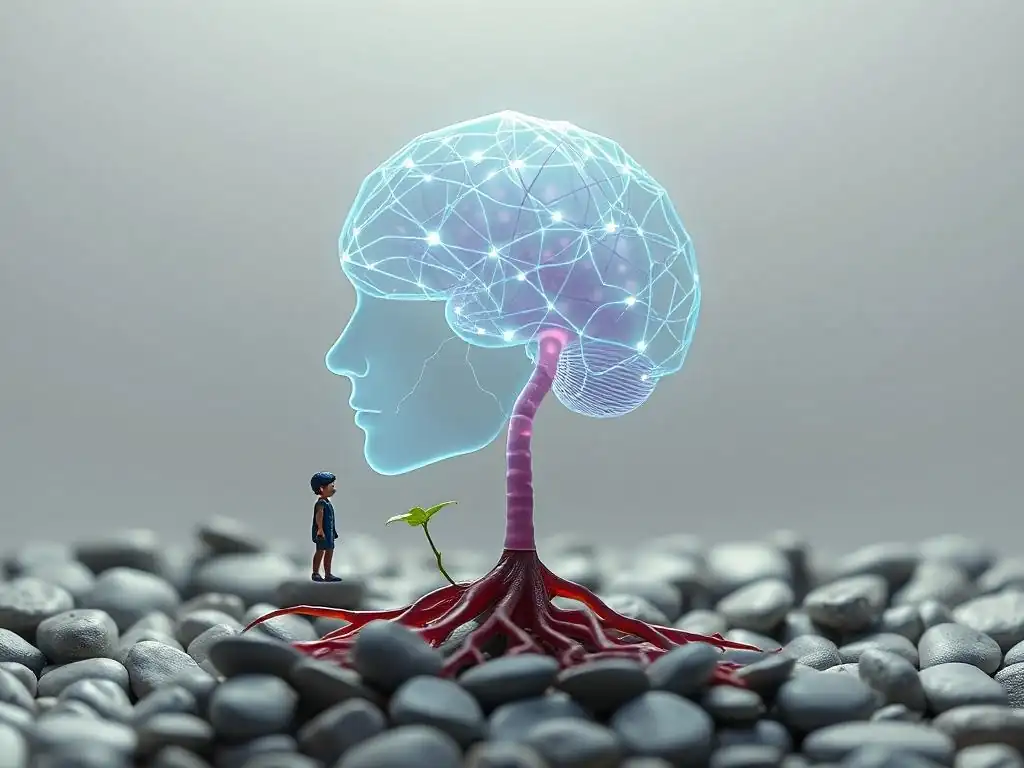
Neurobiological Effects of Childhood Trauma
Extensive research over the past few decades has solidified our understanding of the profound neurobiological effects of childhood trauma. Studies using various methodologies, including animal models, neuroimaging, and post-mortem brain analysis, consistently demonstrate that early adversity leads to measurable changes in brain structure, function, and neurochemistry. These studies highlight how chronic stress and trauma during critical developmental periods disrupt the normal maturation of neural circuits.
Specific findings include reduced volume in the hippocampus and prefrontal cortex, altered connectivity between the amygdala and regulatory brain regions, and changes in the expression of genes involved in neurotransmitter synthesis and receptor function. For instance, animal models have shown that early separation stress can lead to long-lasting changes in dopamine and serotonin receptor expression in reward-related brain areas. This body of evidence provides a strong scientific basis for the assertion that childhood trauma impacts neurotransmitters and fundamentally alters brain biology.
Imaging Studies: Brain Changes in Trauma Survivors
Neuroimaging techniques, such as Magnetic Resonance Imaging (MRI) and Positron Emission Tomography (PET), have provided invaluable insights into the living brains of individuals with a history of childhood trauma. MRI studies have repeatedly shown structural differences, such as smaller hippocampal volumes and altered white matter connectivity, in adults who experienced ACEs compared to those who did not. A meta-analysis of neuroimaging studies found significant reductions in hippocampal volume in adults with a history of childhood abuse.
PET scans allow researchers to visualize neurotransmitter activity by using radioactive tracers that bind to specific receptors or transporters. These studies have revealed altered binding potentials for serotonin transporters, dopamine receptors, and opioid receptors in various brain regions of trauma survivors. For example, some PET studies have indicated reduced serotonin transporter availability in the brainstem of individuals with PTSD related to early trauma. These imaging findings provide compelling visual evidence of how childhood trauma impacts neurotransmitters and the structural architecture of the brain.
Epigenetics: Genetic Predisposition and Environmental Interaction
Epigenetics is the study of heritable changes in gene expression that do not involve alterations to the underlying DNA sequence. It explains how environmental factors, such as early life experiences, can influence which genes are turned 'on' or 'off,' thereby affecting biological processes, including neurotransmitter function. Childhood trauma can induce epigenetic modifications, particularly in genes involved in stress response, neurodevelopment, and neurotransmitter systems.
For example, studies have shown that childhood abuse can lead to epigenetic changes (like DNA methylation) in the gene encoding the glucocorticoid receptor, which is critical for regulating the stress response system. These modifications can alter the receptor's function, leading to persistent dysregulation of the body's stress hormones and impacting downstream neurotransmitter systems like norepinephrine. This epigenetic mechanism provides a biological link between early environmental adversity and long-term changes in brain function and vulnerability to mental illness, demonstrating how childhood trauma impacts neurotransmitters through the interplay of genes and environment.
Strategies for Healing and Recovery: Addressing Neurotransmitter Imbalances
Therapy and Counseling: Trauma-Focused Cognitive Behavioral Therapy (TF-CBT) and Eye Movement Desensitization and Reprocessing (EMDR)
Therapy and counseling are cornerstone interventions for individuals healing from the effects of childhood trauma. Trauma-focused therapies aim to process the traumatic experiences and develop coping mechanisms, which can, in turn, promote positive changes in brain function and potentially help regulate neurotransmitter systems. Two evidence-based approaches are particularly notable: Trauma-Focused Cognitive Behavioral Therapy (TF-CBT) and Eye Movement Desensitization and Reprocessing (EMDR).
TF-CBT helps children and adolescents process traumatic memories and learn skills to manage distressing thoughts and feelings. It involves components like psychoeducation, relaxation techniques, affect regulation, cognitive processing of trauma, and gradual exposure. Studies have shown that TF-CBT can lead to reductions in symptoms of PTSD, depression, and anxiety.
EMDR involves processing traumatic memories while engaging in bilateral stimulation (like eye movements), which is thought to help reprocess the memory in a less distressing way. Research suggests EMDR can be effective in reducing the emotional impact of trauma and may facilitate changes in neural pathways involved in memory and emotion regulation, indirectly influencing neurotransmitter balance. While not directly targeting neurotransmitters, these therapies foster healthier brain function, which can support the recovery of dysregulated systems impacted by childhood trauma.
Medication: Selective Serotonin Reuptake Inhibitors (SSRIs) and Serotonin-Norepinephrine Reuptake Inhibitors (SNRIs)
Medication can be a valuable component of treatment for mental health conditions arising from childhood trauma, particularly when symptoms are severe and significantly impair daily functioning. Antidepressants, specifically Selective Serotonin Reuptake Inhibitors (SSRIs) and Serotonin-Norepinephrine Reuptake Inhibitors (SNRIs), are commonly prescribed to address mood and anxiety symptoms that may stem from trauma-induced neurotransmitter dysregulation.
SSRIs work by increasing the availability of serotonin in the synaptic cleft, helping to improve mood and reduce anxiety in individuals with potential serotonin deficits or dysregulation resulting from ACEs. Examples include fluoxetine, sertraline, and paroxetine. SNRIs affect both serotonin and norepinephrine levels, which can be beneficial for individuals experiencing symptoms related to the dysregulation of both systems, such as those with co-occurring depression and anxiety or certain types of pain.
Examples include venlafaxine and duloxetine. While medication does not 'cure' the effects of trauma, it can help manage symptoms by directly influencing the neurotransmitter systems that were impacted by childhood trauma, making other forms of therapy more accessible and effective.
Lifestyle Changes: Diet, Exercise, and Mindfulness
Lifestyle modifications can play a significant supportive role in healing from childhood trauma and promoting healthier neurotransmitter function. A balanced diet rich in omega-3 fatty acids, vitamins, and minerals provides the necessary building blocks for neurotransmitter synthesis and brain health. For example, tryptophan, found in foods like poultry and nuts, is a precursor to serotonin. Adequate nutrition supports the overall resilience of brain systems affected by early adversity.
Regular physical exercise has well-documented benefits for mental health and can positively influence neurotransmitter levels. Aerobic exercise, for instance, can increase the release of endorphins (natural mood boosters), improve dopamine signaling, and support the health of brain regions like the hippocampus.
Mindfulness practices, such as meditation and deep breathing, can help regulate the stress response system, reduce the activity of the amygdala, and potentially improve the balance of inhibitory and excitatory neurotransmitters like GABA and glutamate. Engaging in these lifestyle changes can be a proactive way to support the brain's healing process and mitigate the long-term effects of how childhood trauma impacts neurotransmitters.
Building Resilience: Fostering Healthy Coping Mechanisms
Building resilience involves developing the capacity to adapt well in the face of adversity. For individuals healing from childhood trauma, this means fostering healthy coping mechanisms to manage stress, regulate emotions, and navigate challenges without resorting to maladaptive behaviors. This process can help reinforce positive neural pathways and counteract the negative biological embedding of trauma.
Learning and practicing skills like emotional regulation, problem-solving, and effective communication are crucial. Developing a strong support network of trusted individuals provides a buffer against stress and promotes the release of oxytocin, which can counter the effects of stress hormones. Engaging in meaningful activities, setting realistic goals, and fostering a sense of self-efficacy also contribute to resilience. By actively building these capacities, individuals can empower themselves to navigate the ongoing effects of childhood trauma impacting neurotransmitters and build a foundation for long-term well-being.
Conclusion: Promoting Healthy Brain Development
Importance of Early Intervention and Prevention
The impact of adverse childhood experiences on adult mental health is profound and often mediated by lasting changes in brain structure and neurotransmitter function. Recognizing the vulnerability of the developing brain highlights the critical importance of early intervention and prevention strategies. Preventing ACEs in the first place through supportive family policies, community programs, and education is the most effective way to protect children's developing brains.
When ACEs do occur, early identification and intervention are crucial to mitigate their long-term effects. Providing children and families with access to trauma-informed care, mental health services, and supportive resources as early as possible can help buffer the impact of trauma on the developing brain and its neurotransmitter systems. Early intervention can help regulate the stress response, promote healthier attachment, and support the development of resilient neural pathways, potentially altering the trajectory of how childhood trauma impacts neurotransmitters and future mental health.
Rewiring the Brain After ACEs
While childhood trauma can create lasting vulnerabilities by impacting neurotransmitters and brain structure, the brain retains a degree of plasticity throughout life. This means that healing and positive change are possible. The concept of 'rewiring' the brain after ACEs refers to the process of engaging in therapeutic interventions, building new coping skills, and fostering supportive relationships to create new, healthier neural pathways.
Therapies like TF-CBT and EMDR, combined with lifestyle changes and potentially medication, can help individuals process traumatic memories, regulate emotional responses, and build resilience. These interventions work by promoting neuroplasticity, allowing the brain to form new connections and strengthen existing beneficial circuits. While the original biological imprint of trauma may not be erased, the brain can adapt and reorganize, enabling individuals to develop healthier ways of thinking, feeling, and behaving, demonstrating the potential to mitigate the long-term effects of how childhood trauma impacts neurotransmitters.
Resources for Trauma Survivors and Families
Healing from childhood trauma is a journey that often requires support. Numerous resources are available for trauma survivors and their families. These include national helplines and crisis lines, local mental health services that offer trauma-informed therapy, support groups where individuals can connect with others who have similar experiences, and educational materials about trauma and its effects.
Accessing these resources is a vital step in addressing the biological and psychological consequences of ACEs. Organizations dedicated to trauma recovery can provide guidance on finding qualified therapists, understanding the science behind trauma's impact (including how childhood trauma impacts neurotransmitters), and developing strategies for healing and resilience. Seeking support is a sign of strength and a crucial part of the recovery process, empowering individuals to navigate the challenges posed by early adversity and build a healthier future.
Frequently Asked Questions
How does childhood trauma affect neurotransmitters?
Childhood trauma can significantly alter the development and function of neurotransmitter systems. These alterations can lead to long-term imbalances affecting mood, behavior, and overall mental well-being.
Which neurotransmitters are most commonly impacted by childhood trauma?
Commonly affected neurotransmitters include serotonin, dopamine, and norepinephrine. Dysregulation in these systems can contribute to conditions like depression, anxiety, and PTSD.
What are the long-term effects of childhood trauma on neurotransmitter pathways?
Long-term effects can include a heightened stress response, increased vulnerability to mental health disorders, and difficulties with emotional regulation. These effects are often linked to altered brain structures and functions.
Can the impact of childhood trauma on neurotransmitters be reversed?
While reversing the effects completely may not always be possible, therapeutic interventions like therapy and medication can help regulate neurotransmitter activity and improve mental health outcomes.
How can I find resources to help address the impact of childhood trauma on my mental well-being?
Mind Care Guide offers a comprehensive collection of resources, including articles, support groups, and professional referrals. Seeking professional help is crucial for addressing the underlying effects of trauma.
Final Reflection: The Enduring Legacy of Childhood – Rewiring Our Futures
The impact of childhood experiences on adult neurotransmitter pathways is not merely a scientific curiosity; it's a fundamental truth shaping the mental and emotional landscape of our world. Understanding this connection allows us to move beyond simplistic narratives of personal responsibility and recognize the profound influence of early life adversity on brain development and lifelong well-being. This understanding is crucial for developing more effective strategies for prevention and intervention.
The pervasive influence of childhood trauma on the delicate balance of our neurotransmitters underscores the urgent need for compassionate and informed support systems. We must acknowledge the lasting effects of adverse childhood experiences, recognizing that they are not simply "things people get over." These experiences can fundamentally alter the way our brains respond to stress, relationships, and the world around us. The human brain is remarkably plastic, capable of change throughout life, but the early years are critical in shaping its architecture.
This plasticity, however, can be both a blessing and a curse, highlighting the importance of early intervention and ongoing support for those affected.
Now, consider your own life. Reflect on your childhood experiences – both positive and negative. How might they have shaped your current emotional responses, your relationships, and your overall well-being? This article isn't just about understanding the science; it's about empowering you to take control of your narrative. Seek support if you need it, advocate for better mental health resources in your community, and remember that healing is possible. You are not defined by your past, but by your resilience and your commitment to building a healthier future.
Unlock Your Brain's Potential: Shape Your Neurochemistry
Thanks for taking the time to explore the fascinating connection between childhood experiences and adult neurotransmitter pathways! We hope you gained valuable insights into how your past can influence your present well-being. Now, let's put this knowledge into action.
- Identify one key childhood experience that you believe might be impacting your neurochemistry today. Reflect on its emotional impact and consider how it might be shaping your current patterns. This is a powerful first step towards understanding yourself better.
- Share this article with someone who might benefit from understanding the link between childhood and adult neurochemistry. Starting a conversation can be incredibly impactful.
- Explore mindfulness techniques designed to help regulate your neurotransmitters. Even small daily practices can create significant positive change.
What specific step will you take today to nurture your neurochemical balance, based on what you've learned?