
How Trauma Can Shape Your Anxious Brain Through Negative Neuroplasticity – And How to Rewire

Welcome to Mind Care Guide, a safe space dedicated to understanding and nurturing your mental well-being.
Ever wondered how past trauma can leave a lasting imprint on your brain, fueling anxiety? Our article, " How Trauma Can Shape Your Anxious Brain Through Negative Neuroplasticity – And How to Rewire," delves into the fascinating, and sometimes unsettling, science of how trauma rewires the anxious brain. But more importantly, we explore the path toward healing and rewiring for a brighter future.
Ready to understand the neuroscience behind your anxiety and discover practical steps towards recovery? Let's begin.
How Trauma Can Shape Your Anxious Brain Through Negative Neuroplasticity – And How to Rewire
- Understanding Trauma and Its Impact on the Brain
- Trauma Rewires Anxious Brain: The Role of Negative Neuroplasticity
- The Connection: Trauma-Induced Neuroplasticity and Anxiety Disorders
-
Rewiring the Anxious Brain After Trauma: Strategies for Positive Neuroplasticity
- Principles of Neuroplasticity for Trauma Recovery and Anxiety Reduction
- Therapy and Brain Rewiring: How Psychotherapy Can Promote Neural Change
- Lifestyle Changes to Support Brain Rewiring and Reduce Anxiety
- Neurofeedback and Brain Training for Anxiety Reduction After Trauma
- Building Resilience: Strategies to Strengthen the Brain's Ability to Cope with Stress
- Practical Steps to Begin Rewiring Your Brain After Trauma
- Conclusion: Hope and Healing Through Brain Rewiring After Trauma
-
Frequently Asked Questions
- How does trauma rewire the brain to create anxiety?
- What is negative neuroplasticity, and how does it relate to trauma?
- Can the effects of trauma on an anxious brain be reversed?
- What types of therapies are most effective for rewiring an anxious brain after trauma?
- What lifestyle changes can support the rewiring process after trauma?
- Final Reflection: Rewiring Your Anxious Brain: A Journey of Hope and Healing
- Unlock Your Brain's Resilience: Rewire Your Anxious Thoughts
Understanding Trauma and Its Impact on the Brain
Defining Trauma: Beyond Single Events
Trauma is often understood as a response to a deeply distressing or disturbing event that overwhelms an individual's ability to cope, causes feelings of helplessness, diminishes their sense of self and their ability to feel a full range of emotions and sensations. While many people associate trauma with a single catastrophic event like a natural disaster, a serious accident, or an assault, it's important to recognize that trauma can also result from prolonged exposure to adverse experiences.
This includes chronic neglect, ongoing abuse (physical, emotional, or sexual), or living in a persistently unsafe environment. The key element is not just the event itself, but the individual's subjective experience of it and its lasting impact on their psychological and physiological state.
The effects of trauma are far-reaching and can manifest in various ways, including emotional, psychological, and physical symptoms. These symptoms can be immediate or delayed, appearing weeks, months, or even years after the traumatic experience. Common responses include intense fear, helplessness, horror, emotional numbness, difficulty sleeping, irritability, and avoidance of trauma-related triggers.
The definition of trauma is broad because the human response to overwhelming stress varies significantly from person to person, influenced by factors like age, resilience, support systems, and the nature of the trauma itself. Understanding this broader definition is crucial for recognizing the pervasive impact trauma can have on an individual's mental landscape.
The Anxious Brain: Identifying the Neural Circuits Involved in Anxiety
The anxious brain is characterized by heightened activity in specific neural circuits designed to detect and respond to threats. The amygdala, often referred to as the brain's "fear center," plays a central role. It processes emotional information, particularly fear and threat, and initiates the body's stress response, including the "fight or flight" reaction. When functioning typically, the amygdala helps us react appropriately to danger. However, in an anxious state, the amygdala can become hyperactive, triggering false alarms in response to non-threatening stimuli.
Another critical area is the prefrontal cortex (PFC), particularly the medial and orbital regions, which are involved in regulating emotions, decision-making, and executive functions. In healthy individuals, the PFC can help modulate and dampen the amygdala's response, providing a sense of calm and rational assessment of a situation. However, in anxiety disorders, this regulatory control from the PFC can be impaired, leading to difficulty inhibiting fear and worry.
Furthermore, the hippocampus, vital for memory formation and contextualizing experiences, is also involved. It helps determine if a threat is real or perceived based on past experiences. Dysregulation in these interconnected areas forms the neural basis of persistent anxiety.
How Trauma Affects Brain Development and Function
Trauma, especially during critical developmental periods like childhood, can profoundly alter the structure and function of the brain. Chronic stress and trauma exposure lead to increased and prolonged release of stress hormones like cortisol. While short-term exposure to stress hormones is part of a healthy threat response, chronic exposure can be neurotoxic.
Studies, including those involving individuals with a history of significant trauma, have shown changes such as a reduction in the size of the hippocampus, a brain region crucial for memory and stress regulation. For example, research involving veterans with PTSD has often noted reduced hippocampal volume compared to control groups.
Beyond structural changes, trauma impacts functional connectivity between brain regions. It can strengthen pathways associated with fear and threat detection (like those involving the amygdala) and weaken pathways involved in emotional regulation and executive control (connecting the amygdala to the prefrontal cortex).
This altered connectivity makes individuals more reactive to perceived threats and less able to regulate their fear response, contributing significantly to the development of anxiety disorders and making it clear how trauma rewires the anxious brain. The brain's stress response system, the hypothalamic-pituitary-adrenal (HPA) axis, can also become dysregulated, leading to an exaggerated or blunted response to stress, further perpetuating feelings of anxiety and hypervigilance.
Trauma Rewires Anxious Brain: The Role of Negative Neuroplasticity
What is Negative Neuroplasticity? Understanding Maladaptive Brain Changes
Neuroplasticity is the brain's remarkable ability to change and adapt throughout life by forming new neural connections. While often discussed in the context of learning and recovery, neuroplasticity can also be negative or maladaptive. Negative neuroplasticity refers to changes in brain structure and function that are detrimental to mental health, often strengthening pathways associated with negative emotions, fear, pain, and maladaptive behaviors. After trauma, the brain's plastic nature means it adapts to the constant state of alert and threat, reinforcing neural circuits associated with fear responses and hypervigilance.
This maladaptive rewiring is precisely how trauma rewires the anxious brain. Instead of building pathways for resilience and calm, the brain becomes more efficient at detecting and reacting intensely to perceived dangers, even when none are present. This involves processes like long-term potentiation (strengthening of synaptic connections) in fear circuits within the amygdala and impaired long-term depression (weakening of connections) in areas like the prefrontal cortex that should regulate fear. The persistent activation of stress responses and the avoidance behaviors often seen after trauma further reinforce these negative neural patterns, creating a vicious cycle that sustains anxiety.
The Science Behind: Trauma's Influence on Neural Pathways and Anxiety
The scientific understanding of how trauma rewires the anxious brain points to specific molecular and cellular changes. Trauma triggers the release of neurotransmitters and hormones that, while initially protective, can lead to lasting alterations in neural circuits when prolonged. For instance, chronic exposure to cortisol and other stress hormones can affect the expression of genes involved in synaptic plasticity and neuronal survival, particularly in the hippocampus and prefrontal cortex. This can lead to reduced neurogenesis (the birth of new neurons) and dendritic atrophy (shrinking of neuronal branches), impairing these regions' ability to function optimally.
Furthermore, trauma can alter the balance of excitatory and inhibitory neurotransmitters like glutamate and GABA. An imbalance favoring excitation in areas like the amygdala can lower the threshold for triggering fear responses. The circuitry linking sensory input, emotional processing in the amygdala, and cognitive appraisal in the prefrontal cortex becomes biased towards interpreting ambiguous stimuli as threatening. This hypersensitivity to threat cues, a hallmark of anxiety disorders, is a direct consequence of how trauma rewires the anxious brain, making individuals perceive the world as a consistently dangerous place even long after the original threat has passed.
Specific Brain Areas Affected by Trauma and Anxiety: Amygdala, Hippocampus, and Prefrontal Cortex
As discussed earlier, the amygdala, hippocampus, and prefrontal cortex are key players in both trauma response and anxiety. Trauma can cause the amygdala to become hyper-responsive, leading to exaggerated fear and startle responses. This heightened state of alert is a core component of anxiety and PTSD. For example, functional MRI studies have shown increased amygdala activation in trauma survivors when exposed to trauma-related cues or even general emotional stimuli, indicating a lower threshold for triggering fear.
Conversely, the hippocampus, crucial for contextualizing memories and distinguishing between past threats and present safety, is often found to be smaller and less active in individuals with a history of trauma and anxiety. This impairment can make it difficult to differentiate between safe situations and genuinely dangerous ones, contributing to generalized anxiety and intrusive re-experiencing of trauma.
The prefrontal cortex, particularly areas involved in emotional regulation and executive control, may show reduced activity or connectivity with the amygdala. This diminished top-down control allows the hyperactive amygdala to drive fear responses unchecked, solidifying how trauma rewires the anxious brain towards a state of chronic anxiety and difficulty managing emotions.
The Connection: Trauma-Induced Neuroplasticity and Anxiety Disorders
PTSD and Brain Rewiring: A Closer Look at Post-Traumatic Stress Disorder
Post-Traumatic Stress Disorder (PTSD) is a prime example of how trauma rewires the anxious brain in a persistent and debilitating manner. The core symptoms of PTSD—re-experiencing the trauma (flashbacks, nightmares), avoidance of trauma-related stimuli, negative alterations in cognition and mood, and marked alterations in arousal and reactivity—are directly linked to trauma-induced changes in brain structure and function. The hyperactive amygdala contributes to exaggerated startle responses and hypervigilance. The impaired hippocampus makes it hard to distinguish between the past trauma and present safety, leading to flashbacks and difficulty integrating the traumatic memory into a coherent life narrative.
Furthermore, the weakened connectivity between the prefrontal cortex and the amygdala means individuals with PTSD struggle to regulate their fear response, leading to persistent anxiety and emotional dysregulation. Research using neuroimaging has consistently shown these patterns: increased amygdala activity, decreased hippocampal volume, and altered PFC function and connectivity in individuals with PTSD compared to those who experienced trauma but did not develop the disorder. These findings underscore that PTSD isn't merely a psychological response but a disorder fundamentally rooted in how trauma physically rewires the anxious brain.
Anxiety Disorders and Trauma: Exploring the Link Between Phobias, Panic Disorder, and Trauma
While PTSD is the most directly linked anxiety disorder to trauma, trauma exposure significantly increases the risk for other anxiety disorders, including specific phobias, social anxiety disorder, generalized anxiety disorder (GAD), and panic disorder. The same principles of negative neuroplasticity are at play, but the specific manifestations differ.
For example, a traumatic event involving a specific object or situation (e.g., a dog bite leading to Cynophobia) can create strong, fear-conditioned pathways in the amygdala and related areas, leading to a specific phobia. The brain learns to associate the stimulus with intense fear, and this association is reinforced through avoidance, a form of negative neuroplasticity.
In panic disorder, trauma can contribute to a sensitized fear system. The brain's alarm system becomes easily triggered, leading to sudden, intense surges of fear (panic attacks) often accompanied by physical symptoms.
This hypersensitivity can be seen as a result of trauma having rewired the anxious brain to be in a constant state of low-level alert, where minor internal or external cues can escalate rapidly into full-blown panic. Generalized anxiety disorder, characterized by excessive worry about multiple events or activities, can also be exacerbated by trauma, which may instill a pervasive sense of the world being unpredictable and dangerous, thus strengthening neural pathways associated with worry and threat assessment.
The Impact of Early Childhood Trauma on Brain Development and Anxiety Vulnerability
Trauma experienced during critical periods of brain development, particularly in early childhood, can have exceptionally profound and lasting effects on anxiety vulnerability. The young brain is highly plastic and significantly shaped by early experiences. Chronic stress and trauma during these years can disrupt the normal development of brain circuits involved in stress regulation, emotional processing, and social attachment. For instance, the HPA axis, the body's stress response system, can become chronically activated or dysregulated, leading to a heightened physiological and emotional response to stress throughout life.
Early trauma can also impair the development of the prefrontal cortex and hippocampus, regions crucial for executive function, memory, and regulating the amygdala. This can result in a brain architecture that is predisposed to heightened fear responses, difficulty managing emotions, and impaired stress coping mechanisms.
Studies following individuals exposed to early adversity have shown increased rates of anxiety disorders, depression, and other mental health issues later in life, directly linking developmental trauma to long-term changes in brain structure and function that predispose individuals to become significantly more anxious. This highlights the critical period during which trauma rewires the anxious brain, setting a trajectory towards increased vulnerability.
Rewiring the Anxious Brain After Trauma: Strategies for Positive Neuroplasticity
Principles of Neuroplasticity for Trauma Recovery and Anxiety Reduction
The good news is that just as the brain can be negatively rewired by trauma, it can also be positively rewired through intentional effort and therapeutic interventions. This is the principle of positive neuroplasticity. The brain maintains its ability to form new connections, strengthen beneficial pathways, and weaken maladaptive ones throughout life. For trauma recovery and anxiety reduction, this means actively engaging in experiences that promote safety, calm, and adaptive coping.
Key principles for leveraging neuroplasticity include repetition and focused attention. To strengthen new, healthier pathways, they must be activated repeatedly. For example, practicing relaxation techniques regularly helps build neural pathways associated with calm. Similarly, safely confronting feared situations (in a controlled therapeutic environment) helps the brain learn that the feared outcome doesn't occur, weakening the old fear association.
Novelty and challenge also stimulate brain growth and flexibility. Engaging in new learning or experiences can help create alternative pathways and shift focus away from trauma-related circuits. Understanding these principles empowers individuals to actively participate in their own healing journey, leveraging the brain's natural capacity for change.
Therapy and Brain Rewiring: How Psychotherapy Can Promote Neural Change
Psychotherapy is a powerful tool for promoting positive neuroplasticity and helping individuals heal from trauma and reduce anxiety. Different therapeutic modalities target different aspects of the trauma response and anxiety, but they all work by engaging the brain's capacity for change. By providing a safe space to process emotions, challenge negative thought patterns, and develop coping skills, therapy helps reorganize neural circuits.
For example, therapies often involve revisiting traumatic memories in a controlled way, which, contrary to reinforcing fear, allows the brain to process the memory differently, integrating it into a broader context of safety and the past. This process can weaken the strong, isolated fear-memory pathways in the amygdala and strengthen connections with the prefrontal cortex and hippocampus, allowing for better regulation and contextualization. Learning new behavioral responses to triggers also builds and reinforces new, non-anxious pathways, effectively helping to reverse how trauma rewires the anxious brain.
Cognitive Behavioral Therapy (CBT) for Trauma and Anxiety
Cognitive Behavioral Therapy (CBT) is a widely used and effective therapy for both trauma and anxiety disorders. It works by helping individuals identify and challenge negative thought patterns and beliefs that contribute to their distress. After trauma, people often develop distorted thoughts about themselves ("I am unsafe," "It was my fault") and the world ("The world is dangerous"). CBT helps examine the evidence for and against these thoughts and replace them with more balanced and realistic ones.
From a neuroplasticity perspective, challenging and changing thought patterns involves activating and strengthening neural circuits associated with rational appraisal and cognitive flexibility, primarily involving the prefrontal cortex. By repeatedly practicing identifying and modifying unhelpful thoughts, individuals build stronger neural connections in these regulatory areas, which in turn can help dampen the hyperactive amygdala response. Behavioral components of CBT, such as gradual exposure to feared situations, also directly target the fear circuitry, helping the brain learn that previously feared stimuli are safe, thereby weakening maladaptive fear pathways.
Eye Movement Desensitization and Reprocessing (EMDR) Therapy for Trauma Processing
Eye Movement Desensitization and Reprocessing (EMDR) is a specific therapy designed to help individuals process traumatic memories. During EMDR, the client focuses on a traumatic memory while simultaneously engaging in bilateral stimulation, typically eye movements guided by the therapist. The exact mechanism is still being studied, but one theory is that this process facilitates the brain's natural information processing, similar to what happens during REM sleep.
EMDR appears to help desensitize the emotional intensity of the traumatic memory and reprocess it in a way that integrates it more adaptively into the brain's memory networks. This may involve strengthening connections between the hippocampus (for contextualization), the prefrontal cortex (for regulation), and the amygdala, allowing the fear response associated with the memory to decrease. Clients often report that the memory no longer feels as distressing or vivid after EMDR, suggesting a fundamental change in how the brain stores and retrieves the trauma information, a form of positive neuroplasticity counteracting how trauma rewires the anxious brain.
Trauma-Focused Cognitive Behavioral Therapy (TF-CBT)
Trauma-Focused Cognitive Behavioral Therapy (TF-CBT) is an evidence-based treatment specifically designed for children and adolescents who have experienced trauma and their caregivers. It is based on CBT principles but incorporates additional components tailored to the unique needs of child trauma survivors. TF-CBT includes psychoeducation about trauma and its effects, parenting skills (for caregivers), relaxation techniques, emotional regulation skills, cognitive processing of the trauma, and gradual exposure.
TF-CBT helps young brains, which are still developing, to process traumatic experiences in a healthy way and build resilience. By teaching emotional regulation and coping skills, TF-CBT helps strengthen the connections between the developing prefrontal cortex and the amygdala, improving the child's ability to manage fear and anxiety. Processing the trauma narrative helps integrate the memory and reduce avoidance. This multi-component approach directly targets the developing neural pathways affected by trauma, promoting positive neuroplasticity to mitigate the long-term impact of early adversity on the anxious brain.
Lifestyle Changes to Support Brain Rewiring and Reduce Anxiety
Beyond formal therapy, various lifestyle changes can significantly support the brain's ability to rewire itself positively and reduce anxiety levels. These changes work by promoting overall brain health, reducing stress hormones, and encouraging the growth of new neurons and connections. Consistency is key, as neuroplasticity requires repeated activation of desired pathways.
Incorporating regular physical activity, practicing mindfulness, maintaining a healthy diet, ensuring sufficient sleep, and building strong social connections all contribute to a brain environment conducive to healing and positive change. These habits help regulate neurotransmitter levels, reduce inflammation, and protect against the damaging effects of stress, providing a foundation upon which therapeutic interventions can be more effective in helping to reverse how trauma rewires the anxious brain.
The Role of Exercise in Promoting Neuroplasticity and Mental Well-being
Regular physical exercise is a powerful promoter of neuroplasticity and has significant benefits for mental health, including reducing anxiety and improving mood. Exercise increases blood flow to the brain, supplying essential oxygen and nutrients. It also stimulates the production of Brain-Derived Neurotrophic Factor (BDNF), a protein often called "Miracle-Gro" for the brain because it supports the growth, survival, and differentiation of neurons and synapses.
BDNF is particularly active in the hippocampus and prefrontal cortex, areas often negatively impacted by trauma and anxiety. By increasing BDNF levels, exercise can help counteract the loss of neuronal volume and improve connectivity in these crucial regions. Aerobic exercise, such as brisk walking, running, or swimming for about 30 minutes most days of the week, has been shown in various studies to improve mood, reduce stress, and enhance cognitive function, directly supporting the brain's capacity to build healthier pathways and manage anxiety more effectively.
The Benefits of Mindfulness and Meditation for Calming the Anxious Brain
Mindfulness and meditation practices involve paying attention to the present moment without judgment. Regular practice can lead to significant changes in brain structure and function, particularly in areas related to attention, emotional regulation, and self-awareness. Neuroimaging studies have shown that long-term meditators often have increased gray matter density in areas like the prefrontal cortex and hippocampus, and decreased gray matter density or activity in the amygdala.
By practicing mindfulness, individuals learn to observe anxious thoughts and feelings without getting swept away by them. This cultivates a sense of detachment and greater control over one's reactions. This practice strengthens the prefrontal cortex's ability to regulate the amygdala, reducing the frequency and intensity of the fear response. Consistent meditation builds and reinforces these regulatory pathways, helping to calm the anxious brain and reduce reactivity to trauma triggers, actively working against the negative patterns established when trauma rewires the anxious brain.
Nutrition for Brain Health: Fueling Neuroplasticity and Reducing Anxiety
What we eat significantly impacts brain health and function, influencing neuroplasticity and anxiety levels. A diet rich in omega-3 fatty acids, antioxidants, vitamins, and minerals provides the necessary building blocks and protection for brain cells and their connections. Omega-3s, found in fatty fish, flaxseeds, and walnuts, are crucial components of neuronal membranes and are essential for synaptic plasticity.
Antioxidants (from fruits and vegetables) help protect brain cells from damage caused by stress and inflammation. B vitamins and magnesium are vital for neurotransmitter synthesis and function. Conversely, diets high in processed foods, sugar, and unhealthy fats can contribute to inflammation and oxidative stress, which can impair brain function and exacerbate anxiety. Adopting a balanced, nutrient-dense diet supports the brain's ability to repair itself, grow new connections, and maintain optimal function, providing the necessary fuel for positive neuroplasticity and helping to build resilience against anxiety.
Neurofeedback and Brain Training for Anxiety Reduction After Trauma
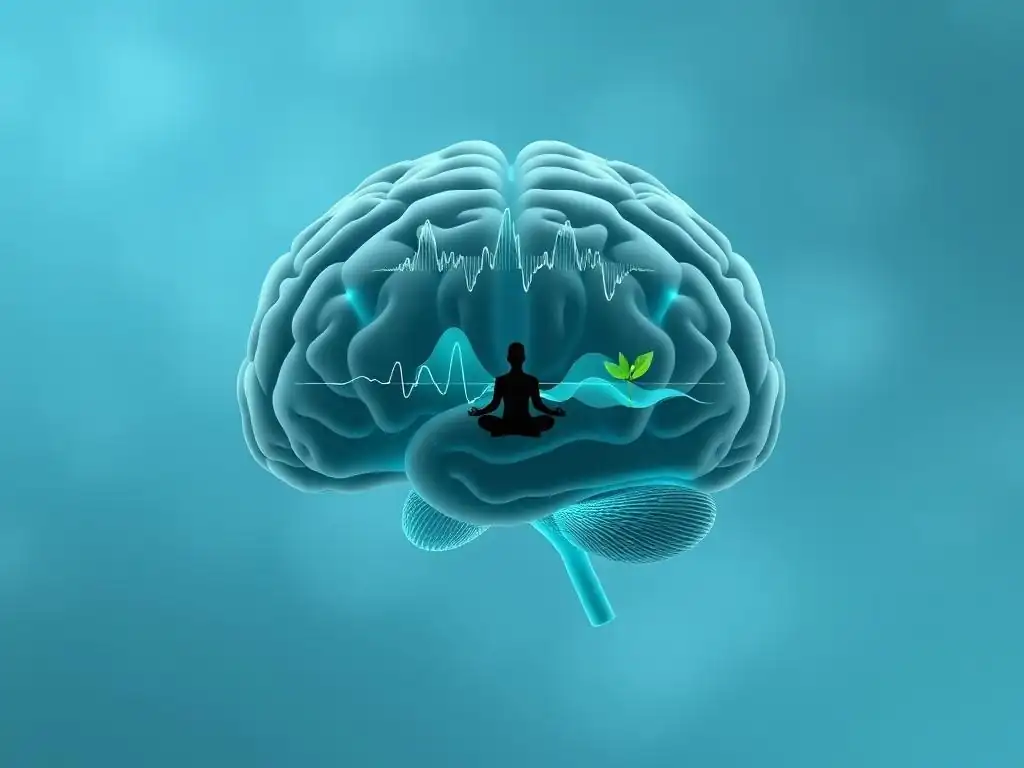
Neurofeedback is a type of biofeedback that measures brain activity (typically using EEG) and provides real-time information to the individual about their brainwave patterns. The goal is to teach individuals to consciously alter their brain activity towards a more desired pattern, such as increasing brainwaves associated with calm (like alpha or theta waves) and decreasing those associated with anxiety (like high beta waves).
For individuals with trauma and anxiety, neurofeedback can target specific brain regions or networks known to be dysregulated, such as helping to calm an overactive amygdala or enhance the regulatory function of the prefrontal cortex. Through repeated training sessions, the brain learns to maintain these healthier patterns outside of the session. While often used as an adjunct therapy, neurofeedback shows promise in helping retrain brain activity patterns altered by trauma, contributing to the process of reversing how trauma rewires the anxious brain towards a state of hyperarousal and fear.
Building Resilience: Strategies to Strengthen the Brain's Ability to Cope with Stress
Resilience is the ability to adapt well in the face of adversity, trauma, tragedy, threats, or significant sources of stress. It's not something you are born with or without, but rather a capacity that can be built and strengthened, and this building process involves neuroplasticity. Strategies for building resilience focus on enhancing adaptive coping mechanisms and strengthening the brain's stress response system.
Key strategies include developing strong social connections, practicing self-care, setting realistic goals, maintaining a hopeful outlook, and finding purpose. Social support, for instance, activates brain regions associated with reward and safety, helping to buffer the effects of stress. Learning effective problem-solving skills and developing self-compassion can strengthen prefrontal cortex function and improve emotional regulation. By actively engaging in these practices, individuals reinforce neural pathways associated with coping, optimism, and connection, making the brain more robust and better equipped to handle future stressors and further counteracting the negative impact of how trauma rewires the anxious brain.
Practical Steps to Begin Rewiring Your Brain After Trauma
Embarking on the journey to rewire your brain after trauma requires commitment and patience. It's a process of actively engaging in practices that promote healing and growth. Here are some practical steps you can take to get started:
- Acknowledge your trauma and its impact: Recognizing how trauma has affected you is the first step towards healing.
- Prioritize self-care: Ensure adequate sleep, nutrition, and gentle physical activity.
- Practice mindfulness or meditation daily: Even just 5-10 minutes can help cultivate calm and awareness.
- Engage in activities you enjoy: Reintroduce hobbies or find new ones that bring you pleasure and a sense of accomplishment.
- Set small, achievable goals: Celebrate small successes to build momentum and confidence.
- Limit exposure to triggers where possible, especially initially: While exposure therapy is valuable, managing overwhelming triggers in daily life is important for stability.
- Learn and practice relaxation techniques: Deep breathing, progressive muscle relaxation, or guided imagery can help regulate the nervous system.
- Connect with supportive people: Spend time with friends, family, or support groups who offer understanding and encouragement.
Taking these steps consistently helps build new habits and reinforces healthier neural pathways. Remember that progress may not be linear, and setbacks are a normal part of the healing process. Be patient and compassionate with yourself.
Establishing a Support System and Practicing Self-Compassion
A strong support system is invaluable when navigating the challenges of trauma recovery and anxiety. Trusted friends, family members, support groups, or community organizations can provide emotional validation, practical assistance, and a sense of belonging. Sharing your experiences (when you feel ready and safe) can reduce feelings of isolation and shame, which often accompany trauma. Simply being in the presence of supportive individuals can activate the brain's social engagement system, promoting feelings of safety and calm, which are crucial for counteracting the brain's trauma response.
Equally important is practicing self-compassion. Trauma survivors often internalize negative beliefs about themselves or blame themselves for what happened. Self-compassion involves treating yourself with the same kindness, understanding, and acceptance you would offer a friend who is suffering. This includes acknowledging your pain without judgment, recognizing that suffering is part of the human experience, and being mindful of negative self-talk. Cultivating self-compassion helps to calm the threat response system in the brain, reduces shame, and fosters a sense of inner safety, creating a nurturing internal environment essential for healing and positive neuroplasticity.
Seeking Professional Help: When to Consult a Mental Health Professional
While self-help strategies and support systems are beneficial, professional help is often necessary and highly effective for healing from trauma and managing anxiety. Mental health professionals, such as therapists, counselors, psychologists, or psychiatrists, are trained to provide evidence-based treatments that specifically address the complex ways trauma rewires the anxious brain. They can offer assessment, diagnosis, and tailored therapeutic interventions like CBT, EMDR, or TF-CBT, which are designed to facilitate the processing of traumatic memories and the development of healthier coping mechanisms.
Consider seeking professional help if your trauma symptoms or anxiety are persistent, significantly interfering with your daily life, relationships, or work, or if you are experiencing intense distress, panic attacks, flashbacks, or difficulty functioning. A professional can provide a safe, structured environment to process difficult emotions and memories, teach specific skills for managing anxiety and stress, and help you navigate the path towards recovery. They can also assess whether medication might be helpful in managing severe symptoms. Reaching out is a sign of strength and a crucial step towards leveraging the brain's capacity for positive change.
Conclusion: Hope and Healing Through Brain Rewiring After Trauma
Frequently Asked Questions
How does trauma rewire the brain to create anxiety?
Trauma can lead to negative neuroplasticity, where the brain's structure and function change in response to overwhelming stress. This can create heightened sensitivity and an increased tendency to perceive threats, resulting in anxiety.
What is negative neuroplasticity, and how does it relate to trauma?
Negative neuroplasticity refers to the brain's ability to form maladaptive neural pathways following traumatic experiences. These pathways reinforce anxious thoughts and behaviors, making them more automatic and difficult to control.
Can the effects of trauma on an anxious brain be reversed?
Yes, the brain's plasticity means it can be rewired for the better. Through targeted therapies and lifestyle changes, individuals can develop healthier coping mechanisms and reduce anxiety symptoms.
What types of therapies are most effective for rewiring an anxious brain after trauma?
Therapies like Cognitive Behavioral Therapy (CBT) and Eye Movement Desensitization and Reprocessing (EMDR) are commonly used. These approaches help individuals process traumatic memories and develop healthier thought patterns and behaviors.
What lifestyle changes can support the rewiring process after trauma?
Practices like mindfulness meditation, regular exercise, and a supportive social network can significantly aid in the healing process. These activities promote emotional regulation and reduce stress, fostering positive neuroplasticity.
Final Reflection: Rewiring Your Anxious Brain: A Journey of Hope and Healing
The impact of trauma on the anxious brain is not a static condition; it's a dynamic process that can be understood and, crucially, reshaped. Understanding the mechanisms of negative neuroplasticity, as explored in this article, offers a powerful pathway towards healing and reclaiming mental well-being. This knowledge is not just theoretical; it's a lifeline for millions grappling with the lingering effects of past experiences.
The pervasive influence of trauma on our collective consciousness is undeniable. Its effects ripple through generations, shaping relationships, impacting societal structures, and contributing to the prevalence of anxiety disorders. The unacknowledged trauma of the past is the hidden wound that festers in the present.
This quote underscores the importance of confronting these experiences, not to dwell on the pain, but to understand its impact and begin the process of healing. My own journey in researching this topic has underscored the profound resilience of the human spirit and the remarkable capacity of the brain to adapt and heal.
You are not defined by your trauma. This article has provided you with tools and understanding; now, it's time to take action. Consider seeking professional guidance, exploring therapeutic techniques like EMDR or CBT, and practicing self-compassion. Remember that rewiring your brain takes time, patience, and self-belief. Embrace the journey, celebrate your progress, and know that a more peaceful and resilient future is within your reach. Begin today.
Unlock Your Brain's Resilience: Rewire Your Anxious Thoughts
Thanks for taking the time to explore the powerful impact of neuroplasticity on anxiety. You've now gained valuable insights into how trauma shapes the brain, and more importantly, how you can actively change it. Let's put that knowledge into action!
- Prioritize one small, manageable step towards rewiring your anxious thoughts today. This could be anything from practicing mindful breathing for 5 minutes to journaling about a challenging situation. Start small, and build from there.
- Share this article with someone who might benefit from these insights. Helping others can be incredibly empowering and strengthen your own resilience.
- Explore additional resources on our website to deepen your understanding of neuroplasticity and anxiety management.
What's one small step you'll take this week to nurture your brain's incredible capacity for positive change?