
Unlocking Physiological Calm: A Deep Dive into Biofeedback Mechanisms for Anxiety

Welcome to Mind Care Guide, a sanctuary dedicated to nurturing your mental well-being.
Feeling overwhelmed by anxiety? You're not alone. Imagine a world where you have direct control over your body's response to stress. Our latest article, " Unlocking Physiological Calm: A Deep Dive into Biofeedback Mechanisms for Anxiety," explores how biofeedback reduces anxiety symptoms by empowering you with the tools to understand and manage your body's signals. Discover the science behind this powerful technique and how it can help you reclaim your calm. Ready to take the first step?
- How Biofeedback Reduces Anxiety Symptoms: A Scientific Perspective
-
Frequently Asked Questions
- What exactly is biofeedback and how does it relate to anxiety?
- How does biofeedback specifically help in reducing anxiety symptoms?
- What are some common types of biofeedback techniques used for anxiety management?
- Is biofeedback a cure for anxiety, or is it more of a management tool?
- How can I find a qualified biofeedback therapist, and what should I expect during a session?
- Final Reflection: The Enduring Power of Biofeedback in a World of Anxiety
- Unlock Your Inner Calm: Take Control of Your Anxiety Now
How Biofeedback Reduces Anxiety Symptoms: A Scientific Perspective
The Mind-Body Connection: How Stress Impacts Physiology
Anxiety is not just a feeling; it's a complex state that involves intricate interactions between your psychological state and your physical body. When you experience stress or feel anxious, your sympathetic nervous system, often called the "fight or flight" system, becomes activated. This activation triggers a cascade of physiological responses designed to prepare you for perceived danger.
Your heart rate increases, breathing becomes shallower and faster, muscles tense up, and sweat glands become more active. These physical reactions, while useful in true emergencies, can become chronic in persistent anxiety, leading to fatigue, physical discomfort, and exacerbating the feeling of being overwhelmed.
Understanding this mind-body connection is fundamental to managing anxiety effectively. Chronic activation of the stress response system can lead to elevated levels of stress hormones like cortisol, which over time can impact various bodily systems, including immune function and sleep patterns. Recognizing that your anxious thoughts directly influence your physical state – and conversely, that your physical state can influence your thoughts and feelings – opens up new avenues for intervention. Techniques that target the physiological manifestations of anxiety can, therefore, have a profound impact on your overall mental well-being.
What is Biofeedback and How Does It Work?
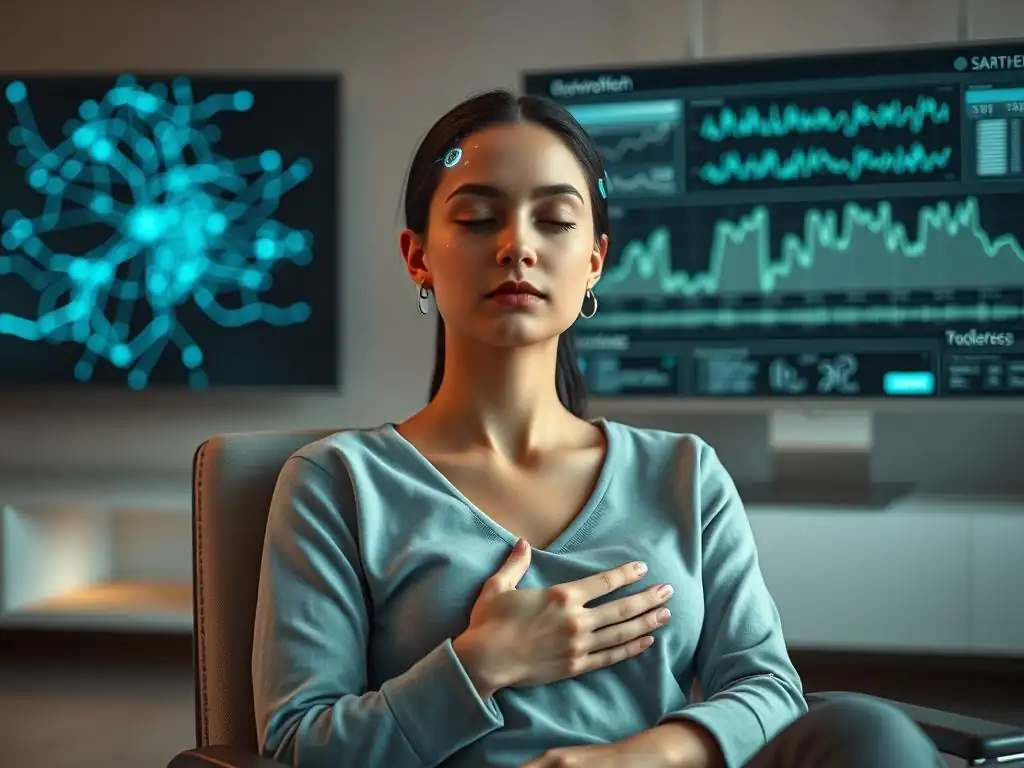
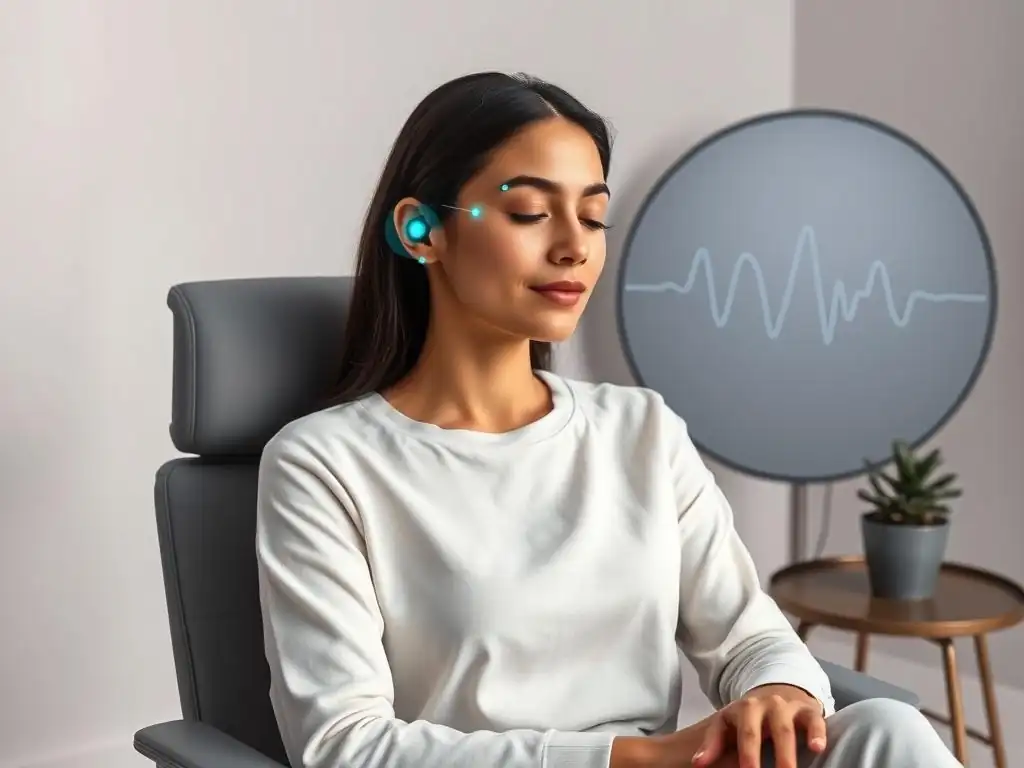
Biofeedback is a therapeutic technique that teaches you how to gain voluntary control over involuntary bodily functions, such as heart rate, muscle tension, and skin temperature. It works by using electronic sensors to measure these physiological signals. The information gathered by the sensors is then displayed in real-time, often on a computer screen or through auditory cues, providing you with immediate feedback about what is happening inside your body. This feedback loop allows you to observe how your thoughts, emotions, and behaviors influence your physical state.
The core principle behind biofeedback is learning through observation and practice. For example, if you are using heart rate biofeedback, you might see a visual representation of your heart rhythm. As you learn relaxation techniques, like deep breathing, you can immediately see how these practices affect your heart rate variability. This concrete, real-time data empowers you to identify which coping strategies are most effective in calming your physiological responses. With consistent practice, you can learn to consciously regulate these bodily functions without the aid of the biofeedback equipment, essentially becoming your own biofeedback mechanism.
The Science Behind Biofeedback for Anxiety Reduction:
Numerous studies have explored how biofeedback reduces anxiety symptoms by targeting the physiological components of the stress response. Research indicates that by learning to regulate bodily signals like heart rate, muscle tension, or skin temperature, individuals can effectively reduce the physical arousal associated with anxiety.
For instance, a meta-analysis published in the Journal of Consulting and Clinical Psychology in the early 2000s, reviewing dozens of studies, suggested that biofeedback training, particularly EMG and HRV biofeedback, was associated with significant reductions in anxiety symptoms, comparable in some cases to the effects of relaxation training or cognitive behavioral therapy. More recent investigations continue to support these findings, highlighting biofeedback's role in enhancing self-regulation.
The mechanism involves shifting the balance from the sympathetic "fight or flight" system towards the parasympathetic "rest and digest" system. By practicing biofeedback, individuals learn to activate the parasympathetic nervous system, which slows heart rate, promotes relaxed breathing, and reduces muscle tension. This physiological shift directly counteracts the physical symptoms of anxiety.
For example, studies on HRV biofeedback have shown that increasing heart rate variability – a marker of parasympathetic activity – is correlated with reduced reported anxiety and improved emotional regulation. The real-time feedback provides a tangible link between relaxation efforts and physiological changes, reinforcing learned calming strategies and helping individuals feel more in control of their body's response to stress.
Different Types of Biofeedback Techniques:
Biofeedback utilizes various physiological signals to help individuals gain control over their stress response. Each type focuses on a different bodily function that is commonly impacted by anxiety. Understanding these different modalities can help you determine which approach might be most beneficial for your specific anxiety symptoms. While the underlying principle of self-regulation remains the same, the specific sensors and feedback provided vary depending on the technique used.
Choosing the right type often depends on the primary physical manifestations of your anxiety. Some people experience significant muscle tension, while others notice their heart pounding or excessive sweating. By addressing these specific physical symptoms, biofeedback provides a targeted approach to reducing the overall feeling of anxiety. The techniques can also be combined for a more comprehensive approach to stress management and physiological calm.
Heart Rate Variability (HRV) Biofeedback for Anxiety Relief
Heart Rate Variability (HRV) biofeedback focuses on the tiny fluctuations in the time intervals between successive heartbeats. High HRV is generally associated with better health, stress resilience, and parasympathetic nervous system dominance, while low HRV is often linked to stress, anxiety, and sympathetic dominance. HRV biofeedback teaches individuals how to increase their HRV by practicing specific breathing techniques, often guided by software that shows their current HRV levels in real-time. The goal is to achieve "coherence," a state where heart rate, breathing, and other physiological rhythms are synchronized, promoting relaxation and a sense of calm.
Practicing HRV biofeedback regularly helps train the body to respond more flexibly to stress. By learning to increase their HRV, individuals can improve their capacity to recover from stressful events more quickly and maintain a state of physiological balance. This technique is particularly useful for people whose anxiety manifests with symptoms like a racing heart, panic attacks, or difficulty regulating emotions, as it directly targets the autonomic nervous system's regulation of cardiac function.
Electromyography (EMG) Biofeedback for Muscle Tension Reduction
Electromyography (EMG) biofeedback measures electrical activity in muscles, which is indicative of muscle tension. Sensors are placed on the skin over specific muscle groups, such as the forehead, neck, or shoulders – areas where many people hold tension when anxious. The feedback, often presented as a graph or an auditory tone, indicates the level of muscle activity. As you learn relaxation techniques, such as progressive muscle relaxation or diaphragmatic breathing, you can see or hear the immediate decrease in muscle tension displayed by the biofeedback equipment.
Chronic muscle tension is a common physical symptom of anxiety, contributing to headaches, neck pain, and general discomfort. EMG biofeedback provides a concrete way to identify where you hold tension and learn to release it. By practicing with the feedback, you develop a greater awareness of your body's state and gain the ability to consciously relax tense muscles, thereby reducing a significant physiological component of anxiety and promoting overall physical and mental relaxation.
Skin Conductance Biofeedback (SCB) for Managing Sweating and Arousal
Skin Conductance Biofeedback (SCB), also known as electrodermal activity (EDA) or galvanic skin response (GSR) biofeedback, measures the electrical conductivity of the skin. This conductivity changes based on the activity of sweat glands, which are controlled by the sympathetic nervous system. Increased sweating, even at a sub-perceptible level, increases skin conductivity and is a reliable indicator of physiological arousal, stress, or anxiety. SCB biofeedback uses sensors placed on the fingers or palm to monitor these changes in real-time, providing feedback on your arousal level.
By observing the fluctuations in skin conductivity as you practice relaxation techniques, you learn to lower your physiological arousal. This type of biofeedback is particularly helpful for individuals whose anxiety involves excessive sweating, blushing, or a general feeling of being "wired" or highly aroused. Mastering SCB allows you to gain better control over your body's fight-or-flight response, reducing the intensity of physical anxiety symptoms and fostering a sense of calm.
Frequently Asked Questions
What exactly is biofeedback and how does it relate to anxiety?
Biofeedback is a technique that teaches you to control your body's involuntary functions, like heart rate and muscle tension. By learning to control these functions, you can reduce anxiety symptoms and promote relaxation.
How does biofeedback specifically help in reducing anxiety symptoms?
Biofeedback helps you become aware of your body's response to stress. This awareness allows you to use techniques to regulate your physiological responses, leading to a reduction in anxiety.
What are some common types of biofeedback techniques used for anxiety management?
Common biofeedback techniques include heart rate variability (HRV) biofeedback, electromyography (EMG) for muscle tension, and neurofeedback. These methods provide real-time feedback to help you manage physical symptoms of anxiety.
Is biofeedback a cure for anxiety, or is it more of a management tool?
Biofeedback is primarily a management tool for anxiety, not a cure. It equips you with skills to regulate your body's response to stress, but it's often used in conjunction with other therapies.
How can I find a qualified biofeedback therapist, and what should I expect during a session?
Look for therapists certified by the Biofeedback Certification International Alliance (BCIA). During a session, you'll be connected to sensors that monitor your body's functions, and the therapist will guide you in using techniques to control those functions, providing real-time feedback.
Final Reflection: The Enduring Power of Biofeedback in a World of Anxiety
The pervasive nature of anxiety in modern life demands innovative solutions, and biofeedback offers a powerful, scientifically-backed pathway to reclaiming inner calm. Its ability to translate the often-invisible language of the body into understandable data empowers individuals to actively participate in their own healing, moving beyond passive coping mechanisms. This is not merely a trend; it's a fundamental shift in how we approach mental wellness.
The exploration of biofeedback's mechanisms has profoundly impacted my understanding of the mind-body connection, highlighting the intricate dance between our thoughts, emotions, and physiological responses. This journey underscores the importance of self-awareness and the potential for self-regulation. As the renowned psychiatrist Viktor Frankl stated, >“Between stimulus and response there is a space. In that space is our power to choose our response. In our response lies our growth and our freedom.” Biofeedback provides the tools to navigate that space, fostering a sense of agency in managing anxiety and building resilience.
Consider the potential within your reach. You now possess a deeper understanding of how biofeedback can help you cultivate inner peace and manage anxiety. Take a moment to reflect on your own relationship with stress and consider how incorporating biofeedback techniques – even simple ones like mindful breathing – can transform your daily experience. Embrace the opportunity to become the architect of your own calm, and unlock the transformative power that lies within.
Unlock Your Inner Calm: Take Control of Your Anxiety Now
Thanks for exploring the fascinating world of biofeedback with us! You've gained valuable insights into how your body responds to stress, and now it's time to put that knowledge to work. Ready to experience more physiological calm?
- Start your personalized biofeedback journey: Identify one area where you experience the most anxiety (e.g., public speaking, work deadlines) and begin practicing mindful breathing exercises or progressive muscle relaxation techniques focused on that specific trigger. This is your key to lasting change.
- Explore additional resources: Search online for guided meditation apps featuring biofeedback elements, or discover calming music playlists specifically designed to support physiological relaxation. These tools can amplify your progress!
- Share your experience: Connect with others on our Mind Care Guide social media pages and share your biofeedback journey. Let's build a supportive community dedicated to managing anxiety together!
What small step will you take today to cultivate more inner peace and reduce your anxiety levels?