
The Soul vs. The Mind: Ancient Concepts of Soul Sickness vs. Mental Illness


Welcome to Mind Care Guide.
Feeling disconnected? Perhaps the modern concept of mental illness doesn't quite capture the depth of what you're experiencing. Journey with us as we explore the fascinating history of mental well-being, delving into how ancient cultures understood and treated what they called "ancient soul sickness." Could these forgotten approaches hold valuable insights for our modern struggles? Let's uncover them together...
The Soul vs. The Mind: Ancient Concepts of Soul Sickness vs. Mental Illness
- Introduction: Bridging Ancient Wisdom and Modern Mental Health
- Defining the Soul and the Mind: Ancient Philosophical Views
- Ancient Soul Sickness: Understanding Spiritual Distress
- Mental Illness in Ancient Times: A Different Lens
- Treatments for Soul Sickness: Ancient Healing Practices
- Treatments for Mental Illness in Antiquity: Medical and Supernatural Interventions
- Case Studies: Examining Ancient Examples of Soul Sickness and Mental Illness
- The Legacy of Ancient Concepts: Implications for Modern Mental Health
- Conclusion: Integrating Ancient Wisdom for Modern Healing
-
Frequently Asked Questions
- What is "soul sickness" as understood in ancient traditions?
- How do ancient "soul sickness treatments" differ from modern mental health treatments?
- Can ancient practices be beneficial for modern mental well-being?
- What are the potential risks of solely relying on ancient "soul sickness treatments" for serious mental health conditions?
- How can one integrate ancient wisdom with modern mental health approaches safely and effectively?
- Final Reflection: Bridging the Gap Between Ancient Wisdom and Modern Understanding
- Unveil Your Inner Landscape: Understanding the Mind-Body Connection
Introduction: Bridging Ancient Wisdom and Modern Mental Health
Exploring Historical Perspectives on Mental Well-being
Throughout history, humanity has grappled with experiences of profound distress, suffering, and altered states of being that impact both inner feeling and outward behavior. Ancient civilizations, from the Greeks to the Egyptians and beyond, developed complex frameworks to understand these phenomena. These frameworks often intertwined what we might today call mental illness with spiritual or existential issues, viewing the human experience holistically. Understanding these historical perspectives is crucial because it reveals the varied ways societies have attempted to define and address inner turmoil long before the advent of modern psychology and psychiatry.
These early views were deeply embedded in the cultural, religious, and philosophical beliefs of the time. For instance, in ancient Mesopotamia, mental distress could be attributed to divine wrath or demonic possession, requiring religious rituals for healing. In contrast, Hippocratic medicine in ancient Greece began to explore physiological explanations, linking conditions like melancholia to imbalances in bodily humors. These diverse interpretations highlight that the distinction between physical ailment, mental disorder, and spiritual suffering was often fluid, offering a rich tapestry of human understanding of distress across millennia.
The Enduring Relevance of Ancient Soul Sickness Treatments
While modern medicine provides evidence-based treatments for mental illness, there is a growing recognition that well-being encompasses more than just the absence of diagnosable disorder. Ancient concepts of "soul sickness" speak to a deeper sense of existential or spiritual unease that modern approaches are sometimes less equipped to address. Exploring ancient soul sickness treatments help us appreciate holistic approaches that considered a person's connection to community, nature, and the divine or cosmic order.
These ancient soul sickness treatments help by offering practices focused on meaning, purpose, and spiritual connection, aspects increasingly seen as vital components of mental resilience and recovery. For example, practices like meditation, contemplative prayer, and communal rituals, which were integral to ancient healing, are now being integrated into modern therapeutic approaches to address feelings of emptiness, disconnection, or lack of purpose – symptoms that echo ancient descriptions of soul sickness. Examining these historical methods provides valuable insights into how we might complement contemporary mental health care with practices that nourish the deeper aspects of human experience.
Defining the Soul and the Mind: Ancient Philosophical Views
The Soul in Ancient Philosophy: Plato's Theory of Forms, Aristotle's Psyche, and Hindu Atman
Ancient philosophers across different traditions offered varied, yet profound, conceptions of the soul. Plato, in his theory of Forms, saw the soul as immortal and distinct from the body, originating in the realm of perfect, eternal Forms. He described the soul as having three parts: reason (logistikon), spirit (thymoeides), and appetite (epithymetikon), with the rational part meant to rule the others. Imbalance or conflict among these parts could lead to inner discord, a form of suffering related to the soul's health.
Aristotle, Plato's student, presented a more integrated view. He defined the soul (psyche) not as a separate entity but as the "form" or "essence" of a living body – what makes a body alive and capable of its specific functions.
For humans, this psyche included nutritive, sensitive, and rational capacities. While less focused on immortality in the Platonic sense, Aristotle saw the health of the soul tied to the harmonious functioning of these capacities and the pursuit of virtue, suggesting that disturbances could arise from a failure to live a virtuous life in accordance with reason.
Meanwhile, in ancient Hindu philosophy, the concept of Atman refers to the individual soul or self, considered to be eternal and identical with Brahman, the ultimate reality. Suffering (dukkha) was often understood as arising from ignorance of this true nature of the Atman and attachment to the transient material world, indicating a deep connection between spiritual understanding and inner peace.
The Mind in Ancient Philosophy: Cognition, Perception, and the Seat of Reason
While the concept of "mind" as a distinct entity separate from the soul is more modern, ancient philosophers certainly explored the functions we now associate with the mind: cognition, perception, memory, and reason. For Plato, the rational part of the soul (logistikon) was the seat of intellect and reason, responsible for understanding the Forms and guiding behavior. This was the part capable of philosophical contemplation and discerning truth, suggesting that malfunctions here could lead to flawed understanding and poor judgment.
Aristotle also extensively discussed cognitive functions within the framework of the psyche. He analyzed perception as the soul's ability to receive forms without matter, and thought as the manipulation of these perceived forms and universals by the rational part. He explored memory, imagination, and the process of deliberation.
Disturbances in these faculties, perhaps caused by external factors or internal imbalances, would represent a disruption of the mind's proper functioning, even if the term "mind" wasn't used in the contemporary sense. These ancient discussions laid the groundwork for understanding the brain and its processes as the physical basis for what we now call mental activity.
Distinguishing the Soul from the Mind: Key Differences and Overlaps
In many ancient systems, the soul was seen as encompassing a broader range of human experience than what we typically attribute to the mind today. The soul often included aspects related to vitality, identity, consciousness, morality, and connection to the divine or cosmic order, sometimes even believed to survive death. The mind, within these frameworks (though not always explicitly named as such), was often viewed more narrowly, focusing on intellectual and perceptual faculties – the tools the soul uses to navigate the world.
However, the distinction was rarely absolute. For Plato, the rational part of the soul was the mind in many ways, the seat of reason and understanding. For Aristotle, the highest function of the human psyche was rational thought, blurring the lines between soul activity and mental activity.
In many ancient cultures, disturbances in mental function (like madness) could be attributed to the soul being afflicted by external spirits or internal moral decay. Thus, while modern thought attempts a clearer separation, ancient concepts often saw the soul and the mind as deeply interconnected, with the health of one fundamentally impacting the other.
Ancient Soul Sickness: Understanding Spiritual Distress
What is Soul Sickness? Defining Spiritual and Existential Suffering
Soul sickness, as understood in ancient contexts, referred to a state of deep inner suffering that transcended mere physical ailment or intellectual confusion. It was often described as a disharmony within the self, a disconnection from one's true nature, the divine, or the fundamental order of the cosmos. This could manifest as a profound sense of emptiness, meaninglessness, or a feeling of being lost in the world. Unlike physical illness, which often had observable symptoms, soul sickness was primarily an internal, subjective experience, though it could certainly impact behavior and physical health.
Philosophers and spiritual leaders across traditions spoke of this state. The Stoics, for example, viewed disturbances of the soul (passions like excessive fear, grief, or desire) as forms of illness arising from faulty judgments about what is good or bad. Healing involved correcting these judgments and aligning oneself with nature and reason. In religious contexts, soul sickness could be seen as a state of sin, separation from God, or spiritual impurity, requiring acts of penance, purification, or reconciliation to restore health. It was a state where the core essence of the person felt wounded or adrift.
Symptoms of Soul Sickness: Apathy, Loss of Meaning, Existential Dread
The symptoms attributed to soul sickness in ancient texts and practices bear striking resemblance to some modern psychological concepts, though interpreted through a different lens. Apathy, a profound lack of interest or motivation, was often seen as a sign that the soul was not engaged with life or its true purpose. This wasn't just laziness but a deeper spiritual lethargy.
Loss of meaning was another central symptom. Without a connection to a larger purpose, the divine, or one's own virtuous potential, life could feel futile and pointless. This existential dread – a deep anxiety about existence, death, and nothingness – was a significant marker of soul sickness. Ancient philosophical schools like Epicureanism and Stoicism offered paths to alleviate this by providing frameworks for understanding the world and finding tranquility (ataraxia) or inner peace (eudaimonia). While not always cataloged clinically like modern symptoms, these internal states of suffering were recognized as significant afflictions of the inner self.
Ancient Beliefs About the Causes of Soul Sickness: Divine Disfavor, Moral Failure, Separation from Source
Ancient cultures attributed soul sickness to a variety of causes, often blending spiritual, ethical, and sometimes cosmic explanations. Divine disfavor was a common belief; if a person had offended a god or neglected religious duties, their soul might suffer as punishment. This could manifest as inner torment or misfortune. For example, neglecting the proper rituals or showing impiety could lead to a sense of spiritual alienation and distress.
Moral failure was another prominent cause. Living an unjust or unethical life was believed to corrupt the soul. Plato discussed how tyranny within the soul – allowing irrational appetites to dominate reason – led to the most miserable state. Aristotle linked virtue directly to the flourishing of the soul (eudaimonia), implying that vice led to its degradation. Separation from a divine source, the cosmic order, or one's own true spiritual nature was also seen as a root cause. In some traditions, this separation was the fundamental human predicament, leading to suffering until reunion or realization was achieved.
Mental Illness in Ancient Times: A Different Lens

Recognizing Mental Disorders in Ancient Societies: Melancholia, Mania, and Phrenitis
Ancient physicians and observers, particularly in cultures with developing medical traditions, did recognize patterns of behavior and thought that deviated significantly from the norm and seemed distinct from moral or spiritual failings alone. The Hippocratic corpus, dating back to ancient Greece around the 5th century BCE, described conditions that align somewhat with modern diagnostic categories. Melancholia, characterized by persistent sadness, fear, and sometimes hallucinations, is perhaps the most well-known ancient concept corresponding loosely to depression.
Mania was also recognized, involving states of heightened energy, excitement, sleeplessness, and sometimes irrational behavior. Phrenitis referred to a state of acute fever accompanied by delirium and disordered thought, often linked to inflammation of the brain. While the understanding of these conditions was based on observational accounts and theories like humoral pathology rather than modern neuroscience, ancient texts provide descriptions of individuals exhibiting symptoms consistent with severe mental disorders, differentiating them from everyday sadness or eccentricity.
Explanations for Mental Illness: Humoral Imbalance, Divine Affliction, Natural Causes
Ancient explanations for mental illness were diverse, often depending on the cultural and intellectual context. The dominant medical theory in Greece for centuries was the humoral theory, which proposed that the body was composed of four primary fluids: blood, phlegm, yellow bile, and black bile. Imbalances in these humors were believed to cause various illnesses, including mental ones. Melancholia, for instance, was attributed to an excess of black bile. Treatments focused on restoring humoral balance.
Alongside medical explanations, divine affliction remained a common belief in many ancient societies. Madness could be seen as a punishment from the gods, possession by demons or spirits, or even a divine inspiration (like prophetic madness). Temple healing and religious rituals were employed to appease deities or exorcise spirits. Natural causes, such as head injuries, fever, or environmental factors, were also sometimes cited, particularly in more medically oriented traditions, showing an attempt to find tangible explanations for disordered states.
Differentiating Mental Illness from Soul Sickness in Ancient Thought
While the lines were often blurred, some ancient thinkers did attempt to differentiate between what they perceived as disturbances of the physical body affecting the mind, and disturbances of the soul related to moral or spiritual issues. A key distinction sometimes lay in the perceived cause and the appropriate remedy. If madness was attributed to humoral imbalance or physical injury, medical treatments like purgatives, bloodletting, or herbal remedies were prescribed.
If the suffering was seen as a consequence of sin, impiety, or a lack of wisdom, the remedies involved prayer, sacrifice, philosophical guidance, or moral correction. For example, a philosopher might treat someone suffering from existential despair (soul sickness) through reasoned argument and ethical instruction, while a physician might treat someone experiencing hallucinations and fever (phrenitis) with physical interventions. However, it's important to note that this distinction was not always clear-cut, and many conditions were viewed as having intertwined physical, spiritual, and even cosmic causes.
Treatments for Soul Sickness: Ancient Healing Practices
Ancient Soul Sickness Treatments Help: A Holistic Approach
Ancient civilizations developed a wide array of practices aimed at healing the soul, recognizing that inner suffering required more than just tending to the physical body. These ancient soul sickness treatments help individuals reconnect with themselves, their community, and the larger cosmos, addressing the root causes of spiritual and existential distress. The approach was inherently holistic, often integrating spiritual practices, philosophical guidance, community support, and sometimes even natural remedies.
These ancient soul sickness treatments help by providing frameworks for understanding suffering, offering rituals for purification and reconciliation, and guiding individuals towards a life of greater meaning and virtue. For example, participation in mystery cults offered initiates a sense of belonging and access to sacred knowledge aimed at transforming their inner state. Philosophical schools provided comprehensive ways of life designed to cultivate inner peace and resilience against life's inevitable difficulties. The emphasis was on restoring harmony within the individual and between the individual and the world.
Spiritual Practices for Healing the Soul: Meditation, Prayer, Pilgrimages
Spiritual practices were central to many ancient soul sickness treatments. Meditation, in various forms across different cultures (such as early contemplative practices in India or philosophical contemplation in Greece), was used to quiet the mind, gain insight into one's inner nature, or connect with the divine. This focus on internal stillness and awareness aimed to alleviate the restlessness and confusion often associated with soul sickness.
Prayer and invocation were common methods for seeking divine intervention, expressing remorse, or finding solace. Communing with deities or spirits was believed to bring purification and healing to the afflicted soul. Pilgrimages to sacred sites were undertaken as acts of devotion, penance, or seeking miraculous healing. The journey itself, often arduous, was seen as a transformative process, allowing individuals to leave behind their burdens and seek renewal in a sacred space. These practices provided structure, hope, and a pathway for individuals to actively participate in their own spiritual recovery.
Ancient cultures placed a high value on community and social bonds, recognizing their crucial role in individual well-being. Isolation was often seen as detrimental to the soul. Thus, community participation and social support were integral ancient soul sickness treatments. Sharing one's burdens within a supportive group, participating in communal rituals, and adhering to social norms provided individuals with a sense of belonging and validation.
Philosophical schools, religious communities, and even extended family structures offered frameworks for mutual support and guidance. For instance, joining an Epicurean community provided friendship and shared wisdom to help members live tranquil lives. In many tribal societies, healing ceremonies involved the entire community participating to restore harmony to the afflicted individual and the group. This emphasis on collective well-being highlights that ancient soul sickness treatments help not just the individual but strengthen the social fabric, which in turn supports individual resilience.
Herbal Remedies and Natural Treatments for Spiritual Distress
While soul sickness was primarily understood as a spiritual or existential issue, ancient healers and practitioners sometimes incorporated natural remedies, believing that physical well-being supported the health of the soul. Herbal remedies were used not necessarily to cure the "sickness" directly, but perhaps to alleviate associated physical symptoms like sleeplessness, anxiety, or lethargy, or were incorporated into rituals for purification or calming.
Plants were often imbued with symbolic or spiritual significance. For example, certain herbs might be used in incense for purification rituals or brewed into teas believed to soothe agitated spirits. While the primary focus for soul sickness treatments was rarely solely pharmacological in the modern sense, the use of natural substances was part of a broader, integrated approach that did not rigidly separate the physical from the spiritual or mental. These natural elements were often adjuncts to the core spiritual and philosophical interventions.
Treatments for Mental Illness in Antiquity: Medical and Supernatural Interventions
Ancient Medical Approaches to Mental Disorders: Herbal Remedies, Bloodletting, Dietary Changes
Ancient medical systems, particularly those influenced by Hippocratic thought, developed physical treatments for conditions believed to be rooted in bodily imbalances. Herbal remedies were extensively used, with texts like Dioscorides' De Materia Medica (1st century CE) describing plants used for various ailments, including those affecting the mind, such as hellebore, used for melancholia and mania, though often with severe side effects.
Bloodletting, based on the humoral theory, was a common practice to reduce an excess of a particular humor. For example, removing blood was thought to reduce excess blood, which could cause mania. Dietary changes were also prescribed, with specific foods recommended or avoided to balance the humors. While these practices were based on limited understanding of physiology and could sometimes be harmful, they represent early attempts to treat mental disorders through physical interventions based on the prevailing medical theories of the time.
Religious and Supernatural Interventions: Exorcism, Temple Healing
For many ancient cultures, mental illness was often attributed to supernatural causes, necessitating religious or magical interventions. Exorcism rituals were performed to drive out demons or malevolent spirits believed to have possessed the individual and caused their madness. These rituals often involved incantations, prayers, fasting, and the use of symbolic objects.
Temple healing was another significant approach, particularly in Greece, where cults like that of Asclepius, the god of medicine, offered healing within sacred precincts. Patients would undergo rituals, purifications, and incubation (sleeping in the temple) in the hope of receiving divine dreams or interventions that would lead to recovery. These religious approaches provided psychological comfort, community support, and a framework for understanding and potentially resolving the affliction, even if their efficacy wasn't based on modern medical principles.
Comparing and Contrasting Treatments for Soul Sickness and Mental Illness
Comparing ancient treatments for soul sickness and mental illness reveals fascinating overlaps and distinctions. Treatments for soul sickness primarily focused on the inner, spiritual, and existential state, utilizing philosophical guidance, ethical correction, spiritual practices like meditation and prayer, and community integration. The aim was often to restore harmony, meaning, and connection.
Treatments for conditions recognized as mental illness, while sometimes overlapping with spiritual methods (like temple healing), also included distinct physical interventions based on medical theories of the time, such as herbalism, diet, and procedures like bloodletting or purgatives. The perceived cause often dictated the treatment path: spiritual/moral issues called for spiritual/philosophical remedies, while perceived physical imbalances called for medical ones. However, the holistic nature of ancient thought meant that these approaches were not always mutually exclusive; a person suffering might receive both religious rites and herbal medicine.
Case Studies: Examining Ancient Examples of Soul Sickness and Mental Illness
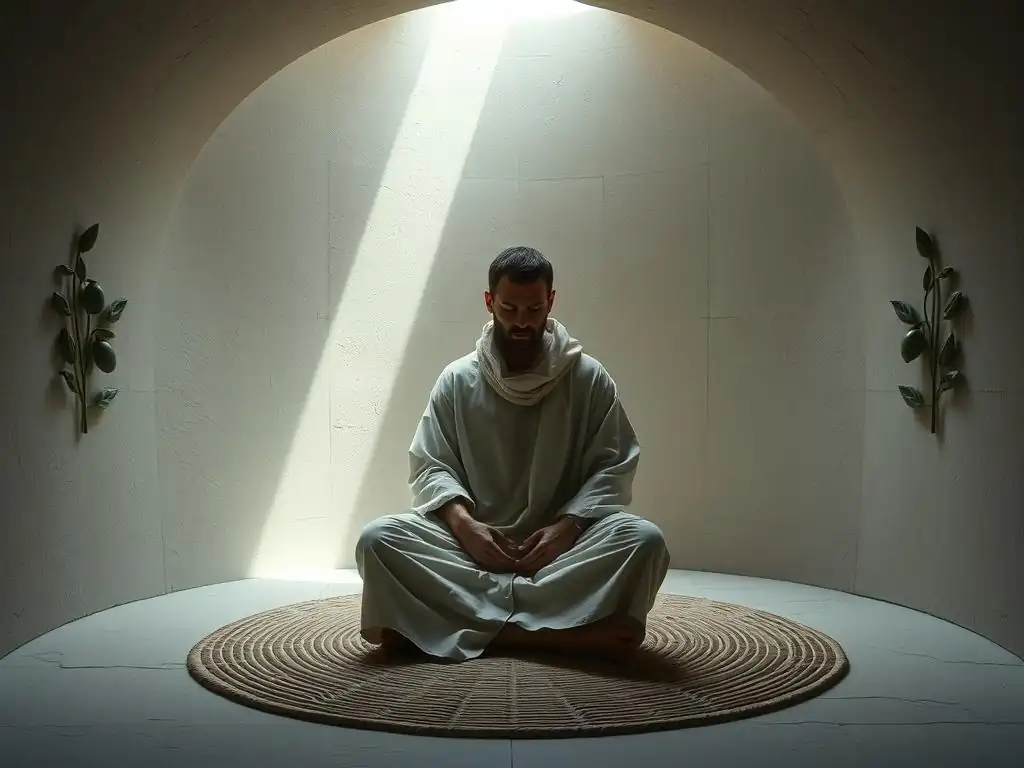
Socrates' Internal Struggle as an Example of "Soul Sickness"
While not a clinical case in the modern sense, the philosophical accounts of Socrates, particularly in Plato's dialogues, offer a compelling example of what might be interpreted as profound "soul sickness" or, at least, a deep existential and moral struggle. Socrates famously spoke of his "daimonion," an inner divine sign that guided him by warning him against certain actions. His relentless questioning of Athenian society's values, his search for truth and virtue, and his willingness to die for his principles suggest a life intensely focused on the health and integrity of his soul.
His "struggle" was not characterized by the disordered thought or hallucinations associated with ancient descriptions of madness, but rather by a profound internal conflict with societal norms and a deep commitment to examining life itself, believing that "the unexamined life is not worth living." This pursuit, while leading to external conflict and ultimately his death, was aimed at purifying and perfecting his soul, aligning with the ancient notion that true well-being came from inner virtue and wisdom, a goal central to overcoming soul sickness.
Nebuchadnezzar's Madness as a Potential Example of Mental Illness
The biblical account of King Nebuchadnezzar II of Babylon in the Book of Daniel provides a narrative that has often been interpreted as an ancient description of severe mental illness. The text describes Nebuchadnezzar experiencing a period where he is driven away from human society, lives like an animal, eats grass, and his hair and nails grow long, lasting "seven periods of time" (Daniel 4).
This dramatic transformation, triggered by divine judgment in the narrative, involves a complete loss of rational function and social behavior, aligning more closely with ancient descriptions of phrenitis or severe mania leading to animal-like behavior (lycanthropy was a rare but recognized ancient concept). Unlike soul sickness, which was often described as an internal state of suffering or moral failing, Nebuchadnezzar's condition is depicted primarily through observable, profoundly disordered behavior and a loss of connection to reality, suggesting a state interpreted in modern terms as a psychotic episode.
The narrative attributes it to divine punishment for pride, highlighting the ancient blending of supernatural explanations with descriptions of behavior we now categorize as mental illness.
Analyzing the Diagnostic and Treatment Approaches Used
In the case of Socrates, the "diagnosis" was not one of illness but of a philosophical and moral state. The "treatment" he sought and practiced was philosophy itself – rigorous self-examination, dialogue, and the pursuit of virtue. His approach was entirely focused on the inner life, the health of the soul through reason and ethics, aligning perfectly with how ancient soul sickness treatments help address existential and moral distress. No external medical or supernatural interventions were sought for his internal struggle.
For Nebuchadnezzar, the biblical account attributes the cause to divine judgment and the "treatment" was the passage of time until his reason returned, after which he praised God. This aligns with the ancient belief that mental afflictions could be divinely sent and resolved.
While the text doesn't describe specific medical or religious rituals being performed during his madness, the explanation is supernatural, contrasting with the philosophical self-treatment seen with Socrates. These two examples, though distinct in nature and source material, illustrate the different lenses through which ancient cultures viewed and responded to profound human suffering, sometimes seeing it as a spiritual or existential issue, and at other times as a state requiring divine intervention or physical remedy.
The Legacy of Ancient Concepts: Implications for Modern Mental Health
Lessons Learned from Ancient Approaches to Soul Sickness and Mental Illness
Ancient perspectives, though lacking modern scientific understanding, offer valuable lessons for contemporary mental health. Firstly, they underscore the importance of a holistic view of human well-being. Ancient cultures did not compartmentalize the physical body, the thinking mind, and the spiritual/existential self as rigidly as modern medicine sometimes does. Recognizing the interplay between these aspects, as ancient soul sickness treatments help us see, can inform more integrated approaches to care today.
Secondly, ancient traditions highlight the significance of meaning, purpose, and community in mitigating suffering. Philosophical schools and religious practices provided individuals with frameworks for understanding their place in the world and fostered social connections, elements increasingly recognized as crucial for mental resilience. The emphasis on virtue, character development, and aligning one's life with higher principles offers a dimension often missing in purely symptom-focused modern treatments. These historical viewpoints encourage us to look beyond the biological and psychological to consider the deeper human need for connection and meaning.
The Importance of Holistic Well-being: Integrating Mind, Body, and Spirit
The ancient emphasis on the interconnectedness of mind, body, and spirit is highly relevant to modern mental health care. While significant progress has been made in understanding the biological and psychological underpinnings of mental illness, a purely reductionist approach can sometimes overlook the patient's subjective experience, spiritual needs, and social context. Holistic well-being acknowledges that a person's mental state is influenced by their physical health, their emotional life, their social relationships, and their sense of meaning or connection to something larger than themselves.
Integrating practices that address these different dimensions, such as mindfulness meditation (rooted in ancient contemplative traditions), yoga, nutritional guidance, and therapies that explore existential concerns, reflects a move towards a more comprehensive model of care. This integration echoes the ancient understanding that true healing involves restoring harmony across all aspects of the self, suggesting that modern approaches can benefit from re-embracing this broader perspective on health.
How Ancient Soul Sickness Treatments Can Inform Contemporary Mental Health Care
Many ancient soul sickness treatments help address aspects of human suffering that remain challenging for modern psychiatry. Feelings of emptiness, lack of purpose, alienation, and existential dread are common in contemporary society and often co-occur with or contribute to diagnosable mental health conditions. Ancient practices focused on cultivating inner peace, finding meaning through virtue or connection to the divine, and strengthening community bonds offer valuable insights.
Incorporating elements like philosophical counseling to explore life's big questions, promoting participation in supportive communities or spiritual practices, and emphasizing values-based living can complement traditional therapies. For example, Stoic practices of reflecting on one's values and focusing on what is within one's control can be powerful tools against anxiety.
Meditation and prayer, ancient methods for calming the mind and seeking connection, are now supported by research for their benefits in managing stress and depression. By drawing on the wisdom embedded in ancient soul sickness treatments, contemporary mental health care can become more comprehensive, addressing not only the symptoms of illness but also the deeper human need for meaning and connection.
Conclusion: Integrating Ancient Wisdom for Modern Healing
The Ongoing Search for Meaning and Purpose in Mental Well-being
The human search for meaning and purpose is a timeless endeavor, recognized as fundamental to well-being in ancient philosophies and spiritual traditions, and increasingly acknowledged in modern psychological research. Ancient concepts of soul sickness highlight the profound suffering that arises when this search is thwarted or when one feels disconnected from a larger context. Addressing this need is a crucial component of mental health, going beyond symptom management to foster true flourishing.
Whether through philosophical inquiry, spiritual practice, creative expression, or service to others, finding meaning provides resilience against life's challenges and contributes to a sense of fulfillment. Modern therapeutic approaches that incorporate existential themes or help individuals identify and live in accordance with their values are, in a sense, continuing the ancient tradition of tending to the soul's need for purpose.
Embracing a Broader Perspective on Mental Health: Beyond the Biological Model
While biological factors play a significant role in many mental illnesses, ancient perspectives urge us to embrace a broader model of mental health that includes psychological, social, and spiritual dimensions. Reducing mental health solely to brain chemistry or genetic predisposition risks overlooking the complex interplay of factors that contribute to suffering and well-being.
Ancient healing practices, encompassing everything from herbal remedies to communal rituals and philosophical guidance, demonstrate an intuitive understanding that human distress is multi-faceted. Moving forward, integrating insights from these historical perspectives – such as the value of community, the pursuit of virtue, and the importance of meaning – can lead to more compassionate, comprehensive, and effective approaches to promoting mental health and recovery.
The Continuing Relevance of Spiritual and Existential Considerations in Mental Health Treatment
The distinction between ancient concepts of soul sickness and mental illness, while historically specific, points to the enduring importance of spiritual and existential considerations in understanding human suffering. For many individuals, distress is deeply intertwined with questions about life, death, values, and their place in the universe. Ignoring these aspects in treatment can leave individuals feeling misunderstood or that a core part of their suffering is being overlooked.
By acknowledging the legacy of ancient soul sickness treatments and their focus on the inner life, meaning, and connection, modern mental health care can become more attuned to the full spectrum of human experience. Incorporating therapies that address spiritual needs, foster a sense of purpose, and strengthen social bonds can provide more holistic and effective support for individuals navigating the complexities of mental distress in the modern world.
Frequently Asked Questions
What is "soul sickness" as understood in ancient traditions?
Ancient traditions viewed "soul sickness" as a disturbance in the inner self or spirit, often attributed to spiritual imbalances or disconnection from a higher power. This contrasts with purely biological explanations of mental illness.
How do ancient "soul sickness treatments" differ from modern mental health treatments?
Ancient soul sickness treatments primarily focused on spiritual healing practices, such as rituals, meditation, and connection to nature. Modern mental health treatments rely more on psychotherapy, medication, and evidence-based techniques.
Can ancient practices be beneficial for modern mental well-being?
Yes, some ancient practices like mindfulness, meditation, and connecting with nature can complement modern mental health treatments. They can promote stress reduction and emotional regulation, contributing to overall well-being.
What are the potential risks of solely relying on ancient "soul sickness treatments" for serious mental health conditions?
Relying solely on ancient practices may delay or prevent access to necessary medical and psychological care. This could worsen symptoms and potentially lead to negative outcomes for individuals with serious mental health conditions.
How can one integrate ancient wisdom with modern mental health approaches safely and effectively?
It's crucial to consult with qualified mental health professionals before incorporating any ancient practices into your treatment plan. Integration should be done mindfully and under professional guidance, ensuring it complements, rather than replaces, established therapies.
Final Reflection: Bridging the Gap Between Ancient Wisdom and Modern Understanding
The exploration of ancient understandings of "soul sickness" offers a compelling counterpoint to our modern conceptualization of mental illness, highlighting the enduring human need to address suffering of the mind and spirit. While the terminology and diagnostic tools have evolved dramatically, the fundamental human experience of emotional and psychological distress remains constant, reminding us that the search for healing is a timeless pursuit.
The enduring legacy of these ancient approaches lies not just in their historical significance, but in their implicit recognition of the interconnectedness of mind, body, and spirit. These holistic perspectives, often marginalized in the modern medical model's focus on the purely biological, offer valuable insights into the multifaceted nature of mental health. The cure for boredom is curiosity. There is no cure for curiosity.
– Dorothy Parker. This quote, while seemingly unrelated, speaks to the inherent human drive to understand and overcome suffering, a drive that fueled the development of ancient healing practices and continues to inspire modern approaches.
Consider the parallels between ancient rituals aimed at restoring spiritual balance and contemporary therapies emphasizing mindfulness and emotional regulation. You, the reader, are invited to reflect on the enduring wisdom embedded within these historical practices. How can we integrate the holistic perspective of ancient healing traditions with the scientific advancements of modern psychiatry to create a more comprehensive and compassionate approach to mental well-being? Let the exploration of "soul sickness" not be a mere historical exercise, but a catalyst for a more nuanced and empathetic understanding of the human condition.
Unveil Your Inner Landscape: Understanding the Mind-Body Connection
Thanks for exploring the fascinating intersection of ancient wisdom and modern understanding of mental well-being! You’ve gained valuable insights into the historical perspectives on soul sickness and mental illness. Now, it’s time to take that knowledge further.
- Deepen your self-awareness: Journal for 15 minutes today, reflecting on how your mind and body interact. Notice any patterns or connections that emerge. This is your first step toward a more holistic understanding of your own well-being.
- Share your reflections: Discuss this article with a friend or family member. Sharing your thoughts can be a powerful way to process complex information and gain new perspectives.
- Explore related resources: Dive deeper into the rich history of mental health perspectives through trusted sources and books on mindfulness and holistic well-being.
Ready to embark on a journey of self-discovery and deeper understanding? What resonates most with you from the ancient perspectives on healing the mind and soul?