
The Wandering Womb? Ancient Ideas About Female Mental Distress


Welcome to Mind Care Guide, a sanctuary dedicated to understanding and nurturing your mental well-being.
Have you ever wondered about the historical roots of how we perceive mental distress, especially in women? Delve into our latest article, "The Wandering Womb? Ancient Ideas About Female Mental Distress," where we explore the fascinating – and often unsettling – origins of diagnoses and treatments from centuries past. Could understanding these historical perspectives shed light on our present-day approaches to mental healthcare? Discover the surprising answers and let's embark on a journey of understanding together.
Hysteria: Ancient Ideas About Female Mental Distress
- Introduction: Unveiling Ancient Perspectives on Female Mental Health
- The "Wandering Womb" Theory: A Dominant Ancient Explanation
- Beyond the Womb: Other Ancient Explanations for Female Mental Distress
- Cultural Variations in Understanding Female Mental Distress
- The Legacy of Ancient Ideas: Impact on Modern Understanding of Female Mental Health
- Modern Perspectives on Female Mental Health: A Critical Reassessment
- Debunking the Myth of the "Wandering Womb" and Promoting Modern Understanding
- Conclusion: Moving Forward with a More Informed and Compassionate Approach to Female Mental Well-being
-
Frequently Asked Questions
- What was the "wandering womb" theory, and what did it propose about female mental distress?
- How did the "wandering womb" theory influence the treatment of women experiencing mental health challenges in ancient times?
- Besides the "wandering womb," what other ancient beliefs contributed to misunderstandings about female mental health?
- How did the patriarchal structure of ancient societies impact the perception and treatment of female mental distress?
- What can we learn from studying ancient perspectives on female mental distress?
- Final Reflection: Reclaiming the Narrative of Ancient Female Mental Distress
- Unlock Your Understanding: Exploring Female Mental Health Through History
Introduction: Unveiling Ancient Perspectives on Female Mental Health
Exploring Historical Interpretations of Mental Distress in Women
Throughout history, societies have grappled with understanding and explaining mental distress. For women, these interpretations were often deeply intertwined with prevailing beliefs about their biology, social roles, and perceived inherent nature. Ancient civilizations developed various frameworks to understand why women might experience psychological difficulties, ranging from physical ailments attributed specifically to the female body to social pressures and spiritual influences. These historical perspectives, while scientifically inaccurate by modern standards, reveal much about the cultural biases and medical knowledge of the time and shed light on the long history of grappling with ancient female mental distress causes.
Examining historical interpretations allows us to trace the roots of certain persistent stereotypes and stigmas surrounding women's mental health. In ancient texts and practices, we see attempts to categorize and treat conditions that today might be recognized as depression, anxiety, or other mental health challenges, but through lenses that were vastly different from our own.
These early explanations often pathologized natural female experiences or reactions to difficult circumstances, framing them as inherent weaknesses or dysfunctions stemming from their sex. Understanding these historical interpretations provides crucial context for appreciating the evolution of mental health care and the specific challenges women have faced in seeking help.
The Significance of Understanding Ancient Beliefs about Women's Mental Well-being
Studying ancient beliefs about women's mental well-being is not merely an academic exercise; it offers profound insights into the long-standing societal attitudes that have shaped how female mental distress has been perceived and treated across millennia. These historical ideas, particularly those linking women's psychological state directly to their reproductive organs, laid foundational stones for centuries of medical practice and public opinion. The concept of "hysteria," for instance, derived from the Greek word for uterus, became a catch-all term that pathologized a wide range of female emotions and behaviors, often dismissing genuine suffering as mere biological malfunction or manipulation.
Furthermore, understanding these ancient perspectives helps us recognize the historical roots of gender bias in healthcare and society's tendency to attribute women's struggles to internal, often uncontrollable, forces rather than external circumstances or complex biological and psychological interactions. By examining these historical narratives, we can better understand the origins of stigma, the historical barriers women faced in accessing appropriate care, and the importance of advocating for equitable and informed approaches to mental health today. It highlights how deeply ingrained cultural narratives about gender can influence scientific inquiry and medical practice, shaping our understanding of ancient female mental distress causes.
The "Wandering Womb" Theory: A Dominant Ancient Explanation
What is the Wandering Womb Theory? Origins and Core Concepts
The "wandering womb" theory, known in ancient Greek as hystera (uterus) and lending its name to "hysteria," was one of the most enduring explanations for female mental distress causes in antiquity. This theory posited that the uterus was a mobile organ within the female body.
It was believed that if the uterus became dry or displaced, perhaps due to lack of sexual activity or childbearing, it could wander upwards through the body, pressing on other organs like the liver, heart, or brain. This physical pressure was thought to cause a wide array of symptoms, including suffocation, anxiety, irrational behavior, sensory disturbances, and various forms of physical and mental distress.
Originating perhaps in ancient Egypt, this theory gained significant traction and elaboration in ancient Greek medicine, particularly within the Hippocratic school. The core concept was simple yet powerful: women's unique physiology, specifically their reproductive system, was the primary driver of their health, both physical and mental. The wandering womb provided a seemingly logical, albeit incorrect, physiological explanation for a diverse range of symptoms observed in women, effectively consolidating many forms of ancient female mental distress causes under a single, gynecologically-focused umbrella.
The Uterus as the Source of Female Emotional and Psychological Problems
According to the wandering womb theory and related ancient medical beliefs, the uterus was not just a reproductive organ but also a central hub influencing a woman's emotional and psychological state. When the womb "wandered" or was otherwise disordered, it was believed to cause disruptions throughout the body and mind. Symptoms attributed to this uterine dysfunction were incredibly broad, encompassing everything from mood swings, irritability, and anxiety to more severe manifestations like hallucinations, paralysis, and even death by "suffocation" (believed to occur when the uterus pressed on the diaphragm or throat).
This perspective firmly rooted female emotional and psychological problems in their biological sex, specifically their reproductive capacity (or lack thereof). Marriage, sexual activity, and childbearing were often prescribed as remedies, as these were believed to "anchor" the womb or keep it "moist" and in its proper place. This medical framework reinforced societal expectations that a woman's primary role was domestic and reproductive, pathologizing deviations from this norm as physical illness caused by a misbehaving organ. It solidified the idea that many ancient female mental distress causes were fundamentally gynecological.
Ancient Medical Texts and the Wandering Womb: Examples from Hippocratic Corpus and Galen
The wandering womb theory is prominently documented in ancient medical texts, providing valuable insight into how these ideas were formalized and disseminated. The Hippocratic Corpus, a collection of ancient Greek medical works dating primarily from the late 5th and 4th centuries BCE, contains several treatises that discuss the mobile uterus and its effects. Texts like "Diseases of Women" and "On the Nature of Woman" describe the womb's movements and the resulting ailments, prescribing treatments such as fumigation (using pleasant or foul smells to lure or repel the womb) and marriage to settle it.
Later, the influential Roman physician Galen (129-c. 210 CE), while refining and expanding upon Hippocratic medicine, also discussed the uterus's role in women's health, though he offered slightly different physiological explanations. While he didn't emphasize the "wandering" aspect as much as earlier Hippocratics, he still linked many female ailments, including those affecting the mind, to issues with the uterus and retained "seed" or fluids. These prominent medical authorities cemented the idea of the uterus as a central cause of female health problems, including ancient female mental distress causes, influencing medical thought for over a millennium.
Beyond the Womb: Other Ancient Explanations for Female Mental Distress

Humoral Theory and Female Mental Imbalance: Blood, Phlegm, Bile, and Melancholy
While the wandering womb was a specific explanation for female ailments, ancient medicine, particularly Greek and Roman, also relied heavily on the humoral theory, which applied to both sexes. This theory, refined by Hippocrates and Galen, posited that the body contained four primary humors: blood, phlegm, yellow bile, and black bile. Health was maintained by a proper balance of these humors, while imbalance led to illness. Each humor was associated with specific qualities (hot/cold, wet/dry) and temperaments.
Mental and emotional states were also explained through humoral balance. Melancholy, a state often associated with sadness, lethargy, and irrational fears (potentially aligning with modern depression), was attributed to an excess of black bile. While men could also suffer from humoral imbalances, women were sometimes seen as having a naturally different humoral constitution or being more susceptible to imbalances due to processes like menstruation and pregnancy. Thus, humoral theory provided another framework, alongside the wandering womb, for understanding ancient female mental distress causes, viewing them as systemic imbalances rather than solely uterine issues.
Beyond biological theories, the social and cultural context of ancient societies undoubtedly played a significant, though perhaps less explicitly medicalized, role in female mental distress. Women in many ancient cultures, including Greece and Rome, had limited public roles and their lives were largely confined to the domestic sphere. Their status and value were often tied to marriage, childbearing, and managing the household. These rigid gender roles and high expectations could create significant stress and psychological pressure.
For instance, failure to conceive, loss of a child, or a difficult marriage could lead to profound distress. While ancient physicians might interpret the resulting symptoms through the lens of a wandering womb or humoral imbalance, the underlying causes were often deeply rooted in social realities. The lack of autonomy, limited educational opportunities, and vulnerability to male authority were significant stressors. Although not framed in medical treatises as primary causes of illness like the wandering womb, these social factors were undeniably contributors to the lived experience of ancient female mental distress.
Spiritual and Religious Interpretations of Female Mental Illness: Demonic Possession and Divine Punishment
In many ancient cultures, mental illness, for both men and women, was also frequently interpreted through spiritual or religious lenses. Conditions characterized by strange behaviors, delusions, or fits were often attributed to demonic possession, the influence of evil spirits, or divine punishment for perceived sins. This view was prevalent in various ancient Near Eastern cultures, Egypt, and later influenced aspects of Greek and Roman popular belief, often coexisting with medical explanations.
Women, sometimes viewed as more susceptible or morally weaker, could be particularly vulnerable to such interpretations. Their mental distress might be seen as a sign of being targeted by malevolent forces or incurring the wrath of deities. Treatments in this context involved religious rituals, exorcisms, prayers, and offerings rather than medical interventions. While medical theories like the wandering womb offered a pseudo-scientific explanation, spiritual interpretations provided a moral and cosmic framework for understanding ancient female mental distress causes, often leading to fear, ostracism, or attempts at spiritual purification.
Cultural Variations in Understanding Female Mental Distress
Ancient Greece: Hysteria and the "Hysterical Woman"
Ancient Greece is perhaps most famously associated with the concept of hysteria, largely due to the influence of the Hippocratic school. The term itself is derived from the Greek word for uterus ( hystera), explicitly linking the condition to female physiology. Greek medical texts described a wide range of symptoms attributed to the wandering womb, leading to the archetype of the "hysterical woman." This figure was often portrayed as overly emotional, irrational, prone to physical ailments without apparent cause, and difficult to manage.
The Greek understanding of ancient female mental distress causes was heavily somatic, focusing on physical imbalances or the movement of the uterus. Treatments often involved manipulating the womb through pessaries, fumigations, or encouraging sexual activity and childbearing. This Greek perspective had a profound and lasting impact on Western medical thought, solidifying the association between female reproductive organs and mental instability for centuries to come and shaping the historical trajectory of how women's emotional lives were perceived and pathologized.
Ancient Egypt: Uterine suffocation and remedies found in the Ebers Papyrus
Evidence suggests that ideas similar to the wandering womb theory existed in ancient Egypt even earlier than in Greece. Egyptian medical papyri, such as the Ebers Papyrus dating back to around 1550 BCE, contain descriptions of ailments attributed to the uterus, including a condition resembling uterine suffocation. This condition was believed to occur when the uterus moved, causing breathing difficulties and other symptoms that might today be associated with anxiety or panic attacks.
The Ebers Papyrus lists various remedies for uterine issues, including the application of strong-smelling substances to either the nose (to repel the uterus downwards) or the vagina (to attract it upwards), similar to later Greek practices. These Egyptian texts demonstrate an early focus on the uterus as a source of female illness, including conditions affecting breathing and potentially mental state, indicating that the notion of ancient female mental distress causes being linked to reproductive organs was not solely a Greek invention but had deeper roots in the ancient world.
Ancient Rome: Continuation of Greek Ideas and Soranus' perspective on Uterine Health
Roman medicine largely built upon the foundations laid by the Greeks, and the concept of the uterus's importance in female health persisted. Physicians like Galen continued to discuss uterine conditions and their impact on the body and mind. However, some Roman physicians began to question or refine the more fantastical elements of the wandering womb theory. Soranus of Ephesus (c. 98–138 CE), a prominent Roman gynecologist, is a notable example.
Soranus, in his work "Gynaecology," rejected the idea of the uterus physically wandering throughout the body. He viewed the uterus as fixed in place but acknowledged that uterine inflammation or other issues could cause widespread symptoms, including those affecting the nervous system and potentially leading to mental or emotional distress.
While still focusing on the uterus, Soranus's approach was more anatomically grounded than the earlier wandering womb concept, representing a slight evolution in understanding ancient female mental distress causes within the classical world. His work offered a more rational, though still limited, perspective compared to the earlier, more fantastical explanations.
Comparing and Contrasting Ancient Perspectives Across Different Civilizations
Comparing ancient perspectives reveals both common threads and variations in understanding female mental distress. Across Greece, Egypt, and Rome, there was a strong tendency to link women's physical and mental health to their reproductive system, particularly the uterus. This focus on the womb as a central factor in ancient female mental distress causes appears to be a widespread theme in the classical world. The idea that a physical organ's dysfunction could cause a wide range of psychological and emotional symptoms was a dominant paradigm.
However, there were also differences. While Egypt and early Greece embraced the more literal "wandering" aspect, later Roman physicians like Soranus moved towards a more localized view of uterine pathology, even while still attributing systemic issues to it. Furthermore, the emphasis on humoral theory varied, with Greece and Rome integrating it more deeply into their medical systems than perhaps earlier Egyptian practices.
Spiritual explanations coexisted with medical ones across these cultures, though their prominence and specific forms differed based on local religious beliefs. These comparisons highlight the diverse ways ancient societies attempted to make sense of complex human suffering within the limitations of their knowledge.
The Legacy of Ancient Ideas: Impact on Modern Understanding of Female Mental Health
How Ancient Beliefs Shaped the Stigmatization of Women's Mental Illness
The ancient ideas about female mental distress, particularly the wandering womb theory and the concept of hysteria, had a devastatingly long-lasting impact on the stigmatization of women's mental illness. By attributing a wide range of symptoms to a uniquely female, often uncontrollable, biological dysfunction, these theories reinforced the notion that women were inherently more emotionally unstable, irrational, and physically weaker than men. This medical framing provided a "scientific" basis for dismissing women's experiences of distress as mere "hysteria" or biological malfunction rather than valid psychological or emotional suffering.
This historical baggage contributed to women's mental health issues being trivialized, ridiculed, and misunderstood for centuries. The term "hysteria" itself was used well into the 20th century to describe a diverse set of symptoms, often applied dismissively to women who expressed strong emotions, asserted themselves, or exhibited behaviors that deviated from societal norms. The legacy of these ancient beliefs meant that women seeking help for genuine mental health challenges were often met with skepticism, misdiagnosis, or treatments focused solely on their reproductive organs, further marginalizing their experiences and contributing to deep-seated stigma around ancient female mental distress causes.
The Evolution of Medical Thought: From the Wandering Womb to Modern Psychiatry
The journey from the ancient wandering womb theory to modern psychiatry represents a radical evolution in medical understanding. For centuries, the classical humoral theory and variations of the uterine-centric explanations dominated Western medicine. The Renaissance saw renewed interest in classical texts, reinforcing these ideas. It wasn't until the Enlightenment and the subsequent rise of scientific inquiry that these ancient paradigms began to be seriously challenged.
The development of anatomy, physiology, and eventually neurology and psychology provided alternative, evidence-based frameworks for understanding the human body and mind. The concept of a physically wandering uterus was eventually debunked as anatomical knowledge advanced.
The focus shifted from humoral imbalances to the nervous system, the brain, and later, complex interactions of biological, psychological, and social factors. While the term "hysteria" lingered, its theoretical basis shifted over time (e.g., to nervous system disorders, psychological trauma in the work of Freud), before eventually being removed from diagnostic manuals as a distinct disorder, marking a significant departure from the ancient understanding of ancient female mental distress causes.
Recognizing the Limitations and Biases of Ancient Interpretations
It is crucial to recognize the significant limitations and inherent biases of ancient interpretations of female mental distress. These theories were developed with limited anatomical and physiological knowledge compared to modern science. They were also deeply embedded within patriarchal societies that held specific views about women's nature, roles, and capabilities. The medical theories often reflected and reinforced these societal biases, pathologizing female experiences that did not conform to expected norms.
The ancient focus on the uterus as the primary source of distress exemplifies this bias, reducing complex psychological experiences to a single organ's malfunction. It ignored or downplayed the impact of trauma, social pressures, poverty, violence, and other external factors that we now understand are significant contributors to mental health issues for all genders.
Recognizing these limitations is essential not only for historical accuracy but also for understanding how historical biases have shaped current attitudes and the importance of approaching mental health with a critical, evidence-based, and gender-sensitive perspective, moving beyond the simplistic explanations of ancient female mental distress causes.
Modern Perspectives on Female Mental Health: A Critical Reassessment
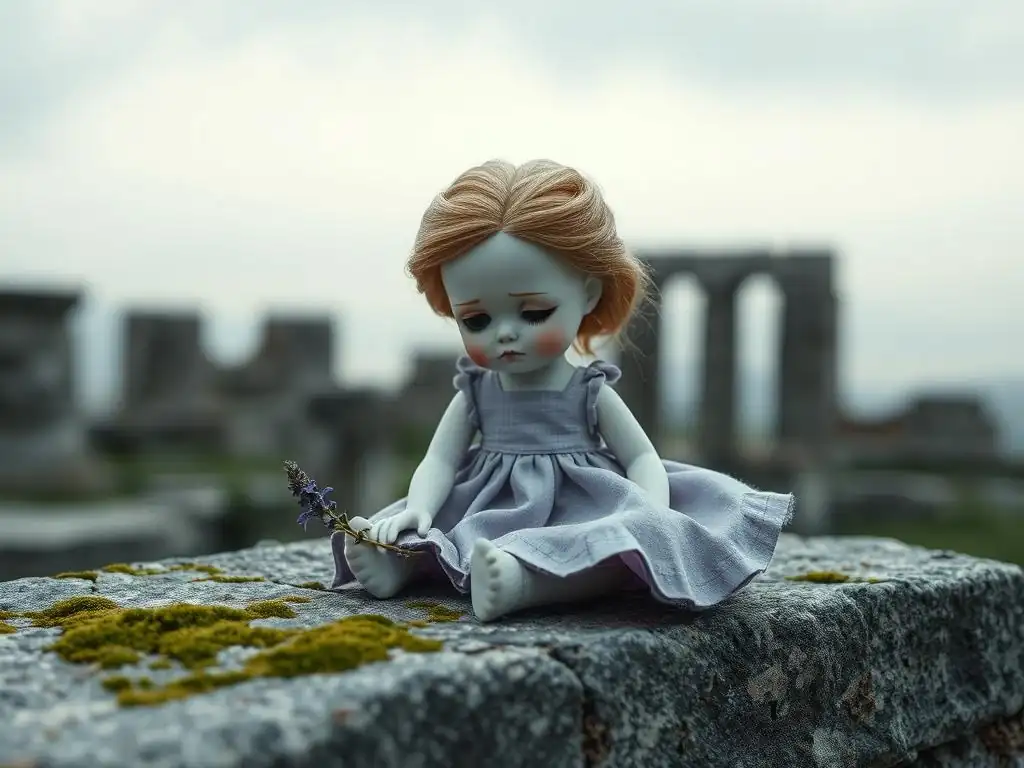
Biological Factors: Hormones and the Brain
Modern understanding acknowledges that biological factors play a role in mental health for all individuals, including women, but in a far more complex and nuanced way than ancient theories suggested. Hormonal fluctuations throughout a woman's life cycle – including puberty, menstruation, pregnancy, postpartum, and menopause – can influence mood and contribute to conditions like Premenstrual Dysphoric Disorder (PMDD) or postpartum depression. Research indicates that significant hormonal shifts can impact neurotransmitter systems in the brain, affecting mood regulation.
However, unlike ancient beliefs that attributed all or most female distress to reproductive biology, modern science views hormones as one piece of a larger puzzle. Furthermore, biological research focuses on the brain's structure and function, genetic predispositions, and the complex interplay between various biological systems. Studies using neuroimaging techniques show differences in brain activity and structure associated with various mental health conditions, but these are not solely linked to reproductive organs and vary greatly among individuals. Biological factors are seen as contributing vulnerabilities or influences, not sole determinants of ancient female mental distress causes or modern ones.
Modern psychology emphasizes the profound impact of psychological factors on mental health, including trauma, chronic stress, and early life experiences. Women, like men, can develop conditions such as Post-Traumatic Stress Disorder (PTSD) following traumatic events, and chronic stress from various sources (work, relationships, financial difficulties) is a known risk factor for anxiety and depression. Cognitive patterns, such as negative self-talk or rumination, are also recognized as contributing factors to psychological distress.
Social influences are inextricably linked to psychological well-being. Social support networks, the quality of relationships, and experiences of discrimination or marginalization significantly impact mental health.
For women specifically, societal expectations, gender-based violence (which affects a large percentage of women globally; for example, WHO data indicates about 1 in 3 women worldwide have experienced physical or sexual violence), and the pressures of balancing multiple roles (career, motherhood, caregiving) can be significant stressors contributing to mental health challenges. These psychological and social factors are now understood as major ancient female mental distress causes and modern ones, a stark contrast to ancient somatic explanations.
The social and cultural context, particularly issues of gender inequality, is increasingly recognized as a critical determinant of women's mental well-being. Studies consistently show correlations between experiences of discrimination, poverty, lack of access to education and resources, and higher rates of certain mental health conditions in women compared to men. The World Health Organization notes that gender-related factors, such as unequal power in relationships, low income, and gender-based violence, are significant determinants of mental health for women.
Societal norms that limit women's autonomy, perpetuate harmful stereotypes, or normalize abuse create environments that can foster psychological distress. The expectation for women to be primary caregivers, often without adequate support, can lead to burnout and stress. Furthermore, cultural stigmas around mental health can disproportionately affect women, who may fear being labeled as "crazy" or "hysterical," a direct legacy of ancient beliefs about ancient female mental distress causes. A critical reassessment acknowledges that addressing gender inequality and promoting social justice are integral to improving women's mental health globally.
Debunking the Myth of the "Wandering Womb" and Promoting Modern Understanding
Addressing Misconceptions and Challenging Stigmas
Debunking the myth of the "wandering womb" and the broader concept of "hysteria" is essential for addressing historical misconceptions and challenging the stigmas that continue to surround women's mental health. It requires acknowledging that these ancient theories were based on flawed science and patriarchal biases. Educating the public about the history of these ideas helps people understand that the historical pathologizing of women's emotions and behaviors was not based on objective truth but on the limited understanding and societal prejudices of the time.
Challenging stigmas involves replacing outdated, dismissive labels with accurate, empathetic language. It means validating women's experiences of distress as legitimate health concerns, not manifestations of a misbehaving organ or inherent irrationality. Public awareness campaigns, open conversations about mental health, and media representation that portrays diverse experiences of mental illness accurately can help dismantle the legacy of shame and secrecy that ancient ideas about ancient female mental distress causes helped create.
The Importance of Evidence-Based Treatments and Support Systems
Moving forward requires a firm commitment to evidence-based treatments and robust support systems for women's mental health. Modern medicine and psychology offer a range of effective interventions for conditions like depression, anxiety, bipolar disorder, and others, including various forms of psychotherapy (such as Cognitive Behavioral Therapy or Interpersonal Therapy) and psychopharmacology when appropriate. These treatments are based on scientific research and clinical trials, not ancient speculation about bodily fluids or organ movements.
Equally important are comprehensive support systems. This includes access to affordable and culturally sensitive mental healthcare services, support groups, community resources, and policies that address the social determinants of mental health, such as paid family leave, affordable childcare, and protection against discrimination and violence. These systems empower women to seek help without fear and provide the necessary tools and environments for recovery and well-being, fundamentally different from the ancient "cures" for ancient female mental distress causes.
Empowering Women Through Knowledge and Access to Mental Health Care
Empowering women through knowledge and access to mental health care is a crucial step in overcoming the historical legacy of misunderstanding and stigma. Providing accurate information about mental health conditions, their real causes (biological, psychological, and social), and available treatments helps women understand their experiences and make informed decisions about their health. Knowledge is power, allowing women to recognize symptoms, understand that they are not alone, and feel confident in seeking help.
Ensuring equitable access to mental health services is paramount. This means addressing barriers such as cost, geographical location, lack of culturally competent providers, and continued stigma. Advocating for policies that prioritize women's health, including mental health, and investing in community-based support systems are essential. By empowering women with knowledge and ensuring access to care, we dismantle the remnants of ancient beliefs about ancient female mental distress causes and build a future where women's mental well-being is understood, valued, and supported based on modern science and compassion.
Conclusion: Moving Forward with a More Informed and Compassionate Approach to Female Mental Well-being
Emphasizing the Importance of Empathy and Understanding in Mental Health Discussions
The historical journey from the "wandering womb" to modern understanding highlights the critical need for empathy and understanding in all discussions about mental health, particularly concerning women. Ancient explanations, rooted in limited knowledge and societal biases, led to centuries of misdiagnosis, ineffective treatments, and profound suffering. Recognizing this history compels us to approach mental health challenges with humility and compassion, acknowledging the complex interplay of factors that contribute to distress.
Empathy involves listening to and validating the lived experiences of women struggling with mental health issues, free from historical prejudices or dismissive attitudes. It requires understanding that mental health is influenced by a multitude of factors, including unique biological experiences, personal psychology, and the social and cultural environments they navigate. Fostering a culture of empathy helps dismantle stigma and encourages open conversations, paving the way for individuals to seek and receive the help they need without fear of judgment, unlike the historical reactions to ancient female mental distress causes.
Promoting Mental Health Awareness and Reducing Stigma for Women Worldwide
Promoting mental health awareness and actively working to reduce stigma are vital steps in creating a more supportive world for women's mental well-being. This involves educating communities about mental health facts, challenging harmful stereotypes, and highlighting the fact that mental illness is treatable. Raising awareness about the historical context of ancient female mental distress causes, like the wandering womb, can illustrate how far we've come and underscore the importance of relying on evidence-based approaches today.
Reducing stigma requires collective effort – in healthcare settings, workplaces, schools, and within families. It means advocating for policies that support mental health care access and equity, ensuring that women everywhere have the opportunity to achieve their full mental well-being potential. By fostering awareness and actively combating stigma, we honor the struggles of those who suffered under historical misconceptions and build a future where women's mental health is recognized, respected, and supported with the compassion and understanding it deserves.
Frequently Asked Questions
What was the "wandering womb" theory, and what did it propose about female mental distress?
The "wandering womb" theory, prevalent in ancient Greece and Egypt, attributed female mental distress to the uterus literally moving around the body. This movement was believed to cause a range of physical and emotional ailments.
How did the "wandering womb" theory influence the treatment of women experiencing mental health challenges in ancient times?
Treatment often focused on luring the womb back to its "proper" place, typically through pleasant smells or sexual activity. This approach completely disregarded actual psychological or emotional factors.
Besides the "wandering womb," what other ancient beliefs contributed to misunderstandings about female mental health?
Ancient societies often attributed mental distress to divine punishment or hysteria, a term derived from the Greek word for uterus. These beliefs perpetuated stigma and limited understanding.
How did the patriarchal structure of ancient societies impact the perception and treatment of female mental distress?
Patriarchal structures often silenced women's voices and dismissed their experiences. This power imbalance led to misdiagnoses and inadequate care, reinforcing harmful stereotypes.
What can we learn from studying ancient perspectives on female mental distress?
Studying these ancient views highlights the importance of evidence-based approaches. It also underscores the need to challenge societal biases that can impact mental health diagnosis and treatment today.
Final Reflection: Reclaiming the Narrative of Ancient Female Mental Distress
The understanding of women's mental health has evolved significantly, yet the echoes of ancient misconceptions still resonate in our modern approaches. The persistent stigma surrounding female mental distress, often rooted in historical interpretations of the body and mind, demands continued critical examination. We must actively dismantle these outdated narratives to build a more compassionate and effective system of care.
The journey through ancient texts and medical practices revealed a deeply unsettling pattern: the female body, particularly the reproductive system, was frequently blamed for a wide range of emotional and psychological difficulties. This reductionist approach, often manifested in diagnoses like "hysteria," not only invalidated women's experiences but also prevented them from accessing appropriate care and support. The history of madness is also the history of the oppression of women.
This quote, though not directly from an ancient source, powerfully encapsulates the lasting impact of these historical biases. Understanding this history is crucial to recognizing and challenging the subtle ways these biases continue to manifest today.
Consider the ways in which societal pressures and expectations still impact women's mental well-being. Are we truly free from the ancient prejudices that pathologized female emotionality? I urge you to reflect on this question, to examine your own biases, and to actively work towards a future where women's mental health is understood, respected, and prioritized. Let the exploration of ancient perspectives serve not as a condemnation of the past, but as a catalyst for positive change in the present and a beacon of hope for a more equitable future.
Unlock Your Understanding: Exploring Female Mental Health Through History
Thanks for taking the time to delve into the fascinating (and sometimes unsettling!) history of understanding female mental distress. You've gained valuable insight into how perceptions have shifted over time. Now, let's build on that knowledge!
- Deepen your understanding: Research modern perspectives on the mental health challenges faced by women. Consider exploring resources like the World Health Organization or your local mental health association. This will help you better understand the present-day implications of these historical biases.
- Share this article: Let's spark a conversation! Share this piece with friends, family, or on social media to broaden understanding of these important historical context and their lasting effects.
- Challenge the narrative: Actively look for examples of outdated or biased language surrounding women's mental health in your everyday life (media, conversations, etc.). Consider how to counter these narratives with informed discussions and support.
What steps will you take today to foster a more informed and empathetic understanding of women's mental health?