
From Serotonin to Sanity: The Gut's Crucial Role in Neurotransmitter Production

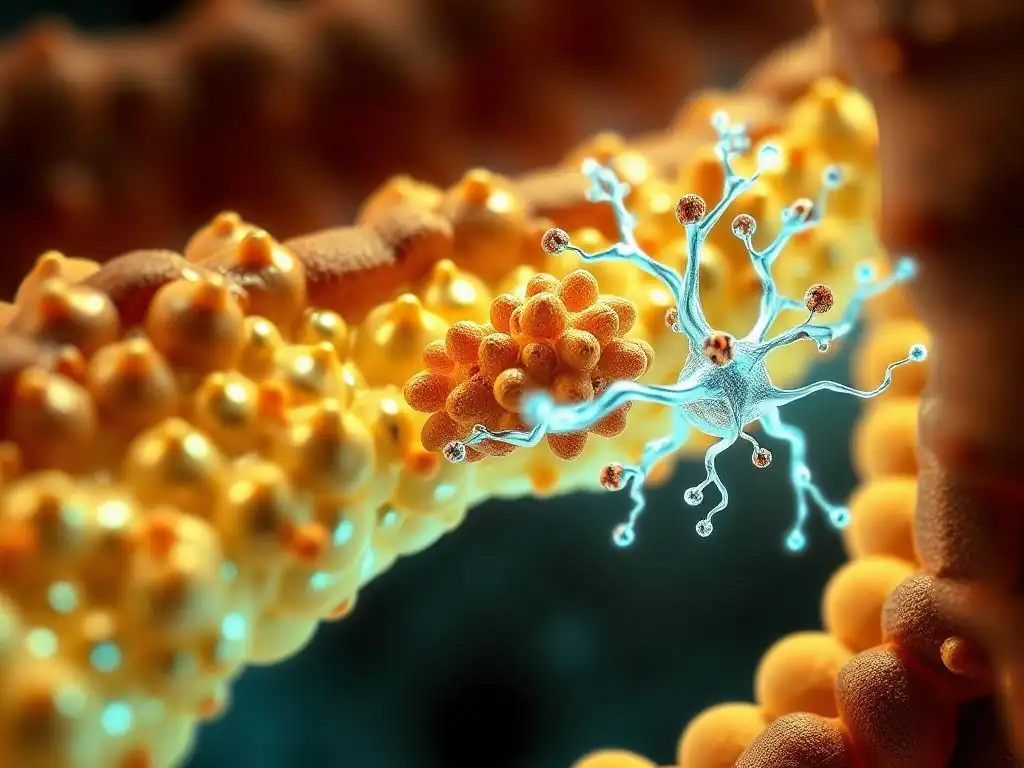
Welcome to Mind Care Guide, a safe space dedicated to nurturing your mental well-being.
Ever wondered if your gut holds the key to a calmer mind? Delve into the fascinating connection between your digestive system and mental health as we explore the groundbreaking science of gut neurotransmitter production benefits. This isn't just about digestion; it's about understanding how your gut profoundly impacts your mood, anxiety, and overall mental clarity. Prepare to discover how nurturing your gut could unlock a happier, healthier you. Let's begin this journey together...
The Gut-Brain Axis: Impact on Mental Wellness and Neurotransmitter Production
- Understanding the Gut-Brain Connection
- Key Neurotransmitters and Mental Health
- Gut Microbiota's Role in Neurotransmitter Synthesis
- Benefits of Balanced Gut Neurotransmitter Production
- Factors Influencing Gut Neurotransmitter Balance
- Strategies for Optimizing Gut Health and Neurotransmitter Function
- Emerging Therapies and the Future of Gut-Brain Research
- Conclusion: Prioritizing Gut Health for Mental Well-being
-
Frequently Asked Questions
- How does gut health impact neurotransmitter production?
- What are the key gut neurotransmitter production benefits?
- What foods support healthy gut neurotransmitter production?
- Can poor gut health contribute to mental health issues?
- What are some practical steps I can take to improve my gut health and neurotransmitter production?
- Final Reflection: The Mind-Gut Connection: A Path to Holistic Wellbeing
- Unlock Your Inner Calm: Nurture Your Gut, Nourish Your Mind
Understanding the Gut-Brain Connection
The intricate connection between the gut and the brain, known as the gut-brain axis, is a bidirectional communication system involving the central nervous system, the enteric nervous system (often called the "second brain" in the gut), the immune system, and the complex community of microorganisms residing in the digestive tract – the gut microbiota. This axis acts like a superhighway, constantly exchanging signals that influence everything from digestion and mood to cognitive function and overall mental well-being. Understanding this connection is fundamental to appreciating the benefits of gut neurotransmitter production.
Bidirectional Communication: The Gut-Brain Axis Explained
The gut-brain axis is not a one-way street; information flows constantly in both directions. The vagus nerve, the longest cranial nerve, serves as a primary communication pathway, directly linking the brainstem to the gut. This nerve transmits signals about the state of the gut, such as distension or the presence of nutrients, directly to the brain. Simultaneously, the brain can influence gut function, impacting motility, secretion, and even blood flow.
Beyond the vagus nerve, communication also occurs through the bloodstream via hormones, neuropeptides, and immune system molecules like cytokines. The gut is a major endocrine organ, producing hormones that affect appetite and mood. Furthermore, the gut microbiota itself produces various metabolites, including short-chain fatty acids (SCFAs) like butyrate, propionate, and acetate, which can cross the blood-brain barrier and influence brain function and mental health. This constant interplay underscores why the health of your gut is intimately tied to the health of your mind.
Inflammation, Microbiome, and Mental Health
Chronic low-grade inflammation in the gut can significantly impact mental health via the gut-brain axis. The gut lining, when compromised (often referred to as "leaky gut"), can allow bacterial products and other inflammatory molecules to enter the bloodstream. These substances can travel to the brain, triggering neuroinflammation, which has been linked to various mental health conditions, including depression and anxiety.
The composition and diversity of the gut microbiome play a crucial role in regulating this inflammatory state. A diverse and balanced microbiome helps maintain the integrity of the gut barrier and produces beneficial metabolites that can have anti-inflammatory effects both locally and systemically. Conversely, a dysbiotic or unbalanced microbiome, often characterized by a reduction in beneficial bacteria and an increase in potentially harmful ones, can promote inflammation and contribute to negative mental health outcomes. Research increasingly points to specific microbial profiles being associated with different mood disorders, highlighting the profound influence of our microbial residents on our psychological state.
Key Neurotransmitters and Mental Health
Neurotransmitters are chemical messengers that transmit signals across synapses in the brain and nervous system. They play a critical role in regulating mood, emotion, sleep, appetite, and many other psychological and physiological processes. While traditionally associated with the brain, many key neurotransmitters are also produced, stored, or influenced by the gut and its resident microbes, contributing significantly to the gut neurotransmitter production benefits we experience.
Serotonin: Mood Regulation and Gut Connection
Serotonin, also known as 5-hydroxytryptamine (5-HT), is perhaps the most well-known neurotransmitter linked to mood regulation, happiness, and well-being. Low levels of serotonin in the brain are often associated with depression and anxiety. What is less commonly known is that a vast majority of the body's serotonin—estimated to be around 90%—is produced not in the brain, but in the gut by specialized cells called enterochromaffin cells.
This gut-derived serotonin plays a significant role in regulating gut motility and function. However, it also influences the brain via the gut-brain axis, though the exact mechanisms by which gut serotonin impacts brain serotonin levels are still being actively researched.
It's understood that microbial metabolites and inflammatory signals from the gut can modulate serotonin synthesis and signaling pathways, both in the gut and potentially indirectly in the brain. This makes the gut a primary factory for this vital mood-regulating chemical, underscoring the importance of healthy gut function for optimal serotonin levels and the subsequent gut neurotransmitter production benefits related to mood.
Dopamine: Motivation, Reward, and the Microbiome
Dopamine is another critical neurotransmitter involved in motivation, pleasure, reward, and motor control. Dysregulation of dopamine pathways is implicated in conditions like Parkinson's disease, addiction, and certain mood disorders. While dopamine is primarily synthesized in specific brain regions, the gut microbiome also plays a role in its metabolism and the production of its precursors.
Certain gut bacteria can produce L-DOPA, a precursor to dopamine, or influence the host's ability to produce and metabolize dopamine. For instance, species from genera like Bacillus and Escherichia have been identified as potential producers of dopamine or its precursors. Furthermore, the gut microbiome can influence dopamine signaling by affecting the permeability of the gut barrier and the inflammatory state, indirectly impacting brain dopamine pathways. The gut's contribution to dopamine balance is an exciting area of research, revealing more about the extensive gut neurotransmitter production benefits.
GABA: Anxiety Reduction and Gut-Derived Production
Gamma-aminobutyric acid (GABA) is the primary inhibitory neurotransmitter in the central nervous system. It acts like a brake, reducing neuronal excitability and promoting relaxation. Low levels of GABA are associated with increased anxiety, stress, and difficulty sleeping. While GABA is synthesized in the brain, certain gut bacteria are capable of producing GABA directly.
Specific strains of bacteria, particularly within the Lactobacillus and Bifidobacterium genera, are known to produce GABA as a metabolic byproduct. These bacteria convert glutamate, an amino acid present in the gut, into GABA. While the direct absorption of microbially produced GABA into the brain is debated due to the blood-brain barrier, gut-derived GABA can influence the enteric nervous system and potentially signal to the brain via the vagus nerve and other pathways, contributing to a calming effect and highlighting another facet of gut neurotransmitter production benefits.
Gut Microbiota's Role in Neurotransmitter Synthesis
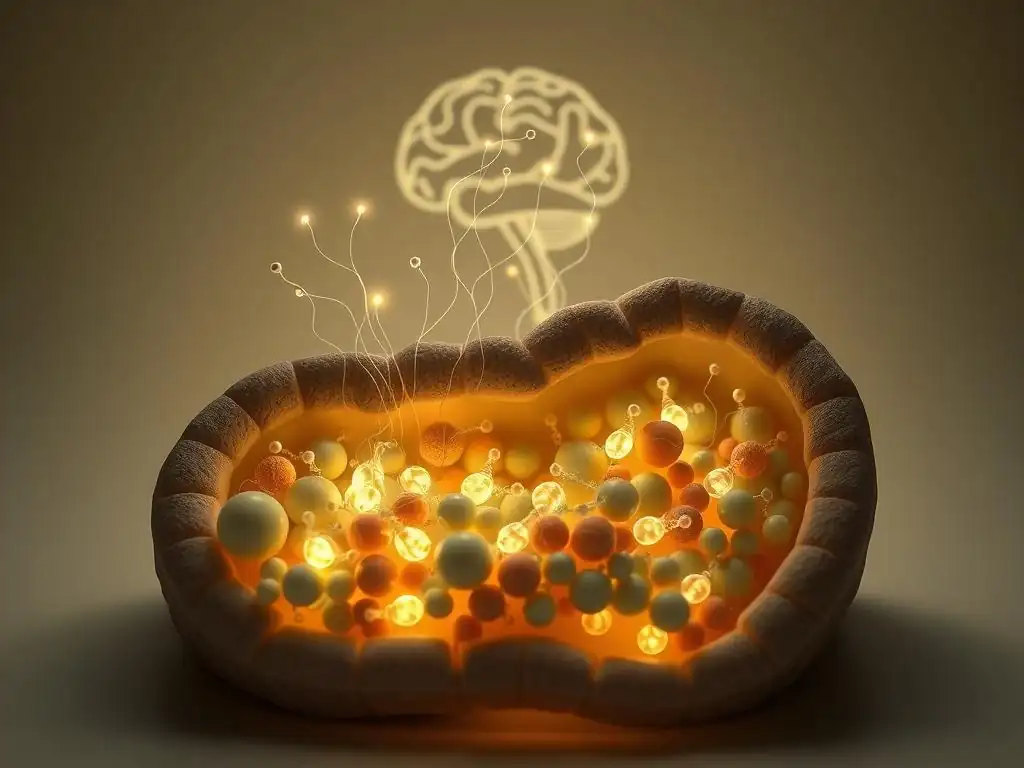
The gut microbiota is not merely a collection of passengers; it's an active metabolic organ influencing host physiology in myriad ways, including the production and modulation of neurotransmitters. This microbial factory significantly contributes to the levels and activity of various neurochemicals, impacting mental health and contributing to observable gut neurotransmitter production benefits.
Microbial Influence on Serotonin Pathways
The gut microbiome exerts a profound influence on serotonin pathways. As mentioned, most serotonin is produced by gut enterochromaffin cells. The activity of these cells is influenced by metabolites produced by gut bacteria, such as short-chain fatty acids (SCFAs). Butyrate, for example, can enhance the synthesis of serotonin by enterochromaffin cells.
Moreover, some gut bacteria themselves can produce serotonin or influence its availability. Certain Lactobacillus species and Bacteroides fragilis have been shown to affect serotonin levels in the gut. The microbiome also influences the expression of genes involved in serotonin transport and metabolism, further regulating its effects within the gut and its potential signaling to the brain. This complex interplay underscores the critical role of a healthy microbiome in maintaining optimal serotonin levels and unlocking the full spectrum of gut neurotransmitter production benefits.
Gut Bacteria and Dopamine Metabolism
While less is known about direct microbial dopamine production compared to serotonin or GABA, gut bacteria significantly impact dopamine metabolism and signaling. Microbes can influence the availability of dopamine precursors from the diet and modulate the host's metabolic pathways related to dopamine synthesis and degradation.
Specific bacterial metabolites, including SCFAs, can interact with host cells to influence dopamine-related gene expression and signaling. Additionally, the microbiome's impact on inflammation and gut barrier integrity indirectly affects dopamine pathways in the brain. Dysbiosis has been linked to altered dopamine signaling in animal models, suggesting a role in conditions like depression and anxiety where dopamine dysfunction is implicated. The intricate relationship between gut bacteria and dopamine highlights the diverse gut neurotransmitter production benefits derived from a healthy microbial community.
GABA Production by Specific Gut Flora
The ability of certain gut bacteria to produce GABA is a well-established example of microbial neurotransmitter synthesis. Key players include various species within the Lactobacillus and Bifidobacterium genera, such as Lactobacillus brevis, Lactobacillus paracasei, and Bifidobacterium dentium. These bacteria possess the necessary enzymatic machinery to convert dietary glutamate into GABA.
Studies have shown that administering GABA-producing probiotic strains can lead to increased GABA levels in the gut and can exert anxiolytic (anxiety-reducing) effects in animal models. While the direct transport of this microbially produced GABA to the brain is limited, it can interact with GABA receptors in the enteric nervous system, influencing gut-brain communication and potentially contributing to systemic calming effects. This direct microbial production of GABA is a fascinating example of the potent gut neurotransmitter production benefits offered by specific beneficial bacteria.
Benefits of Balanced Gut Neurotransmitter Production
Maintaining a healthy gut and supporting optimal gut neurotransmitter production offers a wide array of benefits that extend far beyond digestive health, profoundly impacting mental and emotional well-being. These gut neurotransmitter production benefits are gaining increasing recognition in both clinical and research settings.
Improved Mood Stability and Emotional Resilience
A balanced production of neurotransmitters like serotonin and dopamine in the gut is strongly associated with improved mood stability. Adequate serotonin levels are crucial for feelings of well-being and happiness, while balanced dopamine contributes to motivation and the ability to experience pleasure.
When the gut-brain axis is functioning optimally, and gut neurotransmitter production is balanced, individuals may experience fewer mood swings, reduced feelings of hopelessness, and enhanced emotional resilience when facing stress or adversity. This foundational support from the gut contributes significantly to overall psychological robustness.
Reduction in Anxiety Symptoms and Stress Response
GABA, produced by certain gut bacteria, plays a key role in reducing anxiety. By promoting inhibitory signaling, it helps calm the nervous system. A gut environment that supports sufficient GABA production can therefore contribute to a reduction in feelings of anxiety and a more balanced stress response.
Furthermore, a healthy gut microbiome's ability to reduce inflammation and modulate the stress hormone cortisol also contributes to this benefit. By buffering the body's reaction to stress, optimal gut neurotransmitter production helps create a sense of calm and reduces the physiological symptoms often associated with anxiety.
Enhanced Cognitive Function and Clarity
The gut-brain axis also influences cognitive functions such as memory, focus, and clarity. Neurotransmitters like dopamine and serotonin are involved in processes related to learning, attention, and executive function.
A gut environment that supports balanced production and signaling of these neurochemicals can lead to improved cognitive performance. Reduced neuroinflammation, facilitated by a healthy microbiome, also protects brain health and supports clearer thinking. Many individuals who focus on improving their gut health report feeling mentally sharper and more focused, highlighting the gut neurotransmitter production benefits for the brain.
Promotion of Healthy Sleep Architecture
Sleep is intricately linked to neurotransmitter balance, particularly serotonin, which is a precursor to melatonin, the hormone regulating sleep-wake cycles. The gut's significant role in serotonin production directly impacts the body's ability to synthesize melatonin.
A healthy gut that efficiently produces serotonin contributes to better sleep quality and a more regular sleep architecture. Dysbiosis and gut inflammation, on the other hand, have been associated with sleep disturbances, including insomnia. Optimizing gut neurotransmitter production is therefore a valuable strategy for promoting restful and restorative sleep.
Factors Influencing Gut Neurotransmitter Balance
The delicate balance of neurotransmitter production in the gut is susceptible to various internal and external factors. Understanding these influences is key to maintaining a healthy gut-brain axis and maximizing the gut neurotransmitter production benefits.
Dietary Impacts: Prebiotics, Probiotics, and Fermented Foods
Diet is arguably the most significant factor influencing the gut microbiome and, consequently, gut neurotransmitter production. A diet rich in fiber, particularly soluble fiber from fruits, vegetables, legumes, and whole grains, provides prebiotics – food for beneficial gut bacteria. These bacteria ferment prebiotics into beneficial SCFAs, which support gut health and influence neurotransmitter production.
Consuming probiotic-rich foods like yogurt (with live and active cultures), kefir, sauerkraut, kimchi, and kombucha introduces beneficial bacteria directly into the gut. While not all probiotics take up permanent residence, they can transiently influence the existing microbial community and potentially contribute to neurotransmitter production or modulate the gut environment favorably. A diverse, plant-rich diet is foundational for supporting healthy gut neurotransmitter production benefits.
Chronic Stress and its Effects on Gut Microbiome
Chronic psychological stress has a profound negative impact on the gut microbiome and gut-brain axis. Stress hormones like cortisol can alter gut motility, increase gut permeability, and shift the composition of the gut microbial community, often reducing beneficial bacteria and increasing stress-tolerant or potentially pathogenic species.
This stress-induced dysbiosis can impair the gut's ability to produce neurotransmitters and beneficial metabolites, while also promoting inflammation. The resulting disruption in gut neurotransmitter production and signaling can exacerbate stress and anxiety, creating a vicious cycle. Managing stress is therefore crucial for maintaining a healthy gut and supporting optimal gut neurotransmitter production benefits.
Antibiotic Use and Microbial Dysbiosis
Antibiotics are powerful medications that, while essential for treating bacterial infections, can cause significant disruption to the gut microbiome. They often kill beneficial bacteria along with the harmful ones, leading to a state of dysbiosis that can persist for weeks, months, or even longer after treatment.
This widespread disruption can impair the gut's capacity for neurotransmitter production and alter gut-brain communication. While antibiotic use is sometimes necessary, it's important to use them judiciously and take steps to support gut recovery afterwards, such as consuming probiotics and prebiotics, to help restore microbial balance and support gut neurotransmitter production benefits.
Environmental Toxins and Gut Health
Exposure to various environmental toxins, including pesticides, heavy metals, and certain industrial chemicals, can also negatively impact gut health and the microbiome. These substances can damage the gut lining, promote inflammation, and alter microbial composition and function.
For example, some pesticides have been shown to disrupt specific bacterial populations in the gut. This disruption can impair the gut's ability to produce essential neurotransmitters and metabolites, potentially contributing to neurological and psychological issues. Reducing exposure to environmental toxins is another important aspect of protecting gut health and supporting the beneficial outcomes of gut neurotransmitter production.
Strategies for Optimizing Gut Health and Neurotransmitter Function
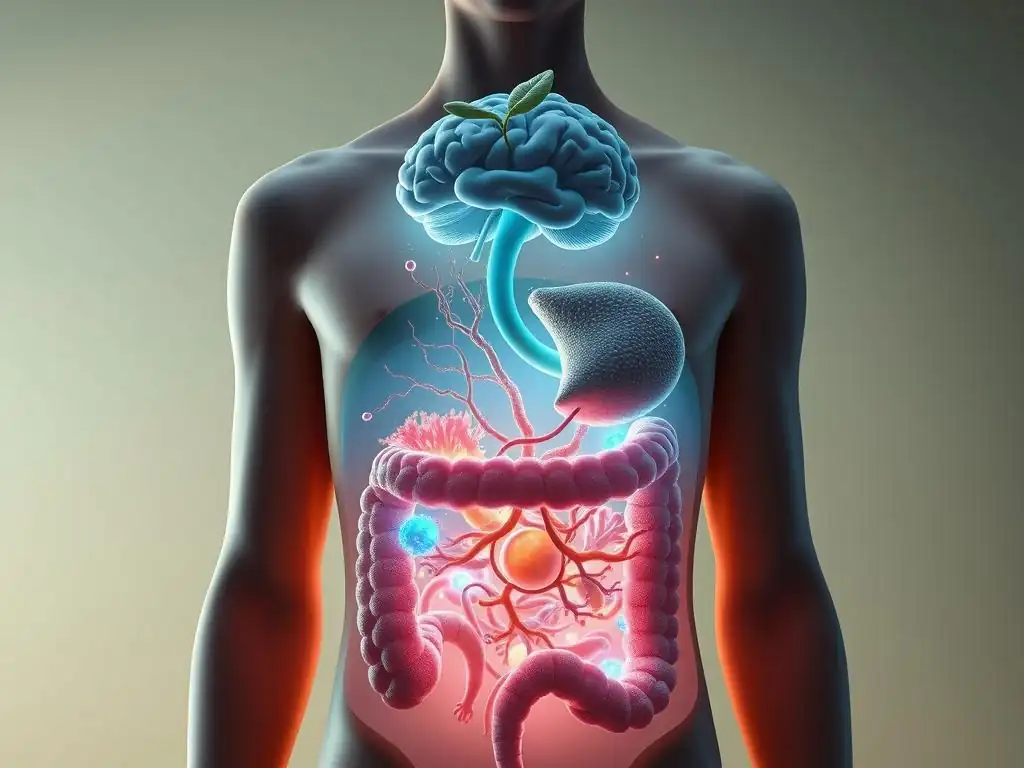
Given the profound connection between gut health and mental well-being, adopting strategies to optimize the gut-brain axis is a powerful way to support mental health and enhance gut neurotransmitter production benefits.
Dietary Interventions: Fiber, Polyphenols, and Gut-Friendly Foods
Focusing on a whole-foods, plant-rich diet is paramount. Aim for a high intake of diverse plant fibers, which act as prebiotics. Include foods rich in polyphenols, plant compounds found in berries, dark chocolate, nuts, seeds, and colorful vegetables, as these also feed beneficial bacteria and have antioxidant and anti-inflammatory effects.
Consider incorporating fermented foods regularly to introduce beneficial microbes. Examples include:
- Yogurt (unsweetened, with live cultures)
- Kefir
- Sauerkraut
- Kimchi
- Tempeh
- Kombucha (low sugar)
- Task: Increase daily fiber intake from diverse sources.
- Task: Include at least one serving of fermented food daily.
- Task: Prioritize colorful fruits and vegetables high in polyphenols.
Stress Management Techniques: Mindfulness and Exercise
Effectively managing stress is vital for protecting the gut-brain axis. Incorporate stress-reducing practices into your routine, such as:
- Mindfulness meditation
- Deep breathing exercises
- Yoga
- Spending time in nature
- Regular physical activity
Even moderate exercise has been shown to positively influence gut microbial diversity and function. Finding stress management techniques that work for you can help buffer the negative impacts of stress on the gut and support healthy gut neurotransmitter production.
Targeted Probiotic Supplementation: Lactobacillus and Bifidobacterium Strains
While diet is foundational, targeted probiotic supplementation can be beneficial, especially after antibiotic use or during periods of high stress or gut imbalance. Look for supplements containing well-studied strains, particularly those known to influence the gut-brain axis and neurotransmitter production.
Strains from the Lactobacillus and Bifidobacterium genera are commonly studied for their potential psychobiotic effects and ability to produce GABA or influence serotonin. Examples include Lactobacillus helveticus, Bifidobacterium longum, and Lactobacillus rhamnosus. Choosing a multi-strain probiotic can offer broader support for microbial diversity. It's often best to consult with a healthcare professional to determine the most appropriate probiotic for your individual needs and to maximize the potential gut neurotransmitter production benefits.
Emerging Therapies and the Future of Gut-Brain Research
The field of gut-brain research is rapidly evolving, leading to innovative potential therapies that target the microbiome to improve mental health outcomes and enhance gut neurotransmitter production benefits.
Fecal Microbiota Transplantation (FMT) for Mental Health Disorders
Fecal Microbiota Transplantation (FMT) involves transferring stool from a healthy donor into the gastrointestinal tract of a recipient. While currently primarily used for treating recurrent Clostridioides difficile infection, research is exploring its potential for other conditions, including mental health disorders like depression and anxiety.
Early studies and case reports have shown promising results, with some individuals experiencing significant improvements in mood and anxiety symptoms after FMT. The proposed mechanism involves introducing a diverse and healthy microbial community that can restore beneficial functions, including neurotransmitter production and modulation of inflammatory pathways. However, this therapy is still considered experimental for mental health conditions and requires further rigorous clinical trials.
Personalized Nutrition and Microbiome Analysis
Advancements in sequencing technology now allow for detailed analysis of an individual's gut microbiome composition. This opens the door to personalized nutritional recommendations and interventions aimed at optimizing the specific microbial ecosystem for better health outcomes, including enhanced gut neurotransmitter production benefits.
By understanding which specific bacteria are present or lacking, and how they correlate with symptoms or dietary habits, practitioners may one day be able to provide highly tailored dietary advice, prebiotic recommendations, or targeted probiotic therapies. This move towards precision gut health could revolutionize how we approach mental well-being by addressing the unique microbial landscape of each individual.
Novel Probiotic Strains and Psychobiotics
Research is actively identifying and developing new probiotic strains with specific psychotropic properties, often referred to as "psychobiotics." These are live microorganisms that, when ingested in adequate amounts, produce a health benefit in patients suffering from psychiatric illnesses.
Scientists are screening for strains that are particularly effective at producing neurotransmitters like GABA or influencing serotonin pathways, reducing inflammation, or modulating the stress response. The future may see highly specific probiotic formulations designed to target particular mental health symptoms by directly supporting beneficial gut neurotransmitter production and gut-brain communication.
Conclusion: Prioritizing Gut Health for Mental Well-being
The journey from understanding serotonin production to achieving a state of sanity is intrinsically linked to the health of our gut. The gut-brain axis is a powerful connection, and the gut's role as a major site of neurotransmitter production is undeniable. Recognizing and leveraging the gut neurotransmitter production benefits is a transformative approach to mental wellness.
The Importance of a Holistic Approach to Mental Health
This growing body of evidence underscores the importance of moving towards a more holistic approach to mental health. While traditional therapies and medications remain vital, integrating strategies that support gut health can provide a powerful complementary pathway to improved well-being. Addressing the gut is not a replacement for professional mental healthcare but a valuable addition to a comprehensive treatment plan.
Mental health is influenced by a complex interplay of genetic, environmental, psychological, and biological factors – and the gut microbiome and its impact on neurotransmitter production are clearly significant biological contributors. Embracing a gut-conscious lifestyle can enhance the effectiveness of other mental health interventions and foster greater resilience.
Empowering Individuals to Take Control of Their Gut-Brain Axis
Understanding the gut's role in neurotransmitter production empowers individuals to take proactive steps towards improving their mental health. Simple yet impactful lifestyle changes, particularly focusing on diet, stress management, and potentially targeted supplementation, can have a profound effect on the gut microbiome and its ability to support brain function.
By prioritizing gut health, we are not just improving digestion; we are nurturing a vital connection that influences our mood, clarity, resilience, and overall mental state. The gut neurotransmitter production benefits are real and accessible, offering a promising path towards enhanced psychological well-being for everyone.
Frequently Asked Questions
How does gut health impact neurotransmitter production?
The gut microbiome directly influences the production of neurotransmitters like serotonin and dopamine. This affects mood and mental well-being because the gut's health can either support or hinder neurotransmitter synthesis. A healthy gut translates to better neurotransmitter balance.
What are the key gut neurotransmitter production benefits?
Key benefits include improved mood, reduced anxiety, and better sleep quality. Optimizing gut health supports efficient neurotransmitter synthesis, leading to enhanced cognitive function and emotional stability.
What foods support healthy gut neurotransmitter production?
Probiotic-rich foods like yogurt and kimchi, along with fiber-rich foods, promote a healthy gut microbiome. This, in turn, supports the production of essential neurotransmitters. Prebiotic foods also nourish beneficial gut bacteria.
Can poor gut health contribute to mental health issues?
Yes, an imbalance in gut bacteria can lead to reduced neurotransmitter production, potentially contributing to conditions like depression and anxiety. Inflammation in the gut can also negatively impact brain function.
What are some practical steps I can take to improve my gut health and neurotransmitter production?
Focus on a balanced diet rich in fiber and probiotics. Manage stress levels and consider consulting a healthcare professional for personalized advice. Also avoiding processed foods will greatly improve your gut health.
Final Reflection: The Mind-Gut Connection: A Path to Holistic Wellbeing
The intricate relationship between our gut microbiome and brain health is no longer a fringe theory; it's a rapidly expanding field with profound implications for our understanding of mental and physical wellbeing. The research presented in this article highlights the crucial role gut bacteria play in the production of neurotransmitters like serotonin, impacting everything from mood regulation to cognitive function. This isn't just about digestive health; it's about unlocking a pathway to a healthier, happier life.
The more I delve into the science behind the gut-brain axis, the more I'm struck by its far-reaching consequences. It's not just about treating symptoms; it's about understanding the root causes of many mental and emotional imbalances. The implications for mental health treatment are immense, potentially shifting the focus from solely pharmaceutical interventions to a more holistic approach that includes dietary changes and gut microbiome modulation. The gut is the second brain,
a phrase often used, is more than a metaphor; it's a powerful statement reflecting the undeniable connection between our gut health and mental state.
Consider the power you hold in shaping your own mental and emotional wellbeing. By understanding the pivotal role your gut plays in neurotransmitter production, you can actively cultivate a healthier, more balanced internal ecosystem. This isn't about quick fixes; it's about making conscious choices – nourishing your gut with diverse, nutrient-rich foods, managing stress effectively, and prioritizing sleep. Take the time to reflect on your own relationship with food and your gut health. What changes can you make today to foster a healthier mind-gut connection and unlock the incredible potential for improved mental and physical health?
Unlock Your Inner Calm: Nurture Your Gut, Nourish Your Mind
Thanks for exploring the fascinating connection between gut health and mental well-being! You've now learned how crucial your gut is for producing those happy neurotransmitters. Ready to put this knowledge into action?
- Prioritize gut-friendly foods: Start incorporating more fiber-rich fruits, vegetables, and fermented foods into your daily diet. This is the single biggest step you can take towards a happier, healthier gut and brain.
- Consider a gut health supplement: Research probiotics and prebiotics that can help support your gut microbiome and boost serotonin production. This can be a valuable addition to a healthy diet.
- Share your journey: Tell your friends and family about the gut-brain connection! Inspire them to prioritize their gut health too.
What simple change will you make today to nurture your gut and boost your mood?