
Tracking Brain Health: Emerging Biomarkers for Neuroinflammation

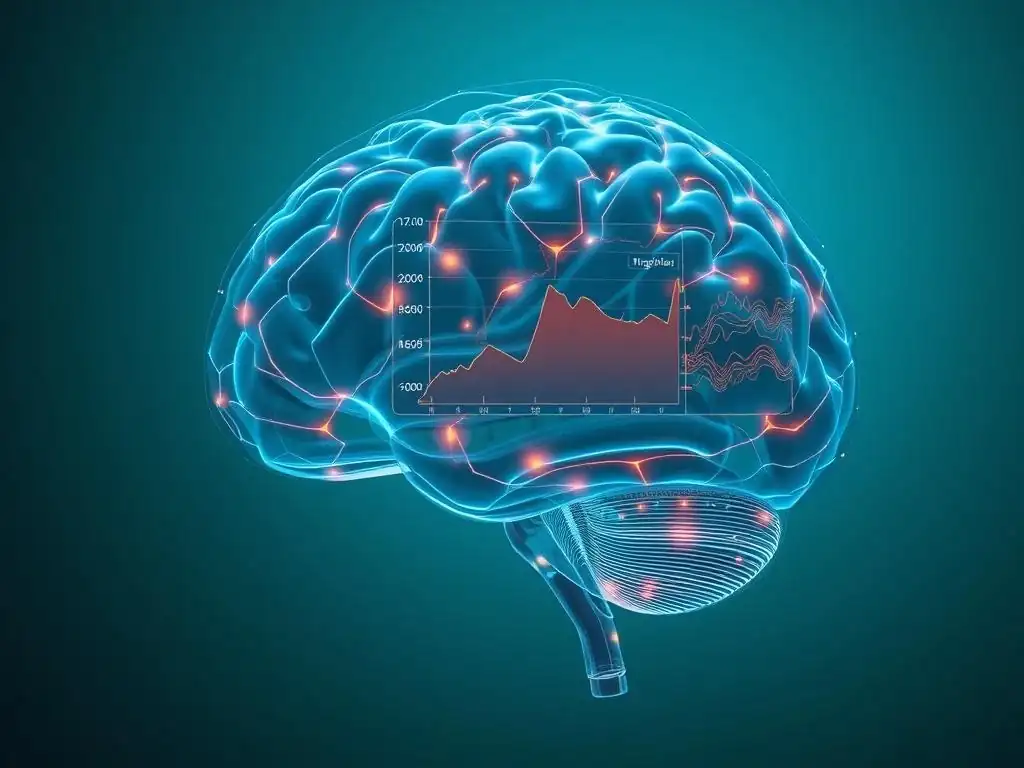
Welcome to Mind Care Guide, your compassionate companion on the path to mental well-being. Feeling lost in the complexities of brain health? You're not alone. This month, we delve into the fascinating world of neuroinflammation biomarker tracking methods, exploring how these cutting-edge techniques are revolutionizing our understanding of mental health. Curious to know how these advancements might impact you or someone you care about? Let's unravel the science together and discover how we can proactively care for our minds.
Tracking Brain Health: Emerging Biomarkers for Neuroinflammation
- Understanding Neuroinflammation and Its Impact on Mental Health
- Neuroinflammation Biomarker Tracking Methods: An In-Depth Look
- Emerging Neuroinflammation Biomarkers: A Detailed Review
- Methods for Tracking Neuroinflammation Biomarkers
- The Clinical Significance of Neuroinflammation Biomarker Tracking
- Future Directions in Neuroinflammation Biomarker Research
- Implications for Mind Care Guide Readers: Proactive Steps for Brain Health
-
Frequently Asked Questions
- What is neuroinflammation and why is it important to track?
- What are neuroinflammation biomarkers?
- What are some emerging neuroinflammation biomarker tracking methods?
- How can tracking neuroinflammation biomarkers improve mental well-being?
- Are these neuroinflammation biomarker tracking methods readily available to the public?
- Final Reflection: Charting the Course Towards Early Neuroinflammation Detection
- Unlock Your Brain's Potential: Take Charge of Your Neuro-Wellness
Understanding Neuroinflammation and Its Impact on Mental Health
The Role of Neuroinflammation in Mental Illness: An Overview
Neuroinflammation, the inflammatory response within the brain or spinal cord, is increasingly recognized as a significant factor in the development and progression of various mental health conditions. Unlike acute inflammation in the body, chronic low-grade neuroinflammation can subtly disrupt neural circuits and communication pathways over time. This persistent immune activation involves various cell types, including microglia and astrocytes, and the release of inflammatory molecules like cytokines, which can alter neurotransmitter systems and synaptic plasticity.
Research has linked neuroinflammation to a spectrum of psychiatric disorders, including major depressive disorder, bipolar disorder, schizophrenia, and anxiety disorders. For instance, studies have observed elevated inflammatory markers in the blood and cerebrospinal fluid of individuals experiencing acute episodes of depression or psychosis. While not the sole cause, this suggests that inflammatory processes contribute to the pathophysiology of these conditions, potentially exacerbating symptoms and influencing treatment outcomes. Understanding this link is crucial for developing more targeted interventions.
How Neuroinflammation Affects Brain Function and Cognitive Processes
The brain's delicate environment is highly susceptible to inflammatory signals, which can profoundly impact neuronal function and cognitive abilities. Inflammatory mediators released during neuroinflammation can interfere with synaptic transmission, impairing the communication between neurons. This disruption can affect areas critical for mood, cognition, and behavior, such as the prefrontal cortex, hippocampus, and amygdala. For example, chronic exposure to pro-inflammatory cytokines has been shown to impair long-term potentiation, a key mechanism for learning and memory, in animal models.
Furthermore, neuroinflammation can damage neural tissue and impair neurogenesis, the process of generating new neurons, particularly in the hippocampus. Reduced neurogenesis in this region is associated with cognitive deficits and mood disorders. The resulting oxidative stress and excitotoxicity can lead to neuronal dysfunction and loss. These effects collectively contribute to the cognitive symptoms often observed in mental illnesses, such as difficulties with concentration, memory problems, and impaired executive function, highlighting the broad impact of neuroinflammation on brain health.
Neuroinflammation: A Key Target for Mental Health Research
Given its pervasive influence on neural function and its association with numerous mental health conditions, neuroinflammation has become a central focus in neuroscience and psychiatric research. Scientists are actively investigating the underlying mechanisms by which inflammation contributes to psychiatric symptoms and exploring ways to modulate the inflammatory response in the brain. This research is paving the way for potential new therapeutic strategies that go beyond traditional approaches targeting neurotransmitters.
Targeting neuroinflammation offers a promising avenue for developing novel treatments for mental health disorders, particularly for individuals who do not respond adequately to existing therapies. This includes exploring anti-inflammatory compounds, immunomodulatory therapies, and lifestyle interventions aimed at reducing systemic and neuroinflammation. Effective neuroinflammation biomarker tracking methods are essential to this research, helping to identify individuals with inflammation-driven conditions, monitor disease progression, and assess the efficacy of anti-inflammatory treatments.
Neuroinflammation Biomarker Tracking Methods: An In-Depth Look
What are Neuroinflammation Biomarkers? Defining and Identifying Key Indicators
Neuroinflammation biomarkers are measurable indicators that reflect the presence or activity of inflammatory processes within the central nervous system. These molecules, cells, or physiological changes can be detected in biological samples like blood or cerebrospinal fluid (CSF), or through neuroimaging. They serve as proxies for assessing the state of neuroinflammation, which is otherwise difficult to directly measure in living individuals. Examples include specific proteins, enzymes, metabolites, or changes in the expression of certain genes.
Identifying reliable neuroinflammation biomarkers is a critical step in advancing our understanding and treatment of related conditions. A good biomarker should be specific to neuroinflammation, sensitive enough to detect changes early, and ideally, accessible through minimally invasive methods. Researchers are constantly working to validate potential markers by correlating their levels or activity with clinical symptoms, disease progression, and findings from more direct, but less accessible, measures like brain tissue analysis or specialized neuroimaging techniques.
The Importance of Biomarker Tracking in Early Detection and Intervention
Implementing effective neuroinflammation biomarker tracking methods holds significant promise for the early detection of neuroinflammatory processes potentially linked to mental health issues. Identifying these markers early, perhaps even before the onset of overt psychiatric symptoms, could allow for proactive intervention. Early intervention might involve lifestyle changes, targeted anti-inflammatory strategies, or closer monitoring, potentially altering the trajectory of the illness or mitigating its severity.
Furthermore, tracking biomarkers over time can help clinicians and researchers monitor the activity of neuroinflammation, assess the effectiveness of therapeutic interventions, and predict outcomes. For example, a decrease in the levels of certain pro-inflammatory cytokines following treatment might indicate a positive response at a biological level. This ability to objectively track the inflammatory state provides valuable insights that complement clinical assessments and can inform personalized treatment plans, moving towards a more precision medicine approach in mental healthcare.
Current Challenges in Identifying and Validating Neuroinflammation Biomarkers
Despite the significant potential, there are substantial challenges in identifying and validating robust neuroinflammation biomarkers for clinical use in mental health. The brain's complex environment and the multifaceted nature of inflammation mean that no single marker is likely to capture the full picture. Many potential biomarkers are not specific solely to brain inflammation and can be influenced by systemic inflammation or other physiological processes, making it difficult to isolate the neuroinflammatory signal.
Another major challenge is the variability of biomarker levels among individuals and over time, influenced by factors like genetics, age, lifestyle, and co-existing conditions. Establishing reliable reference ranges and thresholds for different populations and conditions requires extensive research and large-scale studies. The accessibility of samples is also a factor; while blood tests are convenient, CSF analysis, which is closer to the brain's environment, is invasive. Developing non-invasive or minimally invasive neuroinflammation biomarker tracking methods with high accuracy remains a key research priority.
Emerging Neuroinflammation Biomarkers: A Detailed Review
Inflammatory Cytokines as Biomarkers: IL-6, TNF-α, IL-1β
Cytokines are small proteins that act as signaling molecules in the immune system, playing a critical role in initiating and regulating inflammation. Pro-inflammatory cytokines like Interleukin-6 (IL-6), Tumor Necrosis Factor-alpha (TNF-α), and Interleukin-1 beta (IL-1β) are frequently studied as potential neuroinflammation biomarkers. Elevated levels of these cytokines in the blood or CSF have been consistently associated with various mental health conditions, including depression and schizophrenia. For instance, meta-analyses have reported significantly higher circulating levels of IL-6 and TNF-α in individuals with major depressive disorder compared to healthy controls, often by approximately 30-50%.
These cytokines can cross the blood-brain barrier, albeit to varying degrees, or be produced by glial cells within the brain. Once in the brain, they can disrupt neurotransmitter systems, impair synaptic function, and induce oxidative stress, contributing to the observed symptoms. Tracking the levels of these cytokines using methods like ELISA or multiplex assays provides a direct measure of inflammatory activity.
However, interpreting systemic cytokine levels in relation to brain inflammation requires caution, as peripheral inflammation can also influence these markers. Research using neuroinflammation biomarker tracking methods focusing on CSF or specialized imaging is helping to differentiate central from peripheral signals.
Microglial Activation Markers: TSPO, P2Y12, CD68
Microglia are the primary immune cells of the central nervous system, acting as the brain's resident macrophages. In response to injury or pathology, microglia become activated, changing their morphology and function. Detecting markers of microglial activation is considered a more direct way to assess neuroinflammation.
The 18 kDa Translocator Protein (TSPO) is a well-established marker, expressed at low levels in resting microglia but significantly upregulated upon activation. Positron Emission Tomography (PET) imaging using radiotracers that bind to TSPO allows for in vivo assessment of microglial activation in different brain regions. Studies using TSPO PET have shown increased binding in specific brain areas in patients with depression, schizophrenia, and Alzheimer's disease, often indicating higher microglial activity.
Other microglial markers include P2Y12 receptor, which is highly expressed on resting microglia and downregulated upon activation, and CD68, a marker found on phagocytic cells, including activated microglia. While P2Y12 is often assessed in tissue samples, CD68 can be measured in post-mortem brain tissue or sometimes detected on circulating immune cells. Developing neuroinflammation biomarker tracking methods that non-invasively and specifically track different states of microglial activation is an active area of research, moving beyond just detecting activation to understanding the functional state (e.g., pro-inflammatory vs. anti-inflammatory).
Astrocytes are another type of glial cell in the brain that play crucial roles in supporting neuronal function, maintaining the blood-brain barrier, and responding to injury and inflammation. Like microglia, astrocytes undergo morphological and functional changes (astrogliosis) in response to neuroinflammation. Glial Fibrillary Acidic Protein (GFAP) is a major intermediate filament protein in astrocytes and its increased expression is a classic marker of astrogliosis.
Elevated levels of GFAP have been found in the CSF and blood of individuals with various neurological and psychiatric conditions associated with neuroinflammation. For example, studies have reported elevated CSF GFAP levels in patients with multiple sclerosis or traumatic brain injury, conditions where neuroinflammation is prominent.
S100B is a calcium-binding protein primarily produced by astrocytes, and its levels can also increase in response to brain injury or inflammation. Elevated S100B in serum or CSF has been studied as a marker for brain damage and neuroinflammation in conditions ranging from concussion to stroke and psychiatric disorders. Aquaporin-4 (AQP4) is a water channel protein highly expressed in astrocytes, particularly in their endfeet surrounding blood vessels.
Changes in AQP4 expression and localization are observed during neuroinflammation and blood-brain barrier disruption. Neuroinflammation biomarker tracking methods incorporating astrocyte markers provide complementary information to microglial markers, offering a broader picture of the glial response in the brain.
Oxidative Stress Markers in Neuroinflammation: MDA, 8-OHdG, 4-HNE
Neuroinflammation often leads to increased production of reactive oxygen and nitrogen species, resulting in oxidative stress. This imbalance between the production of free radicals and the body's ability to counteract their harmful effects can damage cellular components, including lipids, proteins, and DNA. Markers of oxidative stress are therefore considered relevant neuroinflammation biomarker tracking methods, reflecting the downstream consequences of the inflammatory process.
Malondialdehyde (MDA) and 4-hydroxynonenal (4-HNE) are common markers of lipid peroxidation, a process where free radicals attack lipids. Elevated levels of MDA and 4-HNE have been detected in the brain tissue or biological fluids of individuals with conditions linked to neuroinflammation, such as neurodegenerative diseases.
Another important marker is 8-hydroxy-2'-deoxyguanosine (8-OHdG), which is a product of oxidative damage to DNA. Increased levels of 8-OHdG in urine, blood, or CSF indicate oxidative stress-induced DNA damage, which is often co-occurring with neuroinflammation. Tracking these oxidative stress markers provides insight into the degree of cellular damage accompanying neuroinflammatory processes. While not solely specific to neuroinflammation, when measured alongside inflammatory markers, they can help assess the severity and impact of the inflammatory response on brain tissue health.
Genetic Biomarkers and Neuroinflammation Susceptibility
Genetic factors can significantly influence an individual's susceptibility to neuroinflammation and their risk of developing related mental health conditions. Variations in genes involved in immune responses, cytokine signaling, and glial cell function can predispose individuals to a heightened or dysregulated inflammatory response in the brain. For example, polymorphisms in genes encoding pro-inflammatory cytokines like TNF-α or IL-1β, or genes related to the complement system (part of the innate immune response), have been associated with increased risk for conditions like schizophrenia or depression in certain populations.
Identifying these genetic predispositions can serve as a form of neuroinflammation biomarker tracking methods at a foundational level, indicating an individual's inherent biological vulnerability. While genetic markers don't measure active inflammation, they can help identify individuals who might benefit from early monitoring or targeted preventive strategies. Research is ongoing to understand how specific genetic profiles interact with environmental factors (like stress or infection) to trigger neuroinflammation and contribute to mental illness, paving the way for personalized risk assessment and potentially tailored interventions.
Methods for Tracking Neuroinflammation Biomarkers
Neuroimaging Techniques for Assessing Neuroinflammation: PET, MRI, MRS
Neuroimaging offers non-invasive ways to visualize and quantify aspects of neuroinflammation in the living brain. Positron Emission Tomography (PET) is a powerful technique for tracking specific molecular targets related to neuroinflammation, such as the TSPO protein discussed earlier, using radioactive tracers.
By measuring the uptake and binding of these tracers in different brain regions, PET can provide quantitative data on the distribution and intensity of microglial activation. While TSPO PET is the most established method, researchers are developing new PET tracers targeting other aspects of neuroinflammation, such as different receptor types on glial cells or enzymes involved in inflammatory mediator synthesis.
Magnetic Resonance Imaging (MRI), particularly advanced sequences like Diffusion Tensor Imaging (DTI) or arterial spin labeling (ASL), can also provide indirect evidence of neuroinflammation by detecting associated changes in brain structure, white matter integrity, or blood flow. Magnetic Resonance Spectroscopy (MRS) allows for the measurement of specific metabolites in the brain, some of which can be altered by inflammation, such as myo-inositol (often elevated in glial activation) or N-acetylaspartate (NAA, which can be reduced due to neuronal dysfunction or loss).
Combining different neuroimaging neuroinflammation biomarker tracking methods can provide a more comprehensive spatial and functional picture of inflammatory processes in the brain.
Blood-Based Biomarker Assays: ELISA, Flow Cytometry, Multiplex Assays
Analyzing blood samples is one of the most accessible neuroinflammation biomarker tracking methods. Various assay techniques can be used to measure the concentration of inflammatory molecules circulating in the blood. Enzyme-Linked Immunosorbent Assay (ELISA) is a common method for quantifying specific proteins, such as individual cytokines (e.g., IL-6, TNF-α). It offers high sensitivity for detecting low concentrations but typically measures only one or a few markers at a time.
Flow cytometry can be used to identify and quantify different populations of immune cells in the blood that may be involved in or reflective of neuroinflammation, although this provides more of a systemic view. Multiplex assays, such as bead-based arrays, allow for the simultaneous measurement of multiple biomarkers from a single small sample volume. This is particularly useful for studying complex inflammatory pathways involving numerous cytokines, chemokines, and growth factors. While blood biomarkers are easy to obtain, interpreting their direct relevance to brain inflammation requires careful consideration of the blood-brain barrier and potential influence from peripheral inflammation.
Cerebrospinal Fluid (CSF) Analysis for Neuroinflammation Markers
Cerebrospinal fluid (CSF) surrounds the brain and spinal cord and is in closer proximity to the central nervous system environment than blood. Therefore, analyzing CSF can provide more direct information about neuroinflammatory processes occurring within the brain. CSF samples are typically obtained via a lumbar puncture, which is a more invasive procedure than a blood draw. Elevated levels of inflammatory cytokines, chemokines, glial markers (like GFAP or S100B), or markers of oxidative stress can be measured in CSF using techniques similar to blood assays (ELISA, multiplex assays).
Studies comparing blood and CSF levels of inflammatory markers in individuals with neurological or psychiatric conditions have shown that changes in CSF often correlate more closely with the severity of central nervous system pathology. For example, CSF levels of GFAP are considered a sensitive marker for astrocyte activation within the brain. While less accessible for routine screening, CSF analysis using various neuroinflammation biomarker tracking methods remains a valuable tool for research and diagnosis in specific clinical contexts where a clearer picture of central inflammation is needed.
Advanced Techniques for Biomarker Detection: Exosomes, Nanoparticles
Emerging advanced techniques are pushing the boundaries of neuroinflammation biomarker tracking methods, aiming for greater sensitivity, specificity, and accessibility. Exosomes are tiny vesicles released by cells, including neurons and glial cells in the brain, that contain proteins, lipids, and genetic material (like microRNAs) reflecting the state of their parent cells. These exosomes can cross the blood-brain barrier and be isolated from blood samples. Analyzing the cargo of brain-derived exosomes in blood offers a promising non-invasive way to assess specific molecular changes occurring within the brain during neuroinflammation.
Nanoparticle-based sensors are also being developed for highly sensitive detection of biomarkers. These engineered particles can be designed to bind specifically to target molecules (like inflammatory cytokines) and produce a detectable signal. While still largely in the research phase, these technologies hold potential for developing highly sensitive diagnostic tests or even targeted drug delivery systems that respond to neuroinflammation. These advanced methods represent the future of neuroinflammation biomarker tracking methods, potentially enabling earlier and more precise detection than currently possible.
The Clinical Significance of Neuroinflammation Biomarker Tracking
Diagnosing and Monitoring Neuroinflammatory Conditions: Applications in Mental Health
The ability to accurately track neuroinflammation biomarkers has significant clinical implications, particularly in the context of mental health. While not yet routinely used as standalone diagnostic tools for psychiatric disorders, these biomarkers can serve as valuable adjuncts in diagnosis, helping to differentiate between conditions with similar symptoms but potentially different underlying biological mechanisms. For example, distinguishing inflammation-driven depression from other forms might influence treatment choices. Longitudinal tracking of biomarkers can also help monitor the activity of neuroinflammatory processes over time, providing objective measures of disease progression or stability.
In conditions where neuroinflammation is a known component, such as certain forms of encephalitis that can cause psychiatric symptoms, biomarker tracking methods are already more integrated into diagnosis and monitoring. As research progresses and specific biomarker profiles are validated for different mental health conditions, they are expected to play a larger role in refining diagnostic categories and assessing disease severity. This moves towards a more biologically informed approach to mental health diagnosis.
Predicting Treatment Response Based on Neuroinflammation Biomarker Profiles
One of the most exciting potential applications of neuroinflammation biomarker tracking methods is the prediction of treatment response. If neuroinflammation is a significant driver of symptoms in a particular individual, then treatments targeting inflammation might be more effective than traditional therapies. Conversely, individuals with low levels of neuroinflammation might be less likely to benefit from anti-inflammatory interventions. Biomarker profiles could help identify which patients are most likely to respond to specific treatments, including conventional antidepressants, antipsychotics, or novel anti-inflammatory drugs.
Clinical trials are increasingly incorporating biomarker tracking to identify patient subgroups who show a better response to investigational therapies. For instance, studies exploring the use of anti-inflammatory agents like minocycline or celecoxib in depression have sometimes shown greater efficacy in patients with evidence of elevated baseline inflammatory markers like IL-6. Using biomarkers to stratify patients in this way can lead to more personalized and effective treatment strategies, reducing the trial-and-error often involved in managing mental health conditions.
Developing Personalized Treatments Targeting Neuroinflammation
The insights gained from neuroinflammation biomarker tracking methods are directly fueling the development of personalized treatments. By identifying the specific inflammatory pathways or cell types that are most active in an individual, researchers and clinicians can potentially select therapies that target those specific mechanisms. For example, if a patient's biomarker profile suggests significant microglial activation, therapies aimed at modulating microglial function might be considered. If elevated levels of a specific cytokine like TNF-α are prominent, a treatment that inhibits TNF-α activity could be more appropriate.
This personalized approach moves away from a one-size-fits-all model of mental healthcare towards precision medicine. It requires a deep understanding of how different biomarkers relate to specific aspects of neuroinflammation and how these processes contribute to diverse symptoms. While still largely in the research phase for many mental health conditions, the potential for using biomarker information to guide the selection of anti-inflammatory or immunomodulatory therapies tailored to an individual's unique neurobiological profile is a major focus for the future.
Future Directions in Neuroinflammation Biomarker Research
The Potential of Multi-Omics Approaches for Comprehensive Biomarker Discovery
Future advancements in neuroinflammation biomarker tracking methods are increasingly leveraging multi-omics approaches. This involves integrating data from different biological layers, such as genomics (studying genes), transcriptomics (gene expression), proteomics (proteins), metabolomics (metabolites), and lipidomics (lipids). Neuroinflammation is a complex process involving changes across multiple molecular pathways, and analyzing these 'omics' layers together can provide a more comprehensive picture than studying individual biomarkers in isolation.
For example, researchers might combine genetic information about inflammatory predispositions with proteomic data on cytokine levels and metabolomic data on oxidative stress markers from the same individual. Analyzing these vast datasets using computational methods can reveal complex patterns and identify novel biomarker panels or signatures that are more sensitive and specific for different types or stages of neuroinflammation. This integrated approach holds significant promise for discovering more robust and informative biomarkers for mental health applications.
Integrating Clinical Data with Biomarker Information for Improved Diagnostics
Another key future direction involves the systematic integration of neuroinflammation biomarker data with detailed clinical information. This includes psychiatric symptom profiles, cognitive assessments, treatment history, and response. By linking specific biomarker patterns with particular clinical presentations or trajectories, researchers can develop more refined diagnostic criteria and prognostic indicators. For instance, certain biomarker profiles might be associated with a higher likelihood of developing treatment-resistant depression or experiencing cognitive decline in schizophrenia.
Leveraging large datasets that combine extensive clinical phenotyping with comprehensive biomarker data is crucial for validating the clinical utility of emerging markers. This integration will help establish how biomarker levels correlate with symptom severity, functional impairment, and response to different interventions. Ultimately, the goal is to develop diagnostic and prognostic models that incorporate biomarker information alongside traditional clinical assessments to improve the accuracy and precision of mental health care.
The Role of Artificial Intelligence in Analyzing and Interpreting Biomarker Data
The sheer volume and complexity of data generated by multi-omics approaches and longitudinal biomarker tracking necessitate advanced analytical tools. Artificial intelligence (AI) and machine learning algorithms are poised to play a transformative role in analyzing and interpreting these complex datasets. AI can identify subtle patterns and relationships within biomarker data that might not be apparent through traditional statistical methods. For example, machine learning models can be trained to predict the presence or severity of neuroinflammation, or even forecast treatment response, based on complex biomarker profiles.
AI can also assist in identifying the most relevant biomarkers from large panels and developing algorithms for interpreting combinations of markers. As AI techniques become more sophisticated, they can help move neuroinflammation biomarker tracking methods from research tools towards clinically applicable diagnostics and decision support systems. This fusion of biological data and computational power is essential for unlocking the full potential of biomarkers in understanding and managing mental health conditions linked to neuroinflammation.
Implications for Mind Care Guide Readers: Proactive Steps for Brain Health
Lifestyle Factors Influencing Neuroinflammation: Diet, Exercise, and Stress Management
Understanding the link between lifestyle and neuroinflammation empowers individuals to take proactive steps for their brain health. Diet plays a significant role; research suggests that diets high in saturated fats, refined sugars, and processed foods can promote systemic inflammation, which can negatively impact the brain. Conversely, dietary patterns rich in omega-3 fatty acids (found in fish), antioxidants, and fiber, such as the Mediterranean diet, are associated with reduced inflammation and better brain health. Consuming plenty of fruits, vegetables, whole grains, and lean proteins can support an anti-inflammatory state.
Regular physical exercise is another powerful modulator of inflammation. Moderate-intensity aerobic exercise, for example, has been shown to reduce levels of pro-inflammatory markers like IL-6 and TNF-α in the body and potentially in the brain. Aiming for at least 150 minutes of moderate exercise per week, as recommended by health guidelines, can have significant anti-inflammatory effects.
Chronic stress is also a major contributor to inflammation. Implementing stress management techniques like mindfulness, meditation, yoga, or spending time in nature can help regulate the body's stress response and mitigate inflammation. These lifestyle modifications, while not direct neuroinflammation biomarker tracking methods, are practical ways to positively influence the underlying biological processes.
The Importance of Early Intervention and Seeking Professional Help
Recognizing the potential role of neuroinflammation in mental health highlights the importance of early detection and intervention. If you are experiencing persistent changes in mood, cognition, or behavior, seeking professional help promptly is crucial. Mental health professionals can provide accurate diagnosis, recommend appropriate evidence-based treatments, and discuss potential underlying factors, including those related to physical health and inflammation.
While neuroinflammation biomarker tracking methods are not yet standard in most clinical psychiatric settings, discussing potential biological contributors with your doctor can be a valuable part of the conversation. They can assess for general inflammatory markers in blood or refer you to specialists if there are concerns about underlying medical conditions that might be contributing to symptoms. Early intervention for mental health conditions, regardless of the underlying cause, is generally associated with better outcomes, and addressing potential biological factors like inflammation can be a key part of a comprehensive treatment plan.
Resources and Support for Individuals Affected by Neuroinflammatory Conditions
Navigating mental health challenges, especially when potential biological factors like neuroinflammation are involved, can feel overwhelming. It's important to remember that you are not alone and resources are available. Mental health organizations, patient advocacy groups, and online communities can provide valuable information, support networks, and coping strategies. These resources often offer insights into managing symptoms, understanding treatment options, and connecting with others who have similar experiences.
Educating yourself about neuroinflammation and its potential impact, using reliable sources like Mind Care Guide, is a form of empowerment. While research into neuroinflammation biomarker tracking methods and targeted treatments is ongoing, focusing on overall brain health through lifestyle choices and seeking professional guidance are actionable steps you can take today. Discussing any concerns about inflammation or other biological factors with your healthcare provider is essential for developing a personalized approach to your well-being.
Frequently Asked Questions
What is neuroinflammation and why is it important to track?
Neuroinflammation refers to inflammation in the brain and nervous system. Tracking it is vital because it's linked to various neurological and psychiatric disorders, potentially allowing for earlier diagnosis and intervention.
What are neuroinflammation biomarkers?
Neuroinflammation biomarkers are measurable indicators of inflammation in the brain. These can include proteins, genes, or other molecules found in blood, cerebrospinal fluid, or detected through imaging techniques.
What are some emerging neuroinflammation biomarker tracking methods?
Emerging methods include advanced imaging techniques like PET scans that target inflammatory markers, as well as blood tests analyzing specific inflammatory cytokines and other molecules.
How can tracking neuroinflammation biomarkers improve mental well-being?
Tracking can lead to earlier detection of brain health issues, allowing for personalized treatment plans and potentially preventing or slowing down the progression of certain mental health conditions.
Are these neuroinflammation biomarker tracking methods readily available to the public?
Currently, many of these methods are still in the research phase or are available in specialized clinical settings. Wider accessibility is dependent on further validation and standardization.
Final Reflection: Charting the Course Towards Early Neuroinflammation Detection
The quest to understand and effectively treat neurodegenerative diseases hinges on our ability to detect neuroinflammation early. The earlier we can identify the subtle inflammatory processes underlying conditions like Alzheimer's and Parkinson's, the greater our chances of intervening successfully and improving patient outcomes. This is no longer a futuristic aspiration; the development and refinement of sensitive biomarker tracking methods are bringing this vision into sharper focus.
The journey to understand neuroinflammation's role in neurological disease has been a long and complex one, but the progress made in recent years is truly remarkable. The sheer variety of potential biomarkers – from blood-based indicators to advanced neuroimaging techniques – offers a powerful toolkit for researchers and clinicians alike. This expanding landscape underscores the importance of continued research and collaboration. The future of medicine lies in prevention, and early detection is the cornerstone of prevention.
This quote encapsulates the transformative potential of accurate and accessible neuroinflammation biomarker tracking.
Now, it's your turn. Consider the implications of this burgeoning field. How can you contribute to the conversation? Perhaps you can advocate for increased research funding, share this information with those who might benefit, or simply stay informed about the latest advancements. The fight against neurodegenerative diseases is a collective one, and your engagement, however small, can make a significant difference in shaping a future where early detection and effective treatment are the norm, not the exception.
Unlock Your Brain's Potential: Take Charge of Your Neuro-Wellness
Thanks for diving deep into the world of neuroinflammation and its biomarkers! We hope you gained valuable insights into protecting and optimizing your brain health. Now, it's time to put this knowledge into action.
- Prioritize a brain-boosting lifestyle: Focus on incorporating regular exercise, a balanced diet rich in antioxidants, and sufficient sleep into your daily routine. This is your foundation for a healthy brain.
- Share your newfound knowledge: Discuss the fascinating world of neuroinflammation with friends and family. Encourage them to explore their own brain health journey. A simple conversation can make a big difference!
- Explore further research: Delve deeper into the specific biomarkers mentioned and explore how ongoing research is shaping the future of brain health. You might be surprised by what you discover!
What small step will you take today to invest in your brain's well-being?