
The Chemical Chaos: Neurotransmitter Imbalance Caused by Stress

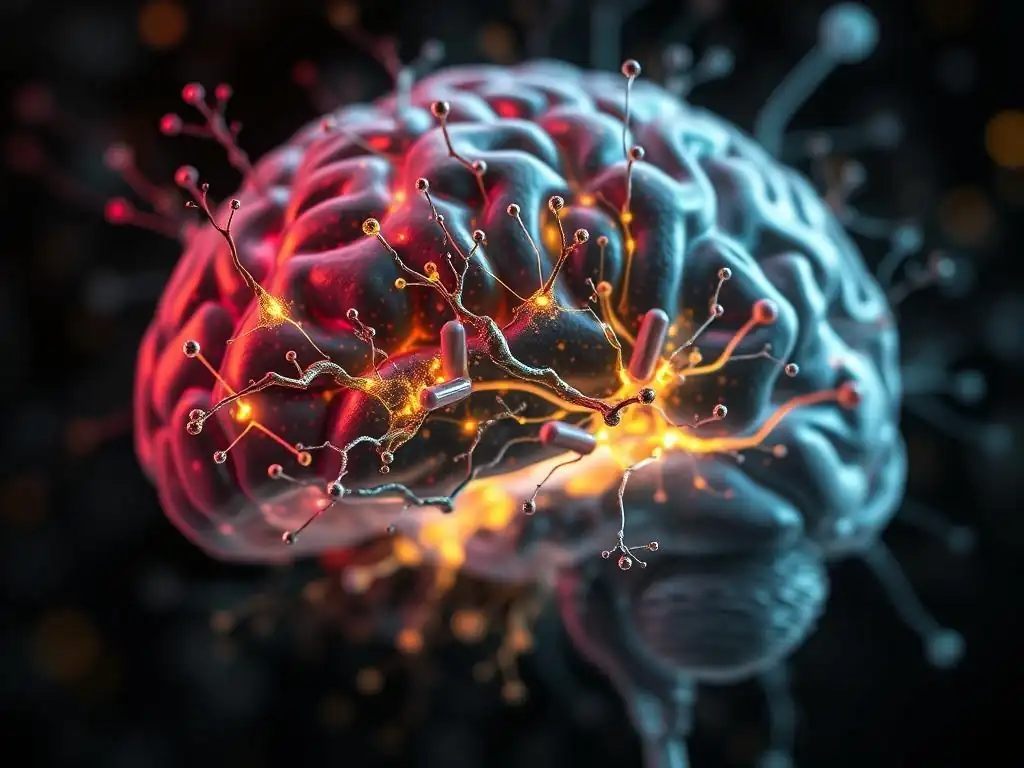
Welcome to Mind Care Guide, a sanctuary for understanding and nurturing your mental well-being.
Feeling overwhelmed? You're not alone. Many struggle with the insidious effects of stress on their brain chemistry. In this article, "The Chemical Chaos: Neurotransmitter Imbalance Caused by Stress," we delve into the science behind why stress can wreak havoc on your neurotransmitters and, more importantly, explore stress neurotransmitter imbalance treatment options. Uncover the pathways to regaining balance and taking control of your mental health. Ready to understand the root cause of your stress and discover actionable solutions? Let's begin.
The Chemical Chaos: Neurotransmitter Imbalance Caused by Stress
- Introduction: Understanding the Link Between Stress and Neurotransmitters
- The Neuroscience of Stress: A Cascade of Chemical Events
- Key Neurotransmitters Affected by Stress
- The Consequences of Neurotransmitter Imbalance Due to Stress
- Diagnosing Neurotransmitter Imbalance Caused by Stress
- Stress Neurotransmitter Imbalance Treatment Options
- Preventing Stress-Induced Neurotransmitter Imbalance
- Conclusion: Restoring Chemical Balance for a Healthier Mind
-
Frequently Asked Questions
- What are the main neurotransmitters affected by stress, and how do they become imbalanced?
- How does a "Stress neurotransmitter imbalance" contribute to mental health challenges?
- What are some common symptoms associated with neurotransmitter imbalance caused by stress?
- What are some "Stress neurotransmitter imbalance treatment options" available to restore balance?
- Beyond medication, what lifestyle changes can help manage stress and restore neurotransmitter balance?
- Final Reflection: Reclaiming Balance in a Stress-Filled World
- Unleash Your Inner Calm: Take Control of Your Neurotransmitters
Introduction: Understanding the Link Between Stress and Neurotransmitters
The Role of Neurotransmitters in Mental Well-being
Neurotransmitters are chemical messengers in the brain that transmit signals across nerve cells (neurons). They play a critical role in regulating virtually every aspect of our mental and physical functioning, from mood, sleep, and appetite to attention, learning, and memory. Key neurotransmitters like serotonin, dopamine, norepinephrine, GABA, and glutamate each have distinct functions, working together in a complex network to maintain homeostasis and support optimal brain function. When these chemical messengers are in balance, our mental and emotional states tend to be more stable and positive.
Disruptions in the delicate balance of neurotransmitter activity are strongly associated with various mental health conditions. For instance, imbalances in serotonin and norepinephrine are commonly linked to mood disorders like depression and anxiety, while disruptions in dopamine pathways can affect motivation, pleasure, and contribute to conditions like addiction or attention deficit disorders. Understanding the intricate roles of these chemicals is fundamental to grasping how external factors, such as stress, can profoundly impact our internal mental landscape.
How Stress Impacts Brain Chemistry
Stress, whether acute or chronic, triggers a complex cascade of physiological responses designed to help the body cope with perceived threats. At the core of this response is a significant impact on brain chemistry, particularly the production, release, and reuptake of neurotransmitters. While short-term stress can temporarily alter neurotransmitter levels to mobilize the body for action, prolonged or severe stress can lead to sustained dysregulation, disrupting the delicate balance required for healthy brain function.
Chronic stress, in particular, has been shown to remodel neural circuits and alter the expression of genes involved in neurotransmitter synthesis and signaling. This can result in depleted levels of some neurotransmitters, excessive activity of others, or changes in the sensitivity of the receptors they bind to. These chemical shifts are not merely temporary fluctuations; they can lead to lasting changes in brain structure and function, contributing significantly to the development and exacerbation of mental health challenges and highlighting the need for effective stress neurotransmitter imbalance treatment options.
The Neuroscience of Stress: A Cascade of Chemical Events
The Hypothalamic-Pituitary-Adrenal (HPA) Axis and Neurotransmitter Release
The body's primary stress response system is orchestrated by the Hypothalamic-Pituitary-Adrenal (HPA) axis. When a stressor is perceived, the hypothalamus releases corticotropin-releasing hormone (CRH), which signals the pituitary gland to release adrenocorticotropic hormone (ACTH). ACTH then travels to the adrenal glands, prompting the release of stress hormones, primarily cortisol. This hormonal cascade is intimately linked with neurotransmitter systems, influencing their activity and levels throughout the brain and body.
Cortisol, the main stress hormone, has widespread effects on the brain. It can modulate the activity of neurons that produce and respond to various neurotransmitters, including glutamate, GABA, serotonin, and norepinephrine. For example, high levels of cortisol can increase glutamate release in certain brain regions while potentially impairing its clearance, leading to excitotoxicity. Simultaneously, cortisol can suppress the activity of systems that promote relaxation and mood stability, contributing to the complex picture of stress-induced neurotransmitter imbalance.
Acute vs. Chronic Stress: Differing Effects on Neurotransmitter Levels
The duration and intensity of stress significantly impact the nature of neurotransmitter changes. Acute stress, a short-lived response to an immediate threat, typically leads to a rapid surge in neurotransmitters like norepinephrine and dopamine. This surge enhances alertness, focus, and physical readiness, helping the individual react to the stressor. Once the threat passes, these neurotransmitter levels usually return to baseline relatively quickly as the HPA axis deactivates.
In contrast, chronic stress involves prolonged activation of the HPA axis and sustained exposure to high levels of stress hormones like cortisol. This persistent state can lead to exhaustion or dysregulation of neurotransmitter systems. For instance, while initial acute stress might boost norepinephrine, chronic stress can eventually deplete its stores. Similarly, chronic cortisol exposure can impair serotonin synthesis and disrupt dopamine pathways, leading to more enduring changes in brain chemistry that underpin chronic stress neurotransmitter imbalance and necessitate considering appropriate stress neurotransmitter imbalance treatment options.
Key Neurotransmitters Affected by Stress
Serotonin: The Mood Regulator Under Stress
Serotonin is a crucial neurotransmitter often associated with regulating mood, sleep, appetite, and social behavior. Produced primarily in the brainstem's raphe nuclei, its widespread projections influence many brain areas. Under normal conditions, adequate serotonin signaling contributes to feelings of well-being and emotional stability. However, stress significantly impacts serotonin system function, often leading to detrimental effects on mood and behavior.
Research indicates that chronic stress can reduce serotonin synthesis and disrupt its transport and signaling. Elevated cortisol levels, common during prolonged stress, have been shown to inhibit the enzyme tryptophan hydroxylase, which is essential for converting tryptophan (an amino acid) into serotonin. This reduction in available serotonin is a key factor linking chronic stress to mood disorders and highlights why addressing serotonin levels is a common target in stress neurotransmitter imbalance treatment options.
Stress-Induced Serotonin Depletion and its Consequences
Prolonged exposure to stress can lead to a measurable depletion of serotonin levels in key brain regions like the hippocampus and prefrontal cortex, areas vital for mood regulation, learning, and memory. This depletion is not just a minor fluctuation; it can significantly impair the brain's ability to maintain a stable mood and cope with emotional challenges. Animal studies have demonstrated that chronic stress reduces serotonin transporter availability and overall serotonin activity.
The consequences of stress-induced serotonin depletion are far-reaching and contribute significantly to the psychological symptoms of chronic stress. Low serotonin levels are strongly correlated with increased feelings of sadness, irritability, anxiety, and hopelessness. They can also disrupt sleep patterns, alter appetite regulation, and impact social interactions, forming a core component of the stress neurotransmitter imbalance experienced by individuals and underscoring the importance of strategies aimed at restoring serotonin balance.
Dopamine: Motivation and Reward System Disruption
Dopamine is a central neurotransmitter in the brain's reward and motivation pathways. It plays a key role in experiencing pleasure, learning, attention, and motor control. Dopamine is released in anticipation of rewarding experiences, driving goal-directed behavior. A healthy dopamine system is essential for feeling motivated, engaged, and capable of experiencing joy. Stress, however, can significantly interfere with this vital system.
Studies show that stress has complex effects on dopamine signaling, which can vary depending on the type and duration of stress. While acute, mild stress might temporarily increase dopamine release, chronic or severe stress often leads to a dampening of the dopamine system's responsiveness. This can result in reduced motivation, anhedonia (the inability to experience pleasure), and impaired learning from rewards, contributing to the overall negative impact of chronic stress on mental health.
How Stress Impairs Dopamine Signaling
Chronic stress can impair dopamine signaling through several mechanisms. Elevated cortisol can alter the sensitivity of dopamine receptors, making neurons less responsive to dopamine. Stress can also affect the production and reuptake of dopamine, leading to reduced availability in synaptic spaces. Furthermore, stress-induced inflammation in the brain can damage dopamine-producing neurons or interfere with their function.
The impact of stress on dopamine signaling is particularly relevant to understanding why chronic stress often leads to symptoms similar to depression, such as lack of motivation and anhedonia. When the reward pathways are blunted, activities that were once enjoyable lose their appeal, making it difficult for individuals to engage in behaviors that could help alleviate stress or improve mood. Addressing dopamine dysregulation is therefore a key consideration when exploring stress neurotransmitter imbalance treatment options.
Norepinephrine: The Stress Hormone and its Impact on Neurotransmitters
Norepinephrine, also known as noradrenaline, acts as both a neurotransmitter and a hormone. In the brain, it is crucial for alertness, arousal, attention, and the fight-or-flight response. It is released from the locus coeruleus in the brainstem and projections extend throughout the brain and body. During stress, norepinephrine levels surge, preparing the body for action by increasing heart rate, blood pressure, and glucose release.
While essential for acute stress response, prolonged elevation or dysregulation of norepinephrine due to chronic stress can have negative consequences. Sustained high levels can contribute to anxiety, hypervigilance, and sleep disturbances. Conversely, chronic stress can also lead to eventual depletion of norepinephrine stores, potentially contributing to fatigue and difficulty concentrating, showcasing its dual role in the stress response and its potential for causing stress neurotransmitter imbalance.
The Interplay Between Norepinephrine and Other Neurotransmitters
Norepinephrine systems interact extensively with other neurotransmitter systems, influencing and being influenced by them. For instance, norepinephrine neurons project to areas rich in serotonin neurons, and there is significant cross-talk between these two systems in regulating mood and anxiety. Dysregulation in one system due to stress can therefore have cascading effects on the other.
Norepinephrine also interacts with dopamine pathways, influencing motivation and reward. Furthermore, it modulates the activity of glutamate and GABA systems, affecting the balance between excitation and inhibition in the brain. The complex interplay means that stress-induced changes in norepinephrine levels or signaling can have widespread effects on overall brain function, contributing to a multifaceted stress neurotransmitter imbalance that requires a comprehensive approach to stress neurotransmitter imbalance treatment options.
GABA: The Calming Neurotransmitter Under Attack
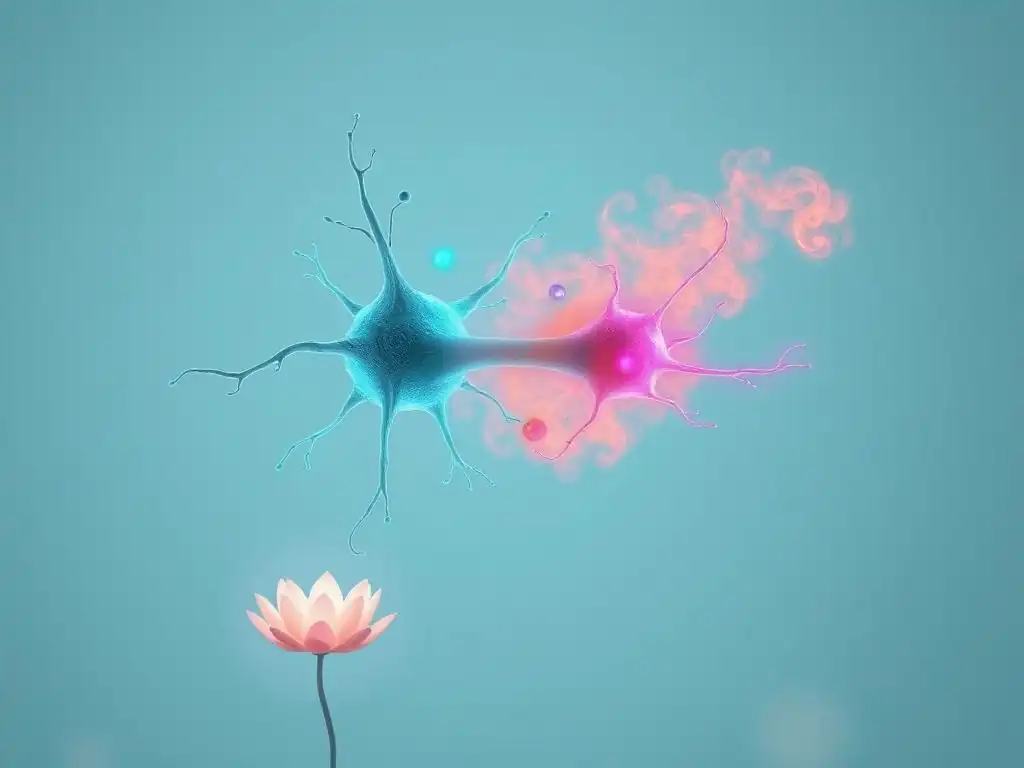
Gamma-aminobutyric acid (GABA) is the primary inhibitory neurotransmitter in the central nervous system. Its main function is to reduce neuronal excitability, counteracting the effects of excitatory neurotransmitters like glutamate. GABA helps regulate anxiety, promote relaxation, and maintain a calm state. Adequate GABAergic signaling is essential for preventing excessive neuronal firing and maintaining emotional balance.
Stress, particularly chronic stress, can impair GABAergic function. Elevated stress hormones like cortisol can reduce the synthesis and release of GABA, and also decrease the sensitivity of GABA receptors. This reduction in inhibitory tone means that neurons are more easily excited, leading to increased anxiety, irritability, and difficulty relaxing. Impaired GABA function is a significant component of stress neurotransmitter imbalance and is strongly implicated in anxiety disorders.
Stress and GABA Deficiency: Anxiety and Beyond
A deficiency or reduced effectiveness of GABA due to chronic stress is a major contributor to heightened anxiety and nervousness. When the brain's natural "brakes" are weakened, the stress response can become overactive and difficult to switch off. This state of persistent hyperarousal is a hallmark of many anxiety disorders, including generalized anxiety disorder and panic disorder.
Beyond anxiety, stress-induced GABA deficiency can impact sleep quality, leading to insomnia, as GABA is crucial for promoting relaxation and sleep onset. It can also contribute to muscle tension and other physical symptoms associated with chronic stress. Restoring healthy GABAergic function is a key target in many stress neurotransmitter imbalance treatment options aimed at reducing anxiety and promoting calmness.
Glutamate: Excitatory Neurotransmission and Stress Vulnerability
Glutamate is the primary excitatory neurotransmitter in the brain, involved in learning, memory, and synaptic plasticity. While essential for these functions, excessive glutamate activity can be neurotoxic, leading to neuronal damage or death, a phenomenon known as excitotoxicity. The balance between glutamate and GABA activity is critical for healthy brain function.
Stress significantly influences glutamate systems. Acute stress can initially increase glutamate release, contributing to heightened awareness and cognitive function. However, chronic stress, particularly when combined with elevated cortisol, can lead to persistent excessive glutamate release and impaired glutamate clearance from synapses. This can overwhelm the brain's ability to regulate excitatory signals, increasing vulnerability to excitotoxicity.
The Role of Glutamate in Stress-Related Brain Damage
Chronic stress-induced dysregulation of glutamate is strongly implicated in structural changes observed in brain regions vulnerable to stress, such as the hippocampus and prefrontal cortex. Excessive glutamate activity, coupled with reduced inhibitory control from GABA, can lead to prolonged excitation and damage to neurons. This mechanism is thought to contribute to the atrophy (shrinkage) of these brain areas seen in individuals with chronic stress-related conditions like major depression and PTSD.
Furthermore, altered glutamate signaling can impair synaptic plasticity, affecting the brain's ability to adapt and learn, which is crucial for coping with stress. The excitotoxic effects of glutamate under chronic stress highlight the profound and potentially damaging impact of prolonged stress on brain structure and function, underscoring the importance of addressing this aspect of stress neurotransmitter imbalance through appropriate interventions.
The Consequences of Neurotransmitter Imbalance Due to Stress
Mental Health Disorders Linked to Stress-Induced Neurotransmitter Imbalance
The persistent disruption of neurotransmitter systems caused by chronic stress is a significant underlying factor in the development and maintenance of various mental health disorders. The specific pattern of imbalance can influence which disorder manifests, but often there is overlap, reflecting the interconnectedness of these chemical systems. Addressing these imbalances is central to effective stress neurotransmitter imbalance treatment options.
For example, a combination of serotonin and norepinephrine dysregulation is commonly observed in depression, while altered GABA and norepinephrine activity is strongly linked to anxiety disorders. Long-term stress can also prime the brain for increased vulnerability to future stressors, creating a cycle where initial stress leads to chemical changes that make individuals more susceptible to further mental health issues.
Anxiety Disorders: A Direct Result of Chemical Chaos
Anxiety disorders, including Generalized Anxiety Disorder (GAD), Panic Disorder, and Social Anxiety Disorder, are intimately linked with stress-induced neurotransmitter imbalance. Overactivity of the norepinephrine system contributes to hyperarousal and physiological symptoms of anxiety, while impaired GABAergic function reduces the brain's ability to dampen excessive worry and fear responses.
Furthermore, changes in serotonin and glutamate signaling also play a role, affecting mood, cognitive biases towards threat, and the processing of emotional information. The persistent state of heightened alert and worry characteristic of anxiety disorders is a direct manifestation of the chemical chaos wrought by chronic stress on these interconnected neurotransmitter systems, making restoration of balance a primary goal in stress neurotransmitter imbalance treatment options.
Depression: The Neurochemical Connection to Stress
Major Depressive Disorder (MDD) has a strong neurochemical basis, and stress is a well-established risk factor. Stress-induced depletion or dysregulation of serotonin and norepinephrine are classic hypotheses in the neurobiology of depression. These neurotransmitters are critical for regulating mood, energy levels, and motivation, all of which are severely impacted in depression.
Beyond serotonin and norepinephrine, stress-related changes in dopamine signaling contribute to anhedonia and lack of motivation, while altered glutamate and GABA systems can affect emotional regulation and cognitive function, including feelings of hopelessness and difficulty concentrating. The complex interplay of these neurotransmitter imbalances underlies the multifaceted symptoms of depression and highlights the need for varied approaches in stress neurotransmitter imbalance treatment options for this condition.
PTSD: Long-Term Neurotransmitter Dysregulation
Post-Traumatic Stress Disorder (PTSD) develops after exposure to a traumatic event and is characterized by profound and persistent alterations in brain function and neurotransmitter systems. Individuals with PTSD often exhibit chronic dysregulation of the HPA axis, leading to altered cortisol levels (sometimes lower than expected in chronic stress, which is also a form of dysregulation) and persistent changes in neurotransmitter levels.
Key neurotransmitter changes in PTSD include persistent changes in norepinephrine (contributing to hyperarousal and intrusive memories), serotonin (affecting mood and impulse control), and GABA/glutamate (impacting fear conditioning and extinction). The amygdala, a brain region involved in processing fear and emotion, shows heightened activity, while the prefrontal cortex and hippocampus show reduced activity and sometimes structural changes, reflecting the profound and long-lasting stress neurotransmitter imbalance caused by trauma.
The effects of stress-induced neurotransmitter imbalance are not limited to mental health; they also manifest as a variety of physical symptoms. The brain and body are intricately connected, and neurotransmitters act not only within the central nervous system but also in the peripheral nervous system and other bodily systems, such as the gut.
These physical symptoms can sometimes be the first indication that chronic stress is impacting brain chemistry. Recognizing the link between physical complaints and potential stress neurotransmitter imbalance is crucial for seeking appropriate help and exploring stress neurotransmitter imbalance treatment options that address the root cause.
Sleep Disturbances and Fatigue
Neurotransmitters play a critical role in regulating sleep-wake cycles. Serotonin is involved in the production of melatonin (the sleep hormone), while norepinephrine and dopamine are key for maintaining wakefulness and alertness. GABA promotes relaxation and sleep onset. Chronic stress disrupts the balance of these neurotransmitters, leading to significant sleep disturbances.
Stress-induced changes can result in insomnia, difficulty falling or staying asleep, restless sleep, or waking up feeling unrefreshed. This lack of restorative sleep exacerbates fatigue, creating a vicious cycle where stress impairs sleep, and poor sleep increases vulnerability to stress and further neurotransmitter dysregulation. Addressing sleep is often a vital part of stress neurotransmitter imbalance treatment options.
Digestive Issues and Gut-Brain Axis Disruption
The gut-brain axis is a bidirectional communication system connecting the central nervous system with the enteric nervous system (the nervous system of the gut). Neurotransmitters like serotonin, dopamine, and GABA are present and active in the gut, influencing motility, secretion, and sensation. Stress profoundly impacts this axis, often leading to digestive problems.
Chronic stress and the resulting neurotransmitter imbalances can alter gut motility, leading to symptoms like irritable bowel syndrome (IBS), constipation, or diarrhea. Stress can also affect the gut microbiome composition, which in turn influences neurotransmitter production and signaling in the gut and brain. This complex interaction means that digestive issues can be both a symptom of stress-induced neurotransmitter imbalance and a factor that perpetuates it, highlighting the holistic nature of stress neurotransmitter imbalance treatment options.
Diagnosing Neurotransmitter Imbalance Caused by Stress
Identifying Symptoms and Risk Factors
Diagnosing stress-induced neurotransmitter imbalance typically begins with a thorough clinical evaluation focusing on symptoms and identifying risk factors. Healthcare professionals look for a pattern of symptoms consistent with disorders linked to stress and neurotransmitter dysregulation, such as persistent anxiety, depression, sleep disturbances, fatigue, and cognitive difficulties, especially when these symptoms emerged or worsened during or after periods of significant stress.
Assessing lifestyle factors, coping mechanisms, social support, and exposure to chronic stressors is crucial. While there isn't a single definitive test that directly measures stress-induced neurotransmitter imbalance with perfect accuracy in a clinical setting, a detailed symptom profile combined with an understanding of the individual's stress history provides strong clinical evidence suggesting potential underlying chemical dysregulation.
Neurotransmitter Testing
Neurotransmitter testing, often involving urine, blood, or saliva samples, is available to measure levels of certain neurotransmitters or their metabolites. However, the clinical utility and interpretation of these tests for diagnosing stress-induced imbalance are subjects of ongoing debate within the medical community. The levels measured in peripheral fluids may not accurately reflect the complex activity and balance of neurotransmitters within the brain synapses.
While some practitioners use these tests as part of a comprehensive assessment, they are generally not considered a standalone diagnostic tool for mental health conditions or stress neurotransmitter imbalance by mainstream psychiatric guidelines. A more reliable approach involves evaluating the overall clinical picture, including symptoms, history, and response to interventions, rather than relying solely on peripheral neurotransmitter levels to guide stress neurotransmitter imbalance treatment options.
Comprehensive Mental Health Assessment
The most effective approach to diagnosing potential stress-induced neurotransmitter imbalance and determining appropriate stress neurotransmitter imbalance treatment options is a comprehensive mental health assessment conducted by a qualified professional, such as a psychiatrist, psychologist, or licensed therapist. This evaluation typically includes a detailed interview about symptoms, medical history, mental health history, stress exposure, coping strategies, and family history.
Psychological questionnaires and rating scales may also be used to quantify symptom severity. This holistic assessment allows the clinician to identify patterns indicative of stress-related conditions, understand the impact on daily life, and formulate a personalized treatment plan that considers the likely underlying neurobiological factors, including potential neurotransmitter imbalances.
Stress Neurotransmitter Imbalance Treatment Options
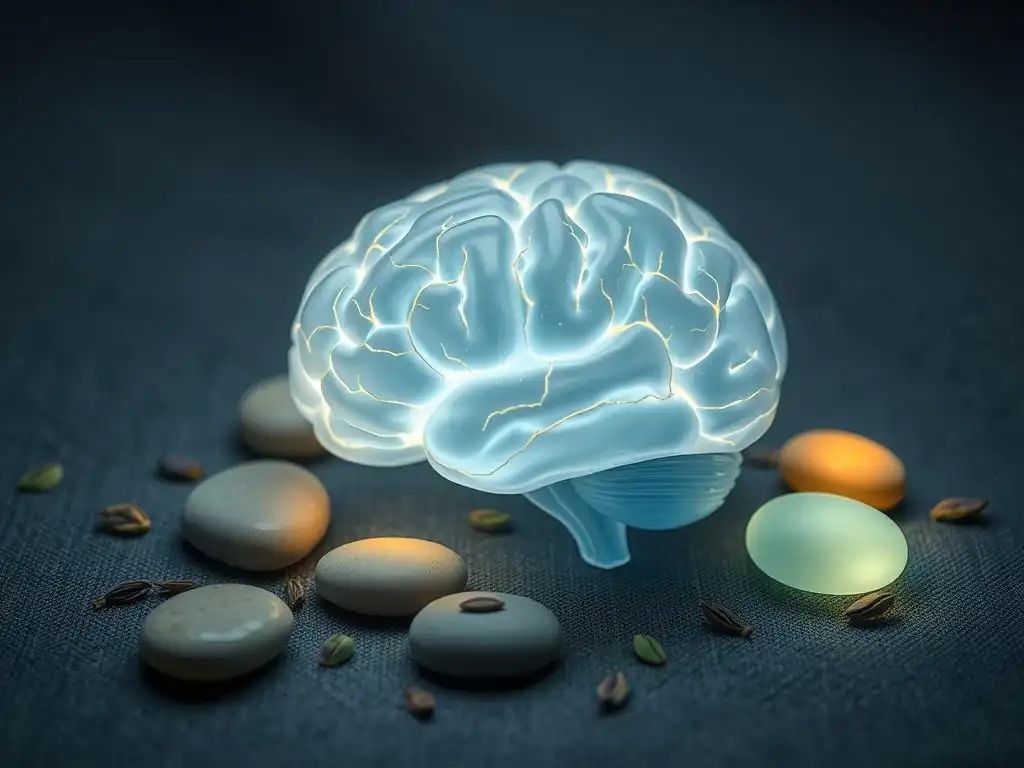
Addressing stress-induced neurotransmitter imbalance requires a multi-faceted approach that targets both the stressor and its impact on brain chemistry. Effective stress neurotransmitter imbalance treatment options often combine lifestyle interventions, therapeutic strategies, and sometimes medication to help restore chemical balance and alleviate symptoms.
The goal of stress neurotransmitter imbalance treatment options is not just to temporarily relieve symptoms but to support the brain's natural ability to regulate neurotransmitters and build resilience against future stress. This comprehensive approach acknowledges the complex interplay between mind, body, and environment in maintaining mental well-being.
Lifestyle Modifications for Neurotransmitter Regulation
Lifestyle changes are fundamental stress neurotransmitter imbalance treatment options. They are accessible, empower individuals, and can have a profound positive impact on neurotransmitter production, release, and signaling. Consistency is key for these strategies to be effective in promoting lasting change in brain chemistry.
Incorporating healthy habits into daily life can directly influence the synthesis and function of key neurotransmitters like serotonin, dopamine, GABA, and norepinephrine, helping to counteract the detrimental effects of chronic stress.
Stress Management Techniques: Mindfulness, Meditation, Yoga
Engaging in regular stress management techniques is a primary lifestyle modification for addressing stress neurotransmitter imbalance. Practices like mindfulness meditation, deep breathing exercises, and yoga have been shown to reduce activity in the HPA axis and lower cortisol levels.
Studies suggest that mindfulness meditation, for example, can increase levels of GABA and potentially influence serotonin and norepinephrine systems, promoting a state of calm and reducing anxiety. Yoga, which combines physical postures, breathing, and meditation, also impacts the nervous system, helping to downregulate the stress response and support a healthier neurotransmitter balance. These techniques are valuable stress neurotransmitter imbalance treatment options for promoting relaxation and resilience.
Dietary Changes and Nutritional Support for Neurotransmitter Production
Nutrition plays a vital role in neurotransmitter synthesis. The brain requires specific building blocks, such as amino acids, vitamins, and minerals, to produce these chemical messengers. A diet rich in whole foods, including lean proteins (sources of amino acids like tryptophan for serotonin and tyrosine for dopamine/norepinephrine), complex carbohydrates (which influence tryptophan availability in the brain), healthy fats (essential for brain cell structure), and micronutrients (like B vitamins, magnesium, and zinc, which act as cofactors in neurotransmitter synthesis) can support healthy brain chemistry.
Conversely, diets high in processed foods, sugar, and unhealthy fats can contribute to inflammation and oxidative stress, negatively impacting neurotransmitter function. Ensuring adequate intake of omega-3 fatty acids, found in fish and flaxseeds, is also important for brain health and can influence neurotransmitter receptor function. Dietary adjustments are foundational stress neurotransmitter imbalance treatment options.
Exercise and Physical Activity: Boosting Neurotransmitter Function
Regular physical exercise is a powerful tool for improving mood and combating stress-induced neurotransmitter imbalance. Aerobic exercise, in particular, has been shown to increase the production and release of endorphins (natural mood boosters), as well as influence levels of serotonin, dopamine, and norepinephrine. It can also enhance the production of Brain-Derived Neurotrophic Factor (BDNF), a protein that supports the growth and survival of neurons and synapses.
Exercise helps regulate the HPA axis, reducing overall cortisol exposure. Engaging in moderate-intensity exercise for at least 150 minutes per week, or vigorous-intensity exercise for 75 minutes per week, as recommended by health guidelines, can significantly contribute to restoring and maintaining healthy neurotransmitter balance, making it an essential component of stress neurotransmitter imbalance treatment options.
Pharmaceutical Interventions for Neurotransmitter Imbalance
In cases where stress-induced neurotransmitter imbalance contributes to significant mental health symptoms like severe anxiety or depression, pharmaceutical interventions may be considered as part of a broader stress neurotransmitter imbalance treatment plan. These medications work by targeting specific neurotransmitter systems to help restore balance.
It's important to note that medications are typically most effective when used in conjunction with therapy and lifestyle modifications, addressing both the biological and psychological aspects of stress and its impact.
Selective Serotonin Reuptake Inhibitors (SSRIs) and Stress
Selective Serotonin Reuptake Inhibitors (SSRIs) are a class of antidepressants commonly prescribed for depression and anxiety disorders, conditions often linked to stress-induced serotonin imbalance. SSRIs work by blocking the reuptake of serotonin in the synapse, increasing the amount of serotonin available to bind to receptors.
While they don't necessarily increase the production of serotonin, by enhancing its availability, they can improve signaling in brain circuits involved in mood regulation. It typically takes several weeks for SSRIs to exert their full therapeutic effect, suggesting that their impact involves not just immediate serotonin availability but also downstream adaptations in neural circuits. SSRIs are a frequently used pharmacological stress neurotransmitter imbalance treatment option for conditions like stress-related depression and anxiety.
Serotonin-Norepinephrine Reuptake Inhibitors (SNRIs) and Their Role
Serotonin-Norepinephrine Reuptake Inhibitors (SNRIs) are another class of antidepressants that target both serotonin and norepinephrine systems. Like SSRIs, they block the reuptake of their target neurotransmitters, increasing their levels in the synaptic cleft. SNRIs may be particularly useful when symptoms involve both low mood and issues related to energy, focus, or pain, which can be influenced by norepinephrine levels.
By modulating both serotonin and norepinephrine, SNRIs can help restore balance in circuits affected by chronic stress, addressing symptoms of depression and anxiety. They represent another pharmacological option among stress neurotransmitter imbalance treatment options, chosen based on the specific symptom profile and individual response.
Anti-Anxiety Medications and GABA Enhancement
Medications that enhance GABAergic activity are often prescribed for acute anxiety relief. Benzodiazepines, for example, bind to GABA receptors and enhance the inhibitory effects of GABA, leading to rapid reductions in anxiety and muscle tension. However, due to risks of dependence and withdrawal, they are typically prescribed for short-term use during periods of severe distress.
Other medications, such as certain anticonvulsants or novel anxiolytics, may also modulate GABA or glutamate systems to reduce neuronal excitability and anxiety. While these medications can be effective stress neurotransmitter imbalance treatment options for managing acute anxiety symptoms, they do not address the underlying stressor and are often used as part of a broader treatment plan.
Other Medication Options for Specific Neurotransmitter Imbalances
Depending on the specific symptoms and suspected neurotransmitter imbalances, other medications might be considered. For example, medications that modulate dopamine activity might be used if anhedonia and lack of motivation are prominent symptoms. Medications affecting glutamate receptors are also being researched and used for certain conditions.
Atypical antipsychotics, which influence a range of neurotransmitter systems including dopamine and serotonin, may be used in some severe stress-related conditions like PTSD or treatment-resistant depression. The choice of medication is highly individualized and based on a careful assessment by a healthcare professional, weighing the potential benefits and side effects as part of the stress neurotransmitter imbalance treatment options.
Alternative and Complementary Therapies
Many individuals explore alternative and complementary therapies alongside or instead of conventional medical treatments as stress neurotransmitter imbalance treatment options. These approaches often focus on reducing stress, improving overall well-being, and supporting the body's natural healing processes, which can indirectly influence neurotransmitter balance.
While scientific evidence for the direct impact of some of these therapies on specific neurotransmitter levels in humans is still developing, many offer significant benefits in terms of stress reduction, symptom management, and overall quality of life.
Herbal Remedies for Stress and Neurotransmitter Support
Several herbal remedies are traditionally used for stress reduction and mood support, with some suggested mechanisms involving neurotransmitter systems. For example, St. John's Wort has been studied for mild to moderate depression and is thought to influence serotonin, norepinephrine, and dopamine levels. Rhodiola Rosea is considered an adaptogen, potentially helping the body adapt to stress and influencing neurotransmitter activity.
Other herbs like Valerian root and Passionflower are used for anxiety and sleep, possibly by enhancing GABAergic signaling. It is crucial to approach herbal remedies with caution, as they can interact with prescribed medications and their efficacy and safety profiles vary. Consulting a healthcare provider before using herbal supplements as stress neurotransmitter imbalance treatment options is highly recommended.
Acupuncture and its Effects on Neurotransmitter Release
Acupuncture, a practice rooted in traditional Chinese medicine, involves inserting thin needles into specific points on the body. While its exact mechanisms are not fully understood from a Western medical perspective, studies suggest that acupuncture may influence the release of various neurochemicals, including endorphins, serotonin, norepinephrine, and dopamine.
Research indicates that acupuncture can help regulate the HPA axis and reduce cortisol levels. By potentially modulating the activity of these neurotransmitter systems and reducing physiological stress responses, acupuncture is explored as a complementary approach among stress neurotransmitter imbalance treatment options for conditions like anxiety and depression.
Other Alternative Therapies
Other alternative therapies that may offer benefits for stress and potentially influence neurotransmitter balance include massage therapy, aromatherapy, and light therapy. Massage therapy can reduce muscle tension and promote relaxation, potentially influencing stress hormones and neurotransmitter release. Aromatherapy, using essential oils like lavender, is often used to promote relaxation and reduce anxiety.
Light therapy, particularly bright light exposure, is a recognized treatment for seasonal affective disorder (SAD) and can influence serotonin and melatonin levels, which are often impacted by stress. While these therapies may not directly target specific neurotransmitter imbalances in the same way as pharmaceuticals, they can be valuable components of a holistic approach to stress neurotransmitter imbalance treatment options by reducing overall stress burden and improving mood and sleep.
Preventing Stress-Induced Neurotransmitter Imbalance
Preventing stress-induced neurotransmitter imbalance is largely about proactive stress management and building resilience. While eliminating stress entirely is unrealistic, developing effective strategies to cope with stressors and protect brain health can significantly mitigate the risk of developing chronic chemical dysregulation.
Focusing on prevention involves lifestyle choices, seeking support when needed, and creating environments that promote well-being. These preventative measures are essentially long-term stress neurotransmitter imbalance treatment options in themselves, maintaining balance before significant problems arise.
Building Resilience to Stress
Resilience is the ability to adapt well in the face of adversity, trauma, tragedy, threats, or significant sources of stress. Building resilience involves developing coping strategies, fostering a positive outlook, maintaining strong social connections, and engaging in self-care practices. Individuals with higher resilience are better equipped to navigate stressful situations without experiencing the same degree of physiological and neurochemical disruption.
Techniques like cognitive restructuring (changing negative thought patterns), developing problem-solving skills, and setting realistic goals are key components of building psychological resilience, which in turn helps protect the delicate balance of neurotransmitters from the corrosive effects of chronic stress.
Early Intervention and Mental Health Support
Seeking help early when experiencing signs of overwhelming stress or mental health challenges is crucial for preventing chronic stress neurotransmitter imbalance. Early intervention can involve therapy, counseling, or consulting a healthcare provider to develop coping strategies and address issues before they lead to significant neurobiological changes.
Mental health support provides individuals with tools and resources to manage stress effectively, process difficult experiences, and address any emerging symptoms of anxiety or depression. Proactive engagement with mental health services is a vital preventative measure and can be considered an early form of stress neurotransmitter imbalance treatment options.
Creating a Supportive Environment
The environment in which we live and work significantly impacts our stress levels. Creating a supportive environment involves fostering positive relationships, setting healthy boundaries, managing workload, and ensuring adequate time for rest and leisure. Reducing exposure to chronic stressors whenever possible is a direct way to protect brain chemistry.
A supportive social network provides emotional buffering against stress and encourages healthy coping behaviors. Prioritizing a healthy work-life balance and engaging in enjoyable activities also contribute to overall well-being and help maintain the neurochemical balance that stress can disrupt.
Conclusion: Restoring Chemical Balance for a Healthier Mind
The Importance of a Holistic Approach to Stress Management
Understanding the "chemical chaos" that stress can wreak on neurotransmitter systems underscores the critical need for effective stress management. It's clear that stress-induced neurotransmitter imbalance is not a simple issue of one chemical being too high or too low, but rather a complex dysregulation across multiple interconnected systems. Therefore, restoring balance requires a holistic approach that addresses the individual as a whole.
This involves not only targeting specific neurotransmitter pathways, perhaps through medication or targeted supplements, but also addressing the root causes of stress, enhancing coping skills, nurturing the body through diet and exercise, and fostering supportive relationships. A truly effective strategy for managing stress and its impact on brain chemistry integrates multiple stress neurotransmitter imbalance treatment options.
Seeking Professional Help for Neurotransmitter Imbalance
If you suspect that chronic stress is impacting your mental health and causing symptoms of neurotransmitter imbalance, seeking professional help is a crucial step. Mental health professionals, including therapists, counselors, psychologists, and psychiatrists, are equipped to provide a comprehensive assessment, diagnose any underlying conditions, and develop a personalized treatment plan.
They can offer evidence-based therapies, guidance on lifestyle modifications, and, if necessary, discuss pharmaceutical options as part of the stress neurotransmitter imbalance treatment options. Working with a professional ensures that you receive appropriate care tailored to your specific needs and circumstances.
Future Research Directions in Stress and Neurotransmitter Treatment
Research into the intricate relationship between stress and neurotransmitter systems is ongoing. Scientists continue to explore the precise mechanisms by which stress alters brain chemistry and how these changes contribute to mental health disorders. This includes investigating novel therapeutic targets beyond the traditional monoamine neurotransmitters (serotonin, norepinephrine, dopamine), such as glutamate, GABA, and peptides.
Future research aims to develop more targeted and effective stress neurotransmitter imbalance treatment options, potentially including personalized interventions based on an individual's specific neurochemical profile or genetic predispositions. Advances in neuroscience offer hope for better prevention and treatment strategies to help individuals navigate the challenges of stress and maintain optimal brain health.
Frequently Asked Questions
What are the main neurotransmitters affected by stress, and how do they become imbalanced?
Stress primarily affects neurotransmitters like serotonin, dopamine, and norepinephrine. Chronic stress can lead to depletion or dysregulation of these chemicals, causing an imbalance. This impacts mood, sleep, and overall mental well-being.
How does a "Stress neurotransmitter imbalance" contribute to mental health challenges?
An imbalance disrupts the brain's normal communication, leading to conditions like anxiety, depression, and difficulty concentrating. It can exacerbate existing mental health issues or trigger new ones.
What are some common symptoms associated with neurotransmitter imbalance caused by stress?
Symptoms can include persistent fatigue, mood swings, sleep disturbances, difficulty focusing, and changes in appetite or libido. These symptoms often indicate a potential chemical disruption in the brain.
What are some "Stress neurotransmitter imbalance treatment options" available to restore balance?
Treatment options include lifestyle changes like exercise and diet, as well as therapy, and medication. Pharmacological interventions may involve antidepressants or other drugs targeting specific neurotransmitter systems.
Beyond medication, what lifestyle changes can help manage stress and restore neurotransmitter balance?
Practices like mindfulness meditation, regular exercise, and a balanced diet rich in nutrients can positively influence neurotransmitter production. Prioritizing sleep and managing stress through healthy coping mechanisms are also crucial.
Final Reflection: Reclaiming Balance in a Stress-Filled World
The pervasive nature of stress in modern life is undeniable, and its impact on our neurotransmitter systems is a critical, often overlooked, factor in our overall well-being. Understanding the chemical chaos stress creates – the imbalances in serotonin, dopamine, GABA, and others – is the first step towards reclaiming mental and emotional equilibrium. This knowledge empowers us to move beyond simply managing symptoms and toward proactive strategies for lasting health.
The ongoing exploration of the intricate relationship between stress and neurotransmitter function is crucial, not just for scientific advancement, but for the very fabric of our society. The sheer prevalence of stress-related disorders underscores the urgent need for improved understanding and accessible treatment options. The mind is everything. What you think you become.
– Buddha. This ancient wisdom highlights the profound connection between our mental state and our physical reality, a connection deeply rooted in the delicate balance of our brain chemistry. The more we understand this balance, the better equipped we are to nurture our mental and physical health.
Consider the information presented in this article. Reflect on your own experiences with stress and how it might be affecting your neurotransmitter balance. Are you prioritizing self-care strategies that support healthy brain chemistry? This isn't just about treating symptoms; it's about proactively building resilience and fostering a life of balance and well-being. Take the time to explore the treatment options discussed, consult with a healthcare professional, and embark on a journey towards a healthier, more balanced you.
Unleash Your Inner Calm: Take Control of Your Neurotransmitters
Thanks for taking the time to explore the fascinating (and sometimes chaotic!) world of neurotransmitters and stress! We hope you gained valuable insights into how stress impacts your brain chemistry. Now, let's put that knowledge into action.
- Prioritize a Daily Stress-Reducing Ritual: This could be anything from mindful meditation to a brisk walk in nature—find what works best for you and make it a non-negotiable part of your day. This is your key step to reclaiming your inner balance.
- Share Your Journey: Connect with others in our community forum (on MindCareGuide.org—While not explicitly asked for, this is a natural way to engage the reader and promote community). Discuss your experiences, challenges, and successes in managing stress. Sharing your journey can be incredibly empowering!
- Experiment with a New Relaxation Technique: Try something unexpected, like forest bathing, laughter yoga, or progressive muscle relaxation. Discover what soothes your mind and body in unique ways.
Have you identified one small step you can take today to improve your neurotransmitter balance and reduce stress levels? Let's hear about it!