
The Future of Mental Health Treatment: Targeting Specific Neurotransmitters

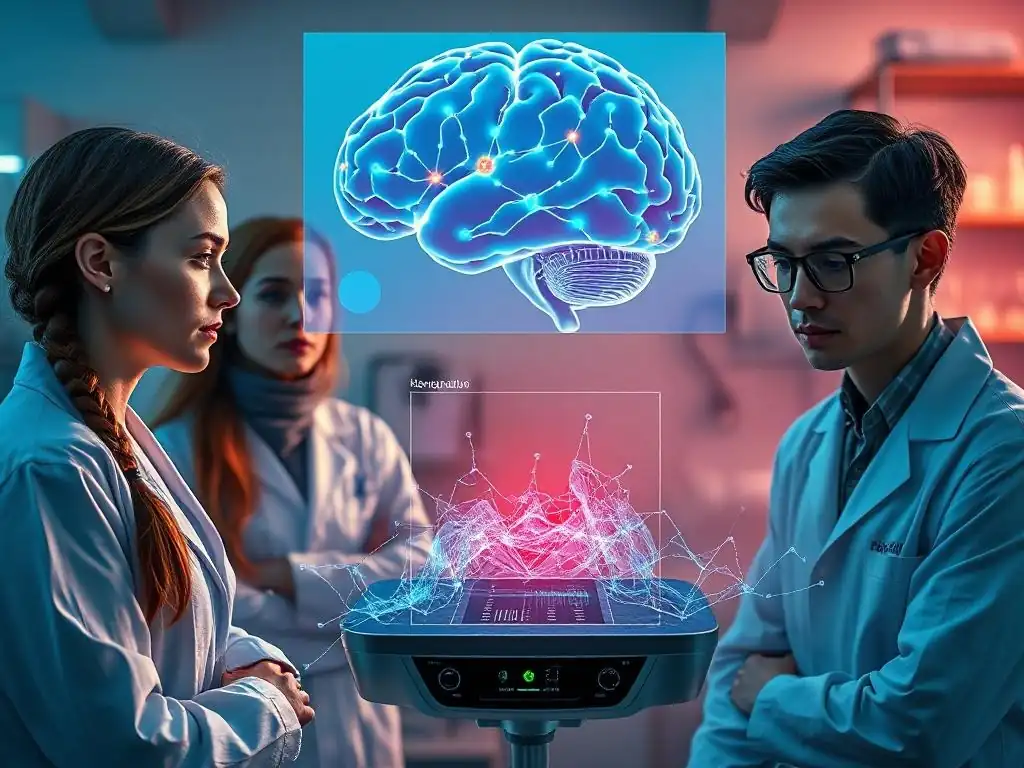
Welcome to Mind Care Guide, your sanctuary for understanding and navigating the complexities of mental well-being. Ever wonder how the intricate dance of chemicals in your brain affects your mood and overall health? This article delves into the cutting-edge world of neurotransmitterbased mental health treatment, offering a glimpse into a future where mental health care is more precise and personalized. Curious about how targeting specific neurotransmitters could revolutionize the way we approach mental health challenges? Let's explore...
The Future of Mental Health Treatment: Targeting Specific Neurotransmitters
- Introduction: The Evolving Landscape of Mental Health Care
- The Promise of Neurotransmitter-Based Mental Health Treatment
-
Key Neurotransmitters Targeted in Modern Mental Health Treatment
- Serotonin: Beyond Depression - Targeting Specific Serotonin Receptors for Anxiety and OCD
- Dopamine: Refining Treatment for Schizophrenia and ADHD Through Dopamine Pathway Modulation
- Norepinephrine: Addressing Focus and Energy in Depression and PTSD with Norepinephrine-Specific Therapies
- GABA: Calming the Mind - GABAergic Approaches for Anxiety Disorders and Insomnia
- Glutamate: Emerging Research on Glutamate's Role in Depression and Schizophrenia
- Advanced Technologies Enabling Neurotransmitter-Specific Treatments
- Challenges and Considerations in Neurotransmitter-Targeted Therapies
- Examples of Emerging Neurotransmitter-Based Therapies
- The Future of Mental Health: A Vision of Personalized Neurotransmitter-Based Care
- Conclusion: Embracing the Neurotransmitter Revolution in Mental Health
-
Frequently Asked Questions
- What exactly is Neurotransmitter-based Mental Health Treatment?
- Why is targeting neurotransmitters considered the "future" of mental health treatment?
- What are some examples of mental health conditions being treated with neurotransmitter-based therapies?
- How does this treatment differ from traditional mental health approaches like talk therapy?
- What are the potential risks and benefits of Neurotransmitter-based Mental Health Treatment?
- Final Reflection: Reimagining Mental Health Through Neurotransmitter Understanding
- Unlock Your Brain's Potential: Take Charge of Your Mental Wellbeing
Introduction: The Evolving Landscape of Mental Health Care
Understanding the Role of Neurotransmitters in Mental Health
Neurotransmitters are the brain's chemical messengers, crucial for transmitting signals between neurons. These tiny molecules regulate virtually every function in our body and mind, from mood, sleep, and appetite to learning, memory, and emotional responses. Imbalances or dysfunctions in these complex chemical systems are strongly implicated in the development and manifestation of various mental health conditions, including depression, anxiety disorders, schizophrenia, and ADHD.
For instance, serotonin is widely known for its role in regulating mood and emotional well-being, while dopamine is central to reward, motivation, and motor control pathways. Norepinephrine affects alertness and stress responses, GABA is the primary inhibitory neurotransmitter calming neural activity, and glutamate is the main excitatory one involved in learning and memory.
Disruptions in the delicate balance or signaling efficiency of these neurotransmitters can profoundly impact brain circuits, leading to the distressing symptoms associated with mental illness. Historically, many psychiatric medications were developed with a relatively broad understanding of how they affected these chemical messengers. Early antidepressants, for example, might impact serotonin, norepinephrine, and sometimes dopamine pathways simultaneously, or in ways that weren't precisely understood at a receptor level.
Similarly, antipsychotics primarily targeted dopamine receptors but could also affect other systems. While these treatments have offered significant relief to millions, their broad-spectrum nature often comes with limitations, including side effects and varying degrees of effectiveness across individuals, underscoring the need for more precise interventions.
From Broad-Spectrum Treatments to Precision Medicine in Mental Healthcare
For decades, mental health treatment has often relied on a trial-and-error approach, where clinicians prescribe medications based on diagnostic categories and general clinical guidelines. This frequently involves starting with a standard treatment, monitoring for effectiveness and side effects, and then adjusting the dose or switching to a different medication if necessary.
This approach, while practical, can be time-consuming, frustrating for patients, and doesn't account for the unique biological underpinnings of an individual's condition. A medication that works wonders for one person with depression might have no effect or cause intolerable side effects in another, even if they share a similar diagnosis.
The future of mental healthcare is increasingly moving towards a model of precision medicine, similar to advancements seen in fields like oncology. This shift involves tailoring treatment plans to an individual's specific biological and genetic profile, aiming for more effective outcomes with fewer side effects. At the heart of this evolution is a deeper understanding of the brain's intricate circuits and the specific roles of different neurotransmitters and their receptor subtypes.
Instead of using medications that broadly impact a neurotransmitter system, precision medicine seeks to target specific pathways or even specific receptor types that are most relevant to a patient's particular symptoms and biological makeup. This Neurotransmitter-based mental health treatment approach holds the promise of significantly improving response rates and reducing the burden of side effects.
The Promise of Neurotransmitter-Based Mental Health Treatment
What is Neurotransmitter-Based Mental Health Treatment?
Neurotransmitter-based mental health treatment refers to therapeutic strategies that specifically target the activity or signaling of particular neurotransmitters or their receptors within the brain. This goes beyond simply increasing or decreasing the overall level of a neurotransmitter. It involves understanding the precise pathways involved in a specific mental health condition and developing interventions that modulate activity within those pathways. For example, instead of just increasing serotonin availability generally, a Neurotransmitter-based mental health treatment might focus on modulating activity at specific serotonin receptor subtypes known to be involved in anxiety, while leaving others relatively untouched.
This approach leverages our growing knowledge of neurobiology to design medications and therapies that are more selective and targeted. It acknowledges that mental illnesses are complex disorders arising from disruptions in specific neural circuits, often involving multiple neurotransmitters but with particular pathways being more central to certain symptoms. By identifying and targeting these key pathways, Neurotransmitter-based mental health treatment aims to restore balance and function more effectively than broad-acting agents. This could involve novel drug compounds, but also potentially non-pharmacological interventions that influence neurotransmitter systems, such as specific types of neuromodulation techniques.
Why Target Specific Neurotransmitters? Addressing the Limitations of Current Approaches
Current mental health treatments, while valuable, often face significant limitations. Response rates to initial antidepressant or antipsychotic medications are often around 50-60%, meaning a substantial portion of patients do not achieve full remission or require multiple treatment trials. Furthermore, existing medications frequently cause side effects because they interact with neurotransmitter receptors or pathways throughout the brain and body, not just those relevant to the condition being treated.
For example, SSRIs, which increase serotonin levels, can cause digestive issues because serotonin also plays a role in the gut. Traditional antipsychotics, which block dopamine receptors, can lead to motor side effects because dopamine is critical for movement control.
Targeting specific neurotransmitters or even specific receptor subtypes offers the potential to mitigate these issues. By acting more selectively on the precise neural circuits implicated in a disorder, these treatments could potentially improve efficacy for non-responders and reduce off-target side effects. For instance, if a particular subtype of dopamine receptor is primarily involved in the positive symptoms of schizophrenia, a drug targeting only that subtype might be effective without causing the motor side effects associated with blocking other dopamine receptors. This precision in Neurotransmitter-based mental health treatment is crucial for improving patient adherence and overall quality of life.
Key Neurotransmitters Targeted in Modern Mental Health Treatment
Serotonin: Beyond Depression - Targeting Specific Serotonin Receptors for Anxiety and OCD
Serotonin (5-HT) is perhaps one of the most widely recognized neurotransmitters in relation to mental health, primarily known for its association with mood regulation. While Selective Serotonin Reuptake Inhibitors (SSRIs) have been a cornerstone treatment for depression and anxiety for decades by increasing overall serotonin levels in the synapse, research is now delving deeper into the roles of the more than 14 known serotonin receptor subtypes.
These different receptors are distributed unevenly throughout the brain and body and mediate diverse effects. For example, activating the 5-HT1A receptor is associated with anxiolytic (anxiety-reducing) effects, while stimulating the 5-HT2A receptor is linked to hallucinogenic effects and is also being explored for its potential therapeutic effects in conditions like depression and PTSD via novel mechanisms.
Targeting specific serotonin receptor subtypes represents a significant advancement in Neurotransmitter-based mental health treatment. For obsessive-compulsive disorder (OCD), which often responds to higher doses of SSRIs, understanding which specific serotonergic pathways are most involved could lead to more effective and tolerable treatments.
Similarly, different anxiety disorders might involve distinct serotonin receptor profiles. Developing drugs that selectively modulate activity at, say, the 5-HT1A receptor for generalized anxiety disorder, or a combination of receptors for social anxiety, could offer more tailored and potent therapeutic effects compared to broadly increasing serotonin levels, potentially reducing common side effects like nausea, sexual dysfunction, or sleep disturbances associated with less selective approaches.
Dopamine: Refining Treatment for Schizophrenia and ADHD Through Dopamine Pathway Modulation
Dopamine is a critical neurotransmitter involved in motivation, reward, pleasure, motor control, and executive functions. Dysregulation of dopaminergic systems is central to conditions like schizophrenia and Attention-Deficit/Hyperactivity Disorder (ADHD). In schizophrenia, excessive dopamine activity in certain brain regions is linked to positive symptoms like hallucinations and delusions, while reduced dopamine in other areas may contribute to negative symptoms and cognitive deficits. Traditional antipsychotics primarily block dopamine D2 receptors, effectively reducing positive symptoms but often causing side effects like movement disorders (due to D2 blockade in motor areas) or worsening negative symptoms (due to dopamine reduction in cognitive areas).
Modern Neurotransmitter-based mental health treatment for schizophrenia aims for more nuanced dopamine modulation. Newer "atypical" antipsychotics often have a different receptor profile, affecting serotonin receptors in addition to dopamine, or having a weaker affinity for D2 receptors while targeting other dopamine subtypes (like D3 or D4) or modulating dopamine release indirectly. For ADHD, stimulant medications increase dopamine (and norepinephrine) availability, particularly in prefrontal cortex circuits involved in attention and focus.
Future treatments are exploring agents that specifically target dopamine transporters or receptors involved in executive function pathways, aiming to improve focus and reduce impulsivity with fewer cardiovascular or sleep side effects often associated with current stimulants. Research into modulating dopamine activity in specific brain regions or pathways offers hope for more targeted and effective treatments for both conditions.
Norepinephrine: Addressing Focus and Energy in Depression and PTSD with Norepinephrine-Specific Therapies
Norepinephrine (also known as noradrenaline) is a neurotransmitter and hormone involved in the body's "fight or flight" response, regulating alertness, arousal, attention, and stress responses. Along with serotonin, it plays a significant role in mood regulation. Dysregulation of norepinephrine systems is implicated in major depressive disorder, particularly affecting symptoms like low energy, poor concentration, and psychomotor retardation.
It is also heavily involved in the fear and anxiety responses characteristic of Post-Traumatic Stress Disorder (PTSD). Medications like Serotonin-Norepinephrine Reuptake Inhibitors (SNRIs) target both systems, proving effective for many but sometimes causing side effects like increased heart rate, blood pressure, or anxiety.
More targeted Neurotransmitter-based mental health treatment focusing specifically on norepinephrine pathways is being explored. This could involve modulating different norepinephrine receptor subtypes (alpha and beta adrenergic receptors, each with multiple subtypes) which have varying effects on alertness, mood, and physical responses to stress.
For example, certain alpha-2 adrenergic agonists are sometimes used off-label to manage symptoms of PTSD like nightmares or hyperarousal by dampening noradrenergic activity. Future therapies might involve developing drugs that specifically target norepinephrine transporters or receptors in particular brain regions known to be dysfunctional in depression or PTSD, aiming to improve energy levels and focus or reduce hypervigilance and anxiety with greater precision and fewer systemic side effects.
GABA: Calming the Mind - GABAergic Approaches for Anxiety Disorders and Insomnia

Gamma-aminobutyric acid (GABA) is the principal inhibitory neurotransmitter in the central nervous system. Its primary function is to reduce neuronal excitability, essentially acting as the brain's natural calming agent. When GABA binds to its receptors, it decreases the likelihood that a neuron will fire.
Dysfunctions in the GABAergic system are strongly associated with anxiety disorders, panic disorder, and insomnia, conditions characterized by excessive neuronal activity and states of hyperarousal. Benzodiazepines, a class of anti-anxiety medications, work by enhancing the effects of GABA at the GABA-A receptor, leading to a calming effect. However, they can cause sedation, cognitive impairment, and carry a risk of dependence and withdrawal.
Future Neurotransmitter-based mental health treatment aims to leverage the calming effects of GABA more selectively and safely. There are different subtypes of GABA-A receptors, each composed of various protein subunits, and these subtypes are located in different brain regions and mediate distinct effects (e.g., sedation, anxiety reduction, muscle relaxation, memory impairment).
Research is focusing on developing compounds that selectively target specific GABA-A receptor subtypes associated with anxiety reduction or sleep induction, while avoiding those linked to sedation or dependence. Additionally, researchers are exploring ways to enhance GABAergic signaling through alternative mechanisms, such as modulating GABA synthesis or transport, to achieve therapeutic effects with a better side effect profile than traditional benzodiazepines.
Glutamate: Emerging Research on Glutamate's Role in Depression and Schizophrenia
Glutamate is the primary excitatory neurotransmitter in the brain and is crucial for learning, memory, and synaptic plasticity. While essential for normal brain function, excessive glutamate activity (excitotoxicity) can be damaging, and dysregulation of glutamatergic systems is increasingly implicated in the pathophysiology of several mental illnesses, including major depressive disorder, schizophrenia, and OCD. For instance, research suggests that dysfunction in glutamate pathways, particularly involving N-methyl-D-aspartate (NMDA) receptors and alpha-amino-3-hydroxy-5-methyl-4-isoxazolepropionic acid (AMPA) receptors, may contribute to the neural circuit abnormalities seen in depression.
The role of glutamate in mental health is a relatively newer area of focus compared to monoamines like serotonin and dopamine, but it holds significant promise for Neurotransmitter-based mental health treatment, particularly for treatment-resistant conditions. Ketamine, an NMDA receptor antagonist, has shown rapid and robust antidepressant effects in patients who haven't responded to traditional treatments, providing significant proof of concept for targeting glutamatergic systems.
While ketamine's mechanism is complex, its initial action on glutamate pathways is believed to play a key role. Future research is exploring other ways to modulate glutamate activity, perhaps by targeting different receptor subtypes (e.g., metabotropic glutamate receptors) or enzymes involved in glutamate metabolism, aiming to develop novel, fast-acting treatments for depression, schizophrenia, and other disorders with fewer dissociative or addictive properties than ketamine.
Advanced Technologies Enabling Neurotransmitter-Specific Treatments
Neuroimaging Techniques: Identifying Neurotransmitter Imbalances in the Brain
Advanced neuroimaging techniques are playing a pivotal role in advancing our understanding of neurotransmitter systems and their dysfunction in mental illness. Techniques like Positron Emission Tomography (PET) and Single-Photon Emission Computed Tomography (SPECT) allow researchers to visualize and quantify the distribution and activity of specific neurotransmitter receptors and transporters in vivo (in living individuals). By using radioactive tracers that bind selectively to these molecules, PET scans can show, for example, the density of dopamine D2 receptors in different brain regions in individuals with schizophrenia compared to healthy controls, or the availability of serotonin transporters in patients with depression.
These imaging methods are invaluable tools for both research and potentially future clinical applications in Neurotransmitter-based mental health treatment. They help confirm hypotheses about which neurotransmitter systems are involved in specific conditions and brain regions.
Crucially, they can also be used to evaluate how effectively a new drug binds to its intended target receptors in the brain, helping to guide drug development and dosage. While currently primarily research tools, the hope is that in the future, advanced neuroimaging might help clinicians identify specific neurotransmitter abnormalities in individual patients, guiding them towards the most appropriate targeted therapy rather than relying solely on symptom-based diagnosis.
Genetic Testing: Predicting Individual Responses to Neurotransmitter-Modulating Medications
Genetic factors significantly influence how individuals respond to psychiatric medications that modulate neurotransmitter systems. Variations in genes that code for neurotransmitter receptors, transporters, enzymes involved in neurotransmitter synthesis or metabolism, and liver enzymes that process drugs can all affect a medication's effectiveness, side effects, and optimal dosage.
For instance, polymorphisms in genes encoding serotonin transporters (like SLC6A4) or receptors (like HTR2A) have been associated with varying responses to SSRIs. Similarly, variations in cytochrome P450 (CYP) enzymes, which metabolize many psychiatric drugs, can lead to some individuals processing medications very quickly (requiring higher doses for effect) or very slowly (leading to higher drug levels and increased risk of side effects).
Pharmacogenetic testing, which analyzes these genetic variations, is becoming an increasingly valuable tool in personalizing Neurotransmitter-based mental health treatment. While not yet a perfect predictor, these tests can provide clinicians with insights into how a patient might metabolize certain medications or how their neurotransmitter systems might respond based on their genetic makeup.
This information can help guide medication selection and dosage, potentially reducing the trial-and-error period and improving treatment outcomes. As our understanding of the complex interplay between genetics and neurotransmitter function grows, pharmacogenetic testing is expected to play an even larger role in matching patients to the most suitable targeted therapies.
Personalized Medicine: Tailoring Treatment Plans Based on Individual Neurotransmitter Profiles
The ultimate goal of integrating advanced technologies like neuroimaging and genetic testing is to enable truly personalized Neurotransmitter-based mental health treatment. Instead of a one-size-fits-all approach or even broad diagnostic categories, personalized medicine aims to understand the specific biological profile of an individual's mental health condition, including their unique neurotransmitter imbalances, receptor sensitivities, and metabolic capabilities. This comprehensive profile would then inform the selection of the most appropriate therapy, whether it's a specific medication targeting a particular receptor subtype, a combination of therapies, or a non-pharmacological intervention.
Imagine a future where a patient presenting with symptoms of depression undergoes imaging to assess activity in specific brain circuits and genetic testing to understand their likely response to different classes of neurotransmitter-modulating drugs. Based on these data points, combined with clinical assessment, a treatment plan is developed that targets the specific glutamatergic dysfunction identified via imaging and selects a medication metabolized efficiently by the patient's specific CYP enzymes, potentially avoiding side effects linked to a specific serotonin receptor variant indicated by genetic testing.
This level of precision in Neurotransmitter-based mental health treatment holds the potential to dramatically increase response rates, minimize adverse effects, and significantly improve the patient experience and long-term outcomes.
Challenges and Considerations in Neurotransmitter-Targeted Therapies
The Complexity of Neurotransmitter Interactions and Brain Function
While targeting specific neurotransmitters offers immense promise, a significant challenge lies in the sheer complexity of the brain. Neurotransmitter systems do not operate in isolation; they are intricately interconnected, forming vast networks that influence each other in myriad ways. Modulating one neurotransmitter pathway can have cascading effects on others, sometimes in unpredictable ways. For example, altering dopamine levels can affect serotonin signaling, and vice versa. Glutamate and GABA systems maintain a delicate excitatory-inhibitory balance, and disrupting one can profoundly impact the other.
Furthermore, mental health conditions are rarely caused by a simple excess or deficit of a single neurotransmitter. They typically involve dysregulation across multiple interconnected neural circuits, potentially involving several different neurotransmitter systems interacting in complex patterns. Developing treatments that target a single, narrow pathway might not be sufficient to address the multifaceted nature of conditions like schizophrenia or bipolar disorder. A truly effective Neurotransmitter-based mental health treatment approach must grapple with this complexity, potentially requiring combination therapies that modulate multiple targets or developing drugs that have specific effects within particular circuits rather than globally affecting a single neurotransmitter type.
Potential Side Effects and Risks of Highly Targeted Treatments
Even highly targeted therapies carry potential risks and side effects. While the goal is to reduce off-target effects by being more selective, modulating a specific neurotransmitter receptor or pathway can still impact other functions mediated by that same target in different parts of the brain or body. For instance, a receptor subtype predominantly involved in mood regulation in one brain area might also play a subtle but important role in cognitive function or sleep in another. Selectively activating or blocking it could still lead to unintended consequences.
Moreover, our understanding of the precise roles of all neurotransmitter receptor subtypes and their distribution is still evolving. Developing drugs that are truly specific to a single subtype or pathway without any interaction with others is technically challenging. There is also the risk that chronic modulation of a highly specific target could lead to adaptive changes in the brain that result in new forms of dysregulation or tolerance. Rigorous preclinical testing and clinical trials are essential to identify and mitigate these risks and ensure the safety of novel Neurotransmitter-based mental health treatment approaches.
The Need for Rigorous Research and Clinical Trials
Advancing Neurotransmitter-based mental health treatment requires substantial and sustained investment in rigorous research and clinical trials. While preclinical studies using animal models or cell cultures can provide valuable insights into potential targets and drug mechanisms, the complexity of the human brain means that findings do not always translate directly into effective treatments for people. Large-scale, well-designed clinical trials are necessary to evaluate the safety and efficacy of new targeted therapies in diverse patient populations.
These trials must not only assess whether a drug improves symptoms but also meticulously track side effects, evaluate long-term outcomes, and investigate which patient subgroups are most likely to benefit. The process of drug discovery and development is lengthy and expensive, with many promising compounds failing in clinical trials. Overcoming the challenges of developing truly selective agents, understanding their long-term impact, and demonstrating their superiority over existing treatments requires significant scientific effort, funding, and collaborative initiatives between academia, industry, and patient advocacy groups. This ongoing research is critical to realizing the full potential of Neurotransmitter-based mental health treatment.
Examples of Emerging Neurotransmitter-Based Therapies

While many targeted Neurotransmitter-based mental health treatments are still in research and development, some examples illustrate the direction of the field. Beyond the established use of SSRIs for serotonin or stimulants for dopamine/norepinephrine, newer approaches are emerging. For instance, drugs targeting specific glutamate receptors (like NMDA or AMPA modulators) are being investigated for their rapid antidepressant effects, building on the insights gained from ketamine research. Esketamine, a derivative of ketamine, has already received approval for treatment-resistant depression, administered via nasal spray, demonstrating a clinical application of targeting the glutamatergic system.
Another area involves exploring novel ways to modulate GABAergic systems beyond traditional benzodiazepines. Research is looking at compounds that selectively enhance activity at specific GABA-A receptor subtypes associated with anxiety without causing widespread sedation. Furthermore, there is interest in positive allosteric modulators (PAMs) that don't directly activate receptors but instead enhance the effect of the natural neurotransmitter when it binds, potentially offering a more physiological way to boost inhibition. These examples highlight the move towards more nuanced chemical interventions based on a deeper understanding of specific neurotransmitter pathways and their roles in mental illness.
The Future of Mental Health: A Vision of Personalized Neurotransmitter-Based Care
The Integration of Technology and Neuroscience in Mental Health Practice
The future of mental health practice will be characterized by a much closer integration of technology and neuroscience, paving the way for sophisticated Neurotransmitter-based mental health treatment. Advanced brain imaging techniques, once confined to research labs, may become more accessible diagnostic tools to help identify specific neural circuit dysfunctions or neurotransmitter imbalances in individual patients. Coupled with increasingly sophisticated genetic and proteomic testing (analyzing proteins, including receptors and enzymes), clinicians will have access to unprecedented levels of biological data about their patients.
This influx of data will necessitate the use of artificial intelligence and machine learning algorithms to analyze complex patterns and predict individual responses to different targeted therapies. Electronic health records will likely incorporate these biological markers alongside clinical symptoms and treatment history to create truly personalized treatment profiles. Telemedicine platforms will facilitate access to specialized care and monitoring, allowing for remote assessment of treatment response and side effects from Neurotransmitter-based mental health treatment. This technological integration promises to transform mental healthcare from a largely symptom-driven field to one grounded in biological precision.
Empowering Patients with Knowledge and Control over Their Treatment
A key aspect of this future vision is the empowerment of patients. As our understanding of the biological basis of mental health conditions grows, patients will have access to more information about their specific condition, including potential neurotransmitter dysregulations or genetic predispositions that might influence their treatment. This knowledge can demystify mental illness, helping patients understand that their struggles have a biological component, similar to other medical conditions like diabetes or heart disease.
With personalized Neurotransmitter-based mental health treatment plans guided by biological data, patients can become more active participants in their care. They can have more informed discussions with their clinicians about why a particular therapy is recommended for them based on their profile, what specific targets it addresses, and what outcomes or side effects to anticipate. This transparency and shared decision-making process can increase trust, improve adherence to treatment regimens, and give patients a greater sense of control over their journey towards recovery.
Overcoming Stigma and Improving Access to Advanced Mental Healthcare
Advancements in Neurotransmitter-based mental health treatment, coupled with the integration of technology and personalized care, have the potential to significantly impact the pervasive stigma surrounding mental illness. As mental health conditions are increasingly understood and treated based on identifiable biological factors and precise interventions, the perception of these conditions may shift further away from personal weakness or character flaws towards recognizing them as legitimate health issues requiring medical attention.
Furthermore, while initial access to advanced technologies and personalized therapies might be limited, the long-term vision is to improve access to effective care for all who need it. As these technologies become more refined and cost-effective, and as personalized medicine becomes the standard of care, more individuals, regardless of their socioeconomic status or geographic location, could benefit from treatments tailored to their specific needs. This widespread access to precise, effective Neurotransmitter-based mental health treatment is crucial for reducing the global burden of mental illness.
Conclusion: Embracing the Neurotransmitter Revolution in Mental Health
Summarizing the Potential of Neurotransmitter-Based Treatments
The field of mental health is on the cusp of a revolution, moving towards a future where treatment is guided by a deep understanding of the brain's chemical language. Neurotransmitter-based mental health treatment, which focuses on precisely modulating the activity of specific neurotransmitters and their receptors within particular neural circuits, holds immense potential to overcome the limitations of current broad-spectrum therapies. By targeting the specific biological underpinnings of mental health conditions, these advanced approaches promise improved efficacy, reduced side effects, and more predictable outcomes for individuals struggling with conditions like depression, anxiety, schizophrenia, and ADHD.
This shift is powered by cutting-edge technologies such as advanced neuroimaging and genetic testing, which provide unprecedented insights into the individual biological profiles of patients. Integrating these technologies enables the development of personalized treatment plans tailored to an individual's unique neurotransmitter landscape. While challenges remain, including the inherent complexity of brain function and the need for rigorous research, the progress being made offers significant hope for more effective, tolerable, and accessible mental healthcare in the future.
A Call for Continued Research and Innovation in the Field
Realizing the full promise of Neurotransmitter-based mental health treatment requires continued, dedicated effort. It necessitates sustained investment in basic neuroscience research to further unravel the intricate roles of neurotransmitters and their pathways in health and disease. It demands ongoing innovation in drug discovery and development to create novel compounds that are highly selective and effective. Furthermore, it calls for robust clinical trials to rigorously test these new therapies and identify the patient populations most likely to benefit.
Beyond the scientific endeavor, there is a need for collaboration across disciplines – from neuroscientists and pharmacologists to clinicians, geneticists, and data scientists. There is also a crucial need for advocacy to ensure that as these advanced Neurotransmitter-based mental health treatments emerge, they are accessible and affordable for all who could benefit. By embracing this neurotransmitter revolution, we can look forward to a future where mental health treatment is not only more effective but also more humane, personalized, and capable of truly transforming lives.
Frequently Asked Questions
What exactly is Neurotransmitter-based Mental Health Treatment?
It's a treatment approach that focuses on adjusting the levels or activity of specific neurotransmitters in the brain to alleviate symptoms of mental health conditions. This involves therapies designed to directly impact neurotransmitter function.
Why is targeting neurotransmitters considered the "future" of mental health treatment?
This approach offers the potential for more precise and personalized interventions. Instead of broad treatments, it aims to address the root biological causes of mental health issues.
What are some examples of mental health conditions being treated with neurotransmitter-based therapies?
Conditions like depression, anxiety, and schizophrenia are often linked to neurotransmitter imbalances. Treatments may involve medications, dietary changes, or therapies that influence neurotransmitter production and receptor activity.
How does this treatment differ from traditional mental health approaches like talk therapy?
Traditional therapy focuses on cognitive and behavioral changes. Neurotransmitter-based treatment targets the biological underpinnings of mental health, often used in conjunction with therapy for a holistic approach.
What are the potential risks and benefits of Neurotransmitter-based Mental Health Treatment?
Benefits include more effective symptom management and targeted intervention. Risks may include side effects from medications and the need for careful monitoring of neurotransmitter levels.
Final Reflection: Reimagining Mental Health Through Neurotransmitter Understanding
The future of mental health treatment hinges on our ability to precisely target and modulate specific neurotransmitters. This isn't just a scientific pursuit; it's a vital step towards creating a more equitable and effective system of care for millions struggling with mental illness. The advancements discussed in this article, from personalized medicine approaches to novel drug development, represent a paradigm shift in how we approach mental health challenges.
The exploration of neurotransmitter-based treatments has profoundly impacted my understanding of the intricate biological mechanisms underlying mental illness. It's no longer enough to simply categorize conditions; we must delve into the specific imbalances and dysfunctions at a cellular level. This nuanced perspective underscores the importance of individualized care, moving away from a "one-size-fits-all" approach. The mind is not a vessel to be filled, but a fire to be kindled.
– Plutarch. This quote resonates deeply, highlighting the need to ignite the inherent healing capacity within each individual, a capacity that can be facilitated by targeted neurotransmitter interventions.
Consider the implications of this research for your own life and the lives of those around you. Are you, or someone you know, grappling with a mental health condition? Understanding the role of neurotransmitters can empower you to seek more informed treatment options and advocate for personalized care. Let this article serve as a catalyst for deeper exploration, encouraging you to engage in conversations about mental health, support research initiatives, and demand a future where effective and accessible treatment is a reality for everyone.
Unlock Your Brain's Potential: Take Charge of Your Mental Wellbeing
Thanks for taking the time to explore the exciting advancements in mental health treatment! We hope you gained valuable insights into the role of neurotransmitters in shaping our emotional landscape. Now, let's turn that knowledge into action.
- Prioritize a neurotransmitter-focused approach: Discuss your mental health with a professional, specifically mentioning the neurotransmitters discussed in the article to explore potential treatment options tailored to your individual needs. This is your most important next step.
- Share your newfound knowledge: Spread awareness about targeted neurotransmitter therapies by sharing this article with friends, family, or online communities dedicated to mental wellness. Let's work together to destigmatize mental health challenges!
- Explore self-care strategies: Dive deeper into lifestyle adjustments that support healthy neurotransmitter function – things like diet, exercise, and mindfulness practices. There's a wealth of resources available online and within your community.
Ready to make a positive change? What steps will you take today to nurture your brain's optimal chemical balance?